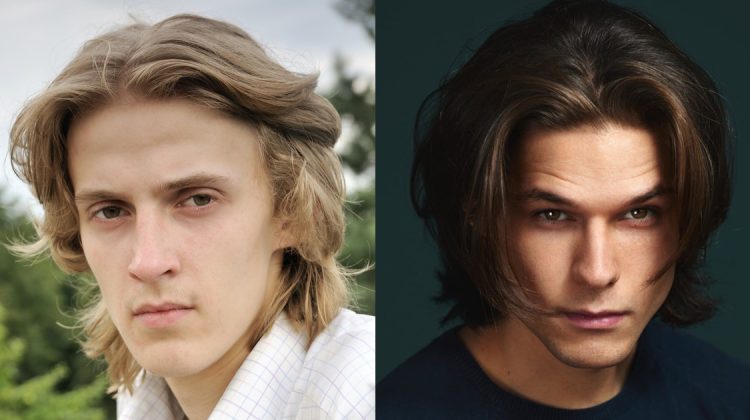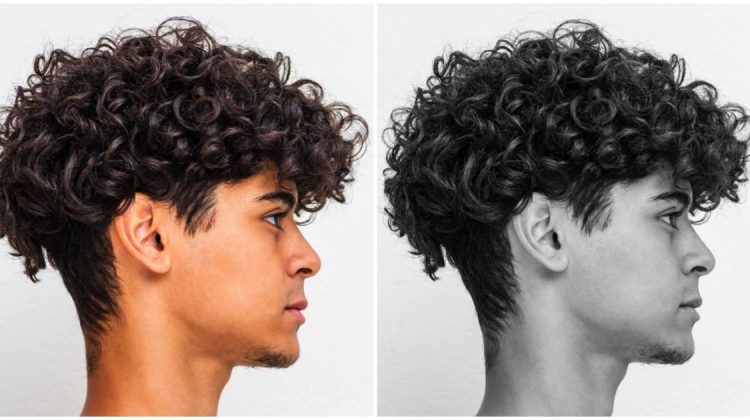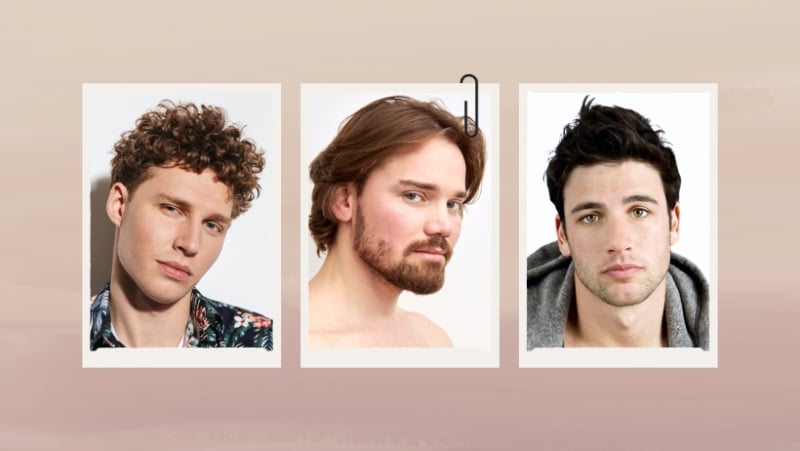
Medium-length hairstyles for men leave room for the front to lift, part, or fall across the forehead. Closely clipped sides expose that length; layers around the ears let it spread into a fuller outline. These men's haircuts include flows, shags, quiffs, curly tops, and twists, each shaped by how the hair bends and settles.
What Is Medium-Length Hair for Men
Medium-length hair for men generally means about three to six inches on top, though curl shrinkage and growth direction change where the ends fall. Longer crops and Ivy League cuts sit near the shorter end. Hair reaching the jaw or collar overlaps with long hair, especially when the sides and back are grown out too.
The sides change the profile as much as the top. A fade exposes the temples beneath the longer hair, while an undercut leaves a more abrupt difference in length. Longer, layered sides let a flow or shag bend around the ears. Trim timing depends on which of those edges needs to stay close.
Medium-Length Hairstyles for Men
The 28 styles range from short-sided cuts with longer fronts to layers that reach the ears and collar. Fringe direction, side length, and texture distinguish each shape.
Bro Flow

The bro flow bends back from the forehead and around the ears. Its longer sides can tuck back or turn outward at the ends, depending on the growth pattern. Guiding damp hair back with the fingers helps set that direction as it dries; a little light cream can hold the sweep if needed.
Brushed Back Medium Cut
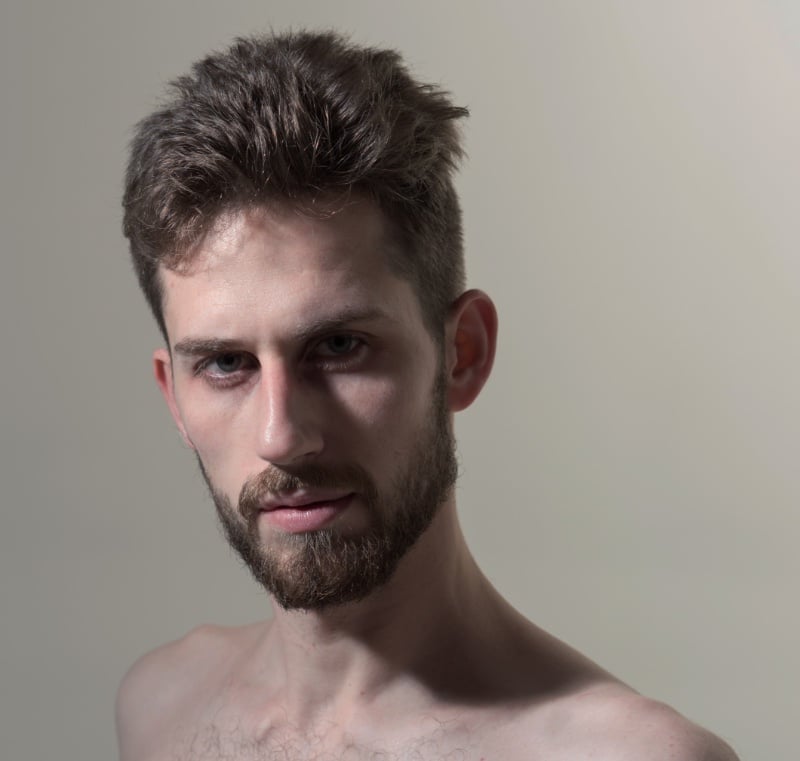
Brushing the front straight back exposes the forehead and lifts the roots above tapered or faded sides. The top stays more directed than a loose flow. A blow-dryer and brush can set the height, while the amount of product determines how closely the strands gather together.
Comb Over

A side part divides the comb over before the longer top sweeps across the crown. Tapered sides let the sweep merge into the profile; a fade exposes more scalp beneath it. Comb with the natural parting to keep the hair from springing back across the line.
Crew Cut

A longer crew cut carries its extra length at the front, with the crown cut shorter. That slope keeps the rear compact while allowing a small lift or side sweep above the forehead. Tapering around the ears and nape narrows the perimeter.
Curly Top Haircut
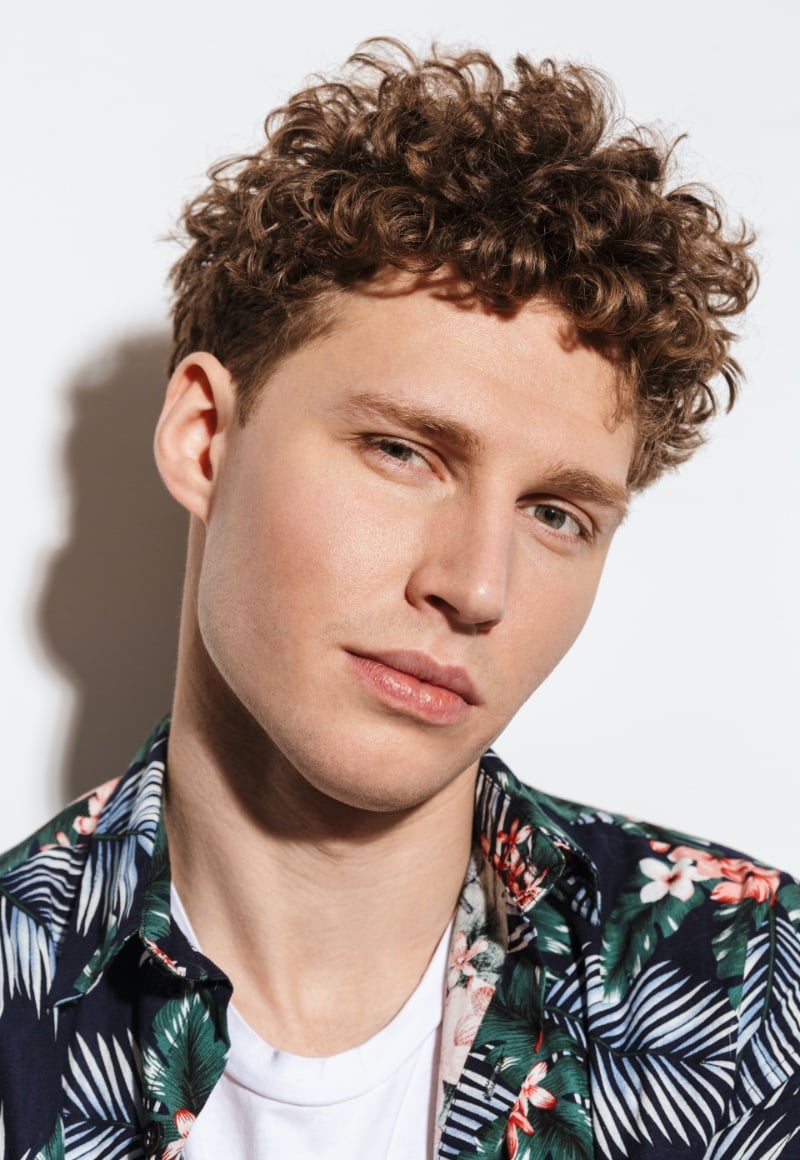
Layers distribute the weight of curly hair across the top so the outline follows the curl pattern. Leaving more length near the front lets curls drop toward the brow; shorter sides limit width at the temples. Judge the shape after drying, when shrinkage reveals where the curls will sit.
Curly Top with Fade
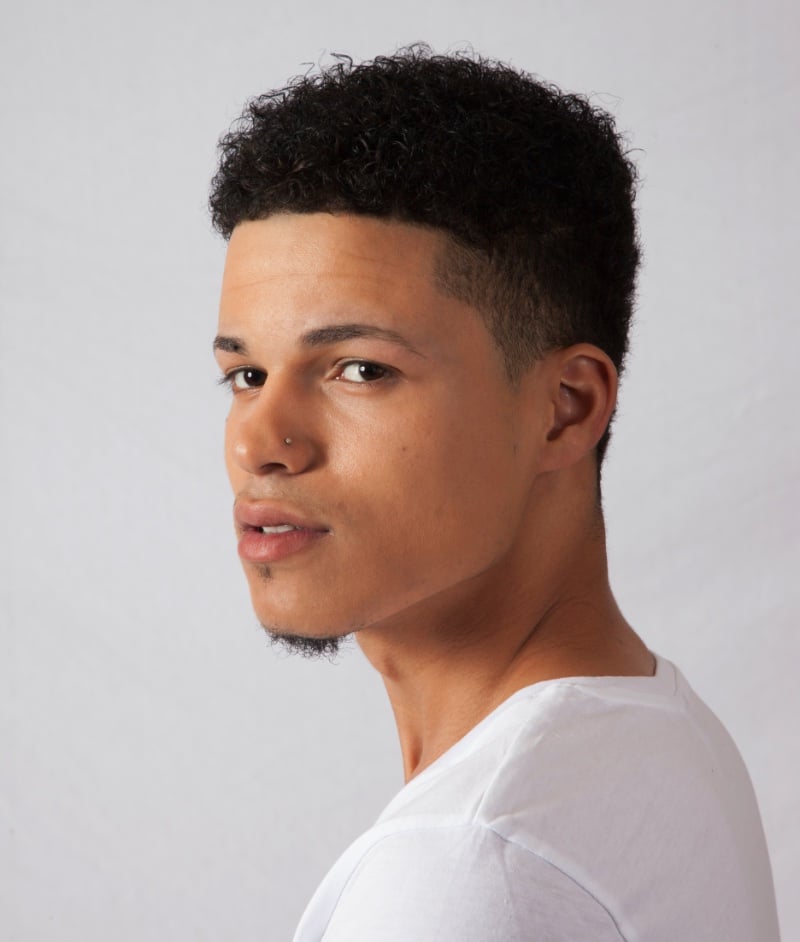
A curly top with a fade exposes the side beneath the rounded mass of curls. A mid fade carries the transition higher than a low fade, leaving less fullness around the temples. Retaining weight near the upper sides helps the curls meet the blend. More on the taper fade for curly hair.
Disconnected Undercut with Medium Top
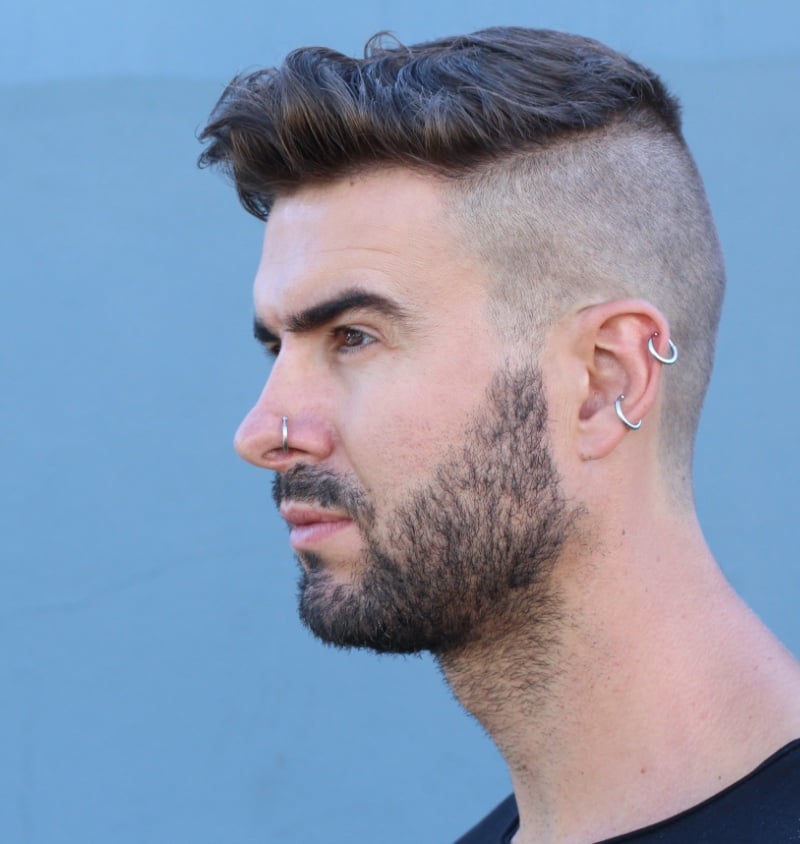
The disconnected undercut leaves a visible step between the medium-length top and closely clipped sides. Sweeping the top back exposes that dividing edge; wearing it loose lets the ends hang over it. Keeping the sections unblended preserves the difference as the top grows.
Dreadlocks
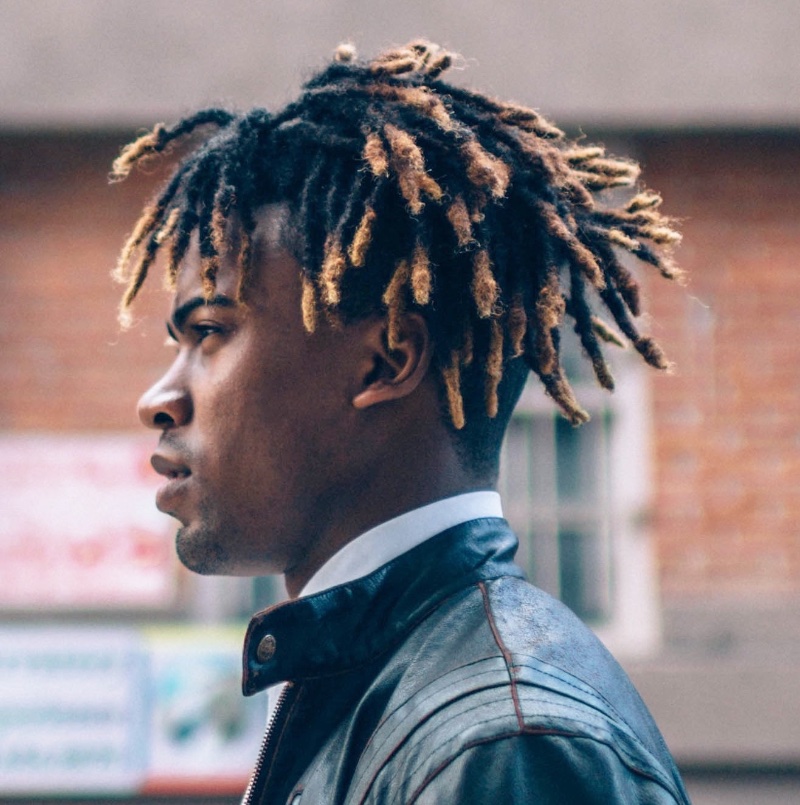
Dreadlocks vary in thickness and number according to section size. At medium length, individual locs may sit around the ears or fall toward the jaw, with their weight changing as they mature. Starting and maintenance methods should suit the hair's texture and the desired finish. Shampoo needs to rinse thoroughly to limit residue.
Faux Hawk
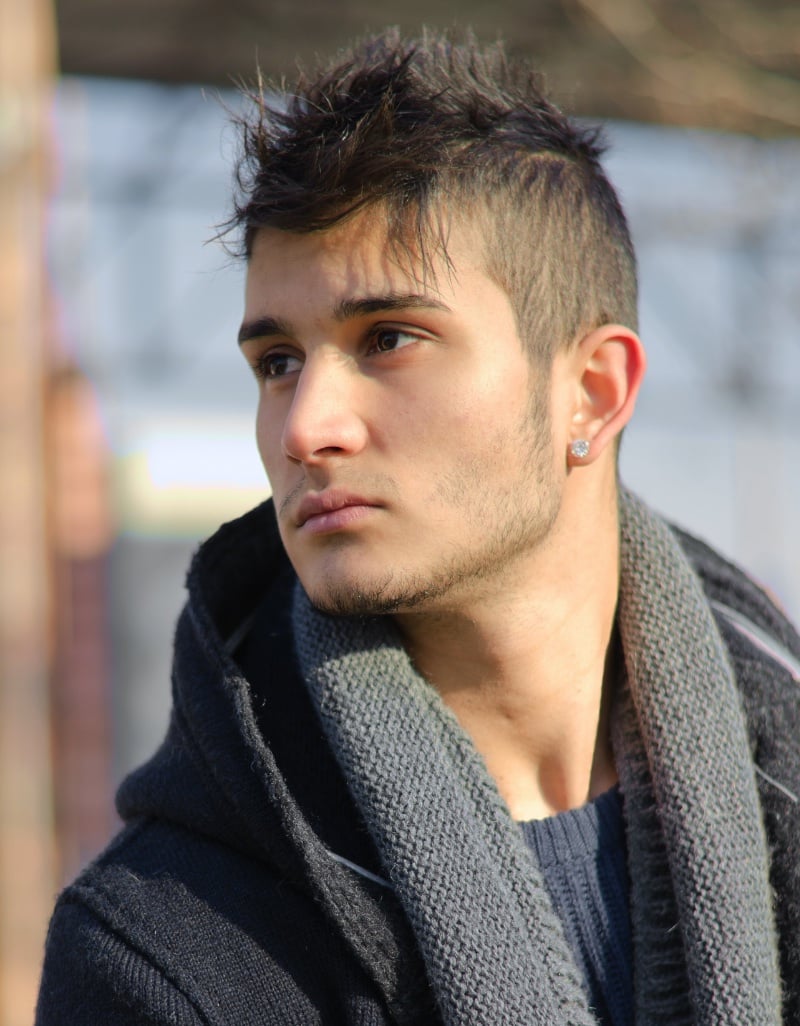
The faux hawk gathers the top into a broad central ridge, borrowing its raised outline from the mohawk. The sides remain shorter, and the height usually decreases toward the crown. Dry the center upward before separating the ends with a small amount of firm-hold product.
Feathered Haircut
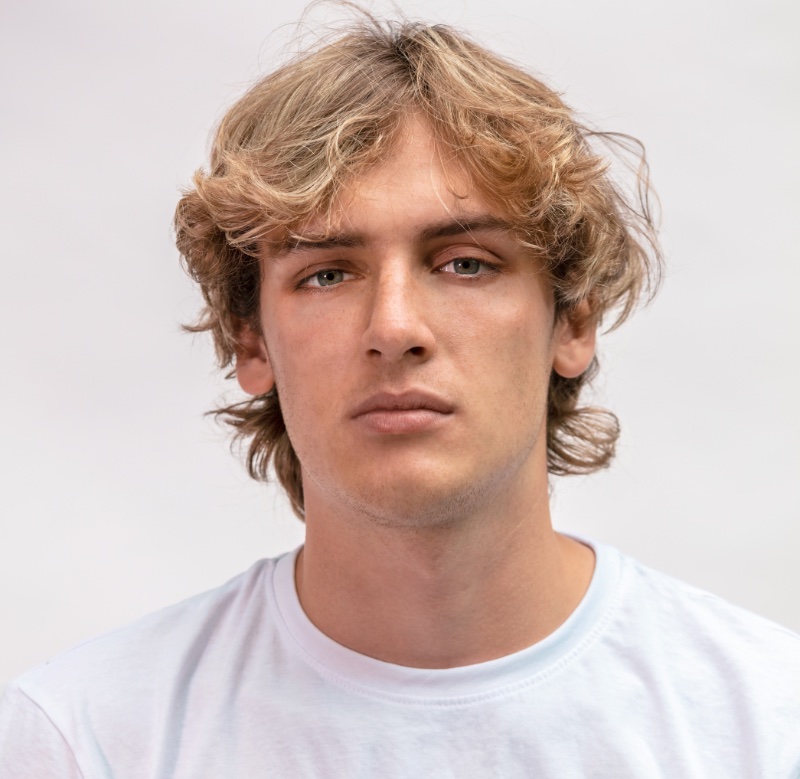
Feathered layers taper toward finer ends that flick away from the face or overlap around the ears. On straight hair, the cut edges remain visible; waves bend them into broader curves. Drying with a brush can turn the tips outward. More on 70s men's haircuts.
Ivy League Cut
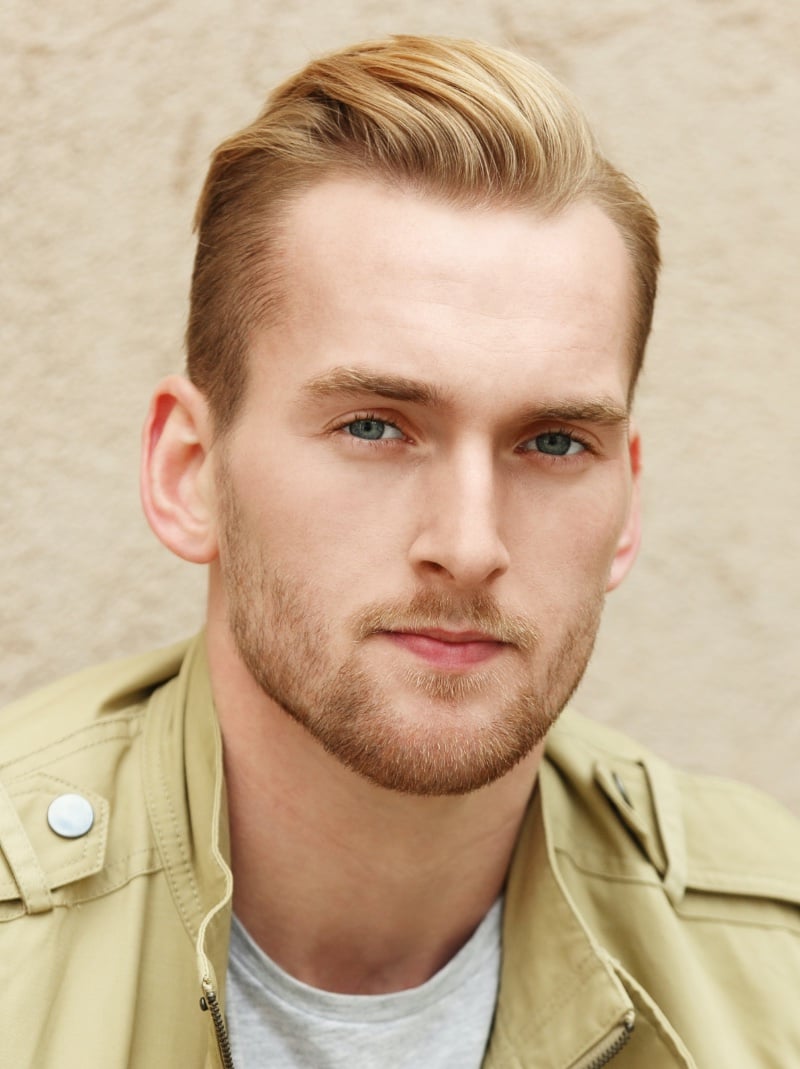
The longer front of an Ivy League gives a side part room to form above a shorter crown. The sweep stays close to the head, with tapered sides keeping the ears exposed. A little light pomade or cream can gather the front while leaving the part visible.
Layered Cut
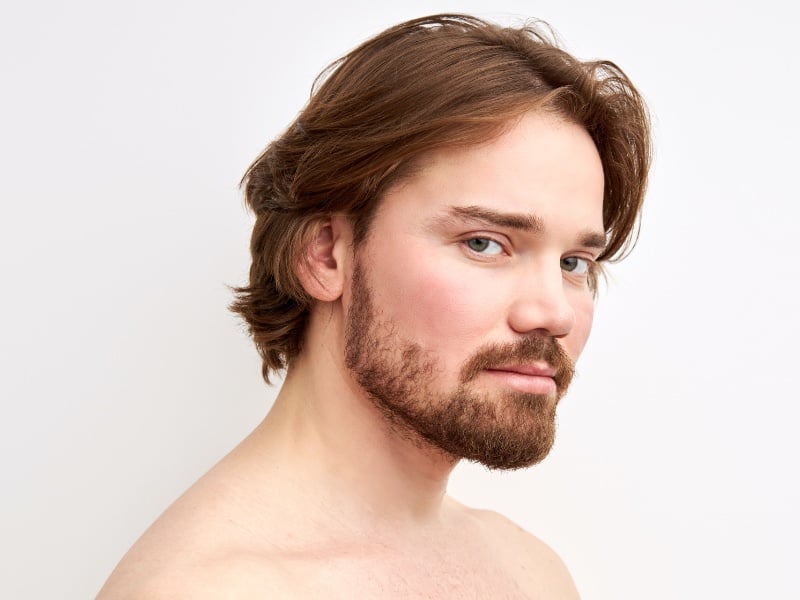
Different lengths let a layered cut shed weight where the hair would otherwise bunch around the ears or crown. Longer outer sections retain the outline while shorter pieces beneath them help the hair bend. Follow the natural fall when drying for a loose surfer-style finish.
Layered Side Sweep
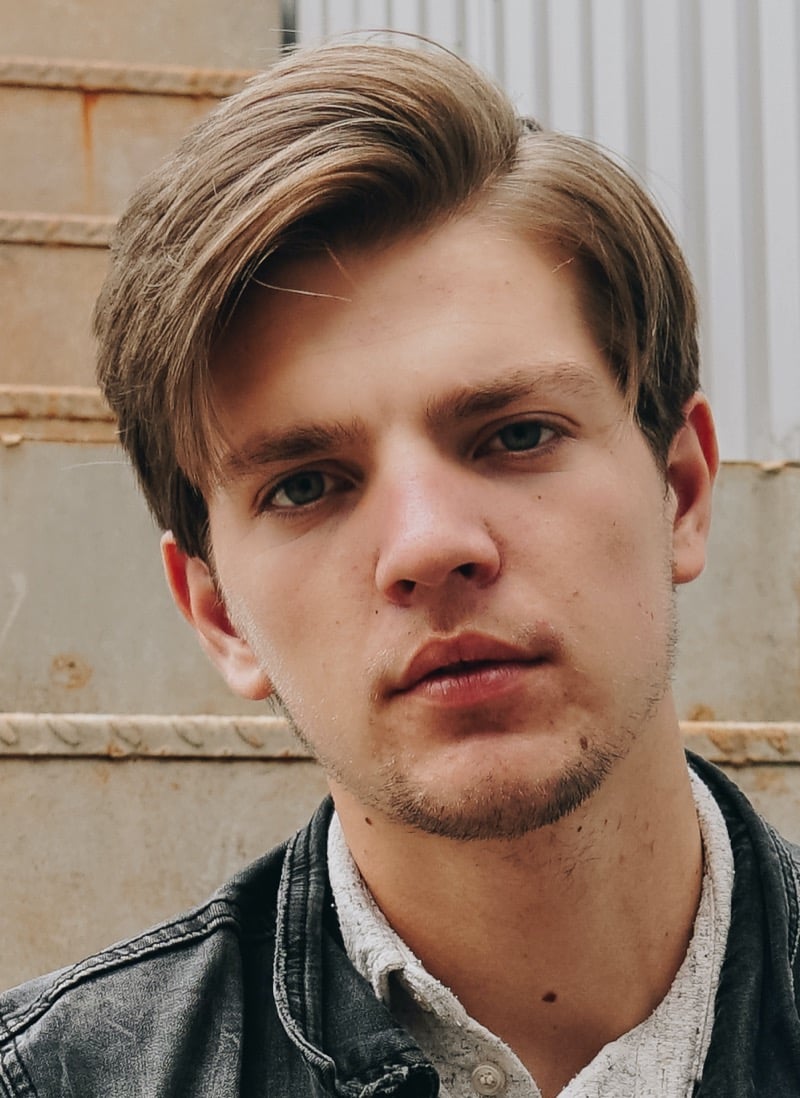
The layered side sweep leaves a longer front section to cross the forehead diagonally. Shorter layers behind it reduce bulk, allowing the sweep to settle against the side. Dry toward the preferred parting with the fingers or a vented brush, retaining enough weight at the ends for the curve to hold.
Medium Fade with Natural Top
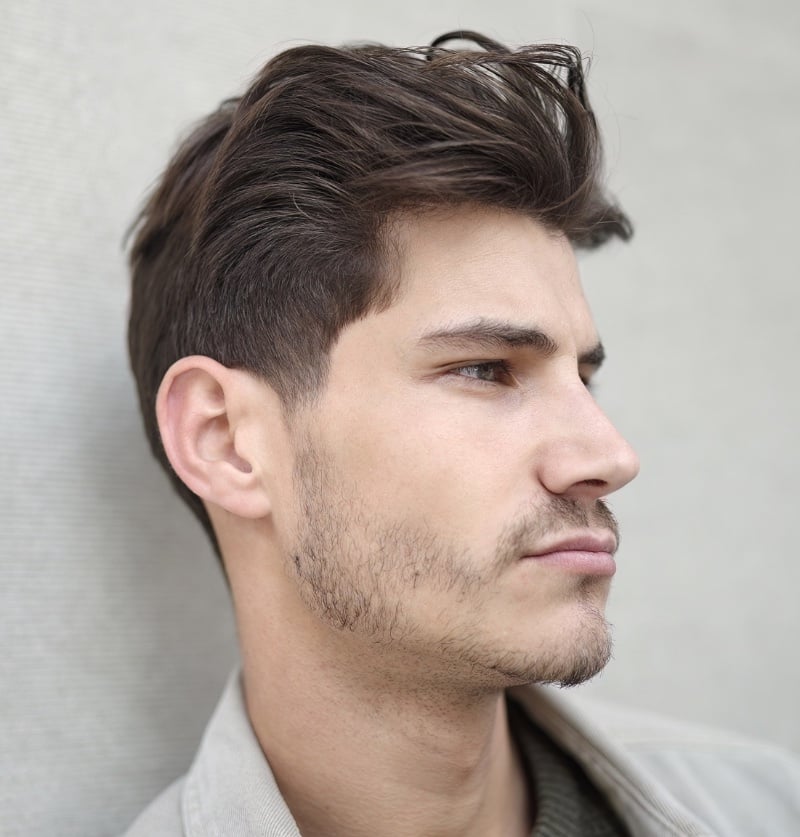
The fade transitions around the middle of the sides beneath a longer, loosely styled top. Leaving the top's texture visible makes the shift from short sides to longer lengths easy to see. Fade height and the shortest guard are separate choices to agree on with the barber.
Messy Hairstyle
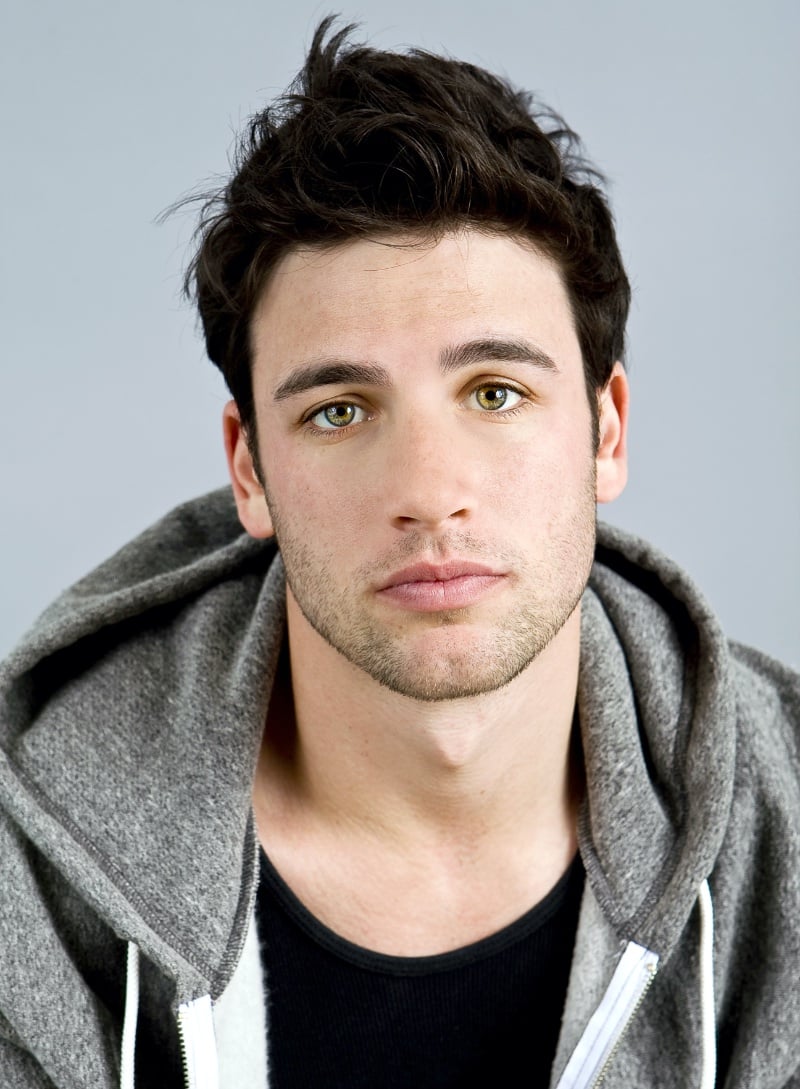
A messy medium-length cut needs layers that separate instead of collapsing into one solid block. The front can lift in small sections while the crown bends in several directions. Work a small amount of wax or paste through the ends, keeping heavier product away from roots that fall flat easily.
Middle Part Haircut
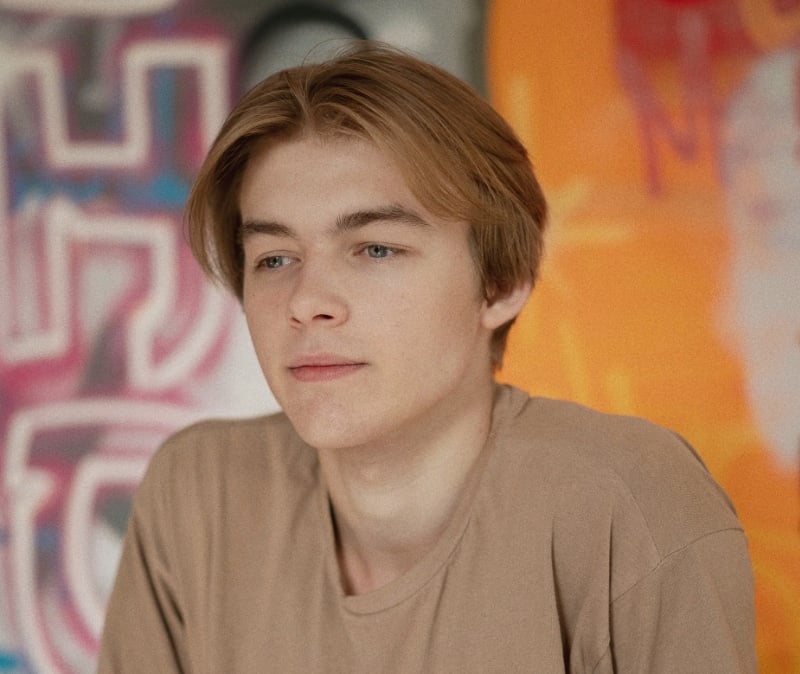
A middle part divides the front through the center, leaving the two sides to fall beside the face. Growth direction may make one side lift or bend more than the other. Layers can reduce bulk near the cheeks while keeping length at the ends. More on the curtain haircut.
Pompadour
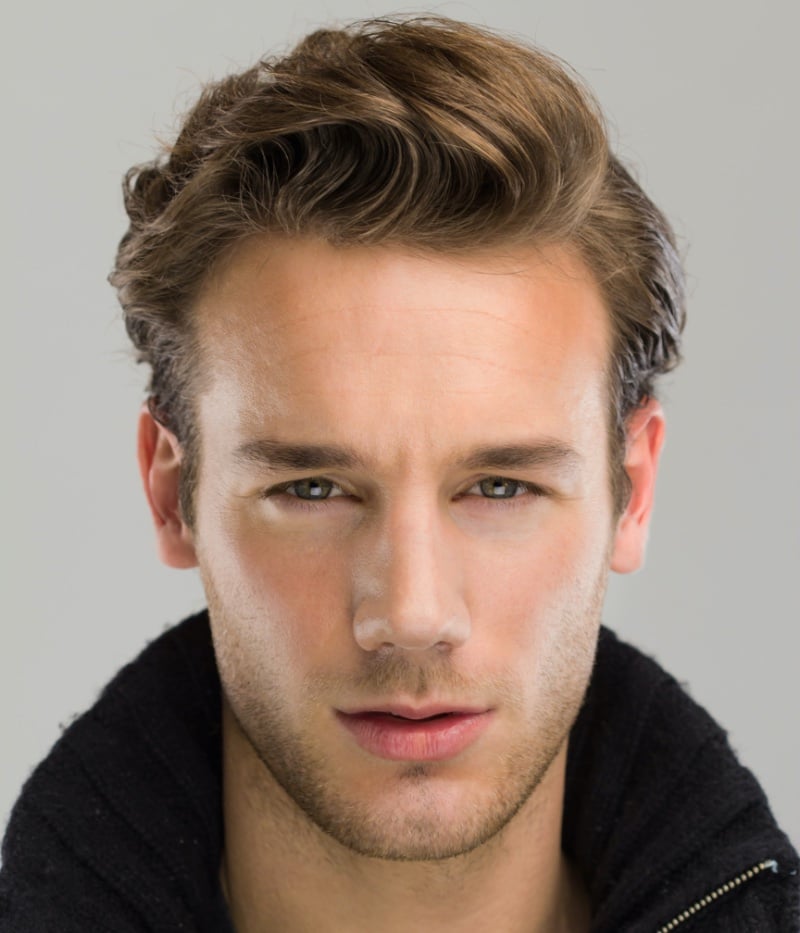
The pompadour rises above the forehead before sweeping back in a continuous curve. Shorter sides emphasize that height, while enough front length lets the surface roll back toward the crown. Drying at the roots establishes the lift; the finishing product helps the strands hold together.
Quiff
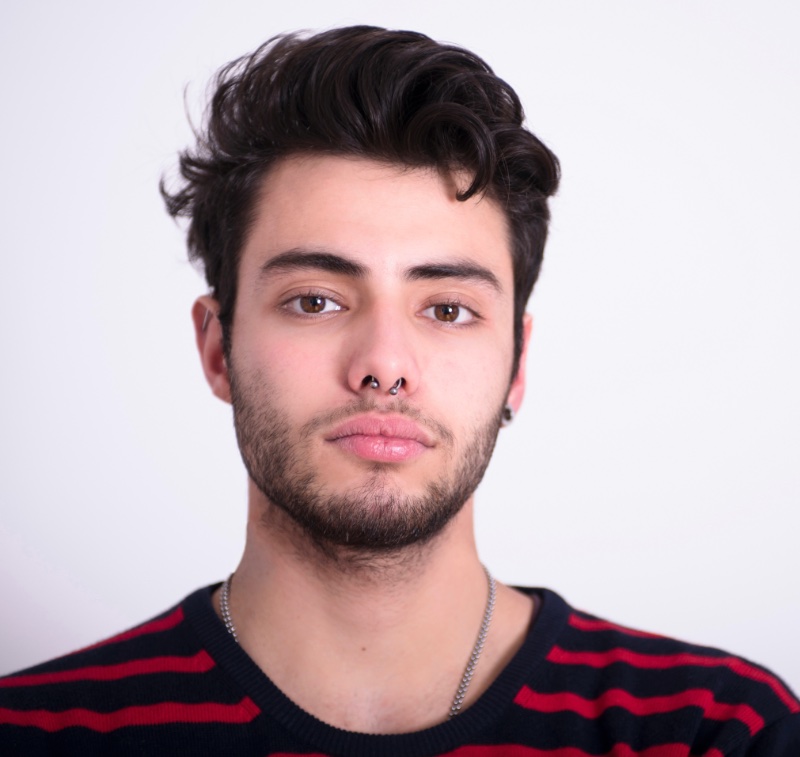
Extra length at the front gives the quiff its raised edge. Shorter hair behind it lets the height drop toward the crown. Blow-dry the roots upward, then sweep the tips back or separate them with matte paste, depending on how defined the front should look.
Shag Haircut
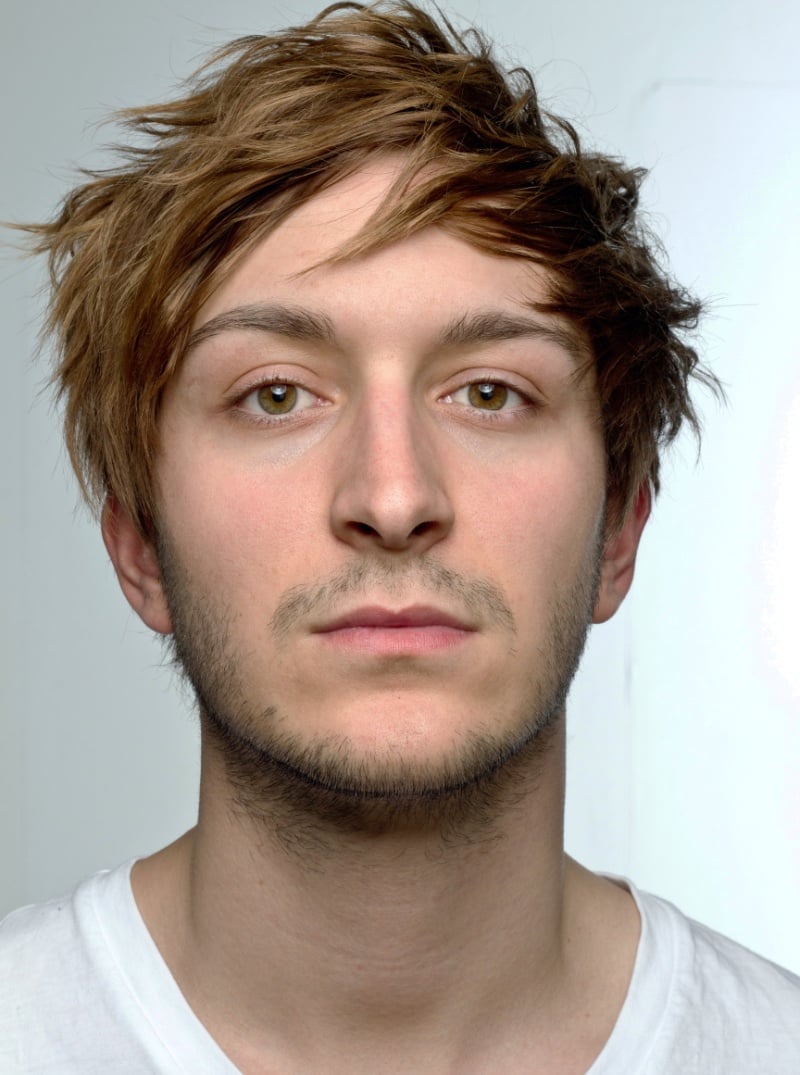
Choppy crown layers and longer ends around the ears give the shag its uneven outline. The fringe can sit near the brows while the back brushes the collar. Natural wave separates the layers; straighter hair shows their cut edges more clearly. The wolf cut and modern mullet shift more emphasis toward the crown and back.
Side Part Undercut

A side part directs the long top across closely clipped sides in this undercut. The unblended lengths leave an overhang along the parting side. Combing the top into a smooth sweep reveals that edge, while a glossy product makes the direction of the strands more visible.
Slick Back
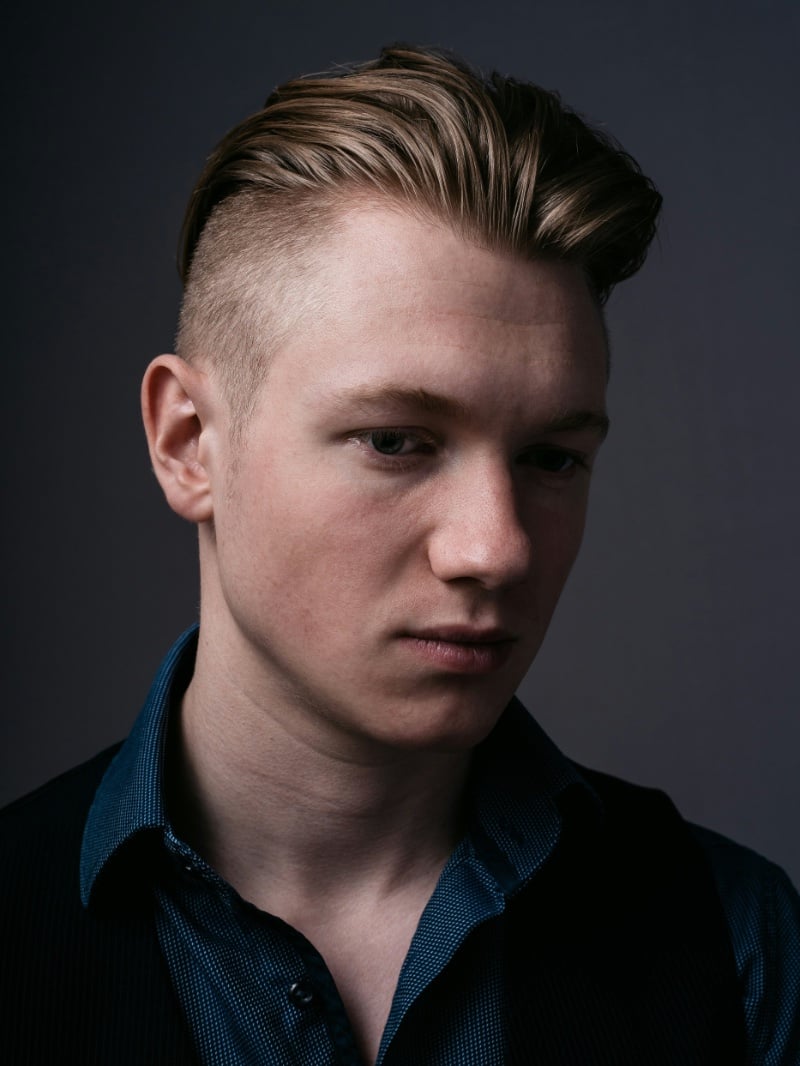
The slick back sends the top toward the rear, exposing the forehead and hairline. An undercut removes fullness beneath the sweep. Comb through a suitable styling product for a close finish, or use the fingers to leave gaps between the sections.
Spiky Cut
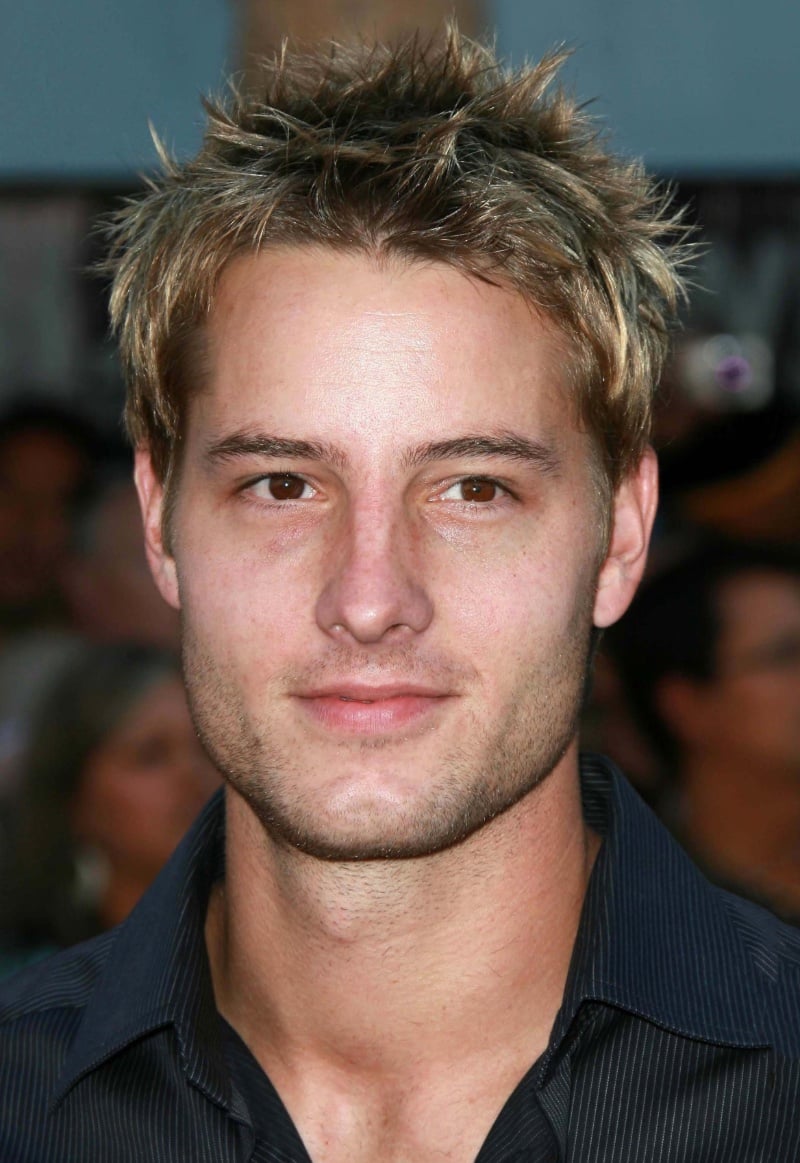
The spiky cut separates the top into lifted points, with enough length for the tips to angle in different directions. Shorter sections stand more readily; longer ones may need drying upward first. Pinch a little wax or firm-hold gel through individual ends to set their direction.
Textured Crop
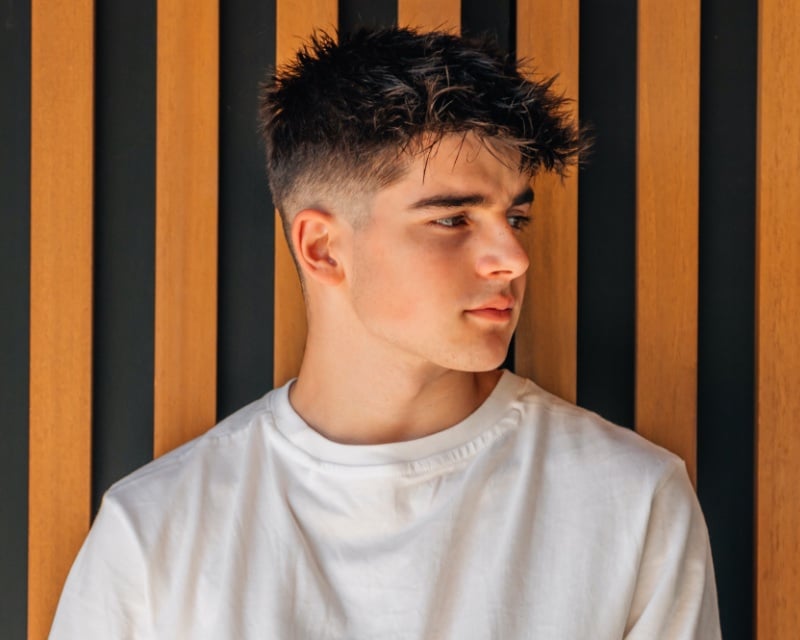
A longer textured crop carries its length forward, with point-cut ends breaking the fringe into small sections. The crown stays compact while the front falls closer to the brow. Keep sufficient weight through finer areas so texturing does not expose too much scalp. More on the French crop.
Textured Fringe Haircut

The textured fringe drops across the forehead in separated pieces above shorter sides. Its edge can run near the brows or sit higher, depending on the length left at the front. A little wax through the tips emphasizes the gaps between sections.
Textured Haircut with Curly Fringe
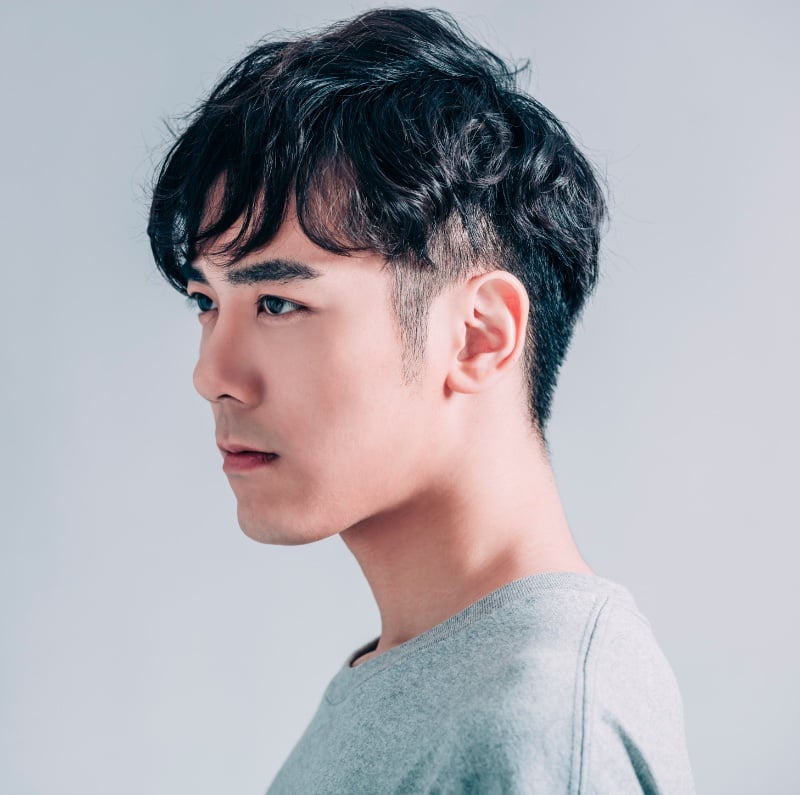
Individual curls fall over the forehead in this textured cut, forming a broken edge instead of a straight fringe line. Shorter sides keep the rounded top from spreading at the temples. Let the front dry in its usual curl pattern before judging its length. Choose products for curly hair according to the hold and moisture the hair needs.
Twists with Fade

Two-strand twists separate the longer top into distinct sections above faded sides. Their size changes the surface, from many narrow twists to fewer, thicker lengths. Agree on sectioning and fade height before cutting, keeping the roots comfortable during installation. More afro hairstyles.
Wavy Fringe
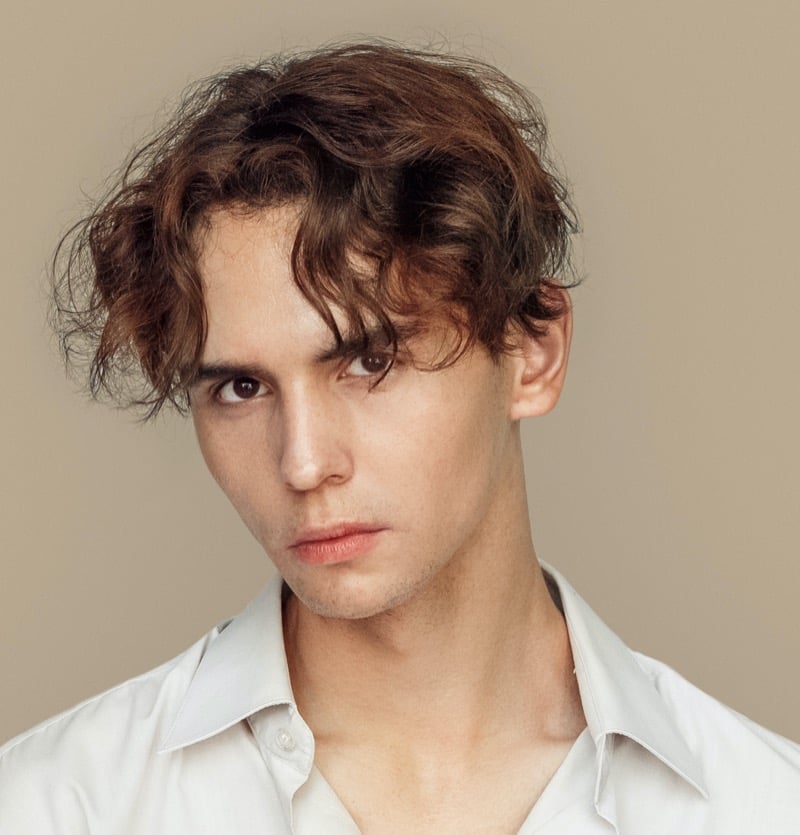
Longer front layers let a wavy fringe bend across the forehead, sometimes dividing into a loose center opening. Shortening the layers behind it reduces the weight pushing the fringe flat. Scrunch damp hair to encourage its existing wave, then air-dry or diffuse gently.
Wavy Hairstyle
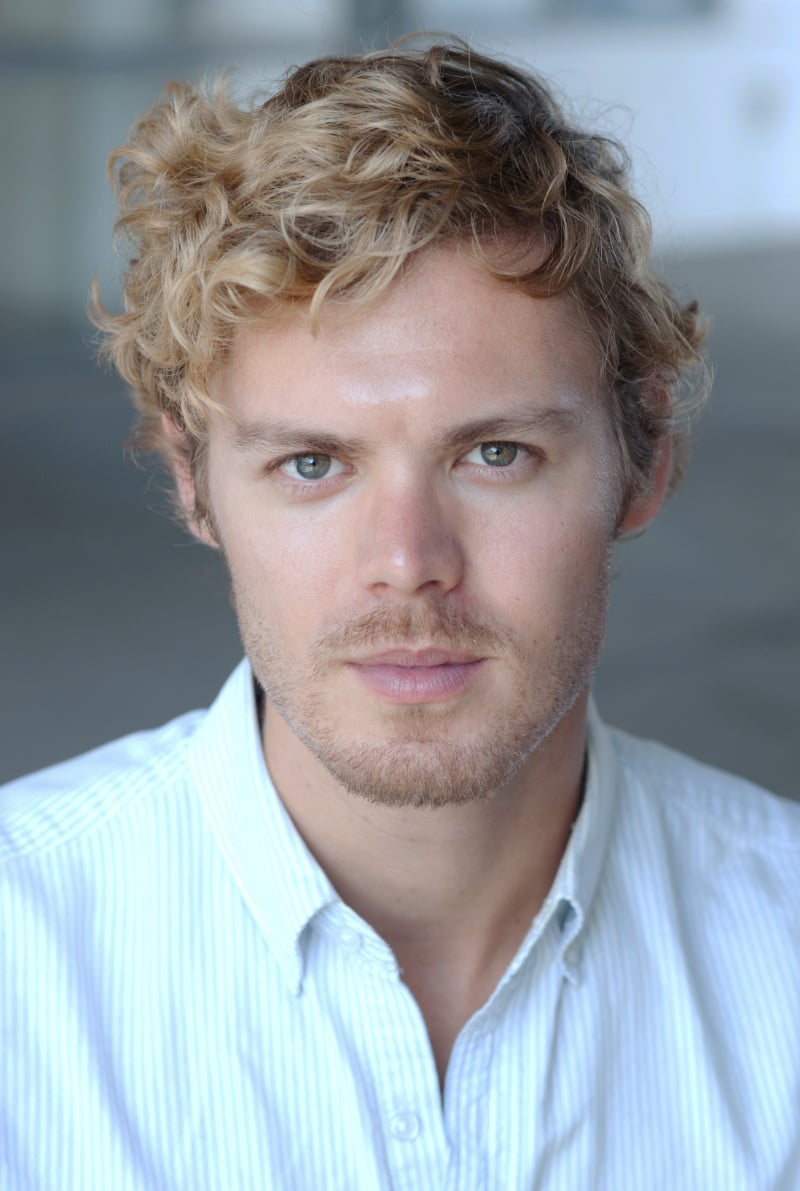
A wavy hairstyle lets medium-length bends show through the sides as well as the top. Layers can reduce fullness near the ears while leaving the ends to turn outward. A light cream or texturizing spray may help define the bends, depending on how much grip the hair needs.
How to Style Medium-Length Hair
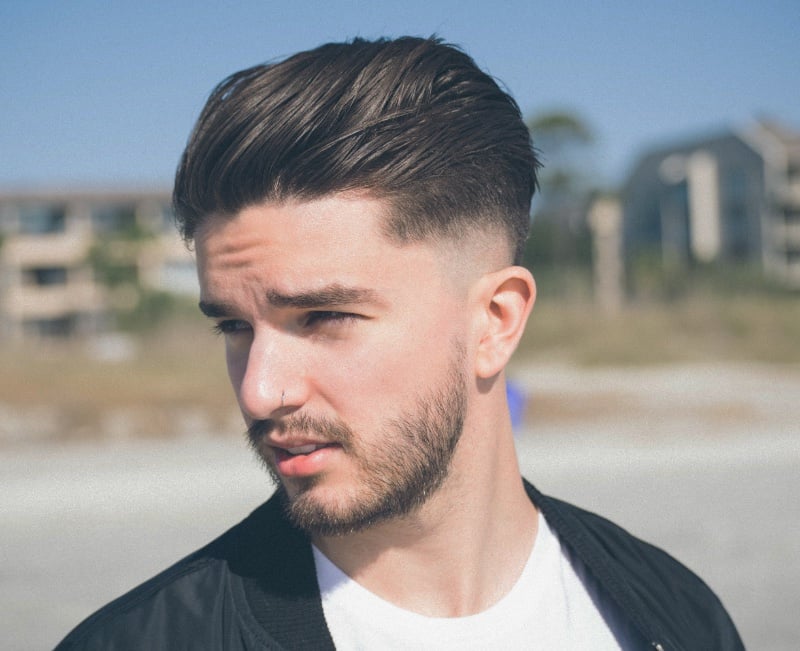
Set the direction while the hair is damp. For a lifted front or brushed-back top, dry at the roots before working through the ends. For waves and curls, distribute a suitable cream or gel through sections, then air-dry or diffuse. Use heat protectant as directed when drying with heat.
Choose a finish that supports the cut. Pomade can gather a smooth sweep, gel can set a firmer shape, and clay or paste can separate short sections with less shine. Formulas vary, so begin with a small amount. More on hair products for men.
When growing out a short cut, agree on which sections need to gain length before trimming them again. Tidying the neckline can make the transition easier to wear, but repeatedly clipping the sides delays an all-over flow or shag. Book a trim when the fringe obstructs the eyes or excess weight changes the intended outline.