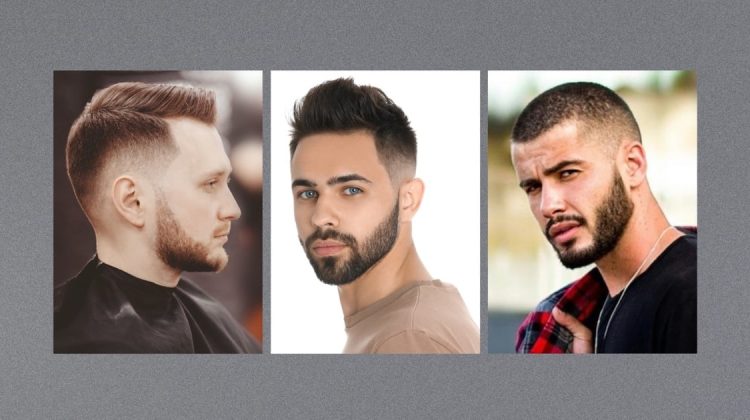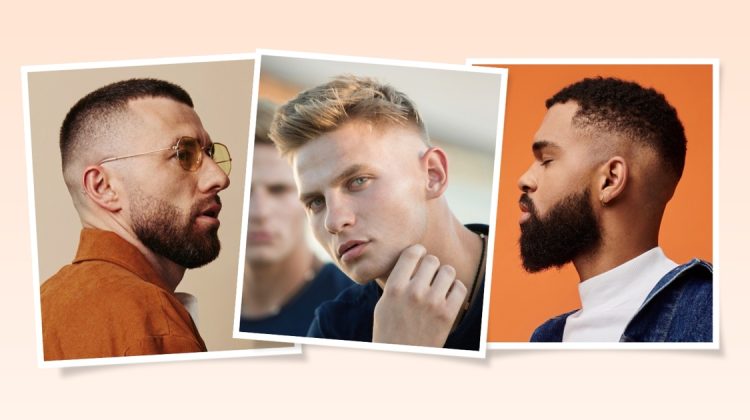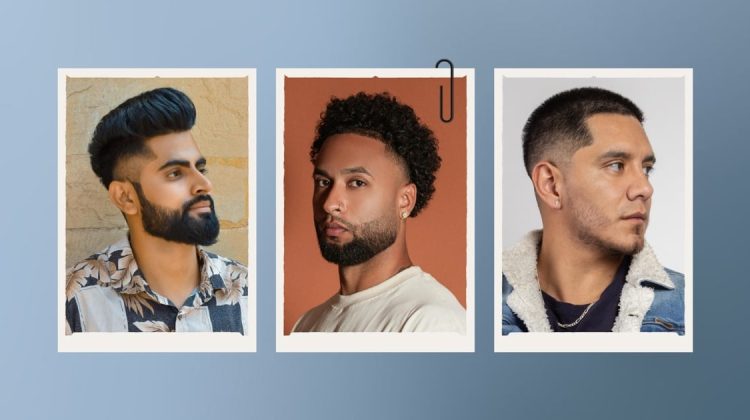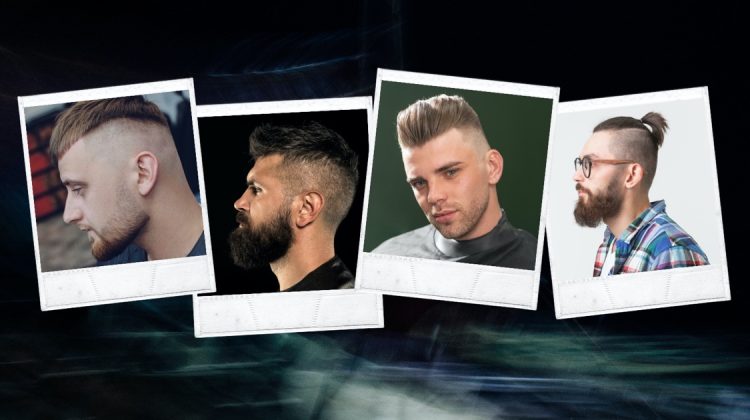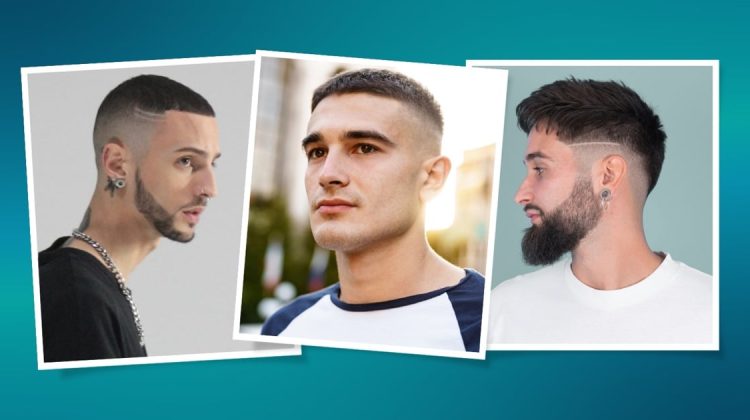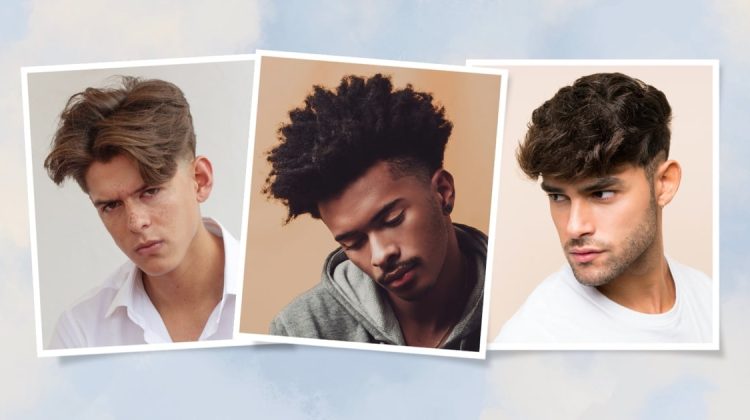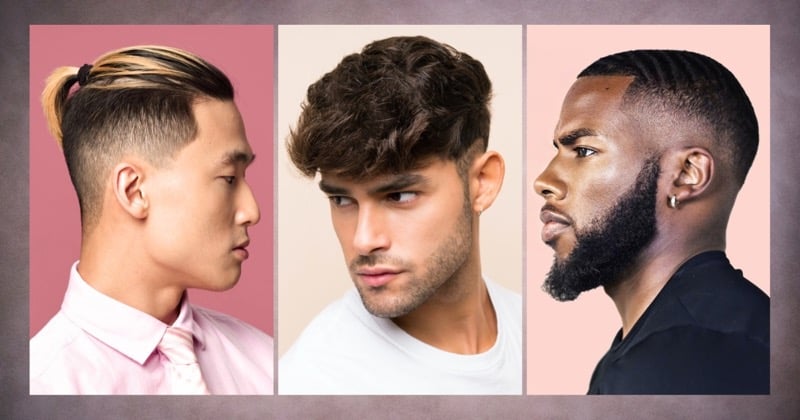
A fade haircut gradually reduces the length of the hair along the sides and back, creating a continuous blend between longer and shorter sections. It can finish at bare skin or leave some length near the neckline. The technique works with everything from a close crop to a pompadour.
The height of the blend, the amount of hair left at the bottom, and the shape of the transition distinguish the different types of fades. Each produces a different relationship between the top, sides, and neckline.
What Is a Fade Haircut?
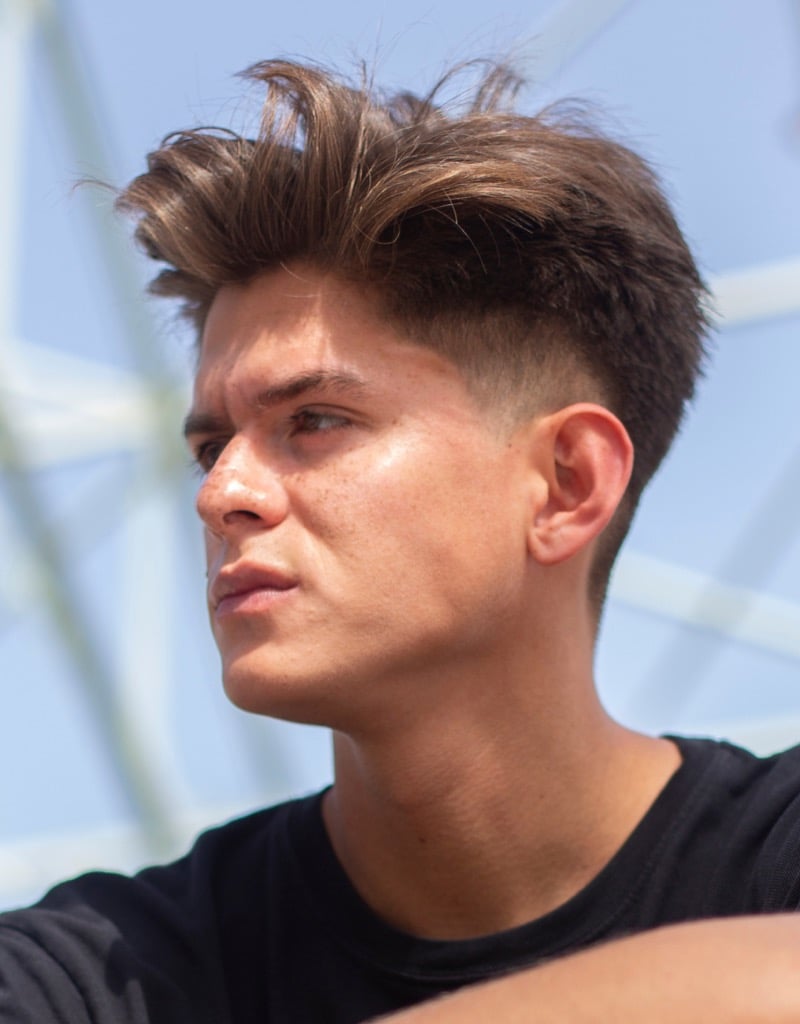
A fade is defined by the position of its shortest section, the height of the transition, and the amount of hair left on top.
The hair on top can be cropped close or left several inches long for a quiff, pompadour or slick back. Even a short fade haircut gains definition from the transition at the sides.
A low fade keeps the transition close to the ears and neckline. A mid fade begins farther up the sides, while a high fade takes the shorter section toward the upper sides of the head. Barbers may vary the exact placement to suit the cut.
The shortest length is a separate choice. A skin fade exposes the scalp at the bottom; a shadow fade leaves short stubble. A taper usually concentrates the gradual shortening around the sideburns and neckline, and may also finish at skin.
The placement of a fade changes the proportions of a haircut. A high fade exposes more of the sides and emphasizes the hair on top. A low fade retains more coverage around the head.
Types of Fades
Low, mid, and high fades describe where the transition sits. Skin, burst, drop, and other variations describe how closely or in what shape the hair is cut.
Low Fade
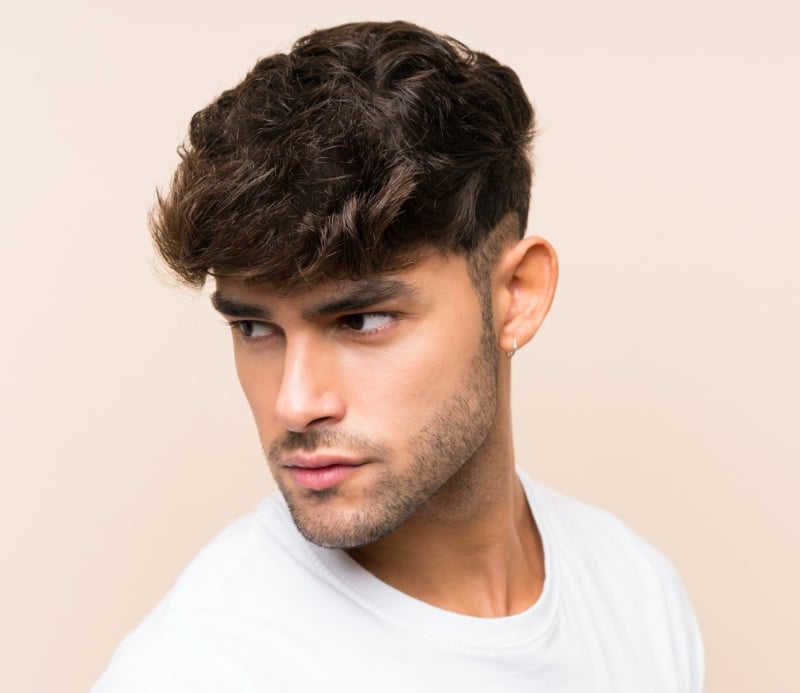
The low fade starts just above the ears and neckline, retaining most of the length along the sides. Its subtle transition works especially well with traditional haircuts and conservative dress codes.
A low fade haircut works well under longer tops like a quiff or tousled texture, because it tidies the edges without competing with the hair on top.
Mid Fade
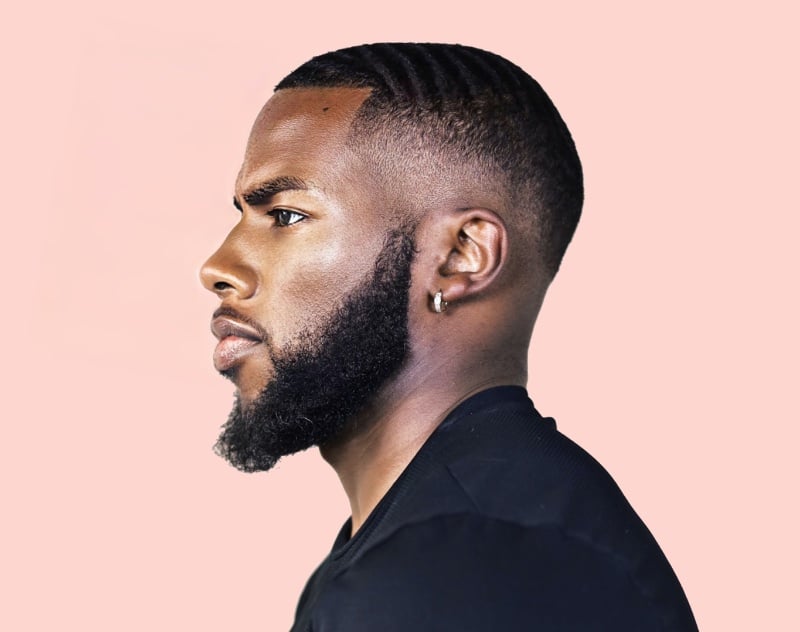
The mid fade, also called a medium fade, begins around the middle of the sides, approximately level with the temples. It creates a noticeable separation between the top and sides while retaining some coverage.
A mid fade haircut pairs naturally with crew cuts, waves, curls and textured tops. Its placement offers a versatile starting point for men deciding how much of the sides to expose.
High Fade
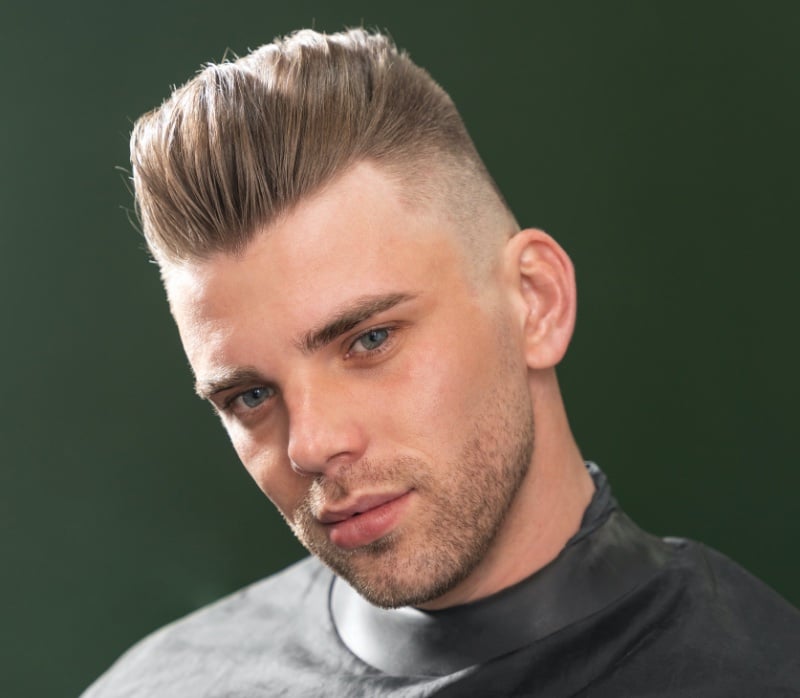
The high fade starts high on the sides, close to the parting line, so the sides read as almost entirely short. The contrast with the top is bold.
It’s a good base for shaved designs and for statement tops like a pompadour or spiked texture. Expect to visit the barber every two to three weeks to keep it sharp.
Taper Fade
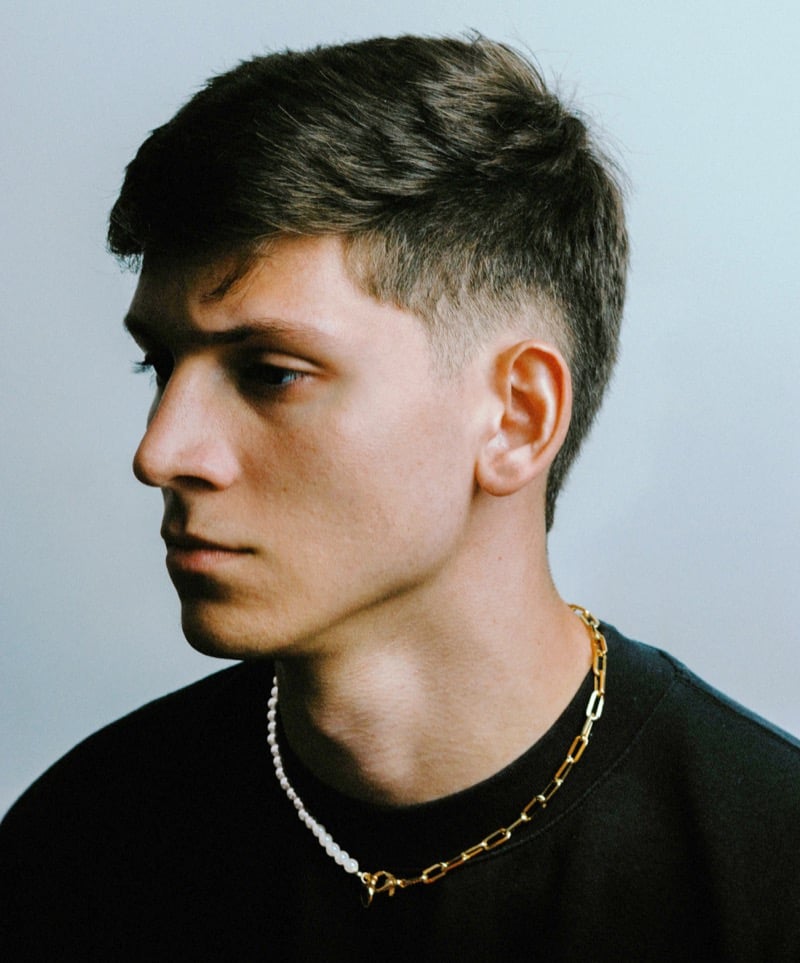
A taper fade typically concentrates the shortest sections at the sideburns and neckline while keeping more length across the sides and back. Depending on the barber and the requested finish, the taper can end in short stubble or exposed skin.
The low taper fade keeps that transition close to the hairline. A taper fade haircut works with buzz cuts, curls and longer layered styles, especially when you want to preserve fullness through the sides.
Skin Fade
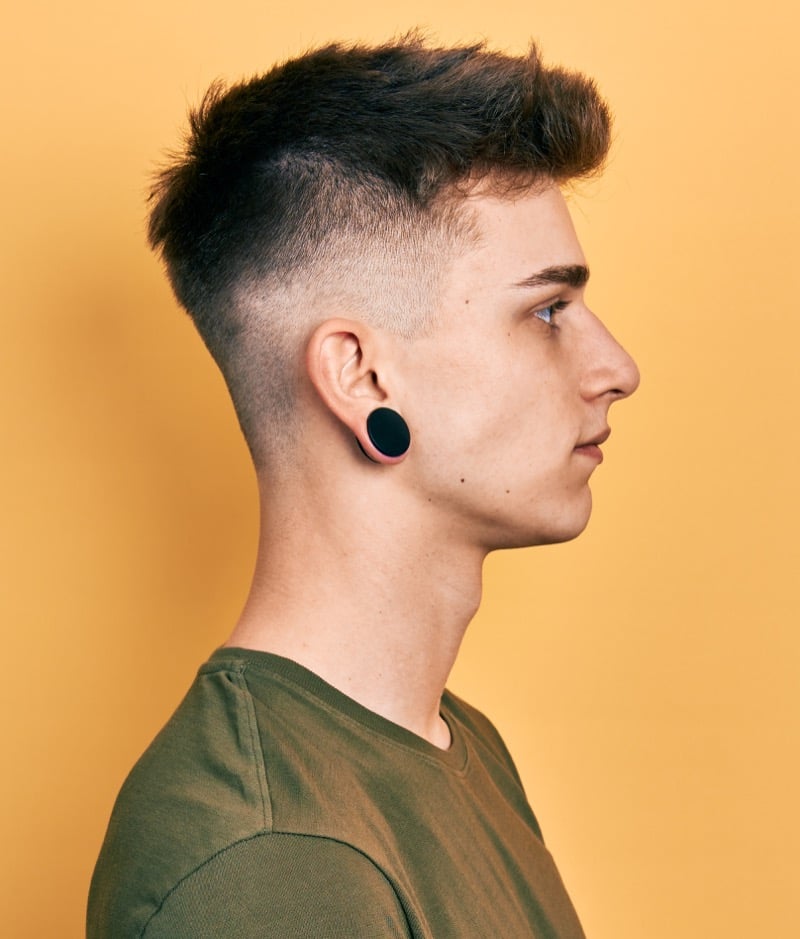
A skin fade, also called a bald fade, blends down to exposed scalp. Clippers, detail trimmers, foil shavers or a razor can be used to achieve the finish. A skin fade can be low, mid or high.
The skin fade haircut gives the sharpest contrast of any fade, which makes it a natural partner for a textured crop or French crop. It also shows regrowth fastest.
Burst Fade
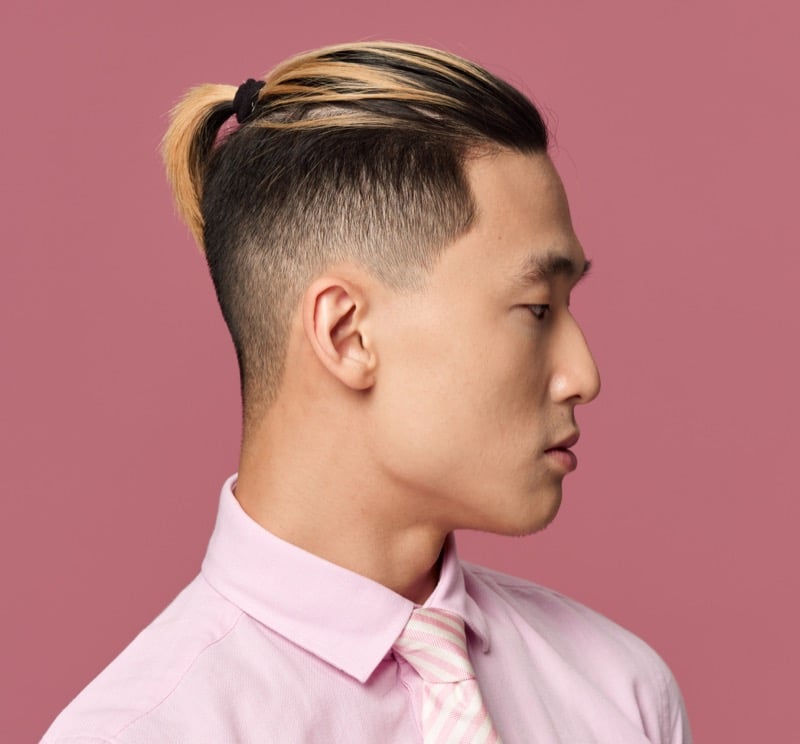
The burst fade fades in a semicircle around the ear and leaves more length at the back of the neck. That rounded shape is why it’s often paired with a mohawk, a mullet or a curly top.
The burst fade haircut emphasizes the curve around the ear, giving a mohawk or mullet a distinctive profile while preserving length toward the nape.
Drop Fade
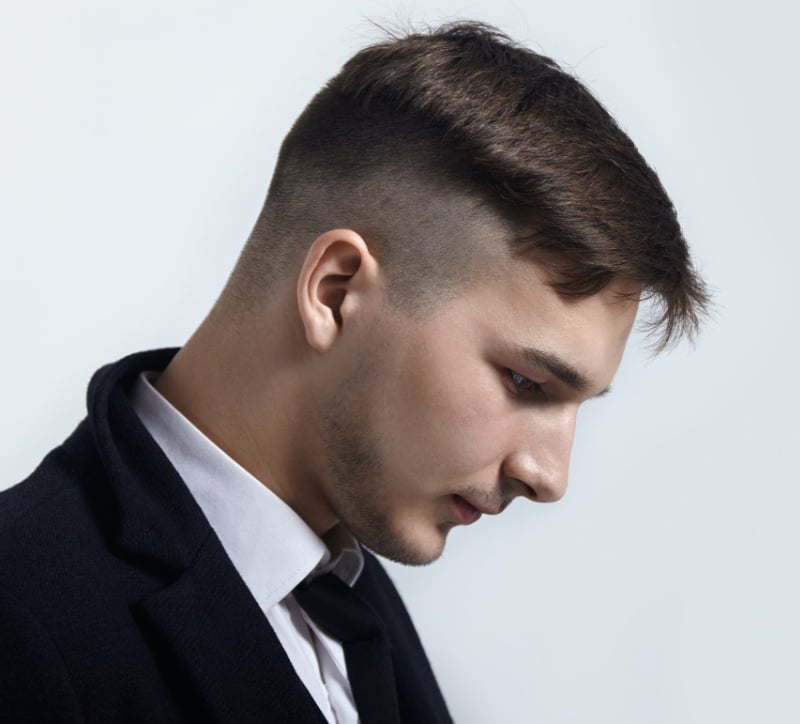
With a drop fade, the fade line dips down behind the ear and follows the curve of the head toward the nape. The result looks rounder and more natural from the side than a straight fade line.
The drop fade haircut works particularly well with curly and textured hair, and with longer tops that need some weight at the back.
Temple Fade
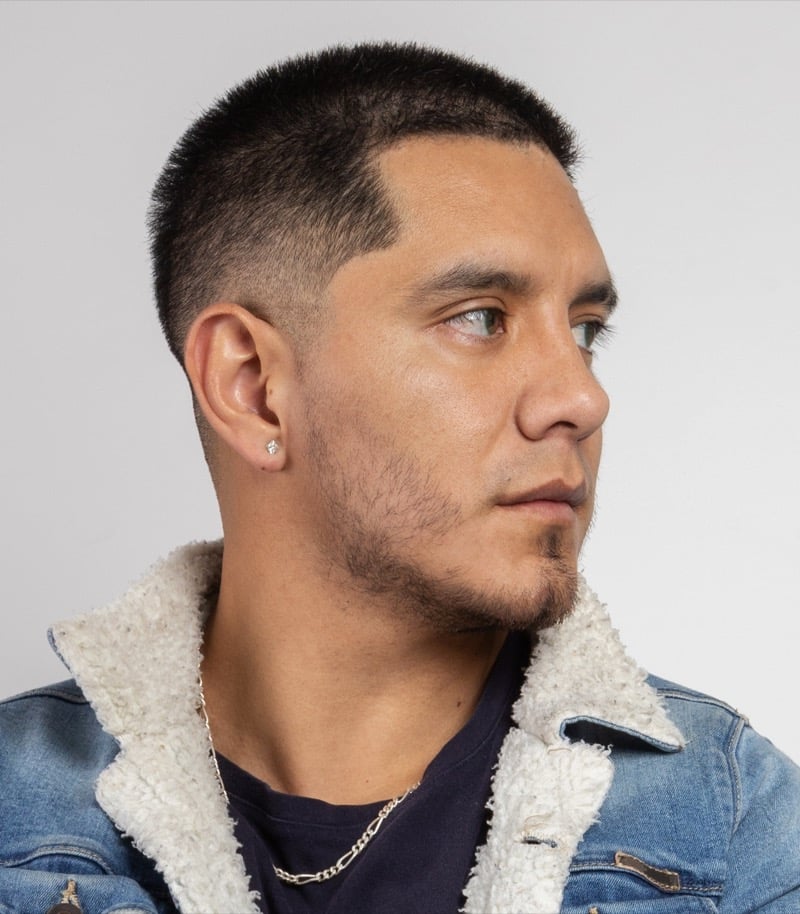
The temple fade, often shortened to temp fade and sometimes called a Brooklyn fade, only fades the hair at the temples and sideburns. The rest of the sides and back keep their length.
A temple fade keeps most of the sides intact, so it can grow out less conspicuously than a full skin fade. It works with buzz cuts, curls and comb overs.
Blurry Fade
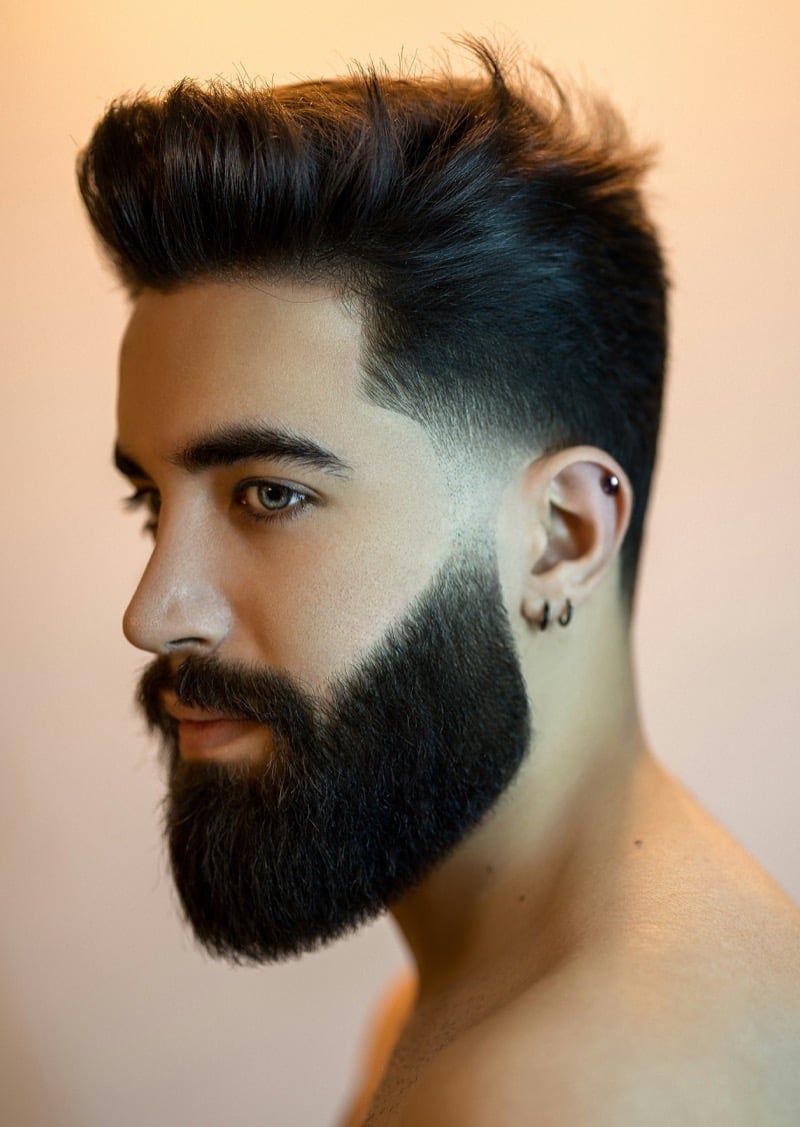
A blurry fade is less a height than a finish. The blend is so smooth that you can’t see where one guard length ends and the next begins.
The result depends on precise clipper work and careful transitions between guard lengths. A blurry fade can be low, mid or high and works across different hair textures.
Razor Fade
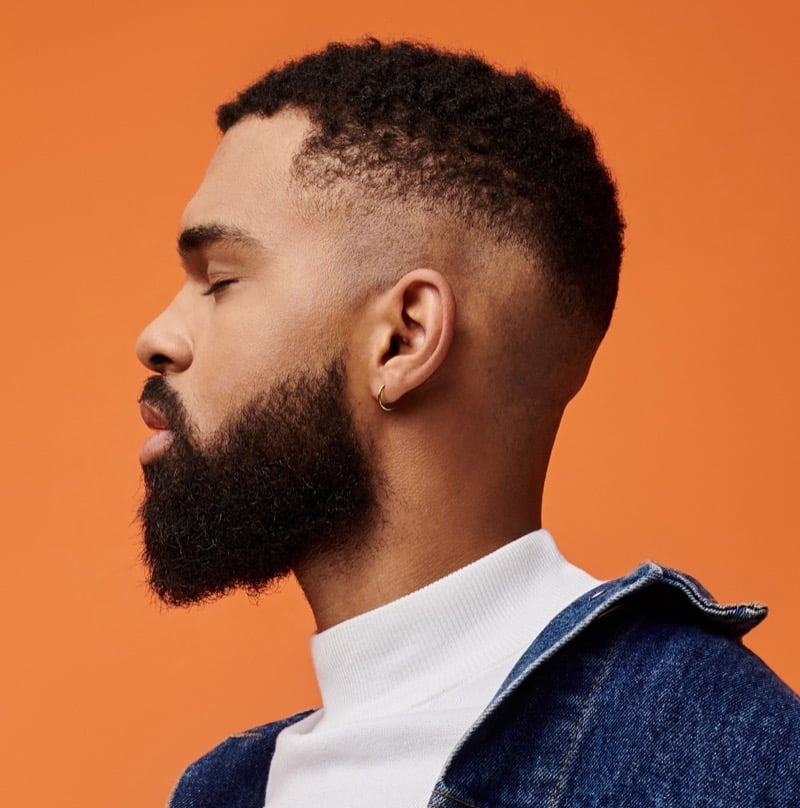
A razor fade uses a razor to shave the shortest section close to the scalp. It is a finishing technique that can be combined with a low, mid or high fade.
The close finish gives a pompadour or slick back more pronounced contrast against the sides.
Fade vs. Taper
The two terms are often used interchangeably, but they describe different amounts of change. A fade shortens the hair across the sides and back, often down to very short stubble or skin. A taper concentrates the shortening around the sideburns and neckline and leaves more length through the sides.
A taper generally retains more hair through the sides and can grow out less conspicuously. A full fade creates greater contrast, especially when it reaches the skin. Barbers also combine the techniques in cuts such as the low taper fade.
How to Choose a Fade Haircut
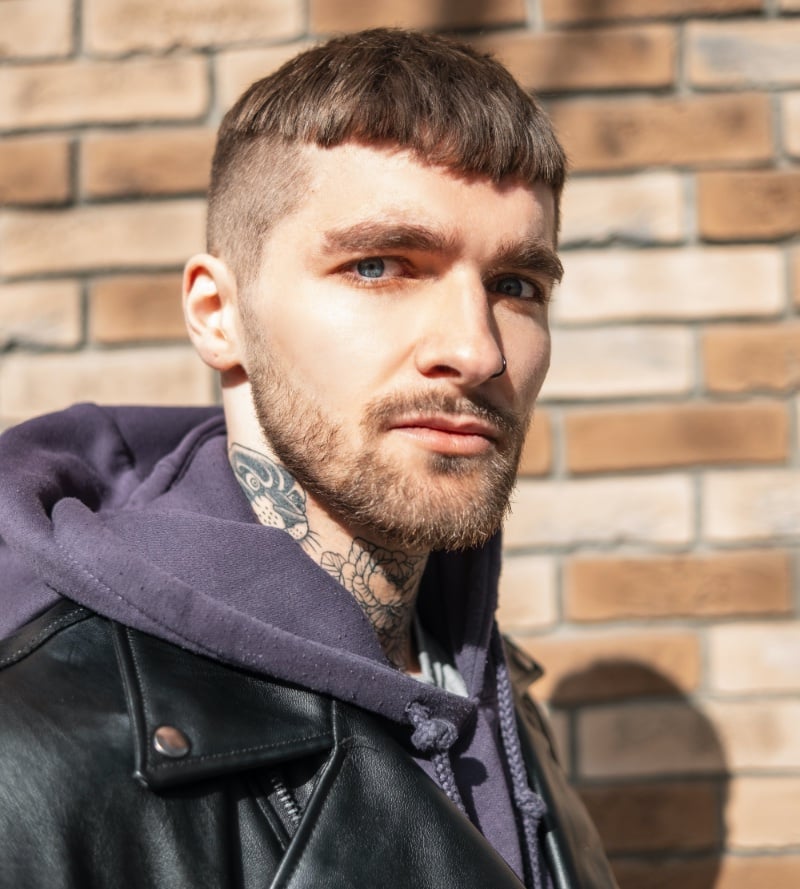
The best fade depends on the contrast between the top and sides, the hair texture, and how frequently the cut will be maintained.
The desired contrast determines the height. A low fade retains more hair on the sides, a mid fade exposes more, and a high fade creates the strongest difference between the top and sides. A skin finish can be added at any height.
Maintenance depends on the finish. Exposed-skin fades show regrowth quickly and may need attention every two to three weeks to maintain their original appearance. More gradual transitions can often go longer between visits.
Hair texture and top length influence the result. Waves, curls, crops, quiffs and longer layered styles all work with fades. Keeping some weight at the temples and back can also affect how the haircut grows out.
Tell your barber where you want the fade to begin, whether the shortest section should reach skin, and how much length to keep on top. Mention any curved detail, such as a burst or drop fade. Bring reference photos showing the front, side and back.