
Cornrows are braids worked close to the scalp in continuous rows, following straight lines, curves or angular patterns. Cornrows for men expose the parts between braids, making the layout visible even on a closely braided top. Long worn in Black communities, the style is also called canerows, especially in the UK and the Caribbean. It can reduce daily combing and handling when braided with comfortable tension.
What Are Cornrows?
A braider picks up more hair with each stitch, attaching the row to the scalp as it progresses. The usual underhand technique makes the braid rise above the parted sections. Wide sections produce a few substantial rows, while narrow sections allow finer patterns and more rows across the same area.
Curly and coily hair often grips well during braiding, though the technique can be adapted to other textures. Around 4 to 5 inches may be enough for a simple set, depending on the hair and the braider. More length allows greater choice in the design and finish. Four straight back cornrows divide the top into broad, evenly spaced sections.
Cornrow Styles for Men
These 21 styles vary the direction, width and finish of the rows, from straight back braids to cornrowed locs and intersecting patterns.
Classic Cornrows
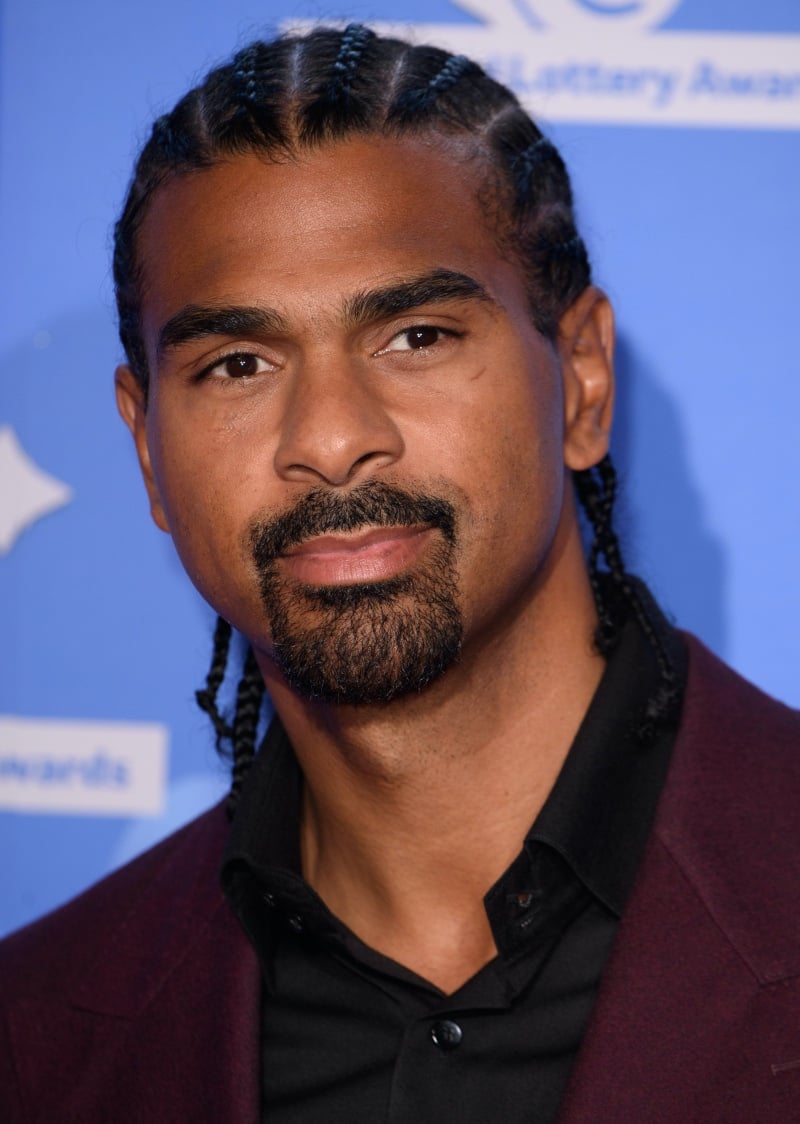
Classic cornrows follow even rows close to the scalp, leaving a regular pattern of exposed parts between them. Similar braid widths keep the top uniform from the hairline toward the back. The rows hold their arrangement through the day, reducing the need to comb and reshape the hair.
Braid Over Cornrows
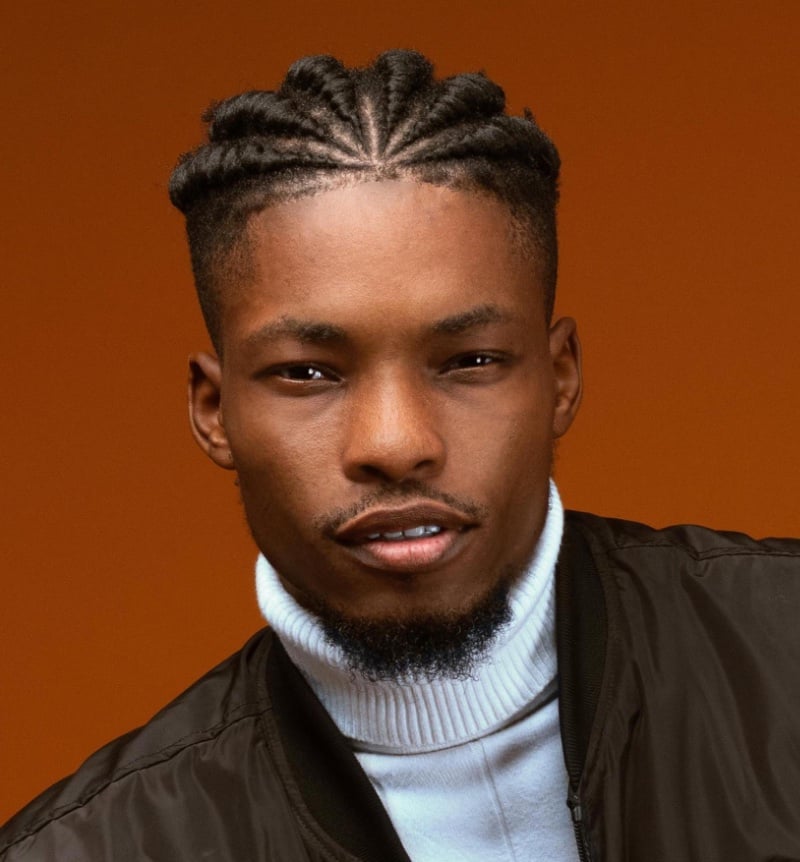
Braid over cornrows use an overhand technique, passing sections over each other as more hair joins the braid. The rows sit flatter than the raised ridges of underhand cornrows. Longer ends can continue into loose plaits or gather at the back.
Top 4 Braids
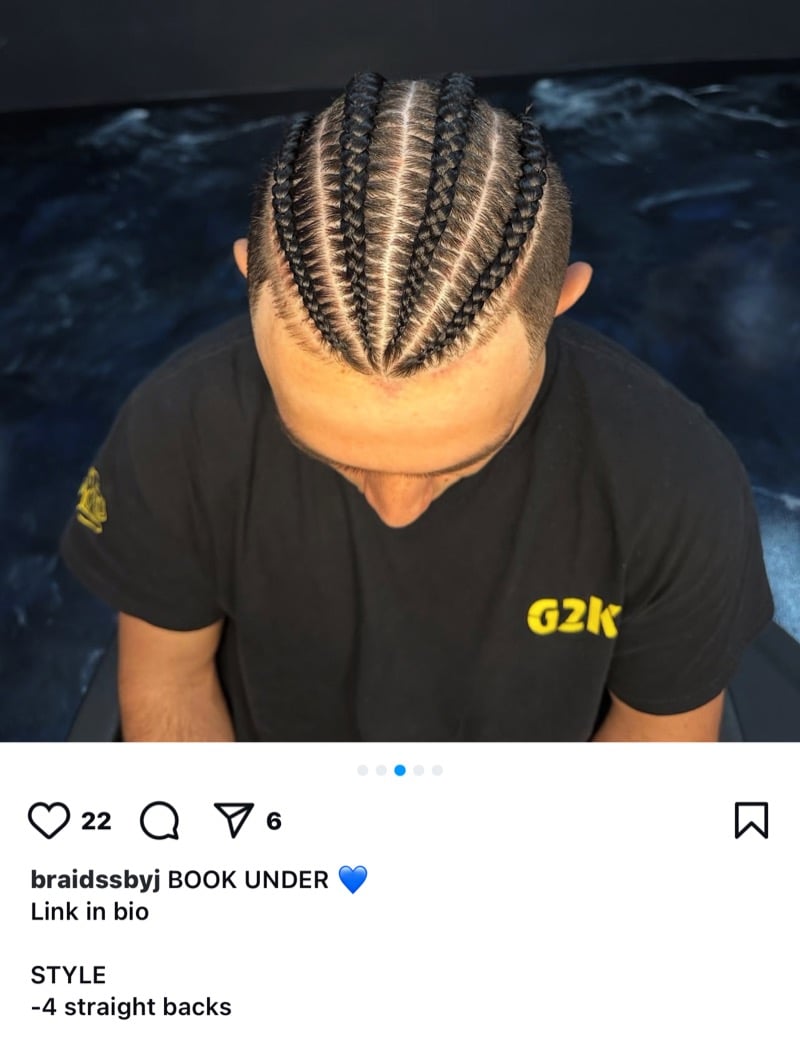
Four thick rows divide the hair into broad sections in top 4 braids. Even spacing makes the center and side parts easy to follow from the hairline toward the nape. A low fade shortens the hair beneath the outer rows. Six or eight braids create a finer pattern across the same area.
Cornrow Bun
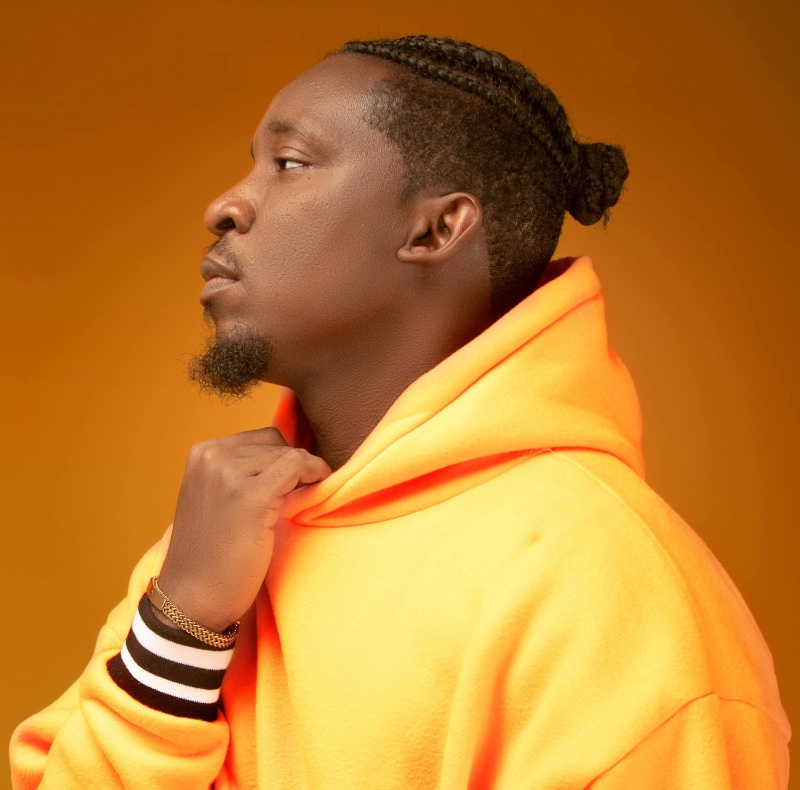
Rows converge toward the crown in a cornrow bun, where the remaining lengths gather into a knot. The placement lifts the gathered hair higher than a low ponytail and leaves the nape more exposed. This version of the man bun needs enough length at the ends to tie comfortably.
Cornrow Designs
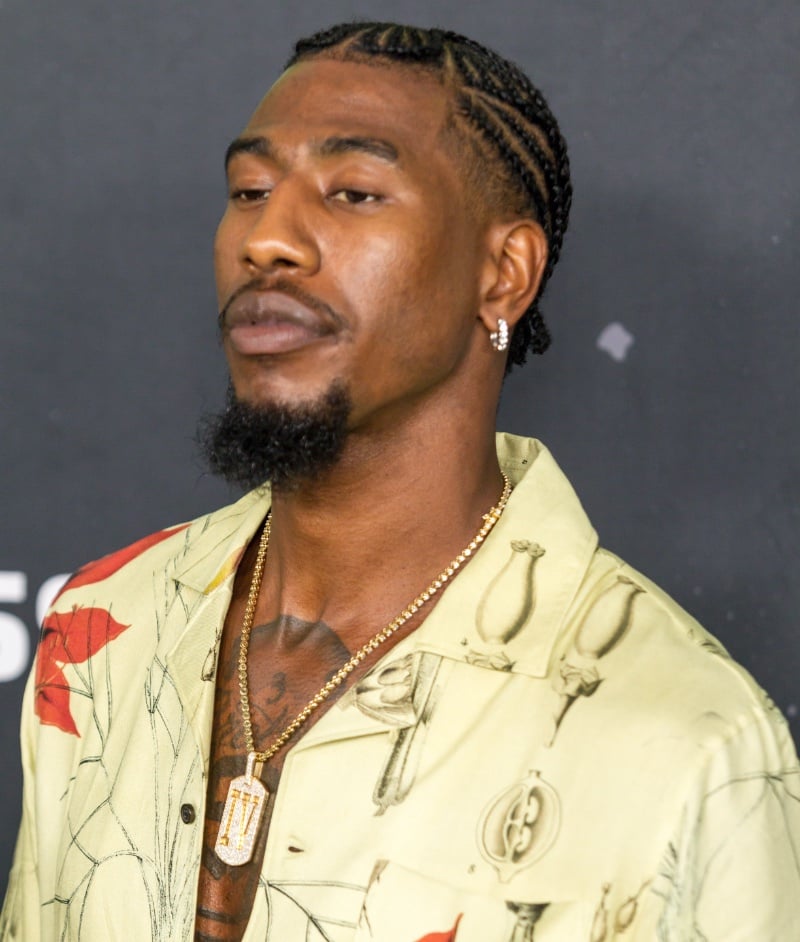
Curves and angled parts break up the parallel layout of straight rows in cornrow designs. The braider plans the sections so each change of direction remains visible between the raised braids. More intricate layouts generally take longer to section and braid.
Cornrow Locs with a Line Up

Existing dreads are braided together along the scalp in cornrow locs. Their thickness gives the rows more height than braids made from loose hair. A line up defines the forehead and temples separately from the loc pattern, so refreshing the edge and maintaining the roots are different jobs.
Sideways Braids
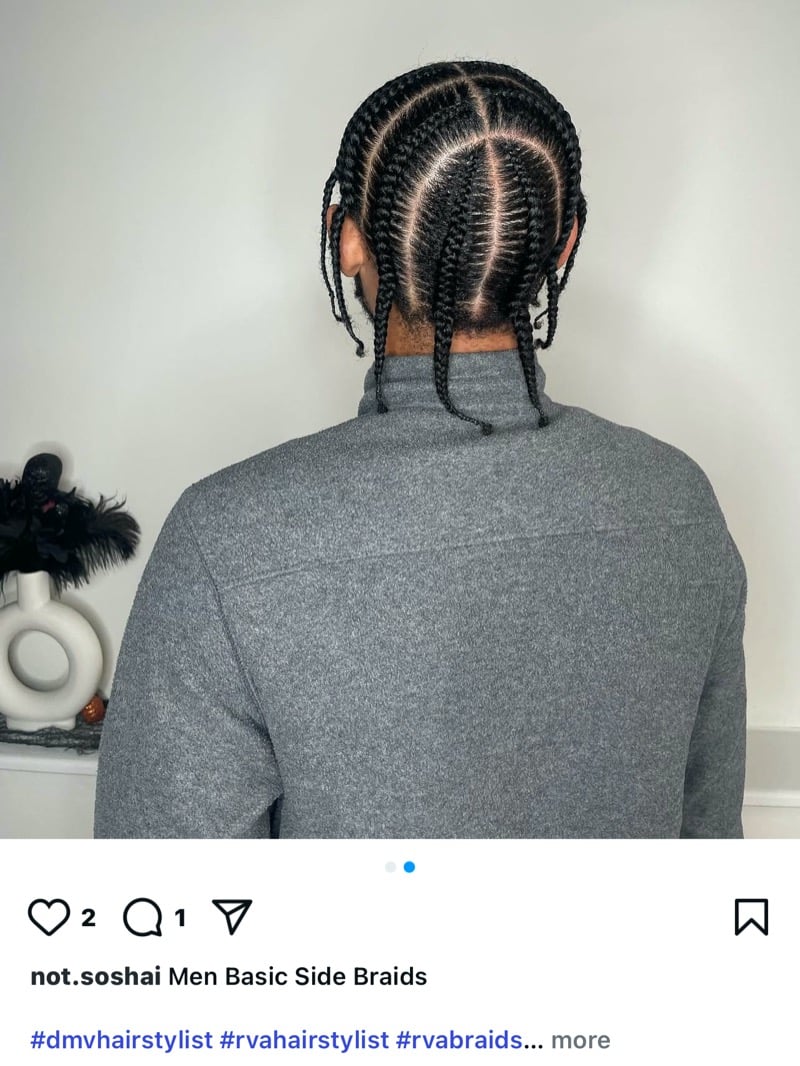
Sideways braids travel across the scalp, shifting the ends toward one side. Rows may run straight or curve as they cross, with the parting pattern following the same direction. The side profile shows the route of the braids more clearly than a front view.
Cornrow Locs with Space Buns
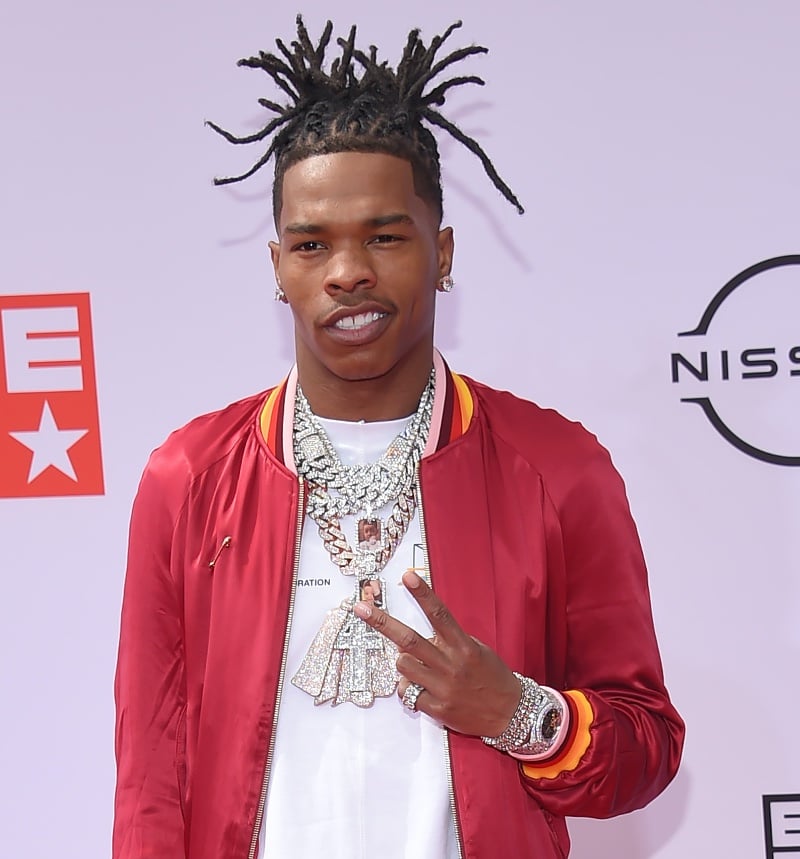
Lil Baby's cornrowed locs gather into two buns above the scalp. Rows at the front keep their direction visible, while the loose lengths add height where they are tied. Separating the hair into two bunches gives the top two distinct rounded shapes.
Cornrow Twists
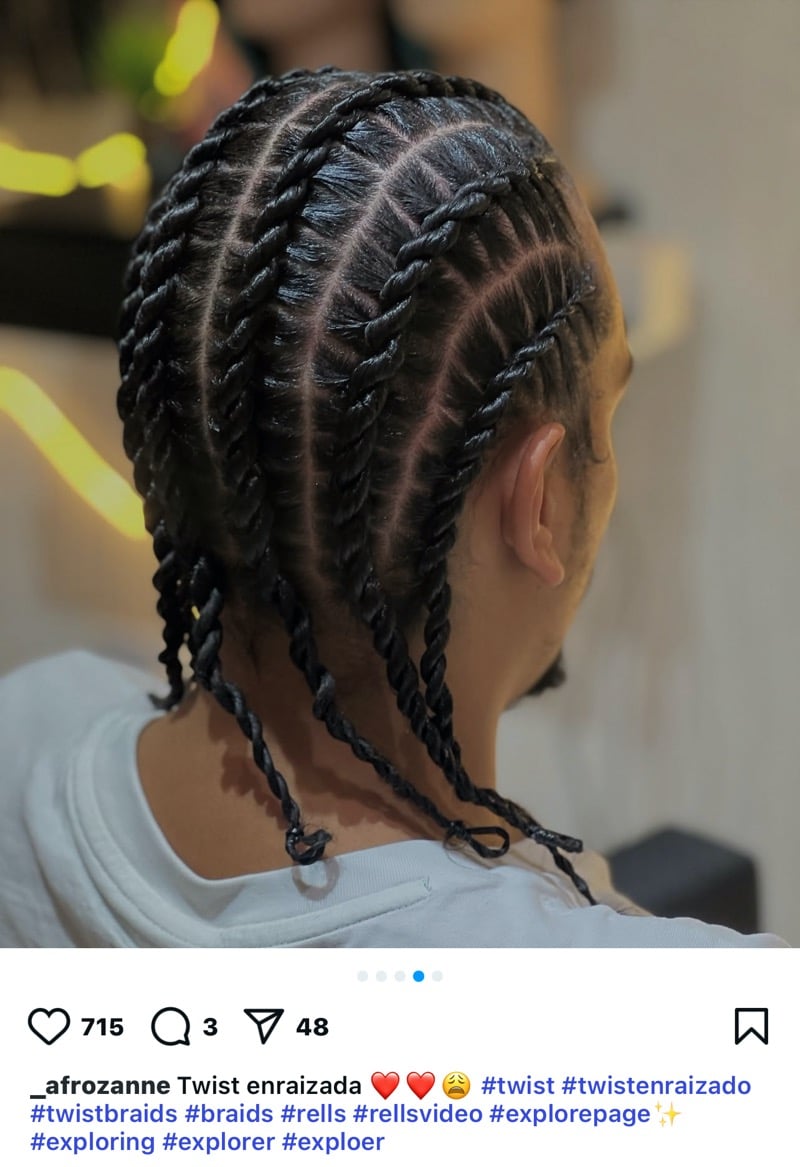
Cornrow twists are flat twists, made with two sections worked along the scalp as more hair is added. Each row shows a spiral instead of a three-strand weave. They can follow similar parting patterns to cornrows, though their surface appears softer and less densely woven.
Diagonal Cornrows
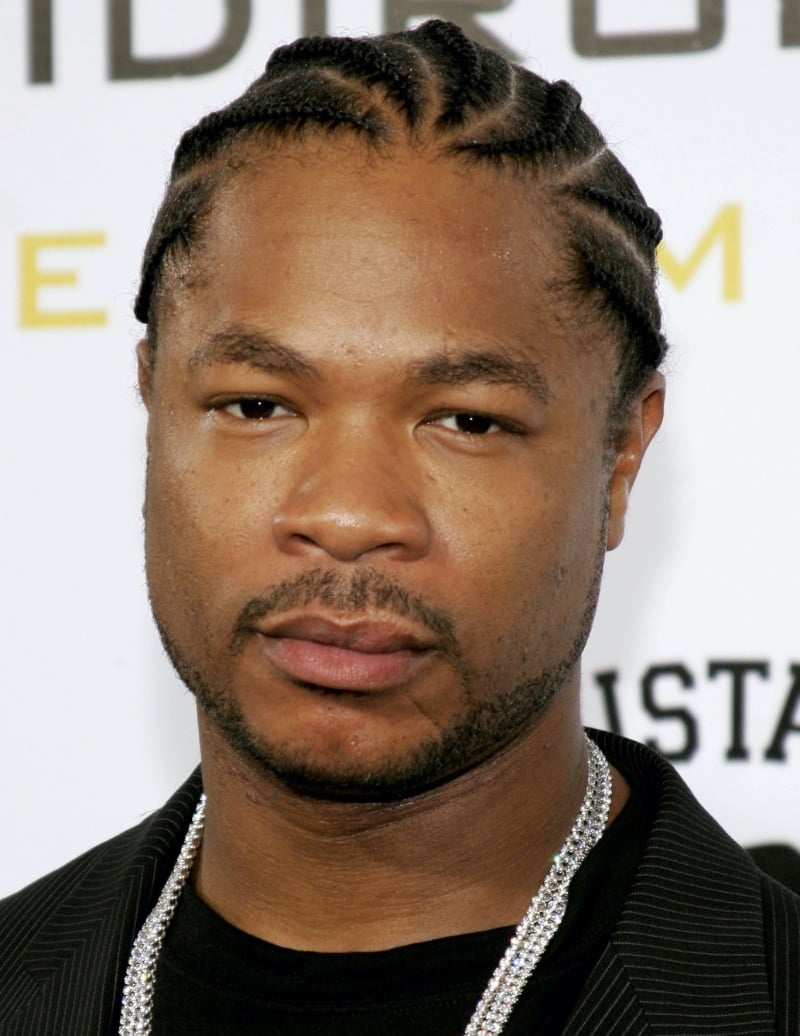
Diagonal cornrows carry the rows obliquely across the top, changing the angle at which they meet the hairline. Parallel slanting parts give the pattern its direction. Keeping the braid widths consistent makes the diagonal arrangement easier to see.
Spider Cornrows
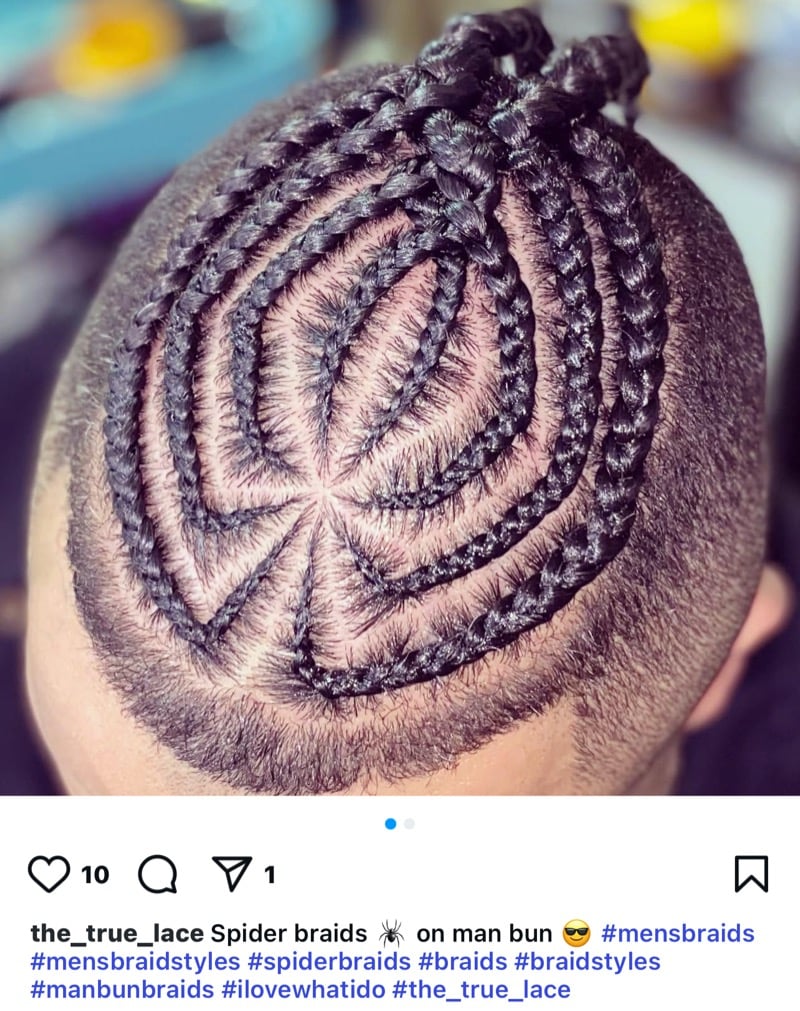
Rows radiate from a central area in spider cornrows, spreading across the scalp like spokes. The parts widen as they travel outward, making the starting point central to the design. Hair length and growth direction determine how far the braider can carry each row.
Cornrows Ponytail
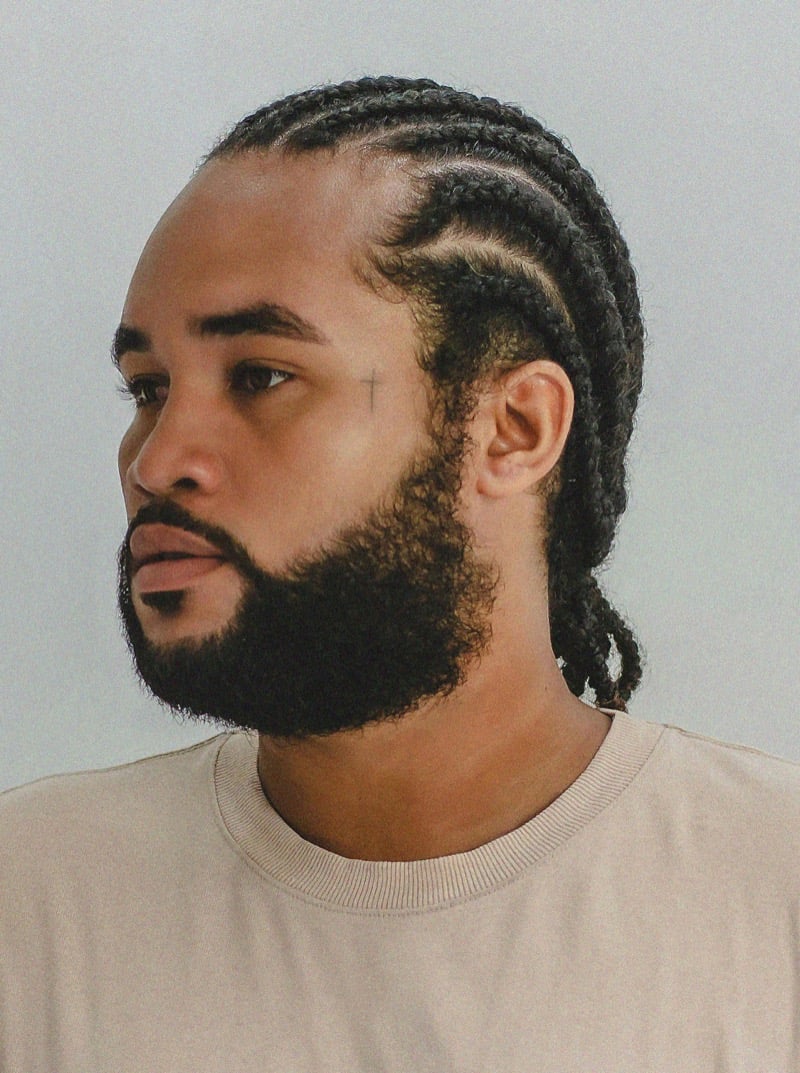
The rows meet low at the back in a cornrows ponytail, leaving the braided scalp pattern exposed above the tie. Free ends hang from that single point instead of folding into a bun. Enough length beyond the final stitches lets the ponytail hang freely.
Criss Cross Cornrows
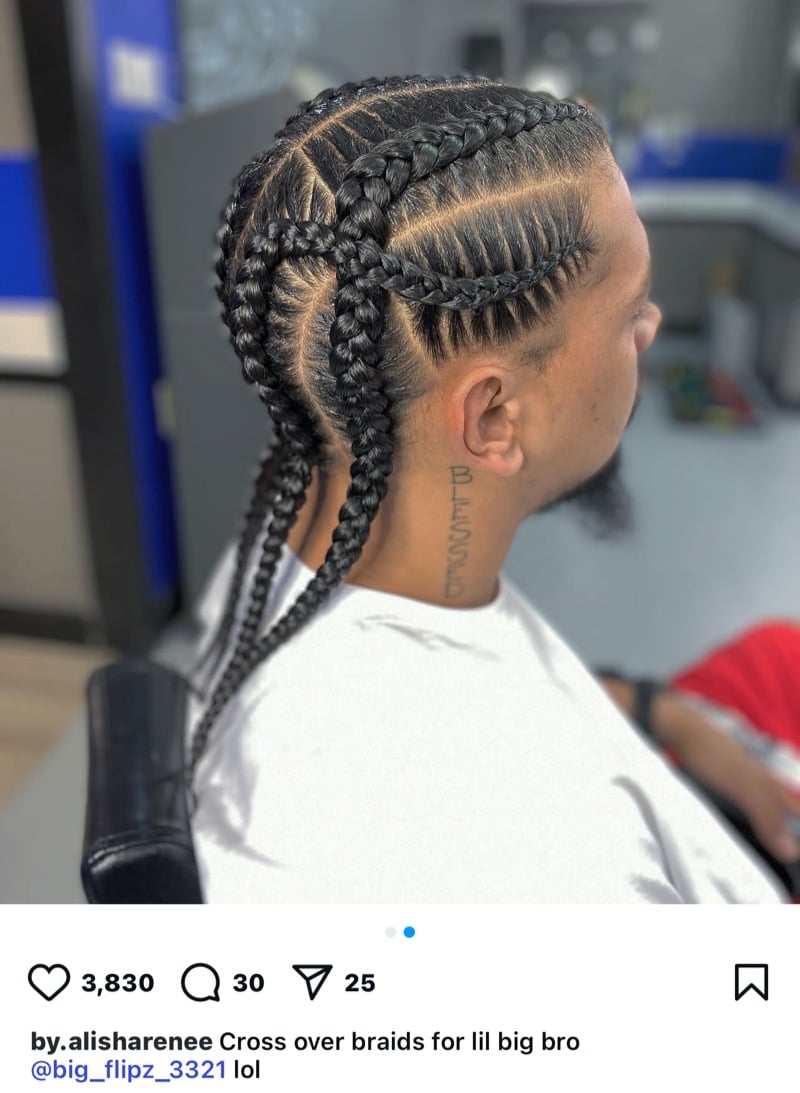
Diagonal rows travel in opposing directions in criss cross cornrows, with the parts creating X and diamond shapes. The changing angles distinguish the pattern from a set of parallel diagonal braids. Clear sectioning keeps the intersections readable as the rows cross the top.
Pop Smoke Braids
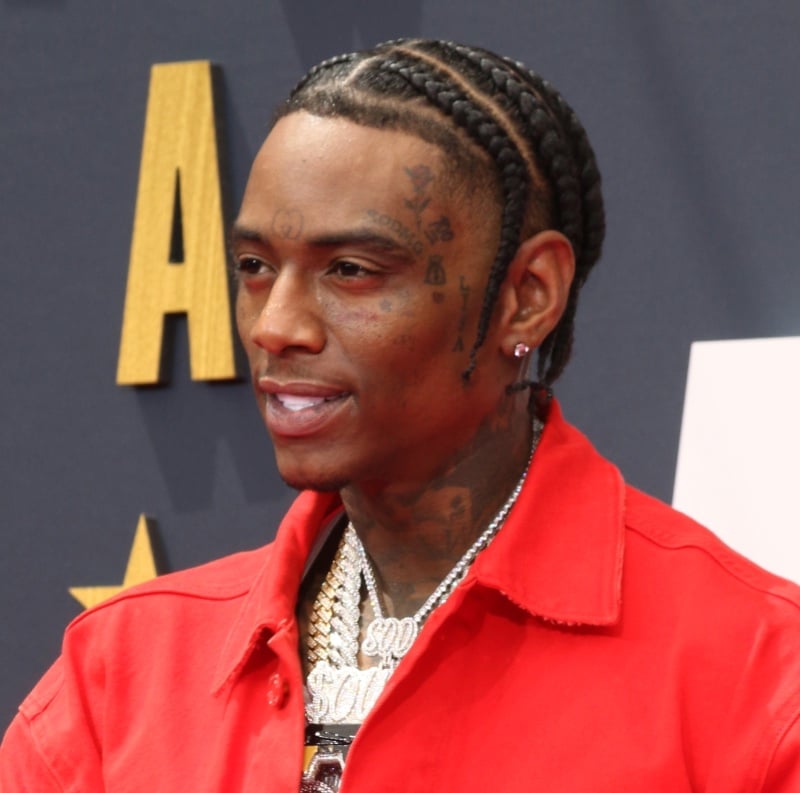
Named after the late rapper, Pop Smoke braids use curved, sweeping cornrows. The bends change how the rows approach the sides and back, leaving arcs of exposed scalp between them. The rounded routes give a different outline from straight back or sharply angled designs.
Cornrow Fade
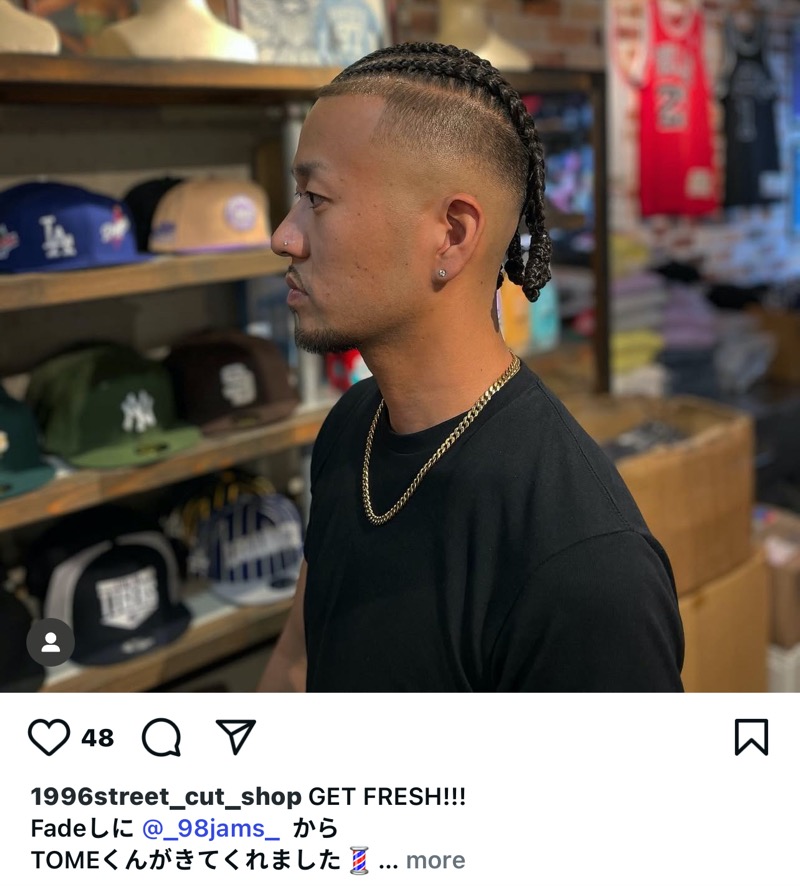
A cornrow fade keeps the braids on the longer top while the fade graduates through shorter lengths at the sides. Its height determines how much space remains beneath the outer rows. An undercut creates a more abrupt separation between the braided top and clipped sides.
Small Cornrows
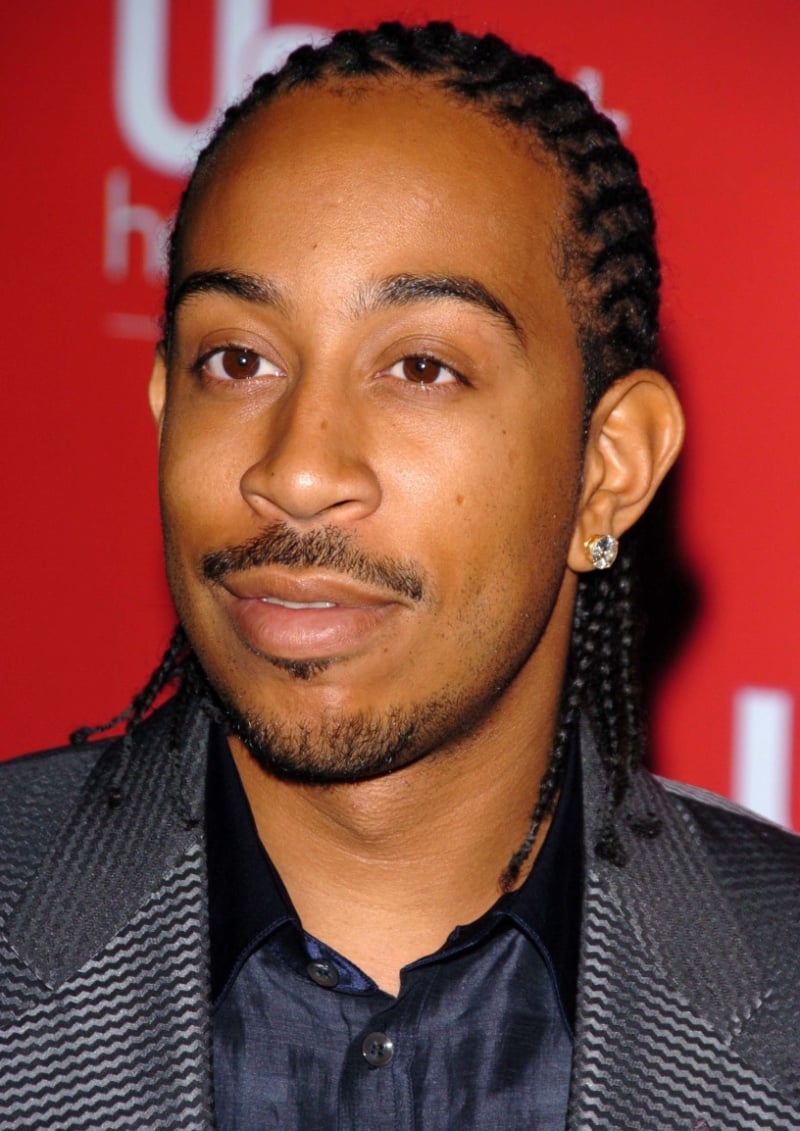
Narrow sections give small cornrows closely spaced ridges across the scalp. More rows create finer stripes between the hairline and nape, with less thickness in each braid. Sectioning and braiding generally take longer than a comparable set of broad rows.
Cornrows with Beads
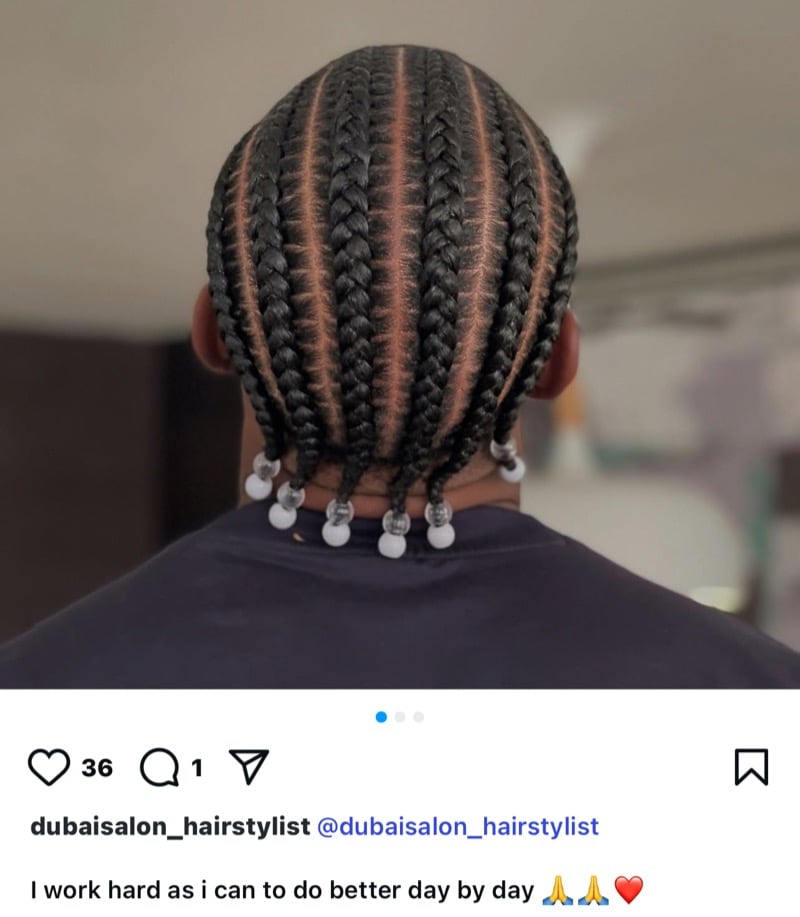
Beads collect at the ends of cornrows, drawing attention to the lengths beyond the scalp. Wood, clear and colored finishes change their contrast against the hair. A few lightweight beads can mark the tips while keeping added weight low.
Straight Back Cornrows

Straight back cornrows travel in parallel from the hairline to the nape. Unlike curved or radial layouts, the rows keep the same direction across the top. Their regular spacing makes differences in braid width especially noticeable.
Jumbo Cornrows
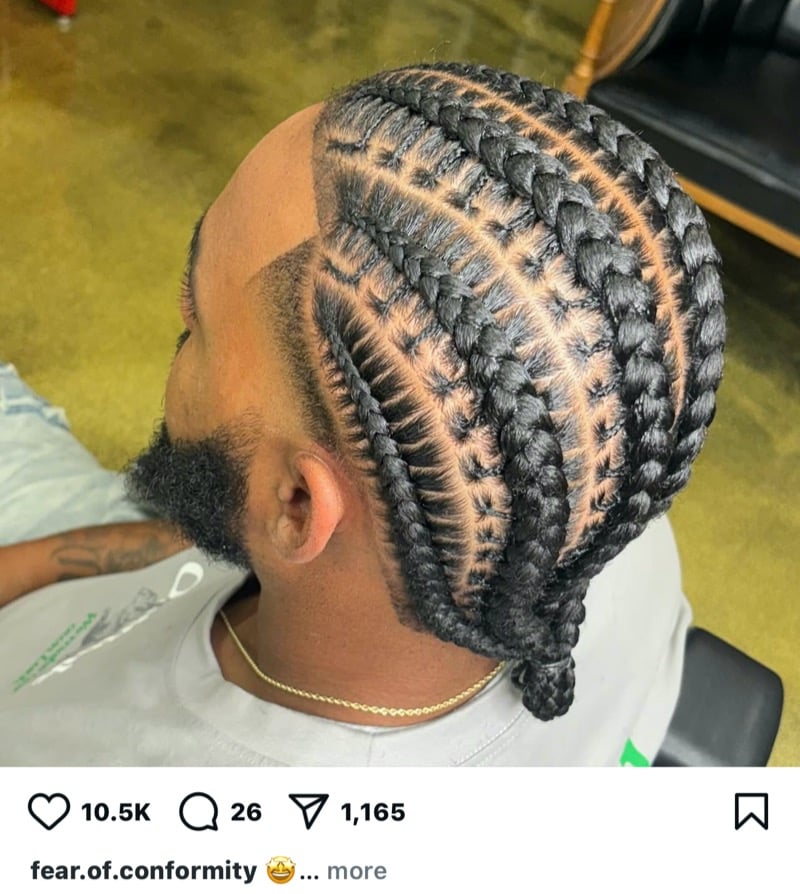
A few oversized rows give jumbo cornrows their raised profile. Large sections leave fewer parts across the scalp and make each braid a prominent ridge. They generally take less time to install than finer sets, though curved routes still require careful sectioning.
Zig Zag Cornrows
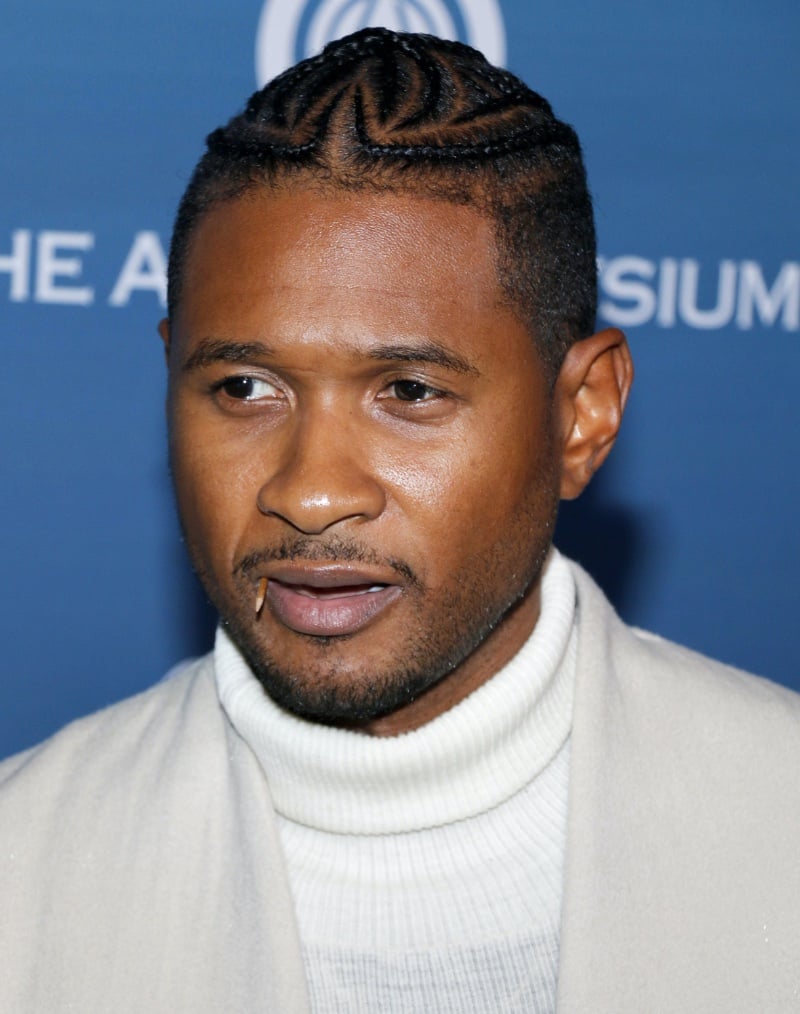
Sharp changes of direction create the sawtooth pattern of zig zag cornrows. Angled parts cut across the scalp between the rows, giving the design its graphic detail. The corners need enough definition to remain visible beside the braided hair.
Micro Cornrows
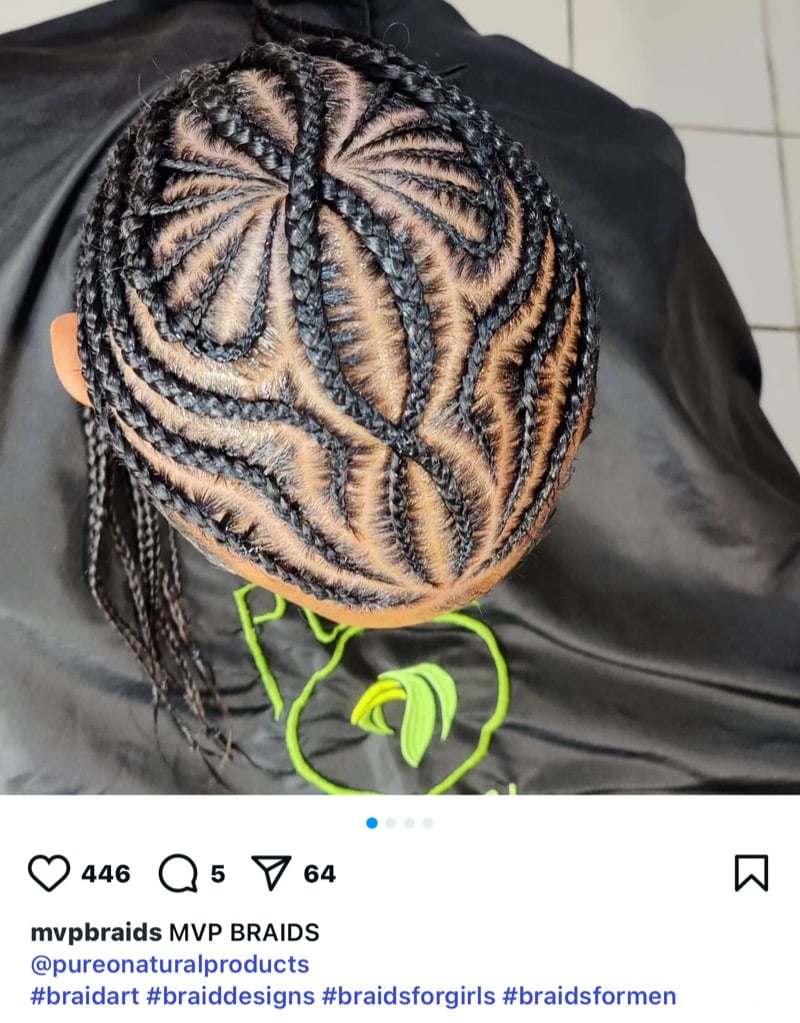
Very fine sections let micro cornrows follow small curves, spirals and detailed routes across the scalp. The narrow ridges leave room for more intricate parting than jumbo rows. Installation can be lengthy, and their small size doesn't guarantee a longer or more comfortable wear time.
How Long Cornrows Last & How to Care for Them
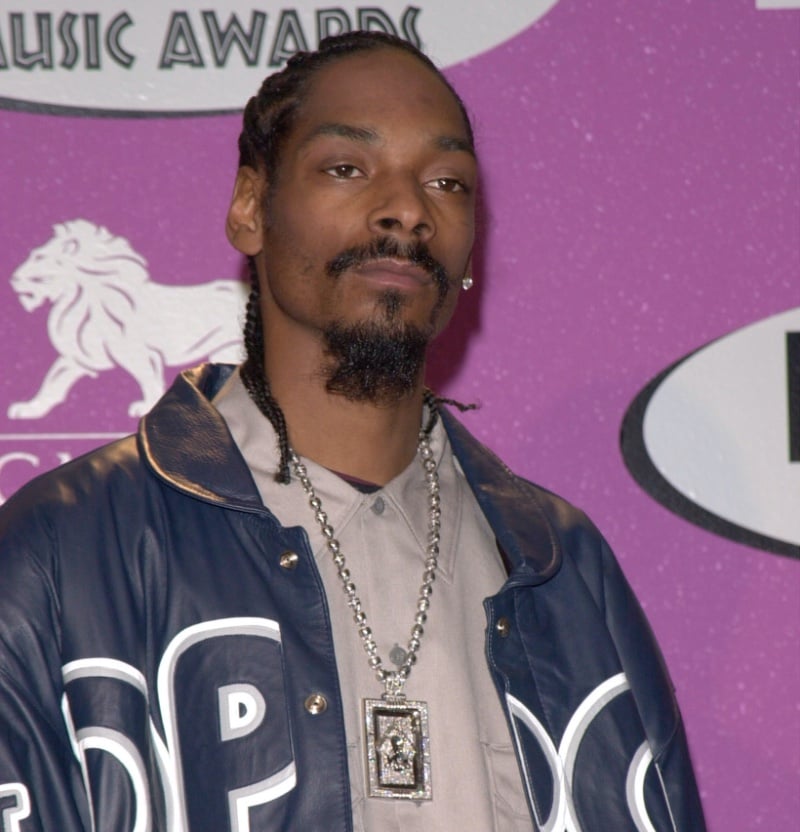
Cornrows commonly last about two to four weeks, depending on the pattern, hair and upkeep. Smaller rows may retain their definition longer, but scalp comfort and root condition matter more than braid size. Take the style down when buildup or matting makes it difficult to clean and separate the hair.
Wash along the parts as needed for sweat, oil and product buildup, rinse thoroughly and let the roots dry fully. A silk or satin durag can reduce rubbing at night if it is tied comfortably. Use scalp oil sparingly if it suits your skin, and don't treat persistent itching by adding more product. Pain or bumps mean the style needs loosening or removal. Repeated pulling can cause hair loss, so alternate cornrows with styles that put less strain on the hairline.





