Long hairstyles for men change how the hair falls around the jaw, ears, and shoulders. Loose layers can follow the face, while a bun or braid gathers the length away from it. Jared Leto and Jason Momoa are well-known examples of the longer end of that range. These men's hairstyles include flows, shags, locs, and tied styles.
What Counts as Long Hair for Men
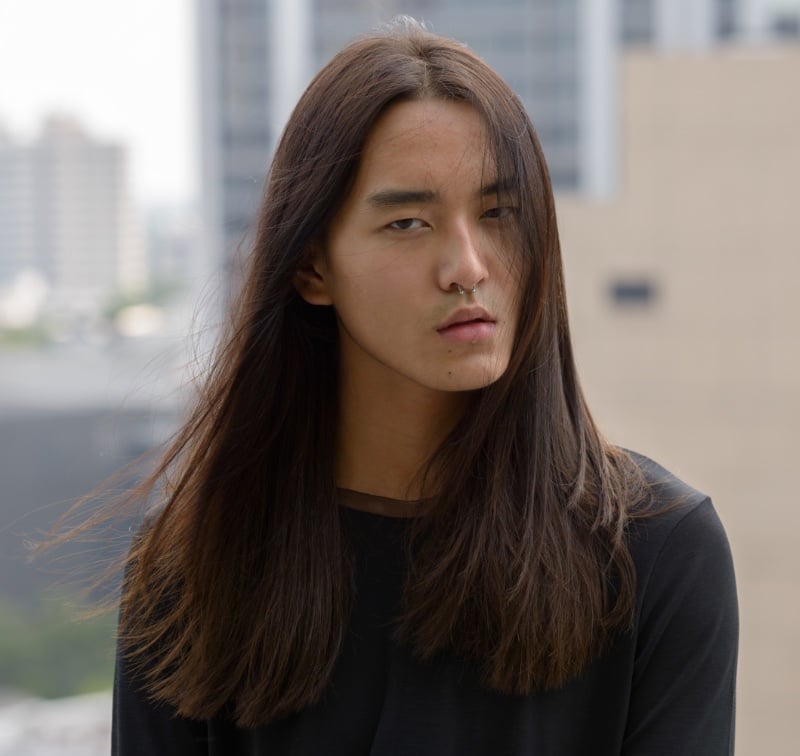
Long hair for men generally reaches the jaw or farther when worn loose. The boundary with medium-length hair depends on texture and shrinkage as well as inches. Some long cuts carry length through the sides and back; others leave those areas closely clipped beneath a much longer top.
Long Hairstyles for Men
These 25 styles use length differently, from rounded afros and loose shoulder-length layers to braids that expose the scalp and knots gathered at the crown.
The Afro
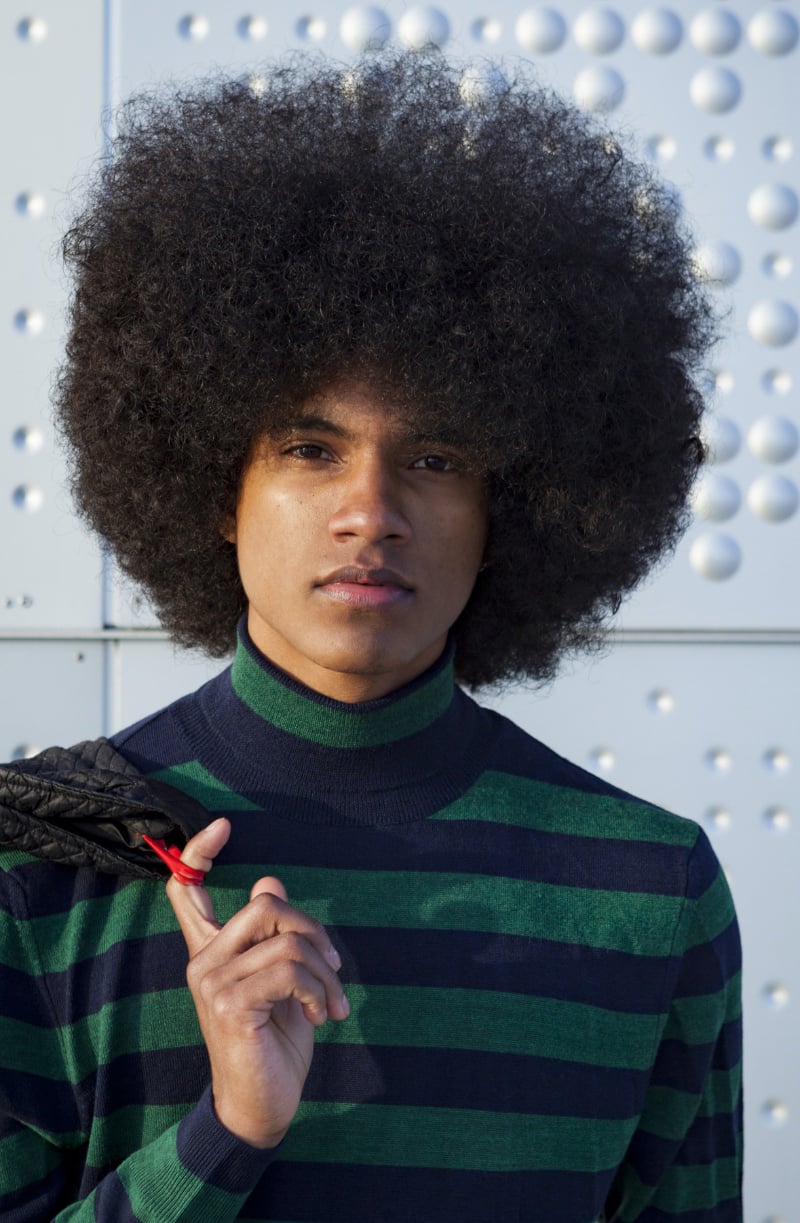
The afro extends outward as curly and coily hair gains length. A fuller crown makes the outline taller; longer sides increase its width. Shape the perimeter according to how the hair sits after drying, since shrinkage can pull some sections closer to the scalp than others.
Beach Waves
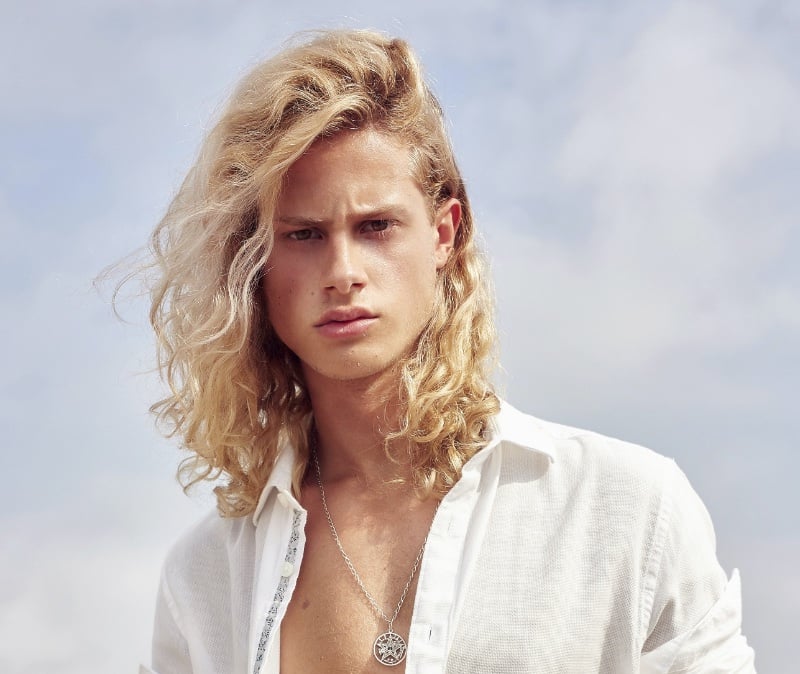
Broad, irregular bends give beach waves their tousled surface. The ends turn in different directions, leaving gaps between the longer sections. Scrunching damp hair can encourage an existing wave; a little sea salt spray adds grip if the hair needs it. Reduce the amount if the ends feel dry.
The Bro Flow
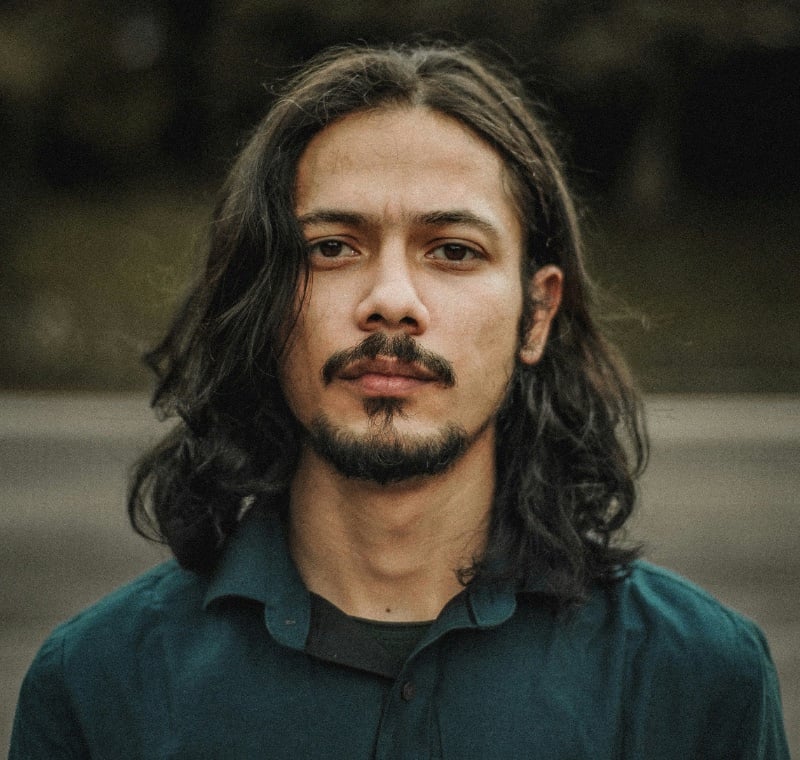
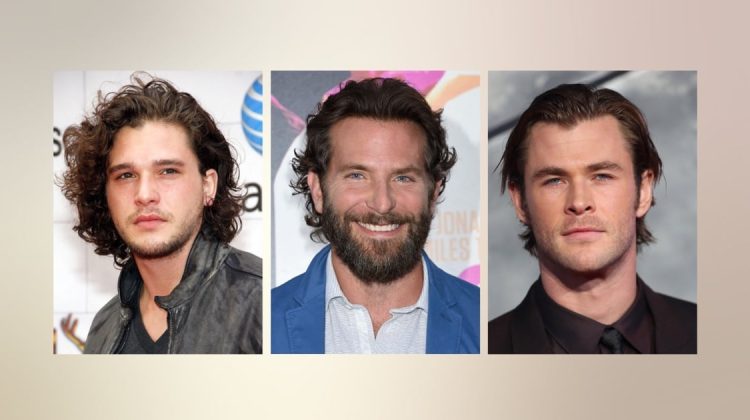
A longer bro flow lifts back from the forehead before bending around the ears. The sides can tuck back while the lower ends turn outward. Follow the growth direction when drying so the front stays swept away from the brow instead of repeatedly falling forward.
Cascading Long Hair
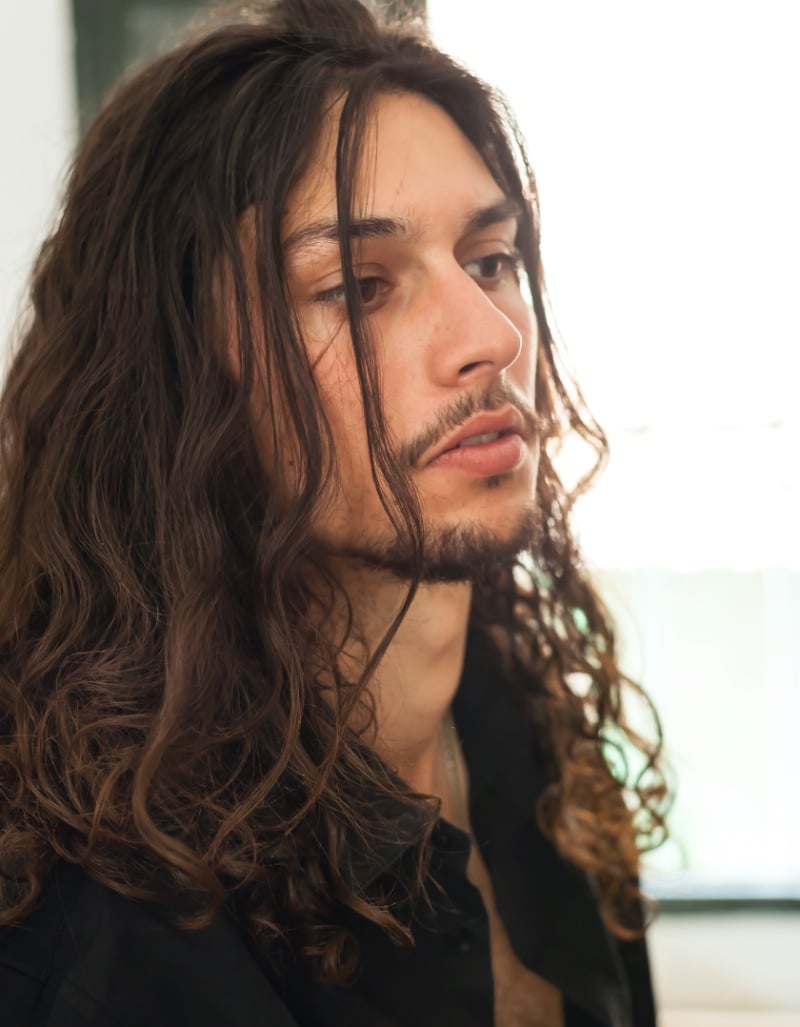
Deep waves overlap down the back in cascading long hair, with the longest ends falling well past the shoulders. Keeping weight through the perimeter makes the lower section look full. Layers can separate the waves higher up, but removing too much length from them can leave the bottom sparse.
Dreadlocks
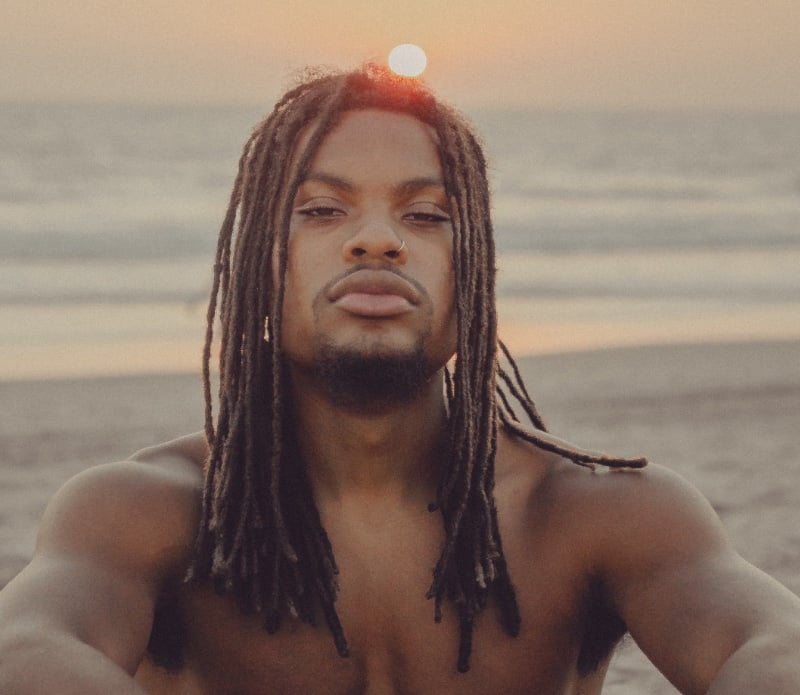
Dreadlocks form as strands intertwine within lasting sections. Section size determines whether the finished lengths are narrow and numerous or thicker and fewer. Their weight and surface change during maturation, and maintenance methods vary with texture and the starting technique. Cleansing needs to reach the scalp and rinse thoroughly through the lengths.
The Flow
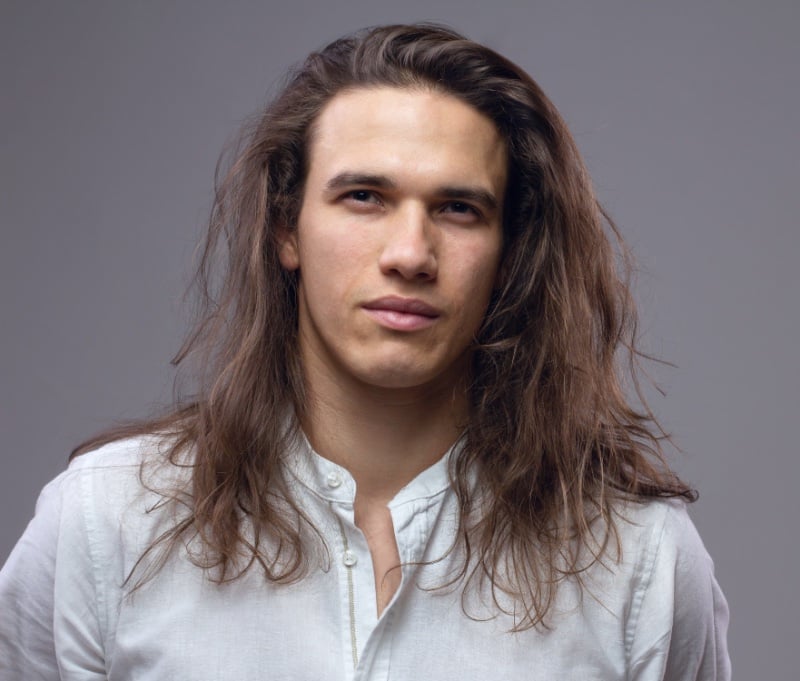
The flow carries length around the ears and toward the shoulders, allowing the ends to turn along the collar. Layers reduce bulk where the sides meet the back. On wavy or straight hair, the amount of bend determines whether the outline stays close or spreads outward.
French Braids

French braids add hair to each crossing as the braid travels from the front toward the nape. The gathered sections sit against the scalp before the remaining length forms a free-hanging plait. Keep the roots comfortable during braiding, with enough length for the shorter front pieces to stay inside the pattern.
Half-Up Half-Down Hair
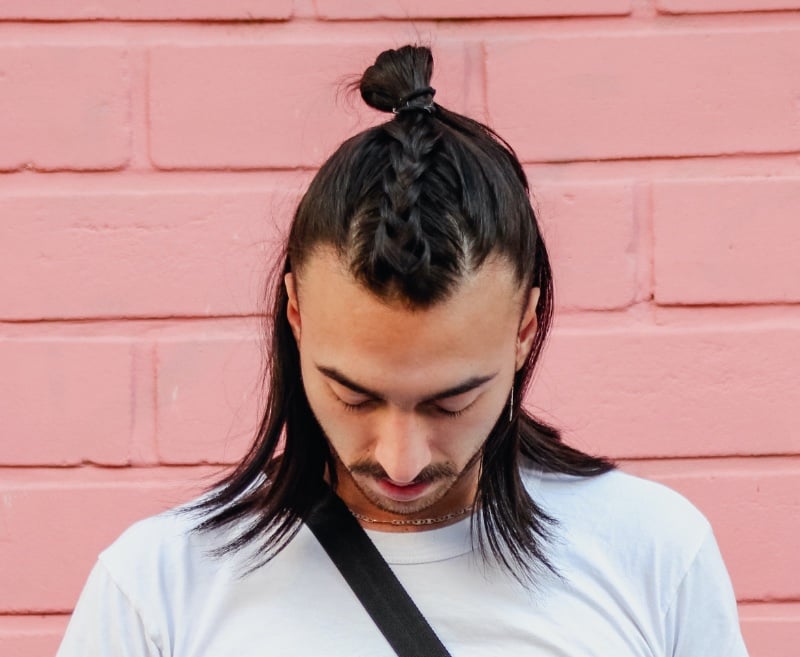
Only the upper section enters the tie in half-up half-down hair. The lower lengths hang over the shoulders, keeping the loose outline visible from the rear. Gathering just above the ears can pull a long fringe back while leaving shorter lower layers out of the tie.
Long Braids
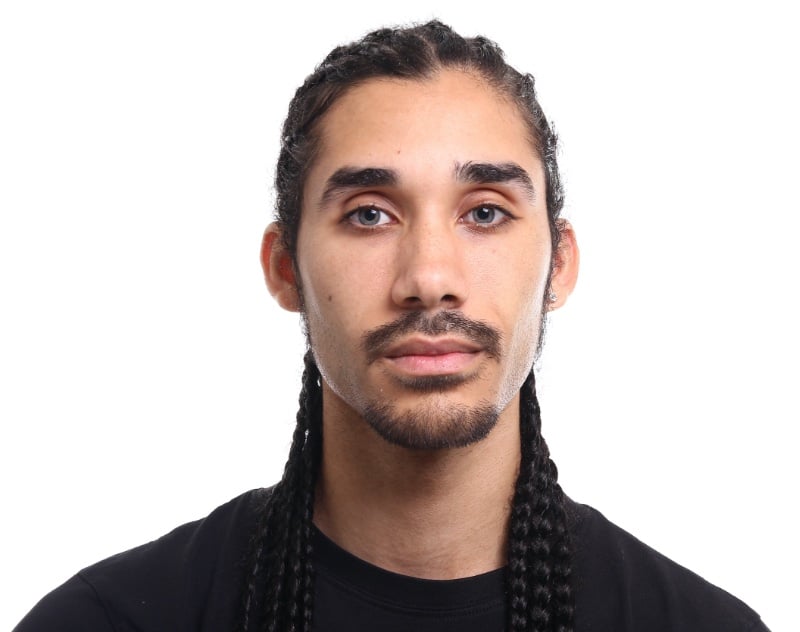
Braids can begin against the scalp before hanging freely past the nape. Narrow sections create many individual lengths; larger sections produce fewer, heavier plaits. Braiding reduces daily handling, but the roots should feel comfortable and the scalp still needs regular cleansing.
Long Curtains Hair
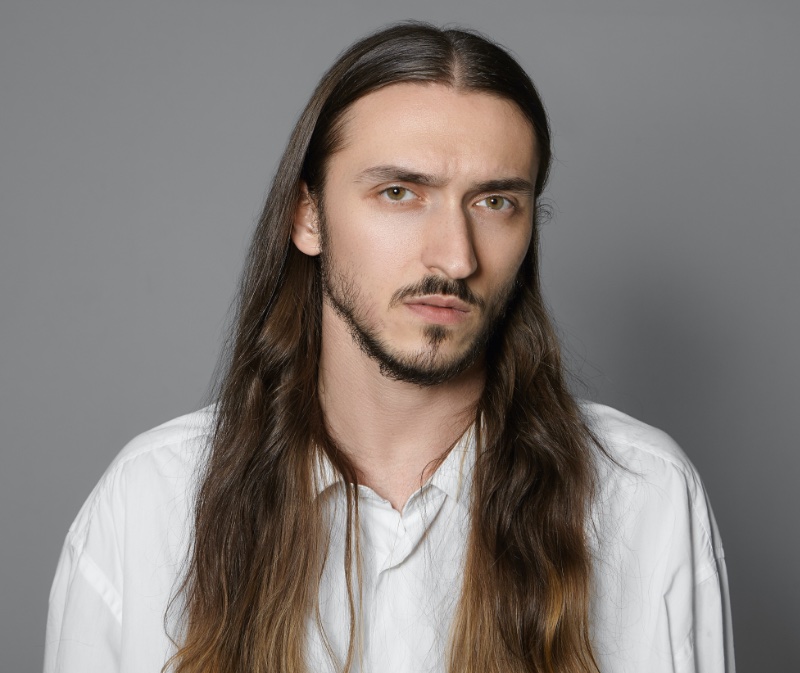
Long curtains divide through the front and drape beside the cheeks, with the ends continuing toward the shoulders. A central dividing line makes the two sides easy to see, though growth patterns may give one side more lift. More on the curtain haircut and middle part.
Long Hair Pulled Back
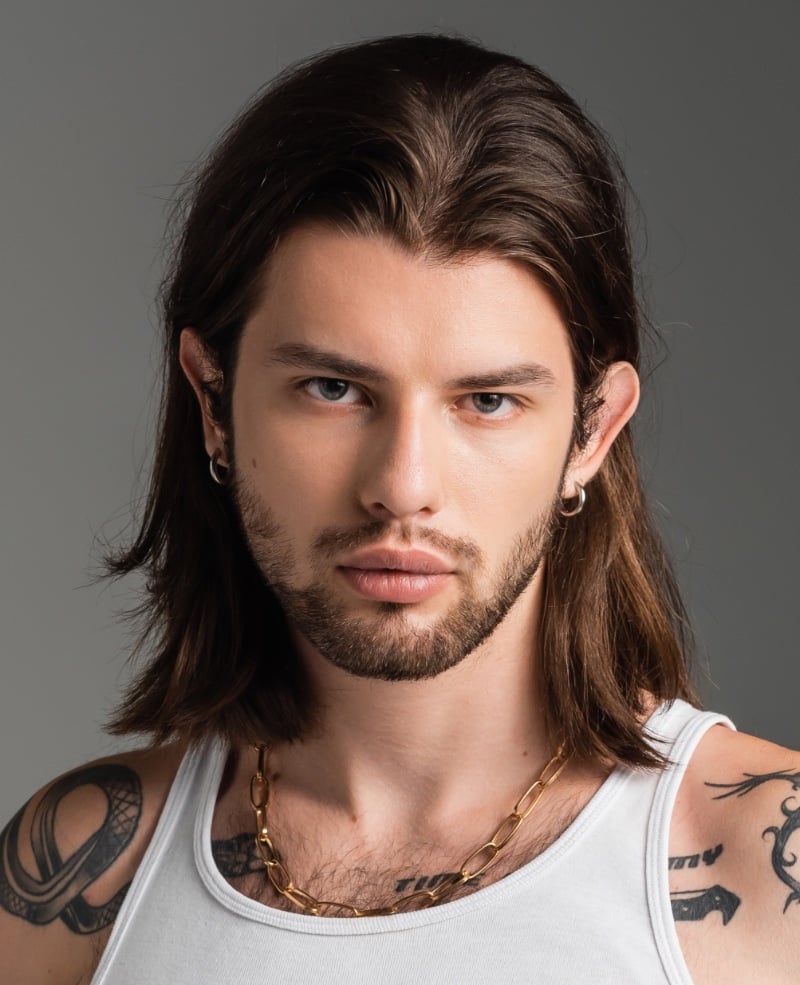
Drawing the sides behind the ears exposes the temples while the back hangs loose. The front needs enough length to reach the tuck comfortably, which varies with texture and growth direction. Keeping a few shorter layers near the cheek changes the outline from a fully swept-back shape.
Long Hair Slick Back
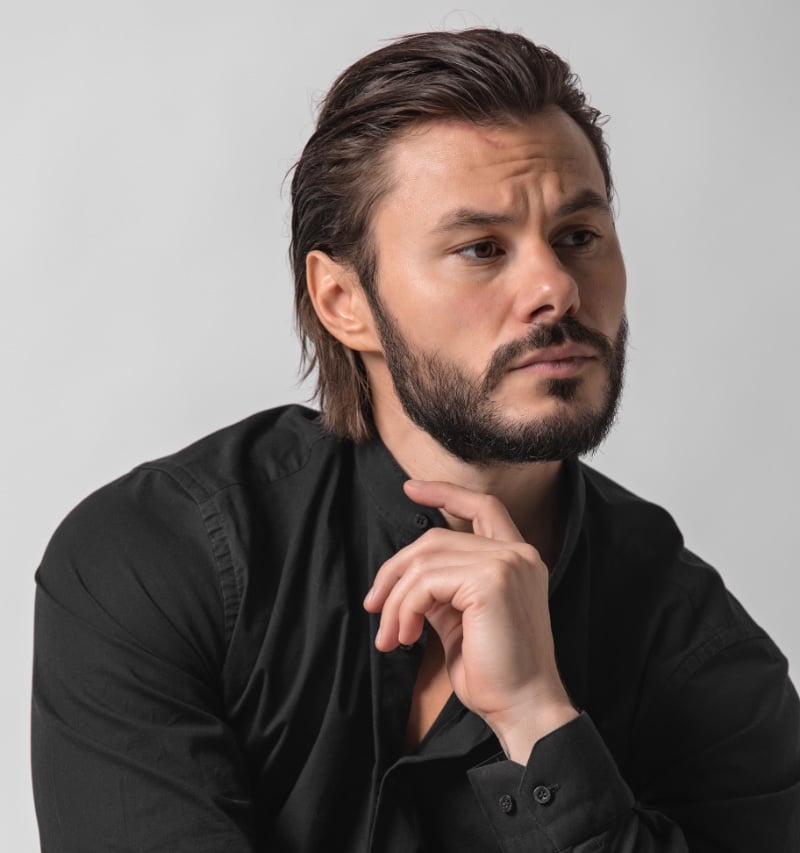
The long slick back sends the front and sides toward the rear, exposing the forehead and ears. Combing the roots close to the scalp creates the flat upper outline while the ends fall down the back. Choose a styling product with enough hold for that direction and the preferred amount of shine.
Long Hair with a Side Part

A side part sends more of the long top toward one side, creating an asymmetric fall around the face. The heavier section may bend across the forehead before reaching the cheek. Follow the natural parting to reduce how often the hair springs across the dividing line.
Long Hair Undercut
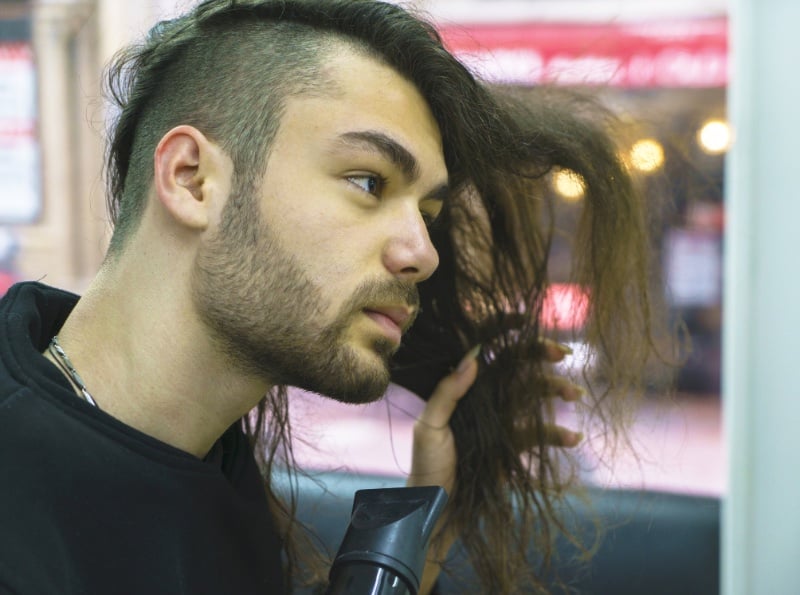
The long hair undercut leaves the top unblended above closely clipped or shaved sides. Wearing the length loose can cover much of the shorter section. A ponytail or bun exposes the full step between the two lengths, including the line behind the ears.
Layered Long Hair
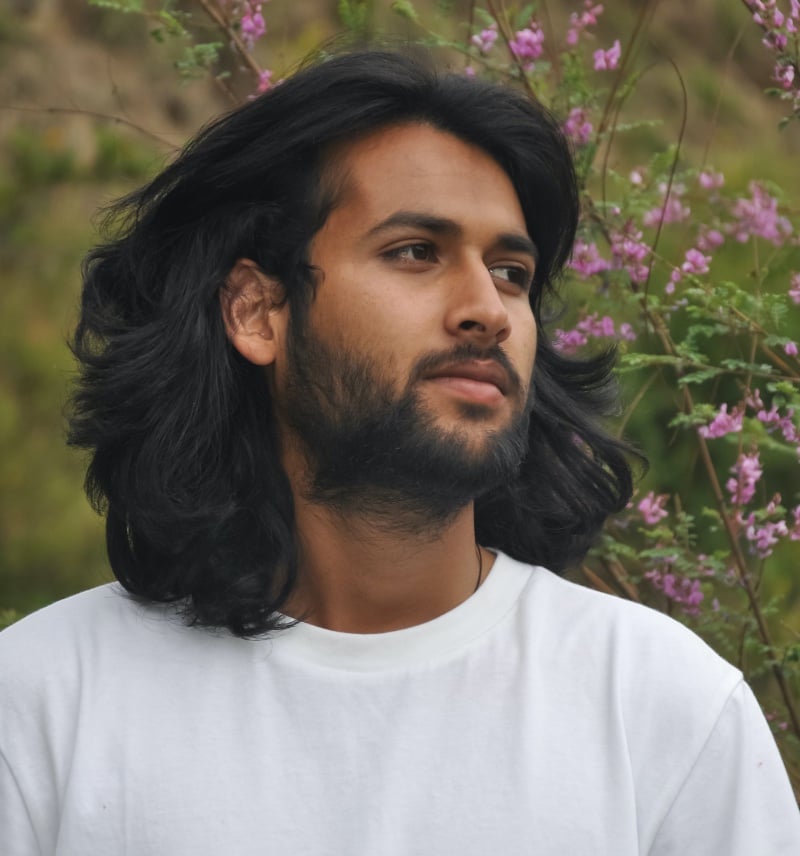
Layers change where long hair carries its weight. Shorter sections around the face can bend near the cheek or jaw while the longest ends keep the back full. The amount removed should reflect density, since extensive layering can thin out the perimeter of finer hair.
The Man Bun
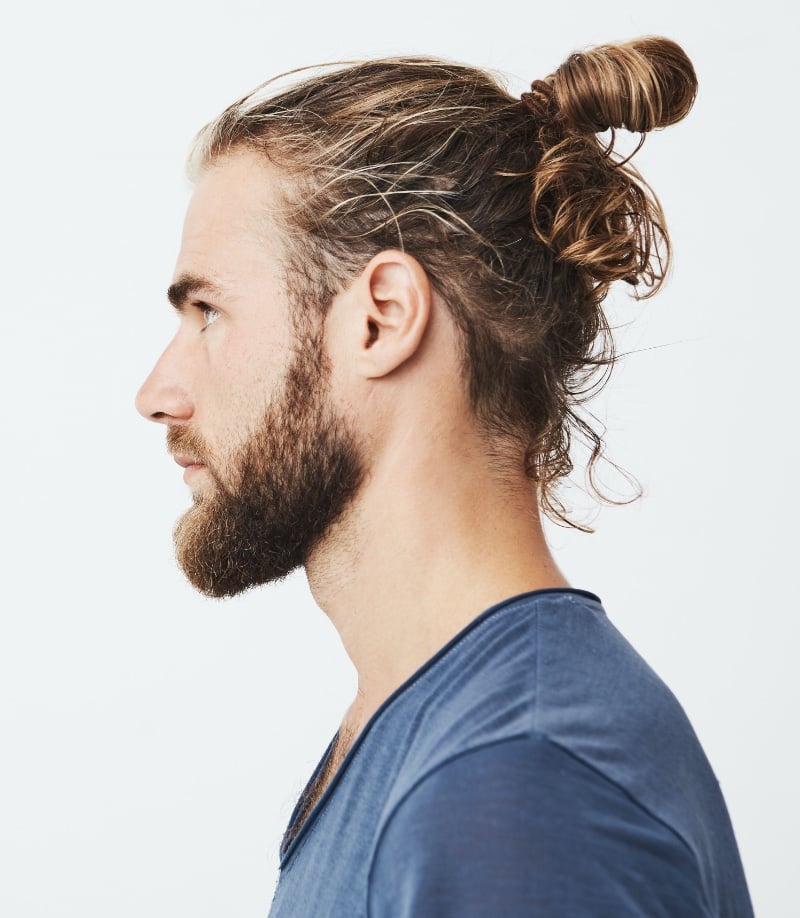
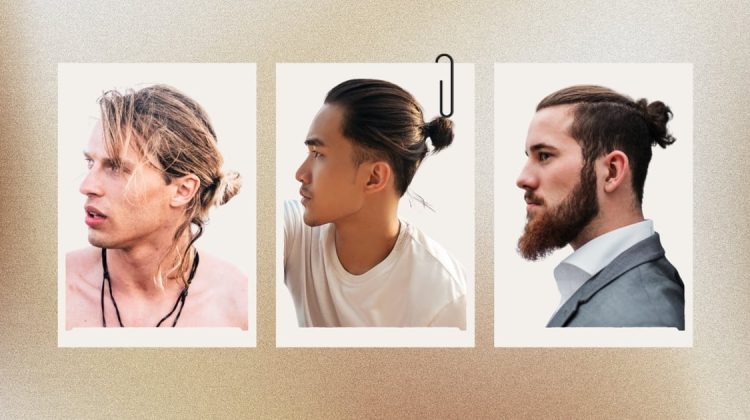
A man bun gathers the length into a knot at the back or crown. Higher placement exposes more of the neckline; a lower knot lets shorter front sections reach the tie. Secure the hair comfortably instead of pulling the roots taut to force them into place.
The Modern Mullet
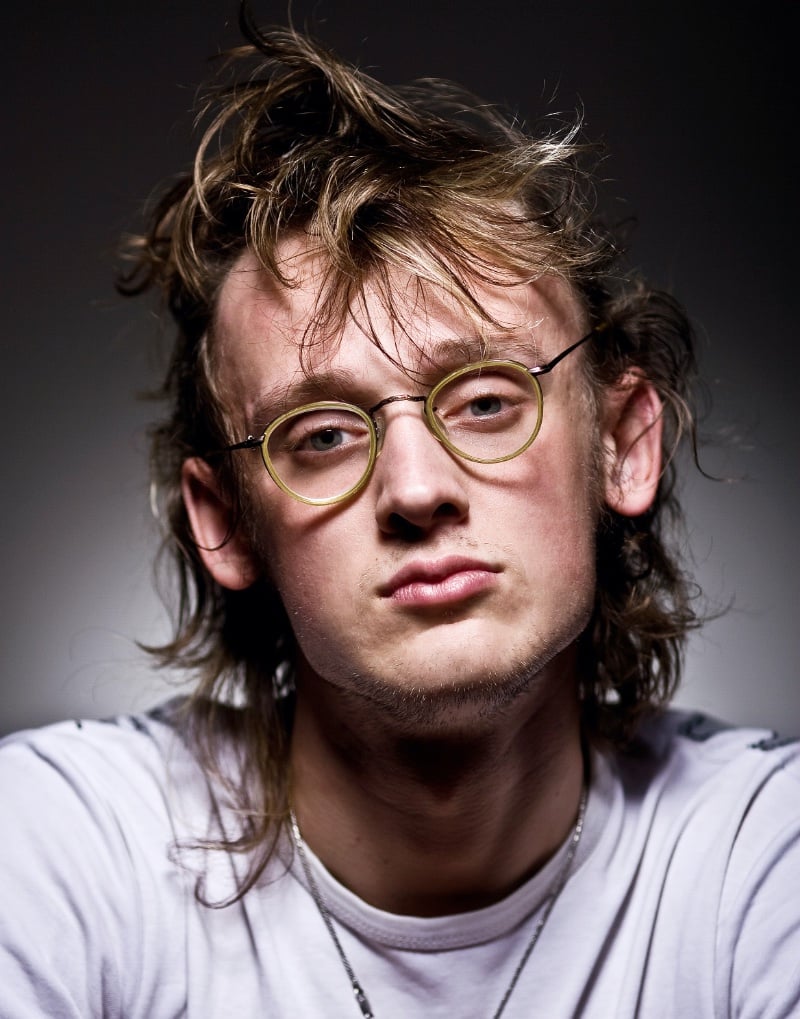
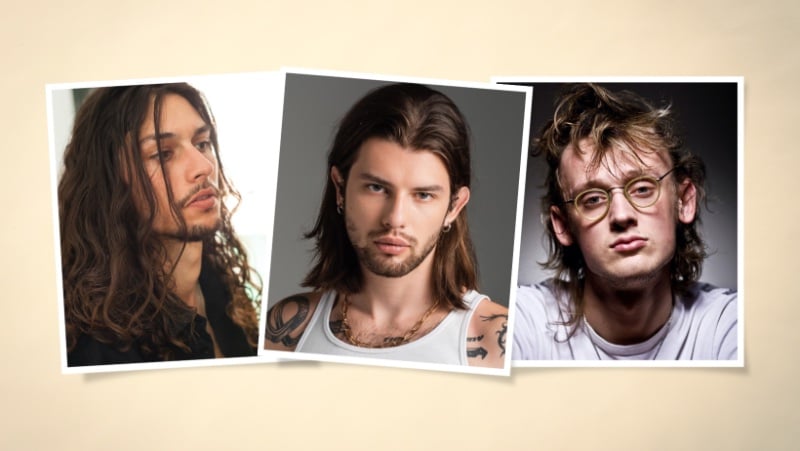
The modern mullet concentrates length behind the ears and down the nape. Shorter sides expose that change in profile, while textured crown layers keep the top from merging into one heavy mass. The gap between side length and back length determines how pronounced the silhouette looks.
The Ponytail
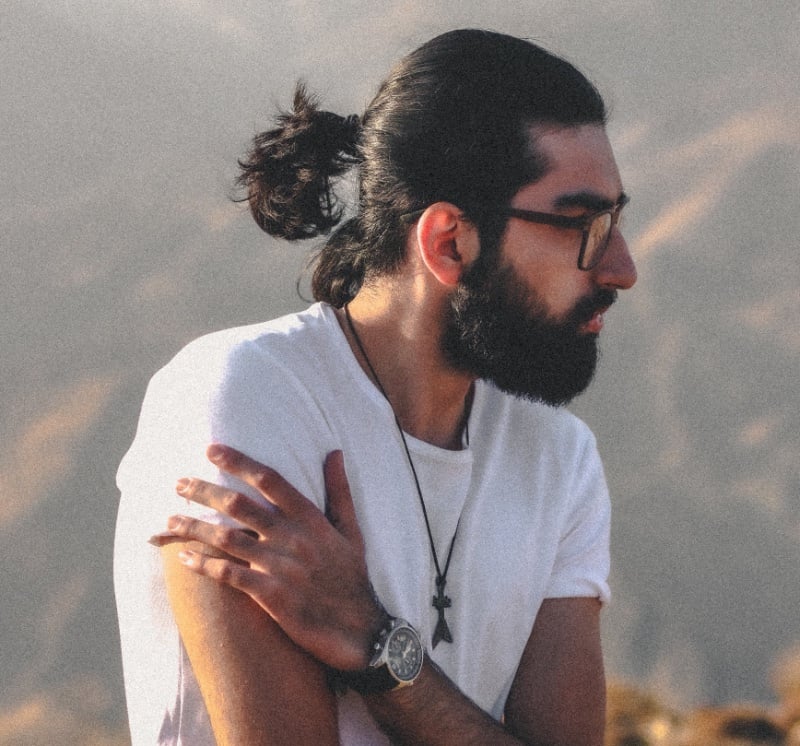
A low ponytail gathers the hair near the nape while leaving the tail to hang down the back. The tie position determines which shorter layers can reach it and where the tail begins. A loose sweep above the ears retains more fullness than hair combed close to the scalp.
The Samurai Bun
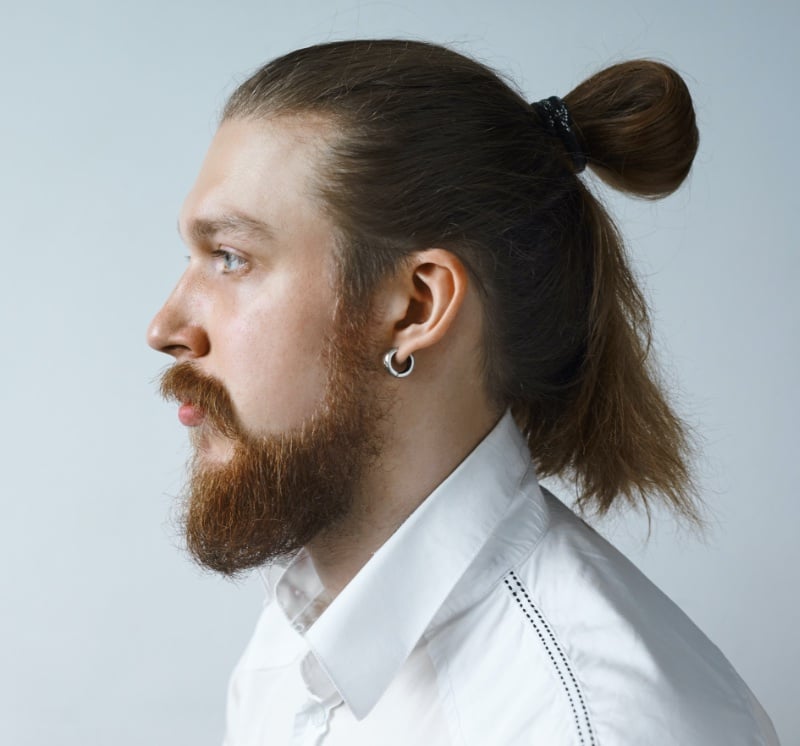
The samurai bun, also called a top knot, gathers the hair high at the crown. Sweeping the sides upward exposes the ears and makes the knot visible above the skull in profile. Leave enough length for the front to reach the tie comfortably, with no pulling at the hairline.
Surfer-Inspired Long Hair

Surfer hair leaves uneven layers around the cheeks and shoulders, allowing individual sections to bend away from the face. The ends separate as they dry, especially where the hair already has wave. A small amount of texturizing spray can add grip, while a light cream gives a softer finish.
Textured Shag
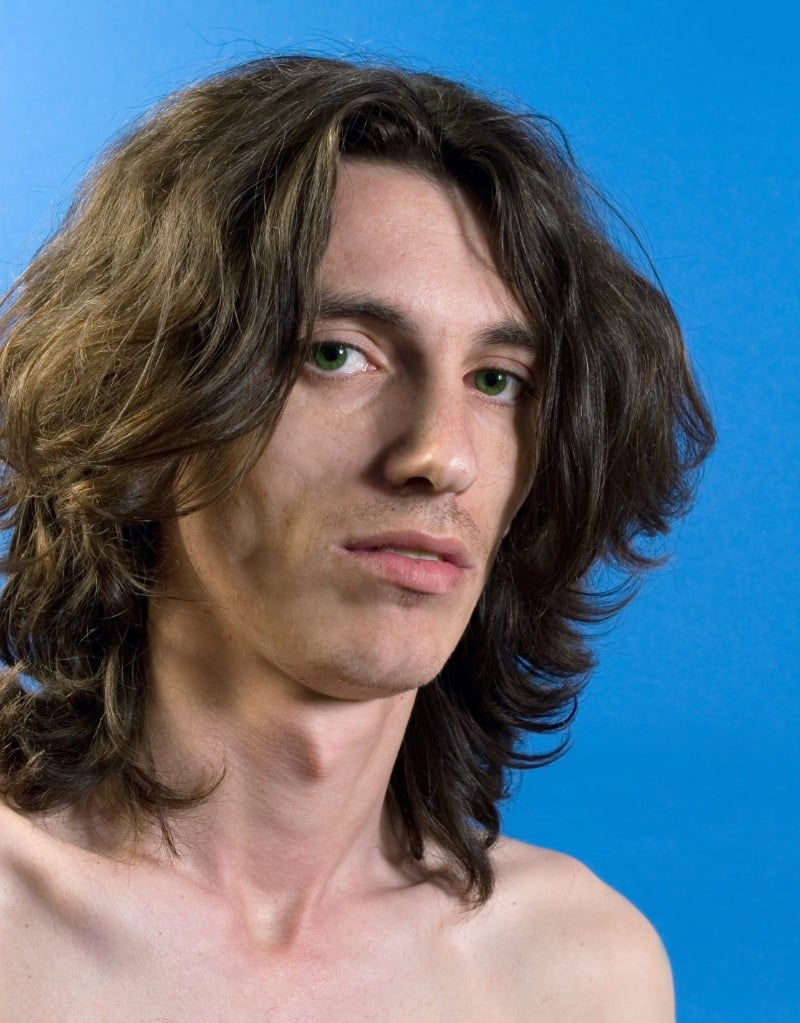
The long textured shag draws on the crown layers of the 1970s shag, with longer, finer ends near the shoulders. The front sweeps away from the face instead of falling into a fringe. Waves make the changes in layer length visible through separate bends.
Twists
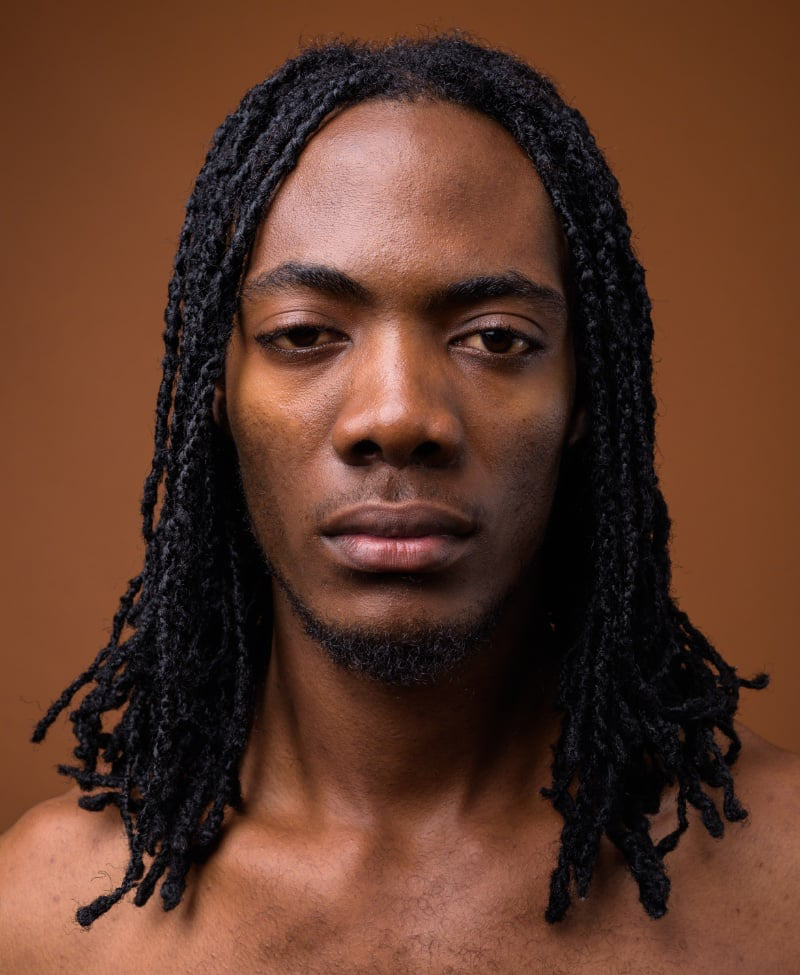
Two-strand twists wind paired sections around each other into long spirals. Section size changes their thickness, while the natural curl pattern affects how much the twists shorten as they settle. Comfortable installation and regular scalp care matter throughout the time they are worn.
The Viking Braid
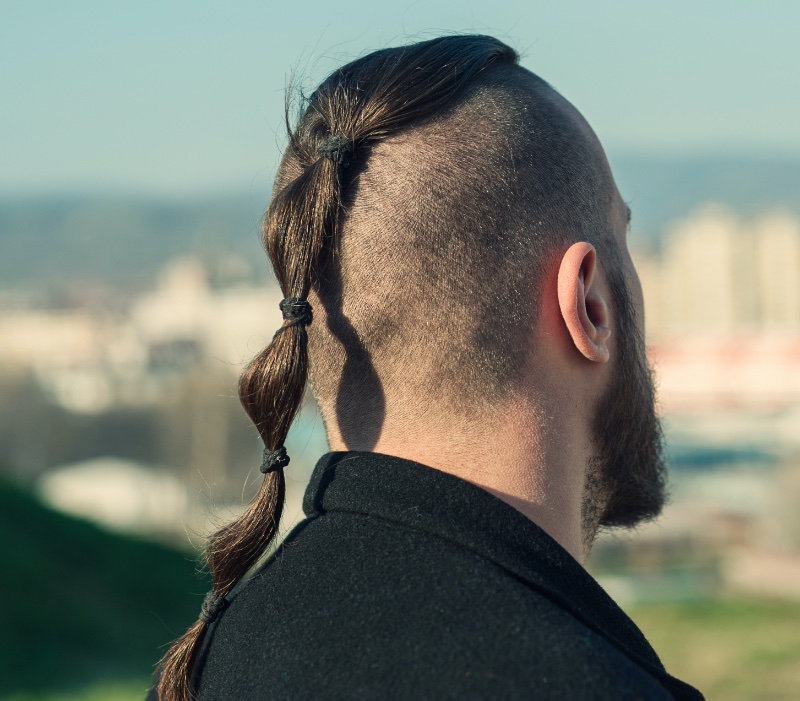
Shaved sides leave the Viking braid's long central section exposed. The braid travels down the back, making its thickness and the width of the remaining top prominent from the rear. Enough length is needed to gather the front securely while keeping the roots comfortable.
Wavy Long Hair
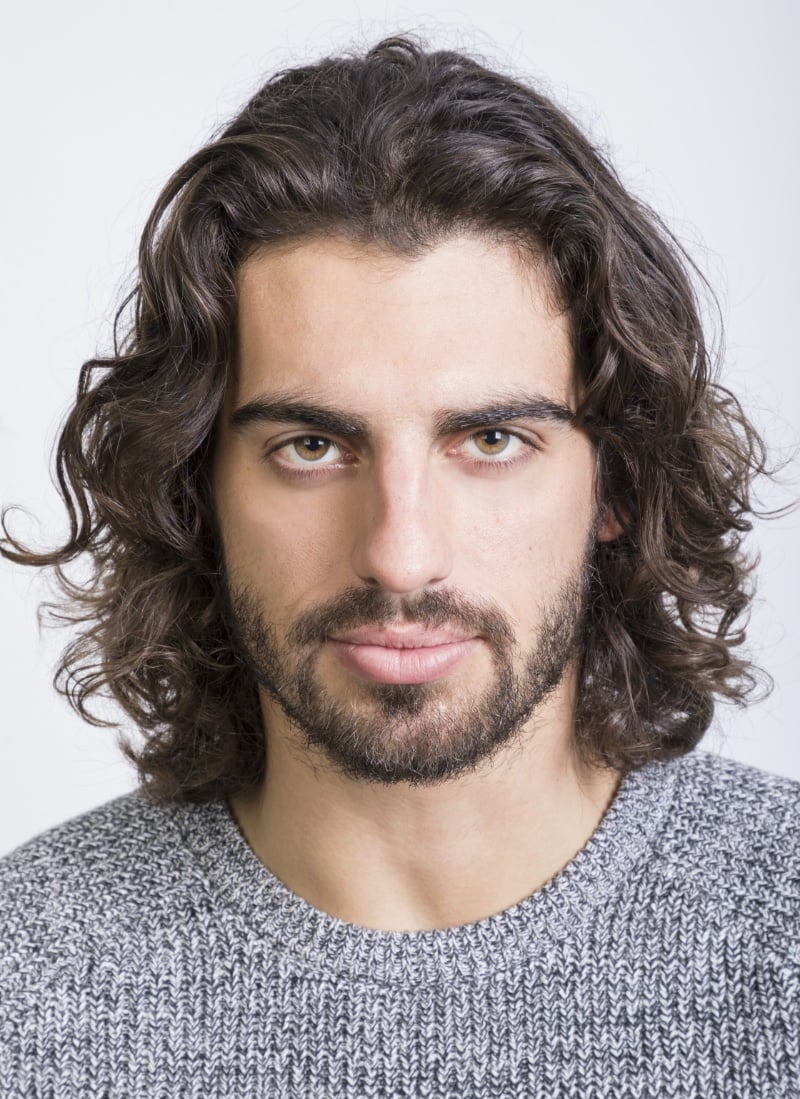
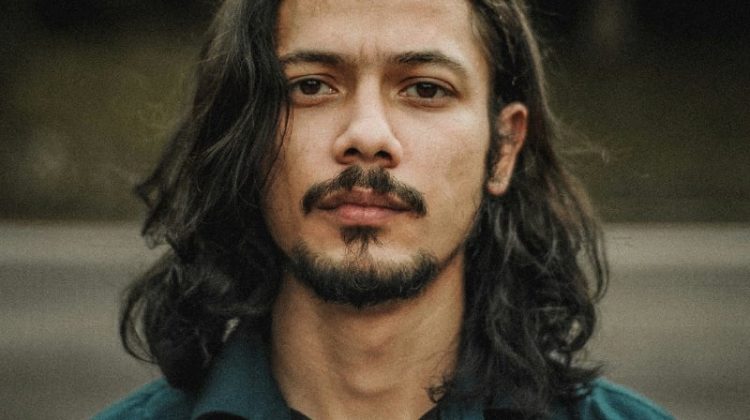
Longer wavy hair bends beside the cheeks before settling against the shoulders. Removing some interior weight can reduce fullness around the ears while retaining the ends. A little cream or mousse may help separate the waves, depending on density and how firmly the bends hold after drying.
Wolf Cut
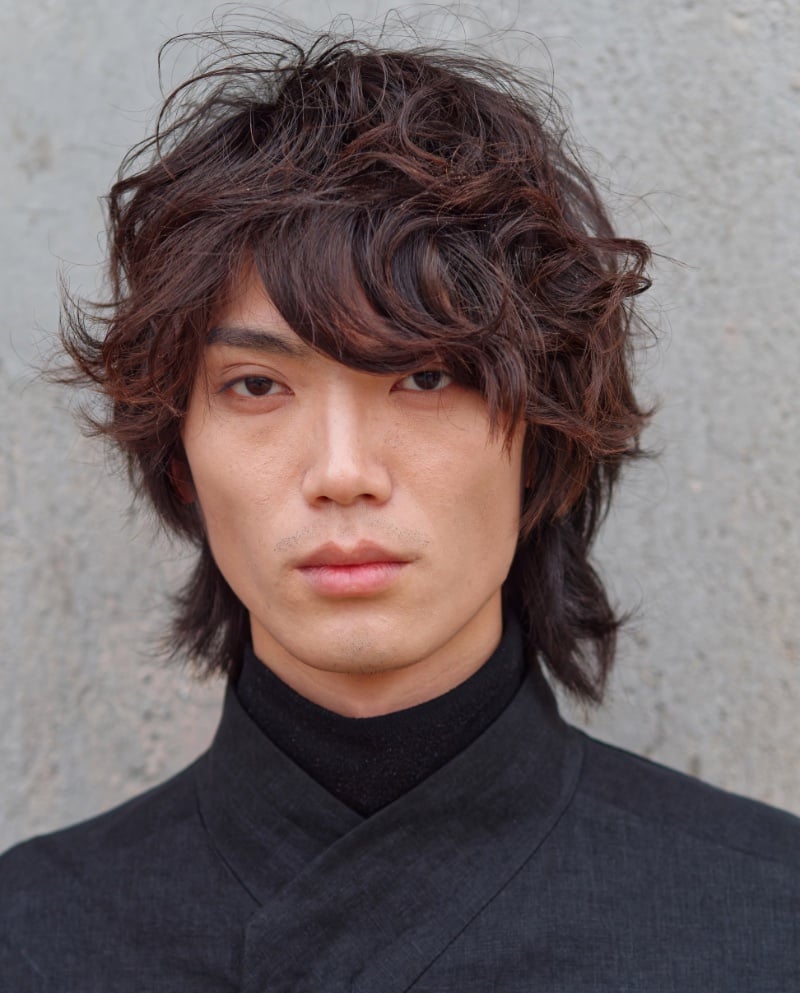
The wolf cut leaves shorter, full layers at the crown before narrowing into longer ends near the shoulders. The change in length makes the upper outline rounder and the lower section more tapered. Retain enough weight through the ends so they remain visible beneath the crown layers.
How to Grow & Care for Long Hair
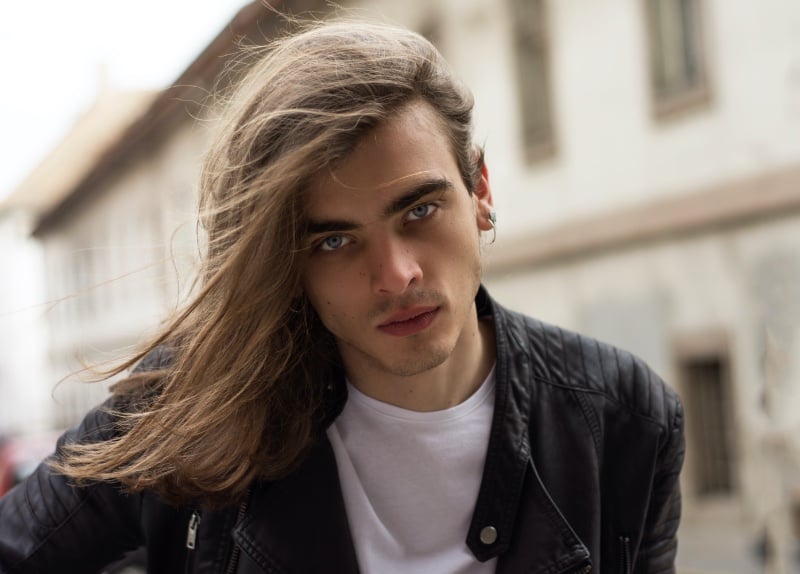
Growing a short cut to shoulder length usually takes well over a year, with progress depending on the starting length, growth rate, and shrinkage. During the transition, clips, ear tucks, and partial ties can gather sections that cannot yet reach a full ponytail. Trim damaged ends as needed, and agree on which layers need to gain length before cutting them again.
Choose a washing routine according to the scalp, product use, and how dry the lengths feel. Work conditioner through the areas that need it and detangle gently from the ends upward. Use a comfortable hair tie, vary its position, and loosen any style that pulls at the roots. For long curly hair, more on the curly hair routine.