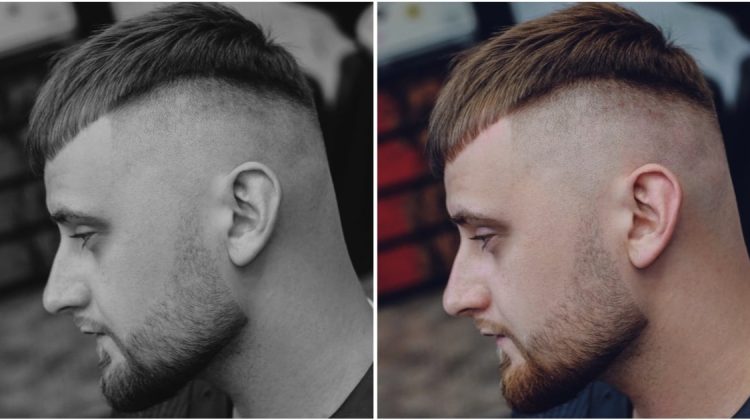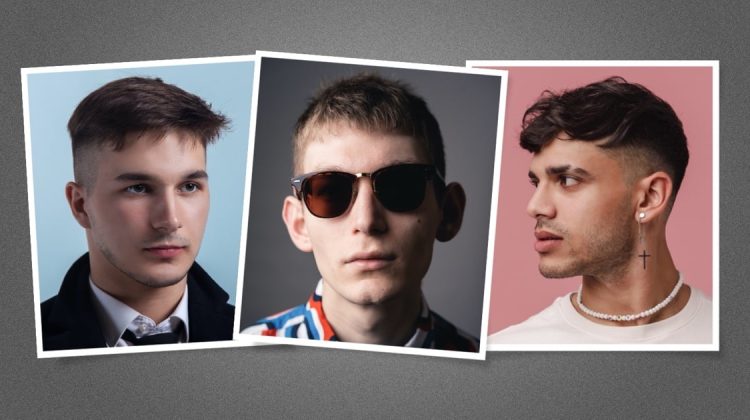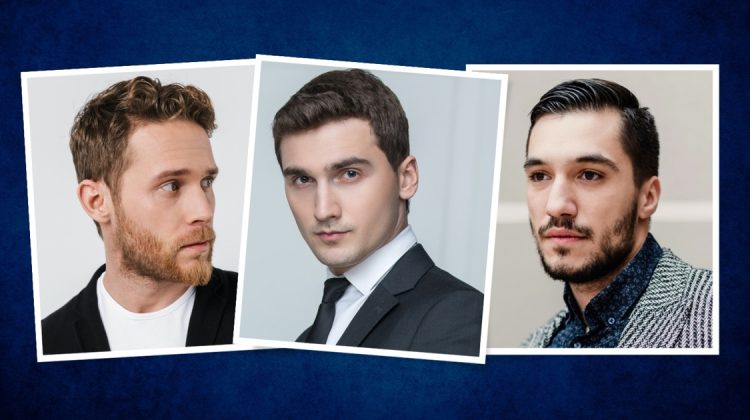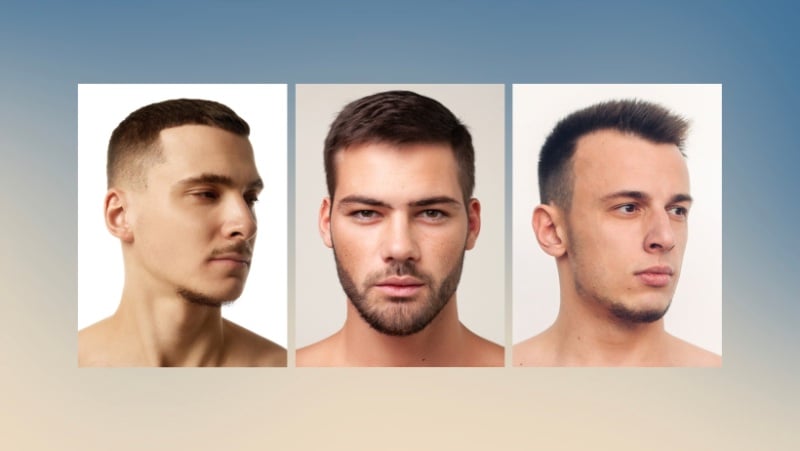
A crew cut has short, tapered sides and a top that rises toward the front hairline before shortening at the crown. Among men’s haircuts, it occupies the space just beyond a buzz cut.
That extra length allows the front to stand upright, brush forward or take a side part. Even a small adjustment in length can shift the crew cut from a close military crop to a fuller, more casual style.
What Is a Crew Cut?
Clippers take the sides and back short, commonly with a #1 to #3 guard, before the barber tapers or fades the edges. Scissors or a longer guard leave roughly half an inch to an inch and a half at the front, with the top shortening toward the crown.
The change in length across the top is essential. A long buzz cut is clipped evenly, but the crew cut allows the front to stand up or take a part. With still more length, the shape approaches an Ivy League cut or short quiff.
Crew Cut Haircuts
The proportions vary more than the name suggests. Some crew cuts sit barely above buzz-cut length; others leave enough hair for a part or a raised front. A traditional taper keeps the silhouette close, while a fade exposes more of the sides. Some longer versions approach an undercut.
Classic Crew Cut

The classic crew cut rises slightly at the front and follows a gradual slope toward the crown. Clipper-tapered sides meet the top with no pronounced fade line.
A dab of wax can lift the front into short, upright bristles. Worn dry, the cut has the straightforward appearance of a traditional barbershop crop.
Long Crew Cut

An inch or more at the front gives the long crew cut a visibly fuller top. The tapered sides retain the familiar outline, while the additional hair can fall forward or take a loose part.
Styling cream keeps the longer strands pliable; matte pomade gives the front a firmer shape.
Crew Cut Comb Over

The comb over stretches the crew cut toward a conventional side-part hairstyle. Hair at the front must be long enough to cross the top, while the closely trimmed sides keep the overall cut compact.
A comb and a little light pomade work best when the hair is straight or gently wavy.
Crew Cut Fade
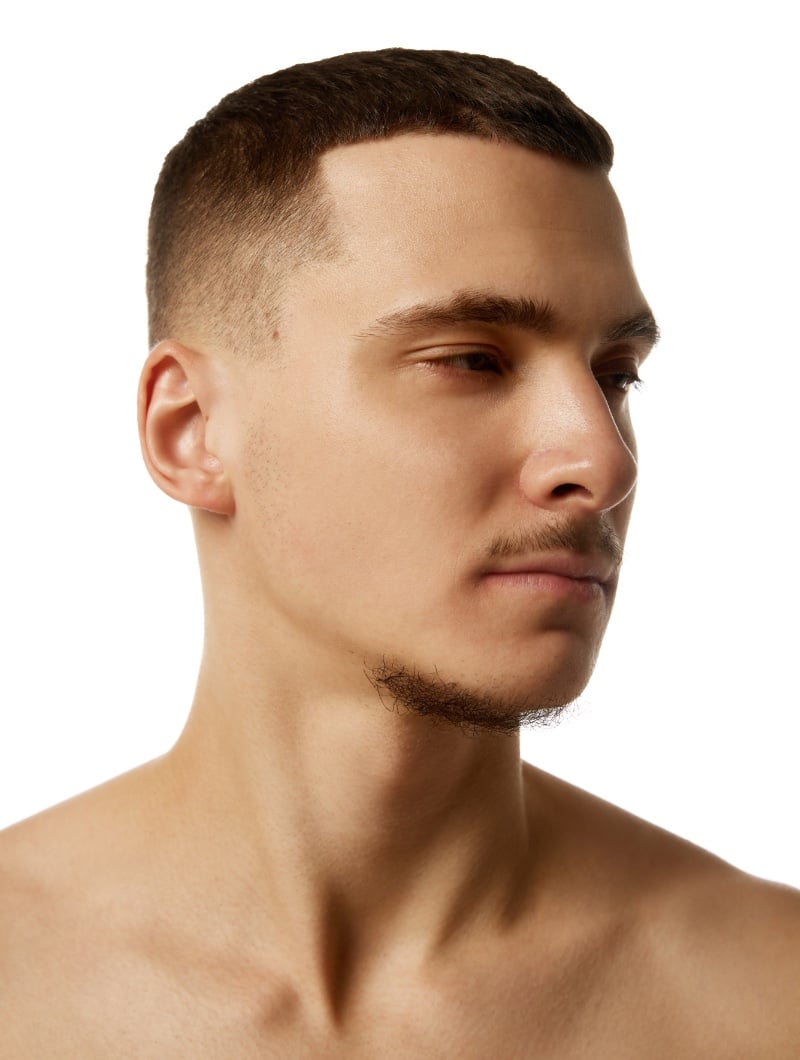
Faded sides make the difference immediately visible, taking the hair progressively shorter beneath the cropped top. The transition can be subtle at the neckline or more pronounced around the temples.
The fade can begin low, midway up the sides or near the temples. The top remains long enough to lift slightly at the front. For a closer look at the variations, see the crew cut fade.
Crew Cut Quiff
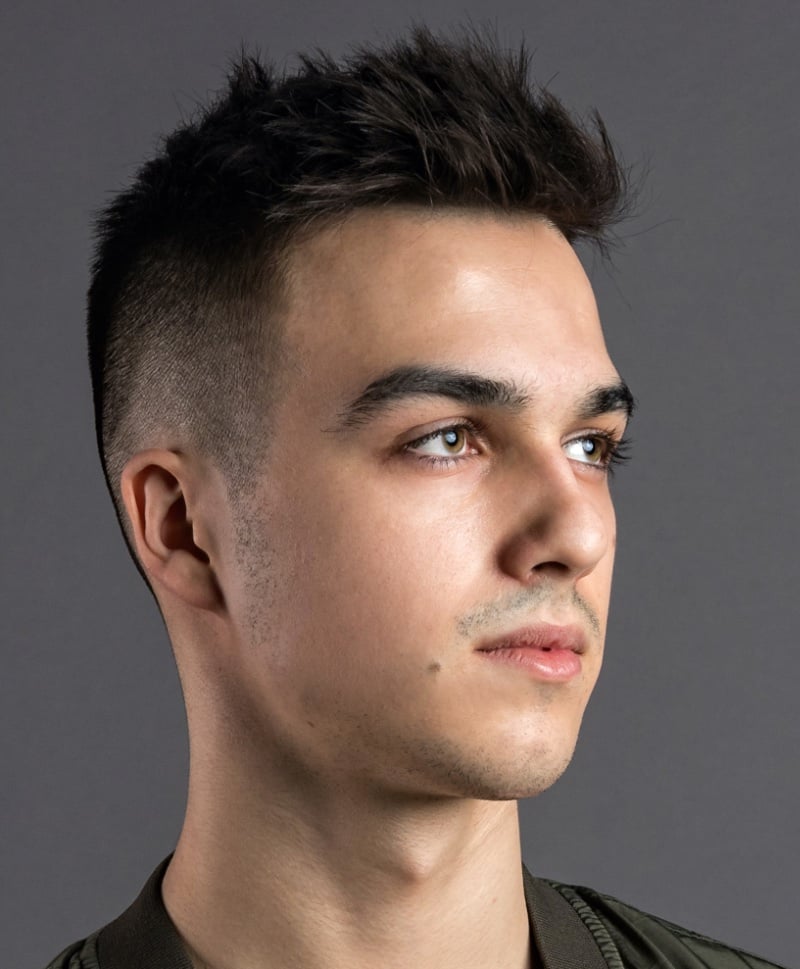
The crew cut’s longer front becomes a small quiff when lifted away from the forehead. Its height is modest, with closely cut sides preventing the shape from becoming a full pompadour.
Blow-dry the front upward to style a quiff, then use a little wax to keep it raised.
Crew Cut Buzz Cut
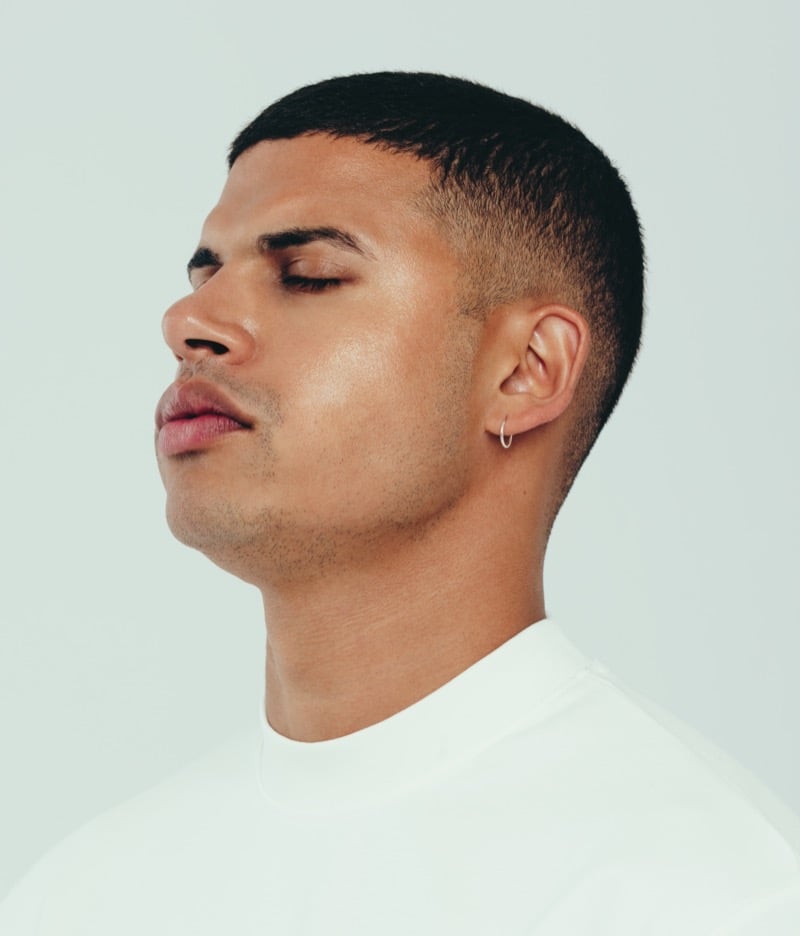
The crew cut buzz cut sits at the shortest end of the family. The top is clipped close, retaining only a slight increase in length toward the forehead, while the sides fade down tightly. Fingers are enough to direct the front.
Medium Length Crew Cut

At medium length, the crew cut has enough hair to show a change in direction across the top. Brushing it forward creates a crop-like finish; a side part makes the same cut more conventional. Styling cream gives the front a little lift.
Crew Cut Taper Fade

A crew cut taper fade concentrates the shortening around the temples, sideburns and nape, leaving more hair across the sides than a full fade. The top retains the crew cut’s slight increase in length toward the front.
The narrow tapered areas need regular clipper work, although the top can usually be managed with a quick brush. For more on this cut, see the low taper fade.
Curly Crew Cut

Curls change the outline of a crew cut, forming a compact, rounded top above closely clipped sides. Enough length must remain for the curl pattern to develop, particularly toward the forehead.
Curl cream helps separate the coils. Combing once the hair is dry can disturb the pattern and introduce frizz.
Flat Top Crew Cut

A flat top crew cut is clipped into a level plane rather than the usual gradual slope. The squared silhouette requires careful work across the crown and a closely tapered or faded perimeter.
Hair that stands upright naturally makes the level top easier to maintain. A small amount of gel can help keep stray strands in line.
Forward Brush Crew Cut

The forward brush version directs the top toward the forehead, giving the front a compact fringe. Like a brush cut, it relies on enough length to show the direction of the hair against shorter sides.
A brush or comb directs the hair forward in seconds. Wax is useful when the front needs a more defined edge.
Ivy League Crew Cut

The Ivy League cut, also called an Ivy League crew cut, leaves enough length to sweep the top sideways. Scissor-cut sides can soften the transition from the part to the temples.
A little pomade guides the longer front across the forehead, while regular trims prevent it from falling into the eyes.
Short Crew Cut With Hard Part

The hard part is a narrow shaved line separating the short sides from the longer top. Unlike a combed part, it remains visible even when the hair is dry and needs retracing as it grows.
The hair above the line can be directed sideways with a small amount of pomade.
Side Part Crew Cut
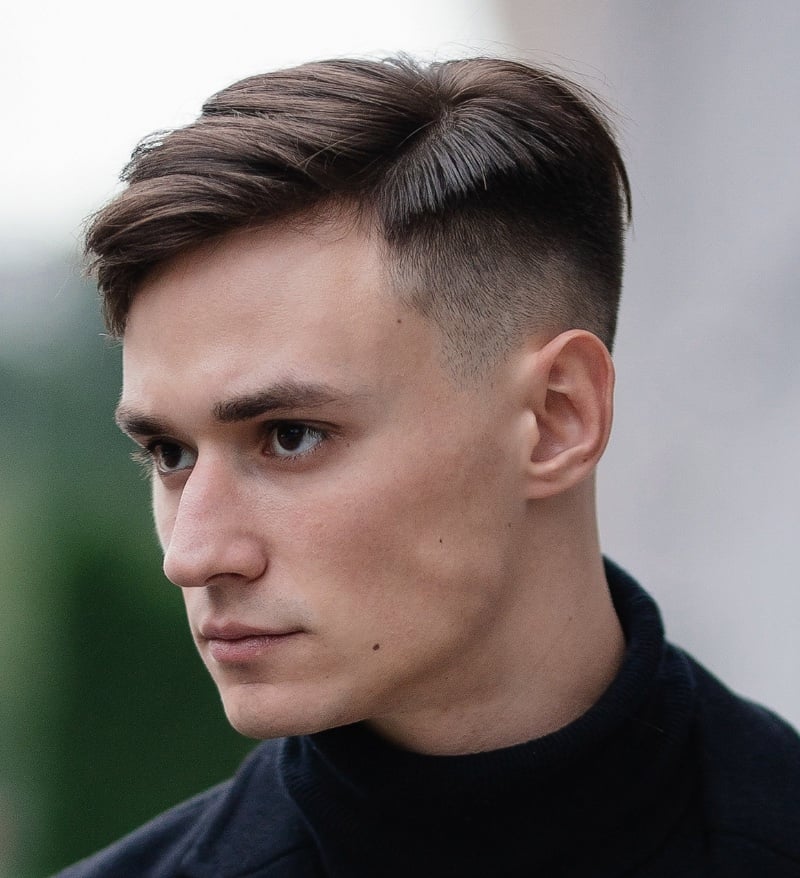
The side part crew cut has a distinct combed division rather than a shaved line. A clean side part needs more length through the front than the closest crew cuts, with the sides clipped short.
A comb and a little pomade keep the part visible and the front lying flat.
Spiky Crew Cut
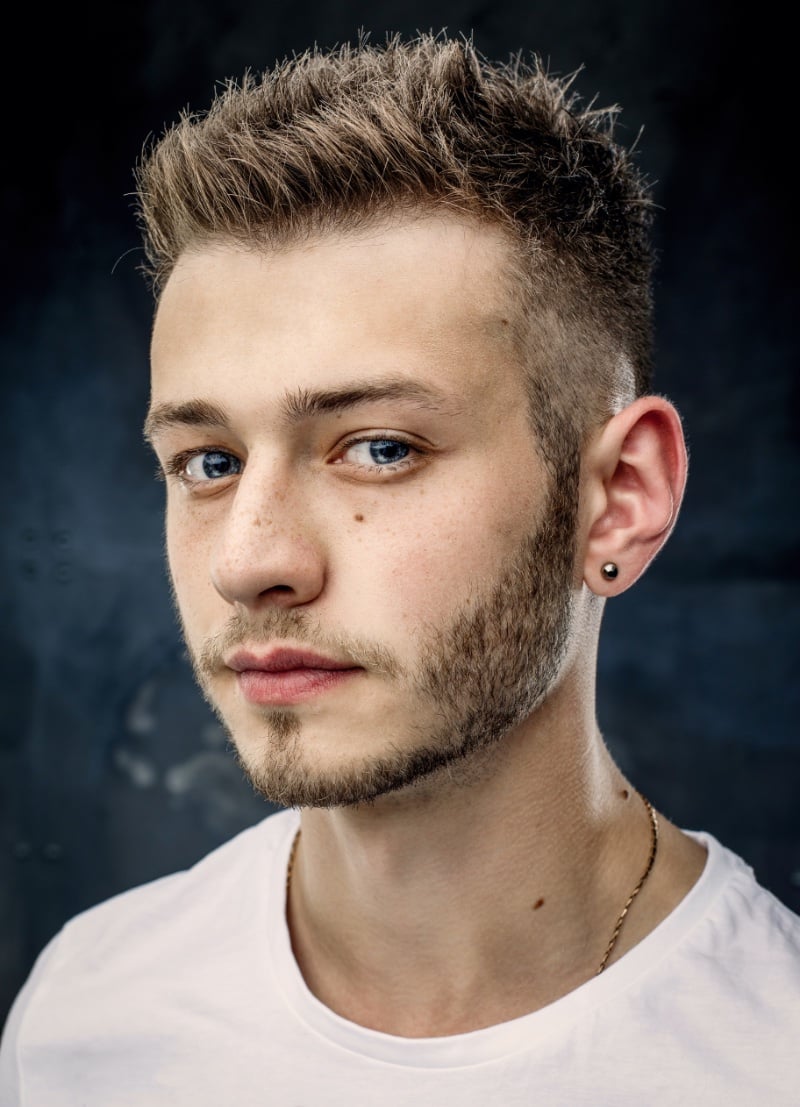
Short, separated points across the top give the spiky crew cut its distinctive silhouette. Firm wax holds the tips upright, while the closely cut sides prevent the style from becoming bulky.
Textured Crew Cut

Point-cutting breaks the top into uneven lengths, creating separation instead of the uniform surface of a classic crew cut. A short fade can make those irregular pieces more apparent.
Work a little wax through the top with the fingertips, lifting selected strands at the front. A less defined version is often called a messy crew cut.
Wavy Crew Cut

Natural waves remain visible across the top, which needs enough length for the pattern to form. The barber can remove excess weight around the sides while leaving the waves intact.
Light mousse can define the wave pattern while keeping the top flexible.
How the Crew Cut Has Changed

The name is usually traced to college rowing crews in the early 20th century, notably at Yale and Harvard. The cut spread widely through the military during World War II and became one of the defining men’s haircuts of the 1950s.
Modern crew cuts frequently exchange the traditional taper for a fade and leave more hair to separate across the top. The identifying feature remains the slight rise at the front above closely cropped sides.