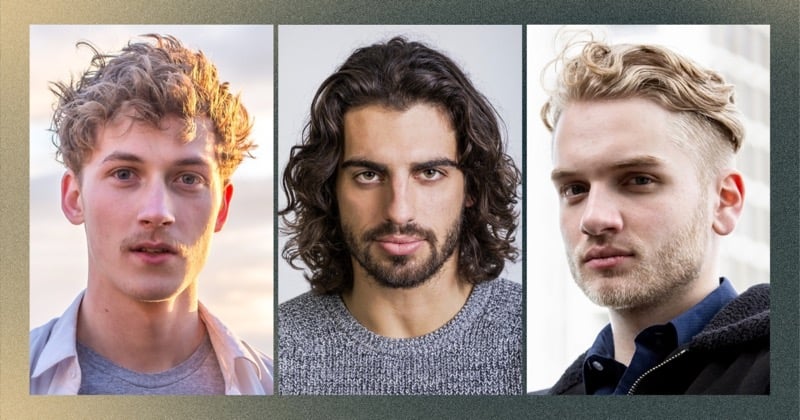
Wavy hair bends into loose S-shapes, with the pattern becoming more visible as the hair gains length. A short cut may show only a turn at the fringe, while longer sections form successive ridges and dips. Timothée Chalamet's hair shows how those bends can lift the front and gather around the ears. Choosing among these men's haircuts depends on where the waves fall and how much weight the cut retains.
Wavy Hairstyles for Men
These 15 styles change the waves' direction, length or outline. Medium lengths often reveal a fuller S-shape, while shorter cuts emphasize individual bends.
Brushed Back

Brushing the front backward exposes the hairline while leaving successive waves raised across the top. The sides can sit close or turn out around the ears, depending on their length. Fingers preserve broader sections; a brush separates them into a finer, more combed texture.
Medium-Length Wavy Hair

Medium-length wavy hair leaves enough length for a bend to rise and fall before reaching the ends. That can produce fullness beside the temples and above the ears. Layers can redistribute this weight, while retaining length at the perimeter keeps fine waves from looking sparse.
Long Middle Part
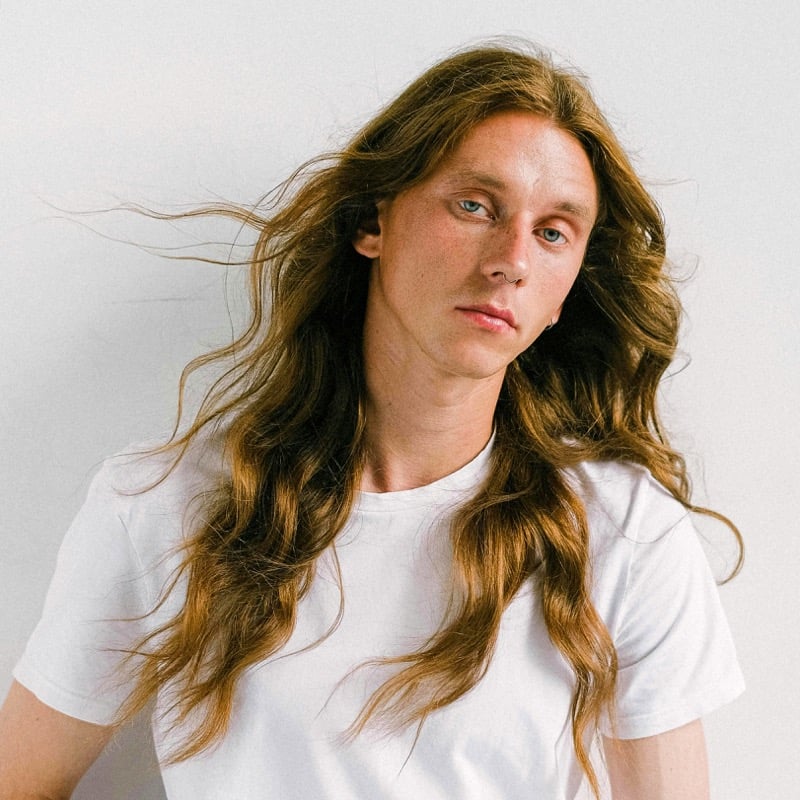
A middle part sends long waves to either side of the forehead, with the ends bending toward or away from the cheeks. Matching the front lengths allows the two sides to drape similarly, though the wave pattern may differ across the scalp. The loose lengths suit bohemian dressing.
Shag Haircut

Shorter crown layers give the wavy shag lift above longer pieces around the ears and neck. Its choppy perimeter follows the bends instead of forming one solid line. Dense hair may benefit from weight removal, but fine waves need enough hair left at the ends. The wolf cut extends a related layered shape toward a longer back.
360 Waves
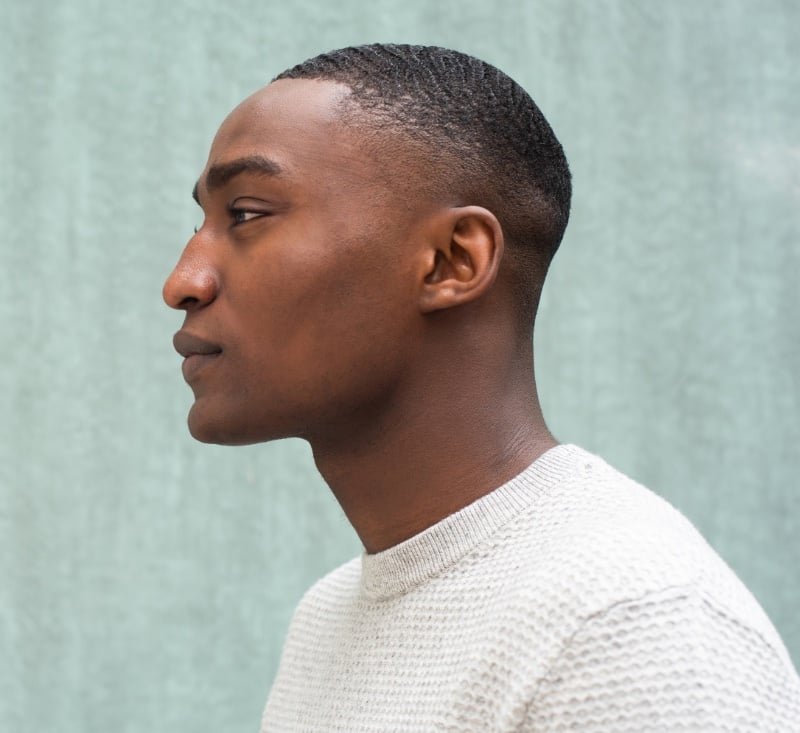
360 waves arrange short curly or coily hair into close, repeated ripples around the scalp. They are a brushed style, distinct from a naturally loose wave pattern. Consistent brushing outward from the crown follows set directions around the head; a durag helps keep the hair laid between brushing sessions and overnight.
Side Part

The side part sends more hair across one side of the top, leaving the other side flatter. A bend near the front can lift the sweep above the forehead. Follow the natural separation where possible, then let the longer side settle into its own wave instead of combing every ridge flat.
Slick Back
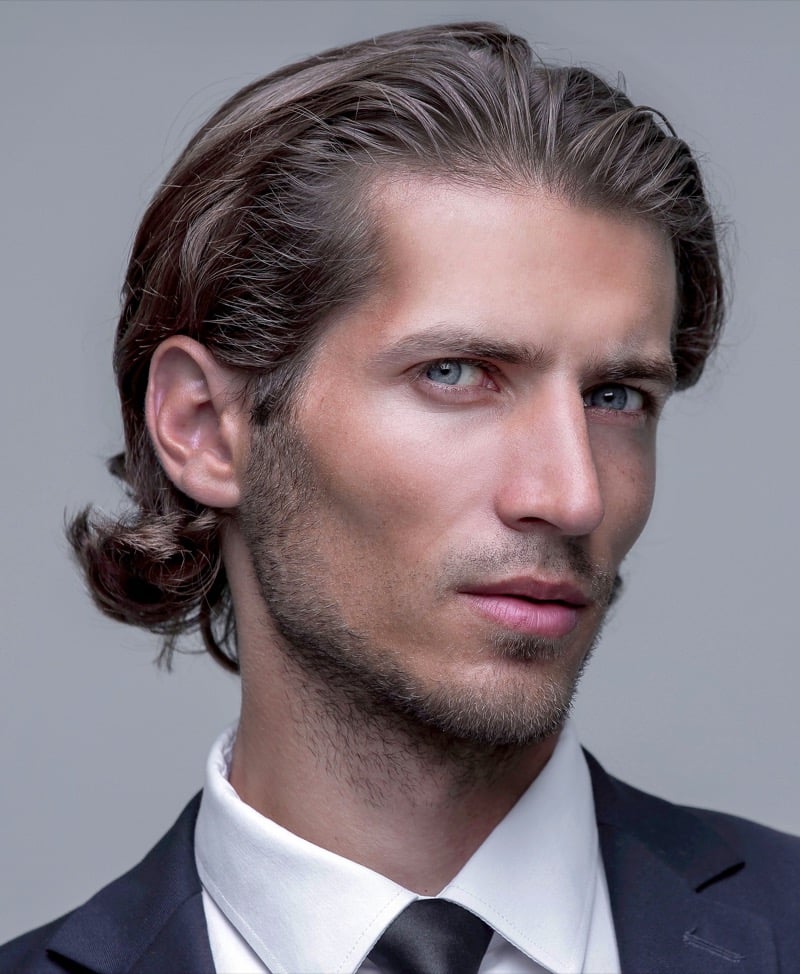
A wavy slick back directs the hair backward in close, combed sections, with shallow ridges still visible across the surface. It sits nearer the scalp than a loosely brushed-back style. Gel or pomade can hold that direction, but the formula and amount determine the shine, firmness and weight.
Undercut
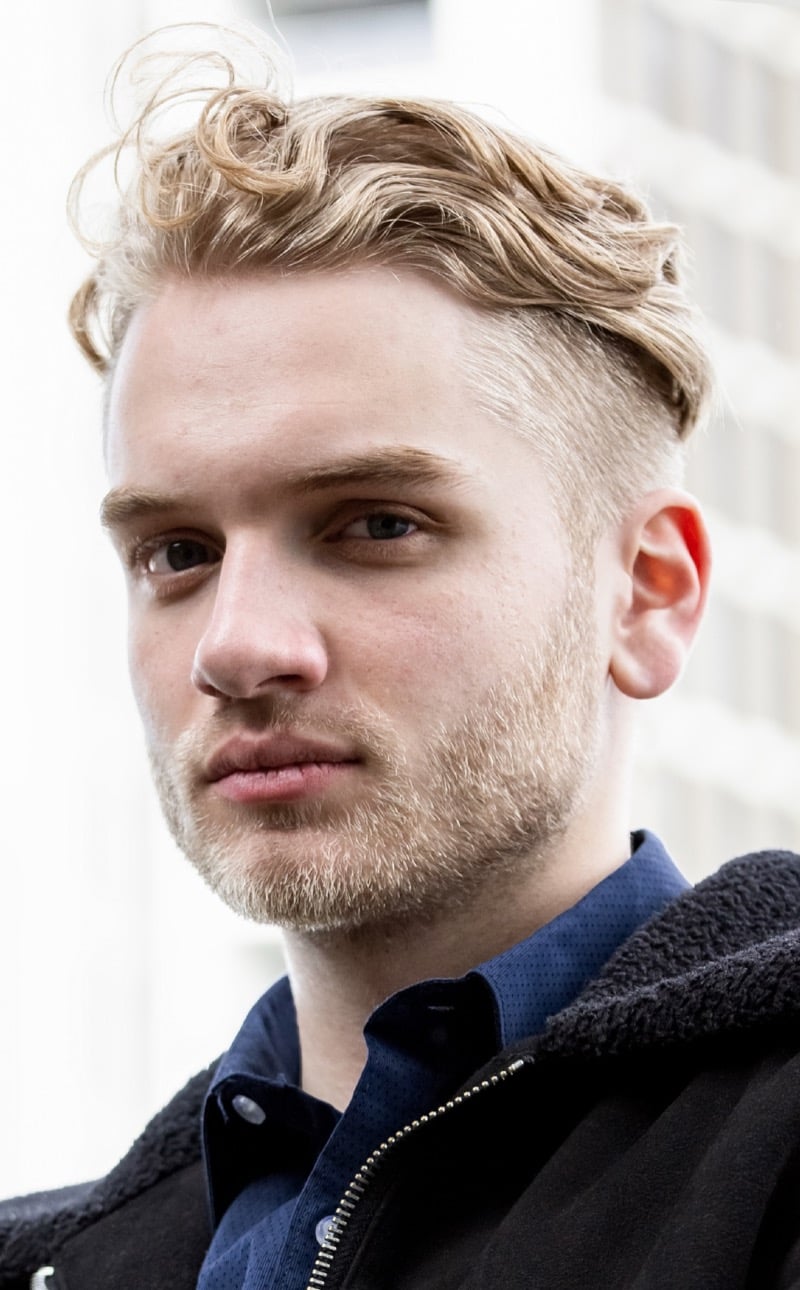
The undercut creates an abrupt junction between short sides and a longer wavy top. When the ends drop over that junction, their bends break up its visible edge. Brushing the top away from the sides exposes the disconnection more clearly, making the same cut appear narrower.
Wavy Flow

A wavy flow sweeps back from the forehead, then bends around the ears and toward the nape. Enough length at the sides lets the ends turn backward instead of projecting straight out. As it grows, the back gains weight and the outline extends farther onto the neck.
Messy Fringe

A messy fringe drops over the forehead in separate wavy sections. Some ends rise while others fall lower, giving the edge an uneven outline. Assessing the front dry helps set its length, since stretching the hair during cutting can leave the finished fringe shorter than expected.
Quiff
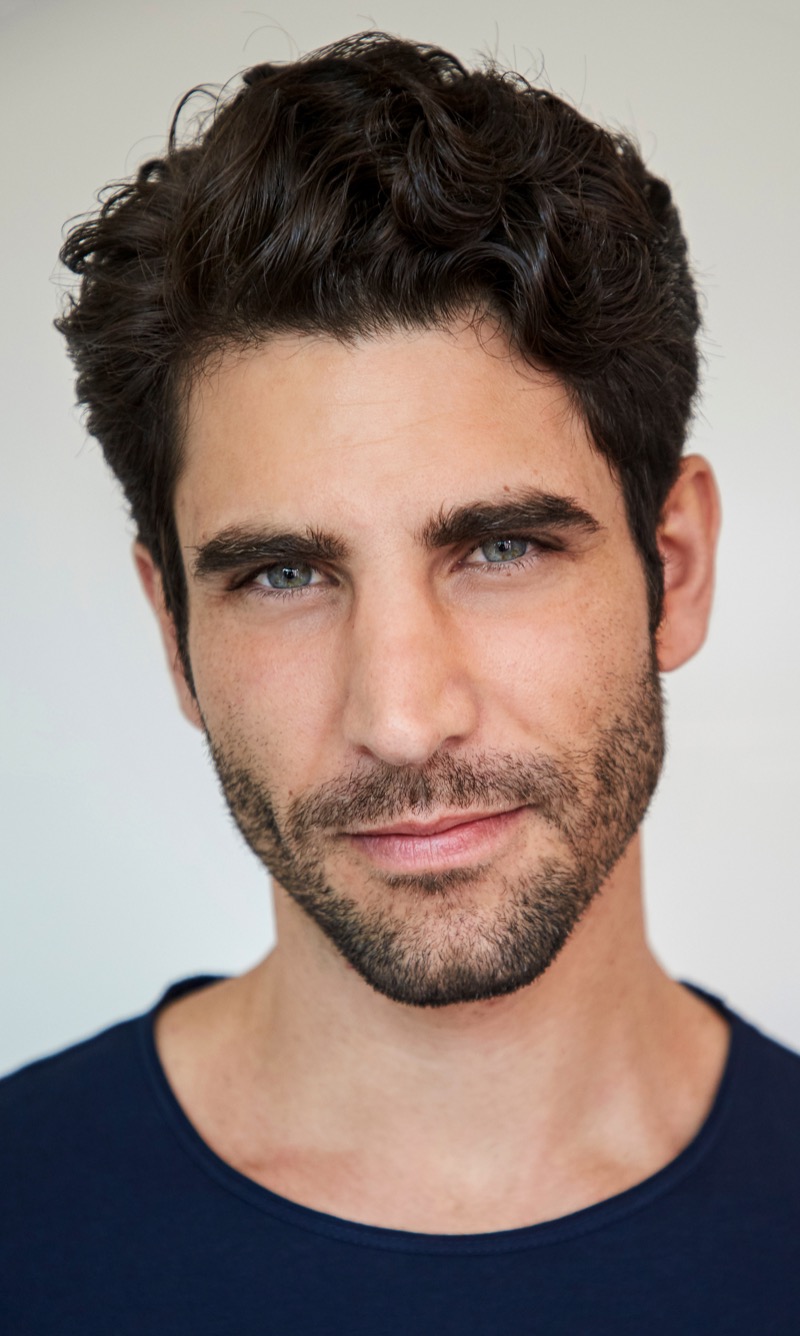
The quiff lifts the front above the forehead and turns it back, concentrating height ahead of the crown. A natural bend can help form that curve or push it sideways. Dry the roots in the desired direction, keeping the ends loose enough for the wave to remain visible.
Short Tousled Haircut

A short tousled cut leaves enough top length for individual waves to turn at the ends above shorter sides. Cutting too close can remove those bends, so the minimum length depends on the pattern. Among short haircuts, it emphasizes scattered points and turns instead of a continuous wave through the lengths.
Long Wavy Hair

Long waves fall in repeated curves past the ears, with the ends spreading or turning inward as the hair settles. Longer layers can reduce bulk through the lower lengths; fewer layers preserve a fuller perimeter on fine hair. These long hairstyles also gain weight as they grow, which can stretch a loose wave.
Man Bun

Gathering waves into a man bun exposes ridges along the sides before the lengths fold into the tie. Shorter pieces may curl loose near the temples or nape. Place the bun where the front sections can reach it and secure it gently, allowing some fullness above the ears.
Beach Waves
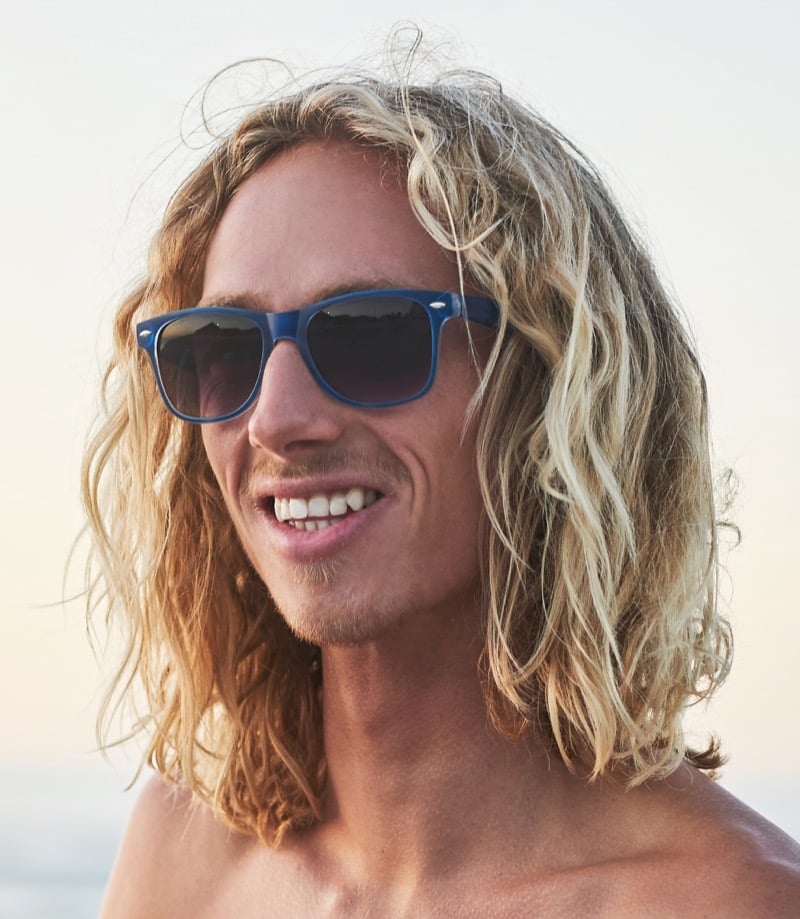
Beach waves separate into broad, irregular bends with a tousled surface. The blonde example emphasizes the lighter ridges, but the finish does not depend on hair color. Sea salt spray can add grip and separation to surfer hair, though it may feel drying and cannot create every wave pattern on its own.
What Causes Wavy Hair

The wave develops as hair forms inside the follicle. Follicle shape and inherited differences in hair formation contribute to the bend, so an oval-follicle rule alone does not explain every texture. Length, cutting and humidity change how that pattern appears. A loose wave may be hard to see in a short crop and become visible as the ends grow out.
Wavy Hair Types

The common hair type chart describes waves as type 2. Type 2A has a slight, loose bend, 2B shows more distinct S-shapes through the lengths and 2C has deeper waves that may approach curls. The categories overlap with curly hair; strand thickness is a separate characteristic.
Consider the pattern alongside strand thickness, density and how the hair responds to products. Fine waves can flatten under rich creams, while dense hair may spread at the sides even with a loose bend. Layering and weight removal should address those differences, not follow a type number alone.
How to Style Wavy Hair

To preserve defined waves, detangle damp hair gently with fingers or a wide-tooth comb, then distribute a suitable cream, mousse or gel. Scrunch the ends upward and let the sections settle as they air-dry, or use a diffuser on low heat and airflow. Repeated brushing once dry can separate the wave groups and create a fluffier finish.
Choose washing frequency around scalp oil, sweat and product buildup, and condition according to how the lengths feel. A rich wax may flatten fine waves, while a gel can provide hold if the formula suits the hair. Trim when the fringe or side outline loses its shape. On straighter hair, a suitable cut and styling can reveal a slight bend, but salt spray does not permanently change the natural pattern.





