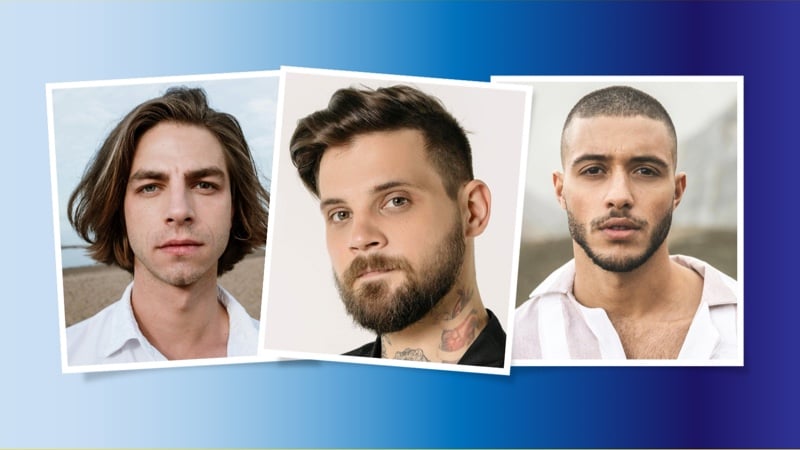
Classic men's haircuts range from close clipper cuts to longer tops combed to the side or back. The buzz cut exposes the hairline, the crew cut leaves a little height at the front, and the pompadour rises above the forehead. These men's haircuts remain recognizable as the sides grow longer or the styling changes.
What Makes a Haircut Classic
A classic haircut has remained in barbershops across several decades. Its distinguishing feature is easy to identify, such as a side part, a raised forelock, or an even layer of closely clipped hair. Many have gradually tapered sides, though the rounded afro and disconnected undercut follow different outlines.
A fade can update the sides of a crew cut, while extra length can soften a side part. The top still identifies the cut. The old money haircut draws on several of these styles, favoring fuller, scissor-cut sides and hair brushed loosely back or across.
Classic Men's Haircuts
The shortest cuts reveal the scalp and hairline. Longer versions depend on the direction of the part, the height above the brow, and how much hair remains around the ears.
Afro
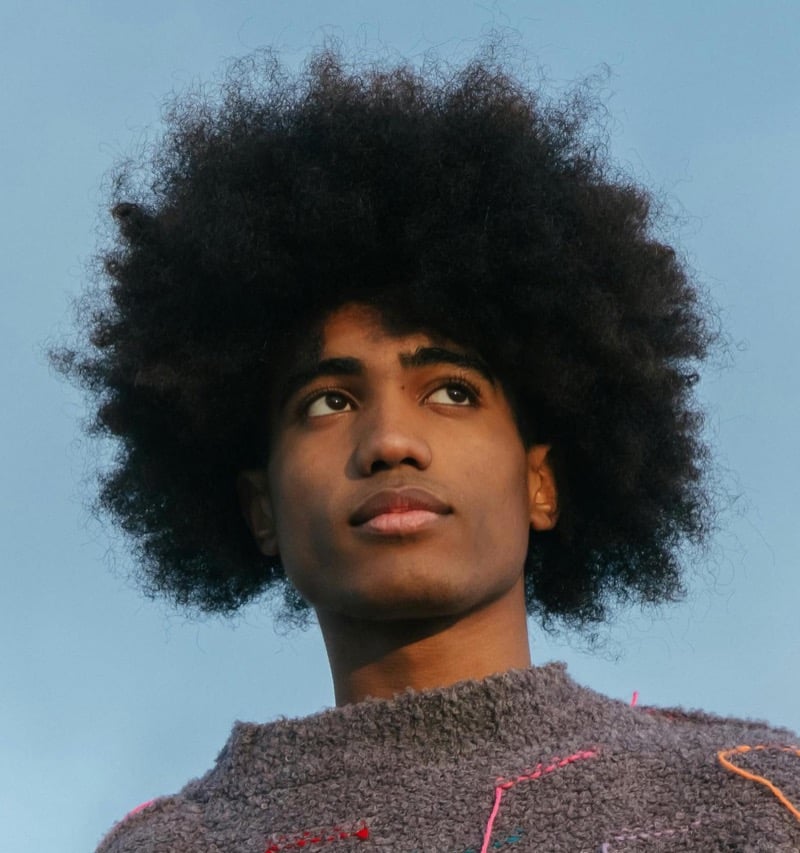
A rounded afro extends outward from the scalp, with curls and coils forming its outline. Picking at the roots can lift compressed areas, while trimming the perimeter helps retain the shape. Its prominence in the 1960s and 1970s is part of the history of Black men's hairstyles.
Buzz Cut

An all-over buzz cut uses one short clipper length, exposing the hairline and the shape of the skull. There is little to comb or set with product. Keeping that even, close finish still takes clipping as the hair grows, especially around the ears and neckline.
Comb Over

The comb over sweeps a longer top across to one side, often lifting it near the part before it settles toward the opposite temple. Shorter sides emphasize that diagonal sweep. The name also describes hair combed across a sparse area, a separate concern when choosing haircuts for thin hair.
Crew Cut
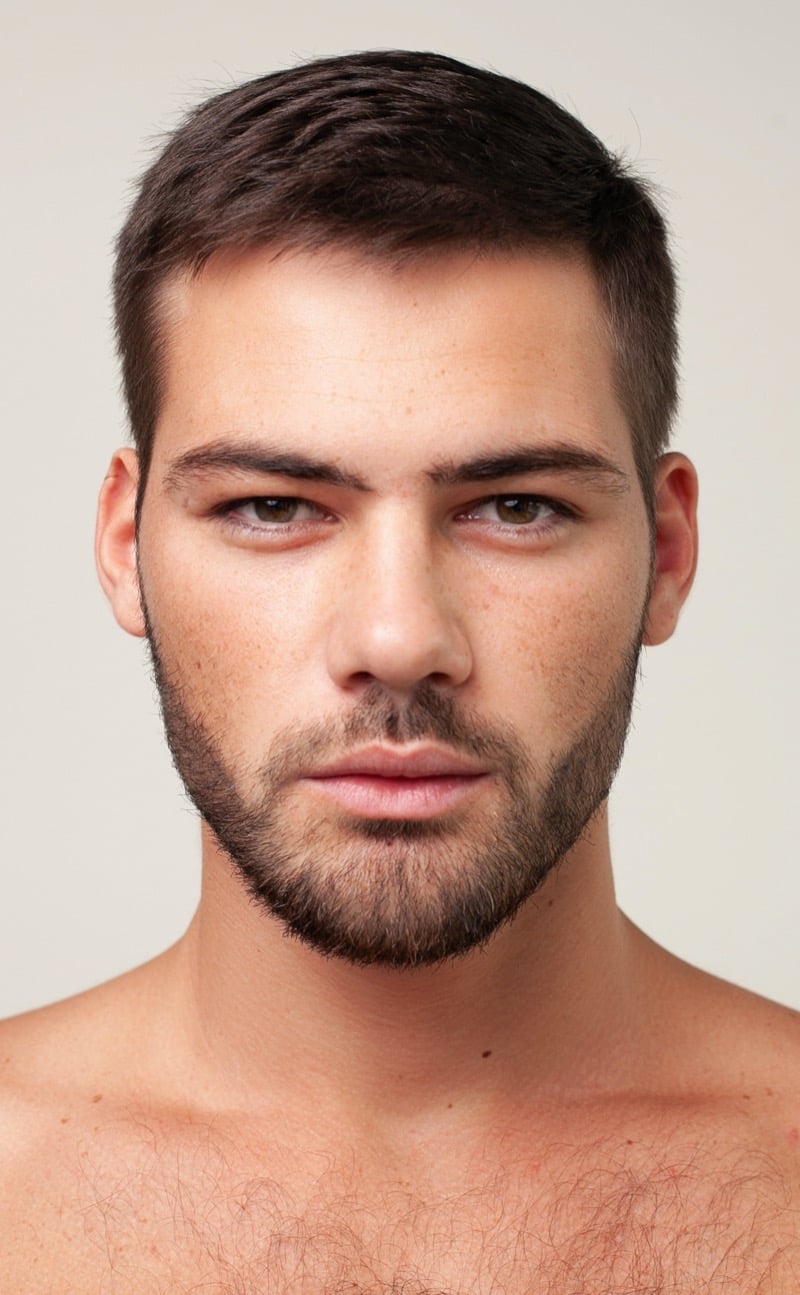
Height at the front distinguishes the crew cut, with the top shortening toward the crown and clipped sides sitting close to the temples. Its name is often traced to university rowing crews. A short front that stands up after brushing makes it a practical professional hairstyle.
French Crop
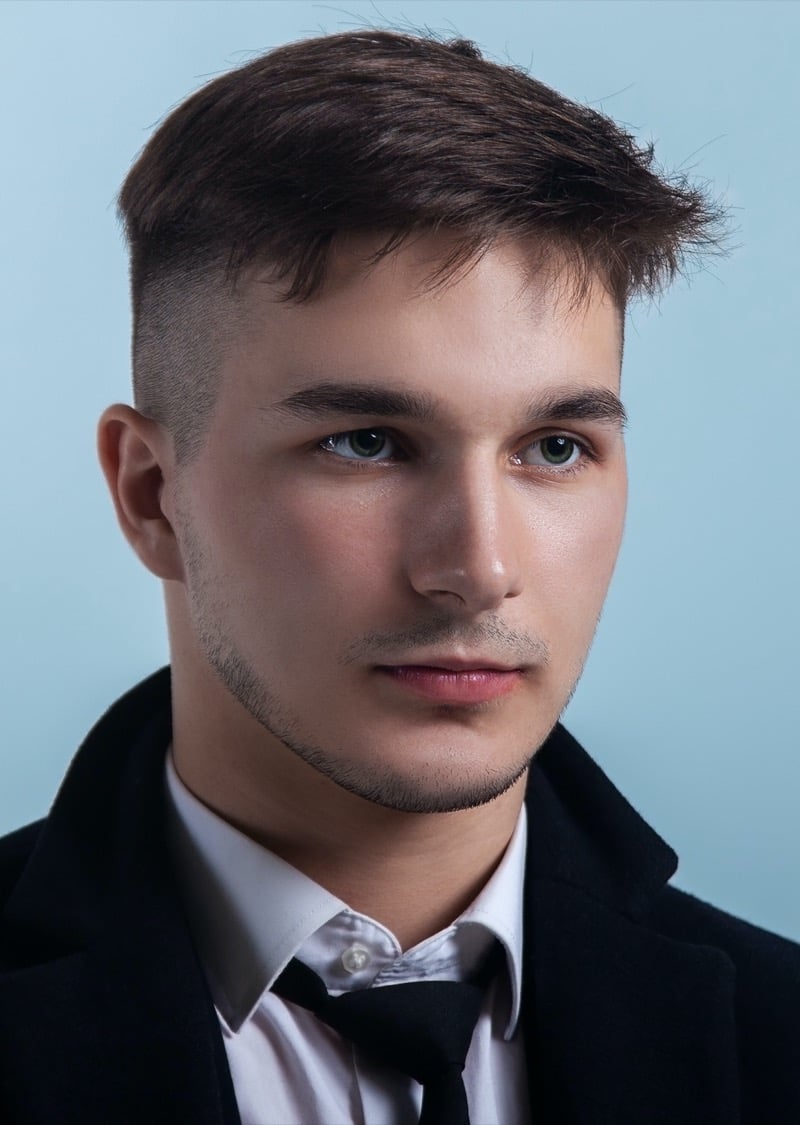
A forward fringe gives the French crop its outline. Short sides expose the edge of the top, while cut-in texture lets the fringe fall in separate pieces. The barber can adjust that edge for straight hair, waves, or curls instead of forcing every texture into the same blunt line.
Ivy League

The Ivy League extends the front of a crew cut enough to form a side part. The crown stays shorter, so the hair rises near the forehead and lies closer farther back. Leaving length at the temples gives the transition into the top a softer edge.
Gentleman's Cut

The gentleman's cut describes a family of scissor-cut shapes, usually with enough length to comb across or back. Shorter versions taper around the ears, while longer ones let the sides reach toward the jaw. Among medium-length hairstyles, this fuller outline needs attention around the ears as it grows.
Pompadour
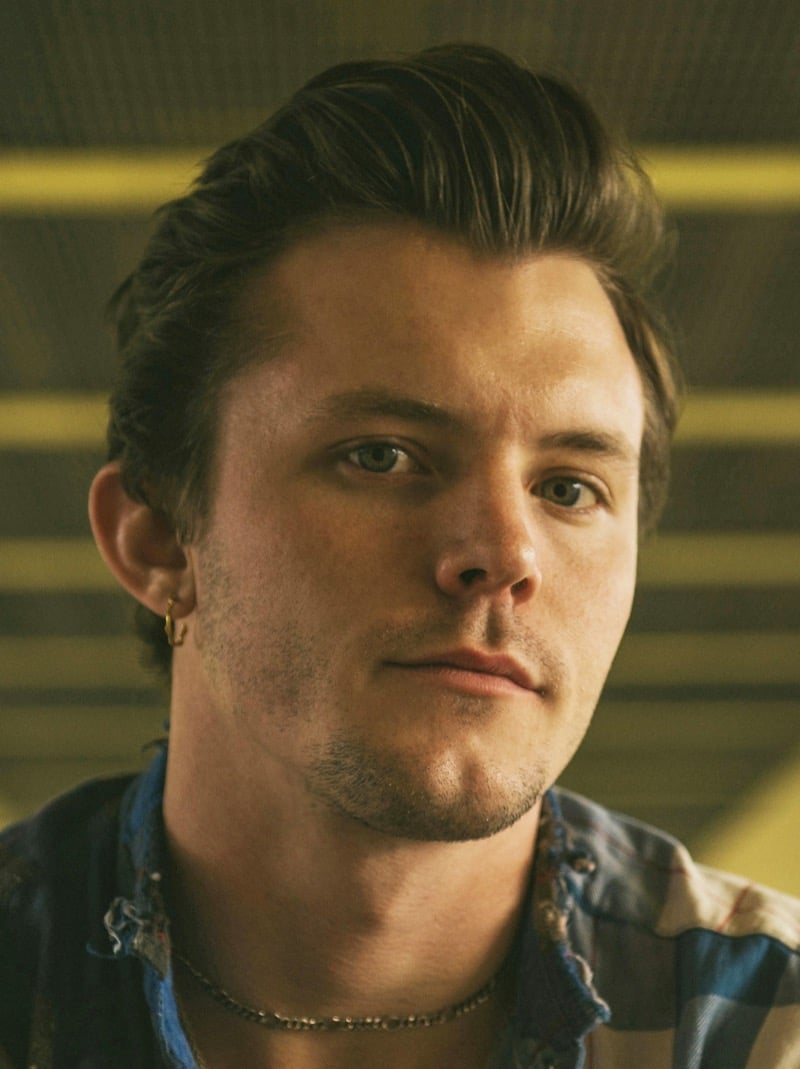
The pompadour rises above the forehead before sweeping back, with the highest point near the front. Elvis Presley helped popularize it for men in the 1950s. Blow-drying the roots upward creates lift, while a small amount of pomade can hold the swept-back surface.
Quiff
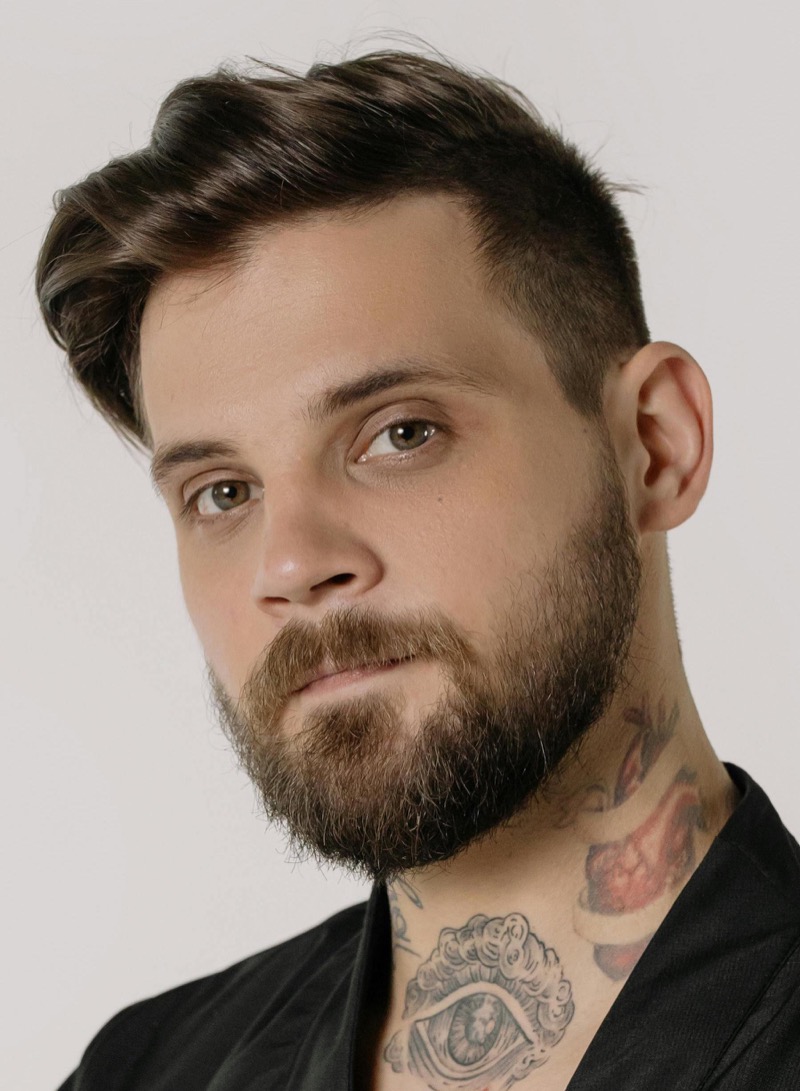
With a quiff, the lifted forelock does most of the work. The hair behind it can sit lower or fall in separate pieces, giving the top a less uniform sweep than a pompadour. James Dean remains a reference for the raised, slightly tousled front.
Side Part
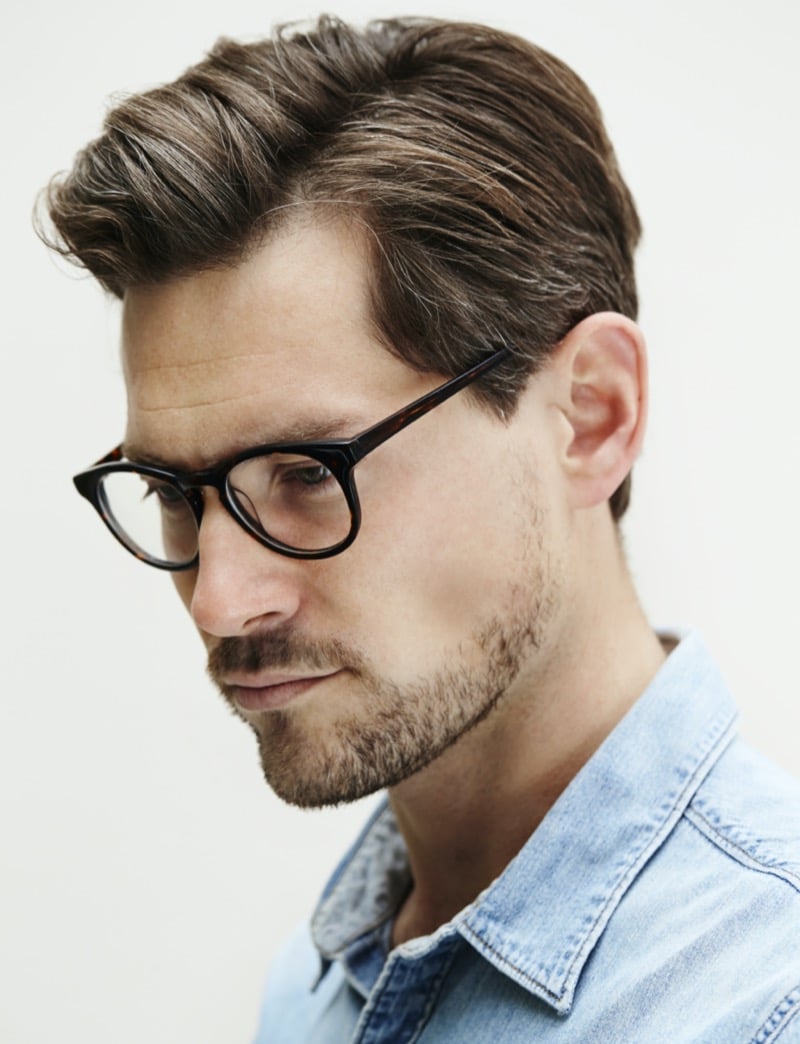
A visible parting sets the direction of the side part, dividing the shorter side from the longer sweep across the top. Following the hair's natural growth helps the part stay in place. A comb makes the separation more distinct, while finger styling leaves a less exact line.
Slick Back

Hair combed from the forehead toward the crown gives the slick back its continuous sweep. A glossy finish recalls versions worn in the 1920s and 1930s. The front needs enough length to lie back, particularly where the hair naturally grows forward.
Undercut
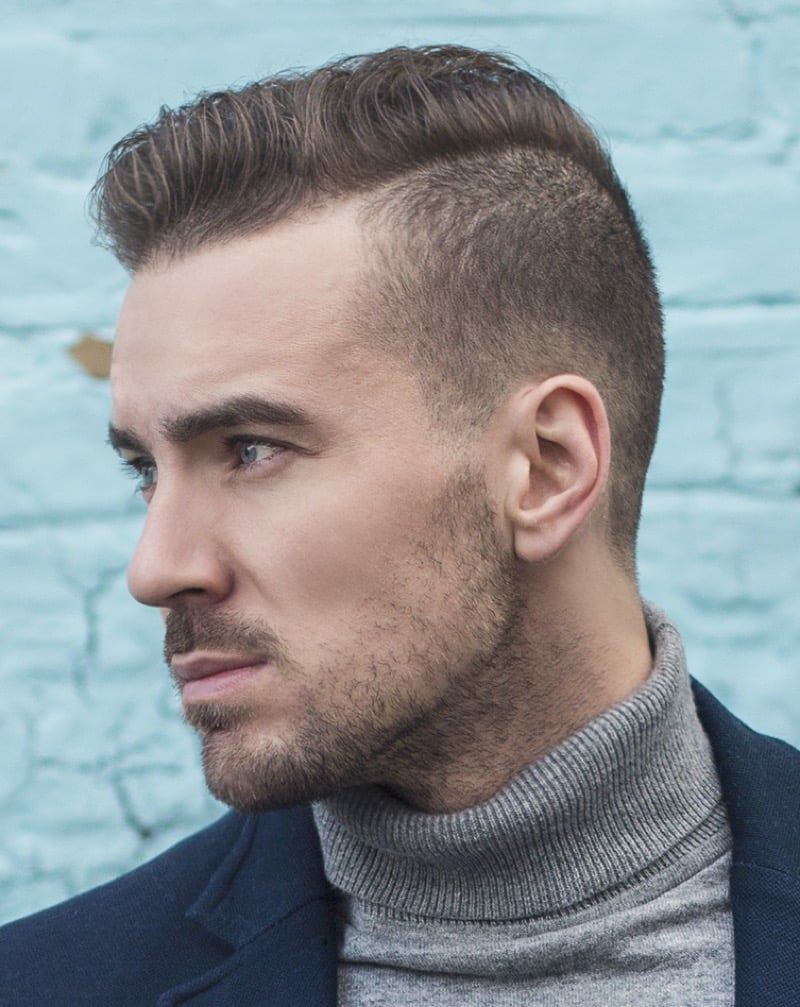
The undercut separates a longer top from closely clipped sides and back. That abrupt change in length is visible above the temples, even when the top falls across it. Sweeping the hair back exposes the disconnect, while a sideward sweep lets longer strands overlap the clipped area.
Classic Taper
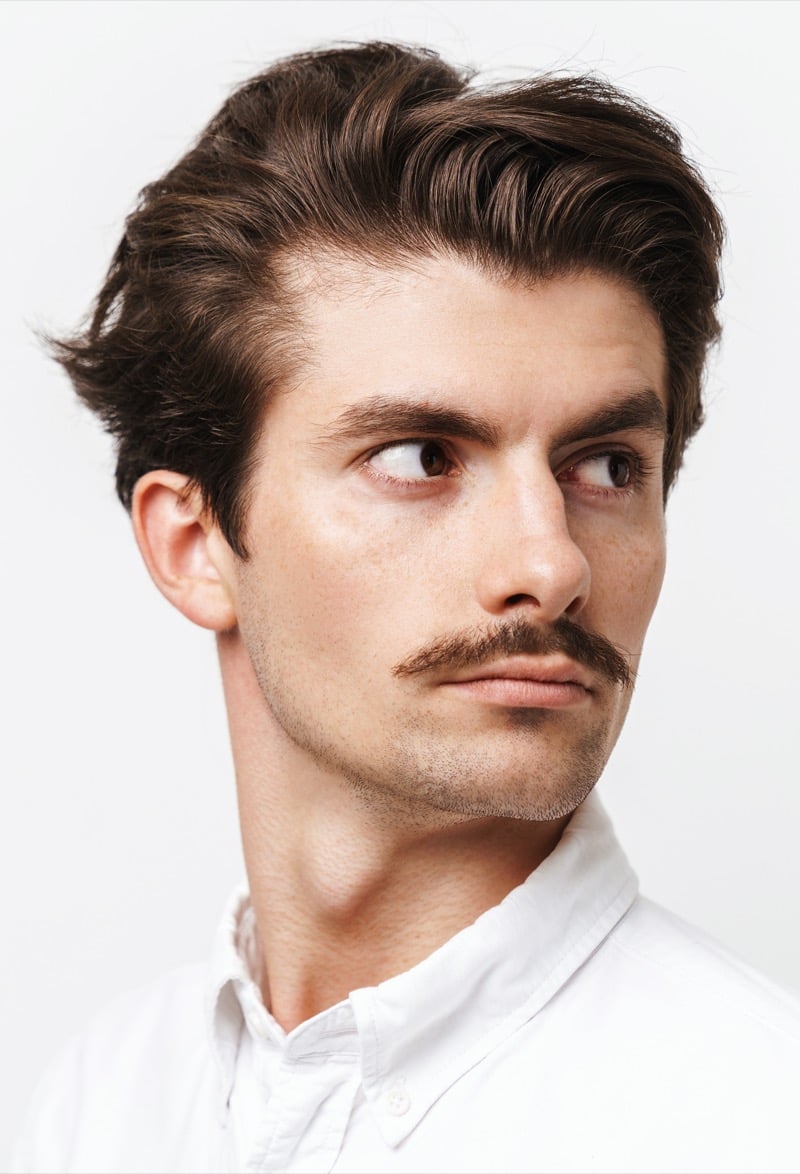
A classic taper retains hair along the sides, shortening gradually toward the ears and neckline. The blend follows the curve of the skull, letting a fuller top merge into the sides. A low taper fade can take the lowest edges shorter, so specify how much scalp should show.
How to Ask for a Classic Haircut
Name the cut and bring a photo showing the front and sides. Specify the top length, where the sides should begin to shorten, and whether any area should reach bare skin. A fade can finish at skin or a longer guard length. Ask separately for a natural parting or a shaved hard part, then discuss the direction your hair tends to grow.
Tell the barber how much styling time you can spend and whether you use a dryer. Set the next trim around the feature you want to preserve, such as a short neckline, a visible part, or height at the front. Close edges show regrowth sooner than fuller, scissor-cut sides.





