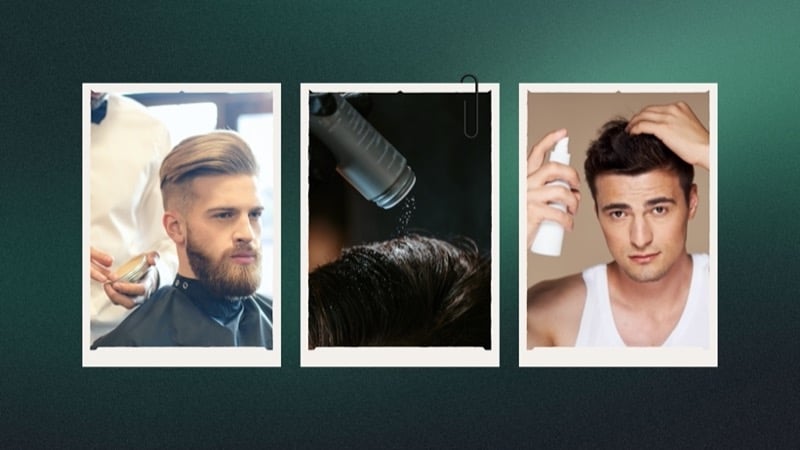
Hair products for men clean the scalp, condition the lengths or change how a haircut sits. Styling choices depend on hold, the firmness of the finished shape, and shine, from matte to glossy. Product names are only a starting point. A cream can hold more firmly than a paste, and two pomades can leave very different finishes. Compare the label, application method and amount needed for the particular cut.
Hair Styling Products at a Glance
| Product | Hold | Shine | Best for |
|---|---|---|---|
| Pomade (oil-based) | Light to strong | Low to high | Combed styles with a pliable finish |
| Pomade (water-based) | Light to strong | Low to high | Combed styles; check whether the formula sets or stays pliable |
| Wax | Light to strong | Varies | Separating and repositioning short sections |
| Paste | Medium to strong | Often low to medium | Spreadable definition on short to medium hair |
| Clay | Medium to strong | Usually matte | Dry grip and separation; use dense formulas sparingly |
| Putty | Medium to strong | Often matte | Defining short, choppy sections |
| Fiber | Medium to strong | Often low | Pliable separation and texture |
| Cream | Light to firm | Natural to glossy | Grouping strands and smoothing flyaways |
| Styling powder | Light to medium | Usually matte | Root grip and lift on dry hair |
| Sea salt spray | Usually light | Often matte | Grip and separation that emphasize existing texture |
| Sugar spray | Light to strong | Natural to glossy | Grip, lift and separation; check the finished feel |
| Gel | Light to strong | Varies | A set that firms as it dries |
| Mousse | Light to strong | Varies | Distributing hold through roots and lengths |
| Hair spray | Light to strong | Varies | Finishing and retaining an established shape |
Washing & Conditioning Products
Shampoo
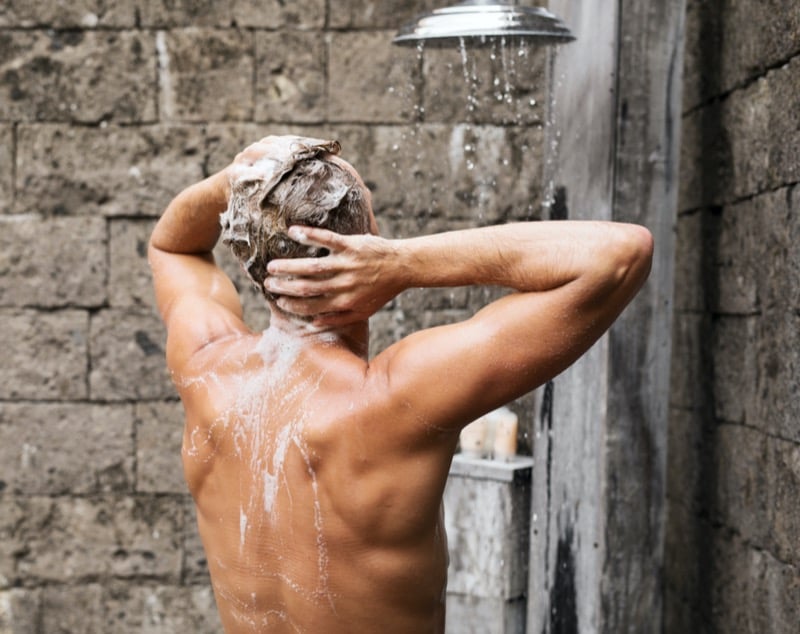
Shampoo removes oil, dirt and product residue from the scalp. Choose its cleansing strength for how oily the roots become and how much styling product remains after rinsing. Curly hair may need gentler handling and more conditioning along the lengths, but a sulfate-free label alone does not establish suitability. Wash according to the scalp's needs, not a universal daily or weekly schedule.
Dry Shampoo
Dry shampoo absorbs surface oil at the roots, making greasy sections less conspicuous between washes. It does not remove sweat, dead skin or accumulated product as washing does. Apply where needed and follow the directions for brushing or working it through; excess powder can leave a visible cast.
Conditioner
Conditioner reduces friction between strands, helping hair detangle and feel smoother. Concentrate it where the lengths feel rough or catch during combing. Fine hair may suit a lighter formula and less product near the roots, while coarse or tightly curled lengths may need broader coverage. Rinse as directed.
Leave-In Conditioner
Leave-in conditioner remains on the hair after application, helping with detangling and softness between washes. Sprays can distribute lightly through finer hair, while richer creams may suit dry lengths. Use the stated amount on damp or dry hair as directed, and keep scalp application to products designed for it.
Styling Products
Pomade
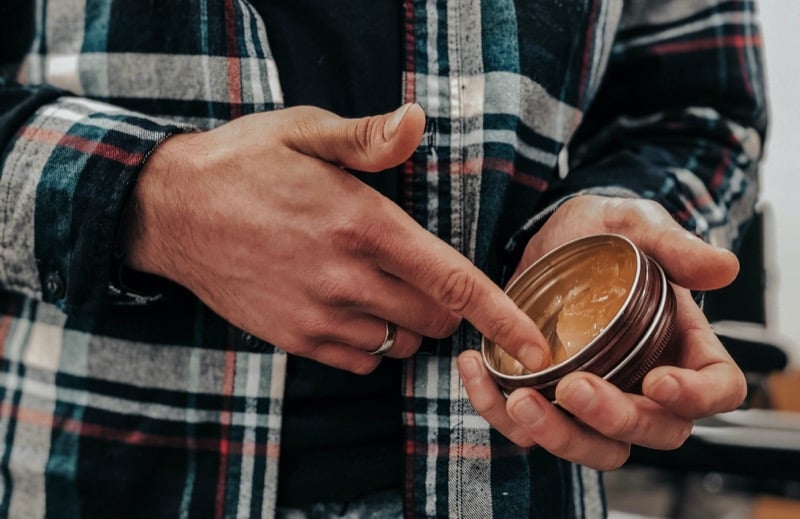
Pomade helps comb the hair into continuous surfaces, including a slick back or pompadour. Traditional oil-based formulas often remain pliable and can take more effort to wash out. Water-based versions include both reworkable products and gels that set firmly. Neither base determines hold or shine on its own, so check the particular formula before choosing it.
Hair Wax
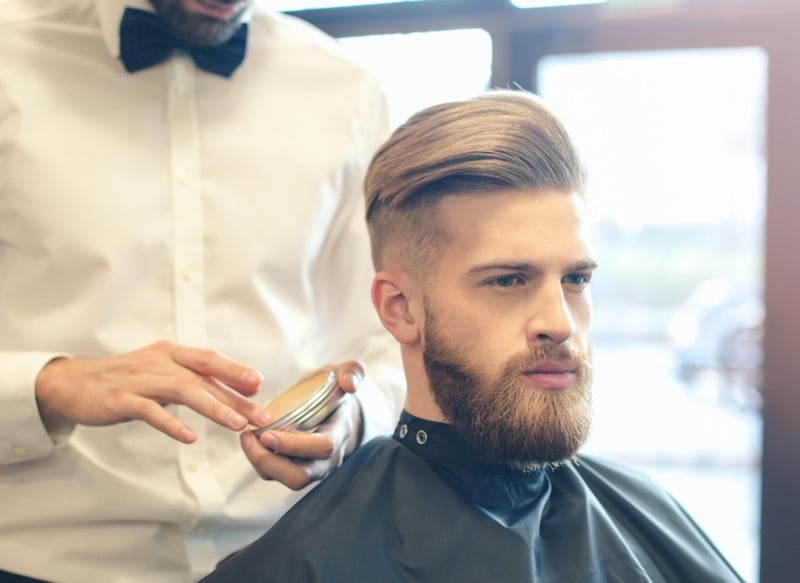
Wax separates tips and holds selected sections in place while often leaving them flexible enough to reposition. Rub a small amount between the palms before pinching it through short lengths. Waxes vary in shine and firmness; a dense formula can gather fine strands into heavier-looking pieces if applied too generously.
Hair Paste
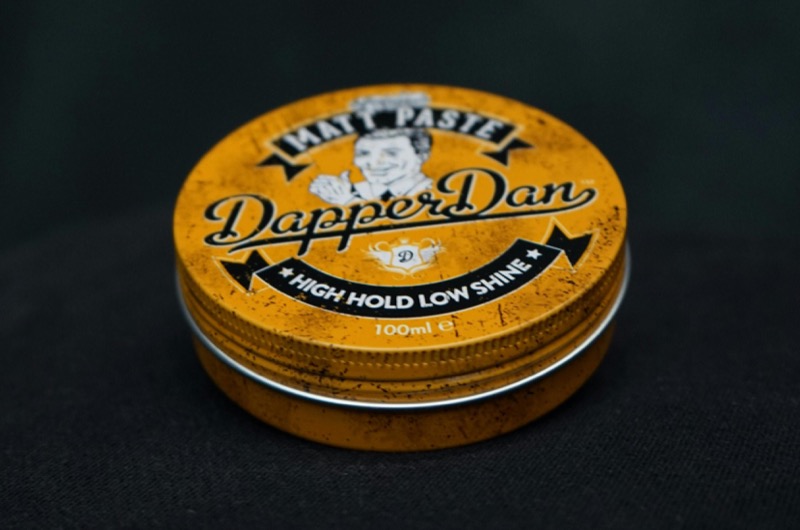
Paste spreads through short to medium lengths to separate strands and define the direction of a fringe or part. Many formulas offer moderate hold and low shine, though stronger pastes also exist. Work it through evenly before detailing the front so one concentrated patch does not make the hair look clumped.
Hair Clay
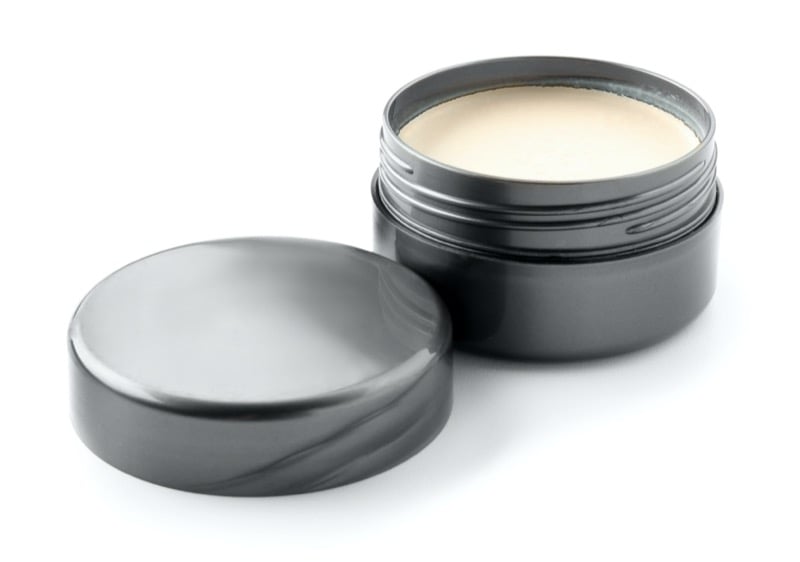
Clay products commonly leave a matte surface with enough grip to lift the roots or separate a dense top. They can emphasize the broken fringe of a textured crop or support a raised quiff. Dense formulas may drag through fine or dry hair, so start with a small amount and distribute it thoroughly.
Hair Putty
Putty is a label for pliable styling products, often intended for short, choppy cuts. It can gather small sections into distinct points or hold the fringe in an irregular line. The name does not guarantee a thicker texture or stronger hold than clay; compare the stated finish and workability.
Hair Fiber
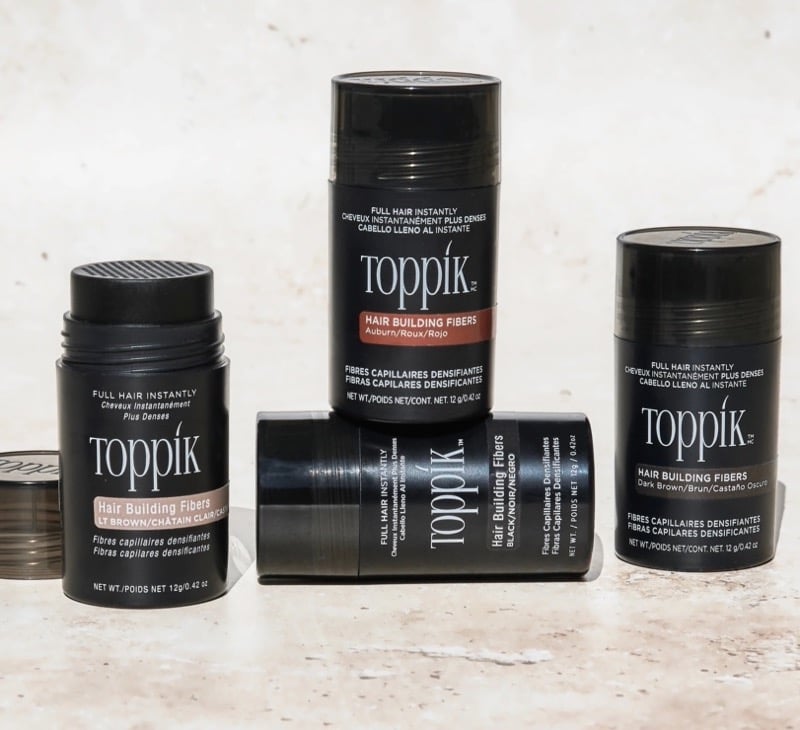
Styling fiber creates separation and a pliable hold, often with little shine. Some formulas form visible threads when pulled between the palms, which helps distinguish their texture from a smooth cream. Hair-building fibers are a separate cosmetic product, sprinkled onto existing hair to reduce the visibility of thinning areas. They provide cosmetic coverage and do not stimulate hair growth. Application should account for the remaining coverage, just as haircuts for men with thin hair do.
Hair Cream
Cream helps group strands, soften the finish and smooth flyaways. It can emphasize the bends in wavy or curly hair, though hold varies from a light touch to a firmer set. Rich formulas can flatten finer hair, so concentrate the amount where definition is needed.
Styling Powder
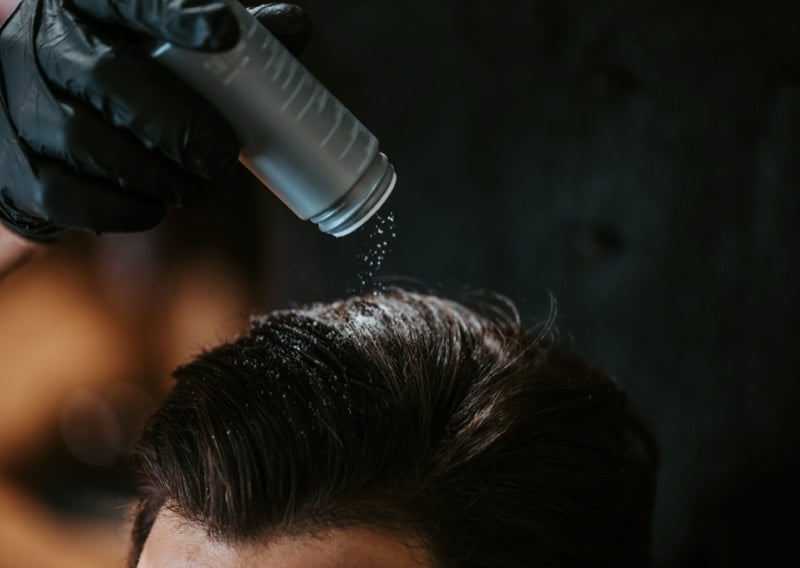
Styling powder adds friction near the roots, helping dry hair stand apart and lift. Many formulas also absorb oil and leave a matte surface. Sprinkle sparingly, following the label's application directions, then work through the roots. Excess can make fine hair feel gritty or leave visible residue.
Sea Salt Spray
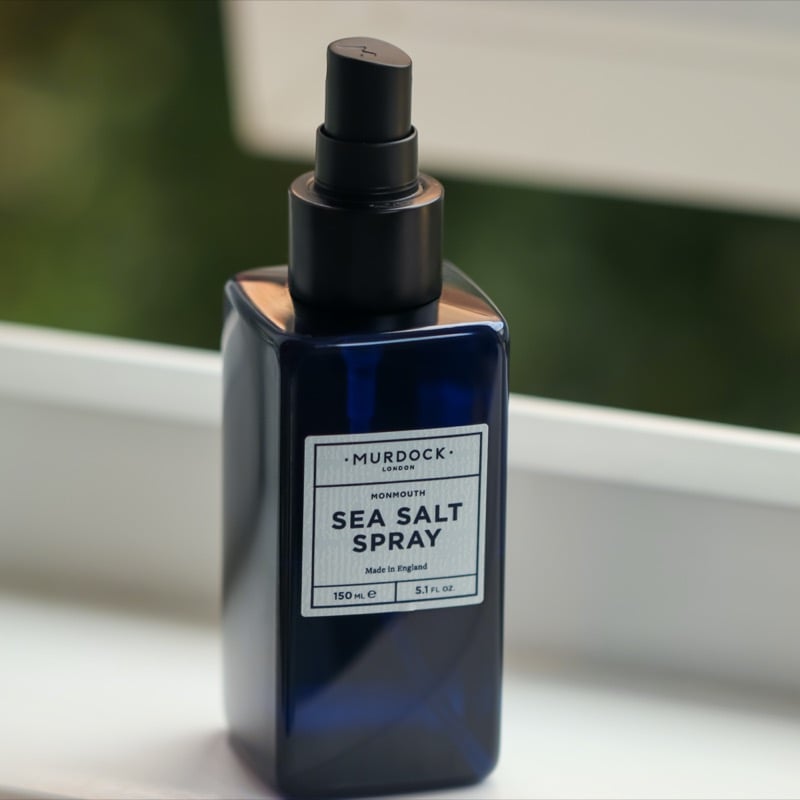
Sea salt spray increases grip and separation, which can emphasize existing waves or give straight hair a rougher texture. Apply to damp or dry hair as directed, then scrunch, air-dry or blow-dry for the desired shape. It does not create the same wave pattern in every hair type, and some formulas leave dry lengths feeling rough.
Sugar Spray
Sugar spray adds grip and separation through a sugar-containing formula. Depending on the product, it may also give noticeable shine or a firmer hold than a light salt spray. Sugar alone does not guarantee a gentler or less drying finish. Compare the complete formula and how it feels on the hair.
Hair Gel
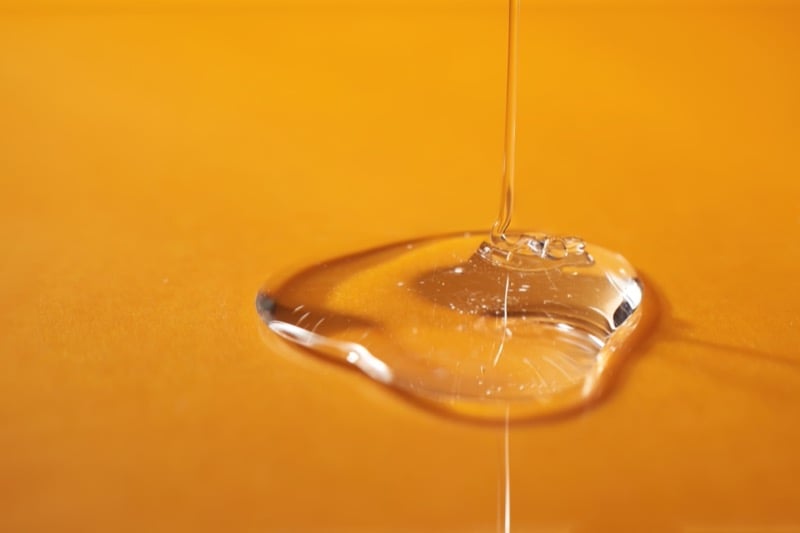
Gel forms a film that holds strands in their styled position as it dries. Strong formulas can create a firm set and a glossy surface, while lighter versions leave more flexibility. Distribute it evenly and follow the directions for damp or dry application. Repeated brushing after a hard set can disrupt the finish or leave flakes.
Mousse
Mousse distributes styling ingredients through a foam, making it convenient to spread from roots through lengths. It can support a blow-dried shape or define curls, depending on its hold. Fine hair may need only a small amount; a foam format does not guarantee that the finished hair will feel weightless.
Hair Sprays
Hair Spray
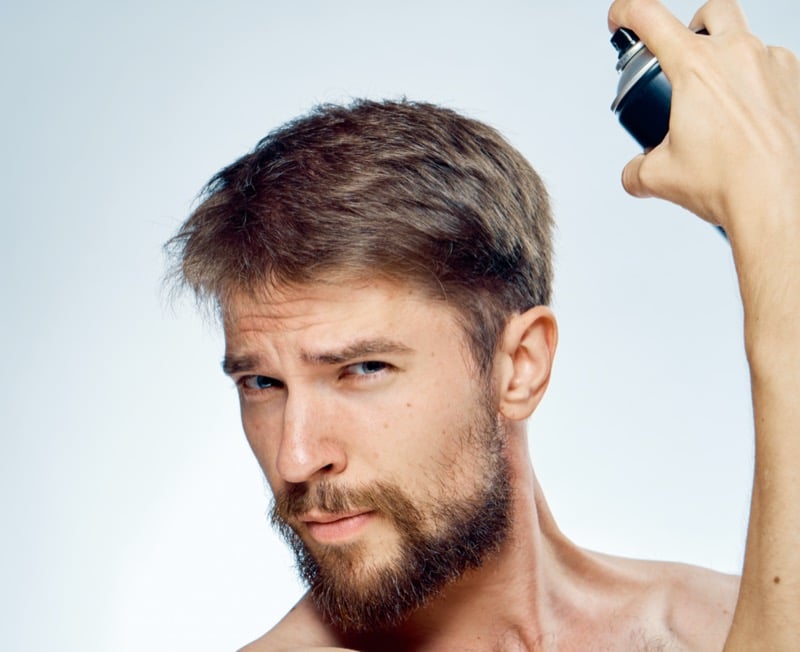
Finishing hair spray helps retain a shape after styling. A light mist can secure stray strands, while firmer formulas hold a more fixed outline. Follow the stated spraying distance and add gradually. Saturating one spot can leave it stiff or visibly wet even when the rest of the style remains soft.
Volumizing Hair Spray
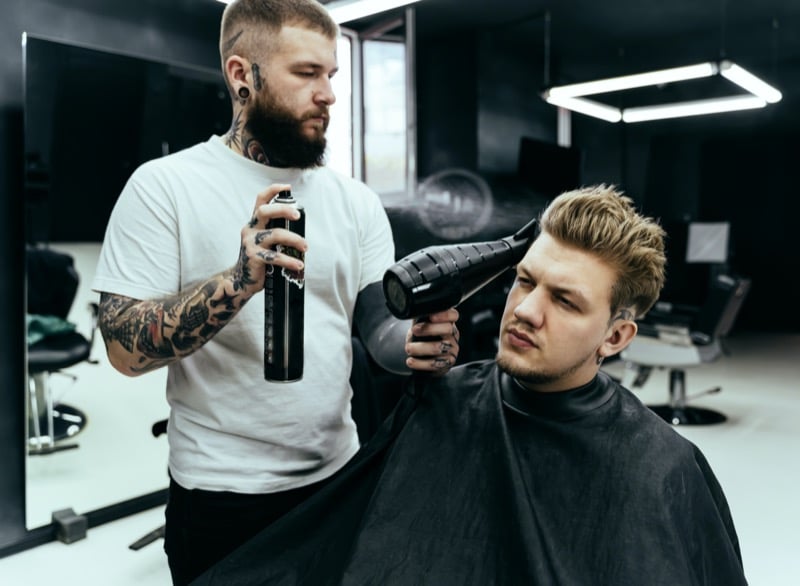
Volumizing spray is often a preparation product applied near the roots before drying. Lifting the hair with a brush or fingers as it dries helps establish the height that the product supports. Check the directions, since some sprays are designed for damp hair and others for use after styling.
Shine Spray
Shine spray changes the surface finish, helping light reflect along the hair. Mist lightly where the style needs gloss, keeping it away from roots that flatten easily. A finishing shine spray should not be assumed to provide hold or heat protection unless those functions are stated on its label.
Texturizing Spray
Texturizing spray separates dry strands and adds grip, often making a uniform style look less compact. Some formulas also absorb oil; others leave a tackier finish. Apply selectively through the sections that need separation instead of layering it over every product already in the hair.
Hair Care Products
Heat Protectant
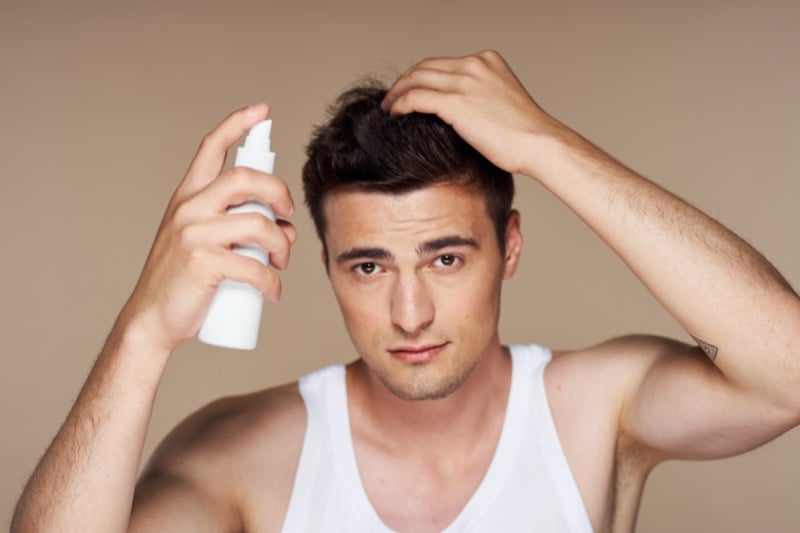
Heat protectant can reduce some damage from blow-drying or hot tools when used as directed. Distribute it through the areas that will receive heat, and check whether the formula is intended for damp or dry hair. It does not make high temperatures harmless. Previously lightened or otherwise fragile colored hair needs particular care with heat and repeated passes.
Hair Serum
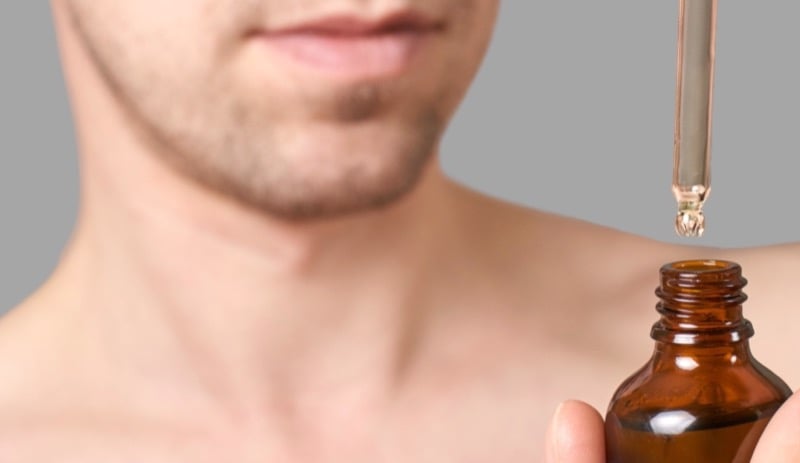
Hair serum is a label used for smoothing and conditioning liquids, often containing silicones, oils or both. These can coat strands to reduce friction, add shine and help limit the effects of humidity. Start with the label's suggested amount on the lengths. A scalp serum is a different application and should be used according to its own directions.
Hair Oil
Hair oil lubricates the lengths and can make dry ends feel softer and look shinier. It does not add water to the hair, and oils differ in how they spread and how heavy they feel. Apply sparingly where needed, especially on finer strands that can quickly look greasy.
Hair Tonic
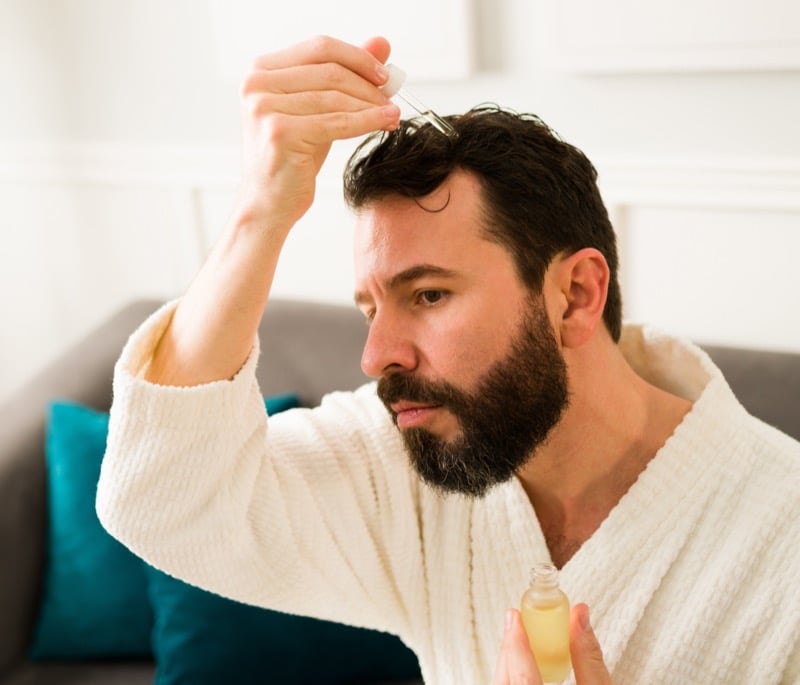
Hair tonic usually means a liquid grooming product for combed styles, but formulas vary widely. Some leave a light sheen, while others are designed to wet the hair before another styling step. Check for oils, alcohol and any stated hold instead of treating tonic as a guaranteed scalp treatment.
Hair Mask
A hair mask is an intensive conditioning treatment intended to improve softness, detangling or the feel of damaged lengths. Follow its directions for timing and frequency; a weekly application is not necessary for every hair type. It can reduce friction and help with breakage, but it does not permanently restore a weathered strand to its original condition.
How to Choose a Hair Product
Start with what the haircut needs to do. Separating a short fringe, raising the front and keeping longer hair flat against the sides call for different amounts of grip. Then choose the finish, from a dry matte surface to visible gloss, and account for the hair's density and condition.
- Fine or thinning hair may benefit from a small amount of powder, mousse or root-lifting spray. Some light clays also add grip, but dense pastes, oils and pomades can gather strands and expose more scalp when overapplied.
- Thick hair may need a firmer wax, putty, clay or pomade to retain its shape. Length matters too, since a long top can fall under its own weight even when a product feels firm on short hair.
- Waves and curls may need conditioning, definition, hold or a combination of these. Choose creams, leave-ins, mousses or sprays for that specific purpose. Compare curly hair products for men by how they affect curl shape as the hair dries.
- Dry or coarse lengths may suit a cream, leave-in conditioner, oil or mask. Match the richness to how the hair feels after application, keeping separate the need for conditioning and the need for styling hold.
Begin with a small amount and follow the application method for that product. Waxes and pastes may need warming between the palms; powders, sprays and foams are distributed differently. Add only where the shape needs more support. Product can refine men's haircuts, but it cannot substitute for enough length or a suitable cut.