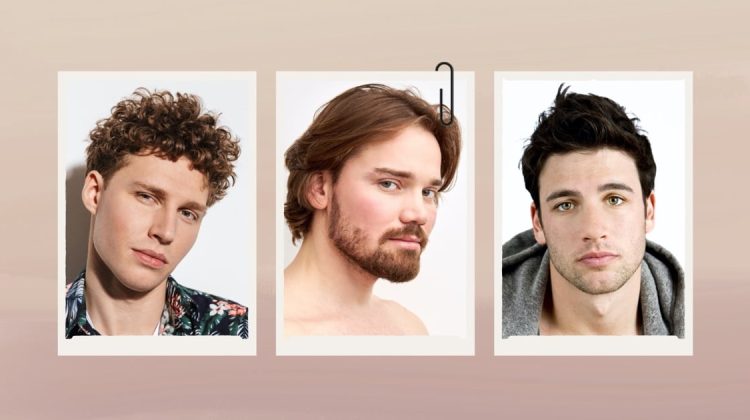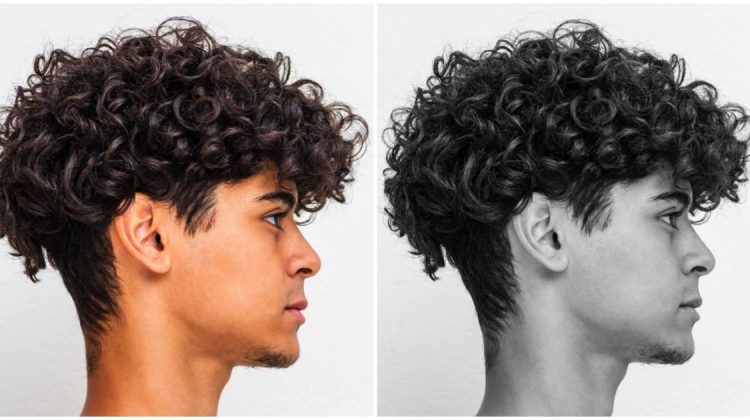
A bob haircut for men carries its length around the jaw or chin, with the sides falling over the ears toward a defined lower edge. A center or side part directs the front, while straight strands, waves or curls change the outline. Between medium-length hair and long hair, the bob keeps most of its weight near the ends.
What Is a Bob Haircut for Men
The defining feature is the perimeter around the face and neck. The sides retain enough length to join that lower edge, creating a continuous outline instead of exposing clipped hair around the ears. A flow directs the lengths backward, while a curtain haircut centers on the parted fringe. A bob may share either styling direction, but its lower outline remains the point of distinction.
The ends can form a blunt line or separate into softer pieces. Light layers reduce a solid, heavy edge and let shorter sections fall around the cheeks. A men's bob can use either finish, with the amount of layering determined by density and how the hair settles at the jaw.
Bob Haircut Styles for Men
Texture changes where the bob widens, while layering changes how much weight reaches its lower edge.
Wavy Bob

In a wavy bob, a center part opens the front and lets the sides bend inward toward the cheeks. Volume rises through the crown, with separate waves breaking up the lower edge. Fine to medium-density wavy hair can retain that lighter outline; denser hair may need weight removed. A matte, air-dried finish emphasizes the individual bends.
Straight Bob

The straight bob falls toward the jaw in smooth sections, making the lower line particularly visible. An uneven end stands out against that continuous surface. Dense straight hair gives the perimeter fullness but may need some weight removed so the sides sit closer. Fine hair can benefit from keeping more of the ends together.
Layered Bob

Shorter sections through the top and around the face interrupt the layered bob's heavier lower edge. The ends fall at different heights, reducing bulk near the jaw and allowing the front to turn away from the cheeks. On fine hair, fewer layers can preserve fullness through the bottom.
Curly Bob
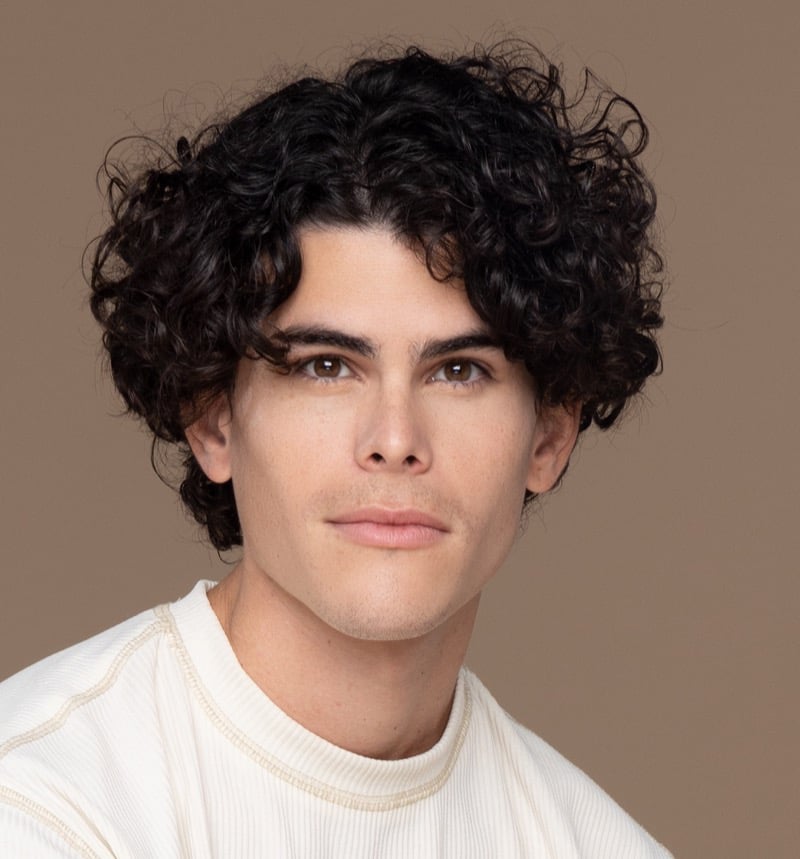
The curly bob ends near the chin when the curls are dry, forming a rounded outline around the face. Set the target length with a barber experienced in curly hair. If cutting wet, allow for shrinkage and check the shape dry before taking more from the perimeter.
Long Bob
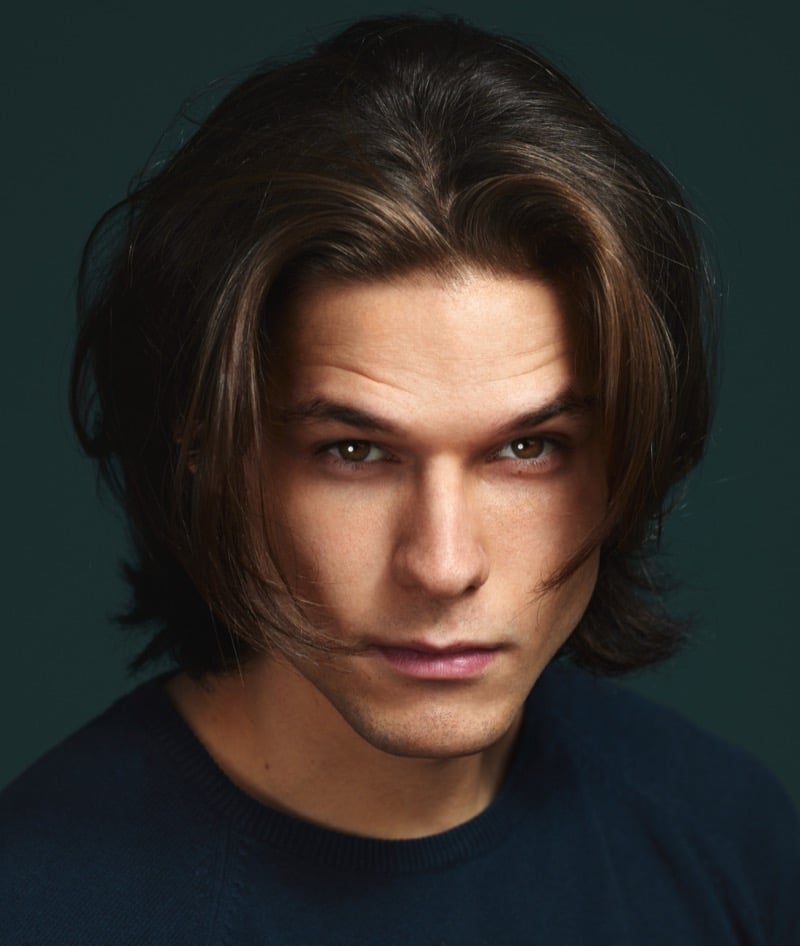
A long bob, or lob, extends below the jaw toward the shoulders, retaining a visible lower edge as it approaches long hair. The extra length lets the sides tuck behind the ears. Tying it back depends on whether the front sections can reach the tie, particularly when they have been layered shorter.
How to Ask for a Bob Haircut
Bring a reference photo showing the front, side and back where possible. Agree on these details before cutting.
- Where the ends should fall when dry, such as at the jaw, chin or just below.
- A center or side part, following the hair's natural separation where practical.
- How much layering to add and how much fullness to retain at the lower edge.
- Retaining length around the ears so the sides join the perimeter.
Choose a barber or stylist who regularly cuts longer hair. Experience with the hair's texture matters as much as familiarity with the name of the cut.
How to Grow & Maintain a Bob
Growing a bob from a short cut means waiting for the sides to extend past the ears and toward the jaw. The starting lengths determine the timeline. As the back reaches the neck ahead of the sides, small shape-ups can keep it from becoming disproportionately long. Make clear that the sides are being grown, not shortened at every visit.
A trim every six to eight weeks can be a starting point, adjusted to how quickly the lower edge loses its shape. Ends soften as they grow, and a layered bob can begin to resemble a shag as the sections fall farther apart. A small amount of leave-in cream or light mousse may help define the lengths; the amount should suit their density.