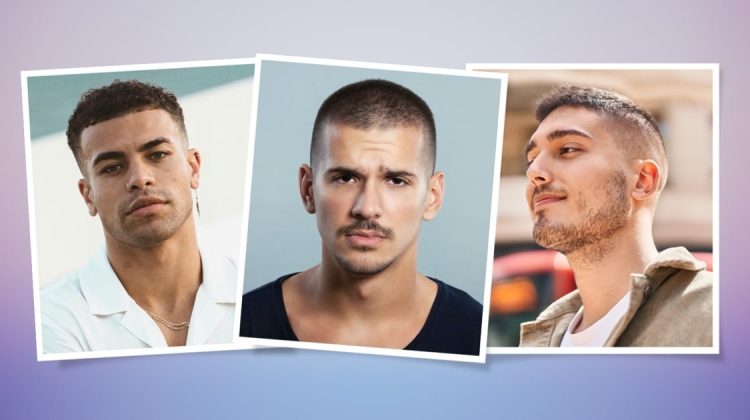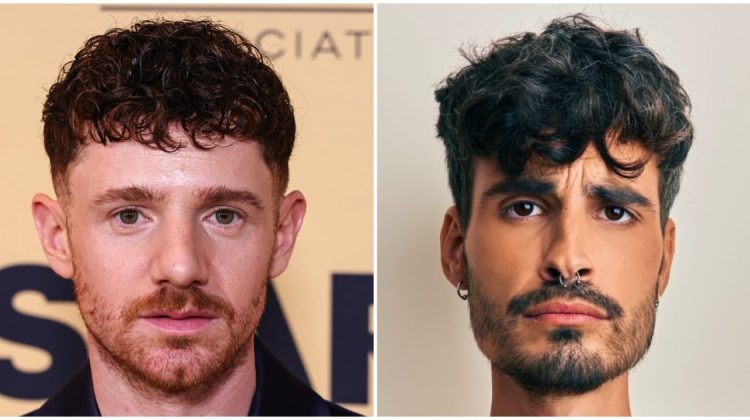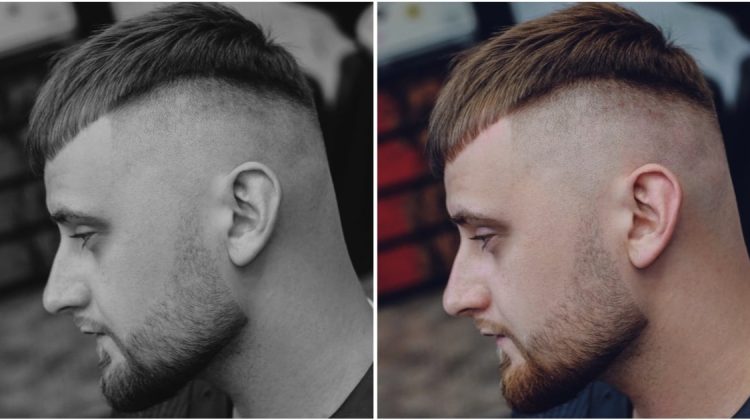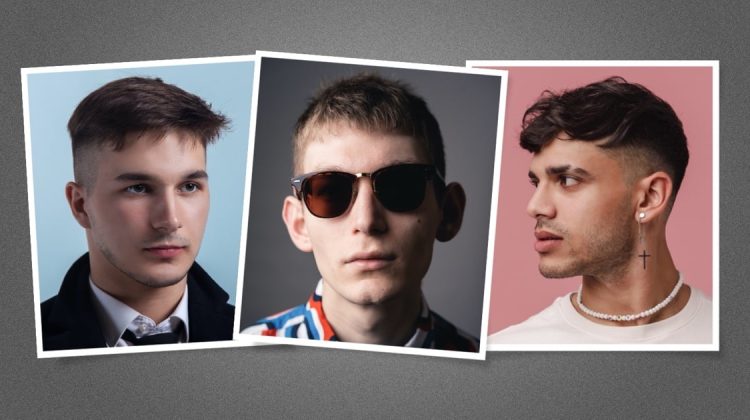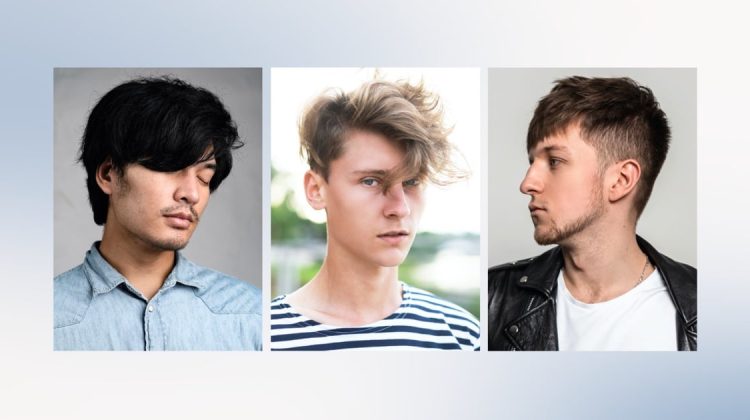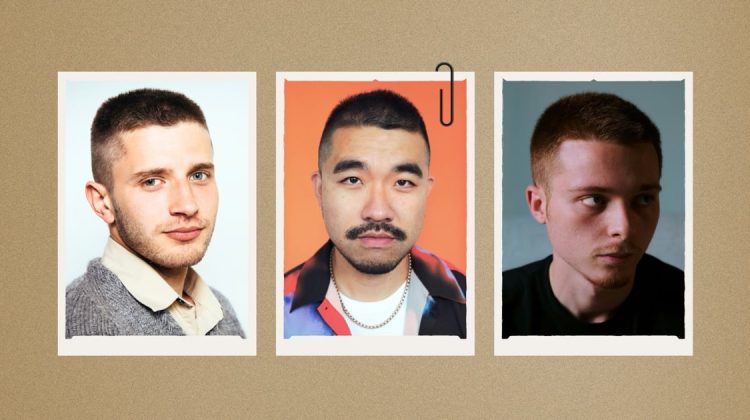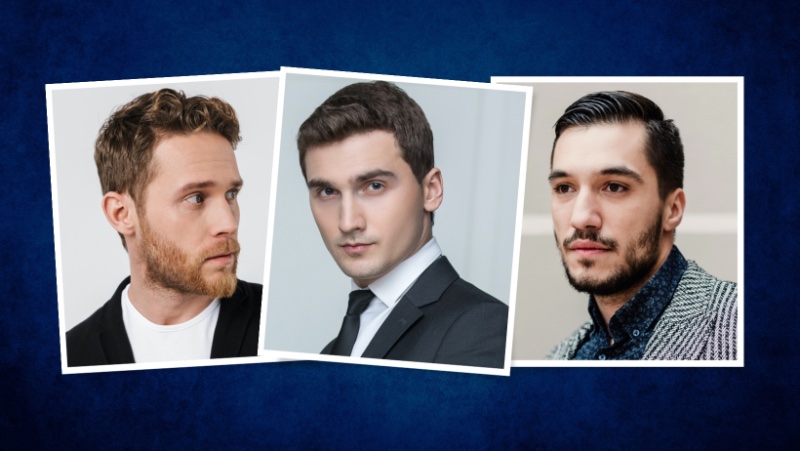
The Ivy League haircut is a longer version of the crew cut, with short, tapered sides and enough length on top to part and comb to the side. It’s also called the Ivy cut, the Harvard clip or the Princeton cut.
The haircut took its name from the American universities where students wore it in the 1950s and 1960s, alongside the broader Ivy style. Its short sides and combable top remain a fixture among men’s haircuts.
What Is an Ivy League Haircut?
The barber clips or scissor-cuts the sides and back short and tapers them toward the neckline. The top is left about 1 to 2 inches long, longest at the front and shorter toward the crown, so it can be parted and swept to one side.
The longer front distinguishes it from a standard crew cut, while the close sides keep it shorter than a conventional side part. Fades, undercuts and textured tops give the Ivy League haircut a different character.
Ivy League Haircuts for Men
Classic Ivy League Haircut

The classic Ivy League haircut has enough length for a narrow side part, sometimes with a short fringe. The sides taper neatly toward the ears, keeping the silhouette close to the head.
A trim every three to four weeks maintains the taper. A comb and a small amount of light styling cream are enough to direct the front to one side.
Modern Ivy League Haircut With Fade
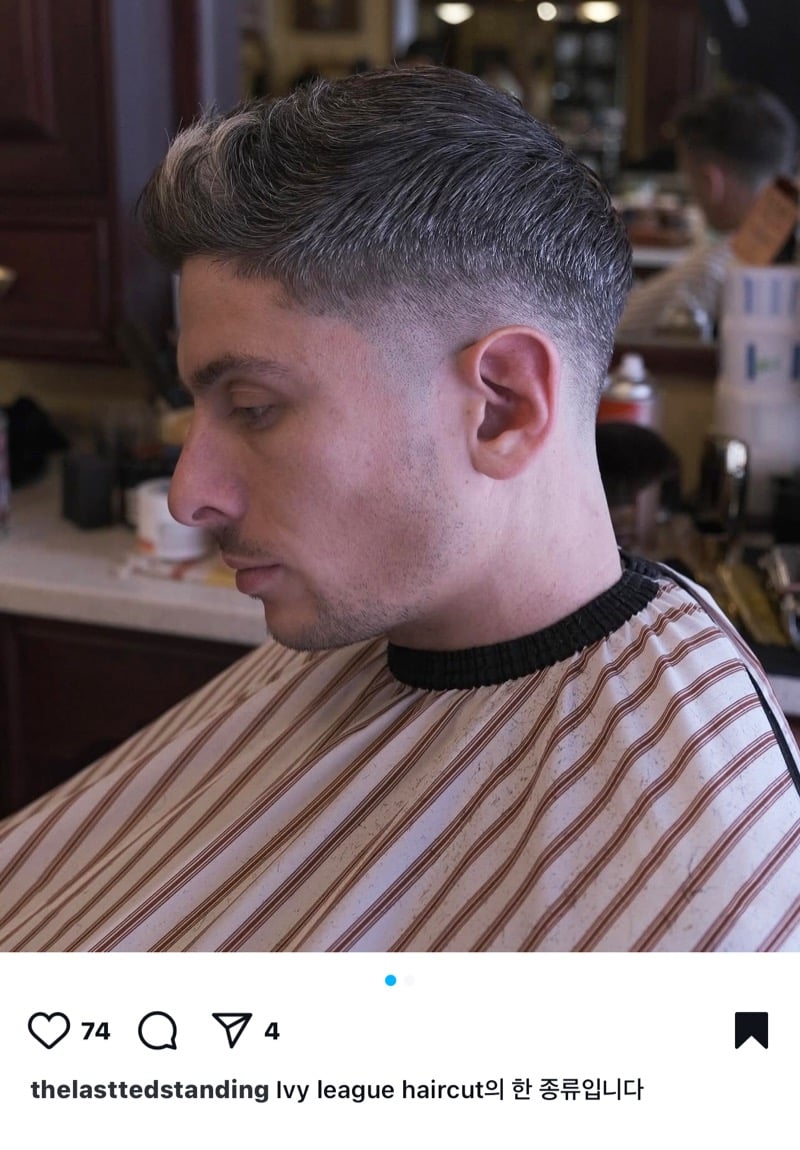
A tight fade gives the modern Ivy League haircut a more pronounced difference between the sides and the parted top. The part stays soft, with the front swept loosely to one side. Finger-comb a little matte cream through the hair, or see the low fade for a subtler variation.
Brushed Up Ivy League Haircut

The brushed up Ivy League haircut takes advantage of the longer front, lifting it off the forehead while the hair shortens toward the crown. Closely trimmed sides make the height at the hairline more noticeable.
Work styling foam into the roots and lift the front with a brush while blow-drying. A touch of medium-hold pomade helps it stay upright.
Curly Ivy League Haircut

Curls give the Ivy League a less precise part. The sides remain short, while the longer top falls toward one side in small curls rather than a combed sweep.
Leave enough length for the curl pattern to form, then use a small amount of curl cream on damp hair to reduce frizz.
Ivy League Crew Cut
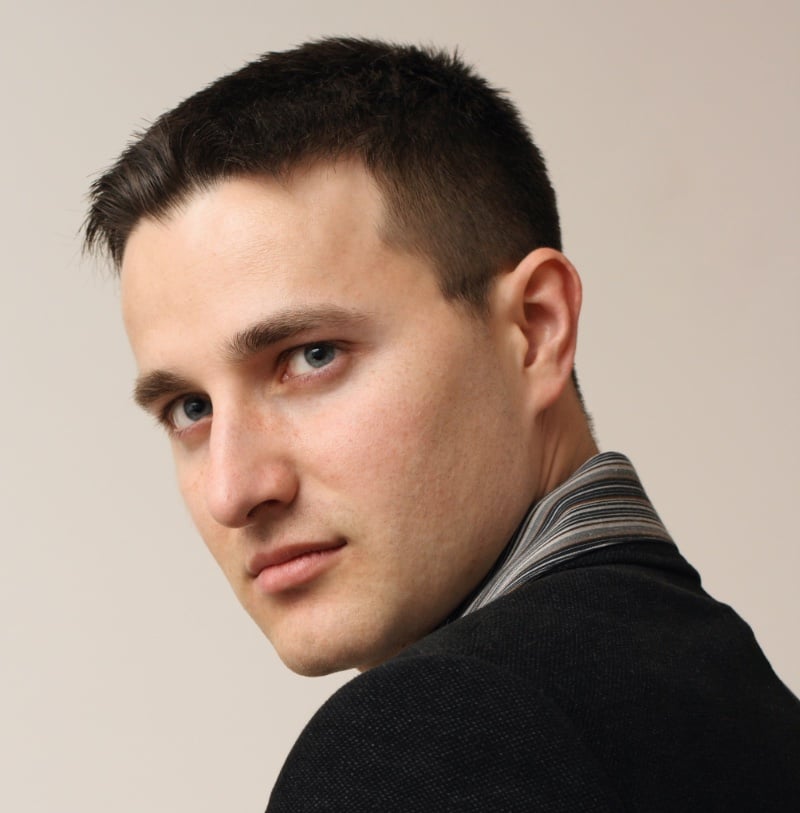
The Ivy League crew cut stays close to its shorter relative, with a compact top that only just allows a side sweep. A close taper keeps the ears and neckline tidy.
A fingertip of matte wax separates the front; the rest can be left alone.
Fade Taper Ivy League Haircut
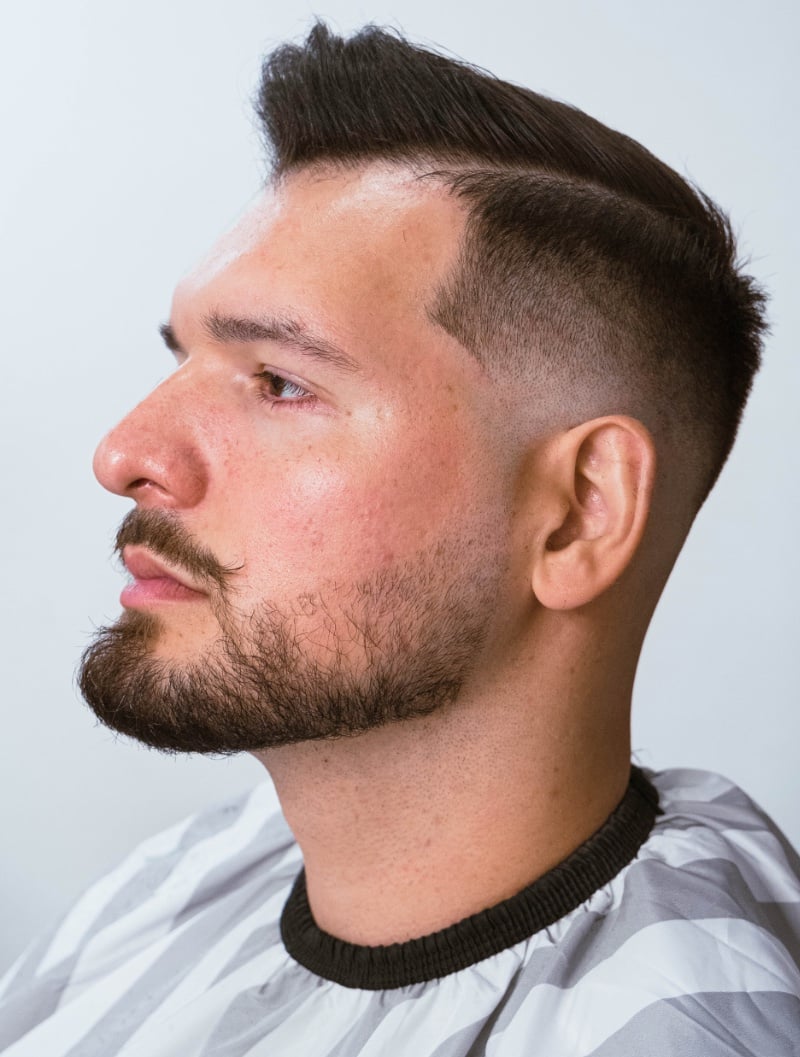
In the fade taper Ivy League haircut, the sides graduate from skin at the bottom into longer hair above. The top retains enough length for a side part, while the exposed lower edge makes the taper more visible.
Comb the top into place while damp, using a small amount of lightweight cream to keep the part defined.
Ivy League Undercut

The Ivy League undercut combines the parted top of an Ivy League haircut with the shaved or closely trimmed sides of an undercut. The sides don’t blend into the top, which gives a sharper contrast than a taper.
The abrupt change in length is the point of this version. A little matte product keeps the parted top from falling over the closely cut sides.
Long Ivy League Haircut

A long Ivy League haircut allows the front to sweep farther across the forehead, with a fuller top and a less exact part. The short sides prevent it from becoming a conventional medium-length side part.
A light-hold cream gives the longer hair some direction while allowing it to fall naturally. Keep the sides trimmed so the contrast remains visible.
Ivy League Buzz Cut
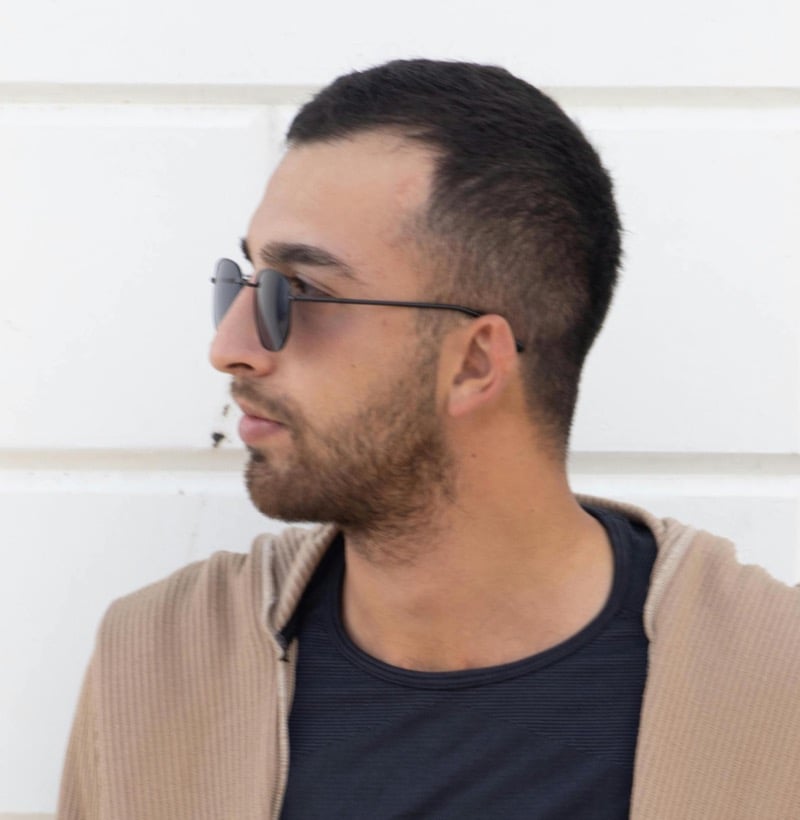
The Ivy League buzz cut pushes the style toward a buzz cut, with closely tapered sides and only a little extra length at the front. That small difference is enough to sweep the hair sideways, though a full part may be difficult.
Medium Length Ivy League Haircut

At medium length, the Ivy League has room for a more pronounced side part and a fuller sweep across the top. Keeping the sides close preserves the haircut’s collegiate proportions.
A comb gives the top a defined direction; fingers and a little medium-hold pomade produce a less exact finish.
Messy Ivy League Haircut

The messy Ivy League haircut loosens the traditional part. The front is pushed across with the fingers, leaving irregular strands and some height instead of a smooth combed surface.
A matte paste helps separate the strands, while closely tapered sides keep the overall shape recognizable.
Military Ivy League Haircut
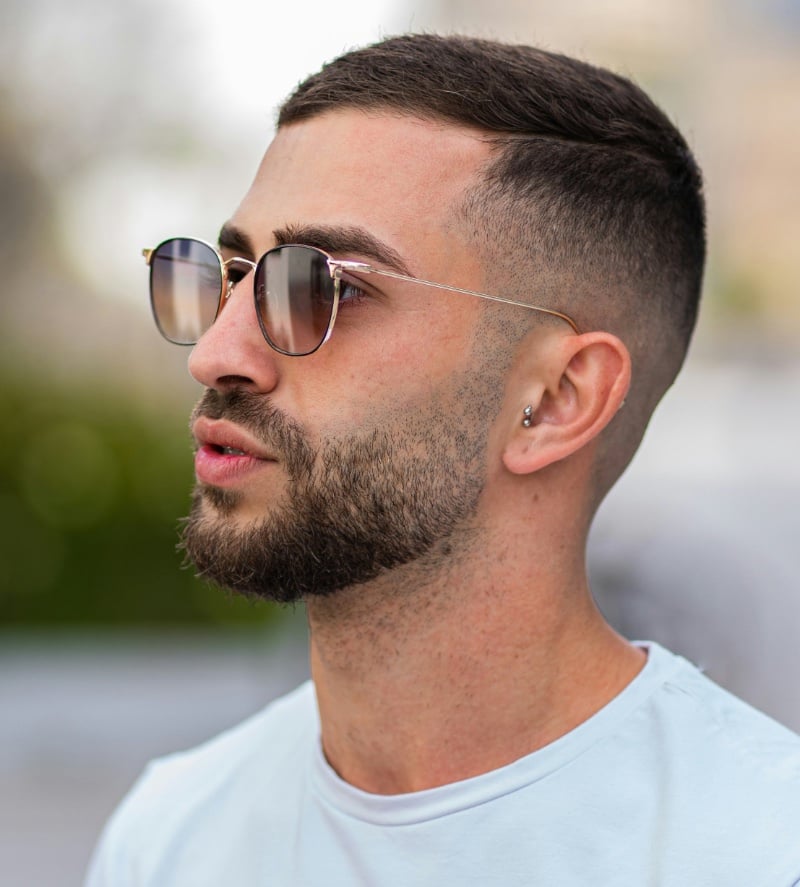
The military Ivy League haircut keeps the top just long enough to part and cuts the sides exceptionally close. Its higher, tighter fade brings it nearer to military grooming than the longer campus version.
A small amount of medium-hold pomade directs the short front into place.
Princeton Haircut

Princeton haircut is another name for the Ivy League, sometimes applied to versions with a fuller top. Here, the short sides and extra length above allow a distinct side sweep.
A trim every four to six weeks preserves the longer proportions. Grooming cream can help keep stray hairs in line.
Short Ivy League Haircut

The short Ivy League haircut leaves only enough hair at the front to suggest a part. The sides taper smoothly into the compact top, making it one of the least demanding versions to style.
A quick pass with the comb is often enough; matte pomade adds hold when needed.
Slick Back Ivy League

The slick back Ivy League directs its longer top straight backward, replacing the usual side part with a narrow sweep toward the crown. The short sides distinguish it from a fuller slick back.
Apply a little strong-hold gel or pomade to damp hair, then comb backward for a glossy finish.
Tapered Ivy League With a Wavy Top
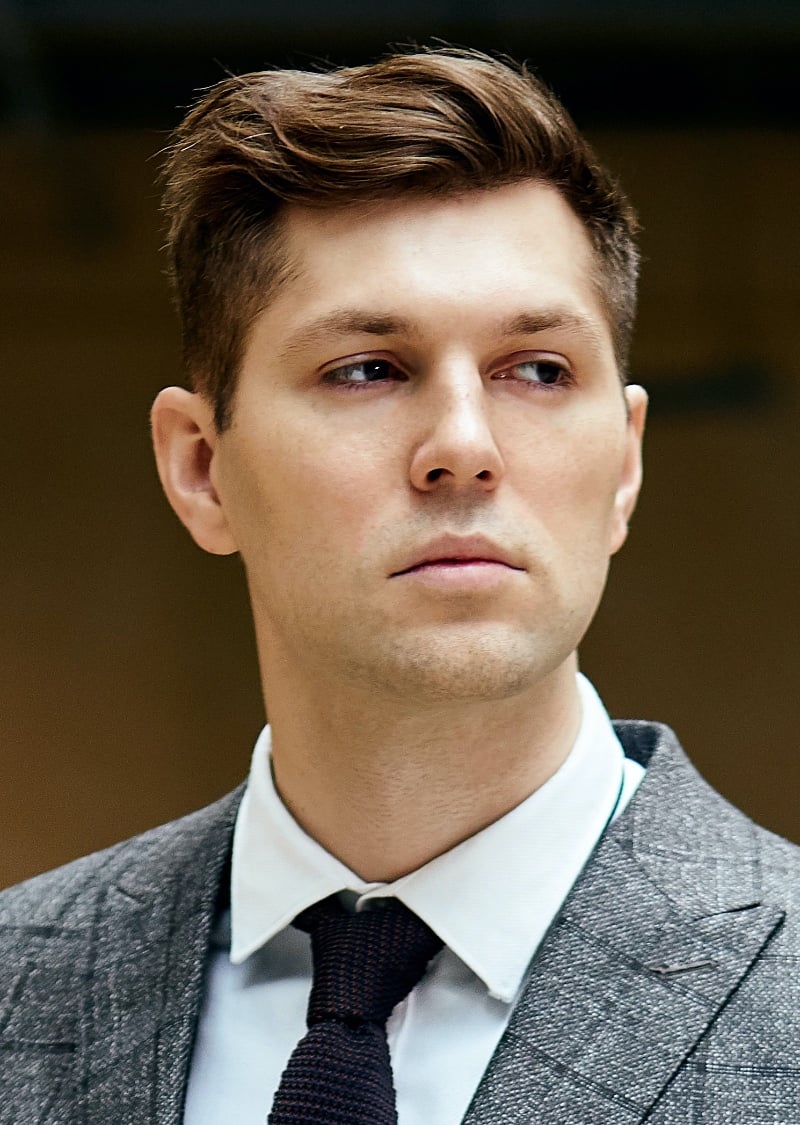
The tapered Ivy League with a wavy top follows the natural bends of the hair, leaving enough length above for the waves to form. The taper narrows gradually toward the neckline.
A touch of curl cream on damp hair separates the waves while keeping their natural shape.
Textured Ivy League Haircut

Point-cutting gives the textured Ivy League haircut uneven lengths through the top. The front can still be swept sideways, but the finish is more broken up than a traditional combed part.
Sea salt spray adds separation to damp hair; matte pomade offers a firmer hold.
Wavy Ivy League Haircut
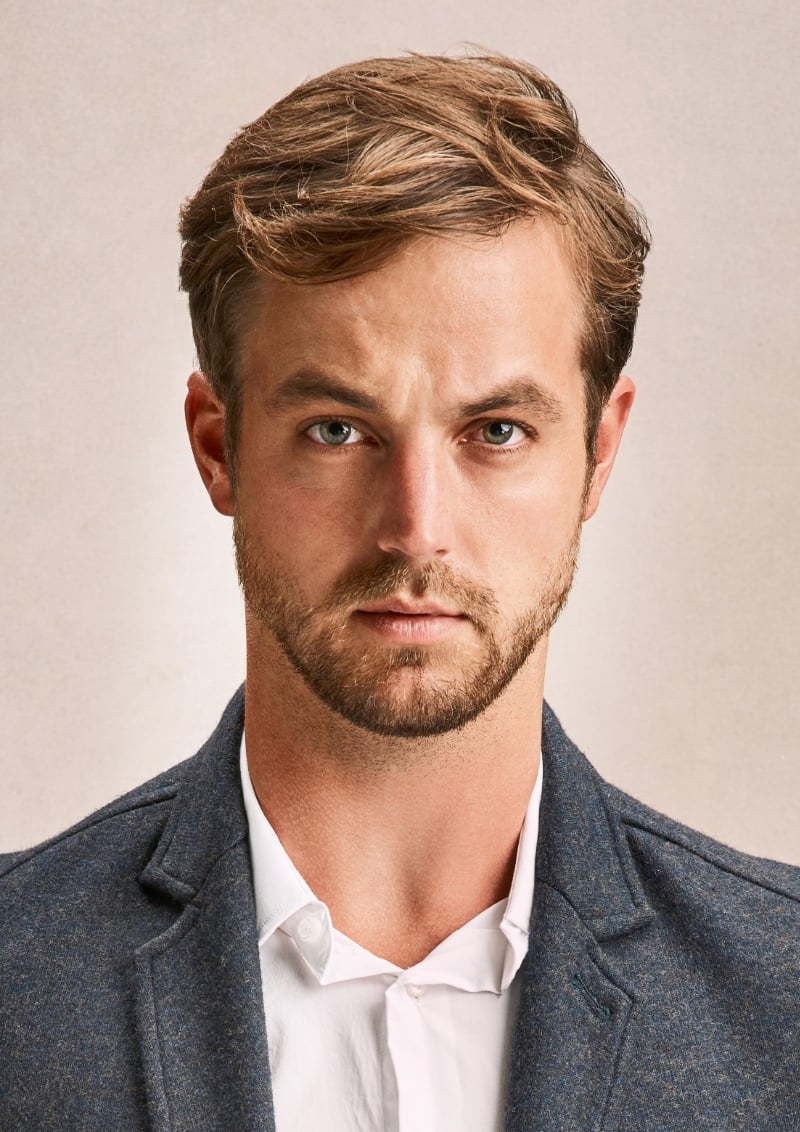
In the wavy Ivy League haircut, the top is left long enough for broader waves to curve across the forehead. Short, tapered sides keep the volume concentrated above the temples.
A lightweight mousse helps the waves retain their shape. Trim the taper before the sides begin to bulk out.
How to Ask for an Ivy League Haircut
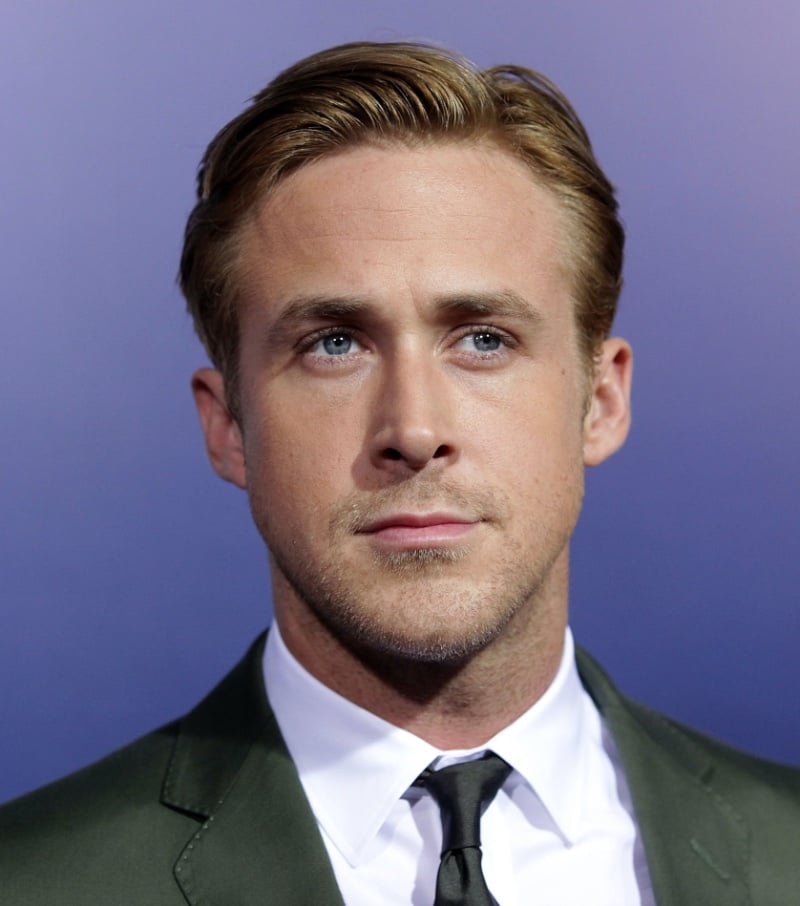
- Ask for a longer crew cut with about 1 to 2 inches on top, longest at the front.
- Ask for tapered sides, or say where a fade should start: low, mid or high.
- Say whether you want a defined side part, a loose part or a textured top.
- Plan on a trim every three to five weeks.
Ryan Gosling is one of the best-known wearers of the cut, usually with a soft side part and tapered sides.