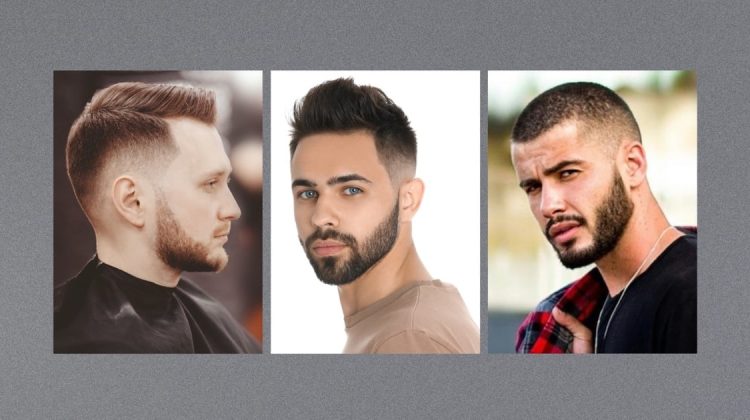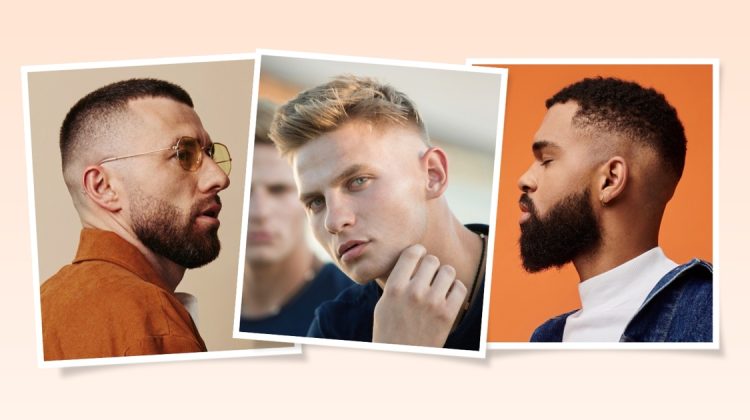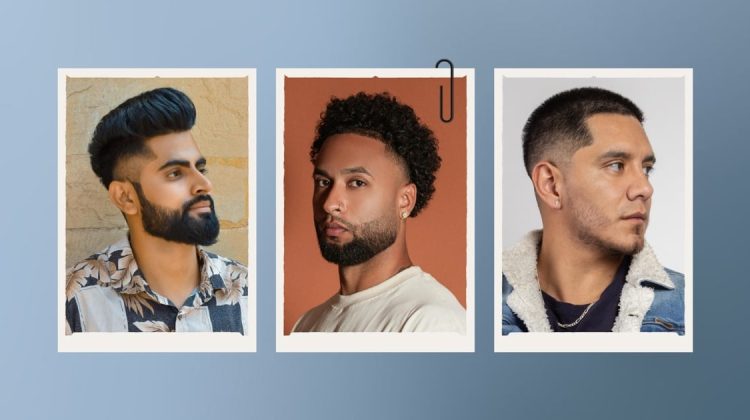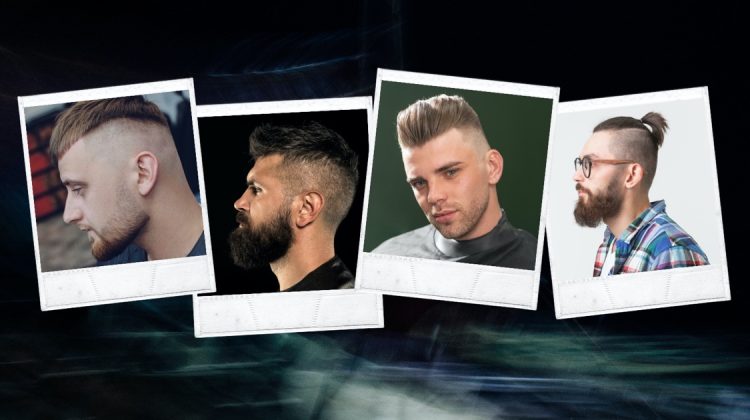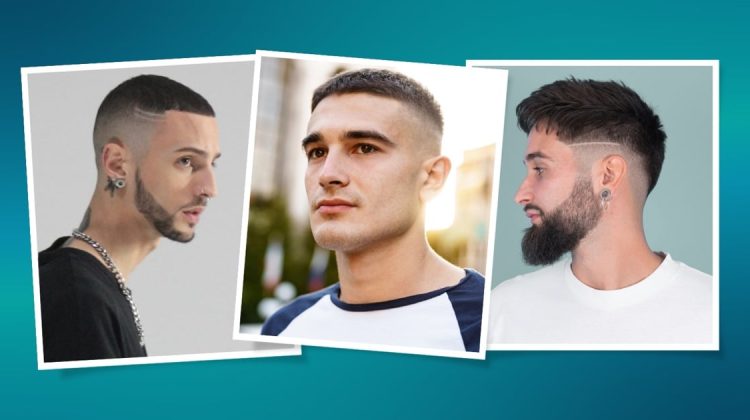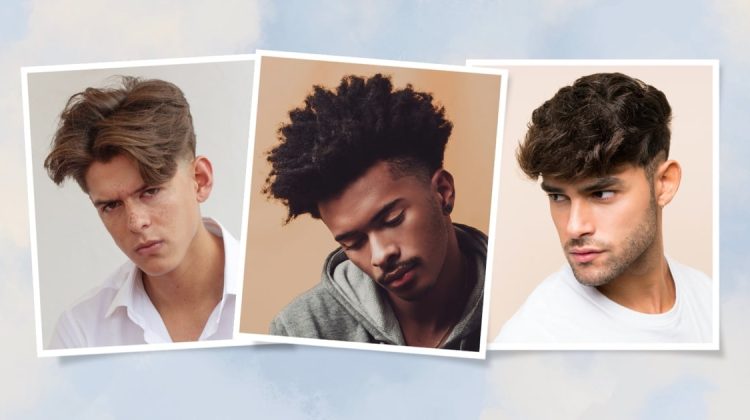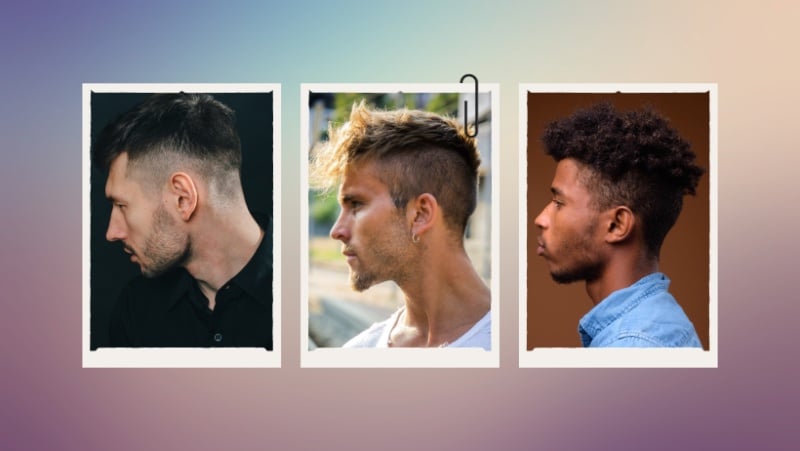
A drop fade curves downward behind each ear before continuing across the back of the head. Unlike a fade that follows a relatively even line around the head, the drop fade begins higher at the sides and dips toward the nape.
The curved outline follows the shape of the skull and gives the haircut a distinctive profile. Its height and finish can be adjusted to suit everything from a buzz cut to longer styles.
What Is a Drop Fade?
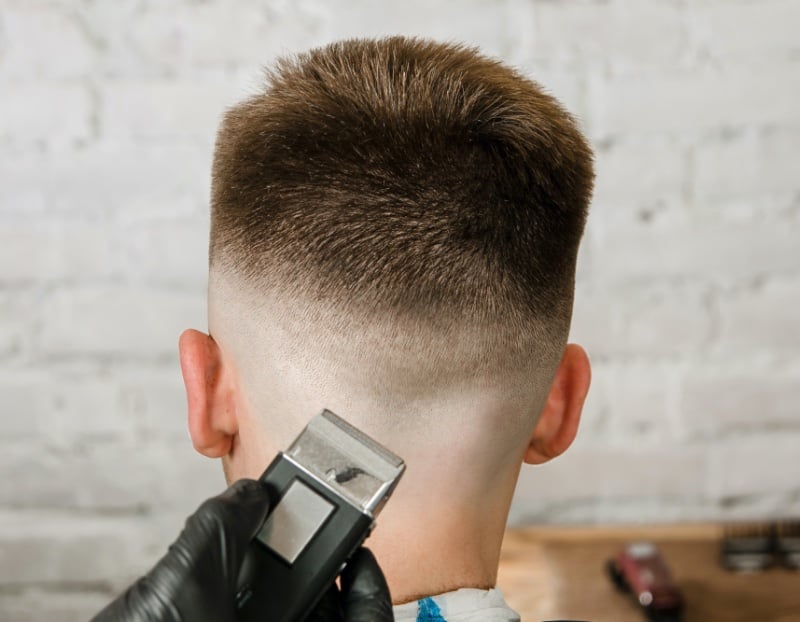
The barber establishes a guideline along the sides, curves it behind each ear and connects it lower across the back. Clippers then blend the hair through progressively shorter lengths toward the neckline. The defining detail is the descending line visible in profile.
The starting height determines how pronounced the curve appears:
- Low drop fade: begins close to the ear and dips toward the neckline, keeping the transition relatively subtle.
- Mid drop fade: begins around temple height, making the descending curve more apparent.
- High drop fade: begins farther up the sides before descending behind the ears for greater contrast.
Any of these variations can finish at skin level or retain short stubble. A taper drop fade generally describes a less aggressive blend, although barbers may use the term differently.
Drop Fade vs. Burst Fade
Both cuts curve around the ear, but their paths differ. A burst fade concentrates the transition around the ear and retains more length at the nape. A drop fade continues across the back of the head. That distinction matters when choosing a mohawk, mullet or a more conventional short back and sides.
Drop Fade Haircuts
Buzz Cut Drop Fade
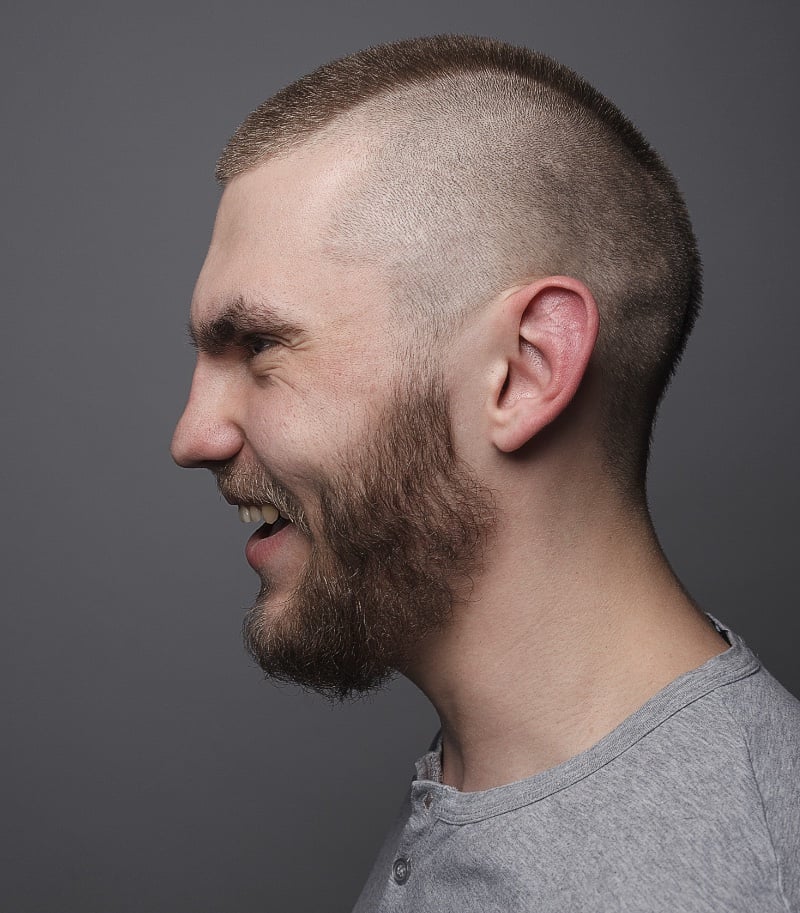
A drop fade buzz cut pairs an evenly clipped top with a curved transition around the sides and back. The drop adds definition to a buzz cut while keeping daily styling to a minimum.
The short, consistent length can also work for thin hair, since there is less contrast between longer strands and areas of reduced density.
Crew Cut Drop Fade
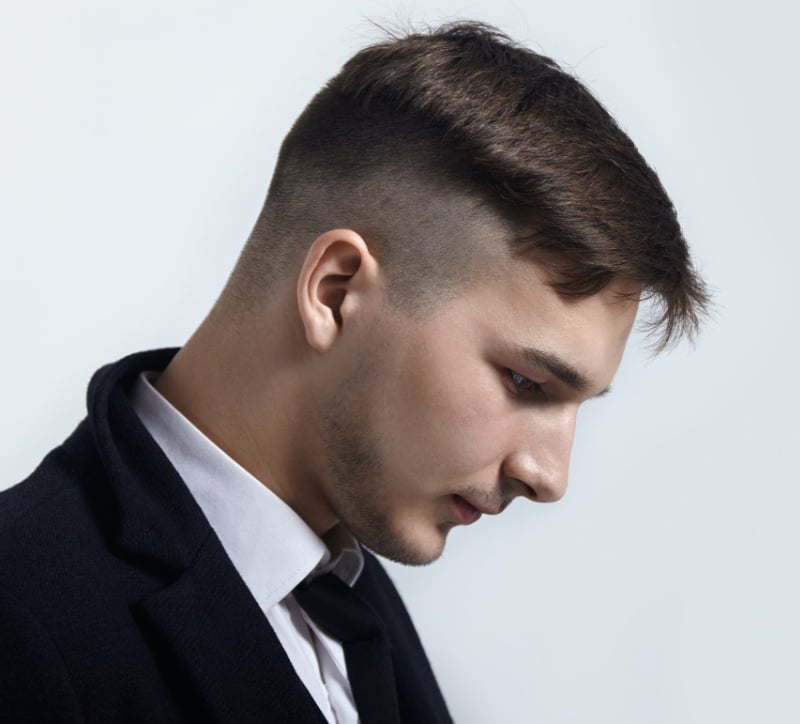
A crew cut leaves slightly more length on top, typically toward the front. Adding a drop fade creates a curved transition behind the ear while retaining the crew cut’s practical proportions.
Brush the front forward or slightly to one side with a small amount of matte paste. The short top takes little time to style.
Curly Drop Fade
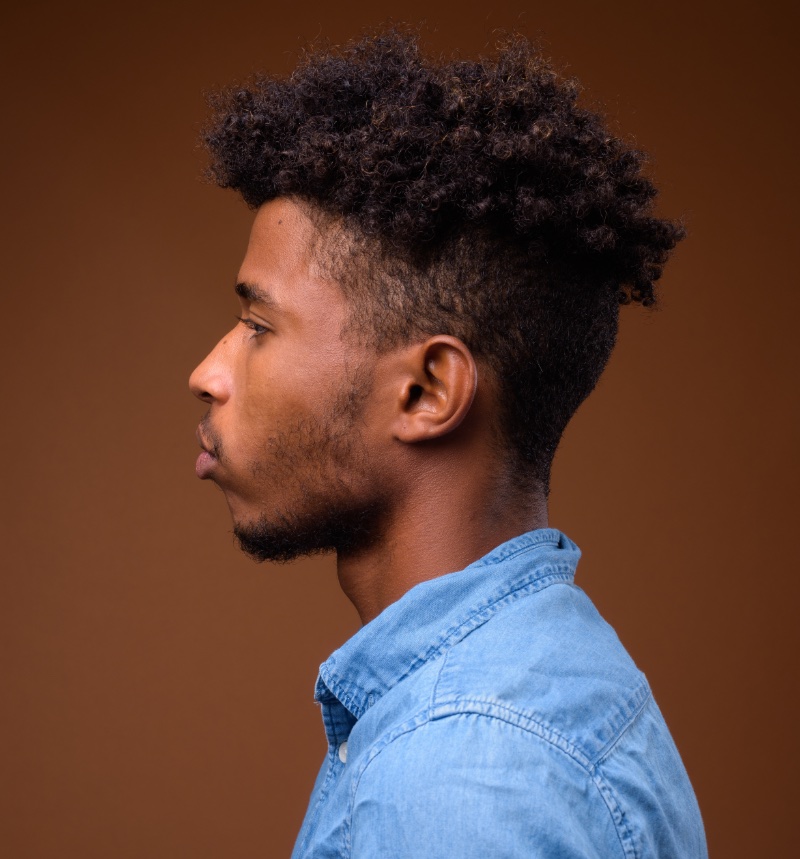
A curly drop fade keeps the curls full on top while tapering the sides along a curve behind the ears. The contrast highlights the natural volume and makes the haircut’s silhouette especially visible in profile.
Style with a curl cream or leave-in conditioner on damp hair. For more length and volume, see our afro hairstyles.
French Crop Drop Fade

A French crop pairs a short, textured top with a forward fringe. A drop fade introduces a descending line at the sides, giving the crop a softer profile toward the back.
Ask for point-cutting on top for a choppy texture, then work in a little matte clay with your fingers.
Hard Part Drop Fade
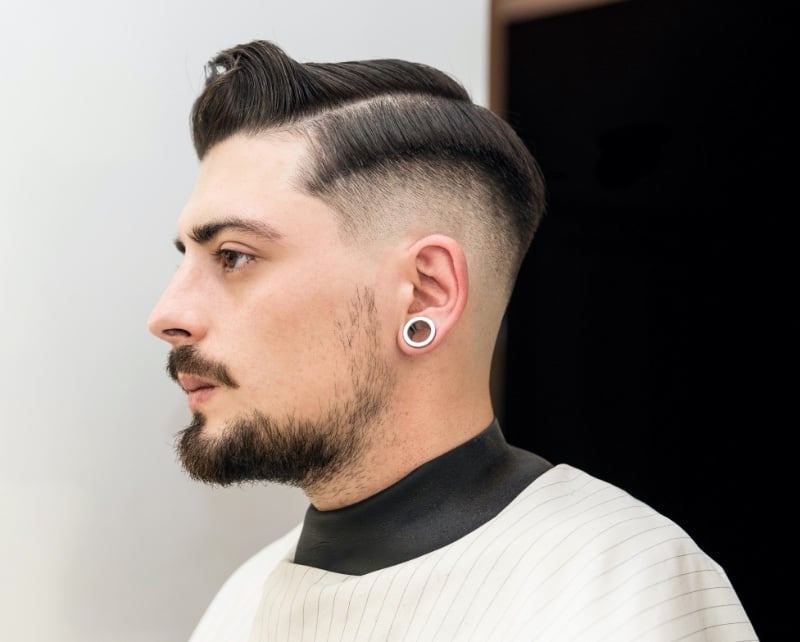
A hard part is a narrow line shaved along the natural parting. Paired with a drop fade, it sets a straight line above the curved blend, making both details more noticeable.
It works best with straight or slightly wavy hair combed to one side. The shaved line grows in quickly, so plan on a touch-up every two to three weeks.
High and Tight Drop Fade
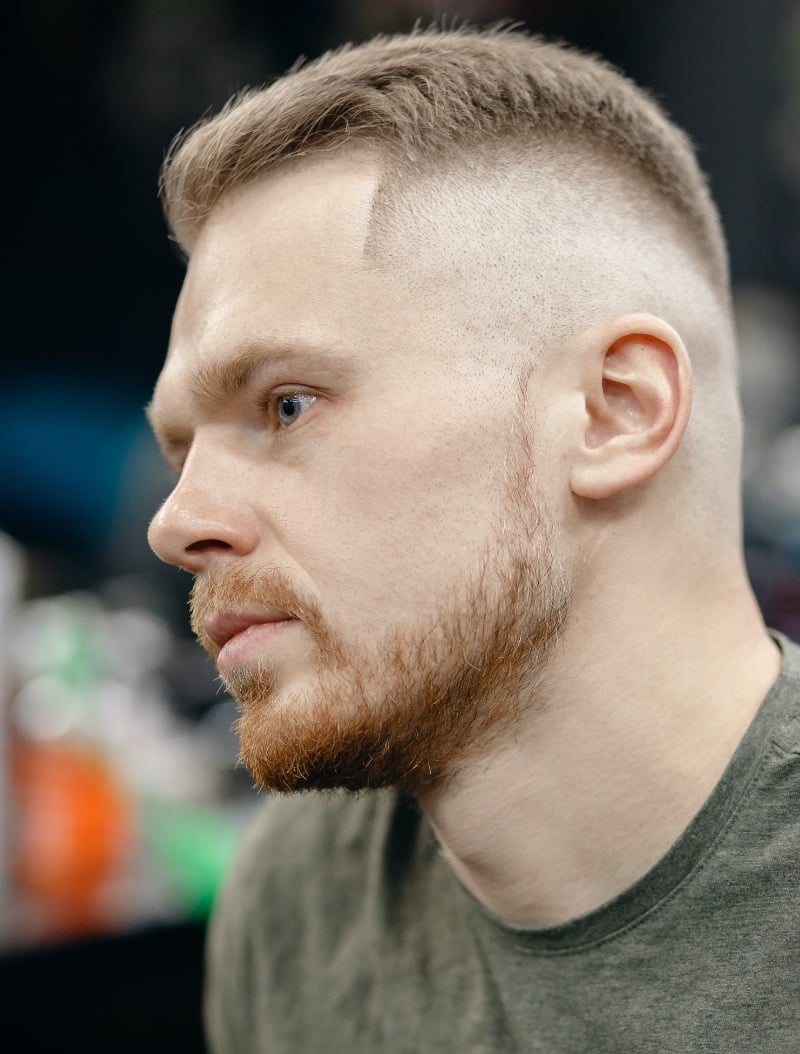
The military-inspired high and tight leaves a compact section of hair on top with closely clipped sides. A high drop fade follows a descending path behind the ear, modifying the usual high-and-tight outline.
It's about as low-maintenance as a haircut gets, though the short sides need a clean-up every two weeks or so.
Man Bun Drop Fade
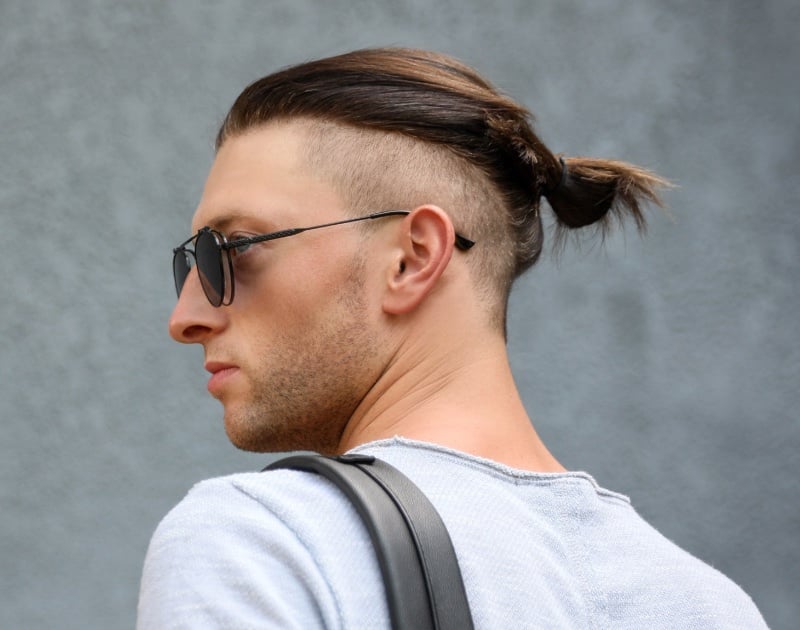
A man bun gathers longer hair above closely faded sides. With a drop fade, the shorter area descends behind the ears and continues across the back, remaining visible when the hair is tied up.
You'll need enough length on top to tie back, usually six inches or more.
Messy Drop Fade
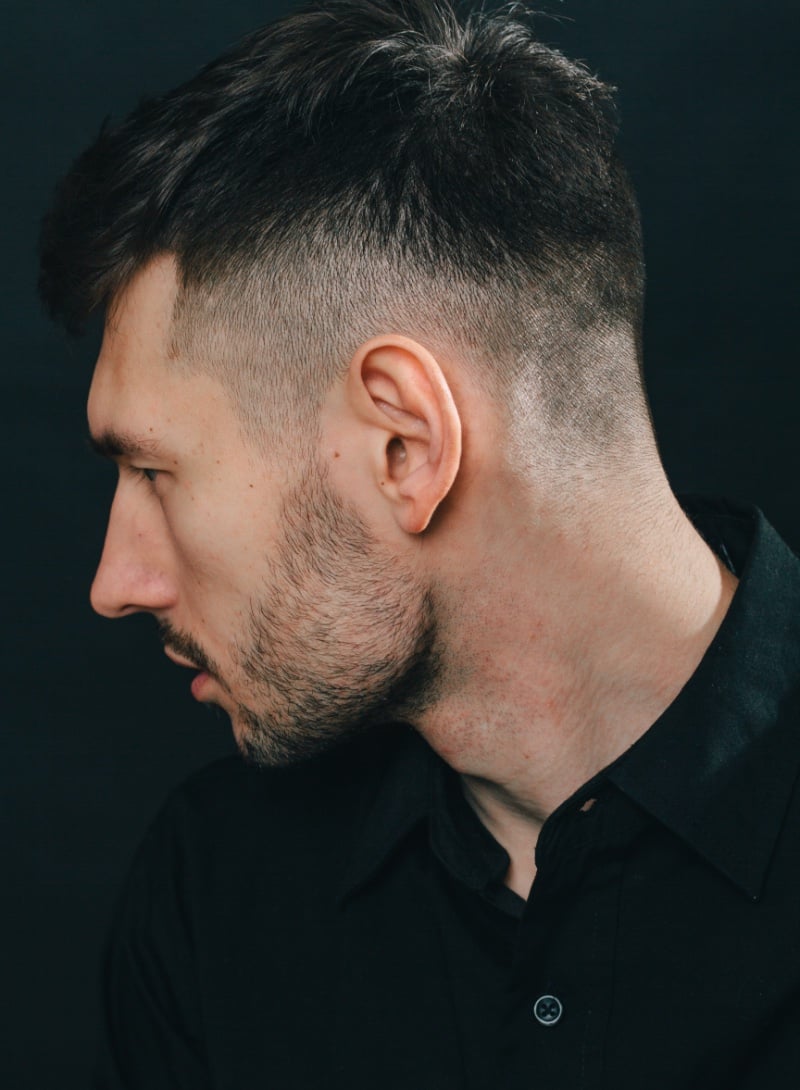
A tousled top gets its character from uneven separation and volume. A drop fade provides a distinct curved outline beneath the looser styling.
Use a texturizing spray or sea salt spray on damp hair, rough-dry it with your fingers, and finish with a little matte paste.
Pompadour Drop Fade
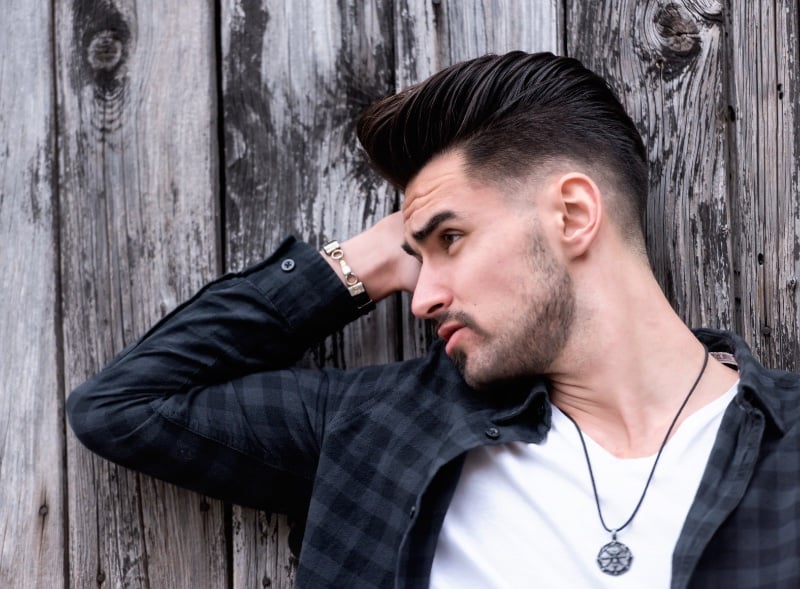
A pompadour lifts longer hair upward and back from the forehead. The drop fade follows the skull behind the ear, complementing the height at the front while keeping the sides closely cut.
Blow-dry the front upward with a round brush, then set it with pomade or a strong cream.
Side Part Drop Fade
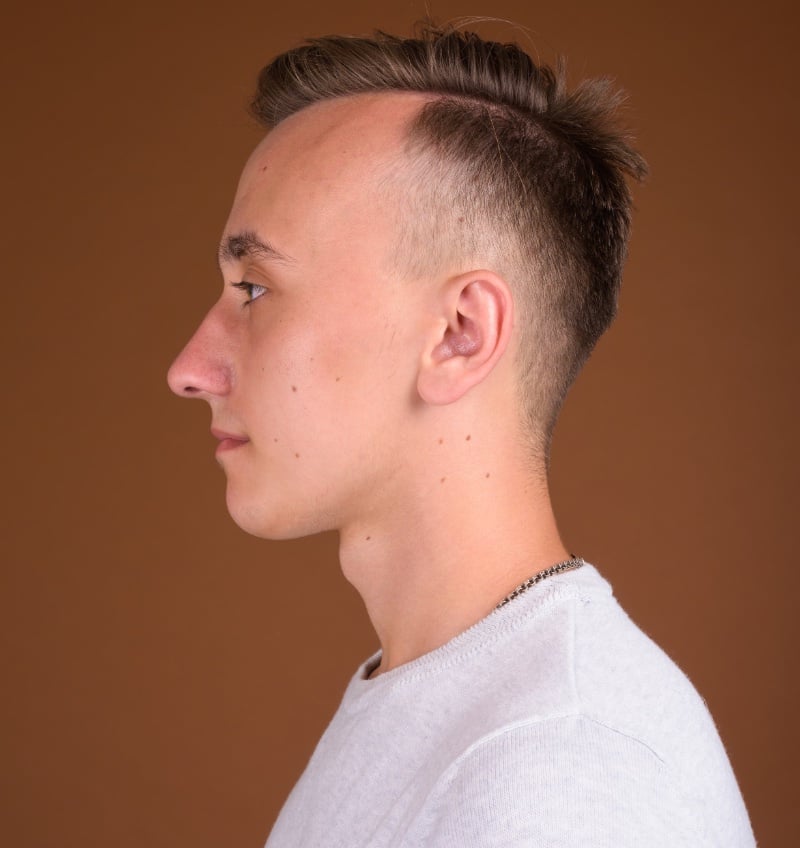
A side part pairs a defined parting with hair combed neatly across the top. A low drop fade adds a curved detail behind the ears that works well with this traditional shape.
Comb the hair across while it's damp and finish with a light pomade or cream.
Slick Back Drop Fade
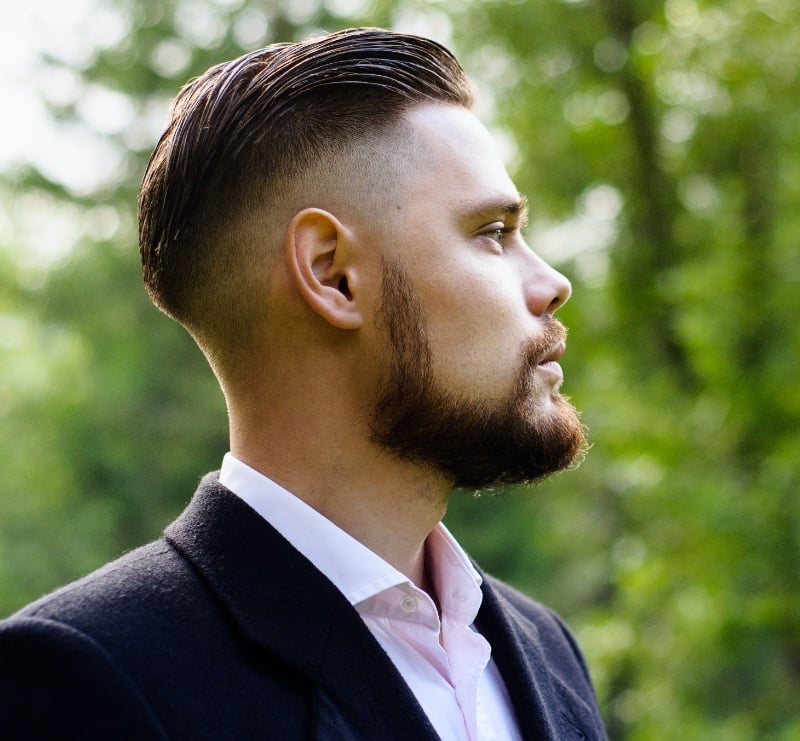
A slick back directs longer hair away from the forehead. A drop fade shortens the sides and follows a lower path across the back, creating a gradual transition beneath the combed-back length.
Pomade gives the classic shine. Use a matte cream for a looser, more modern finish.
Textured Quiff Drop Fade
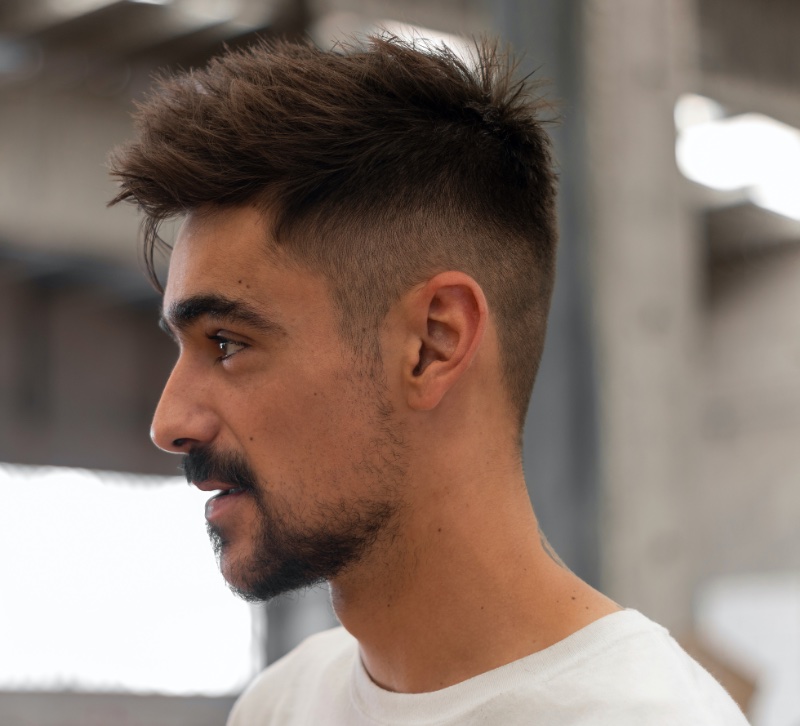
A textured quiff lifts the front while leaving individual strands separated. The drop fade brings the sides close and curves downward behind the ears, drawing attention to the volume above.
Blow-dry the front upward, then work in matte paste or clay to separate it.
Twist Out Drop Fade
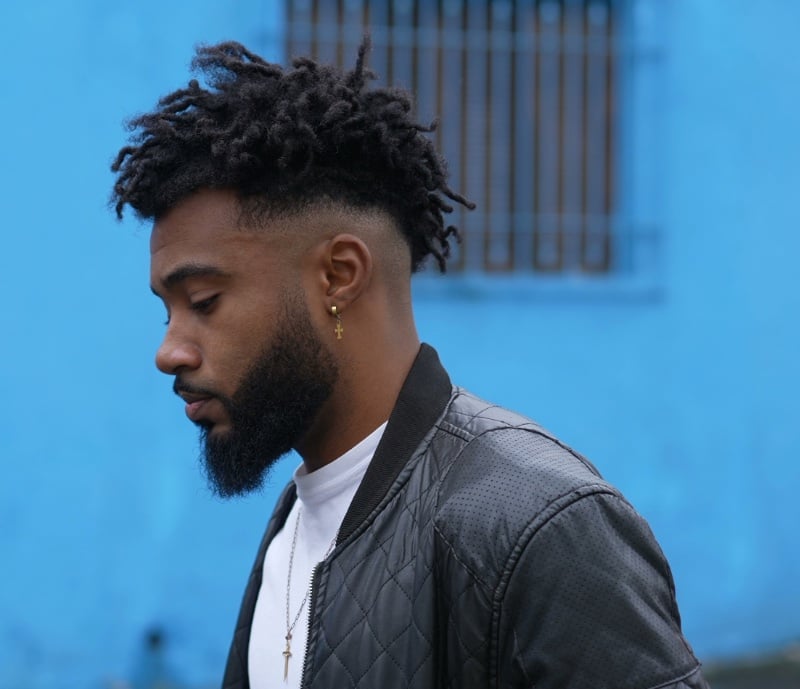
A twist out starts with sections of damp, coily hair twisted and left to set. Once unraveled, they form defined curls. A drop fade shortens the sides beneath the twists and creates a curved outline behind the ears.
Refresh the twists as needed to preserve their definition, and schedule fade touch-ups approximately every two to three weeks. Both elements require regular upkeep.
Viking Ponytail Drop Fade
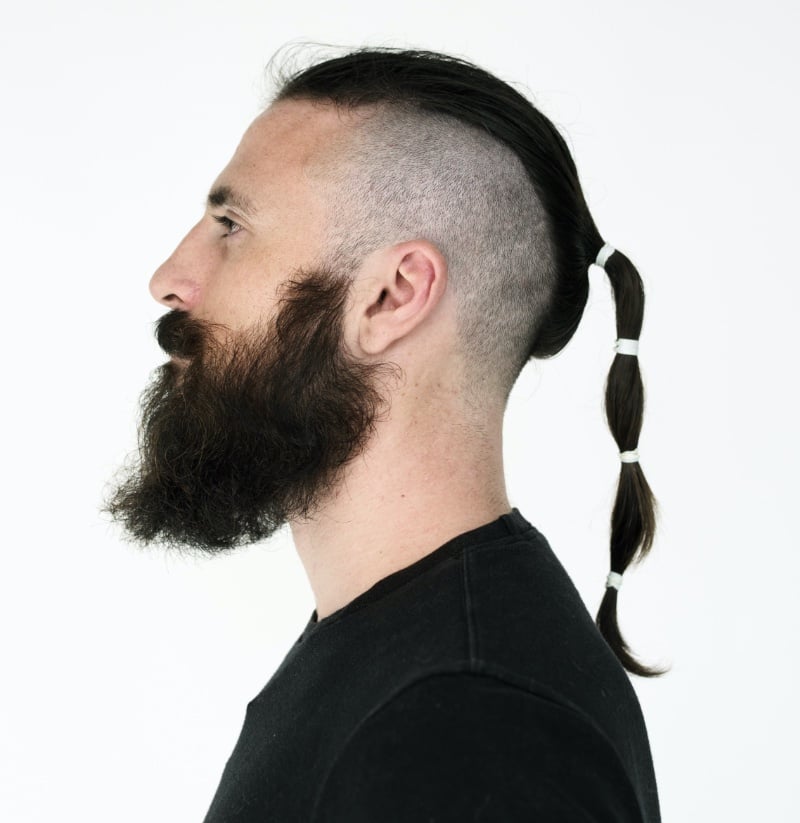
This style pulls long hair into a ponytail above closely faded sides. The drop fade descends behind the ears and blends across the back, leaving a visible graduation beneath the tied hair.
You'll need a lot of length on top. A light cream helps keep flyaways down.
Waves Drop Fade
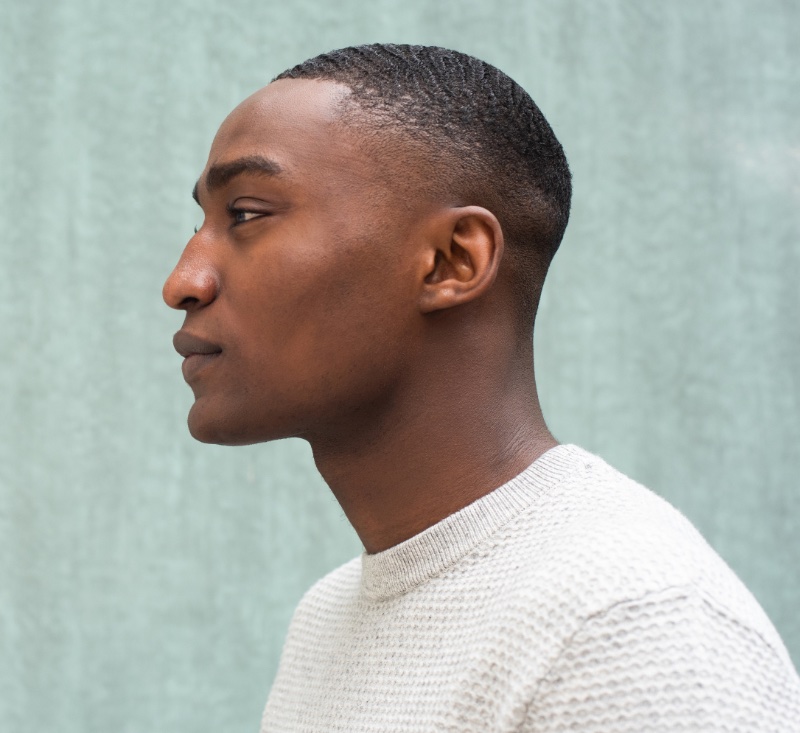
Waves are rippling patterns developed in short, tightly curled hair through consistent brushing and compression with a durag. A drop fade follows the head’s curve beneath the pattern, separating the waves from the shorter sides.
Brush daily and keep the fade fresh every two weeks.
How to Ask for a Drop Fade
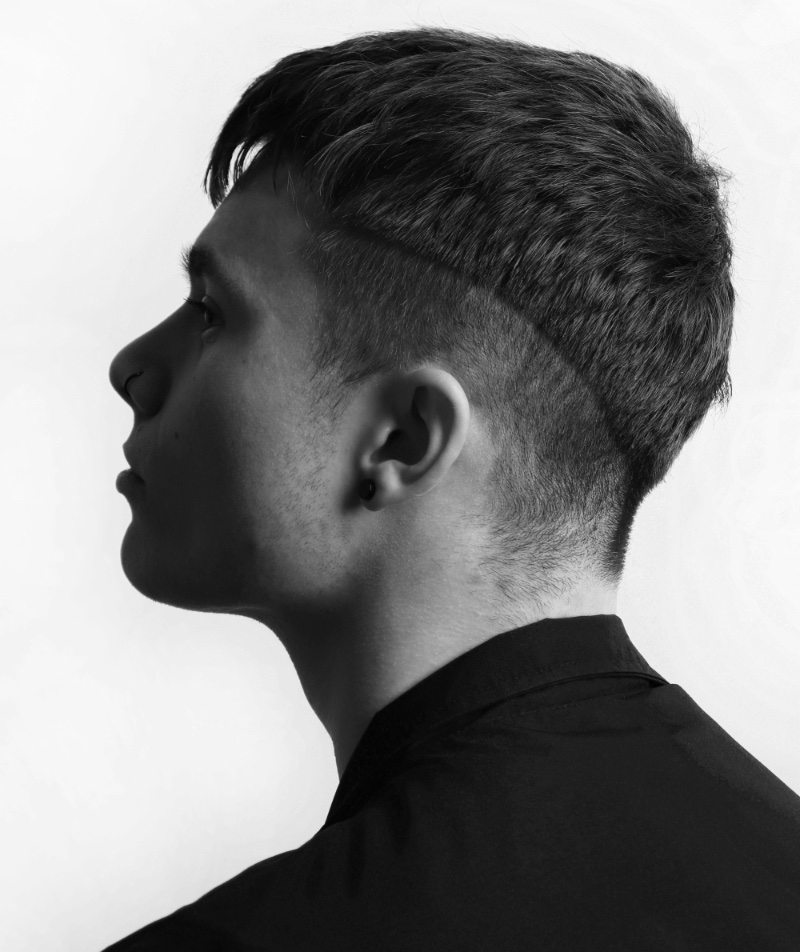
- Say "drop fade" and show the curve. Trace from the temple, down behind your ear and across the back.
- Pick a height. Low, mid or high drop fade.
- Pick a finish. Skin, or a short guard for a taper drop fade.
- Say what you want on top. In inches, or by naming the style.
- Bring a photo. Especially a side view, which shows the curve best.
Most drop fades benefit from a touch-up every two to three weeks, depending on hair growth and how sharp you want the blend. For other variations, see the types of fade haircuts, mid fade and low fade.