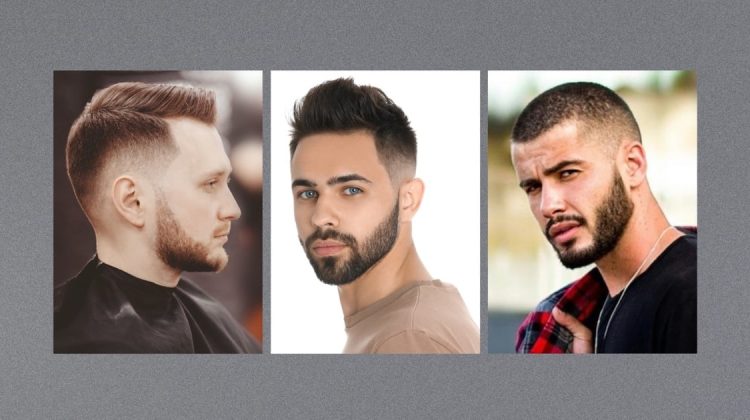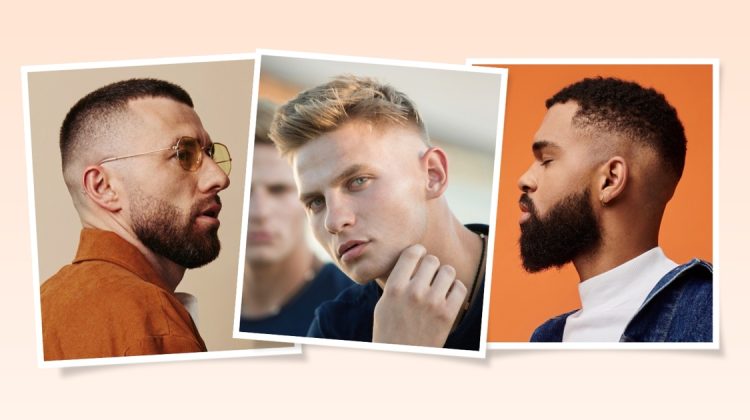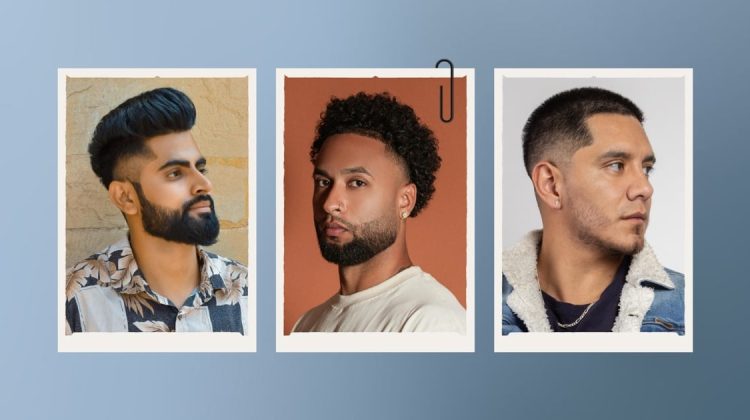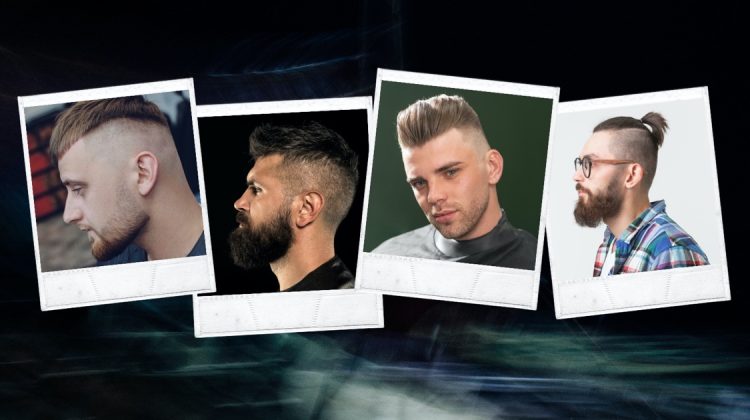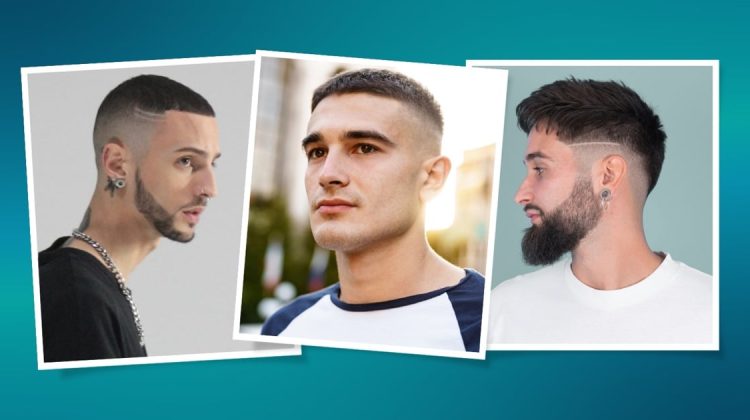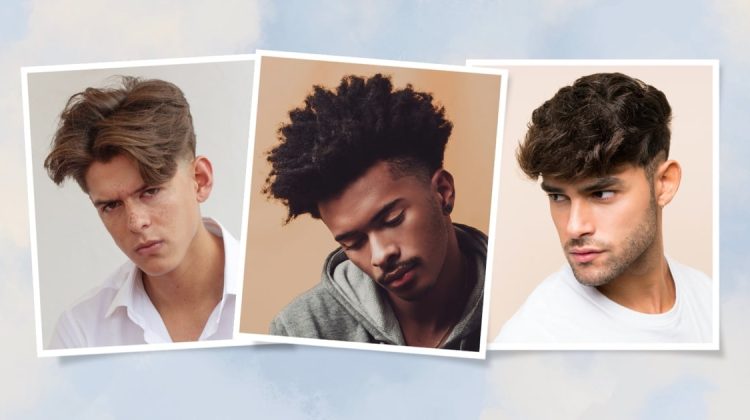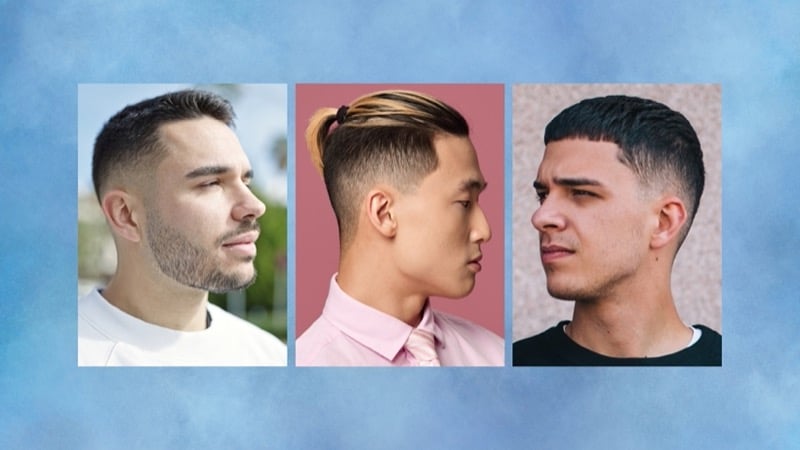
A burst fade is a haircut that tapers the hair in a semicircle around each ear while preserving length at the back of the head. From the side, the shorter hair forms a rounded burst around the ear instead of a continuous band across the back.
The distinctive curve makes the burst fade a natural partner for mohawks and mullets, which retain length through the nape. It also works with shorter cuts, curly hair and classic side parts.
What Is a Burst Fade?
To create a burst fade, a barber works in an arc around each ear, beginning near the temple and curving behind it. The hair becomes progressively shorter toward the ear, while the center of the back retains its length. The placement and depth of that arc determine how dramatic the burst fade haircut looks.
The height of the burst fade changes its appearance:
- Low burst fade: the arc stays close to the ear, giving longer hairstyles a subtle transition.
- Mid burst fade: the arc rises toward the temple for more noticeable contrast along the sides.
- High burst fade: the arc reaches farther up the head, emphasizing the longer hair through the center of a mohawk.
A burst fade can taper to bare skin or finish at a short clipper length. A burst taper generally keeps more hair around the ear. The curved area also provides space for a shaved line or burst fade design.
Burst Fade Haircuts
A burst fade suits hairstyles that keep length through the back, including mohawks and top knots. On short haircuts, the curved fade itself becomes the defining detail.
Caesar Cut
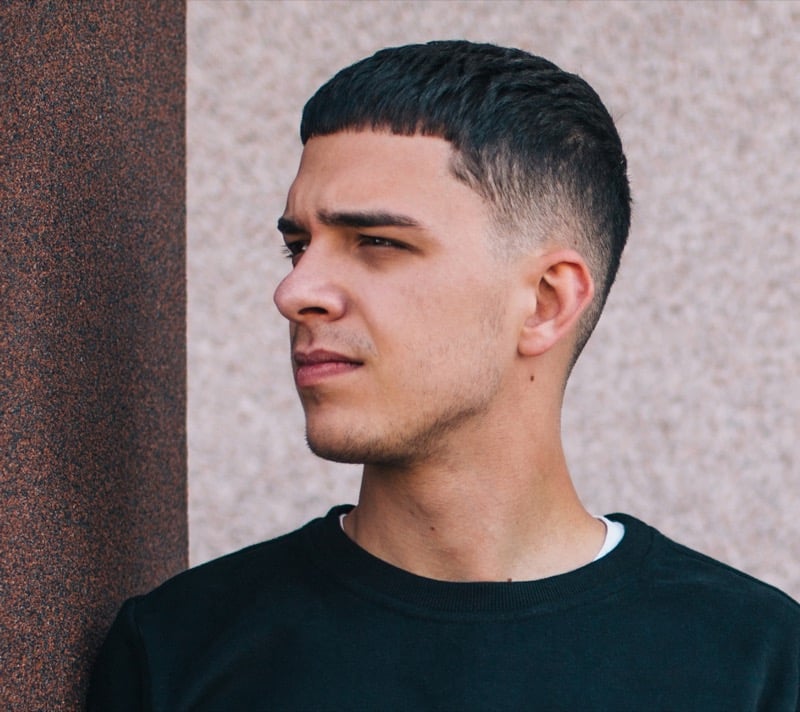
The Caesar cut has a short, forward-brushed top and a straight fringe. Pairing it with a burst fade introduces a curved detail around the ears that gives this compact haircut a stronger profile.
Keep the fringe blunt and the top short enough to show the fade. Styling takes little effort, although the curve typically needs a barber touch-up every two to three weeks.
Crew Cut
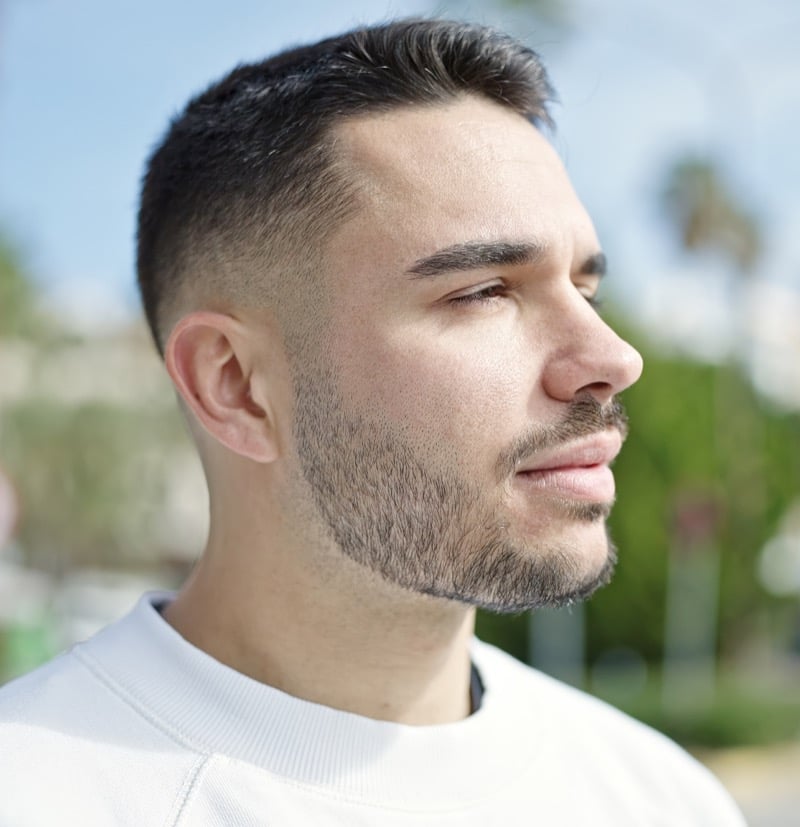
A crew cut keeps the sides short and slightly more length on top, often graduating from front to crown. A burst fade replaces the conventional side taper with a rounded transition around the ears.
The result is practical for daily wear and distinctive from the side. The same approach can complement a buzz cut, where the burst fade adds definition to an otherwise uniform length.
Curly Mohawk
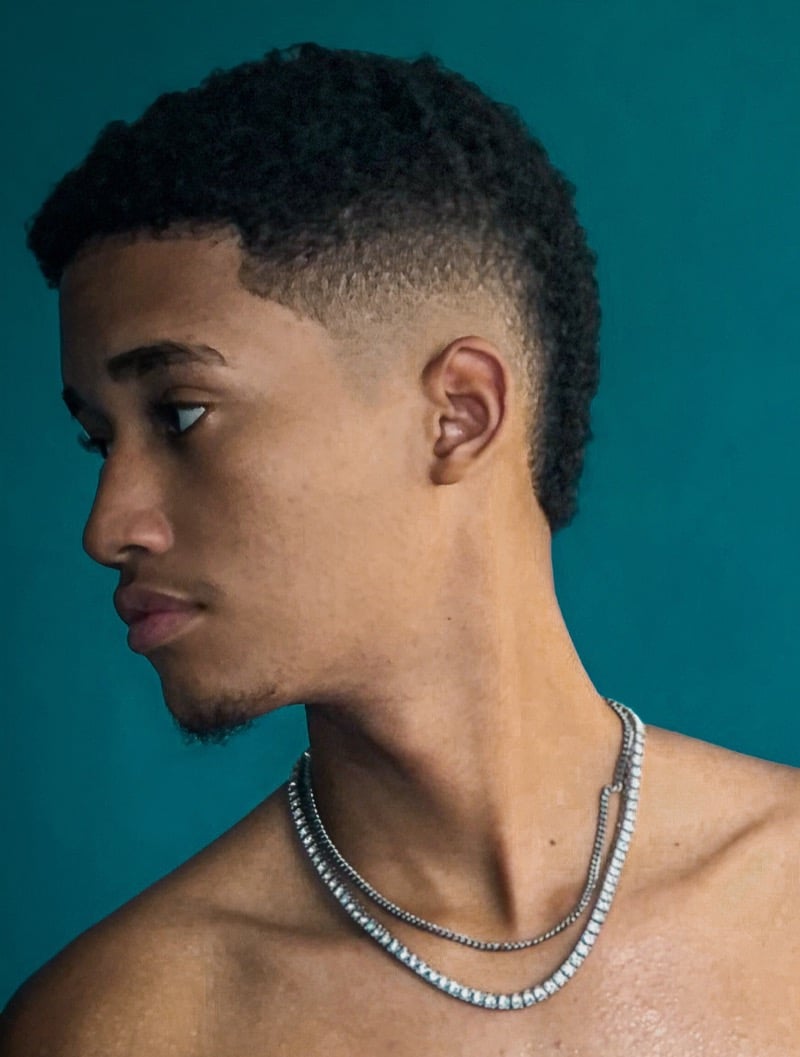
The burst fade mohawk pairs a longer strip of hair through the center with closely faded areas around the ears. A traditional mohawk removes much more hair from the sides. The burst fade keeps additional coverage behind the ears and into the nape.
Curly hair gives the mohawk volume and emphasizes the contrast with the faded sides. Apply curl cream to damp hair, then let the curls dry to preserve their shape.
Curly Top
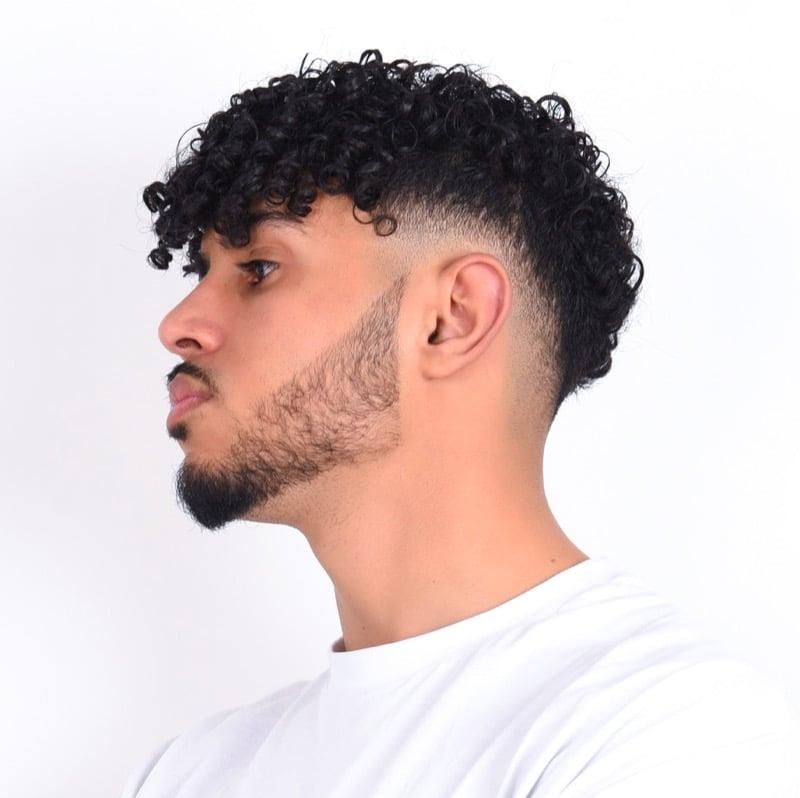
A burst fade beneath a full curly top removes bulk around the ears while retaining the rounded volume above. It is a useful option for men who want defined sides and plenty of natural curls.
Ask the barber to shape the curls with scissors and preserve enough length behind the ears to connect the top with the back.
Long Comb Over
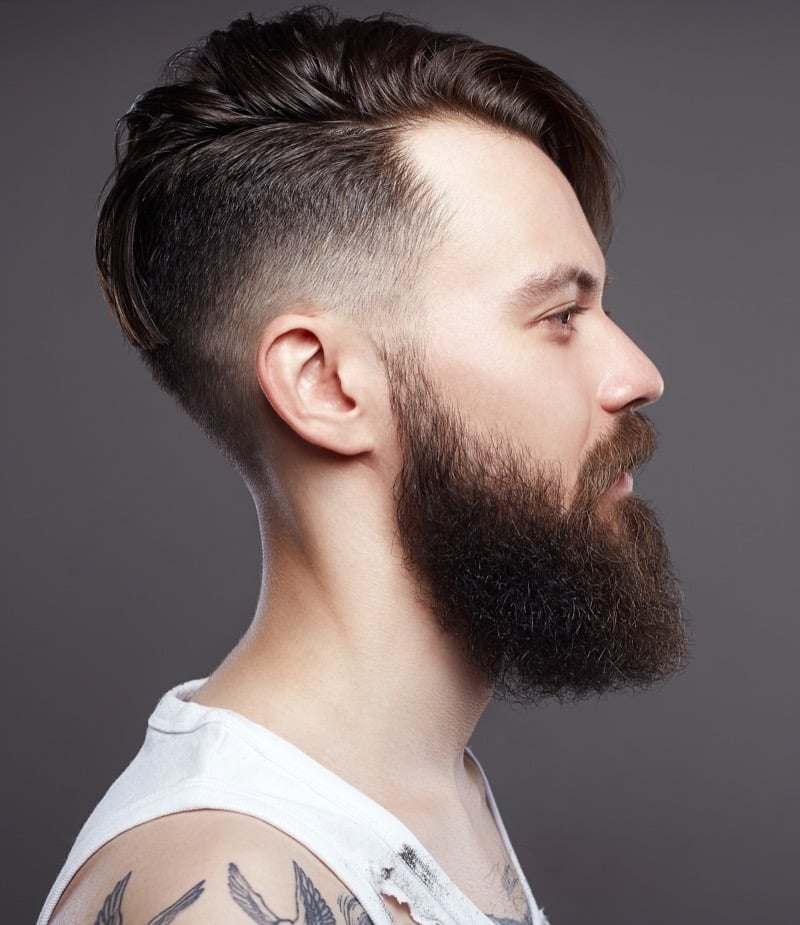
A long comb over sweeps the top across a defined part. Adding a burst fade cuts a curved section around each ear while retaining length at the back, giving the traditional hairstyle a more distinctive side profile.
Medium to long hair on top provides enough length for the sweep. Blow-dry across the part and finish with a small amount of pomade or styling cream.
Side Part
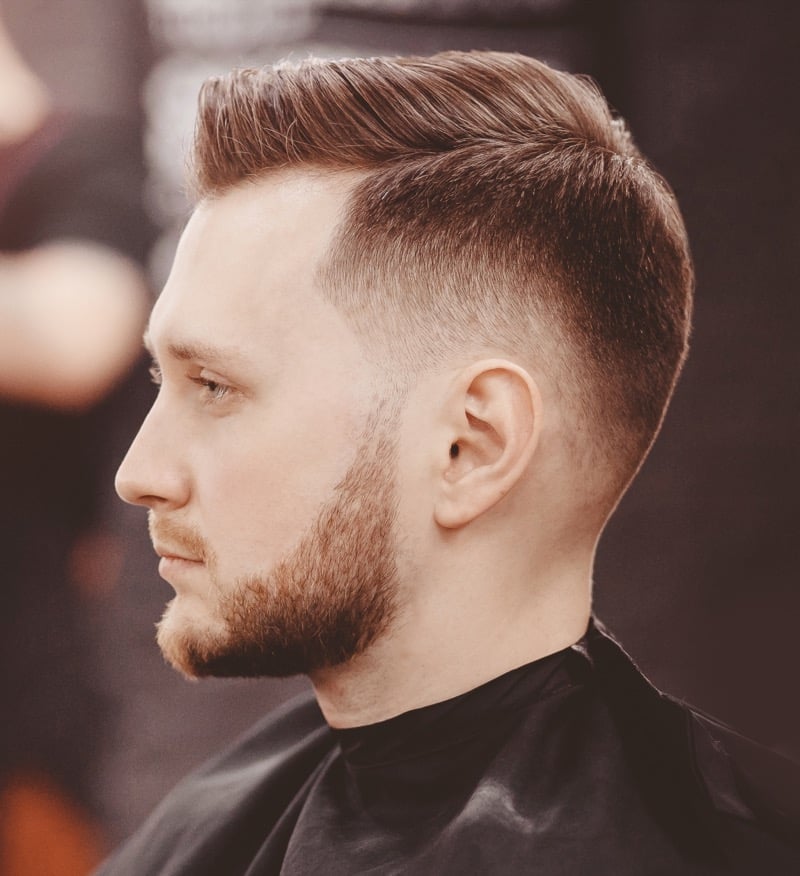
A side part pairs a defined parting with a shorter, neatly styled top. A burst fade introduces a curved transition at the ears while keeping the familiar silhouette of the cut.
A low burst fade works especially well for a conservative finish. On straight hair, the curved line is particularly visible.
Textured Top
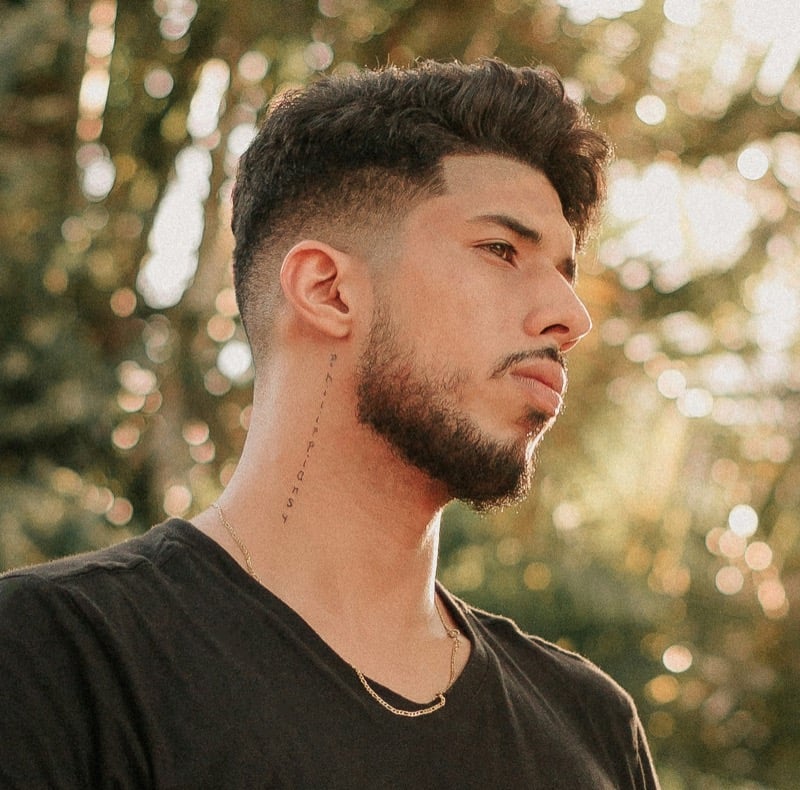
A textured top uses layers and varied lengths to create separation through the hair. A burst fade keeps the area around the ears closely cut, drawing attention to the texture above.
Work a little matte clay or paste through dry hair with your fingers to emphasize the layers and maintain a natural-looking finish.
Top Knot
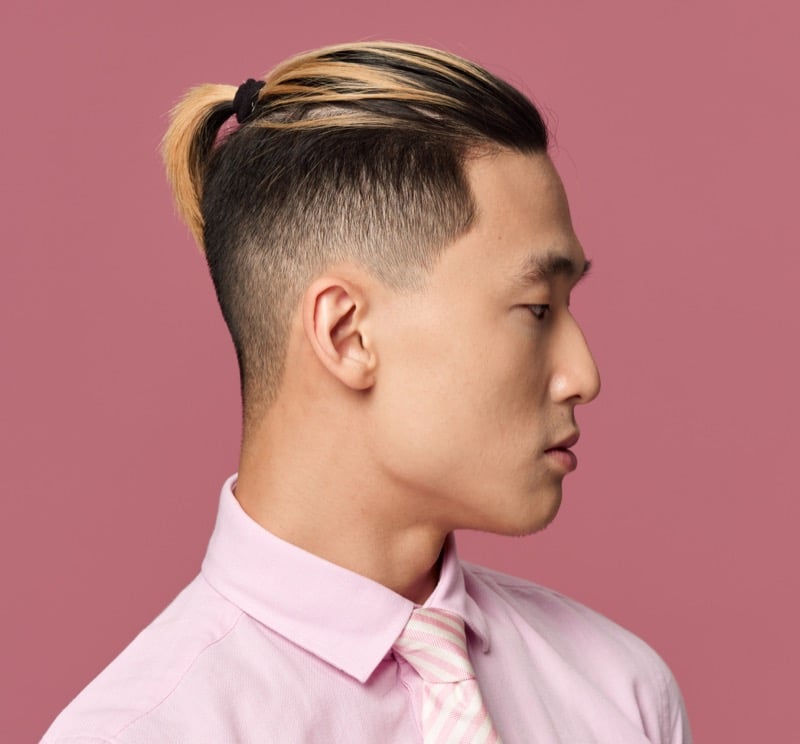
A top knot gathers long hair high on the head. A burst fade shortens the hair around the ears while preserving the longer sections needed to tie the hair back.
Around six inches of length on top is a useful starting point, although the amount needed depends on hair thickness and where the knot sits. A little styling cream can help manage loose strands.
How to Ask for a Burst Fade
- Say “burst fade” and trace the curve. Point to the temple, around behind the ear and down to the nape.
- Choose the height. Low, mid or high.
- Choose the finish. Down to skin, or a short guard for a softer burst taper.
- Say what stays at the back. If you’re growing a mullet or mohawk, tell your barber how much length to keep.
- Bring a photo. Burst fades vary a lot from one barber to another.
A touch-up every two to three weeks usually keeps the curved fade clearly defined, although the interval depends on how quickly the hair grows.
Burst Fade vs. Drop Fade
A drop fade descends behind the ear and continues across the back of the head. A burst fade concentrates the transition around the ear, preserving more length at the nape. A temple fade concentrates on the temples and sideburns. The broader differences are covered in the types of fade haircuts.