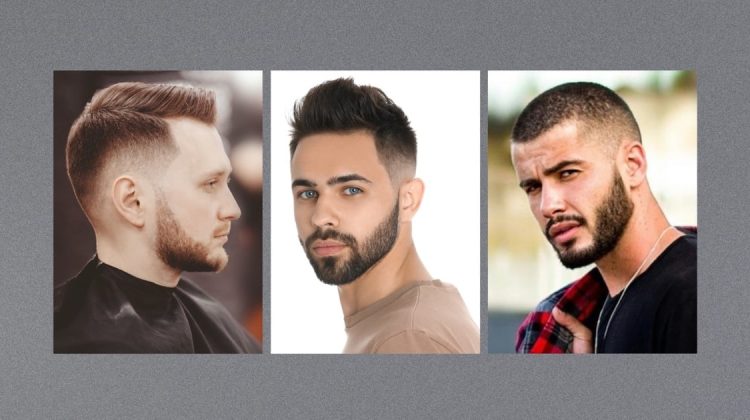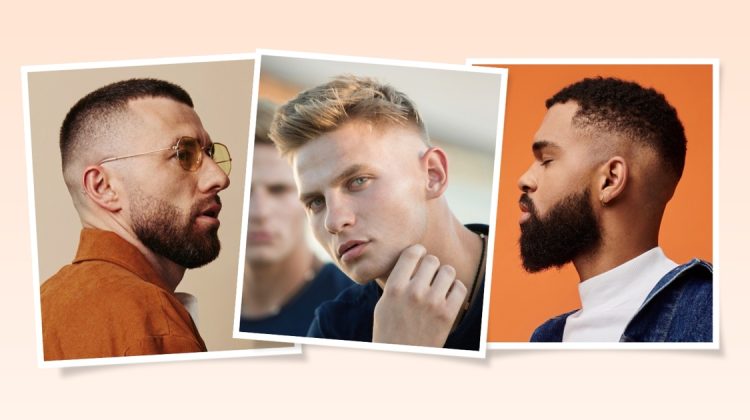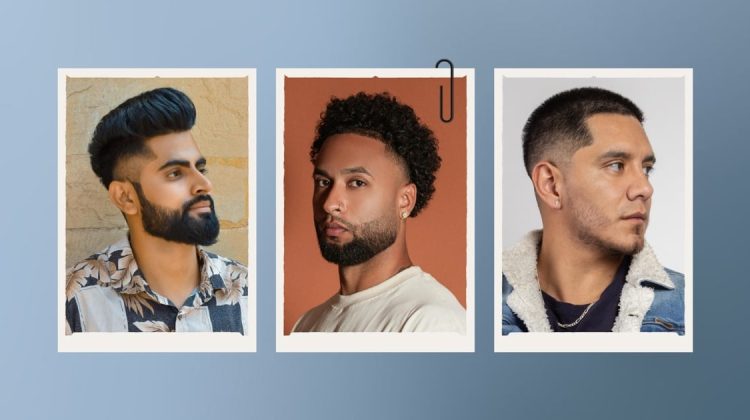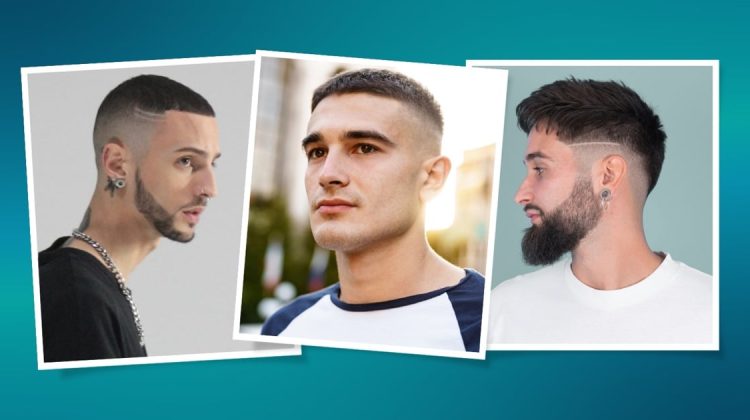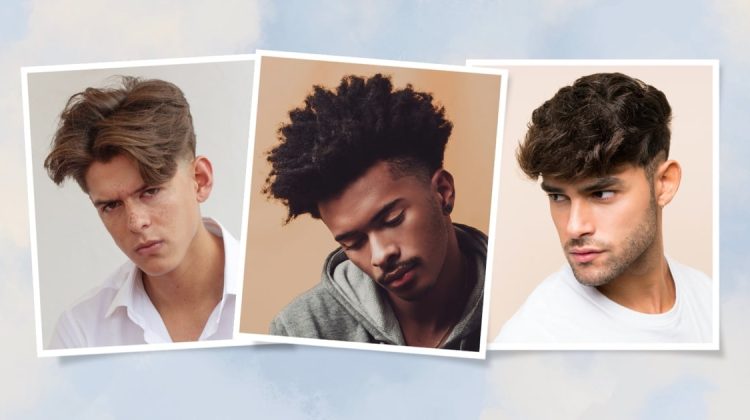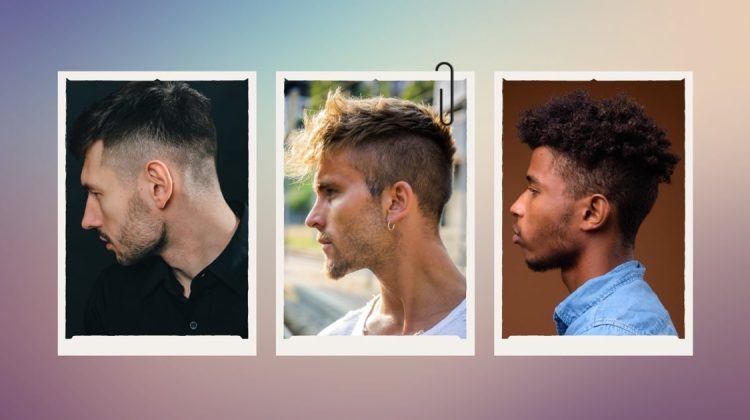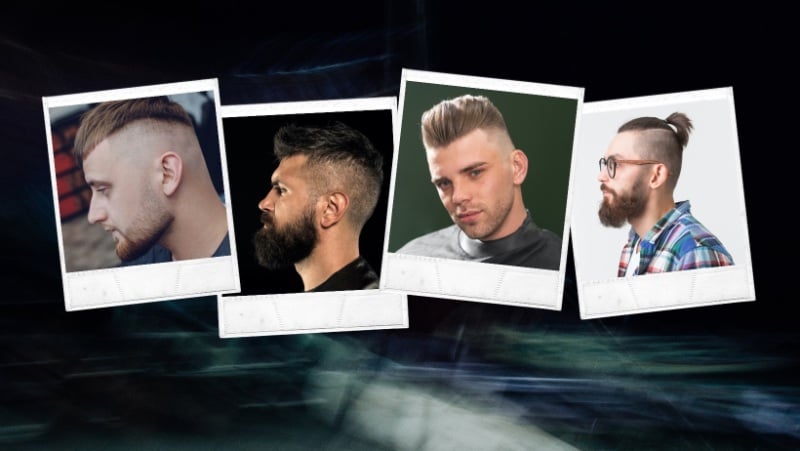
A high fade begins near the curve of the crown, leaving most of the sides closely clipped. From the front, the shorter sides put the emphasis squarely on the hair above them.
Of the three main fade heights, this one creates the strongest contrast. It works particularly well with close crops and taller styles, although the exposed sides make regrowth more noticeable.
What Is a High Fade?
The barber establishes a guideline high on the sides, often just below the parting line, then blends downward through shorter clipper guards. The large faded area allows a gradual transition, but also makes uneven patches easier to spot.
The finish and the shape determine the final appearance.
- Finish. A high skin fade, also called a high bald fade, takes the bottom down to bare skin for maximum contrast. A high fade can also stop at a short guard for a softer look, and a high taper only fades the sideburns and nape.
- Shape. Most high fades run straight around the head. A high drop fade curves down behind the ear, and a high burst fade arcs around the ear and leaves the back longer.
High Fade vs. Mid Fade vs. Low Fade
| Fade | Where it starts | Look |
|---|---|---|
| Low fade | Just above the ears and neckline | Subtle, keeps width at the sides |
| Mid fade | Around temple height | Clear contrast, still easy to wear |
| High fade | Where the head curves toward the crown | Bold, sides look almost fully short |
As the fade rises, the sides appear narrower from the front and the hair above them appears taller. The types of fade haircuts guide compares additional heights and finishes.
High Fade Haircuts
Buzz Cut High Fade
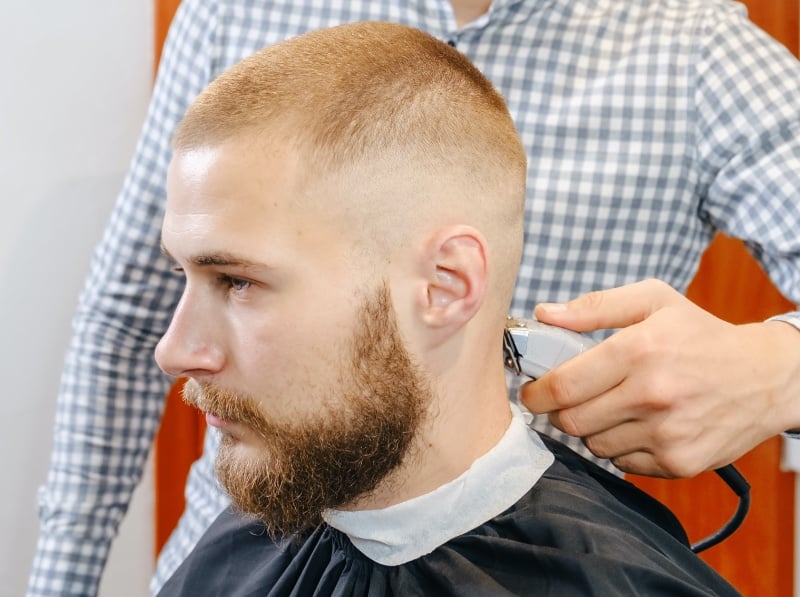
On a high fade buzz cut, a single clipper guard keeps the top uniformly short while the sides taper to skin. With so little length above, the visible transition does most of the work.
A #4 or #5 guard leaves enough length to show more natural texture. The buzz cut guide explains guard lengths in greater detail.
Caesar High Fade
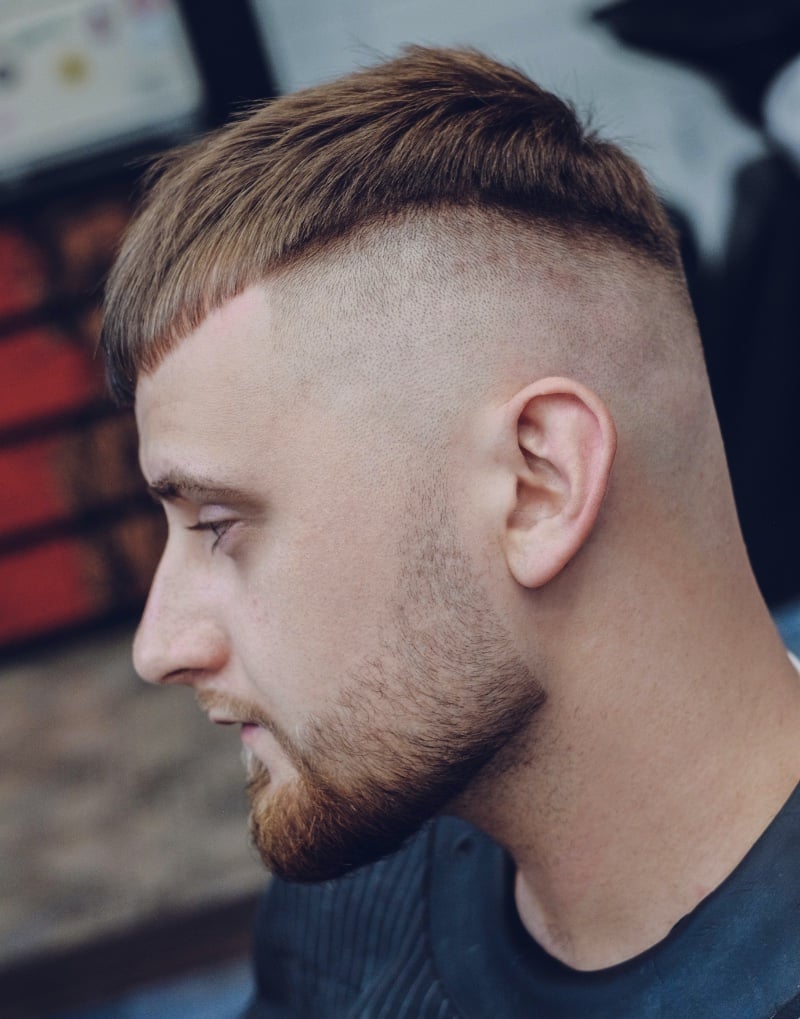
The Caesar has an even, short top and a straight fringe brushed across the forehead. Clipped high at the sides, it draws the eye to that horizontal fringe.
Straight hair makes the blunt edge especially apparent. A small amount of product is usually enough to keep it forward.
Comb Over High Skin Fade
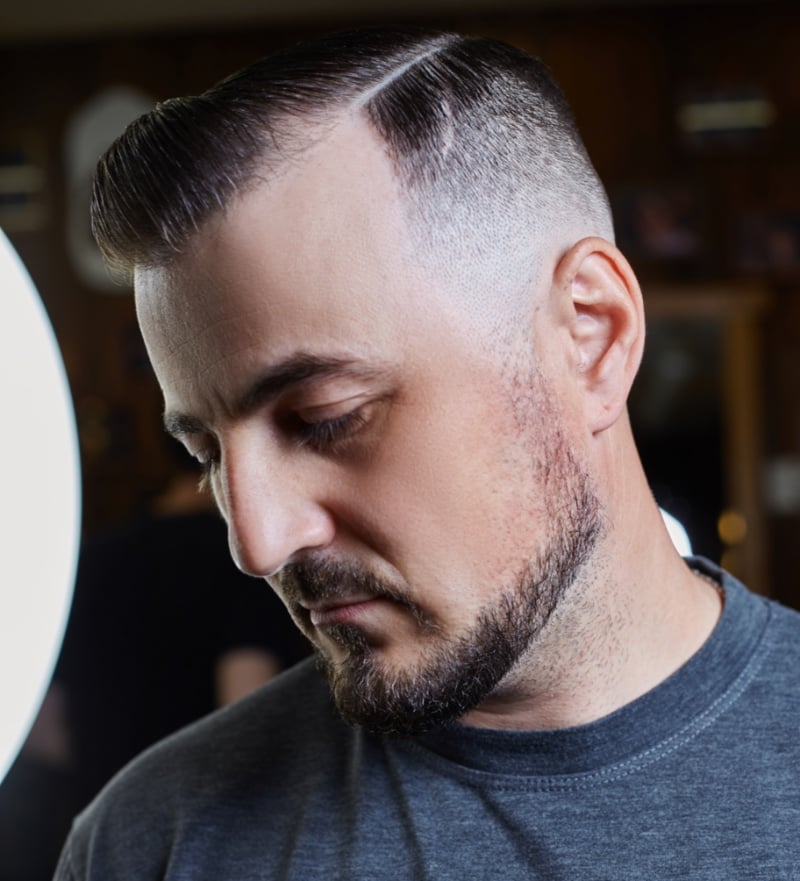
Two to four inches on top give the high fade comb over enough length to part and sweep sideways. Bare sides heighten the contrast with the longer hair, while the direction of the combing can help cover a thinning crown.
Blow-dry the hair in the direction of the part, then set it with pomade or a molding paste. A shaved hard part, like the one here, adds definition.
High and Tight

Borrowed from military barbering, the high and tight leaves a compact patch of hair above closely clipped sides and back. The high and tight fade replaces the abrupt boundary with a short transition.
The top needs little attention beyond a regular trim.
Mohawk High Fade

The mohawk keeps a longer strip of hair along the center of the head. A high fade graduates the sides instead of shaving them to one length, changing the outline while retaining the central strip.
Spike the strip with a strong gel or matte clay. For a version that keeps length at the back, see the burst fade.
Pompadour High Fade
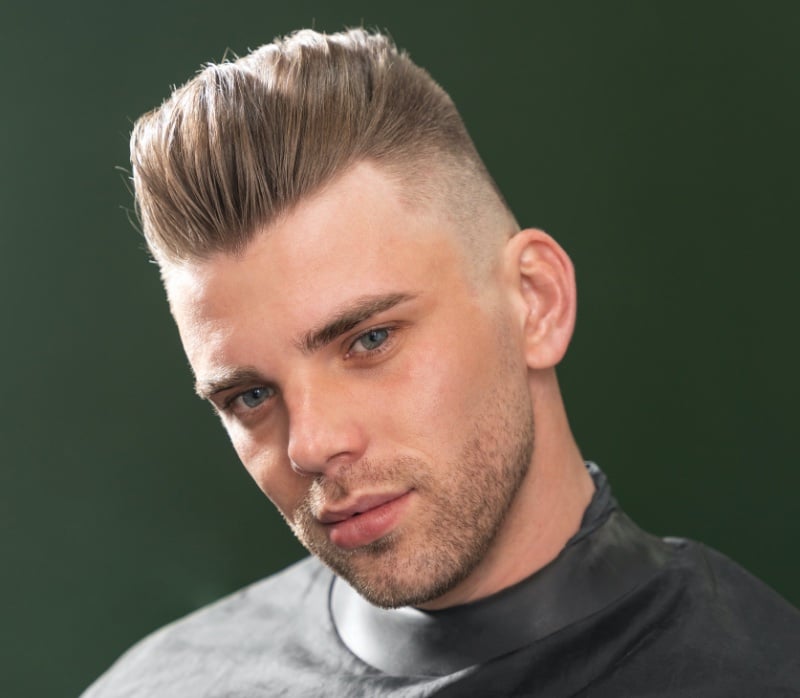
The pompadour lifts the front hair upward and sweeps it back. Clipping the sides high exaggerates that height, a more pronounced variation on the volume associated with midcentury pompadours.
A round brush and blow-dryer create the lift; pomade helps it hold. The taller the front, the more daily styling it requires.
Quiff High Fade
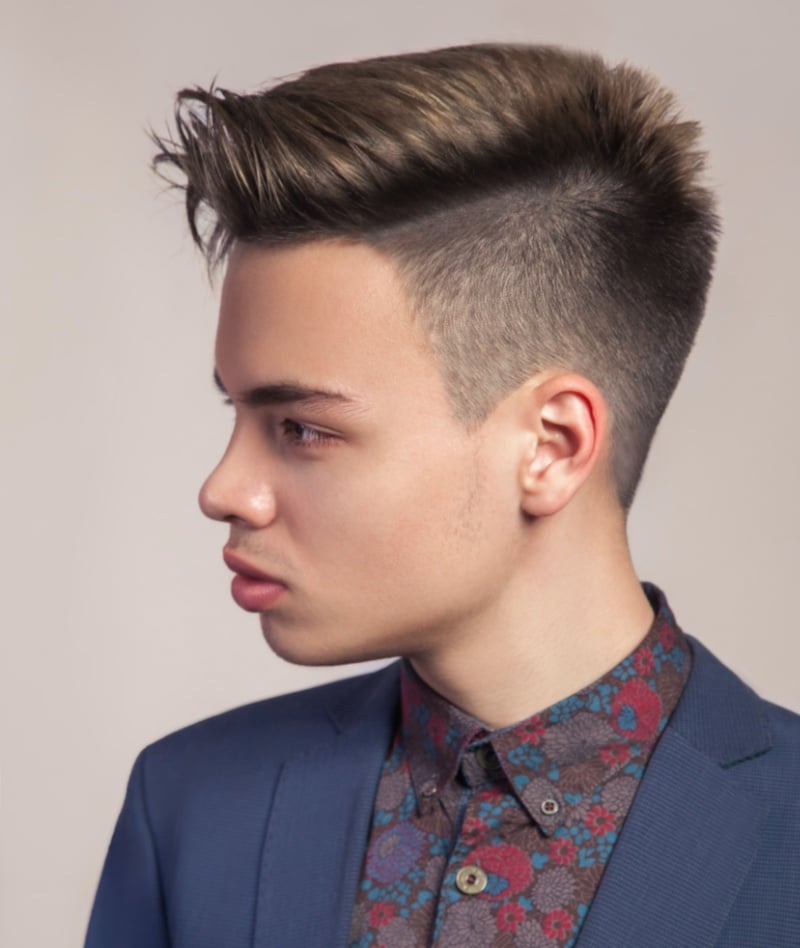
A quiff lifts the front away from the forehead, usually with a less uniform shape than a pompadour. The close sides give the lifted front a particularly distinct silhouette.
A matte paste keeps the finish separated and informal; combing it back produces a neater profile.
High Skin Fade
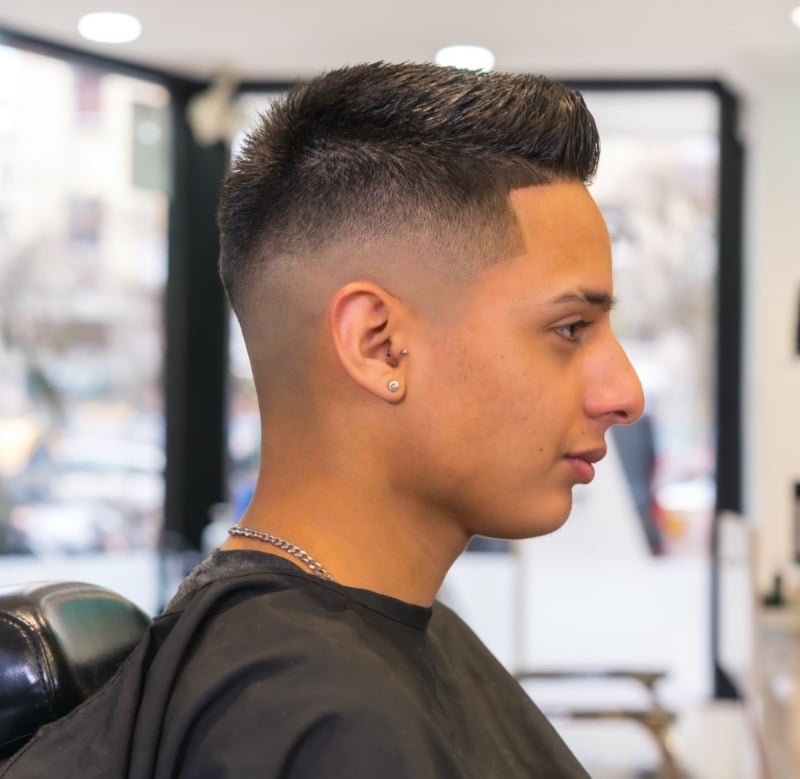
A high skin fade, also called a high bald fade, continues the blend all the way to bare scalp. A foil shaver or razor removes the remaining stubble below the fade.
Even slight regrowth changes the contrast against exposed skin. A touch-up every 10 to 14 days keeps the finish close. The skin fade guide covers the technique in more detail.
Slick Back High Fade
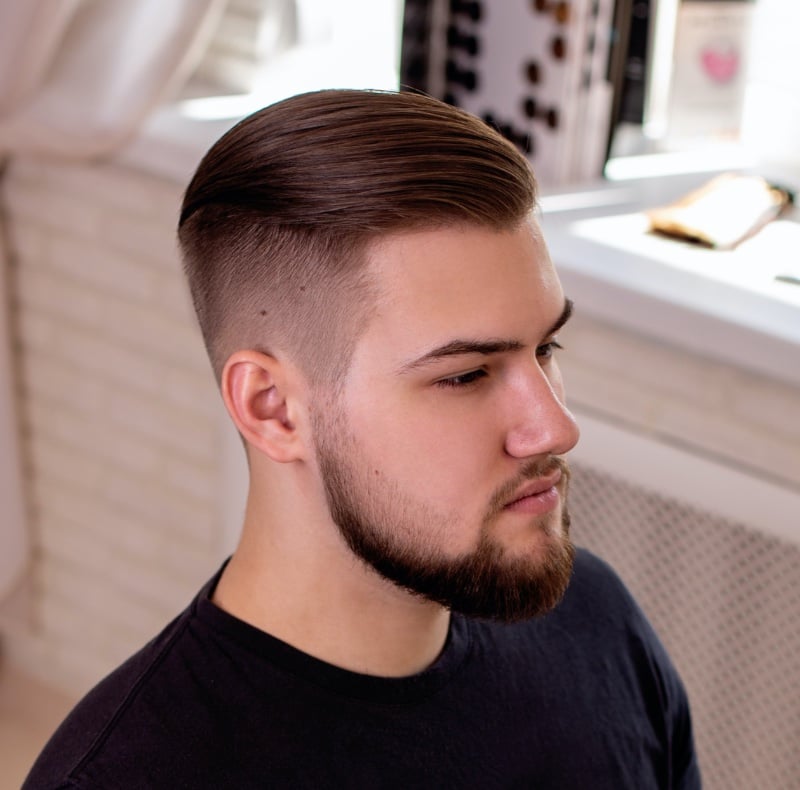
With a slick back, longer hair is combed directly away from the forehead. The high fade exposes the sides and emphasizes the uninterrupted sweep of hair across the top.
Straight and wavy hair are easiest to direct backward. Pomade adds shine, while a matte cream leaves a less glossy surface.
High Taper Fade
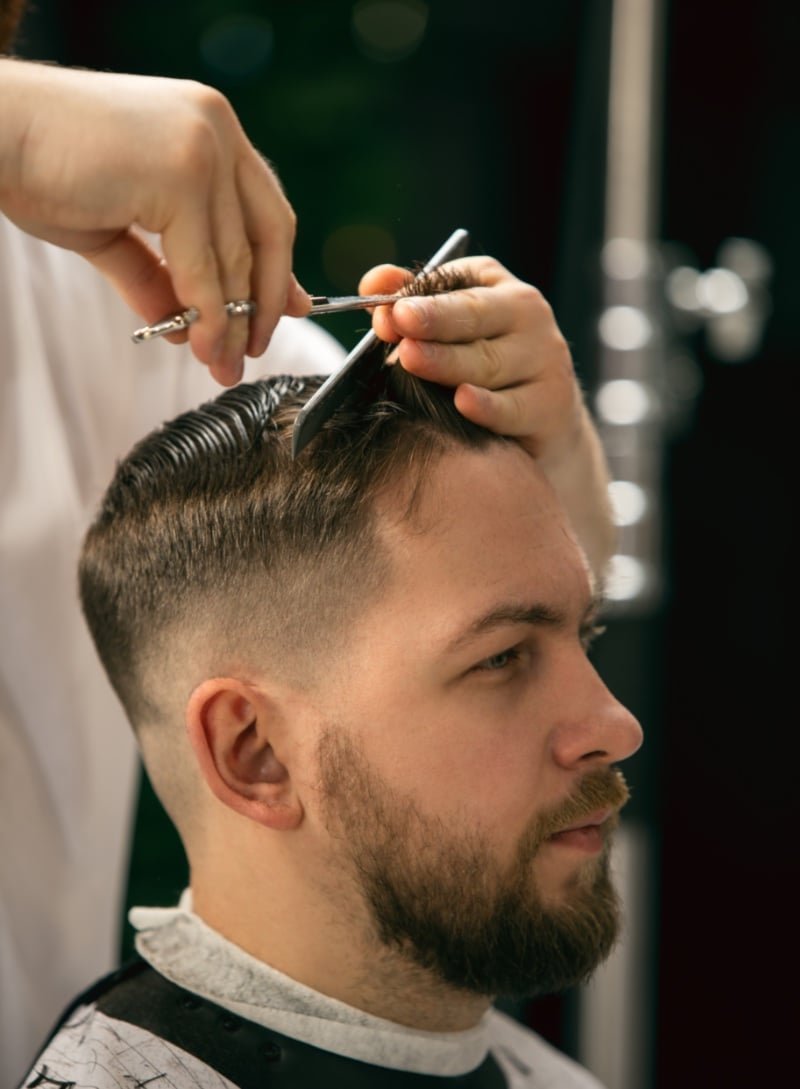
A high taper concentrates its shortest lengths around the sideburns and nape, preserving more hair elsewhere than a full high fade. It offers a less severe outline for conventional short styles.
The shape can accompany a comb over, quiff or curly top. The high taper fade has enough variations to warrant its own treatment.
Textured High Fade

Short layers create the uneven surface of a textured top, often pushed forward into a choppy fringe. The closely cut sides make the individual pieces more apparent.
Rub a small amount of matte clay between your hands and separate the ends with your fingers.
Top Knot with High Fade
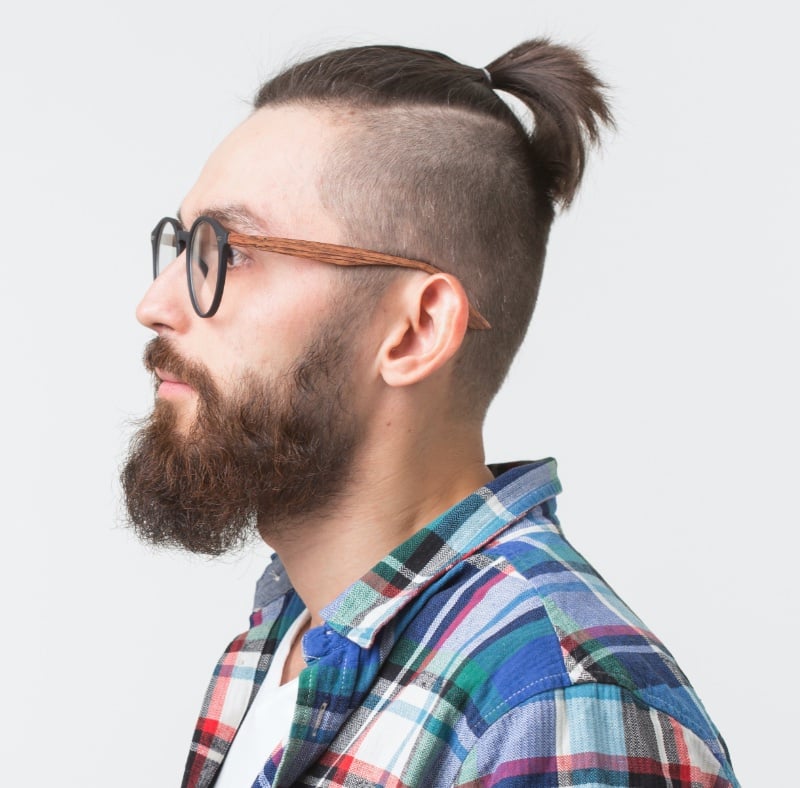
A top knot gathers longer hair at the crown, leaving the high-faded sides exposed. The contrast makes the tied section look more prominent from every angle.
At least six inches on top makes tying it practical. A little styling cream helps gather shorter strands.
Undercut High Fade
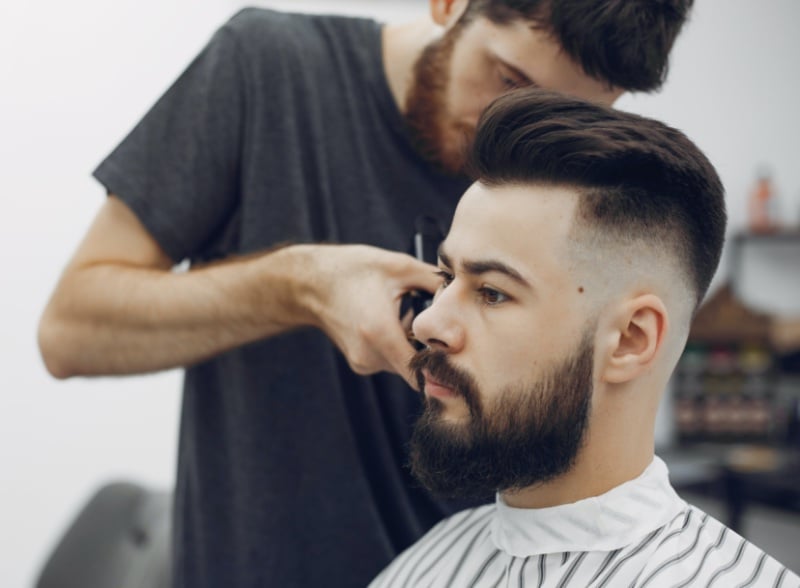
An undercut retains length on top while cutting the sides much shorter. Its traditional disconnected edge becomes a graduated transition when paired with a high fade.
The longer section can be worn backward, lifted into a quiff or pompadour, or tied up.
How to Ask for a High Fade
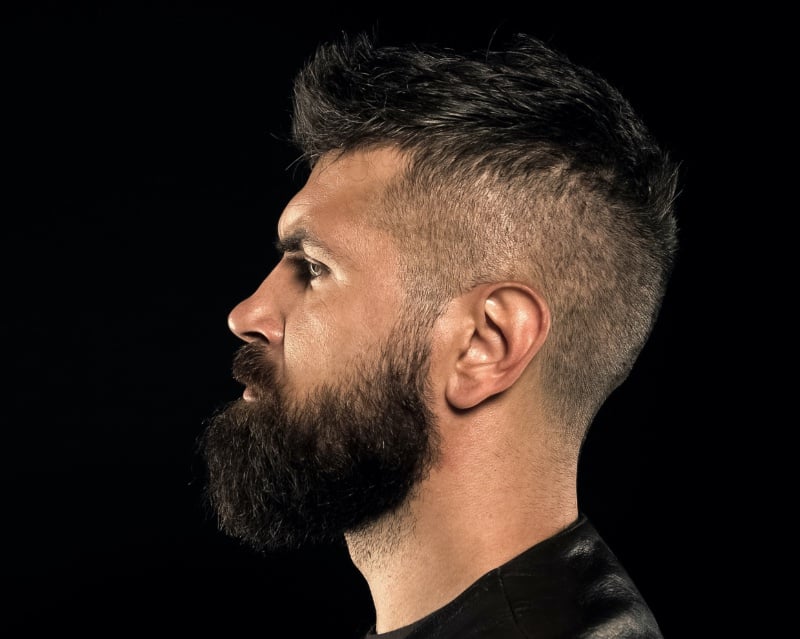
- Say "high fade" and point to where it should start. Usually just below where your head curves toward the crown.
- Choose the finish. Skin for a high skin fade, or a short guard for something softer.
- Mention any shape. Taper, drop or burst.
- Say what stays on top. In inches, or by naming the style.
- Bring a photo. High fades vary a lot from one barber to another.
For a closely maintained outline, allow roughly two to three weeks between cuts. Skin finishes generally show regrowth sooner.