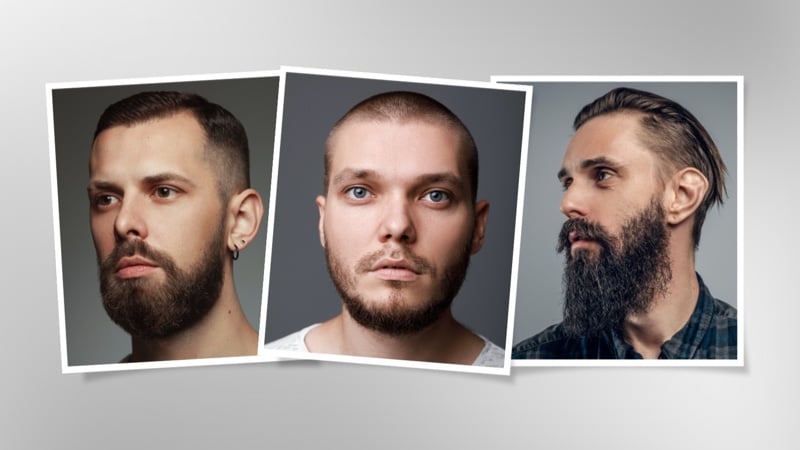
Haircuts for men with thin hair change how the available hair sits, separates and meets the shorter sides. A compact crop can keep the ends together, while a low quiff lifts the front. Fine strands and low density call for different decisions, and thinning can affect the hairline, crown or both. These men's haircuts range from close buzz cuts to longer parted styles, with the amount of coverage depending on the hair present.
Why Short, Textured Cuts Work for Thin Hair
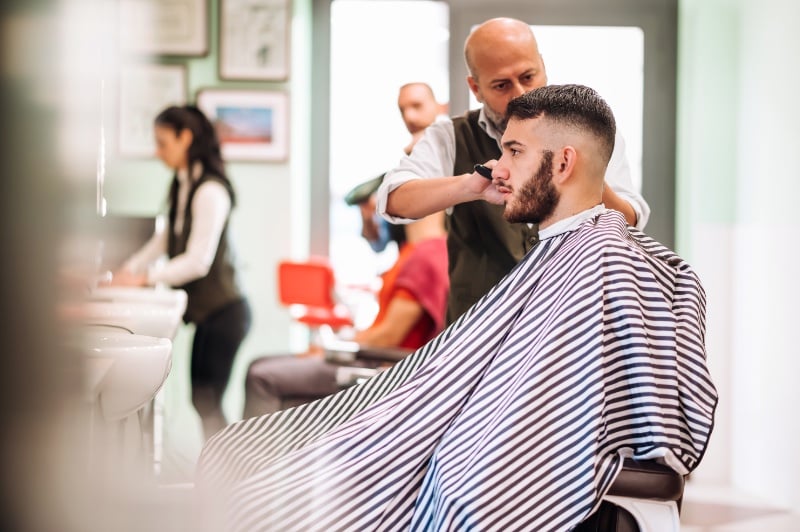
Shorter lengths carry less weight, making the front easier to lift. Small differences in length can break up a flat surface, while closer sides reduce bulk around the temples. Texturizing needs a light hand, since removing too much hair can expose more scalp. The aim is to preserve useful coverage while shaping the top.
Fine describes the diameter of individual strands; low density means fewer hairs across an area. Thinning describes a loss of fullness over time and may involve finer strands as well as reduced density. A cut should account for the location of that change. For the front, haircuts for a receding hairline address the front and include options for more advanced hair loss.
Haircuts for Men with Thin Hair
These 15 cuts use different lengths and styling directions. Some retain coverage at the front, while others expose the hairline and keep the whole shape close.
Crew Cut

The crew cut leaves a little extra length at the front, shortening toward the crown above close sides. That small rise can lift fine hair, while the shorter crown avoids long strands lying in separate tracks. Among short haircuts, it leaves room to adjust the front according to density and growth direction.
Faux Hawk
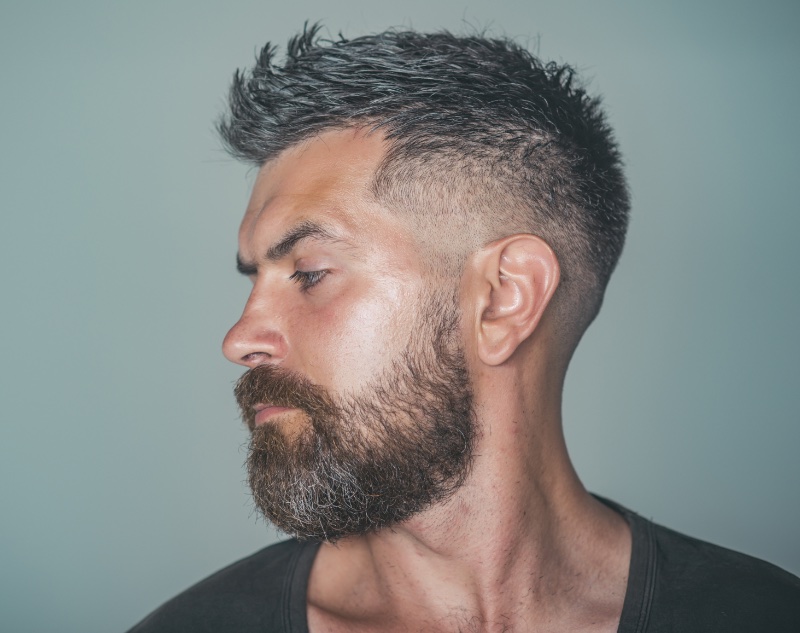
A faux hawk draws the top toward a central ridge, retaining more hair at the sides than a shaved mohawk. The ridge needs enough density to hold together, since pulling sparse sections inward can expose gaps beside it. A lower peak keeps the lifted section compact.
Tapered Haircut
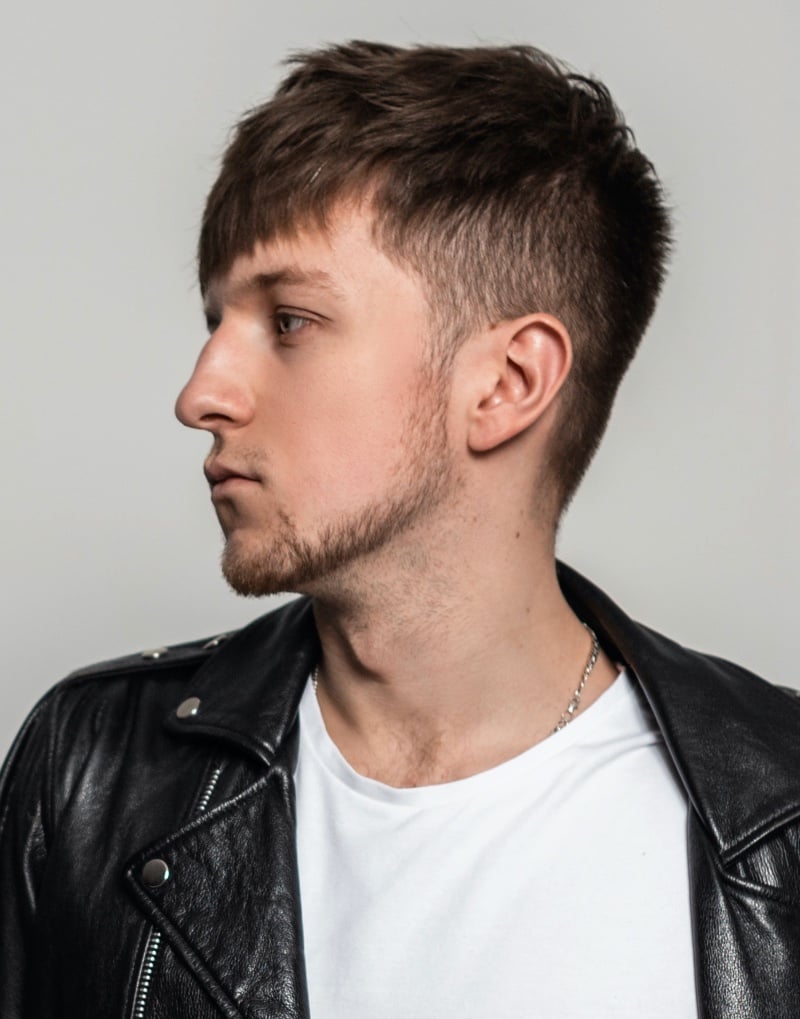
A tapered haircut gradually shortens the hair toward the ears and neckline, leaving visible hair through more of the sides. A quiff or comb over can sit above that graduation. The low taper fade concentrates the closest clipping at the sideburns and nape.
Classic Pompadour
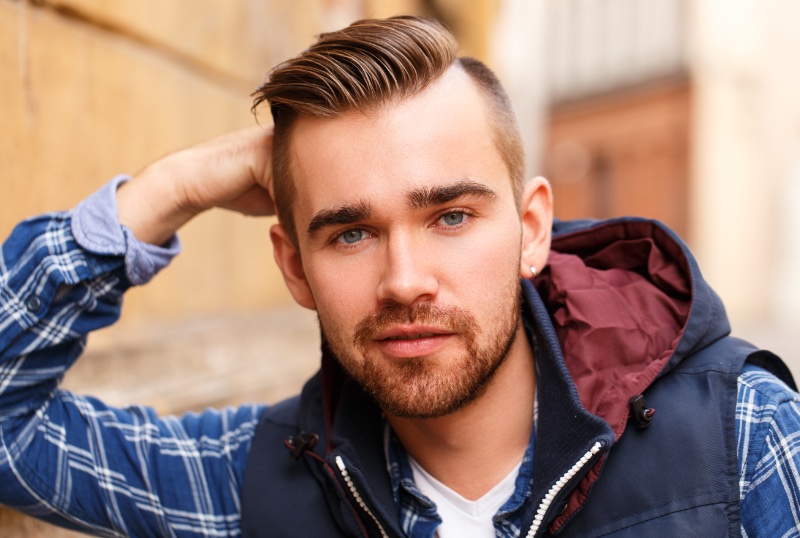
The pompadour raises a fuller section above the forehead and sweeps it back toward the crown. It needs enough hair at the front to form a continuous curve, so fine strands with good density suit it better than a sparse hairline. A high fade exposes more of the sides beneath that lifted top.
Spiky Hair

Short spikes lift the ends into separate points instead of letting the top lie flat. Keep the sections small and loosely grouped, as thick clumps can reveal channels of scalp between them. A small amount of wax or gel can define the tips; adding more may collapse fine strands or join them into heavier pieces.
Buzz Cut
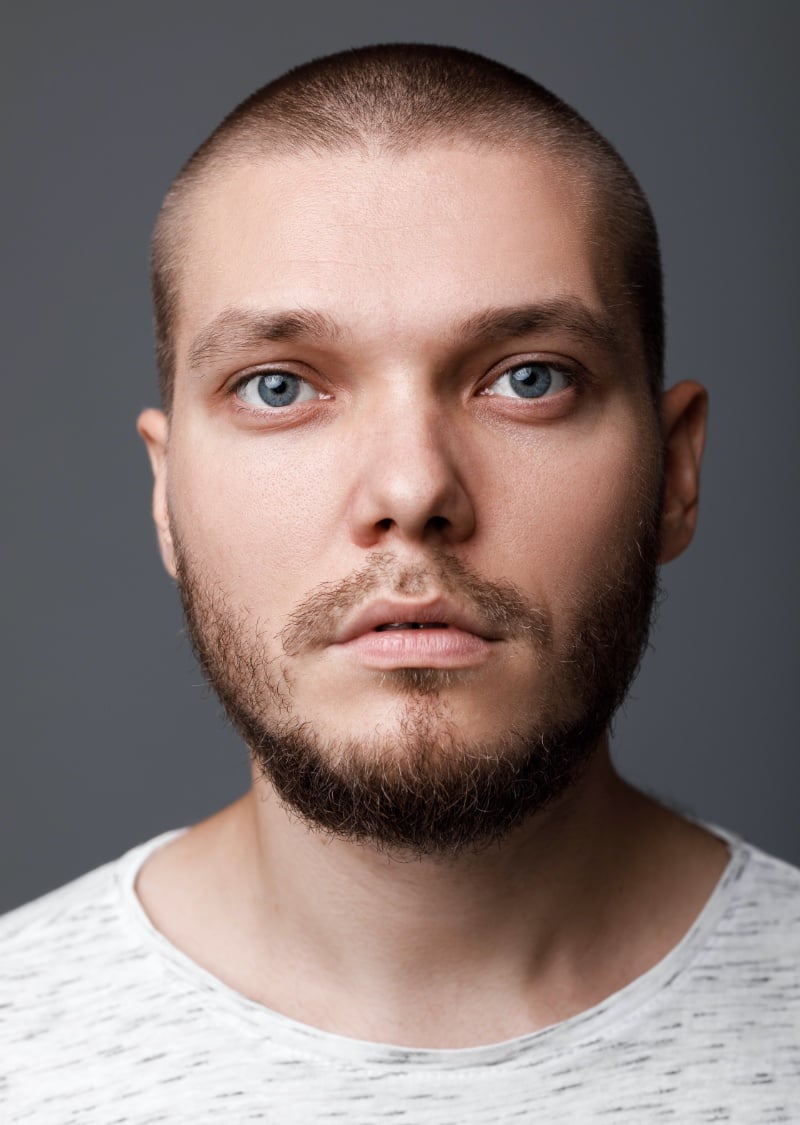
A buzz cut follows the scalp closely, reducing the difference between long, dense sections and shorter, sparse ones. It exposes the scalp instead of covering it, and hair color and density affect the contrast. The range extends from a close induction cut to a longer burr cut or a buzz with faded sides.
Mop Top
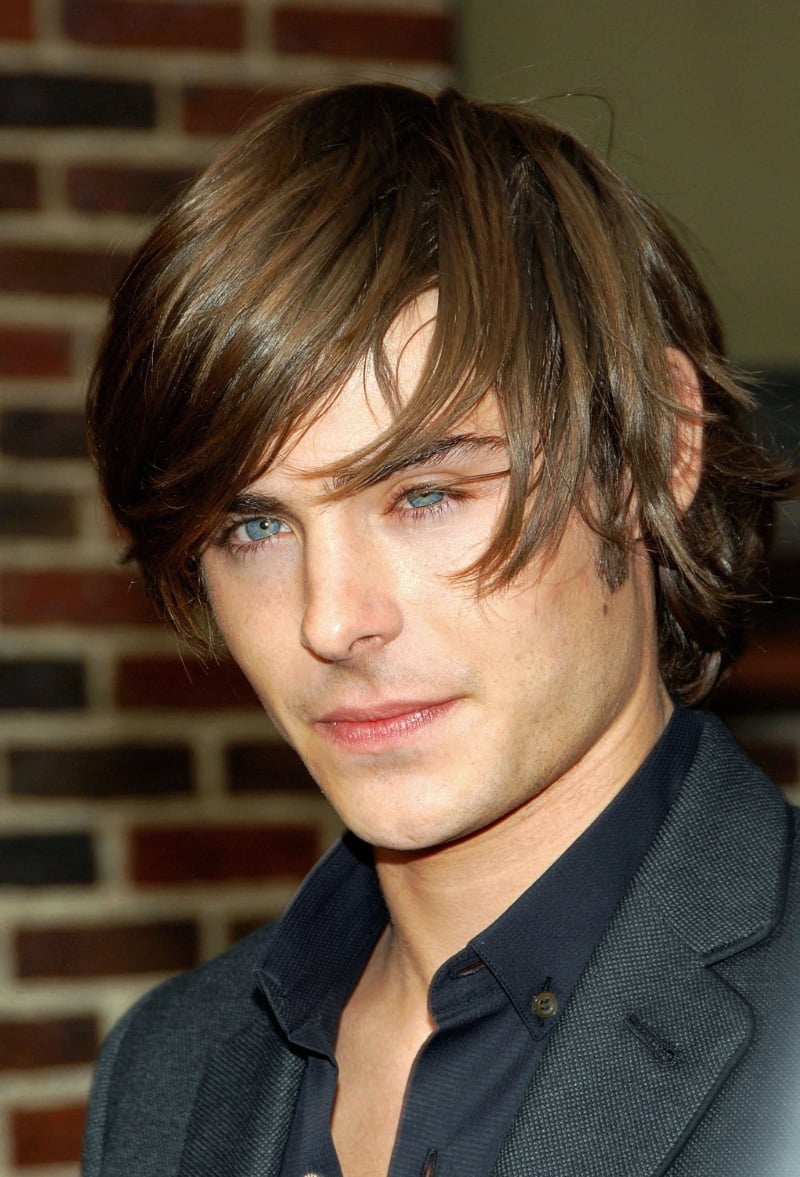
A mop top carries length forward over the forehead and ears, with a rounded outline and a loose fringe. Fine hair with good density can retain a full lower edge in this shape. Where the top is sparse, longer sections may separate, so keep enough weight in the fringe and avoid excessive thinning through the crown.
Slick Back
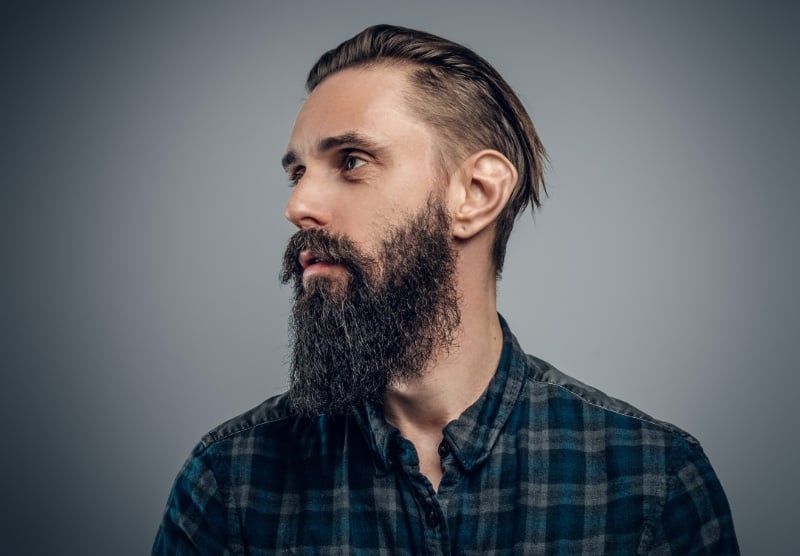
The slick back directs a longer top away from the forehead, exposing the hairline. It can make scalp visible between the combed sections, especially where density is low. A looser finish with modest root lift keeps the strands less compressed than a flat, wet-looking treatment.
Skin Fade
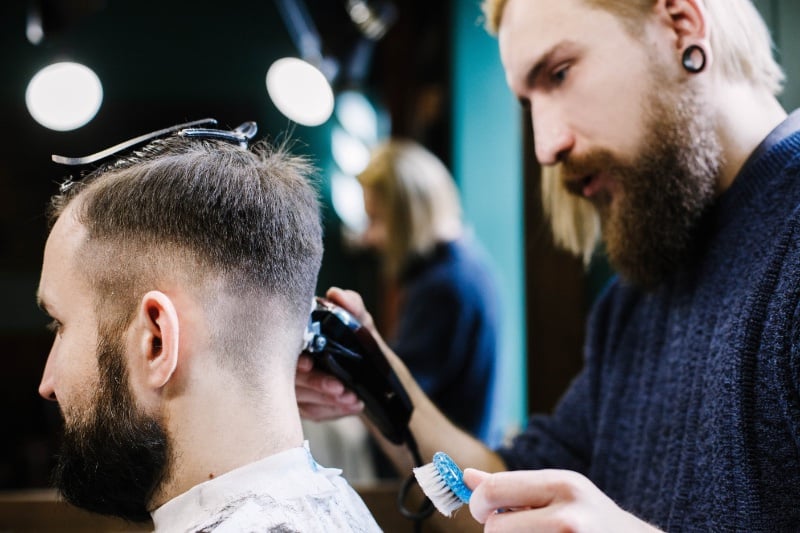
A skin fade ends in bare skin at the lowest part of the sides and back. Its height is a separate choice. A dense top can look fuller beside those exposed sides, while a sparse crown remains visible. Choose the top's length for the coverage available instead of relying on contrast alone.
Undercut

An undercut separates the longer top from closely clipped sides through an abrupt change in length. Fine hair can fall over that junction, but a long, sparse top may split into strands. Keeping the top compact and preserving weight at its edges gives the cut a more continuous outline.
Textured Crop

Short, uneven ends give the textured crop a broken surface above tapered or faded sides. Light point cutting can separate the tips while leaving enough hair beneath for coverage. A forward fringe may soften the visible hairline if density permits. The French crop makes that fringe a defining feature.
Quiff

A quiff lifts the front and bends it back, concentrating height above the forehead. A lower version needs less length and is less likely to fall into separate strands than a tall front. Dry the roots upward, then use a small amount of a suitable finishing product to preserve the lift.
Ivy League

The Ivy League extends the front of a crew cut enough for a side part. The sweep can overlap adjacent sections where density allows, though a sharply opened part also exposes a line of scalp. Keeping that division softer can suit a finer top.
High & Tight

Very short sides rise high toward the top in the military-inspired high and tight, leaving a compact area of longer hair above. Its close outline reduces the amount of daily styling. Sparse areas remain visible, and the shortest length should be chosen with that scalp exposure in mind.
Caesar Cut
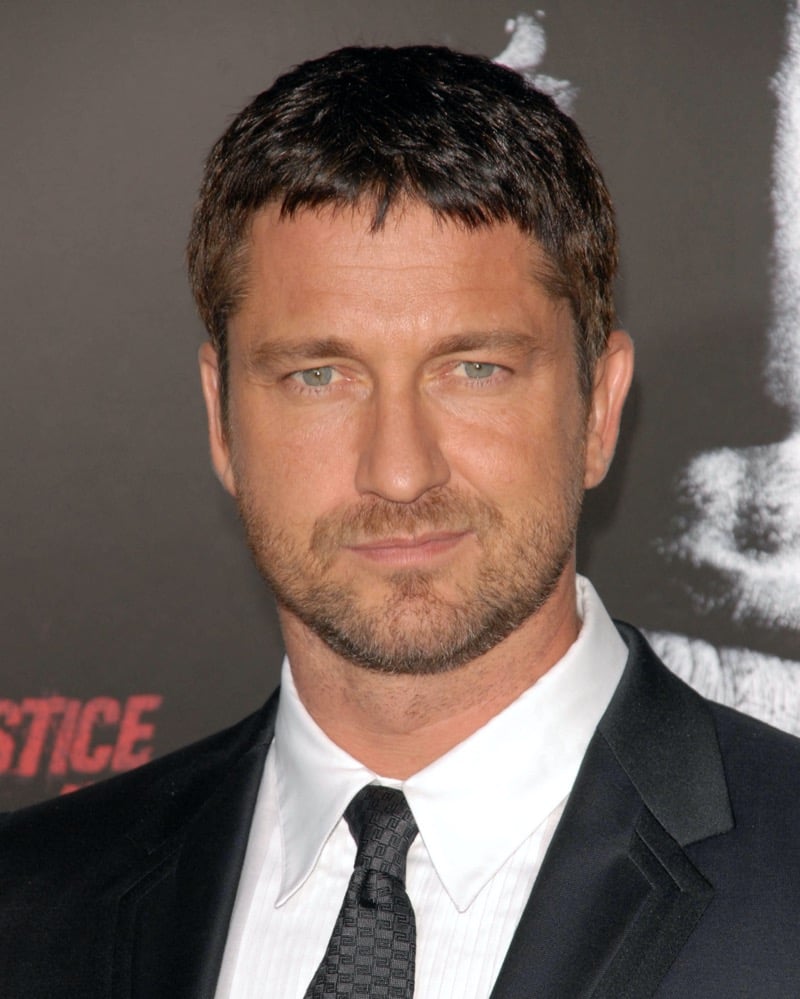
The Caesar cut brushes short hair forward into a small horizontal fringe. That direction can cover part of the front hairline where enough hair remains, while a short crown avoids the weight of longer sections. The fringe can have an even edge or lightly separated ends, depending on its density.
What Causes Thinning Hair
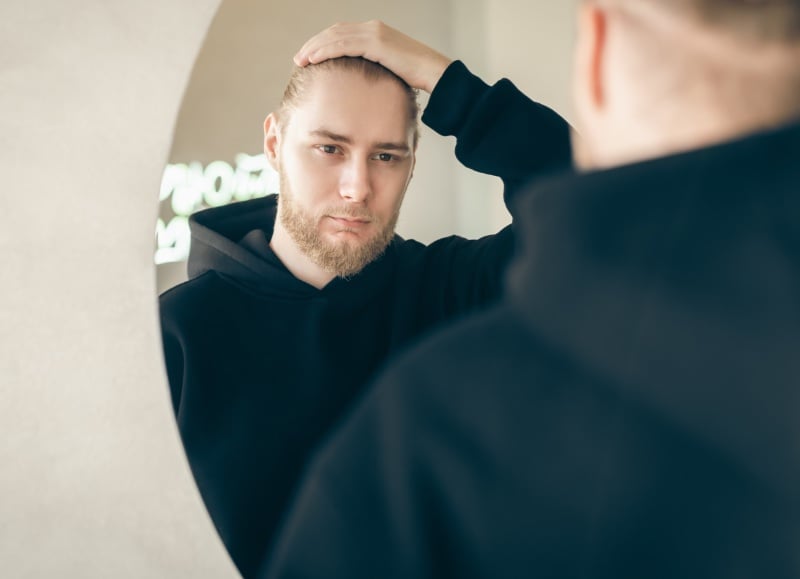
Normal shedding is part of the hair's growth cycle. Inherited pattern hair loss, hormonal changes, stress and illness can alter growth or shedding, and the cause affects treatment. Cleveland Clinic estimates hereditary pattern hair loss affects around 80 million people in the U.S., including men and women. WebMD reports that about 85% of men have major hair thinning by age 50.
How to Care for Thin Hair
Gentle care can reduce breakage and help the available hair retain its shape. It does not stop inherited pattern hair loss.
- Use heat carefully. Lift the roots with a dryer on a low heat setting, keeping the airflow from lingering on one spot.
- Massage shampoo into the scalp and rinse it through the lengths. Apply conditioner where needed, using a smaller amount on fine hair if richer formulas flatten it.
- Start with small amounts of styling product. Mousse can support lift during drying, while a little paste can separate the ends. Product weight and application matter more than a matte or glossy label.
- Avoid sustained tension from tight ponytails or buns. Repeated pulling can cause traction alopecia, a different problem from strands clumping under heavy styling products.
- Trim when the outline loses its shape or the front becomes harder to lift. The interval depends on the cut's length and growth, so a fixed schedule will not suit every style.
Treatment Options

A dermatologist can identify the cause of hair loss and discuss treatment. For male pattern hair loss, topical minoxidil and prescription finasteride can reduce further loss, and some men see regrowth. Benefits vary, take time and generally require continued use. Discuss possible side effects and suitability before starting treatment. A haircut changes the appearance of coverage while treatment addresses the diagnosed cause.





