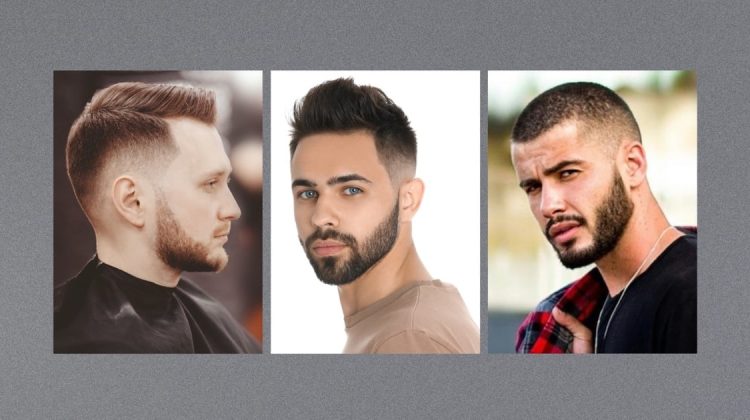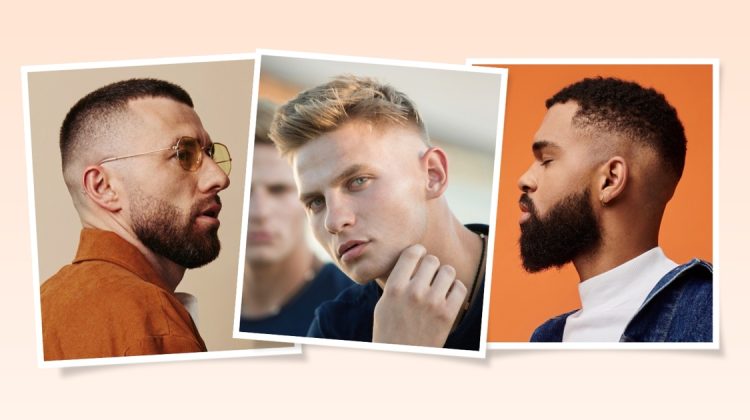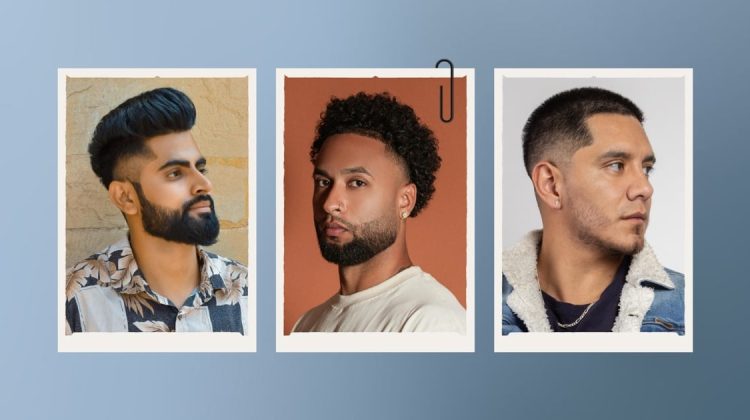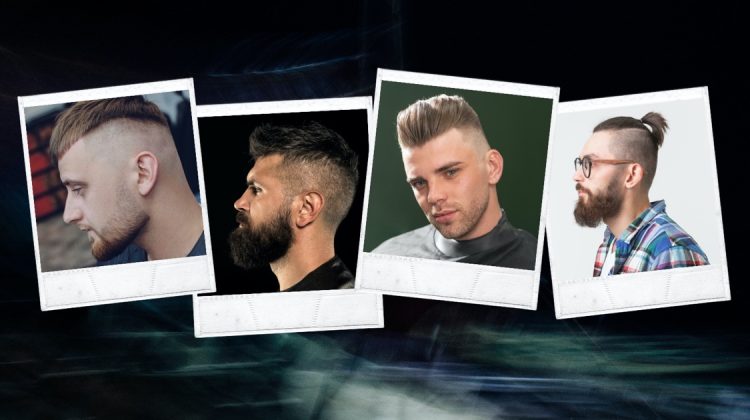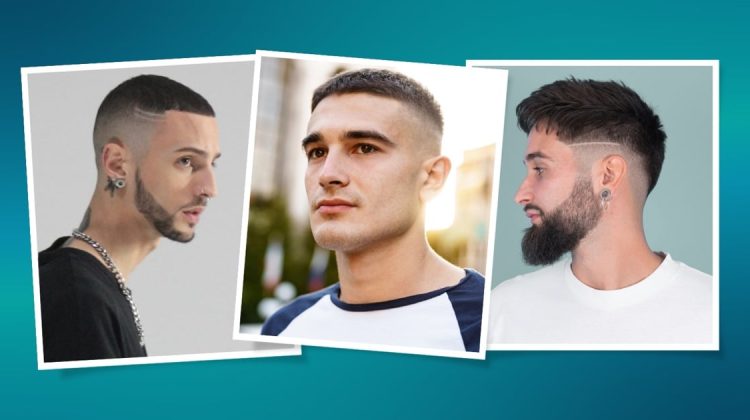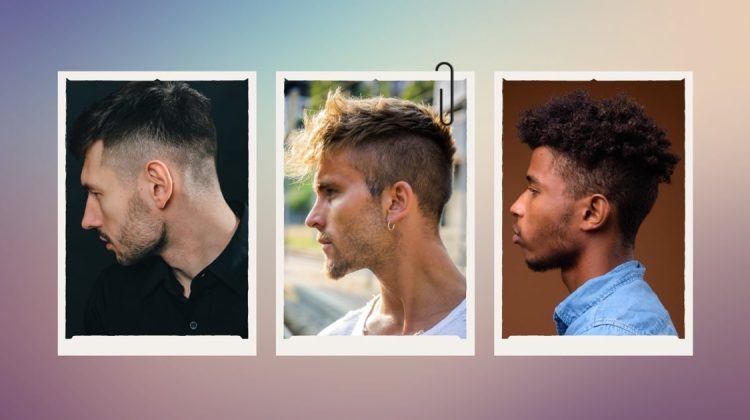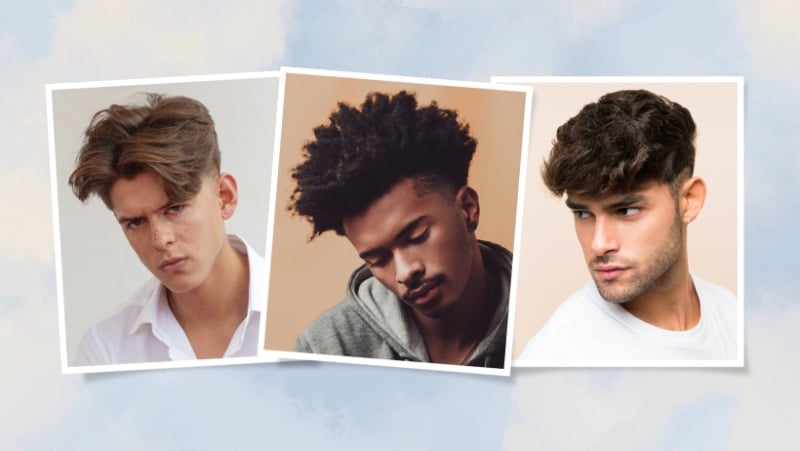
A low fade starts just above the ears and blends down to very short hair or skin along the neckline. Because the blend sits so low, most of the hair on the sides stays put, which makes it the most understated fade you can ask for.
The low placement suits longer styles and traditional short cuts alike, particularly when a pronounced band of closely clipped hair would change the silhouette.
What Is a Low Fade?
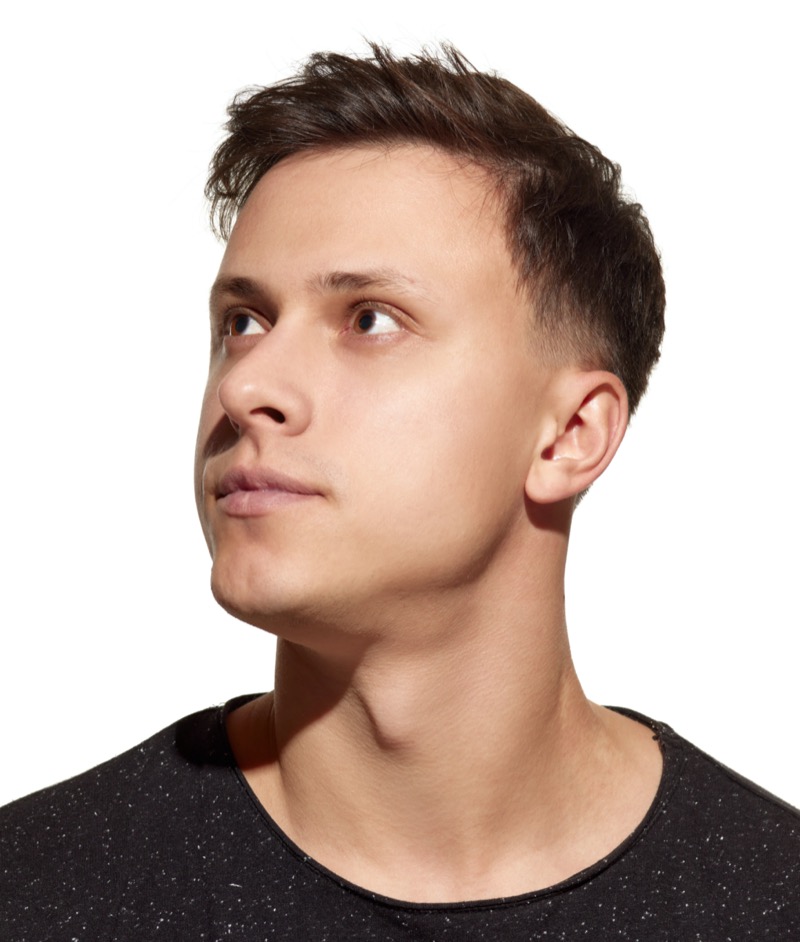
The barber sets a guideline about a finger’s width above the ear and carries it in a level line around the back, just above the neckline. Below it, the hair is taken down through shorter guards to the shortest length at the edge. Above it, the sides keep their usual length and are blended into the fade so there’s no ledge.
The placement stays low, but the outline and shortest length can vary:
- Low skin fade: the bottom is shaved down to bare skin. Also called a low bald fade.
- Low drop fade: the line dips behind the ear toward the nape. See the drop fade.
- Low burst fade: the fade curves around the ear and leaves the back long. See the burst fade.
- Low temp fade: only the temples and sideburns are faded. See the temple fade.
Low Fade vs. Low Taper Fade
A low fade runs right around the head. A low taper fade only fades the sideburns and nape, leaving the hair above the ears longer. The taper is subtler still, and it grows out more evenly.
Low Fade vs. High Fade
A high fade starts up where the head curves toward the crown, so the sides look almost entirely short. A low fade keeps width at the sides and is easier to grow out. A mid fade sits in between.
Low Fade Haircuts
Low Fade for Straight Hair
The cut above shows a low fade on straight hair. Straight hair shows a fade line very clearly, so a low fade is a good way to keep the blend subtle. Comb the top forward or to the side with a light styling cream.
On straight hair, the transition becomes more visible as it grows, particularly around the ear.
Low Top Fade
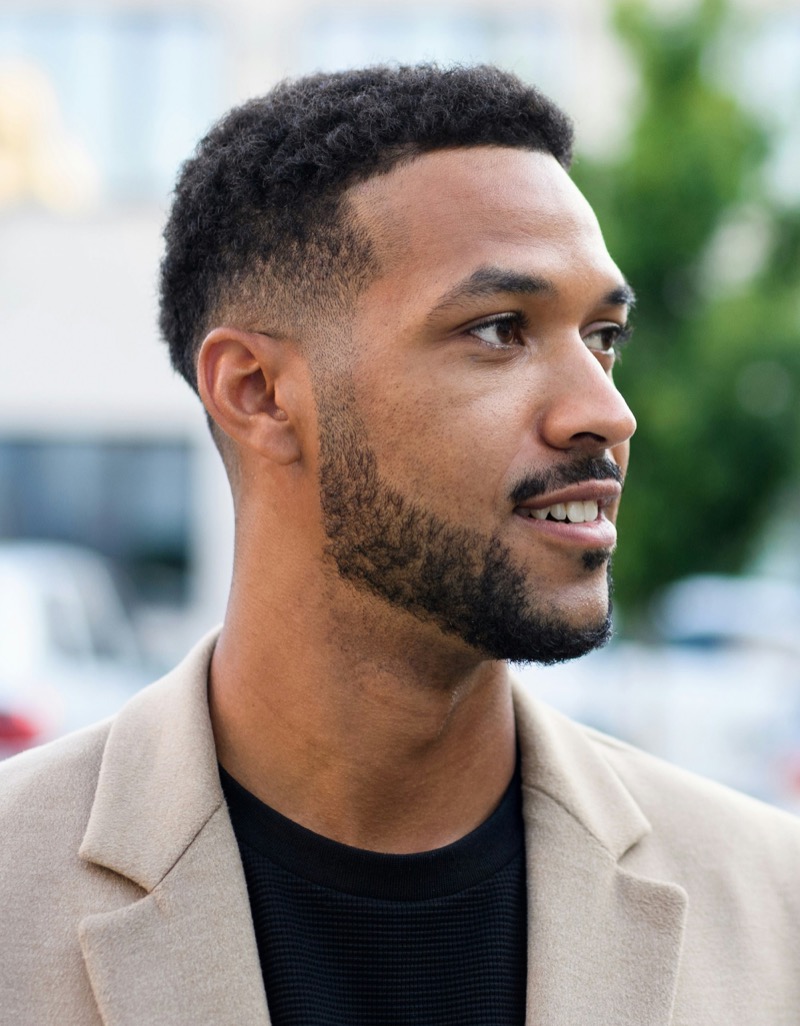
A low top fade pairs a closely cropped top with a narrow fade at the perimeter. On curly or coily hair, the short, rounded silhouette puts the emphasis on the hairline.
A line-up between full cuts can sharpen the forehead and temple edges.
Medium Hair Low Fade
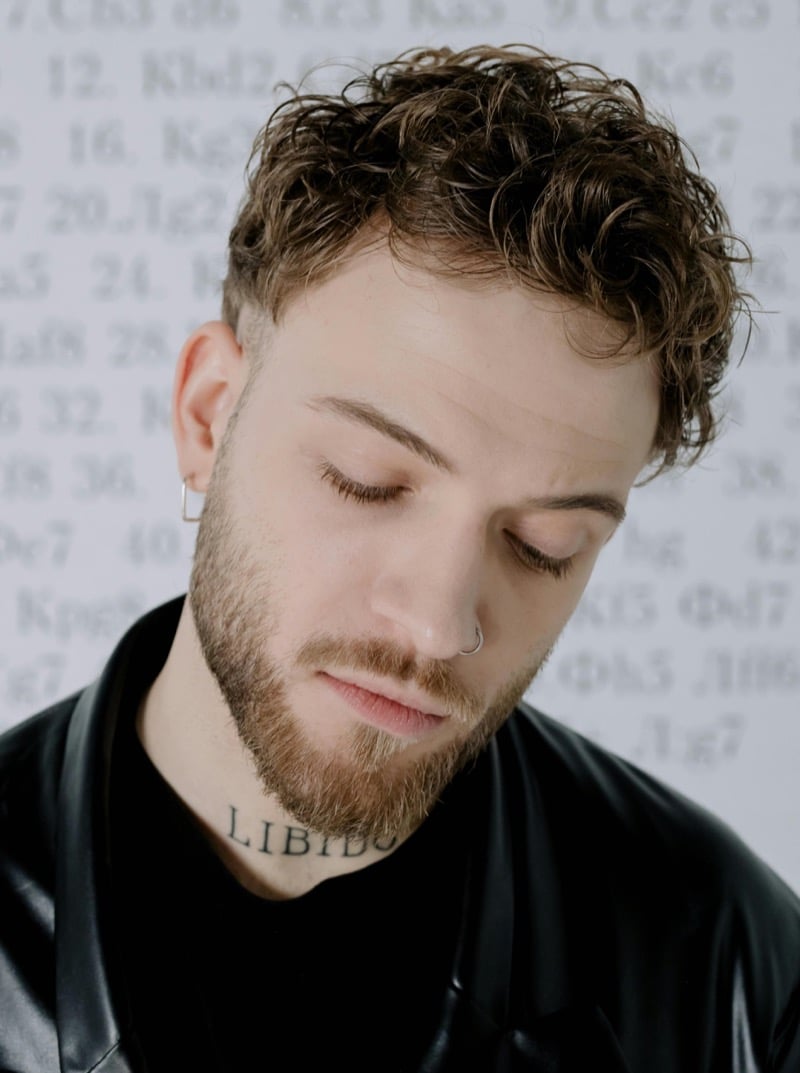
Medium-length waves and curls can fall over the shorter sides, keeping the silhouette full as the top grows. Straight hair benefits from layers that prevent the longer sections from hanging heavily.
Sea salt spray adds a dry, separated finish to waves. A small amount of matte paste helps shape straighter lengths.
Afro Low Fade
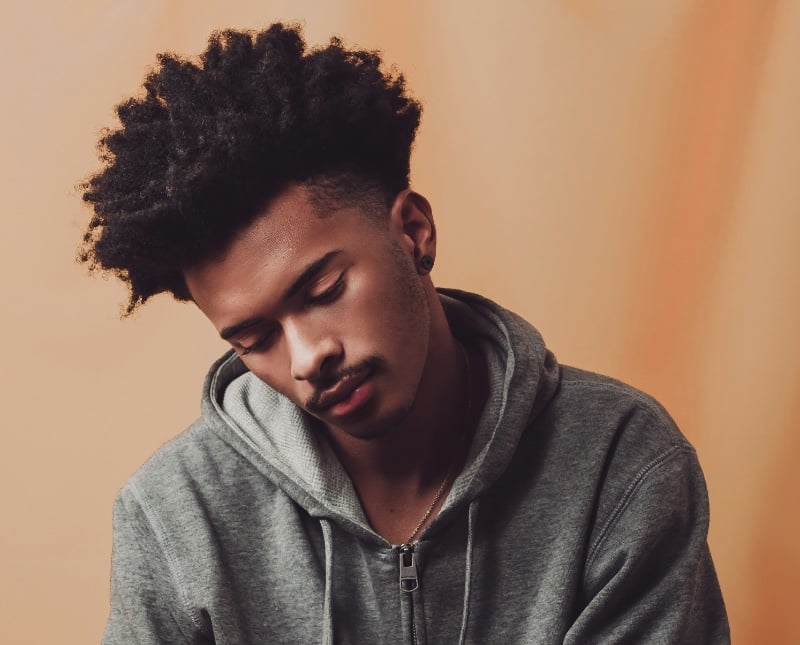
A low fade under an afro tidies the sides and nape while leaving the top its full, rounded shape. It’s a good choice for dense, coily hair.
Add a shape-up at the hairline for sharper edges. Keep the hair moisturized, and use a curl sponge if you want more defined coils.
Low Fade Brush Back
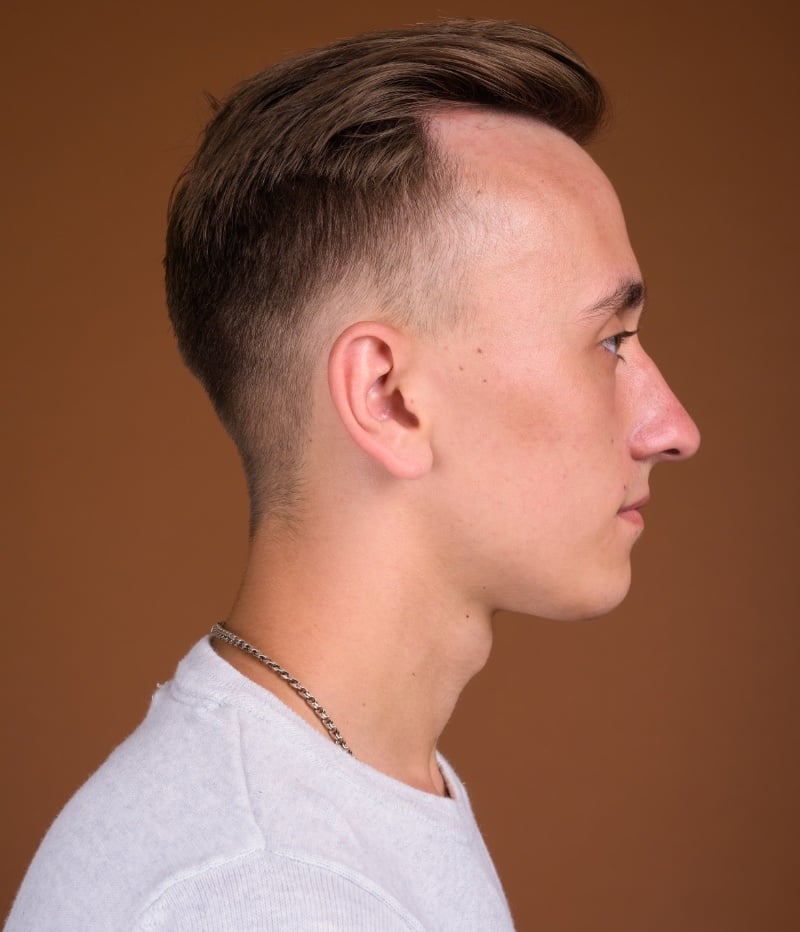
Brushing several inches of hair upward and back exposes the forehead while retaining fullness through the upper sides. The narrow fade removes bulk near the ears.
Blow-dry with a brush and a light styling cream to direct the hair back from the roots.
Low Fade Mullet
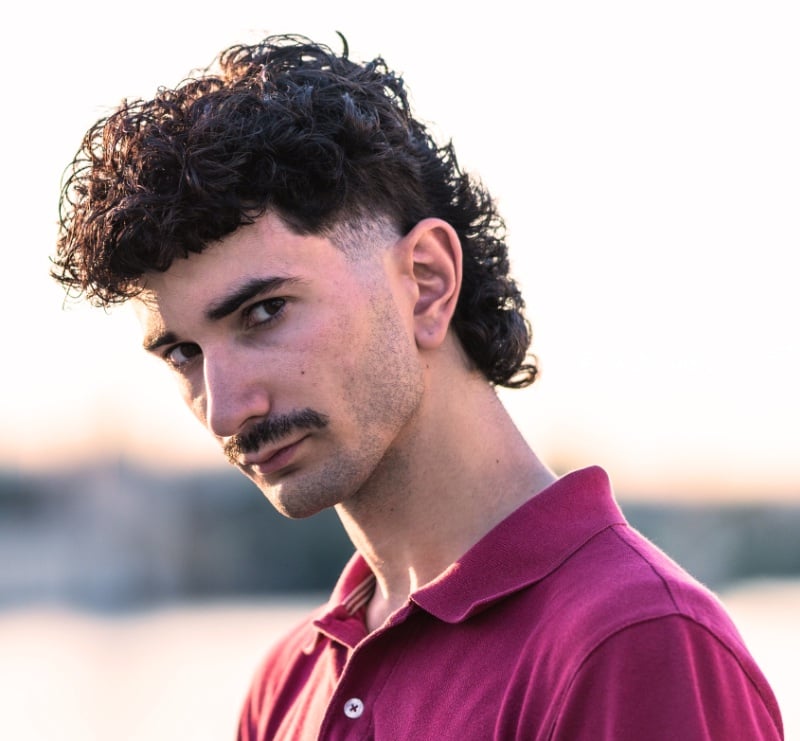
A modern mullet keeps length at the crown and back. A low fade cleans up the sides without taking too much off, so the back still reads as the main feature.
Curls give the longer back a rounded silhouette; layers help straight hair avoid a blunt, heavy finish. The back can be trimmed less frequently than the faded sides.
Low Fade for Curly Hair
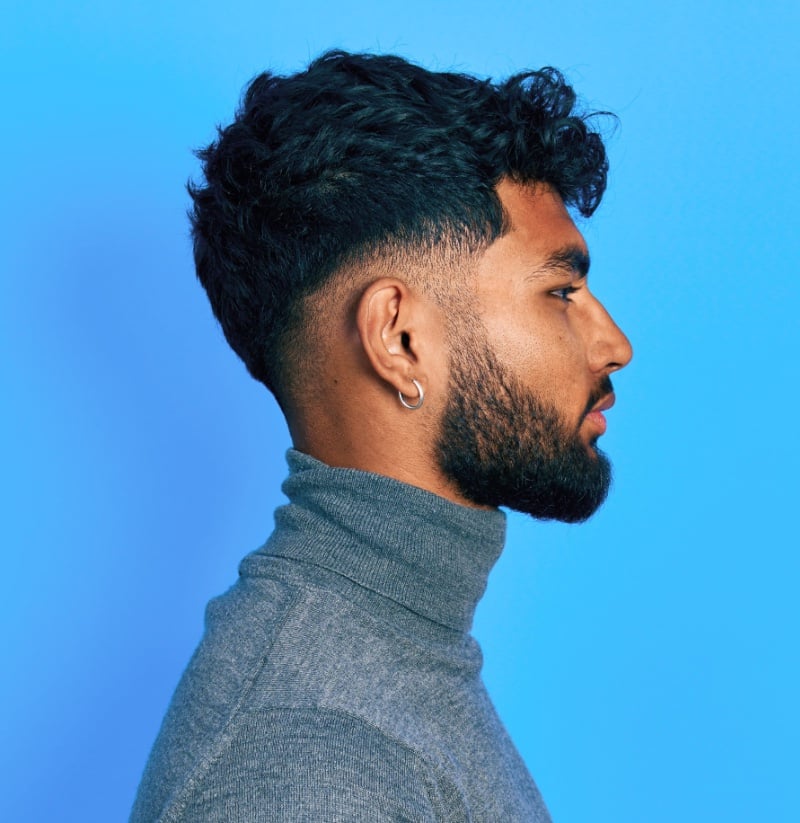
With curls left full above the ears, the fade traces the lower edge of the hairstyle. The barber can shape the upper sides with scissors to preserve a rounded silhouette.
Use a curl cream or leave-in conditioner on damp hair. Finger-coil a few sections or use a wide-tooth comb to keep the pattern defined. More ideas in our guide to curly hairstyles.
Classic Low Fade
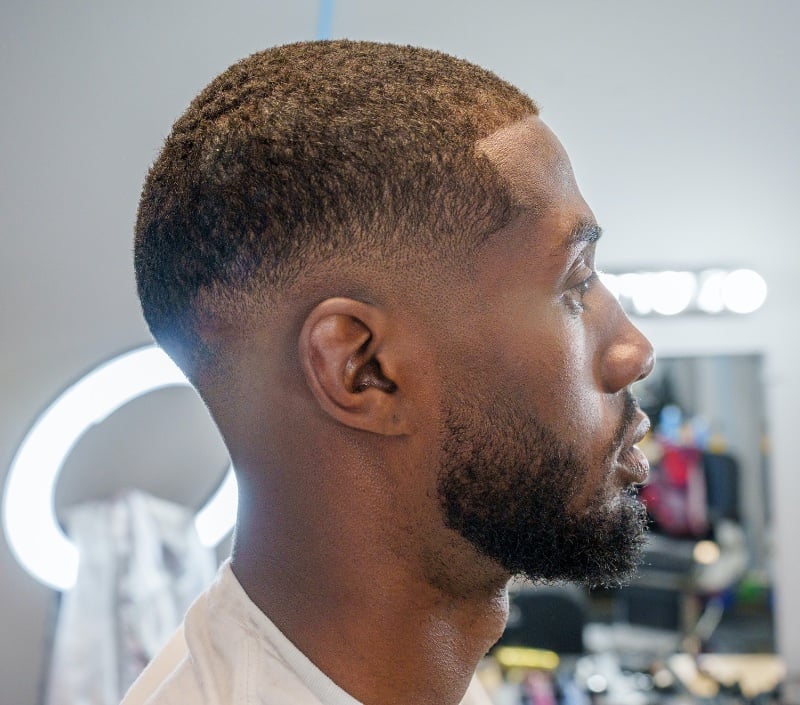
A short top brushed slightly to one side makes this a traditional barbershop cut. The fade adds a closely clipped edge around the ears and nape.
A little styling cream is enough to direct the short top.
Low Fade Pompadour
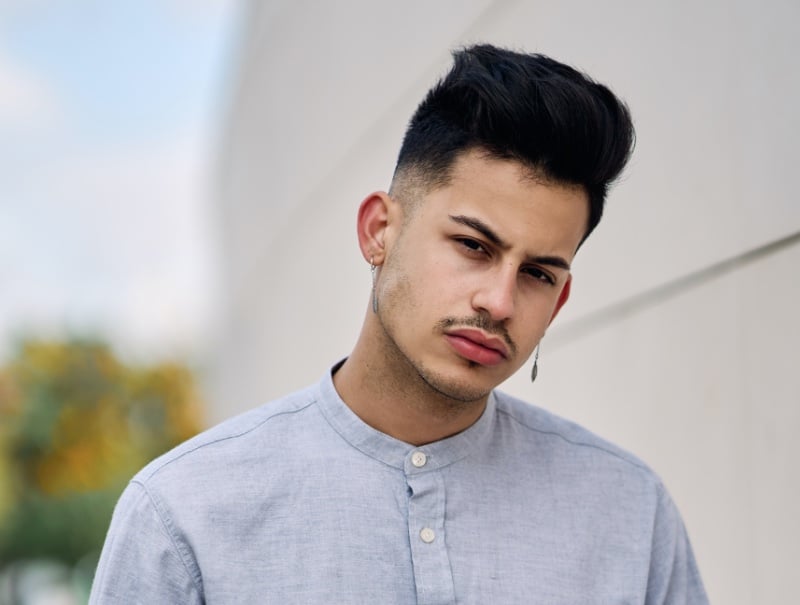
A pompadour sweeps the front up and back for height. A low fade keeps the sides close at the bottom while leaving some fullness higher up, which gives the cut a more classic shape than a high skin fade.
Blow-dry the front upward with a round brush, then set it with a strong pomade, especially if your hair resists lift.
Low Fade Quiff
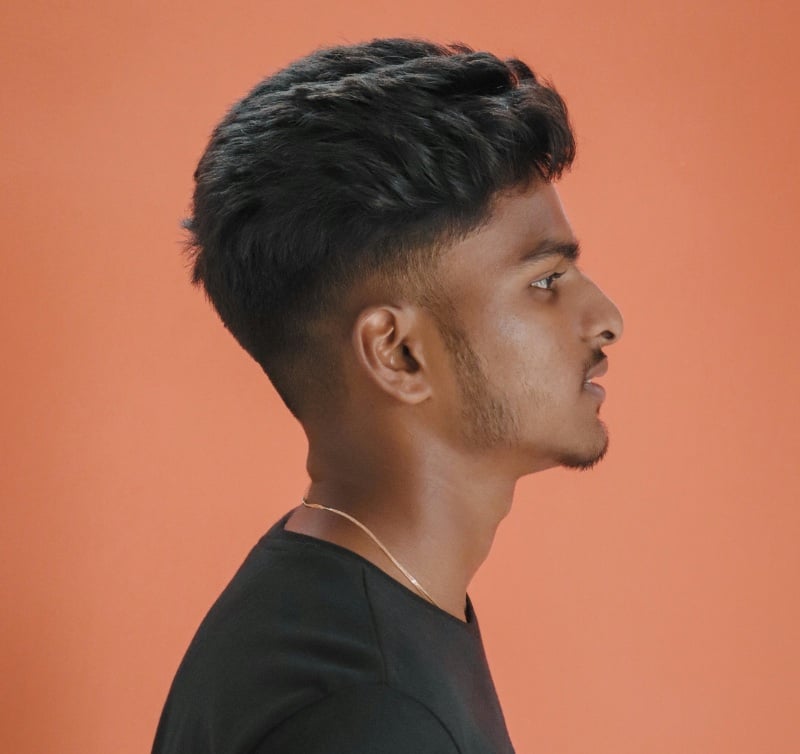
The quiff lifts the front in a less uniform sweep than the pompadour, often with individual strands falling out of place. Keeping the fade low preserves fullness behind that height.
Use a blow-dryer and round brush to lift the roots, then finish with a matte paste or matte pomade.
Short Back and Sides Low Fade

A short back and sides leaves enough hair on top for a modest comb-over. The low fade makes the shortest area a narrow band around the ears and nape.
Comb a little cream through the top while damp.
Low Fade Middle Part
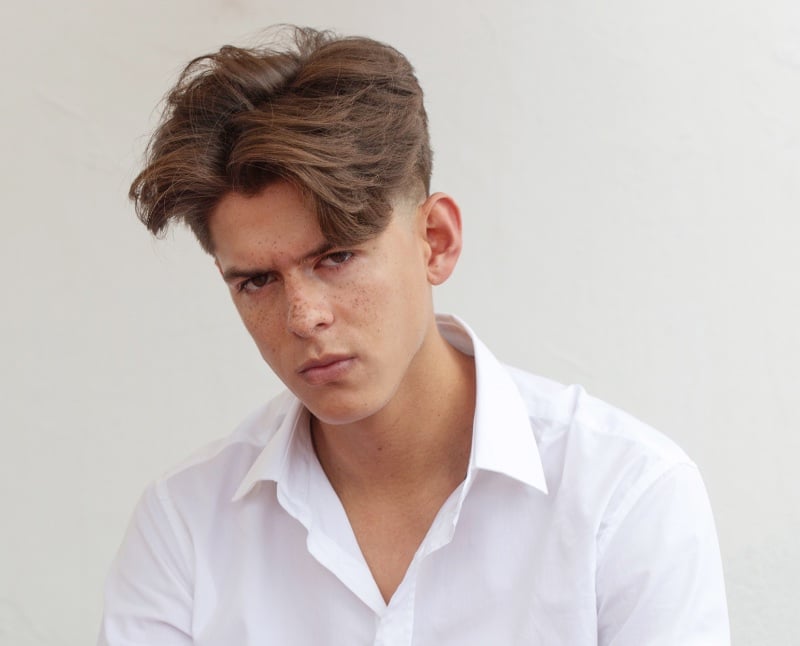
A middle part splits medium-length hair down the center so it falls to both sides. A low fade keeps the sides tidy without cutting into the curtain shape.
Straight or gently wavy hair falls most readily into this part. Work a light cream through damp hair, then separate it with a comb.
Side Part with Low Fade
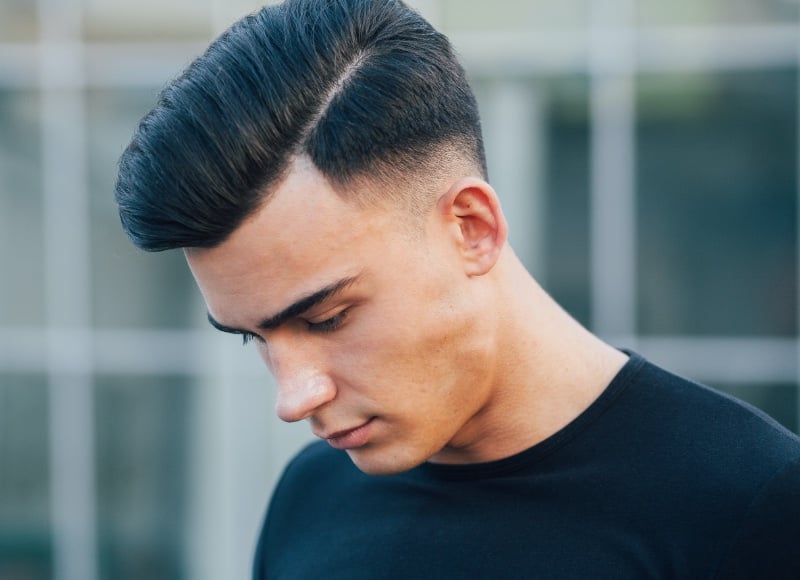
A side part with a low fade is one of the most office-friendly fade cuts there is. Ask your barber to leave enough length on top to define the part, with the fade kept low.
Comb the part while the hair is damp, using a little pomade to keep shorter strands in place.
Textured Crop Low Fade
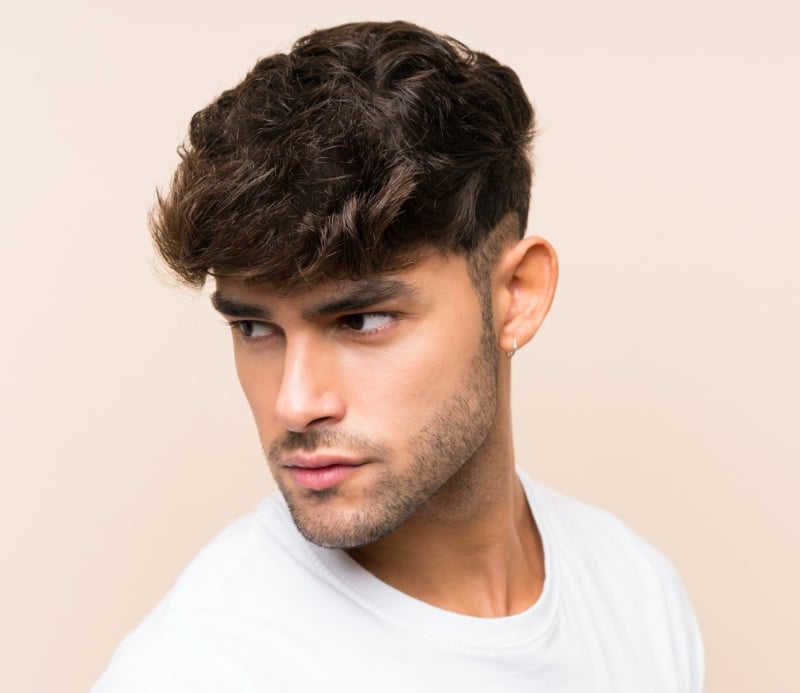
A textured crop is short and choppy on top, often with a fringe pushed forward. A low fade keeps the sides close without the sharp contrast of the skin fades this cut is usually paired with.
Use a small amount of matte paste or light gel to separate the hair into pieces. Ask your barber to blend the fade smoothly into the top so there’s no hard line.
Messy Low Fade
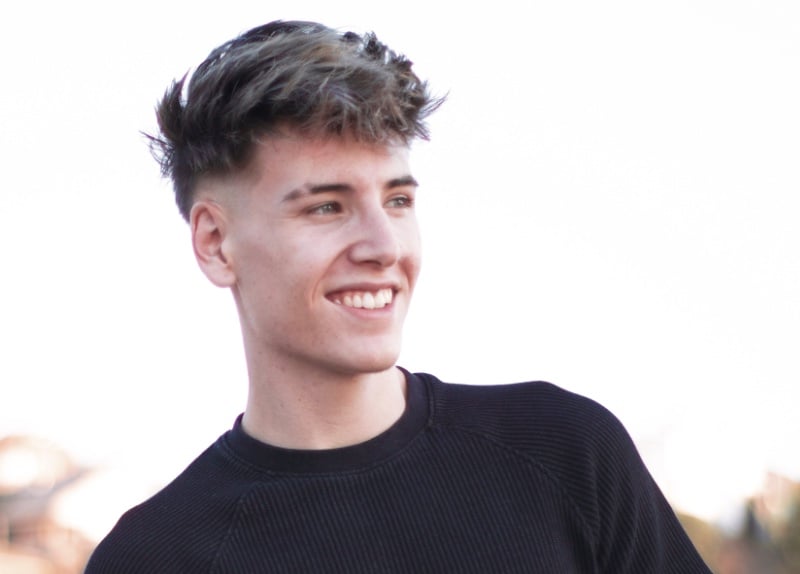
Uneven lengths across the top create a deliberately tousled silhouette, with strands falling toward the forehead or to one side. The closely clipped perimeter gives the cut a defined outline.
Rough-dry with your fingers, then work a small amount of matte paste through the ends.
Wavy Pompadour with Low Fade
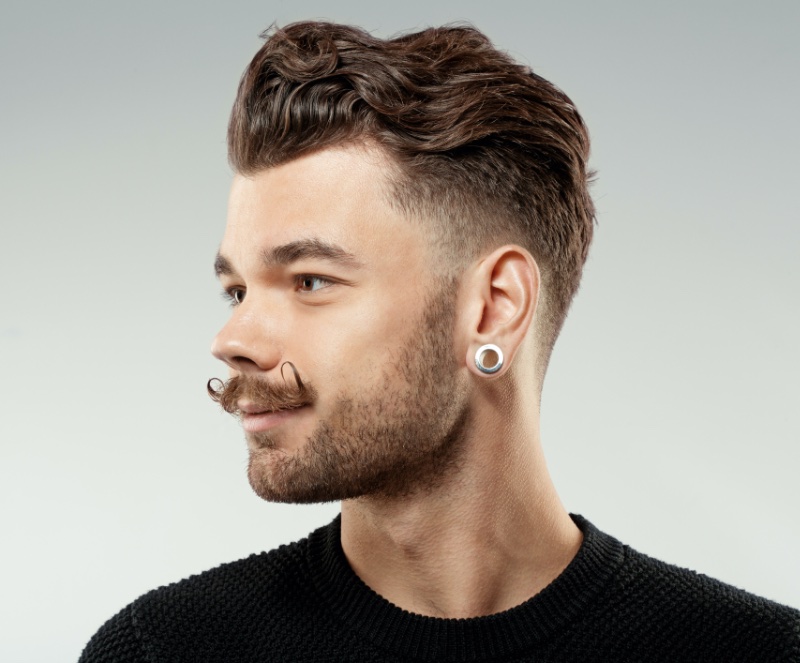
Natural waves soften the pompadour’s swept-back shape, producing a less uniform crest at the front. The low fade leaves the waves full through the upper sides.
Use volumizing mousse before drying to lift the roots. Trim the longer top as its shape begins to collapse.
How to Ask for a Low Fade
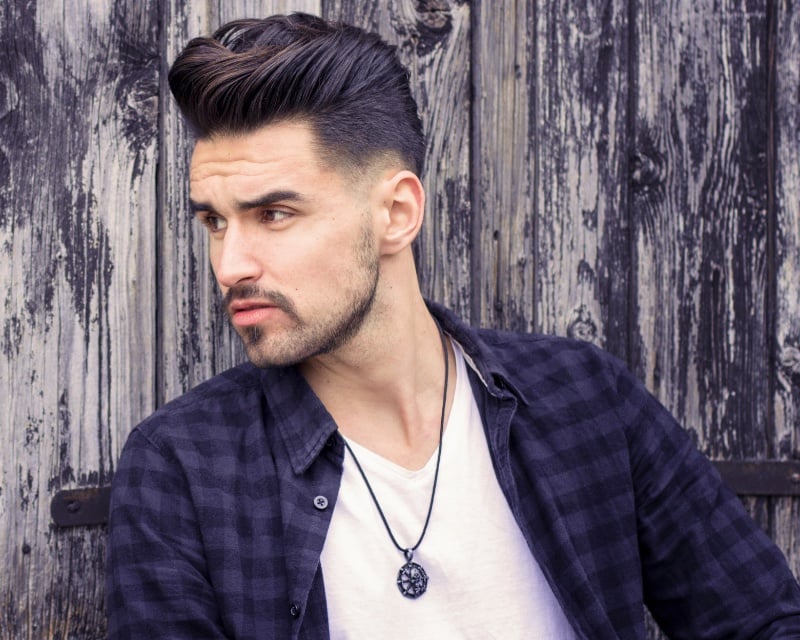
- Say "low fade" and point just above your ear. That’s where the blend starts.
- Choose the finish. Down to skin for a low skin fade, or a short guard for something softer.
- Mention any shape. Drop, burst or temp.
- Say what you want on top. In inches, or by naming the style.
- Bring a photo. Barbers’ idea of "low" can vary by an inch or so.
A low fade grows out more gracefully than any other fade. Every three to four weeks is usually enough. For the full range of heights and finishes, see our guide to the types of fade haircuts.