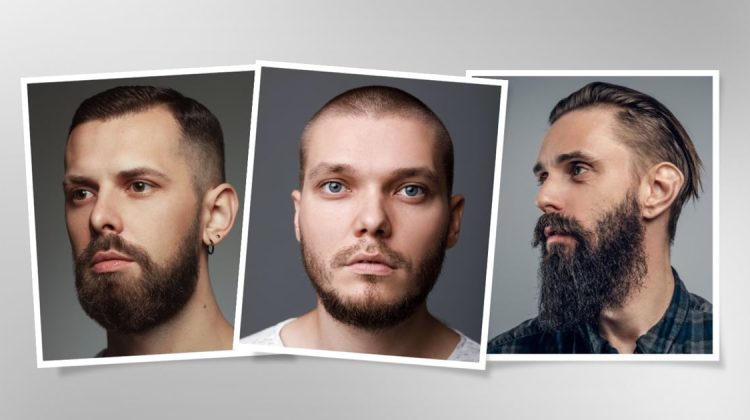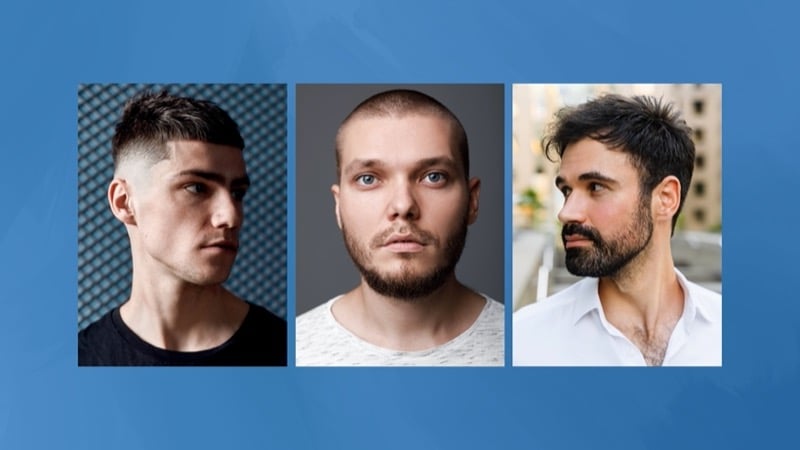
Haircuts for a receding hairline change the length and direction of the hair around the front corners. Recession often begins at the temples, leaving an M-shaped outline. A close cut exposes that outline, a crop brings a fringe over it, and a lifted front leaves the corners visible beneath a taller top. The choice depends on how much hair remains and where it grows. For reduced fullness across the top, haircuts for men with thin hair address a different coverage problem.
How a Haircut Helps a Receding Hairline
A haircut cannot restore the front edge, but it can change its relationship to the hair behind it. Shortening the whole cut reduces the difference in length around the bare temples. A forward fringe can cover some of the forehead where enough hair remains. Lifting or parting the front exposes the hairline and gives the top a different silhouette. Each approach leaves a different amount of scalp visible.
Extra length needs enough density to hold together. A long front swept across sparse corners may split into strands, revealing the gap beneath. Shortening those sections can help them sit together, though a longer style can still suit a receding hairline when the surrounding hair remains dense.
Haircuts for a Receding Hairline
These 12 haircuts for a receding hairline vary in how they treat the front, from an exposed edge to a forward fringe.
Buzz Cut
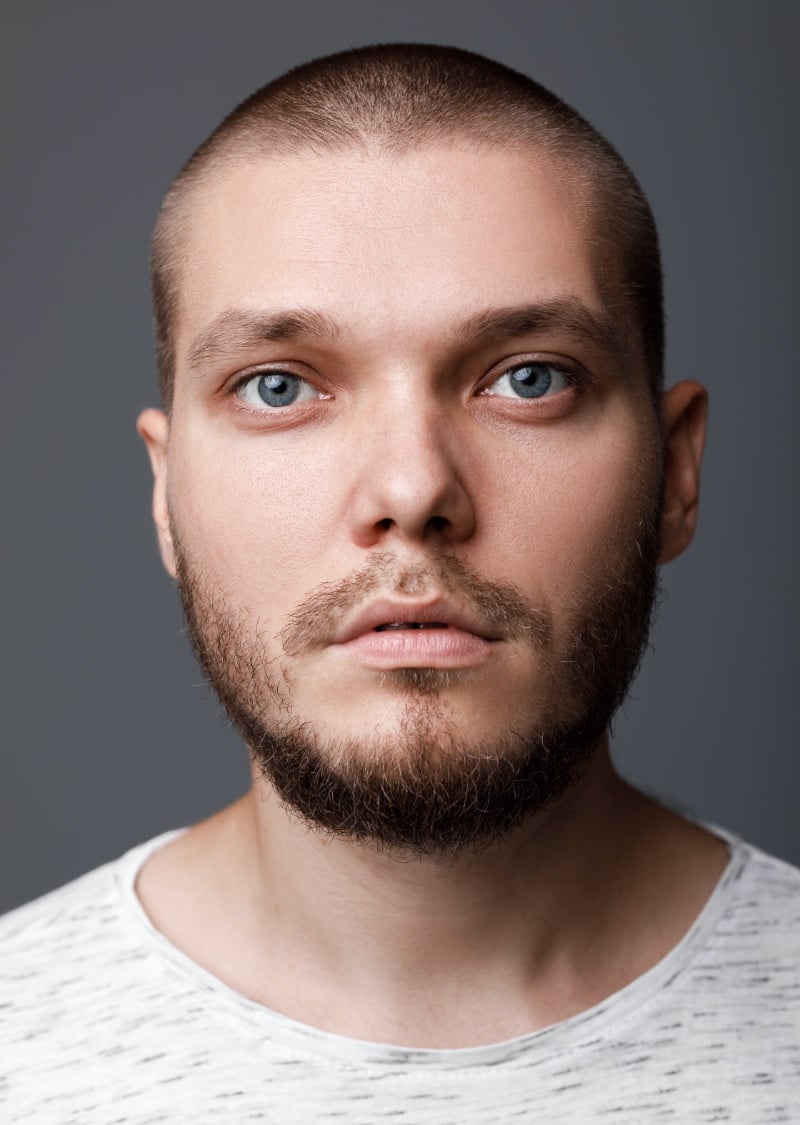
The buzz cut brings the hair close to the scalp, leaving the recessed corners visible beside a short, even surface. It removes the need to arrange longer strands over those areas. Density and hair color still affect how much scalp shows, and the short outline needs clipping as it grows.
Crew Cut

A little extra length at the front distinguishes the crew cut from an all-over buzz. The top shortens toward the crown above tapered sides, and the front can stand slightly upright or fall in small, separated sections. It leaves the temples exposed while retaining enough hair to adjust the upper outline. Daniel Craig has worn the cut.
Caesar Cut

The Caesar cut brings short hair forward into a horizontal fringe above close sides. That edge can cover part of the upper forehead, though its reach across the temples depends on the hair growing there. Keep enough weight at the corners for the fringe to sit together. Named after Julius Caesar, the cut was widely worn in the 1990s, including by George Clooney.
Faux Hawk
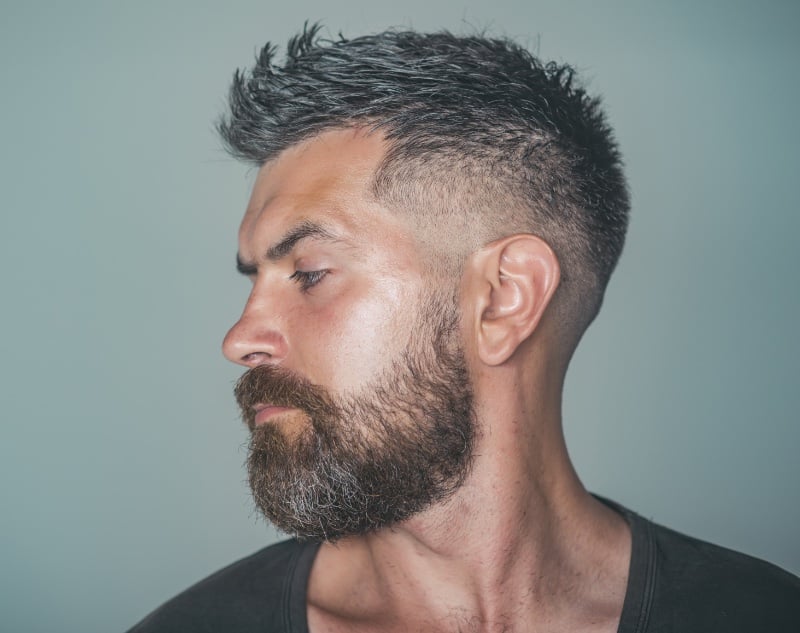
A faux hawk gathers the top toward a raised center, with tapered or faded sides leaving the central ridge most visible in profile. The front corners stay exposed, and the ridge needs enough hair to hold together. It retains more hair along the sides than a shaved mohawk.
Tapered Haircut
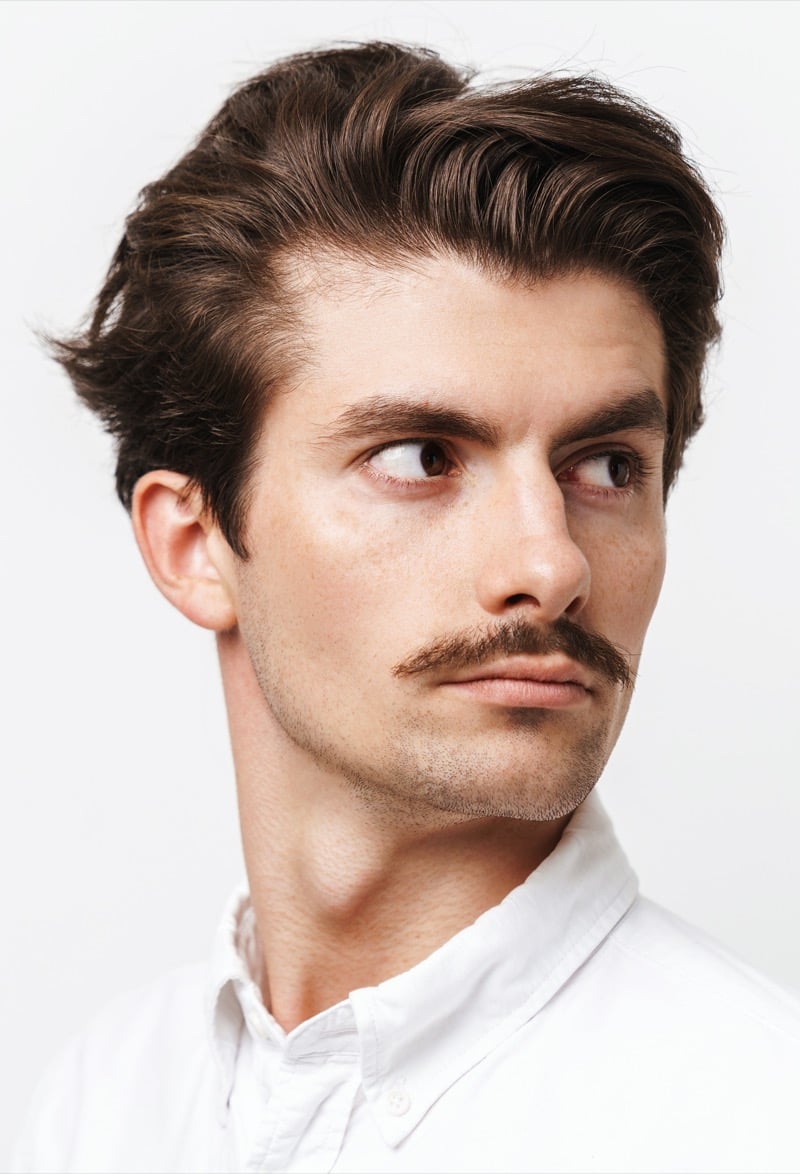
A tapered haircut gradually shortens toward the ears and neckline while retaining hair through more of the sides. The longer top can fall across a soft part or bend back from the forehead, depending on its growth direction. A low taper fade concentrates the closest clipping at the sideburns and nape, leaving the upper sides fuller.
Textured Crop

An angled fringe sends the textured crop across the forehead, interrupting the front edge with uneven ends. The direction can place hair over one recessed corner where density allows. Light texturizing separates the tips; excessive thinning can leave gaps in the fringe. Start with a small amount of matte product so the ends stay distinct.
Ivy League

The Ivy League extends a crew cut's front enough to part it and sweep it to one side. The short crown keeps the back compact, while the diagonal front overlaps adjacent hair. A sharply opened part exposes more scalp, so the width of that division matters when the front has begun to thin.
French Crop

A short fringe gives the French crop its lower edge across the forehead. The line may be blunt with lightly separated tips, retaining weight where the front needs coverage. Short sides set off that edge. A low taper preserves more hair above the ears, while a fade removes more through the sides.
High & Tight
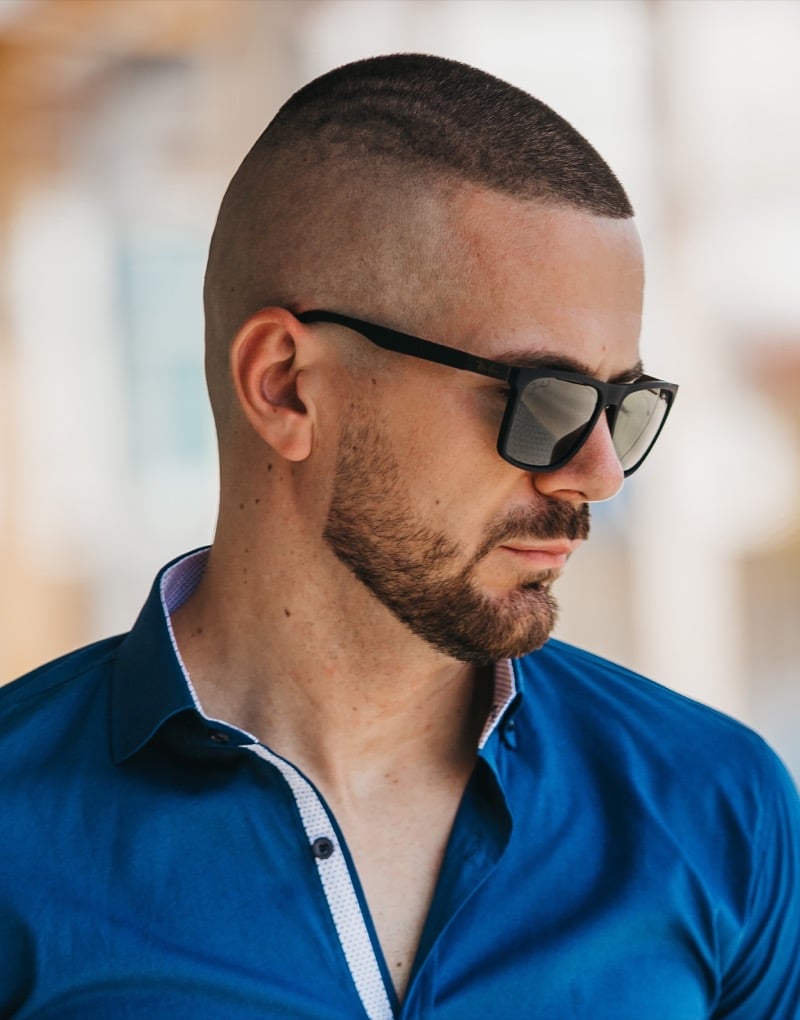
Closely shaved sides rise high toward a short top in the military-inspired high and tight. The small area of hair above the temples makes the whole outline compact, while recession remains visible at its front corners. Little length remains to comb into place, but the bare sides show regrowth quickly.
Quiff

The quiff lifts the front and bends it back, exposing the hairline beneath the raised section. Keeping the lift modest reduces the length needed at the front. Short sides emphasize the upper curve, and a little wave can break its surface into separate sections. Sparse hair at the front may limit how continuous that curve looks.
Side Part with Taper
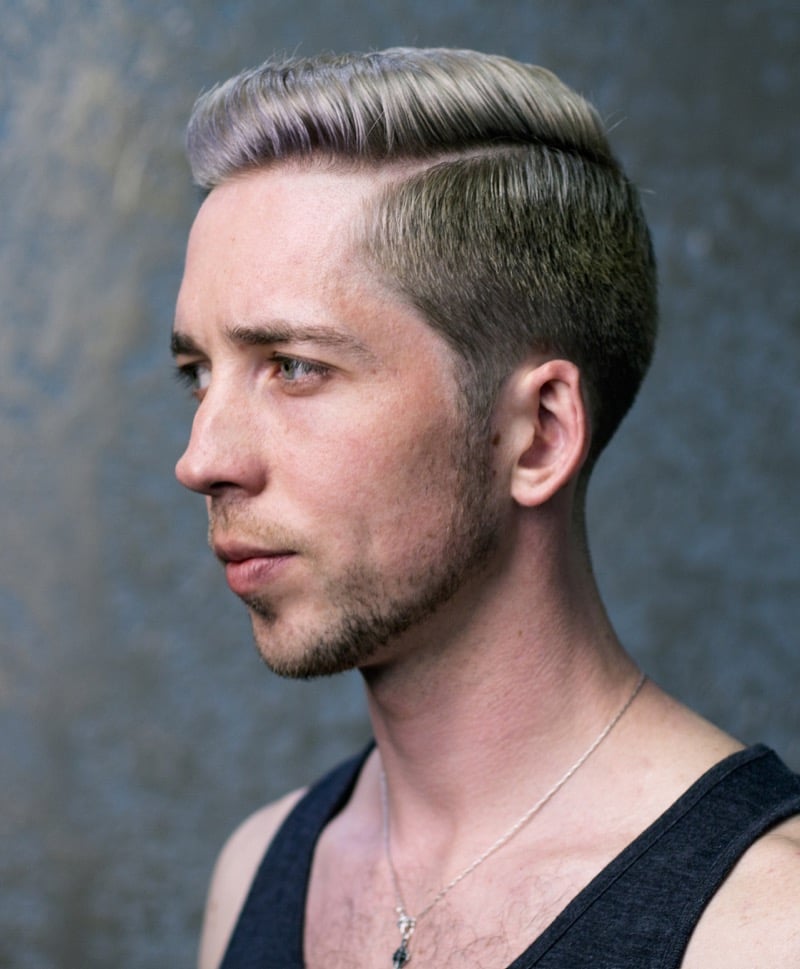
A natural side part sends the longer front diagonally above gently tapered sides. Place the division where the hair separates naturally, keeping the sweep broad enough to overlap nearby sections. A shaved hard part adds an exposed line of scalp that meets the recessed corner, making that junction more prominent.
Brush Up

The brush up lifts the front into an upright, irregular edge instead of the quiff's curved sweep. Straight strands can stand in small points, while waves give the raised tips a less even outline. Dry the roots upward and keep product concentrated where support is needed. Too much product can join fine strands into clumps and reveal scalp between them.
Haircuts for a Widow's Peak
A widow's peak forms a V-shaped point at the center of the hairline. It can occur naturally and does not by itself indicate hair loss; recession at either temple can make the point more prominent. A buzz cut reduces the length across the whole outline. A crew cut leaves a little height behind the point, while a crop can place a fringe over it if enough hair remains. Brushing the front back or up exposes the V.
Haircuts for Balding Men
When hair loss extends across the top or crown, coverage becomes a separate concern from the front corners. A short buzz reduces differences in length between sparse and dense areas. A high and tight or close crop keeps the remaining top compact, while faded sides reduce bulk around it. A skin fade describes a bare-skin finish on the sides and does not conceal a sparse crown. Shaving the scalp is another option as loss advances. Longer strands swept across a bald area may separate and expose the patch beneath.
How to Ask for a Receding Hairline Haircut
Show the barber the hairline with the front pushed back so both corners are visible. Then discuss whether to expose the edge, bring a fringe forward or lift the front. Agree on these details before cutting.
- How short to take the sides, and whether to use a taper at the edges or a fade through more of the sides.
- Enough length on top for the chosen direction, adjusted to the hair's density and how it sits when dry.
- Where the fringe should end when brought forward, or how high the front should sit when lifted.
- How much weight to retain at the front, with light texturizing where the ends need separation.
Plan the next trim around the shape's grow-out. Shaved sides show new hair quickly, while a longer taper can soften around the ears before it needs cutting. Return when the outline spreads or the front becomes harder to arrange.
Treatment Options
A dermatologist can identify the cause of recession and discuss treatment. For male pattern hair loss, topical minoxidil and prescription finasteride can slow further loss, and some men see partial regrowth. Finasteride reduces production of DHT, a hormone involved in this type of hair loss. Benefits vary and generally depend on continued treatment. Discuss suitability and possible side effects before starting. A haircut changes the appearance of the remaining hair while treatment addresses the diagnosed cause.