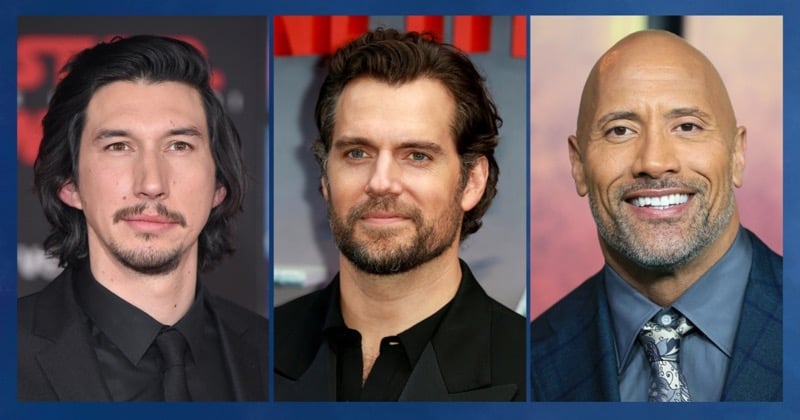
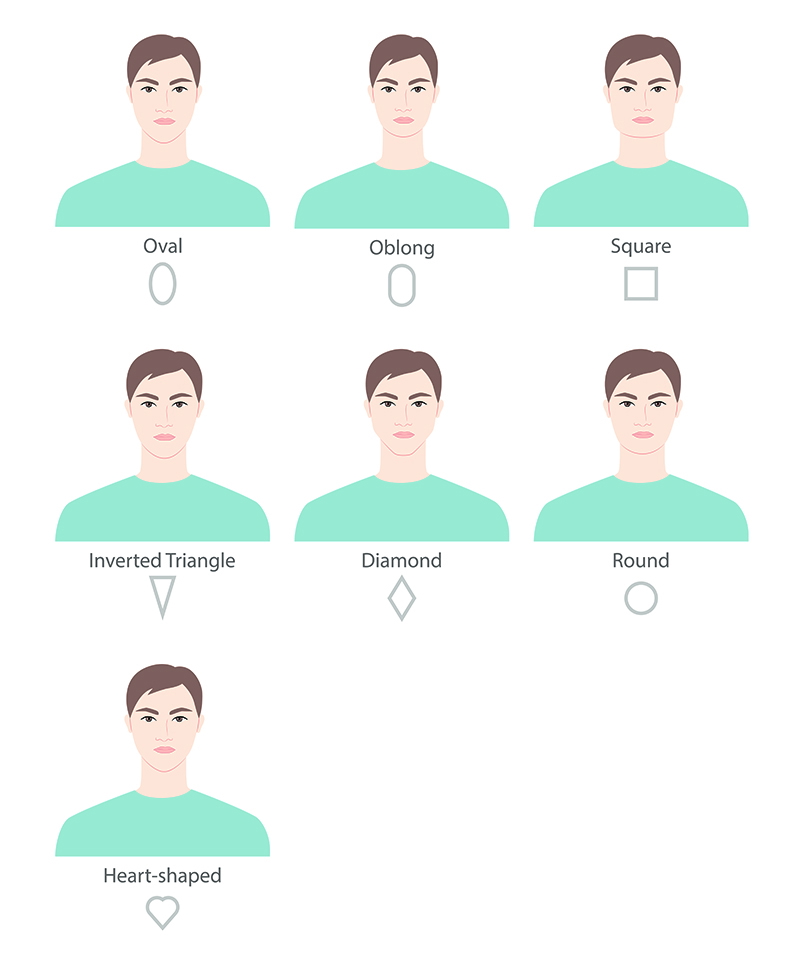
The seven common face shapes for men are oval, square, round, oblong, diamond, heart and triangle. The labels describe the relationship between face length and the widths of the forehead, cheekbones and jaw. Those proportions can help narrow the choice of men's haircuts, especially when deciding where to leave height or fullness. Many faces share features of two shapes, so use the closest match as a starting point.
How to Measure Face Shape
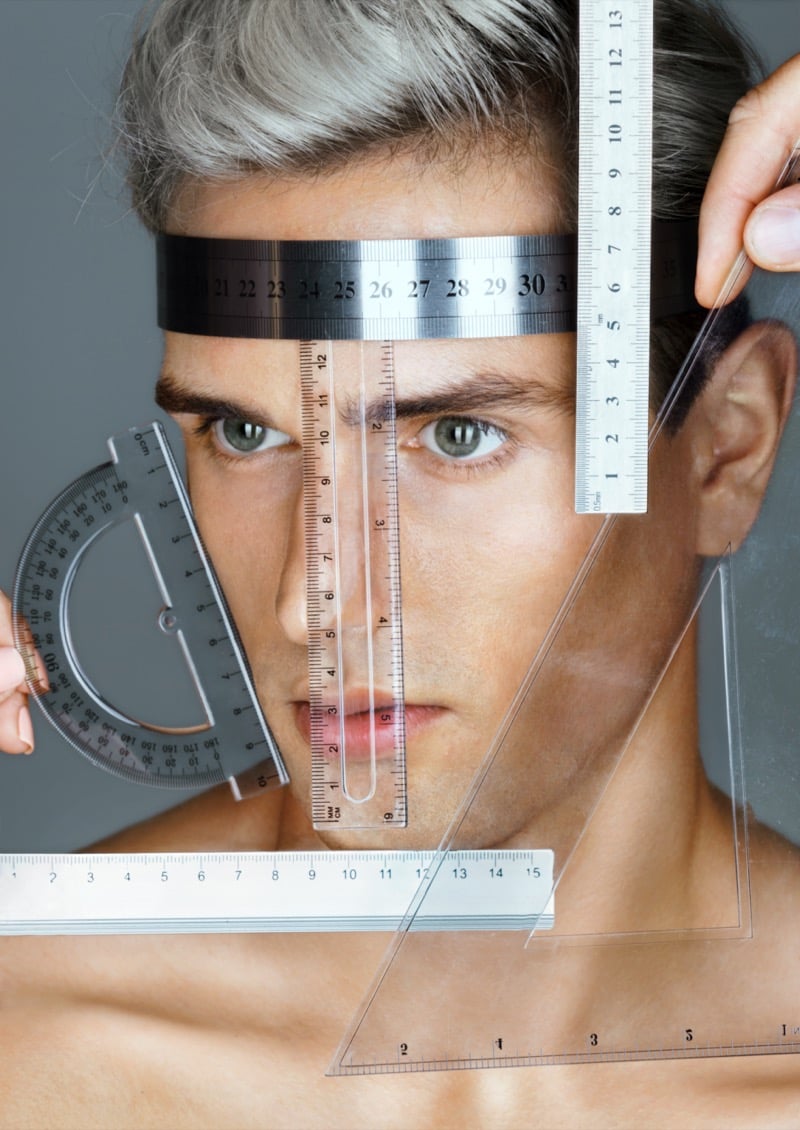
Pull the hair back and face a mirror with the chin level. Use a soft tape measure for four approximate measurements, keeping it taut across widths instead of following every facial contour. Consistent landmarks matter more than small differences in the numbers.
- Measure the forehead across its widest area, usually between the eyebrows and hairline.
- Measure across the cheekbones from the outer edge of one to the outer edge of the other.
- Measure from the chin tip to the jaw's angle below one ear, then double the figure. This estimates the jawline's total length, so judge its visible width separately in the mirror.
- Measure face length from the center of the hairline to the chin tip. If the hairline has receded, estimate its former position and treat the figure as approximate.
A straight-on photo or mirror view can make the outline easier to compare. Keep the face level, note which area looks widest, and check whether the jaw's corners are angular or rounded. Use the measurements alongside that outline, especially when beard growth obscures the jaw.
What the Measurements Mean
| Face shape | Widest part | Length | Jaw |
|---|---|---|---|
| Oval | Cheekbones, forehead slightly wider than jaw | Longer than wide | Soft, rounded |
| Square | Forehead, cheekbones and jaw about equal | About as long as wide | Sharp, angular |
| Round | Cheekbones | About as long as wide | Soft, rounded |
| Oblong | Forehead, cheekbones and jaw about equal | Clearly longer than wide | Varies |
| Diamond | Cheekbones, narrow forehead and jaw | Longer than wide | Pointed chin |
| Heart | Forehead, narrowing to the chin | Varies | Pointed chin |
| Triangle | Jaw, narrow forehead | Varies | Wide |
The 7 Face Shapes for Men
A haircut changes the silhouette around the face. Height above the forehead can make it appear longer, fullness at the temples adds width, and a fringe lowers the visible forehead. Choose which feature to emphasize before deciding on a cut. Facial hair changes the lower outline too, with beard styles offering another way to adjust its apparent width and length.
Oval Face Shape
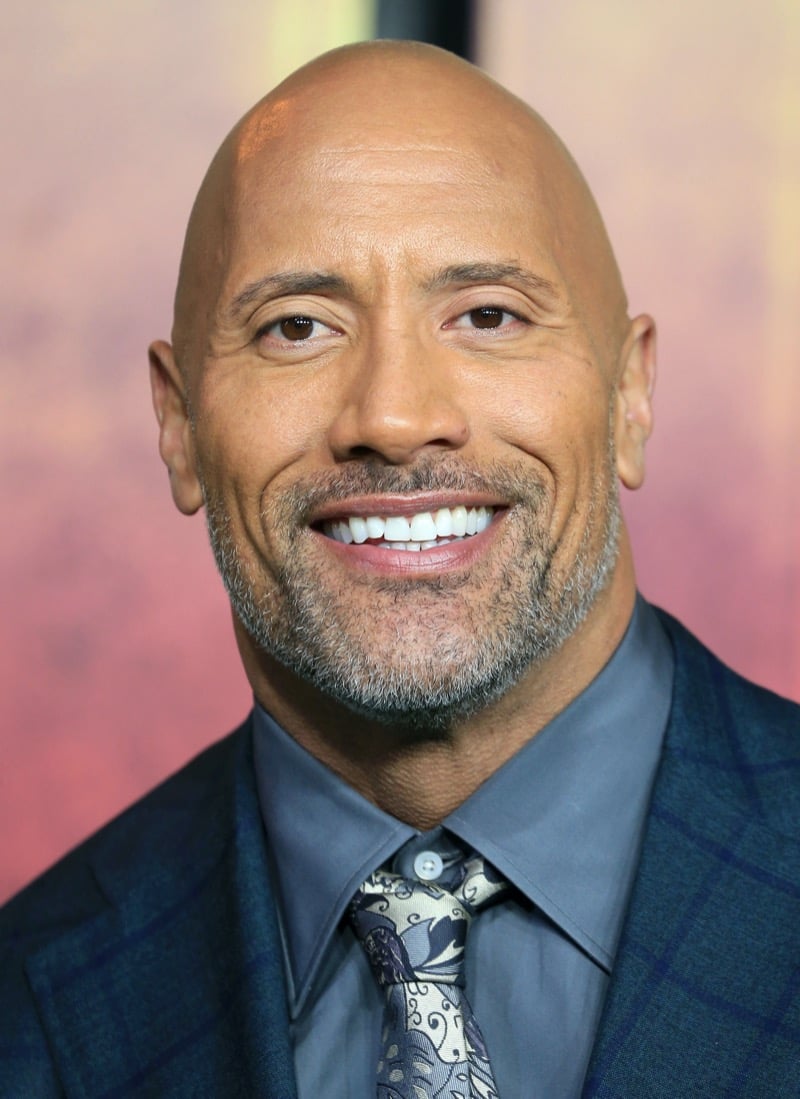
An oval face is longer than it is wide, with a forehead slightly wider than the chin and a rounded jaw. Its gently narrowing outline leaves room for close cuts and longer layers. A buzz cut exposes the whole outline, while a quiff raises the front and a side part sends it diagonally across the forehead. Keep the lift modest if the face already looks long.
Square Face Shape
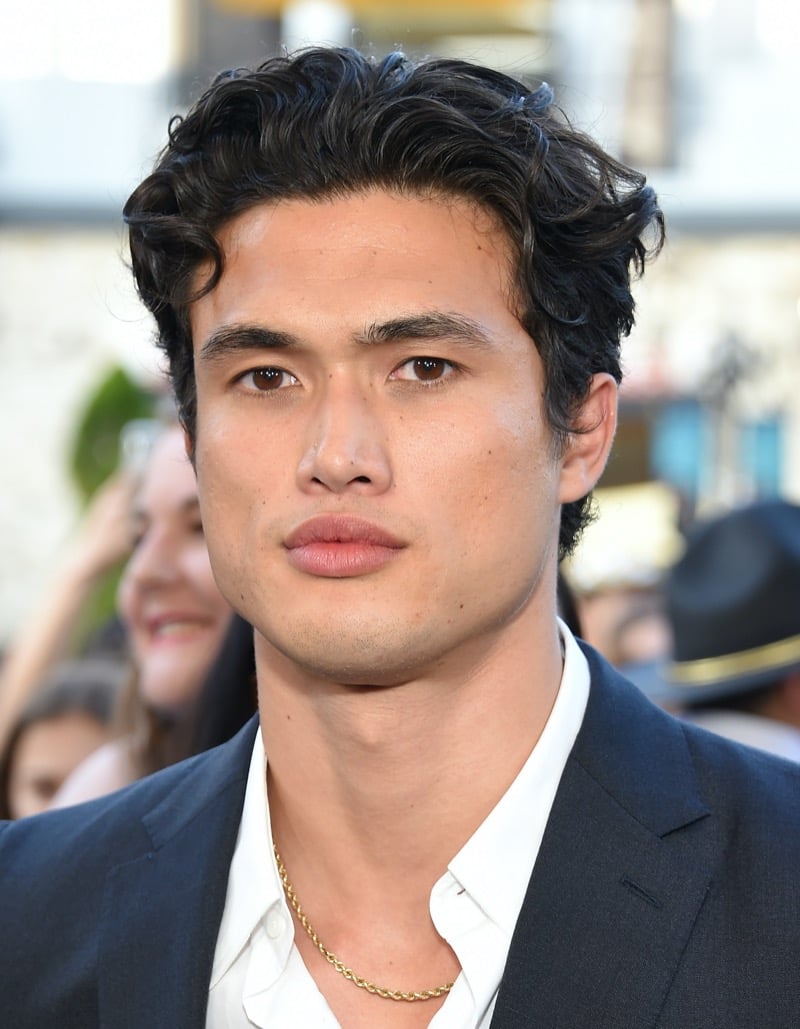
The forehead, cheekbones and jaw sit at similar widths on a square face, with distinct corners at the jaw. A buzz cut or crew cut leaves those angles visible. Layers that fall near the temples soften the upper outline, while a faux hawk raises the center. A textured crop brings the front lower, with its height depending on how it is styled.
Round Face Shape

A round face has similar length and width, with rounded cheeks and a jaw that curves toward the chin. A pompadour or quiff adds height above the forehead. An undercut creates a sharp change between the top and shorter sides, while a fade grades through that transition. An angled fringe breaks the front edge diagonally. Fullness that spreads beside the cheeks makes the silhouette wider.
Oblong Face Shape
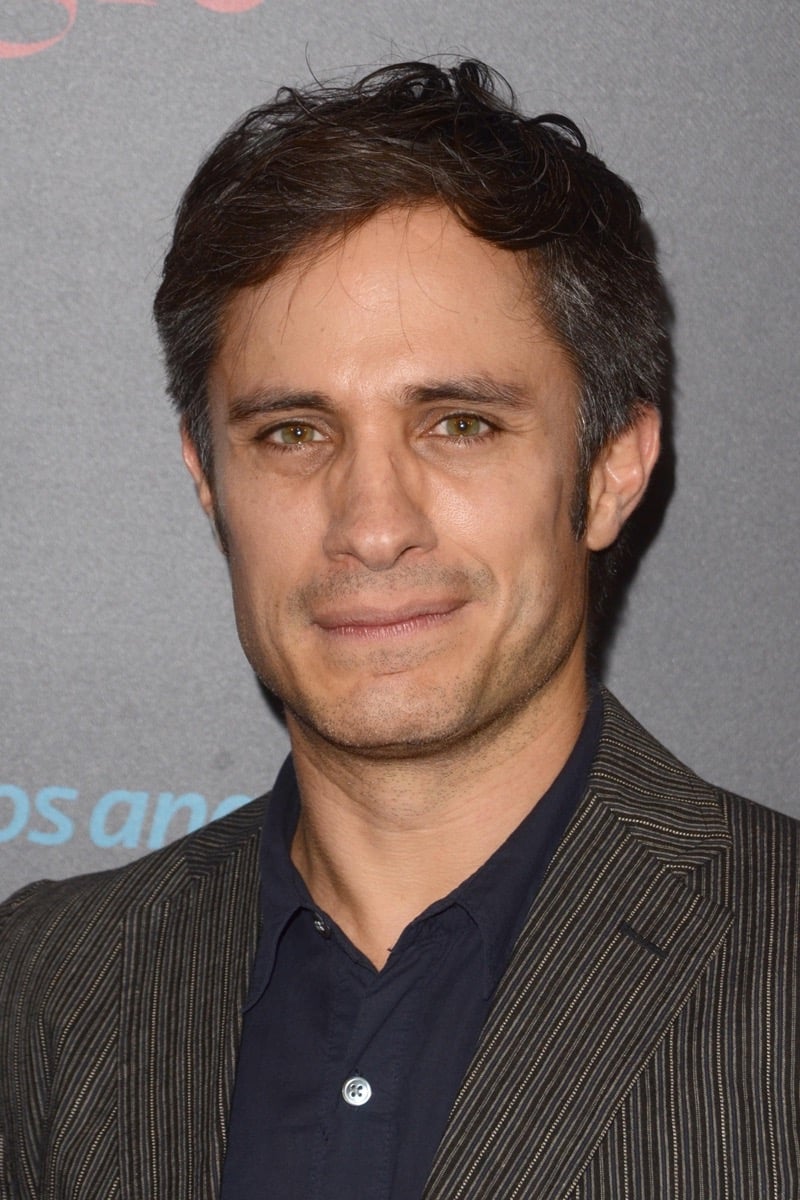
An oblong face is clearly longer than it is wide, with relatively similar widths through the forehead, cheeks and jaw. A fringe reduces the visible forehead, and a French crop keeps that front edge short and defined. Retaining some hair around the temples adds width beside the face. A tall top above closely clipped sides emphasizes its length.
Diamond Face Shape
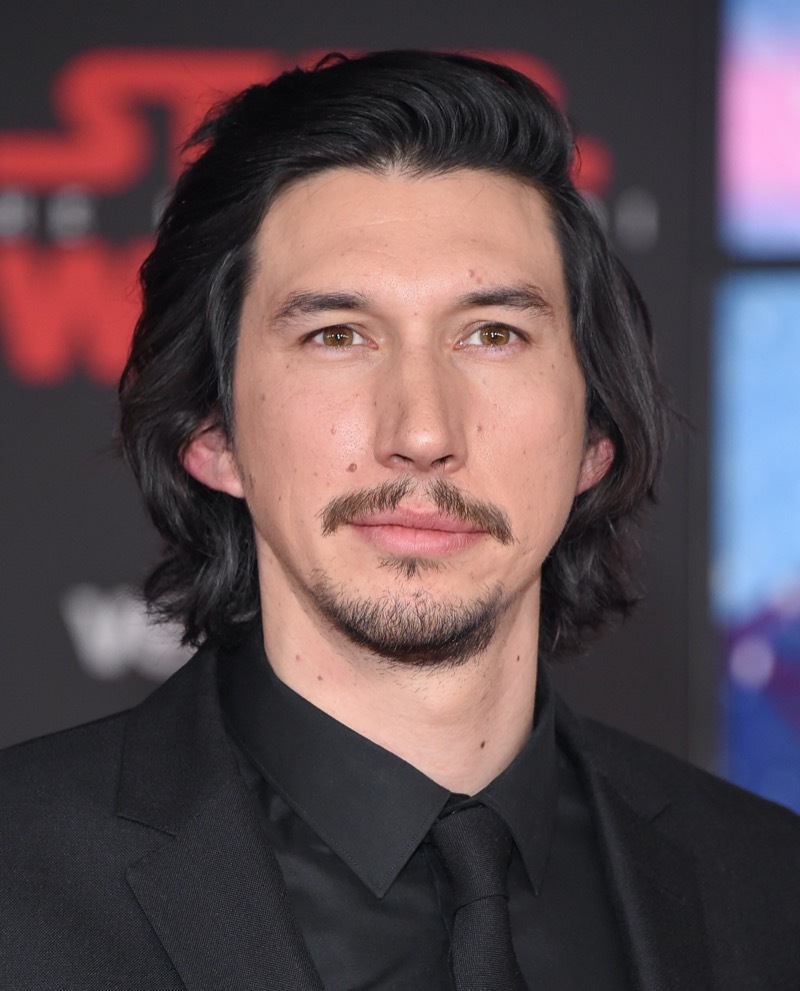
Wide cheekbones sit between a narrower forehead and jaw on a diamond face, often ending in a pointed chin. Longer layers can add fullness around the temples, above the widest part of the face. A side part or curtain haircut lets hair fall beside the forehead, while a medium-length style can retain width lower down. Closely clipped temples expose more of the cheekbones' projection.
Heart Face Shape
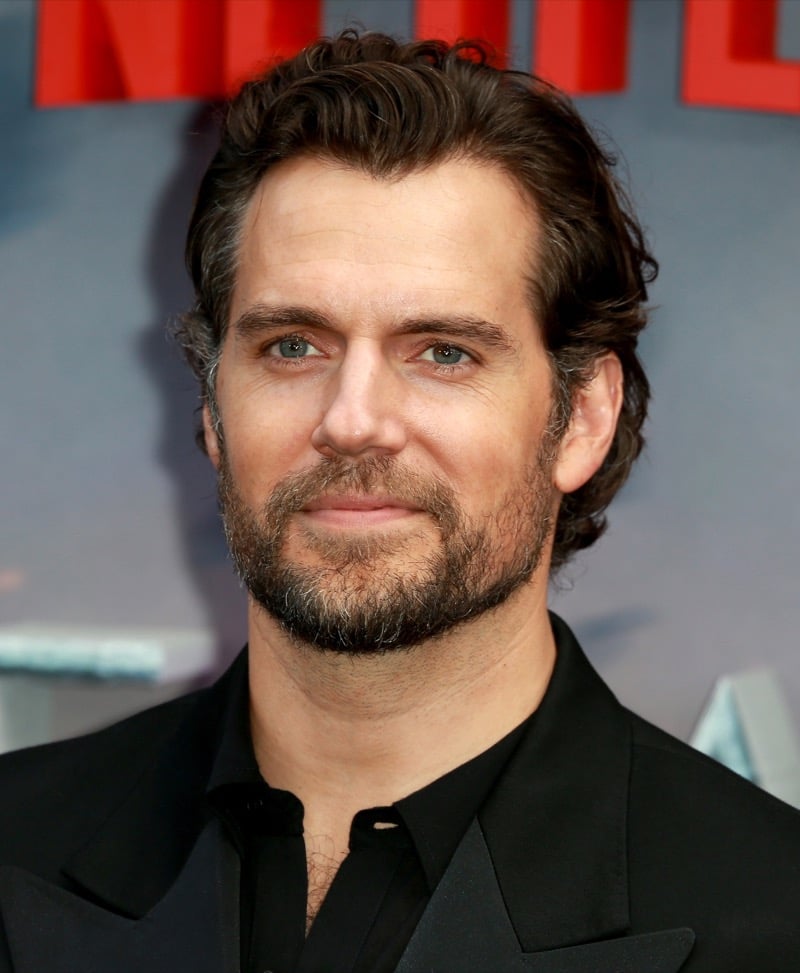
A heart-shaped face narrows from a broad forehead toward a smaller, pointed chin. A side-swept front or textured fringe covers part of the upper forehead, while medium-length sides can carry fullness toward the jaw. A beard can add width around the chin, as Henry Cavill's does. The placement of the fringe and side length matters more than height alone in hairstyles for a heart shaped face.
Triangle Face Shape
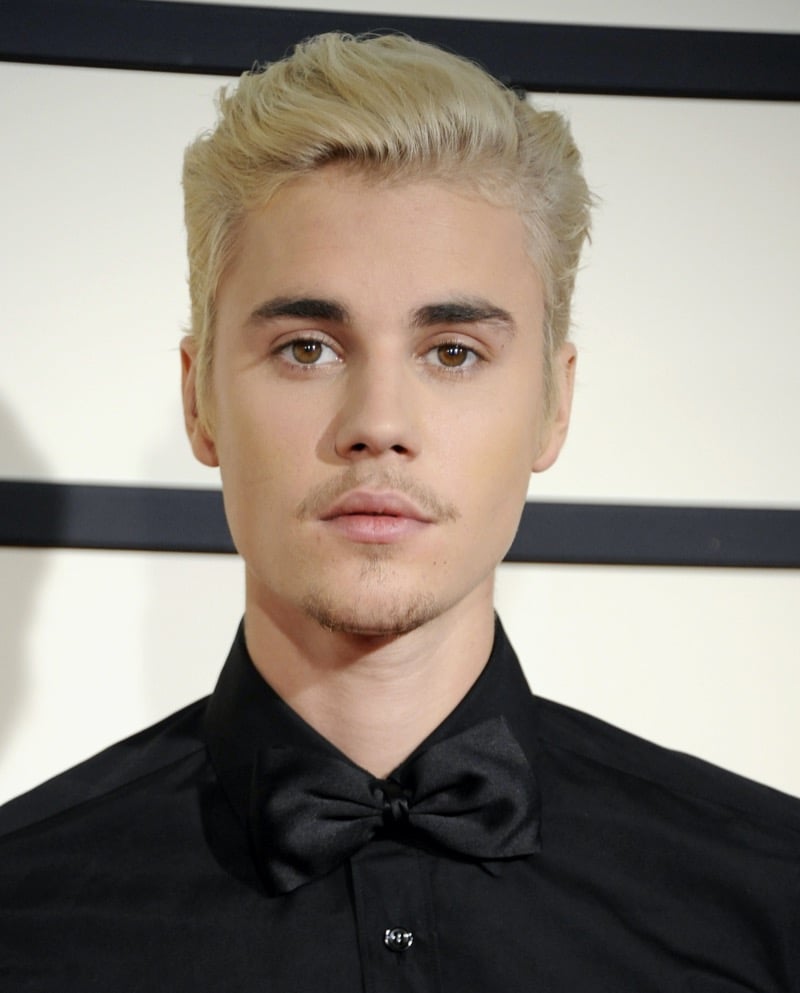
The jaw forms the widest part of a triangle face, with narrower cheekbones and forehead above it. A fuller fringe or brush up adds hair around the upper outline. A textured quiff can lift the front, but retain some fullness at the temples too. Tight sides beneath a flat top emphasize the difference between a narrow forehead and broad jaw.
How to Choose a Haircut for a Face Shape
Face shape helps determine where a haircut carries its length, but texture, density and daily styling decide how that shape behaves. Curly hair has a different outline from straight strands at the same length, and sparse areas limit coverage. Cuts for curly hair and thin hair need those characteristics accounted for alongside facial proportions.
- To lengthen a short, wide silhouette, lift the front and reduce fullness at the sides. Keep a lower top if emphasizing the face's width is the preference.
- For a long, narrow outline, leave some width around the temples and keep the front lower. A fringe can cover part of the forehead.
- On heart and triangle shapes, place fullness near the narrower end of the face. Longer sides can add width near the jaw; a fuller upper section can widen the forehead.
- Ask the barber to assess the face with the hair pushed back, then explain which proportions you want the cut to emphasize. A photo of the proposed cut helps show its height and side length.
