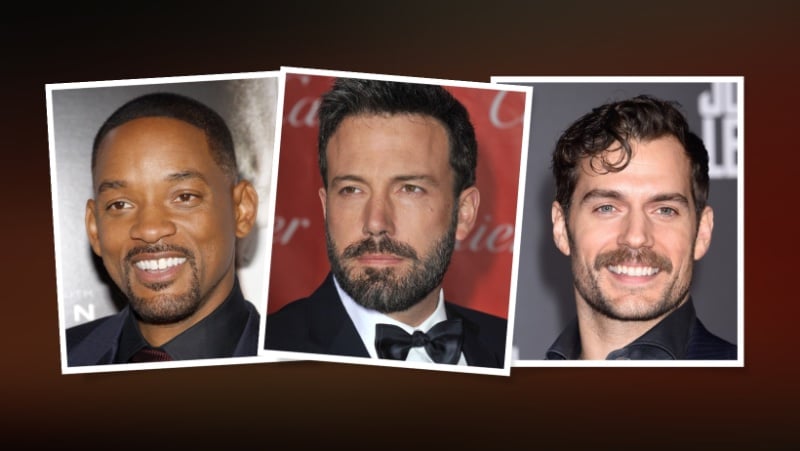
Beard styles differ in length, the areas left bare, and the connections between the mustache, chin and sideburns. Stubble keeps the whole surface close, a goatee concentrates growth at the chin, and a full beard carries hair across the cheeks and jaw. The shape needs to suit the growth available, especially where the cheeks or connectors are sparse. Trimming demands also vary, from maintaining a short shadow to separating the two points of a French fork.
Beard Styles by Length
| Beard style | Length | What defines it |
|---|---|---|
| Stubble | Very short | A few days' growth, kept even |
| Beardstache | Short | Stubble with a fuller mustache |
| Chinstrap | Short | A thin line along the jaw and chin |
| Goatee | Short | Hair on the chin only |
| Circle beard | Short | A mustache joined to a rounded goatee |
| Anchor | Short | A pointed chin beard along the jaw, with a mustache |
| Balbo | Short | A chin beard and a separate mustache |
| Royale | Short | A mustache and chin beard, no sideburns |
| Van Dyke | Short | A goatee and a separate mustache, bare cheeks |
| Short boxed | Short | A full beard trimmed short with sharp lines |
| Hollywoodian | Short to medium | A jaw and chin beard with no sideburns |
| Corporate | Short to medium | A full, even, neatly lined beard |
| Faded | Short to medium | A full beard faded up into the sideburns |
| Mutton chops | Medium | Sideburns to the jaw, chin shaved |
| Gunslinger | Medium | Long sideburns joined to a mustache |
| Verdi | Medium | A rounded full beard with a separate, styled mustache |
| Ducktail | Medium to long | A full beard pointed at the chin |
| Full beard | Medium to long | Natural growth across the whole face |
| Garibaldi | Long | A wide, rounded full beard |
| French fork | Long | A long beard split in two at the chin |
Short beard styles keep the underlying jaw more visible and make small changes at the edges easier to notice. Long beard styles create a new outline beyond the chin, with the lower edge cut round, pointed or divided.
Beard Styles for Men
These 20 beard styles vary in coverage, connections and the shape of the lower edge.
Anchor Beard
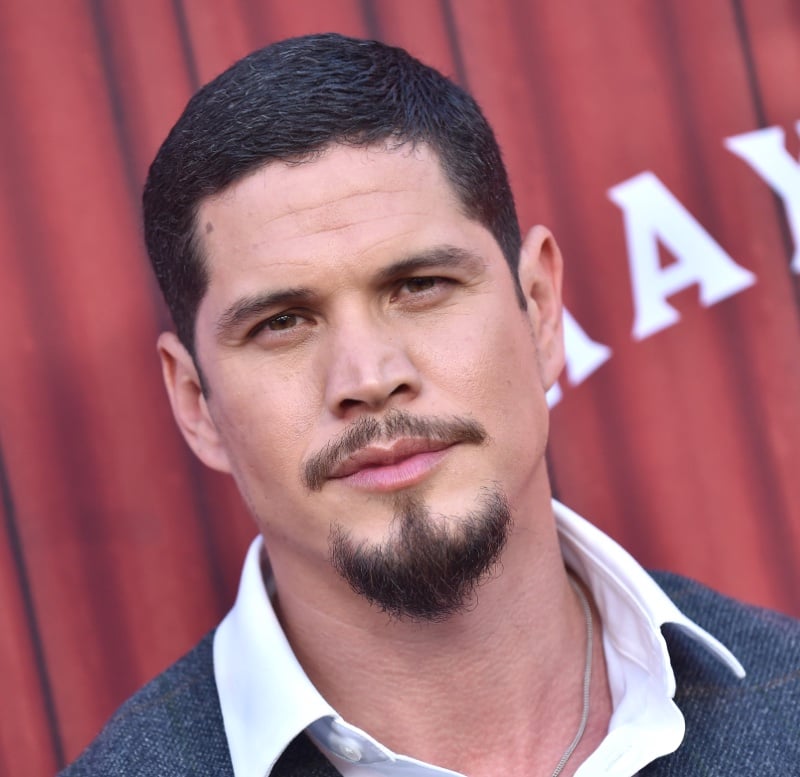
A narrow chin point and hair extending outward along the lower jaw give the anchor beard its namesake outline. A mustache usually sits separately above it, with the cheeks bare. Keep the jaw extensions narrower than a full chin beard and check their width from both sides before edging them.
Balbo Beard
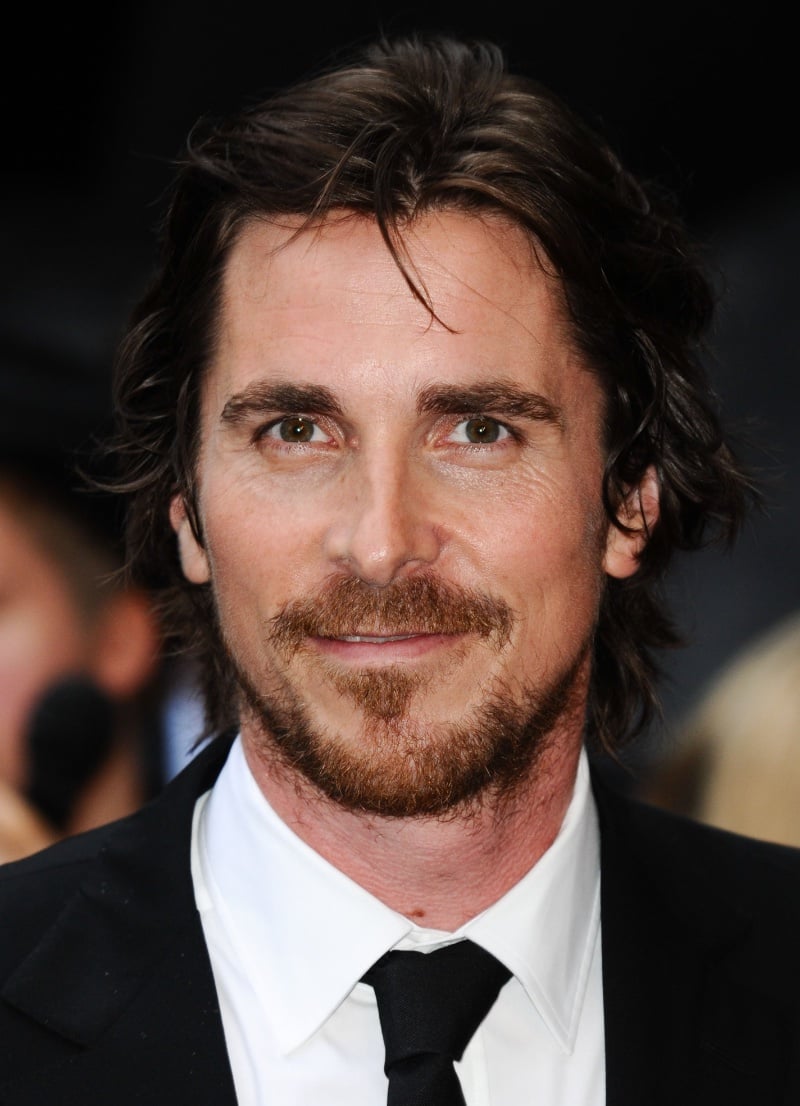
The Balbo leaves a wider area of hair across the chin and lower jaw beneath a separate mustache. Bare gaps at the mouth corners keep the two sections distinct, and the sideburns do not join the beard. Preserve enough width beneath the chin to distinguish its lower section from a small pointed goatee.
Beardstache
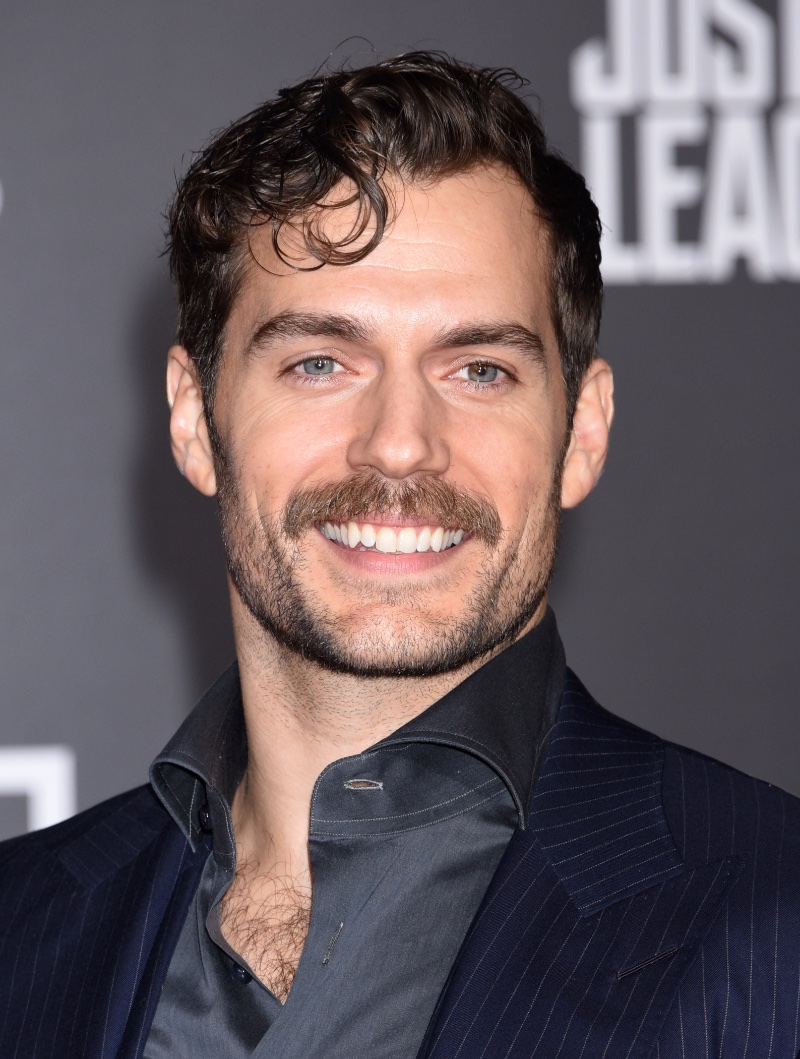
A fuller mustache stands above much shorter stubble in the beardstache. The difference in length matters more than an exact guard setting, since dense stubble can compete visually with the mustache. Trim the surrounding beard first, then shape the mustache separately so its ends and lower edge remain distinct.
Chinstrap Beard
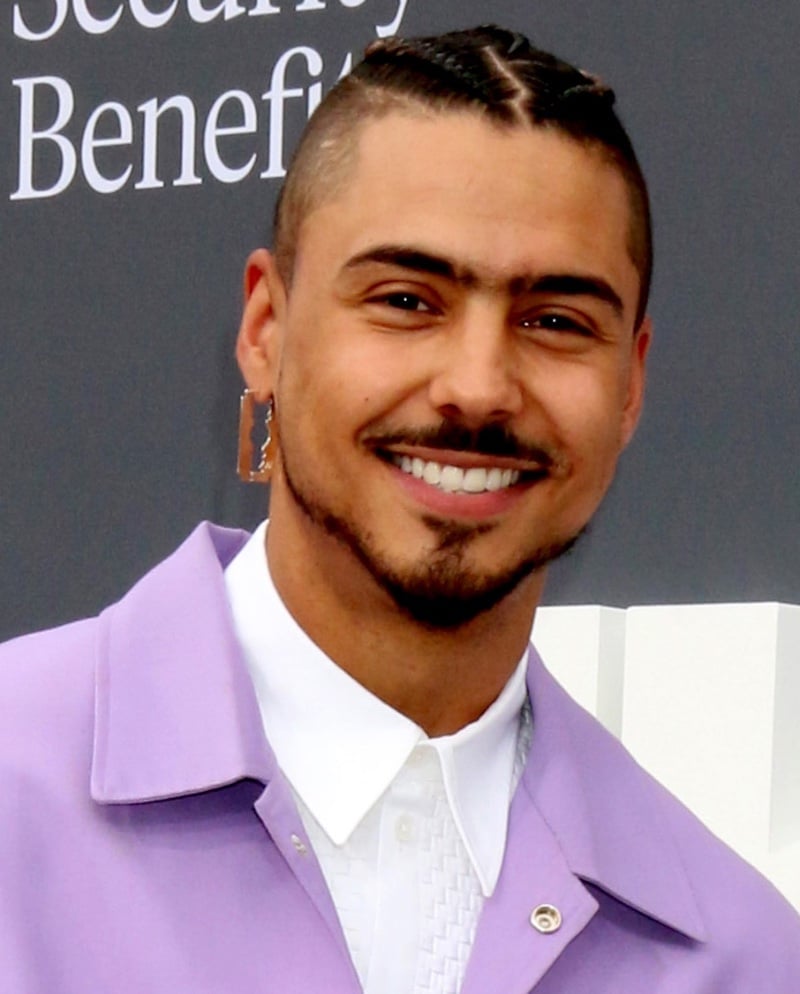
The chinstrap traces a narrow strip from the sideburns around the jaw and chin, leaving the cheeks and neck bare. Its upper and lower edges determine how broad the jaw appears, so take care to keep the strip even around the corners. The relationship between facial hair and the underlying outline varies across face shapes for men.
Circle Beard
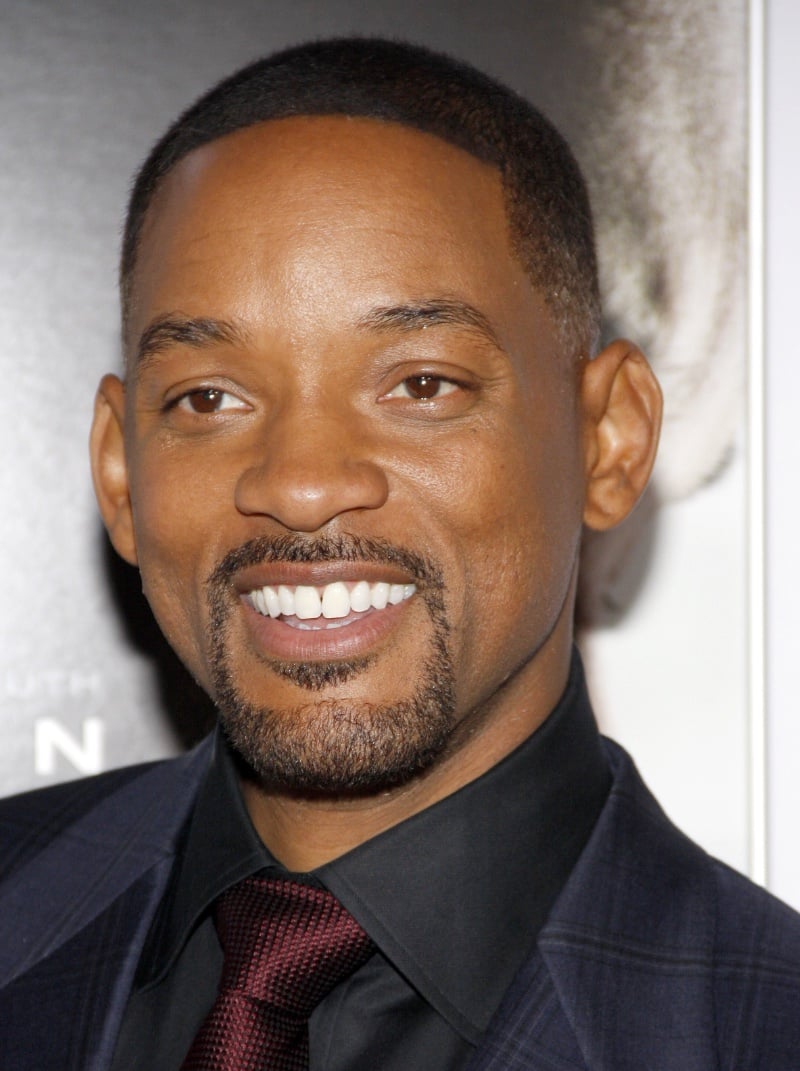
A circle beard joins the mustache to a rounded chin beard through hair at both mouth corners. Those connectors make it different from a Van Dyke. Trim the outer edge into a continuous curve and keep the hair beside the lips from extending into the mouth. Sparse connectors may leave the circle visibly open.
Corporate Beard
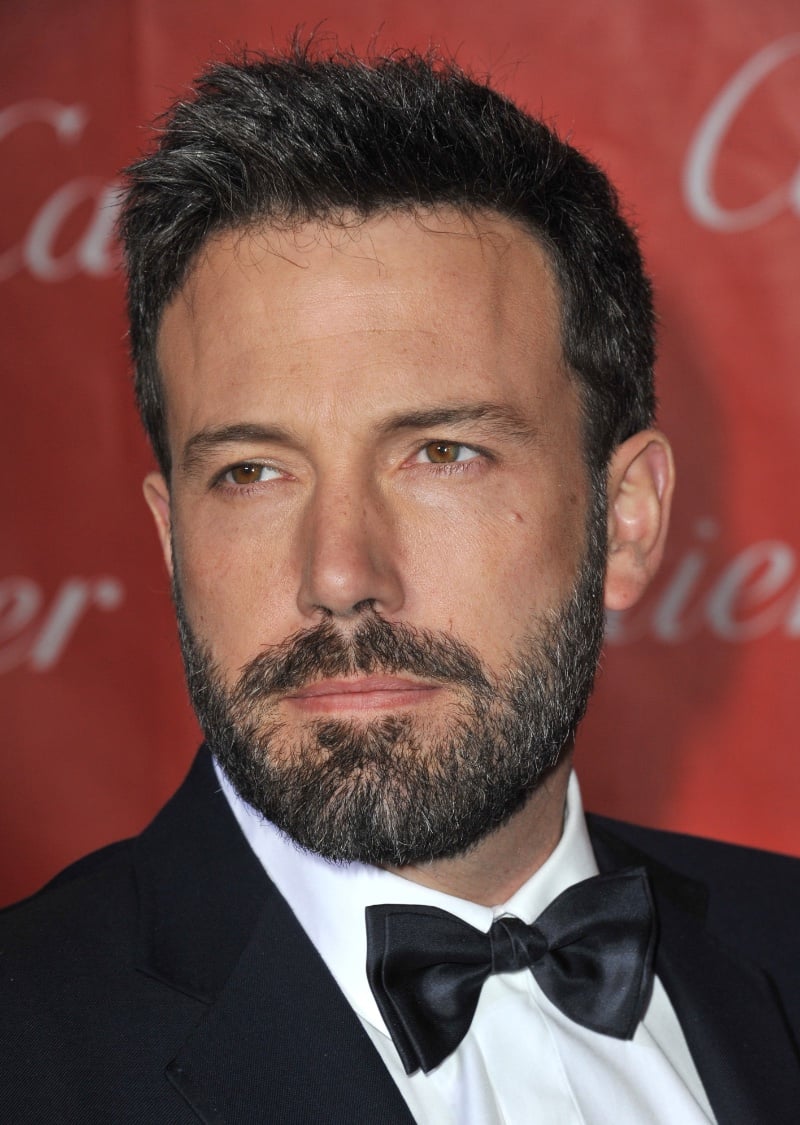
The corporate beard retains coverage across the cheeks, jaw and chin at a relatively even short or medium length. The mustache blends into it, and defined cheek and neck edges keep the surrounding skin visible. Trim when stray hairs begin to interrupt the outline. Workplace grooming requirements vary, so the name does not guarantee acceptance in every setting.
Ducktail Beard
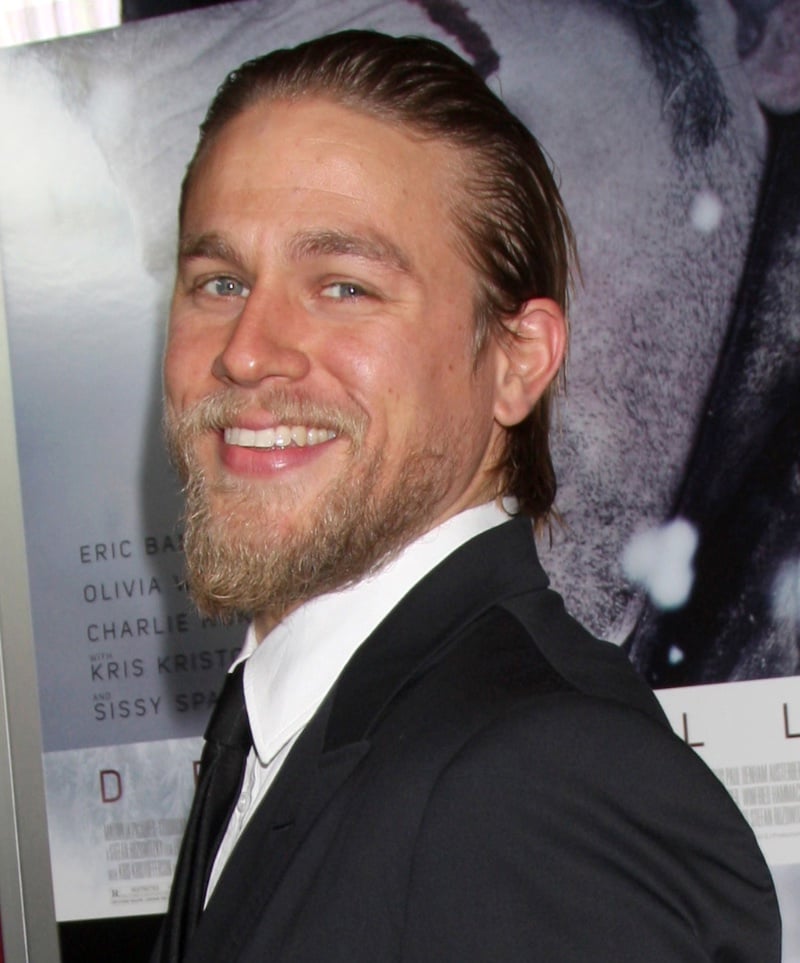
Length increases from shorter cheeks toward a pointed chin in the ducktail beard. From the front, the sides narrow inward; in profile, the chin projects below the jaw. Comb the hair into its usual fall before shaping the point so the cut follows the beard's natural direction.
Faded Beard
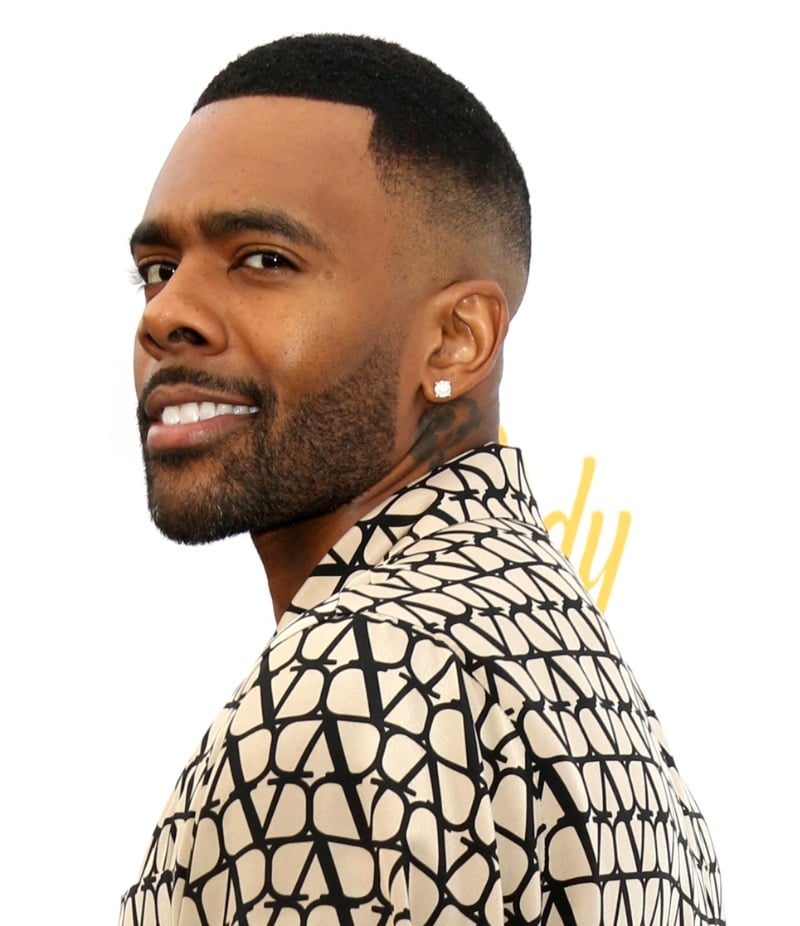
A faded beard changes length gradually near the sideburns, joining the facial hair to a fade haircut or another short style. The blend can remain high near the ears or extend farther down the cheeks. Shorten in small steps, since taking too much from a sparse sideburn can leave a visible gap instead of a gradual transition.
French Fork Beard
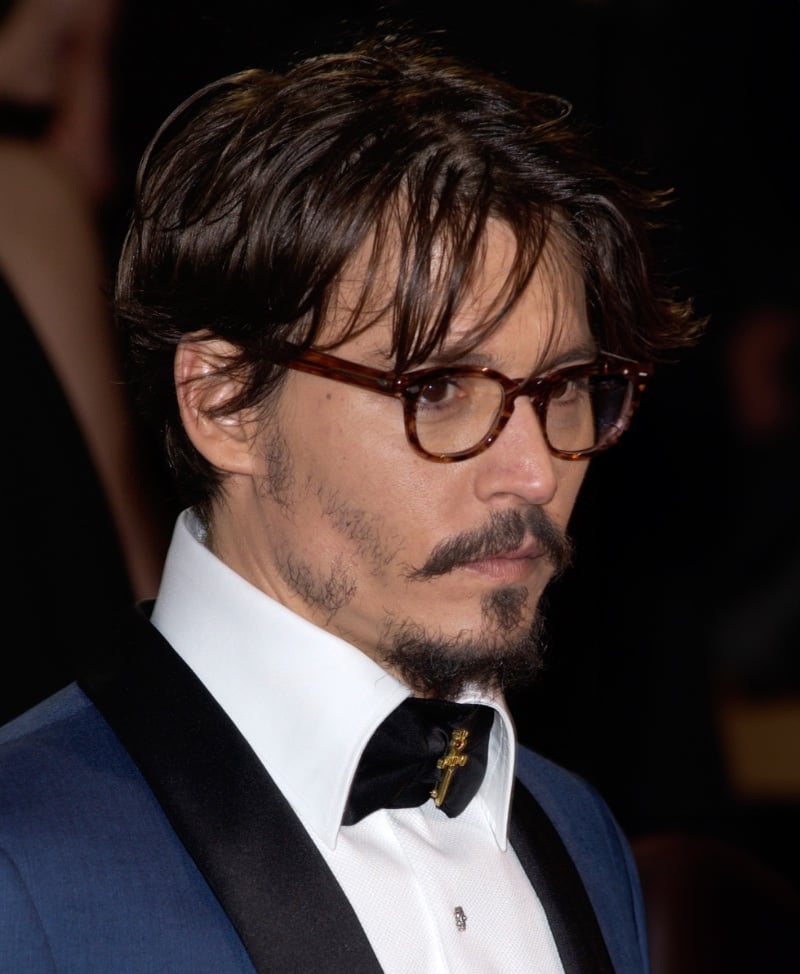
The French fork divides the beard below the chin into two points. Enough length must extend beyond the jaw for those sections to separate visibly, and the center needs a distinct part. Johnny Depp's Jack Sparrow wears a divided version. Comb each side outward and assess both points before trimming their ends.
Full Beard
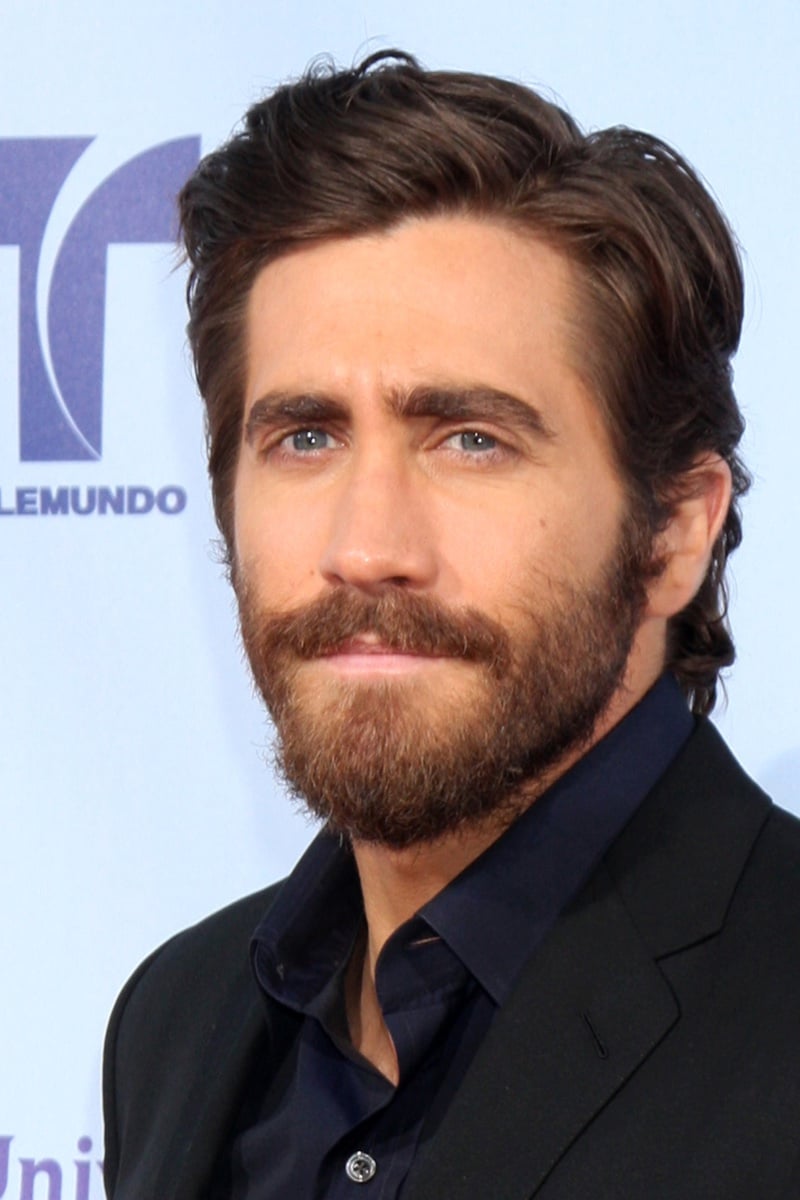
A full beard retains hair across the cheeks, jaw, chin and upper lip, with the mustache joining the surrounding growth. Its outline can follow the jaw closely or extend below it. Density may differ between the cheeks and chin, so trim to the coverage available instead of expecting every area to grow equally thick.
Garibaldi Beard

Named after the Italian general Giuseppe Garibaldi, the Garibaldi carries substantial width through the jaw into a rounded lower edge. It is commonly described at lengths up to about 8 inches, though its broad curve is the defining visual feature. Leave weight at the lower sides and trim the bottom into an arc instead of narrowing it to a chin point.
Goatee
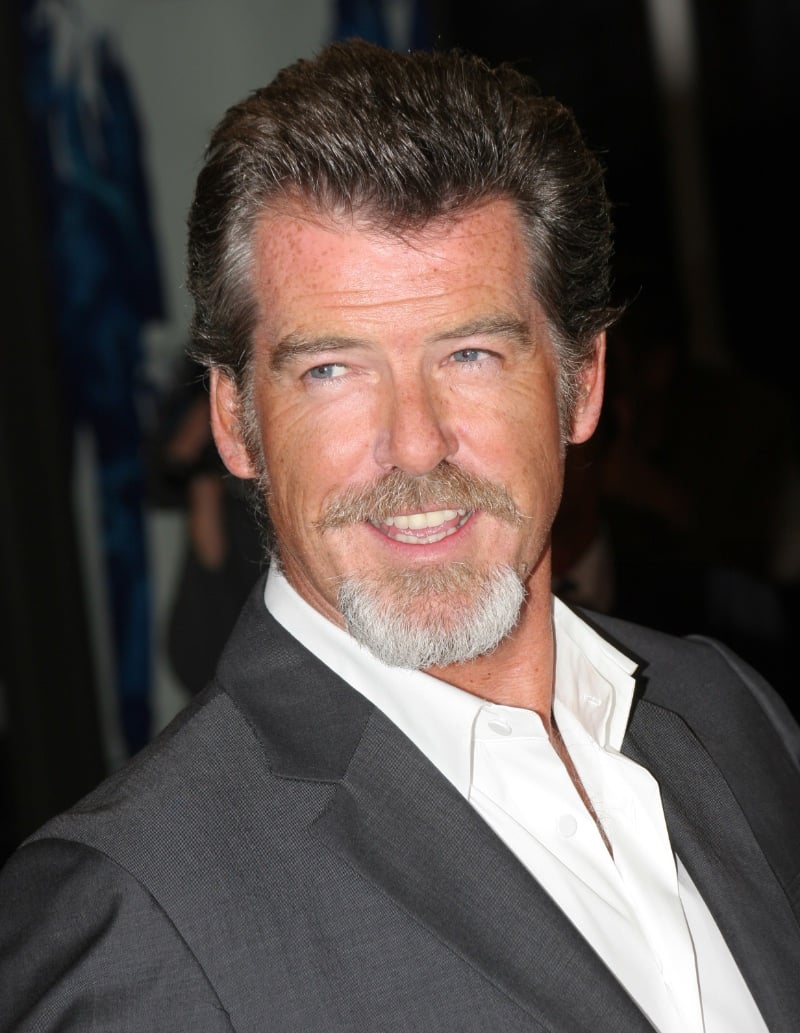
A goatee strictly means hair on the chin, with bare cheeks and no required mustache. Everyday usage also includes versions with hair above the lip. The width of the chin patch changes its effect, from a narrow central point to a broader lower edge. It concentrates grooming on the area beneath the mouth when cheek growth is sparse.
Gunslinger Beard
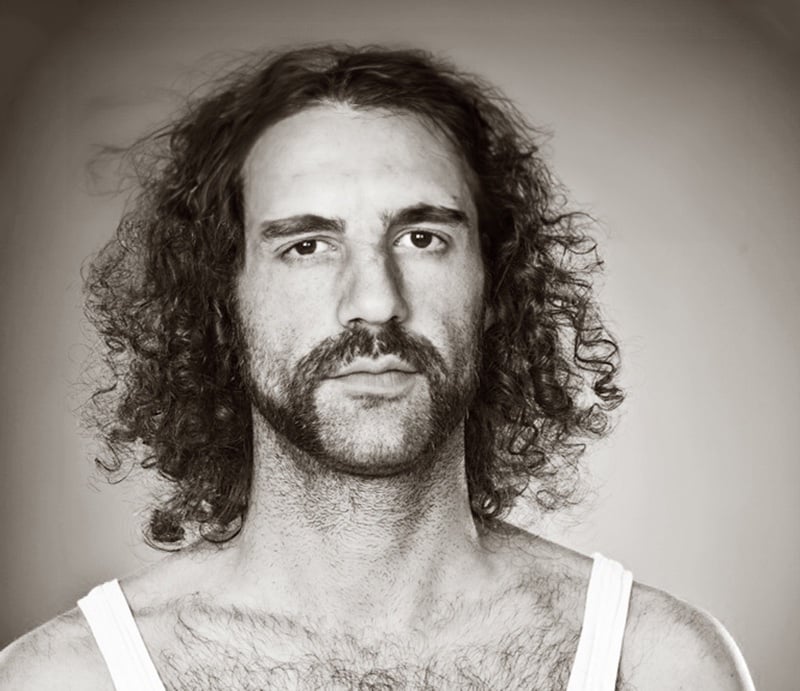
Long sideburns meet a horseshoe-style mustache in the gunslinger beard, leaving the central chin bare or with a small soul patch. Hair extends down beside the mouth, creating two vertical sections around the open center. Keep those sections separate from the chin so the shape does not merge into a full beard.
Hollywoodian Beard
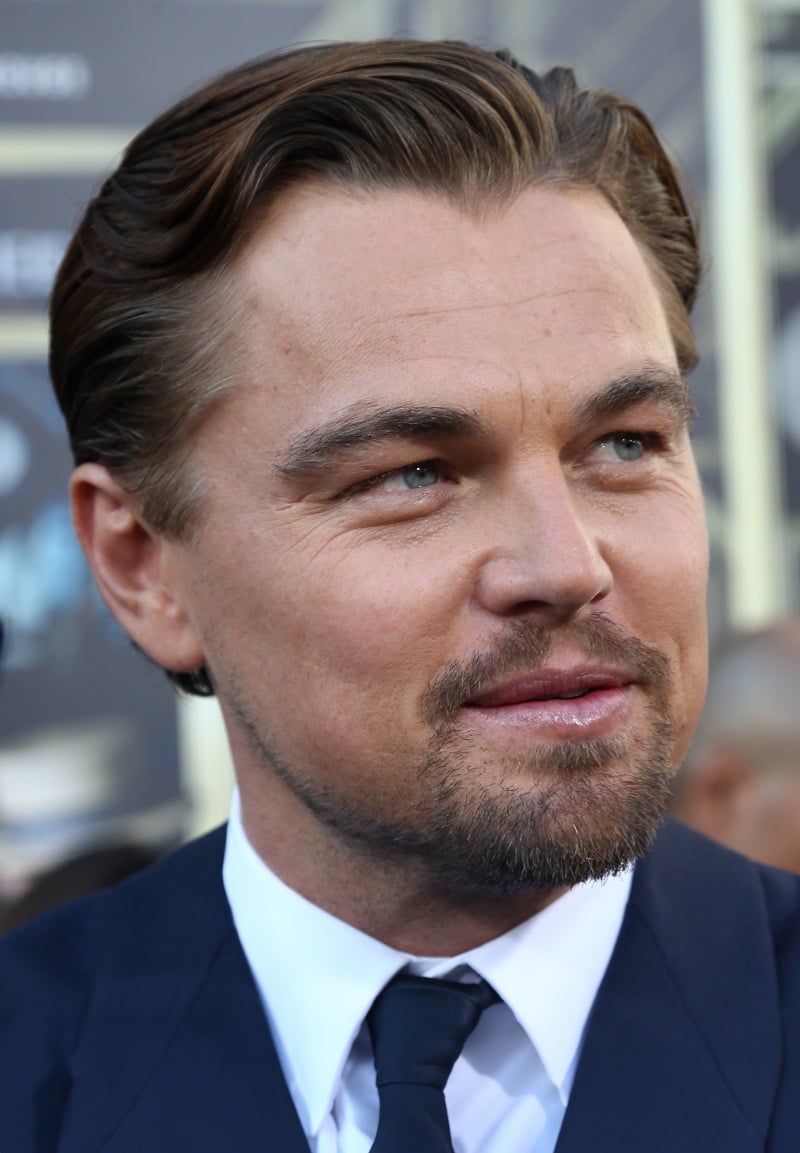
The Hollywoodian carries hair along the jaw and chin but stops short of the sideburns. A mustache usually joins the lower beard, while the upper cheeks remain bare. The exposed gap near each ear distinguishes it from a short full beard. Maintain that gap as the sideburns grow down.
Mutton Chops
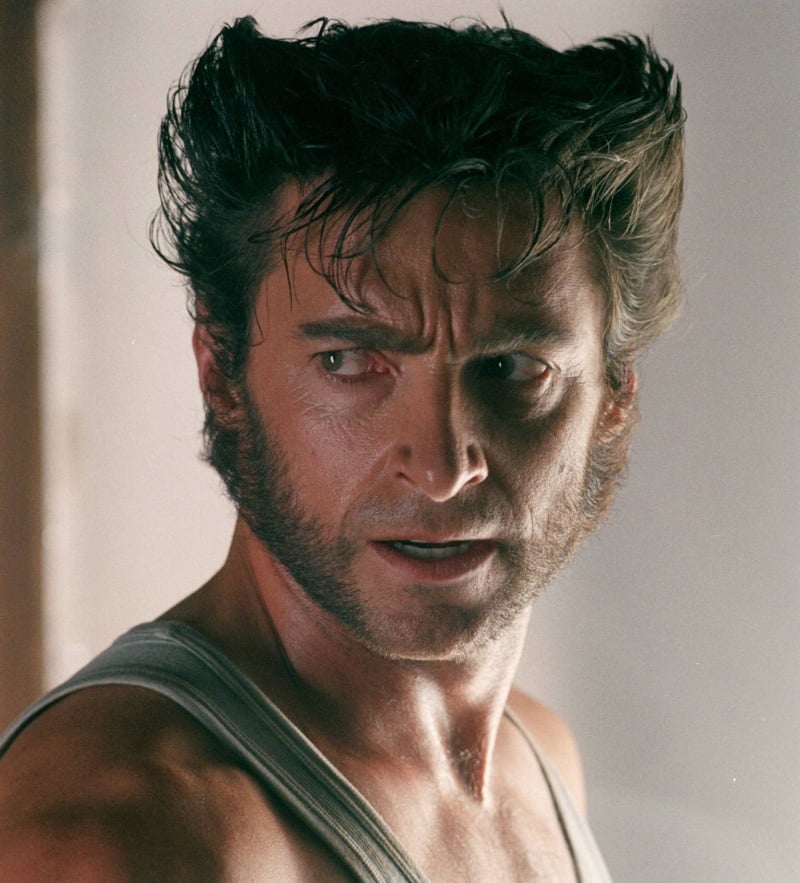
Mutton chops spread from the sideburns down along the jaw toward the mouth corners, leaving the chin bare. The width of each side section determines how much of the cheek it covers. Hugh Jackman's Wolverine wears a broad version. Keep the central gap visible and compare both sides with the face level.
Royale Beard
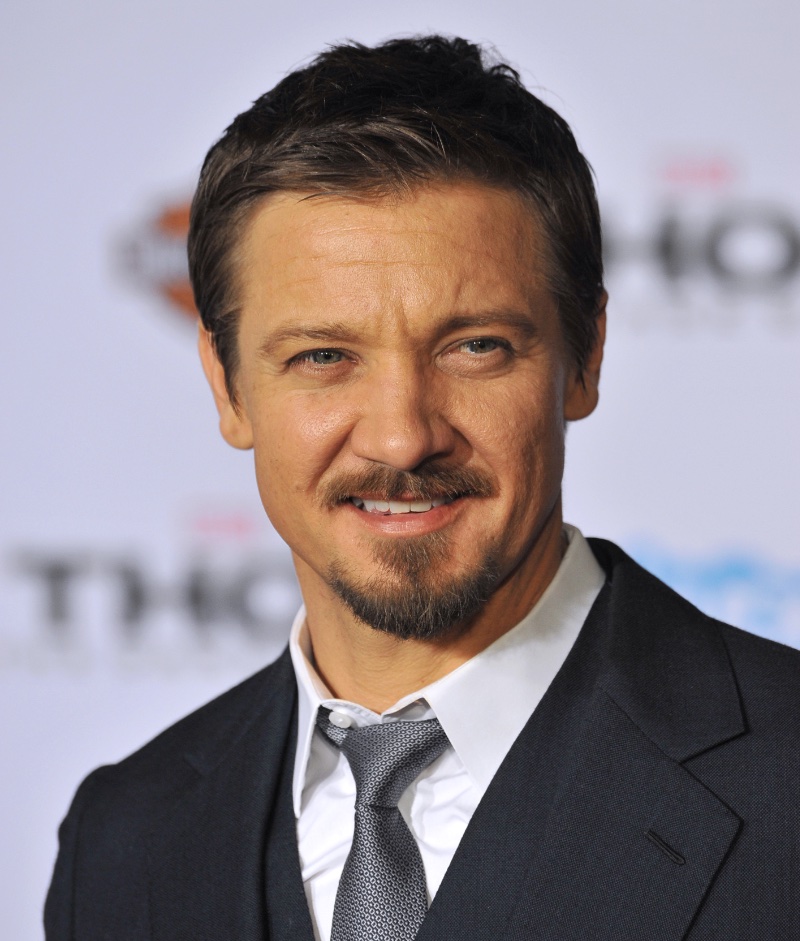
The royale concentrates a mustache and a small chin beard near the center of the face, leaving the cheeks and sideburns bare. A narrow strip below the lower lip can connect to the chin patch. Keep the lower section compact so its edges remain distinct from broader styles that spread along the jaw.
Short Boxed Beard
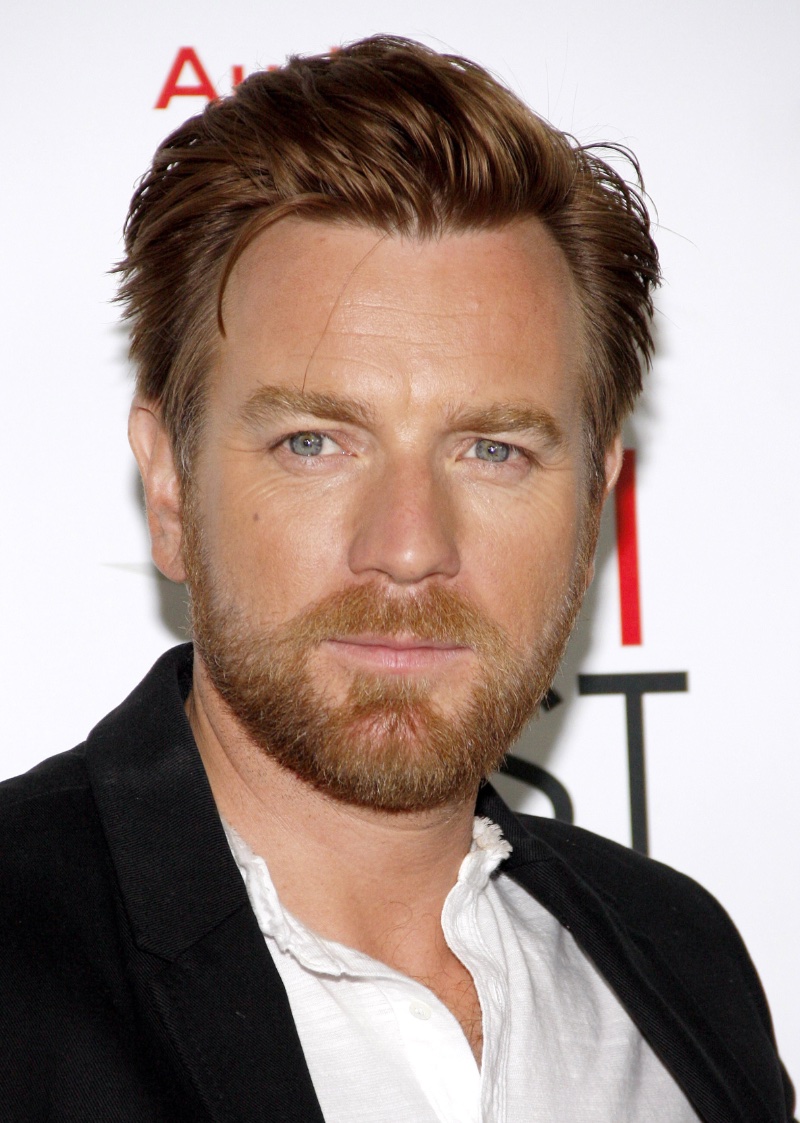
A short boxed beard retains full coverage but trims the cheek and neck edges into a defined outline. The mustache usually connects, and the hair stays close enough for the jaw's shape to remain visible. Round the lower corners gently instead of shaving away too much beneath them, then check the outline from the front and in profile.
Stubble
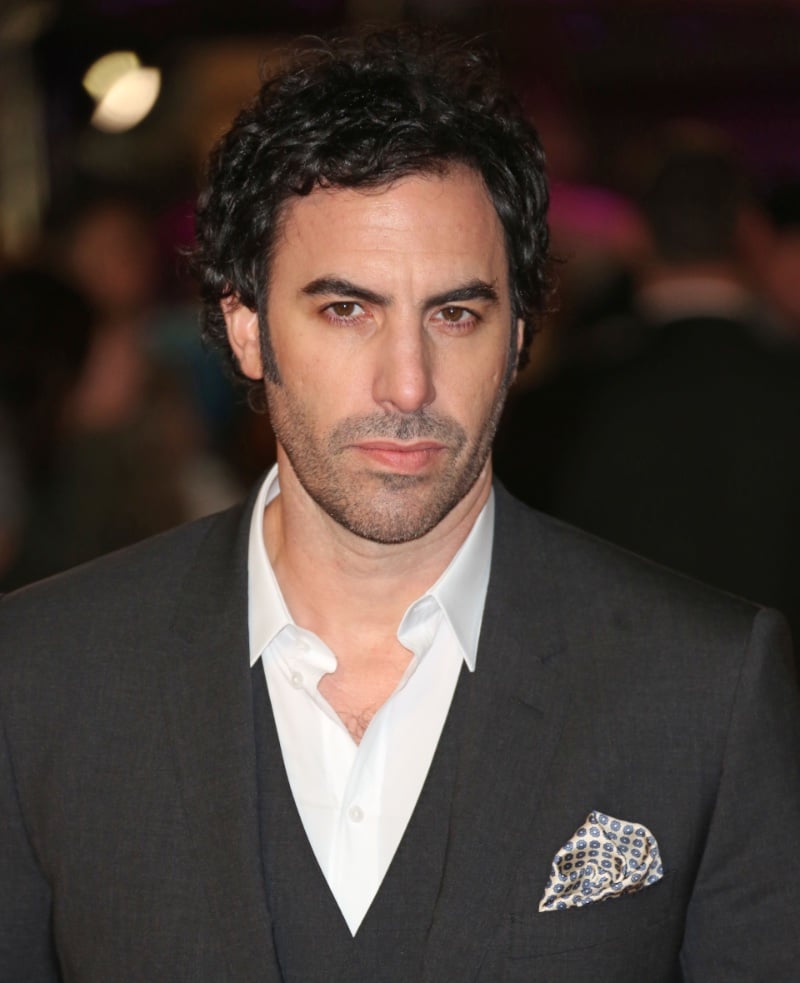
Stubble leaves a short shadow across the beard area, from a faint five o'clock shadow to denser growth. Those labels describe appearance more reliably than a set number of days, since growth rates and hair color differ. Use a suitable trimmer setting to keep the surface even and revisit it when the length begins to change the effect.
Van Dyke Beard
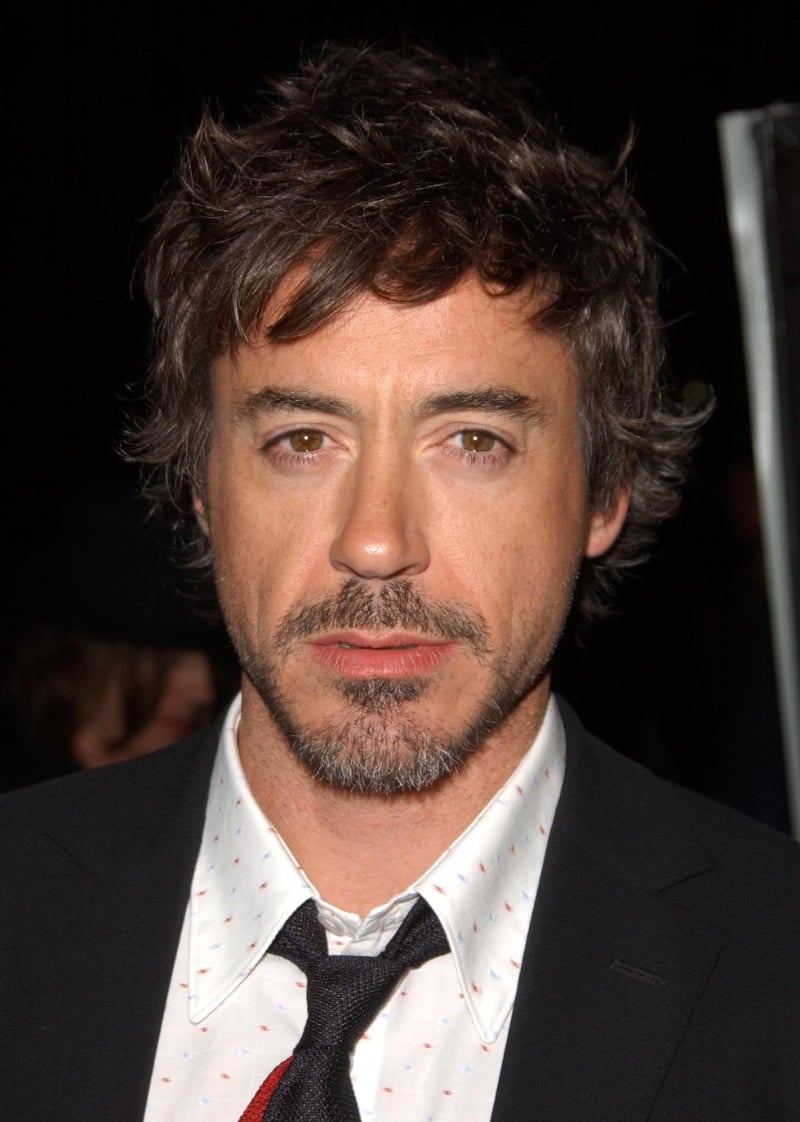
The Van Dyke sets a pointed goatee beneath a separate mustache, with the cheeks and jaw bare. Named after the 17th-century Flemish painter Anthony van Dyck, it leaves visible gaps at the mouth corners. The mustache can sit naturally or turn outward at the ends, while the chin point remains the lower focus.
Verdi Beard
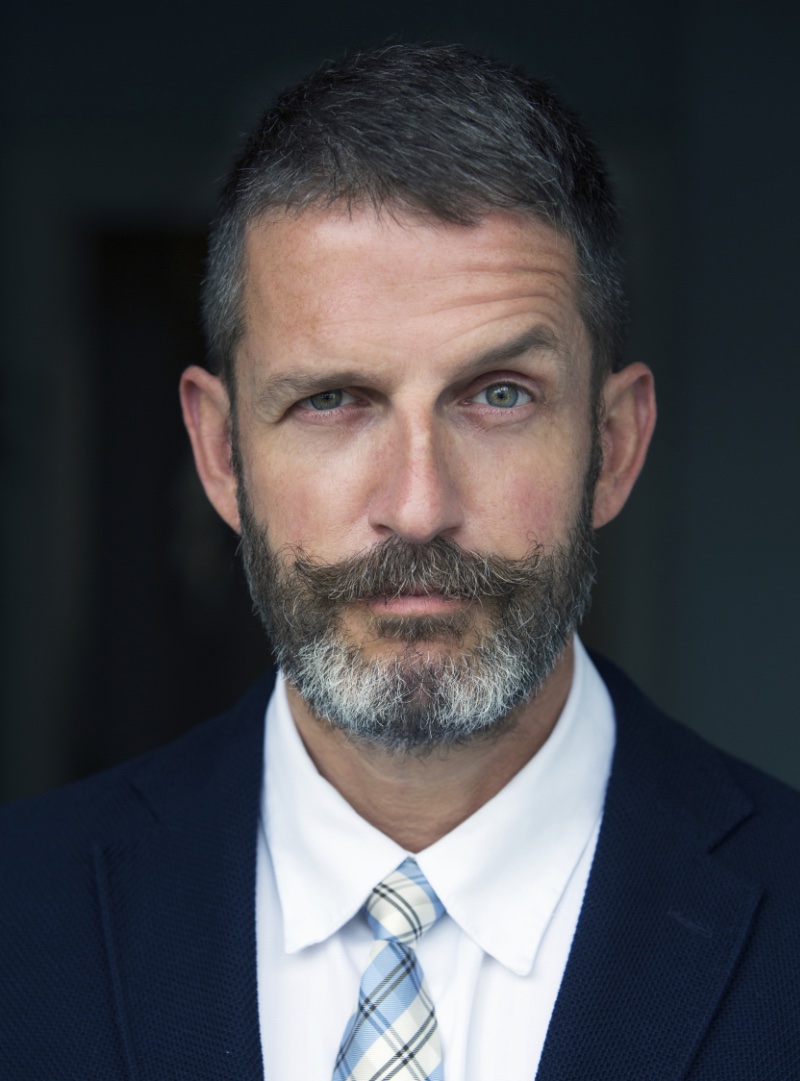
A rounded full beard and a separately styled mustache define the Verdi, named after the Italian composer Giuseppe Verdi. The beard is often kept around 4 inches, with the lower edge curved instead of pointed. The mustache sits visibly above it, sometimes with waxed ends. Comb the beard downward and shape the mustache separately to preserve that distinction.
How to Choose a Beard Style
Choose coverage before length. Sparse cheeks may suit a goatee, Van Dyke, Balbo or anchor, while a full beard or Garibaldi needs enough growth across a broader area. A longer chin section extends the lower face; fuller sides add width beside the jaw. Decide how much edging and shaving the shape requires, then fit that upkeep around the growth rate and workplace requirements. For Black men's beard styles, curl pattern and the way hair coils affect how much length shows and how the outline should be trimmed.
How to Trim & Shape a Beard
Comb the beard into its usual position before removing length, then check the shape from the front and both sides. Adjust the edges in small steps.
- Use the two-finger neckline estimate as a starting point, placing two finger widths above the Adam's apple. Check it with the chin level and adjust for the jaw and beard length before shaving beneath the line.
- Follow the natural cheek line where possible, removing stray hairs above it. Cutting the edge much lower can expose sparse areas and reduce coverage.
- Start with a longer guard and shorten gradually. Check how curly hair settles after combing so stretched strands are not cut too close.
- Trim the mustache clear of the lip when that suits the style. Leave enough at the ends for outward styling or for connections to the beard.
- Wash the beard and skin gently, then moisturize with a product suited to the skin type. Beard oil can soften normal or dry skin and hair; sensitive skin may suit a fragrance-free moisturizer. Oil or balm does not address every cause of itch.
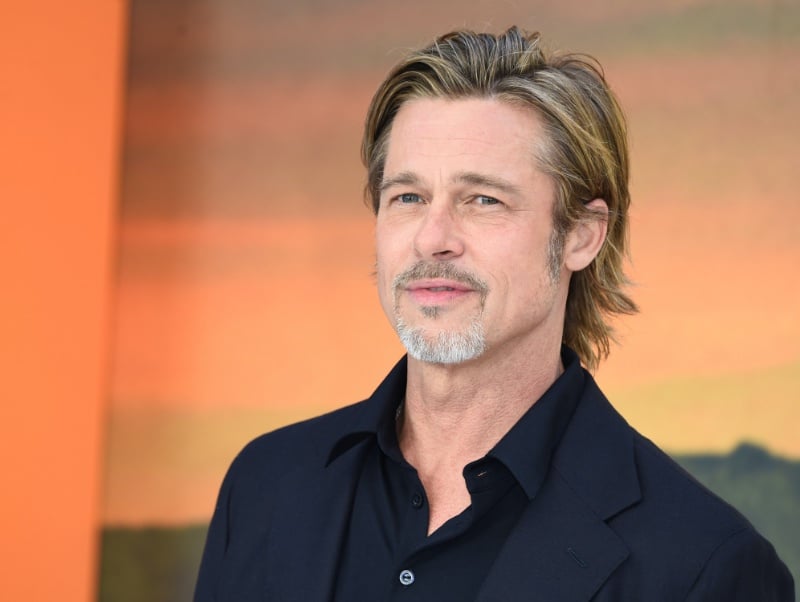
Brad Pitt's beard changes its lower outline through length at the chin and shorter hair beside the mouth. Brad Pitt's hair provides the other part of that grooming silhouette.