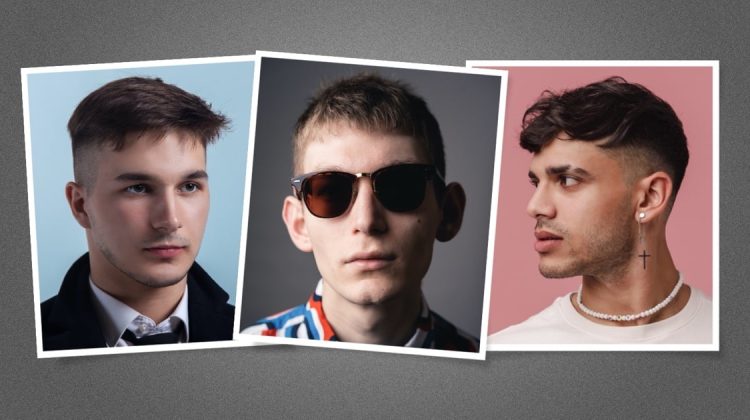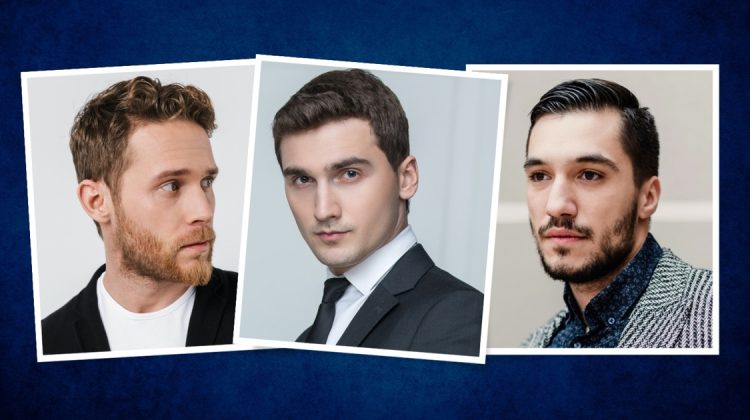
A French crop fade keeps the short top and forward fringe of a French crop, then takes the sides progressively shorter. A low fade leaves more hair around the temples, while a high fade exposes more scalp and draws attention to the blunt fringe.
What Is a French Crop Fade?
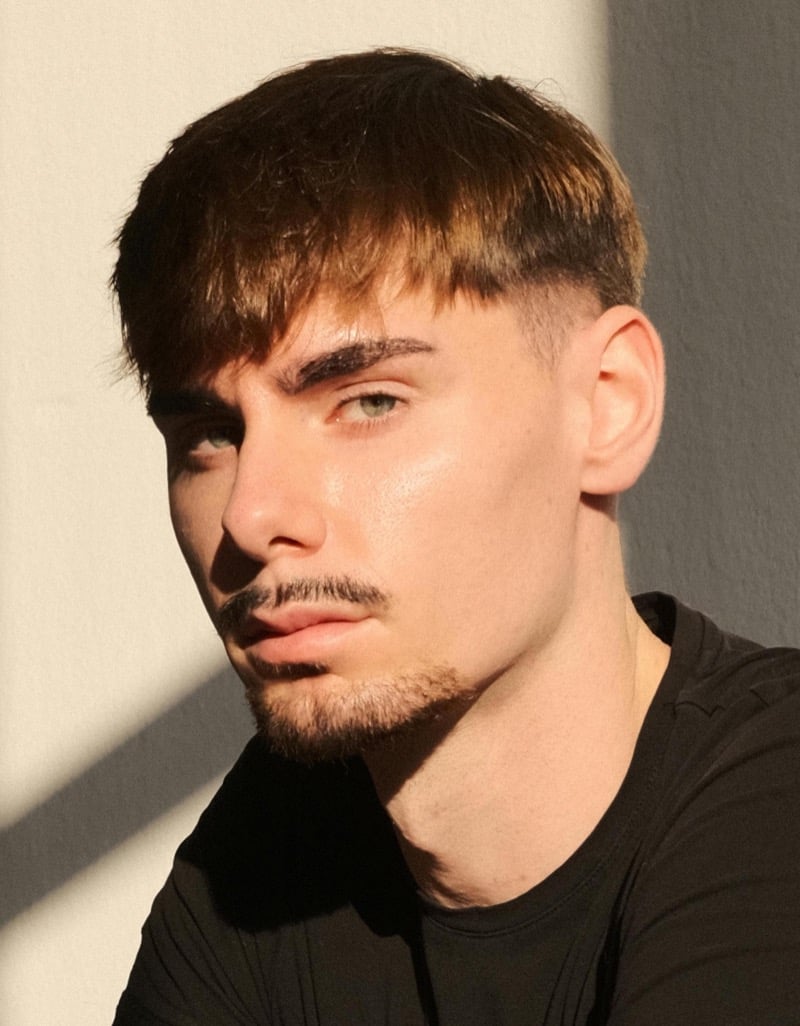
The top typically measures 1 to 2 inches, with the hair directed toward the forehead. A blunt fringe can sit like a ruler above the brow; point-cut ends give it a broken, irregular edge.
Unlike the longer taper of a classic French crop, the fade shortens the sides through successive clipper lengths. Its starting height determines how much hair remains above the ears, while the shortest guard determines whether the finish shows skin.
French Crop Low Fade
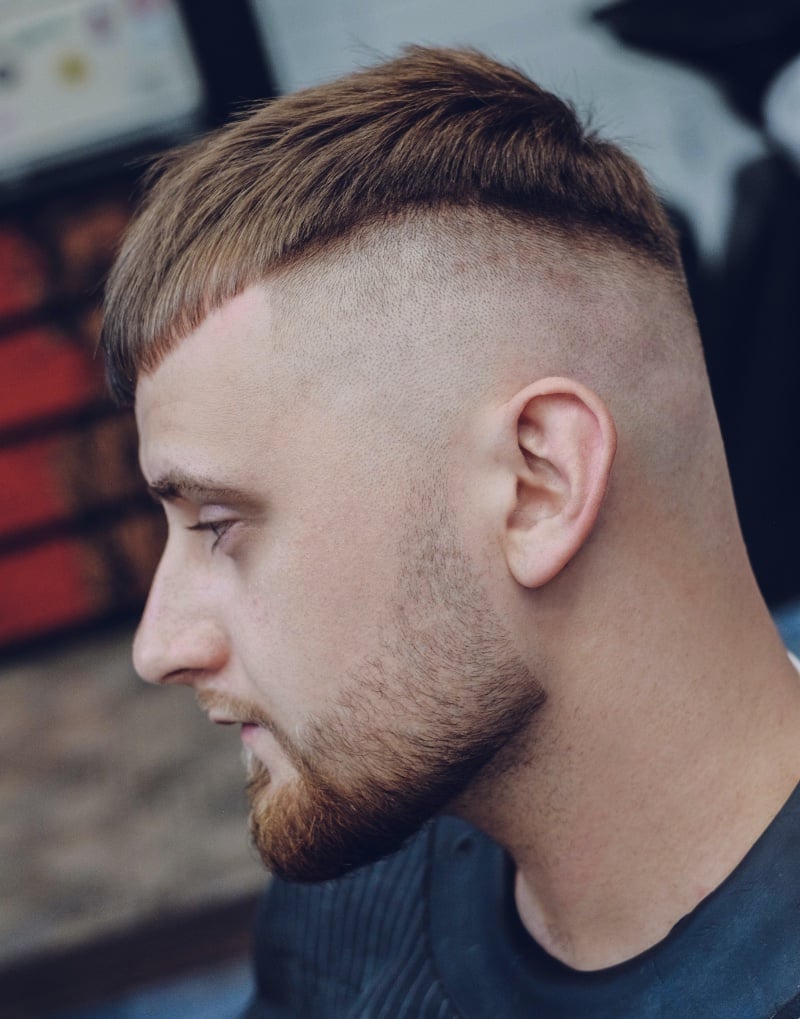
Starting just above the ears, the French crop low fade preserves fullness at the temples and a rounded outline. The extra coverage is useful when a stark contrast would overwhelm fine or light-colored hair. See the low fade for more.
French Crop Mid Fade
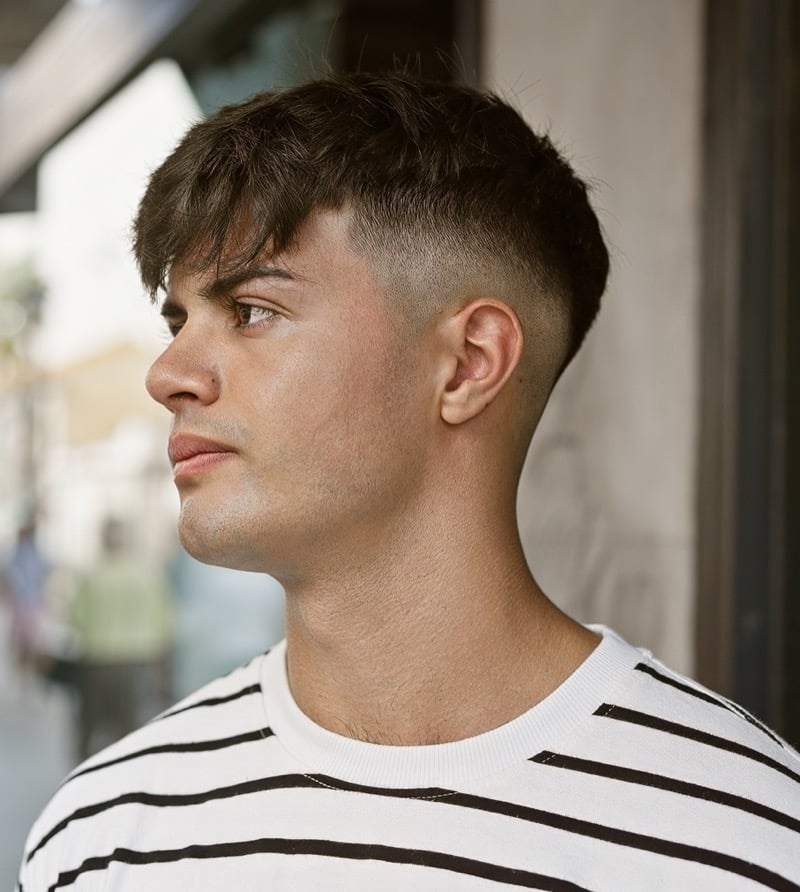
At temple height, the French crop mid fade removes more weight from the sides while leaving a band of hair beneath the longer top. The gradual transition works particularly well with a choppy fringe and finger-styled texture. See the mid fade for more.
French Crop High Fade

The French crop high fade starts near the top of the sides and drops hard, creating a bold divide between scalp and crown. The remaining top looks dense and boxy, especially beneath a heavy, straight fringe. On darker, thick hair, the difference between the closely clipped sides and the top is particularly visible. See the high fade for more.
French Crop Skin Fade
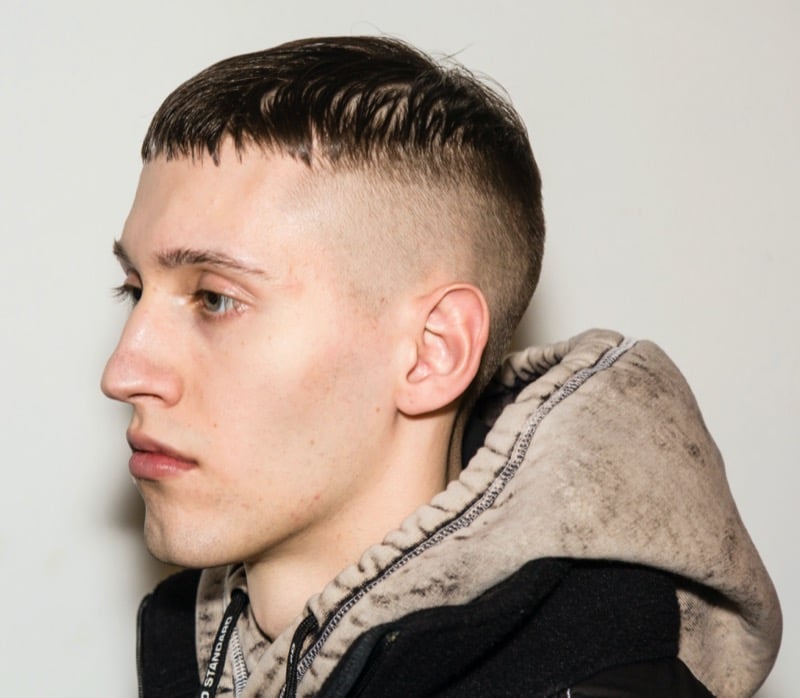
A French crop skin fade is defined by its bare-skin finish, whether the transition starts low, mid or high. A foil shaver or zero-gap trimmer clears the hair at the base, making new growth noticeable sooner. See the skin fade for more.
French Crop Taper Fade

The French crop taper fade concentrates the shortest hair at the sideburns and neckline, keeping more coverage across the sides. Its narrow transition grows out gradually, making it a practical choice when frequent barber visits are difficult. See the low taper fade for more.
French Crop Drop Fade
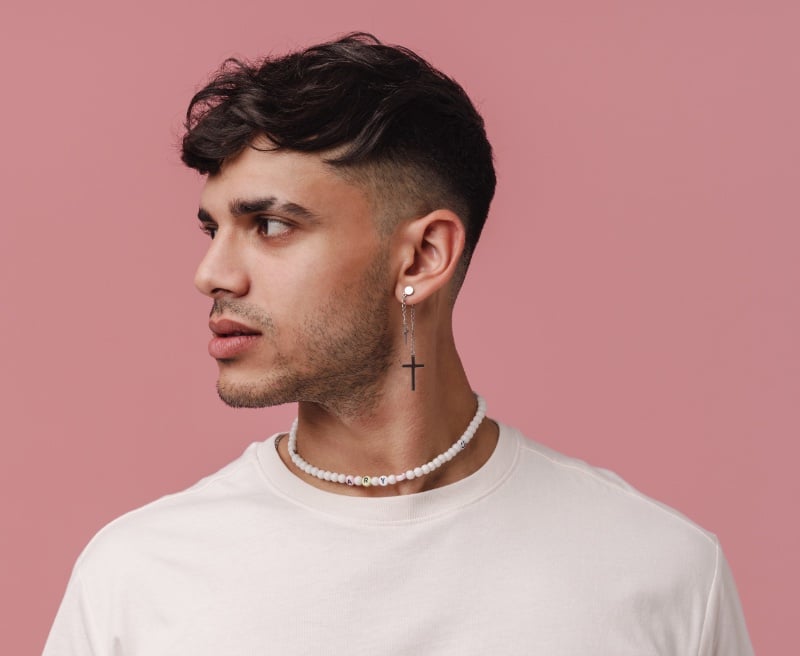
Rather than following a level line around the head, the French crop drop fade dips behind the ear toward the nape. That descending curve leaves room for the fuller wave pattern above it. See the drop fade for more.
French Crop Burst Fade

A French crop burst fade radiates around the ear, leaving the hair longer toward the nape. Paired with a forward fringe and an extended back, it gives the French crop mullet its distinctive profile. See the burst fade for more.
How to Keep a French Crop Fade Sharp
The sharpness does not maintain itself. A high fade or skin fade generally needs a touch-up every two to three weeks, while a low fade or taper can often go three to four. A little matte paste or powder can separate the fringe and give the top grip.
By the second week, the shortest areas begin to darken with regrowth and the fringe loses some of its straight edge. The crop becomes softer and more tousled, though a precise blunt fringe may need attention before the sides do.