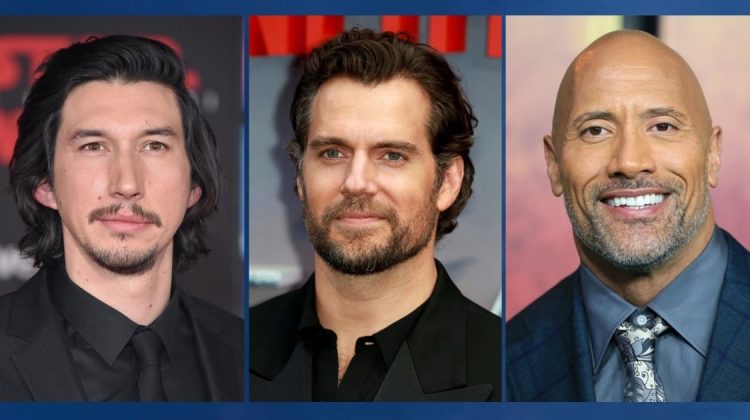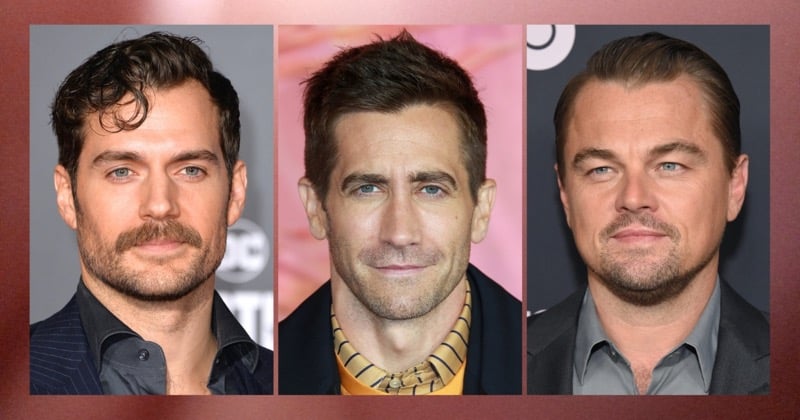
A heart shaped face is widest at the forehead and narrows toward a smaller, often pointed chin. Heart shaped face haircuts for men can cover part of that broad upper area or carry more hair beside the jaw. A fringe changes the visible forehead; longer sides change the silhouette lower down. One of the seven common face shapes for men, it leaves room for close cuts as well as shoulder-length styles, depending on which features the wearer wants to emphasize.
What Suits a Heart Shaped Face
Start with the relationship between the broad forehead and narrower chin. Hair can change that outline in several ways.
- A fringe or side-swept front covers part of the forehead and interrupts its upper edge.
- Moderate lift keeps the top lower, while a tall front emphasizes the upper half of the silhouette.
- Length that reaches the cheeks or jaw can add fullness beside the narrower lower face. Short hair at the temples cannot do the same job.
- A beard can add width around the chin. Stubble defines the lower outline but adds little physical bulk.
Closely clipped sides beneath a tall top emphasize the difference between the upper and lower face. Brushing the front straight back exposes the full forehead. Both are styling choices, though they produce a different effect from a forward fringe or longer sides.
Heart Shaped Face Haircuts for Men
These 11 haircuts for a heart shaped face vary in front length, side coverage and the amount of forehead they expose.
Textured Crew Cut
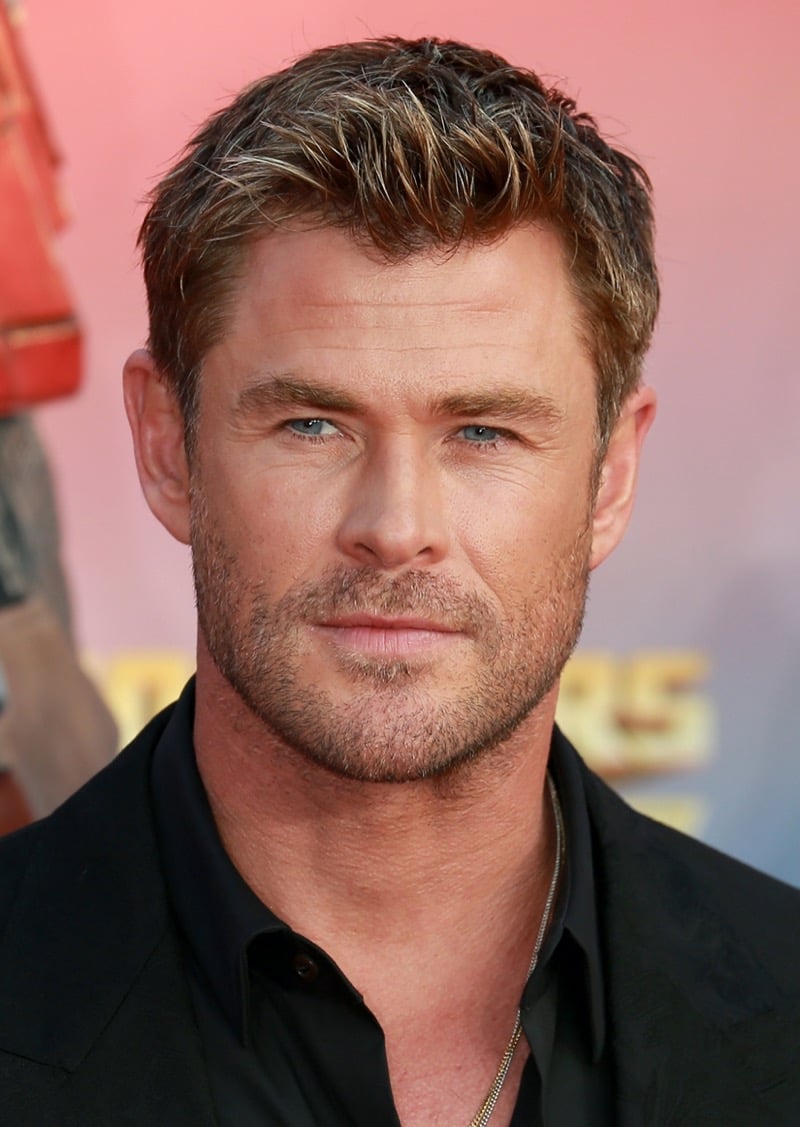
A textured crew cut leaves the front slightly longer than the crown above short sides. Small differences at the tips keep the top from forming one flat surface, with enough length to brush the front a little forward. The crew cut belongs among classic haircuts, and a small amount of pomade or wax can separate its ends. Chris Hemsworth's haircut shows how a modest rise at the front leaves the temples visible.
Buzz Cut
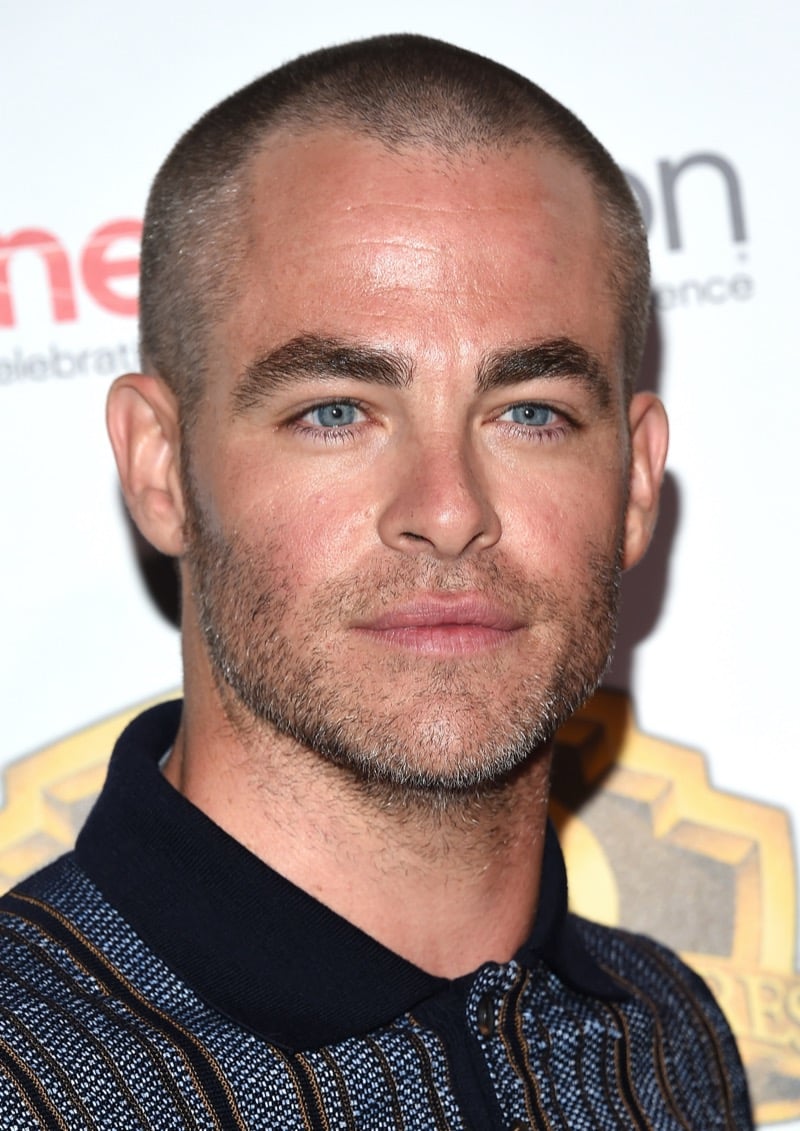
The buzz cut exposes the forehead, cheekbones and jaw with little hair to alter their outline. A beard can add fullness around a narrow chin, while stubble leaves the underlying shape more visible. A taper at the sideburns and nape refines the edges; a fade takes the graduation farther through the sides. Protect exposed scalp outdoors with sunscreen or a sun-protective hat.
Side Part

A side part directs the longer front diagonally across the upper forehead. The position of the part and the amount of sweep decide how much skin remains visible. Keep enough length for the hair to cross the front instead of standing straight up, with tapered sides that leave some hair around the temples.
Fringe
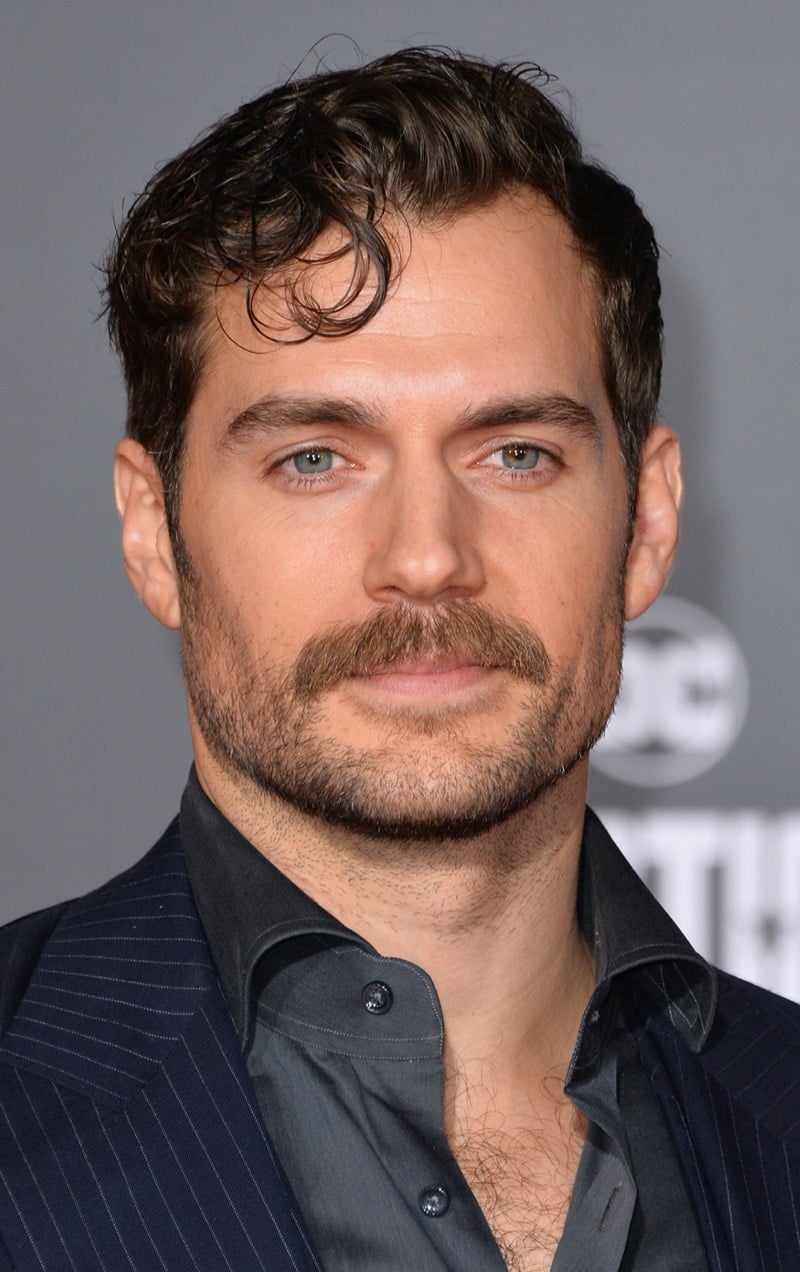
A fringe places hair directly over the forehead, shortening its visible height. A side-swept version leaves part of the brow open, while loose curls can fall in separate pieces across the front, as Henry Cavill's do. The ends need enough density to sit together, so choose their length and separation according to the available hair.
Textured Crop
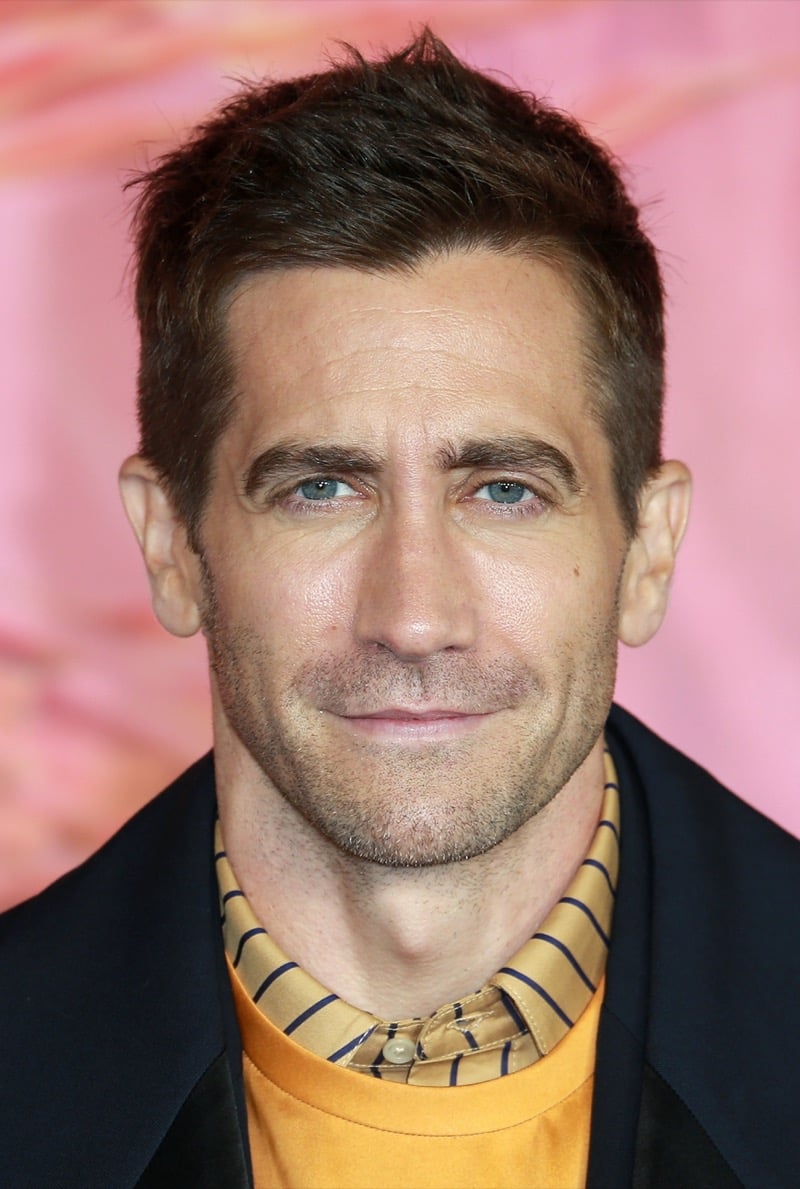
Short, uneven ends distinguish the textured crop, with a compact top above shorter sides. Brushing the front forward covers a little of the upper forehead; lifting its tips leaves more skin visible. Light texturizing separates the surface while preserving weight underneath. The French crop makes a short forward fringe a defining feature.
Undercut
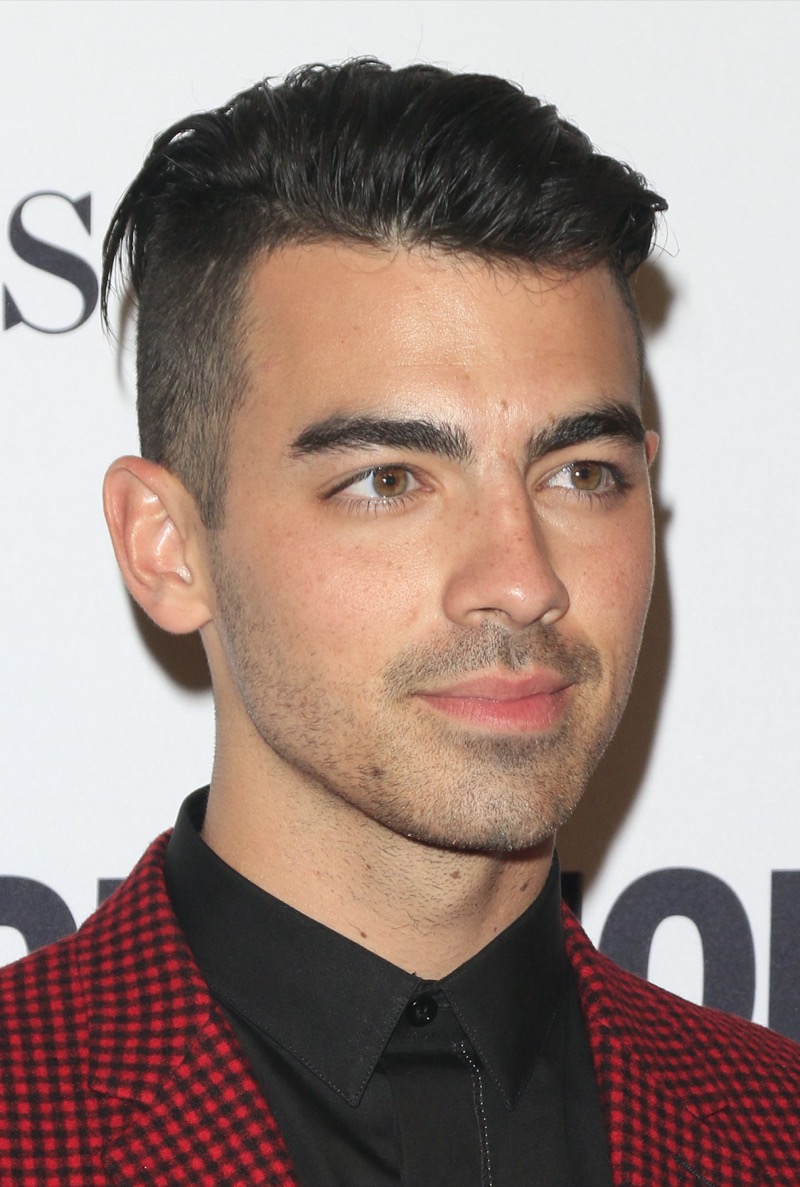
An undercut separates a longer top from very short sides through an abrupt change in length. That exposed side area can make the upper silhouette look more pronounced. Sending the front sideways or forward lowers it, while Joe Jonas's slicked-back version leaves the forehead open. A pompadour above the same sides adds still more height, so choose that outline deliberately.
Shoulder-Length Hair

Shoulder-length hair falls beside the cheeks and jaw, adding width lower down when its ends remain loose. Light layers let sections bend at different levels instead of forming one heavy edge. A center part exposes more forehead, while an off-center part can send a section across it. Among long hairstyles for men, this length needs enough weight at the ends to retain fullness near the chin.
Textured Crop Fade
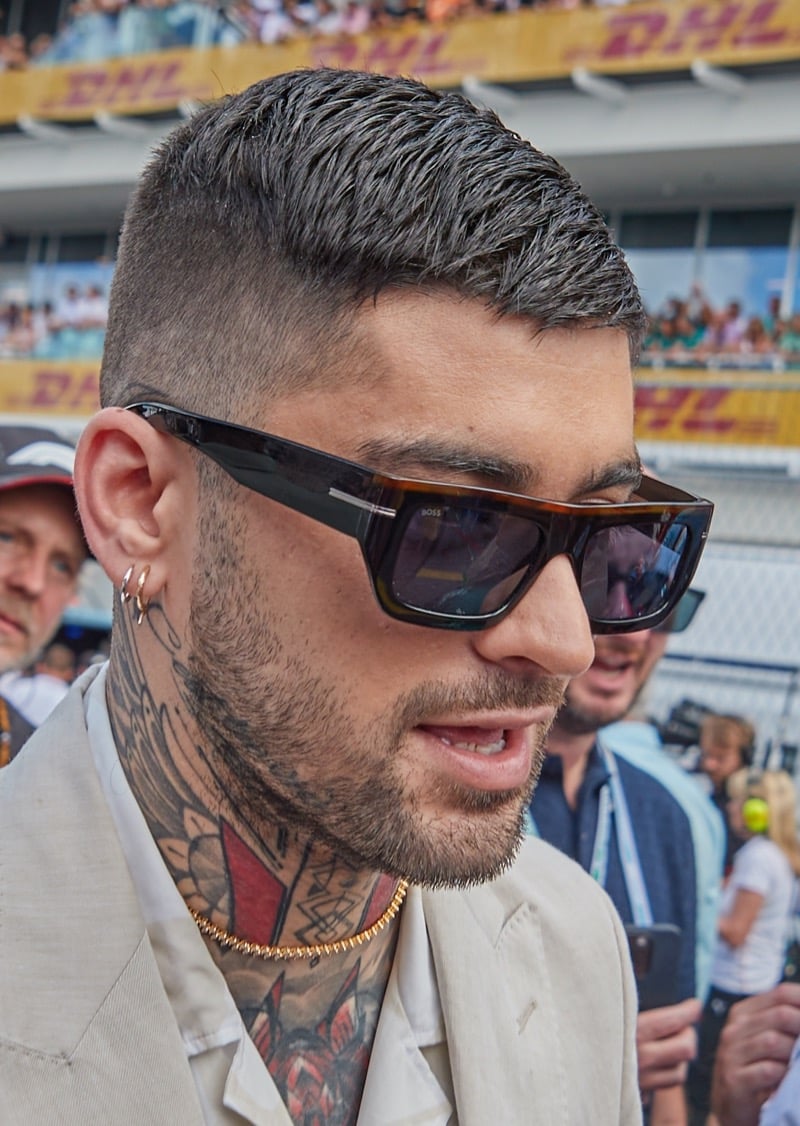
A textured crop fade grades the sides from very short hair into a compact, uneven top. The front can sit forward or slightly raised, changing how much of the forehead shows. Keep the fade's height in mind, since removing hair high around the temples exposes more of the upper outline. The French crop fade uses a short fringe above that graduation.
Slick Back

The slick back draws the front away from the forehead and exposes its full width. Fuller sides retain hair beside the temples, giving the backward sweep a broader base than closely clipped sides would. Keep the front low if extra height is not the aim. A suitable pomade or gel can hold the direction, with the amount adjusted to the hair's density and texture.
Soft Waves

Soft waves bend across the top and around the temples, breaking the upper outline into curves. At medium length, some sections can fall toward the forehead while others turn back near the ears. A surfer approach to wavy hair retains that irregular fall. Start with a small amount of mousse or texturizing spray and let the existing wave determine the shape.
Quiff
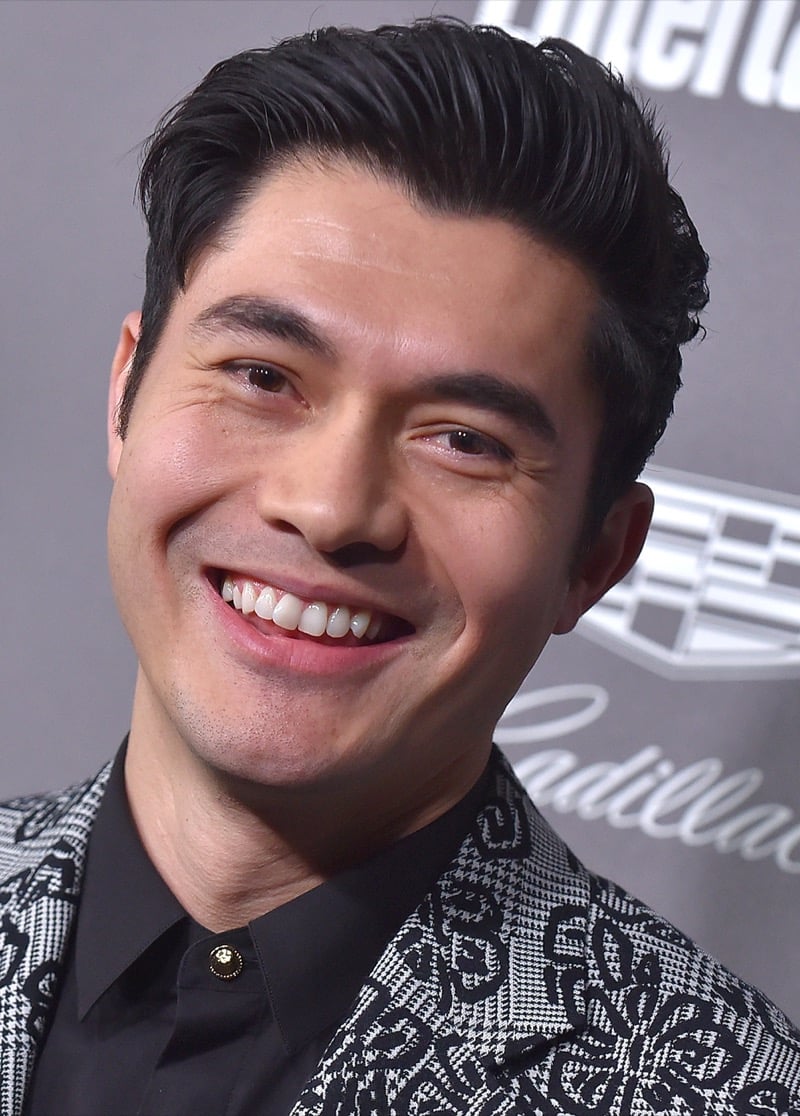
The quiff lifts the front and bends it back above shorter sides. A modest rise with a slight sideways sweep keeps the height concentrated in a smaller area. Retaining some hair at the temples reduces the abruptness between top and sides. Dry the front in its chosen direction before adding a little pomade or wax if needed.
How to Choose a Haircut for a Heart Shaped Face
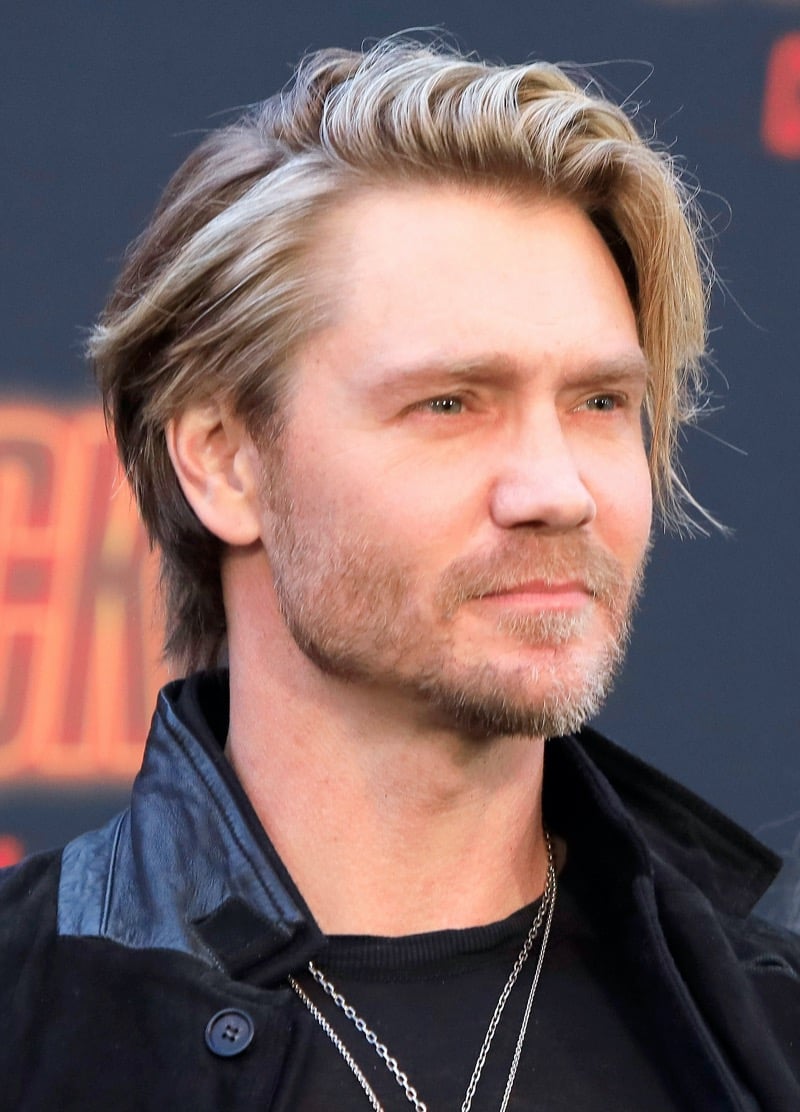
Decide first how much forehead to expose and where the side length should end. Chad Michael Murray's longer side part leaves the front open while carrying hair down beside the ears. A crop produces a shorter outline, and a buzz cut reveals the facial shape directly. Give the barber specific details about the desired silhouette.
- Leave enough front length to reach the intended point on the forehead when swept forward or sideways.
- Choose the side length alongside the top's height. Closely clipped temples make a raised front stand out more.
- Discuss where a medium-length cut should carry fullness, especially beside the cheeks and jaw.
- For shorter hair, decide whether stubble should define the chin or a beard should add width around it.

Texture and density determine how the cut sits after styling. Waves can bend toward the forehead or spread at the sides, while fine strands may fall flatter. Fine hair with good density can retain length; a sparse front may need less texturizing to keep its ends together. Assess the shape when the hair is dry.