
An old money haircut usually has tapered sides, a combable top, and a soft outline around the ears and nape. The hair follows a natural part or brushes back, with enough length left at the edges to cover the scalp. Versions range from a short Ivy League to a layered flow that reaches the collar.
What Is an Old Money Haircut
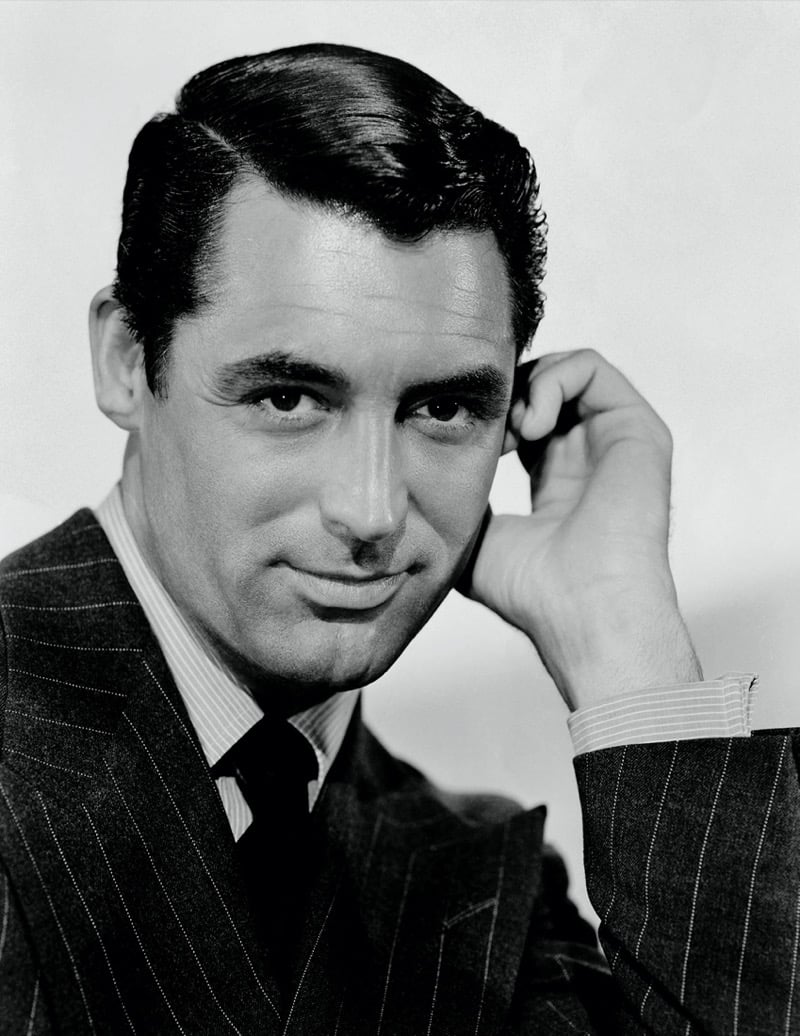
The name borrows from a clothing aesthetic associated with tailoring, knitwear, polo shirts, and loafers. Its grooming references include Cary Grant's side part and the shorter, parted outline of an Ivy League cut. The shared feature is hair that lies neatly while retaining some fullness at the sides.
Within the broader range of classic men's haircuts, the versions described as old money tend to share four features.
- The sides shorten gradually toward the ears and nape, often through scissor work, with some hair left over the skin.
- The top retains enough length to part or brush back, with longer layers for a flow.
- The finish has little shine, with individual strands still visible.
- The part follows the hair's growth, and the edges retain a softer outline.
Old Money Haircut Styles
The shorter versions sit close around the ears. Longer cuts carry more weight at the temples and let the ends bend back toward the nape.
Soft Side Part

A natural parting sets the direction of the soft side part. The longer sweep lies across the top, while the smaller side combs down toward the ear. Keeping some length through that smaller side softens the step between the part and the temple.
Ivy League
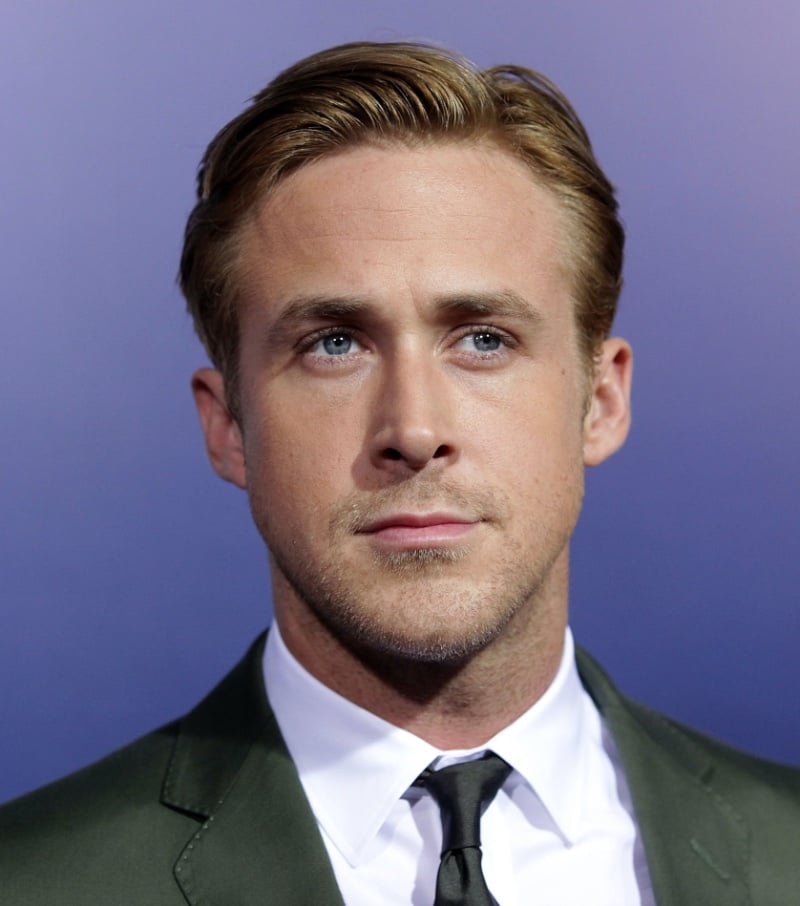
The Ivy League keeps the crown short and leaves enough length at the front to comb across. Its compact top needs less length to settle than the fuller cuts in this group. Ryan Gosling's haircuts include this close-sided version with a short sweep above the forehead.
Tapered Scissor Cut
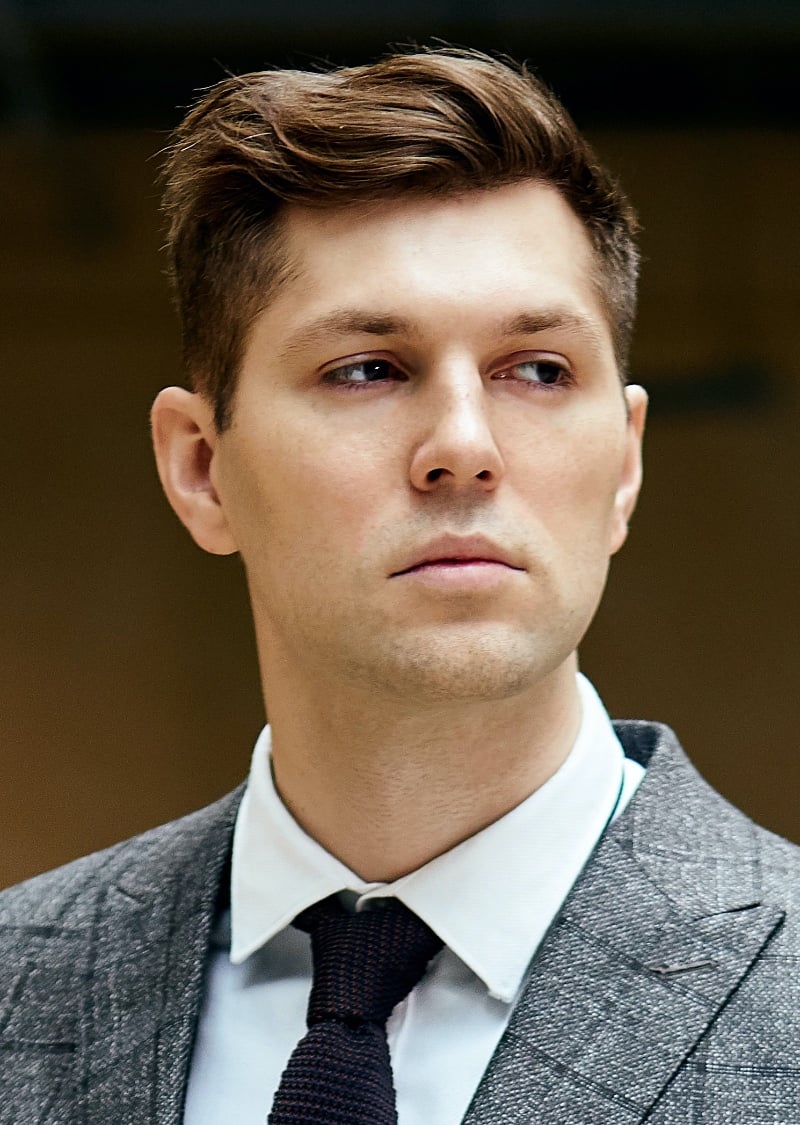
Scissor work shortens the sides in successive lengths, letting the longer top merge into the hair above the ears. On a wavy top, the bend separates the front into raised sections. A classic taper keeps the lower edges shorter while retaining enough length higher up to follow the curve of the skull.
Wavy Side Part
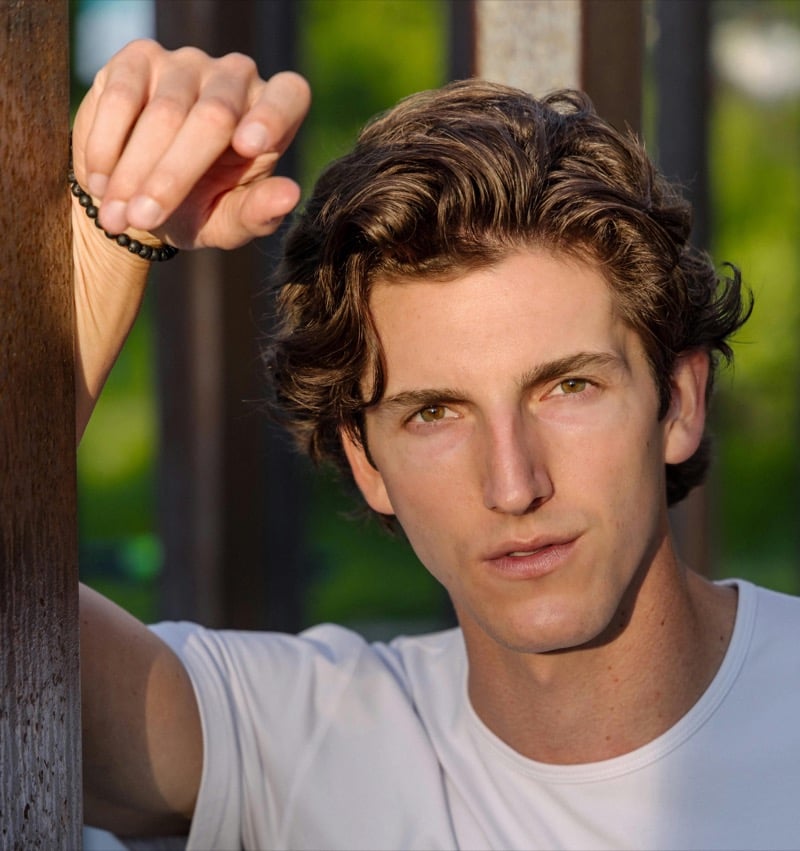
The bend in wavy hair lifts sections of the top away from a side part. Leaving the waves long enough to turn keeps their ridges visible as the hair falls back. The sides can be trimmed closer around the ears while the top retains that irregular outline.
Side-Swept Cut

A longer fringe crosses the forehead before turning toward one temple in the side-swept cut. More hair falls forward than in a combed side part, and the parting can be less visible. Directing a dryer across the front helps set the sweep where the hair naturally drops toward the brow.
Soft Slick Back

For a soft slick back, the front brushes away from the forehead and joins the hair behind it. Fuller sides let that backward sweep continue above the ears. Loosening the combed surface with the fingers separates a few strands and reduces the appearance of a tightly set top.
Old Money Flow

The old money flow leaves layered ends around the ears and collar, with the front pushed back from the face. In this version of the flow haircut, trimming the perimeter keeps longer strands from spreading unevenly at the nape. Tucking the sides behind the ears exposes the face while the ends curl outward.
How to Ask for an Old Money Haircut
Bring a reference photo and name the specific version you want, such as an Ivy League or a layered flow. Agree on these details before cutting.
- How closely to taper the sides and nape, including how much hair to leave over the skin.
- Enough length on top for the chosen part or backward sweep, with extra length around the ears for a flow.
- A natural parting that follows the hair's growth.
- Enough texture at the ends to separate the hair while retaining the weight needed for it to lie down.
Discuss how your hair falls after washing and how much time you spend styling it. Plan the next trim around the feature you want to retain. A short outline around the ears shows regrowth sooner than a longer flow, whose ends may need reshaping as they reach the collar.
How to Style Old Money Hair
Start with damp hair and direct it along the intended part or sweep. A dryer can lift flat roots or encourage the front to lie back. Choose hair products for men according to the hold and finish needed, then use a small amount through the hair. A cream may suit a loose finish, while paste or clay can give firmer separation. Product labels and the amount used affect the shine and weight.
Let waves settle along their existing bends, using fingers to place them as they dry. Straight hair that falls flat may benefit from drying the roots upward before brushing the front across or back. For a longer flow, work the sides behind the ears and let the ends fall at the nape.






_01_Crisco_edit.jpg)