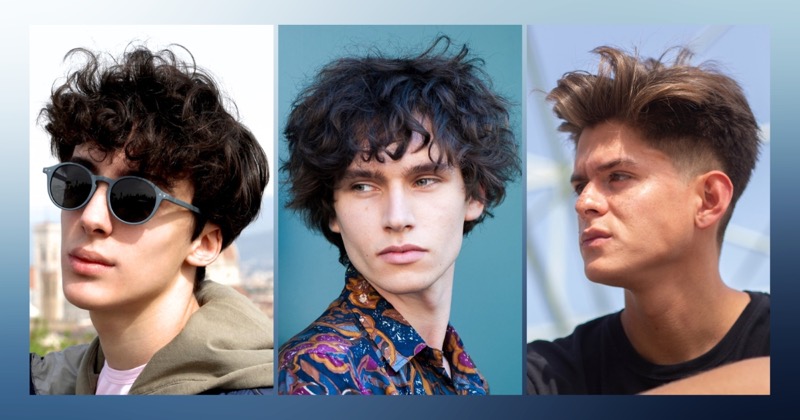
Fluffy hair has soft volume and loose texture, with lifted roots and ends that separate as the hair falls. The fluffy hair boy look often combines short or medium top lengths with tapered sides. K-pop styling and TikTok tutorials feature variations on this airy finish.
The cut supplies the shape, while drying lifts the roots. Layers can release weight from the top; light hair products help retain the separation after blow-drying.
Fluffy Hair Boy Styles
These 13 fluffy styles differ in where the volume sits, how far the fringe falls, and how closely the sides are cut. Straight, wavy, and curly hair each give the outline a different edge.
Curly Crop
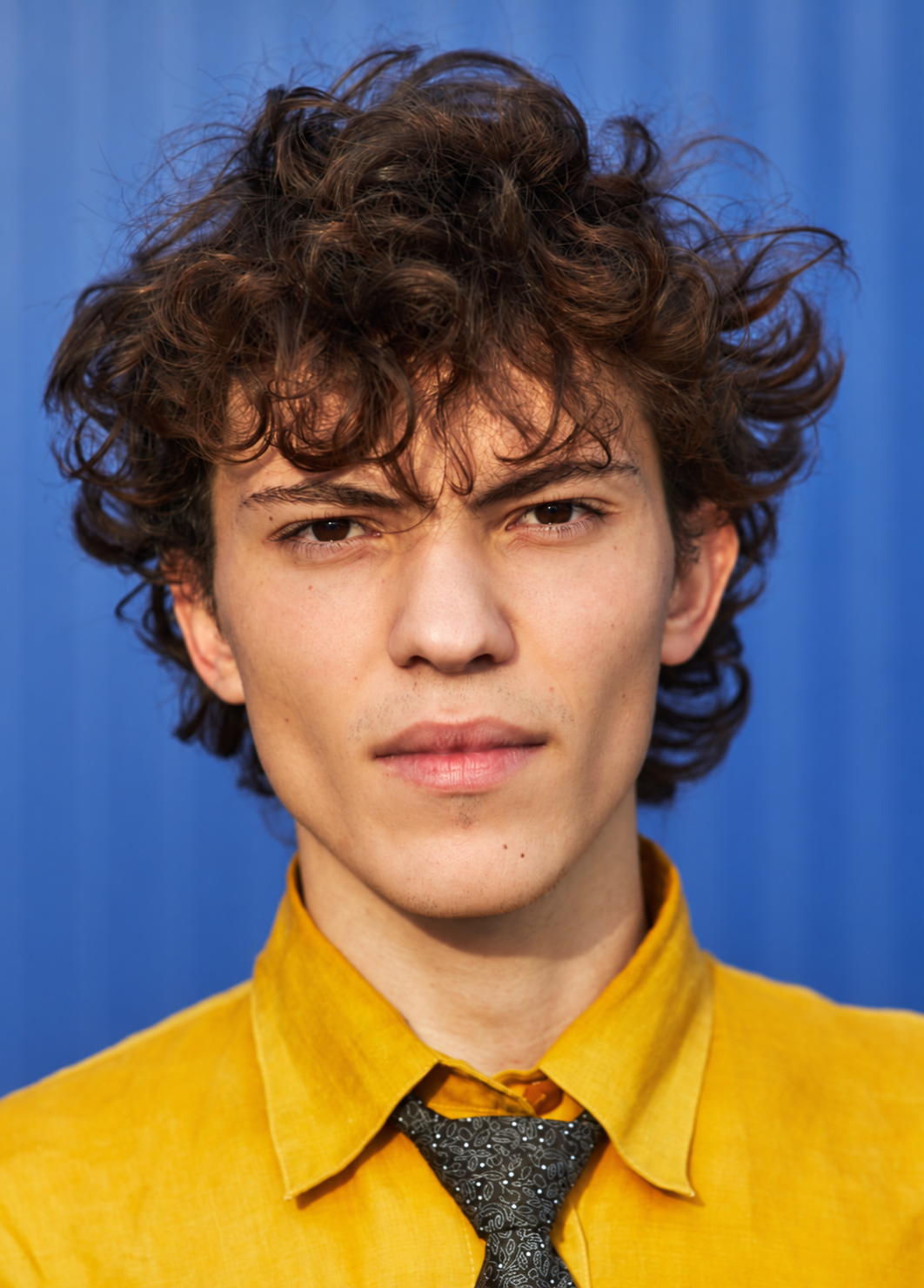
Short curls rise from the top of the crop, leaving a rounded surface with gaps between the tips. Keep enough length for the curl to bend, checking it dry before shortening. Too much styling product can draw the small clusters together and reduce their spread.
Shag Haircut
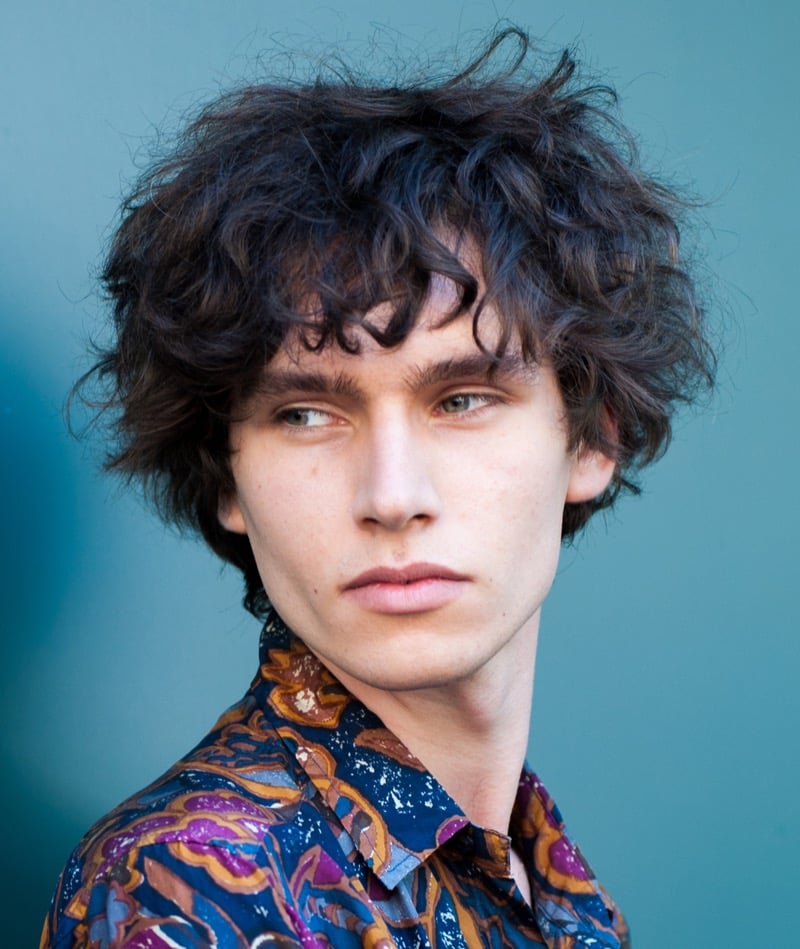
Choppy layers give the fluffy shag uneven edges around the crown and sides. Shorter pieces lift over longer ones, with the ends falling at different heights. A little texturizing spray can separate layers that settle into a single mass.
Wolf Cut
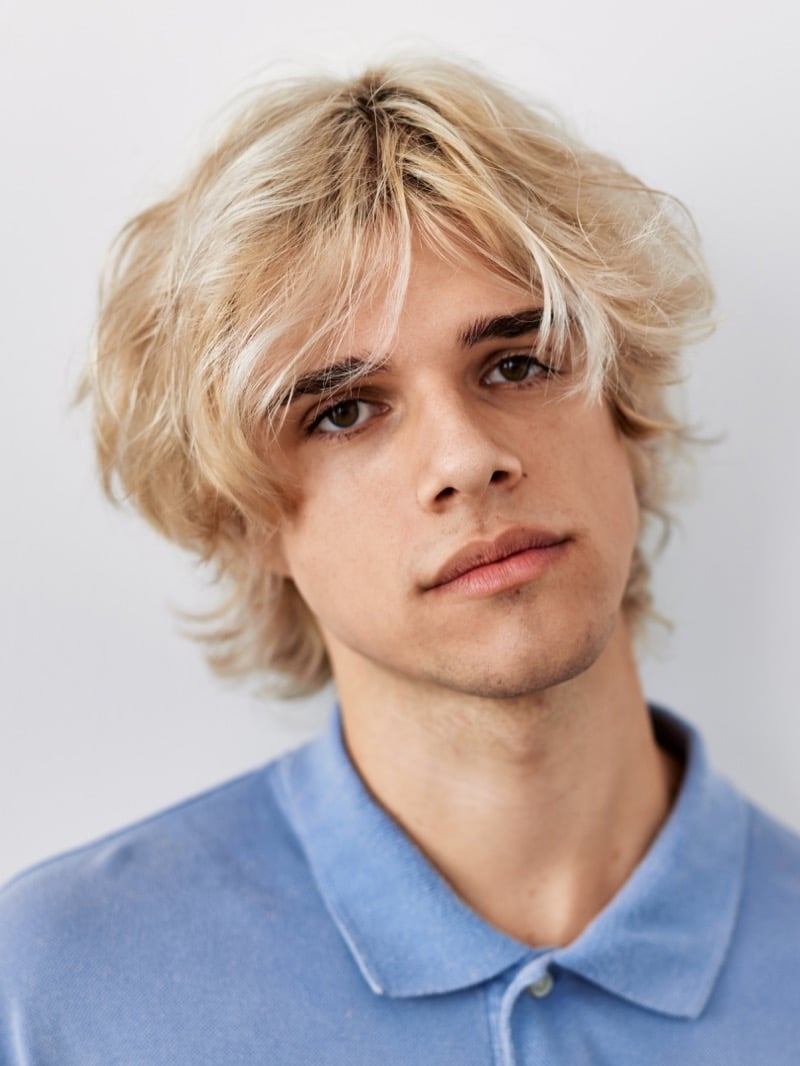
The fluffy wolf cut combines a fuller, layered crown with longer lengths toward the nape. That change in length distinguishes its side profile from a shag. Waves and curls make the steps between layers more apparent; straighter hair may need drying at the roots to raise the crown.
Brushed Back
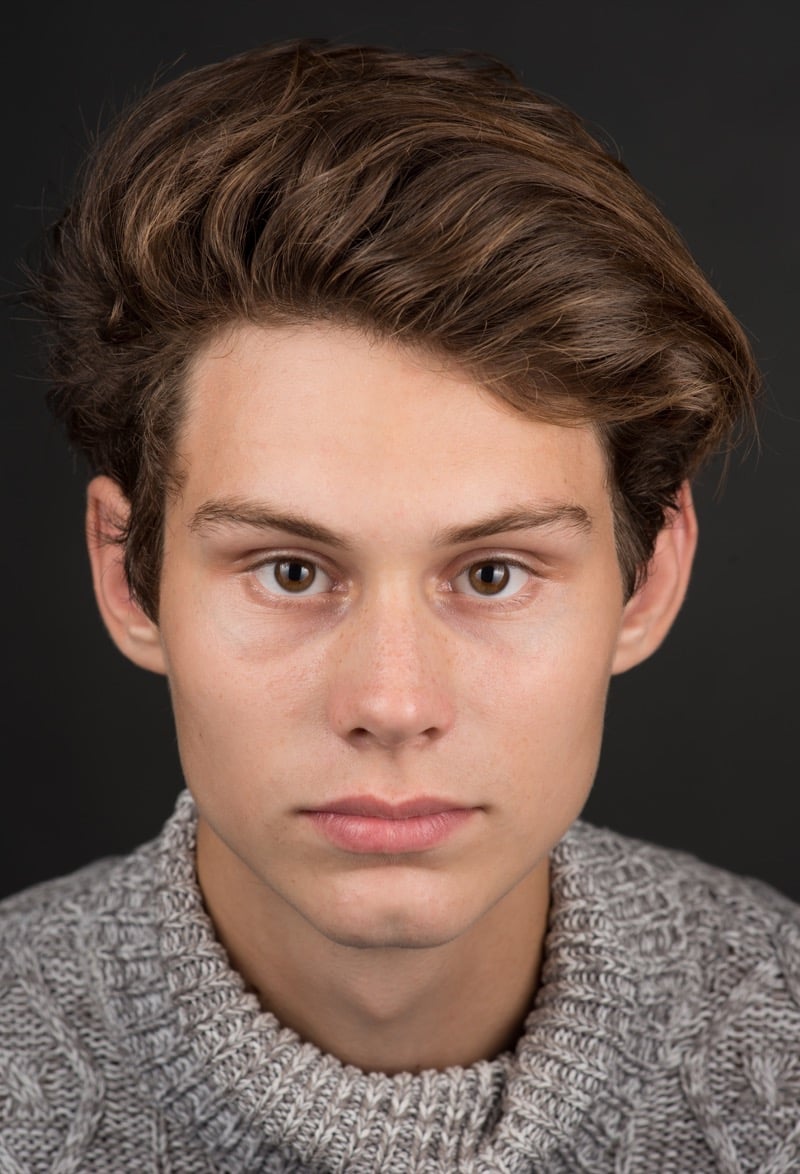
The brushed back style opens the forehead while retaining height along the top. Straight hair shows the sweep in broad sections; waves interrupt it with bends that rise above the surface.
Push a little light styling cream backward with the fingers, leaving channels between sections. Avoid pressing the roots down as the hair dries.
Curly Fringe
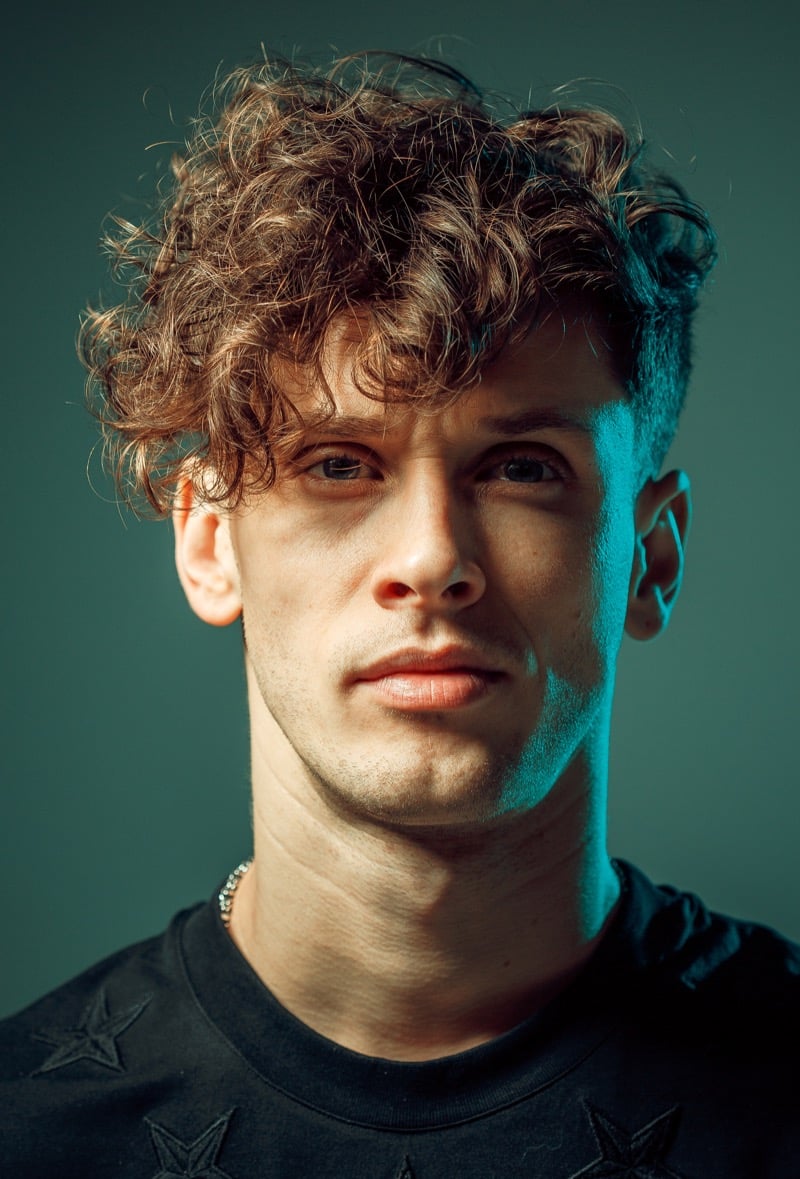
A fluffy curly fringe places the longest visible curls over the forehead. Separate coils can fall at different heights, creating an irregular lower edge. Direct the front forward while drying so the lift begins behind the hanging curls.
Messy Textured Fade

A lifted, tousled top sits above progressively shorter sides in the messy textured fade. A low taper fade concentrates the shortest work around the sideburns and nape, retaining more hair above the ears. Adjust that side length to how widely the top spreads at the temples.
Shoulder-Length Haircut

At shoulder length, natural waves and curls can expand through the sides as well as the crown. Layers break up the weight near the ends, letting sections bend separately. Apply mousse sparingly through damp lengths if they need support during drying.
Quiff
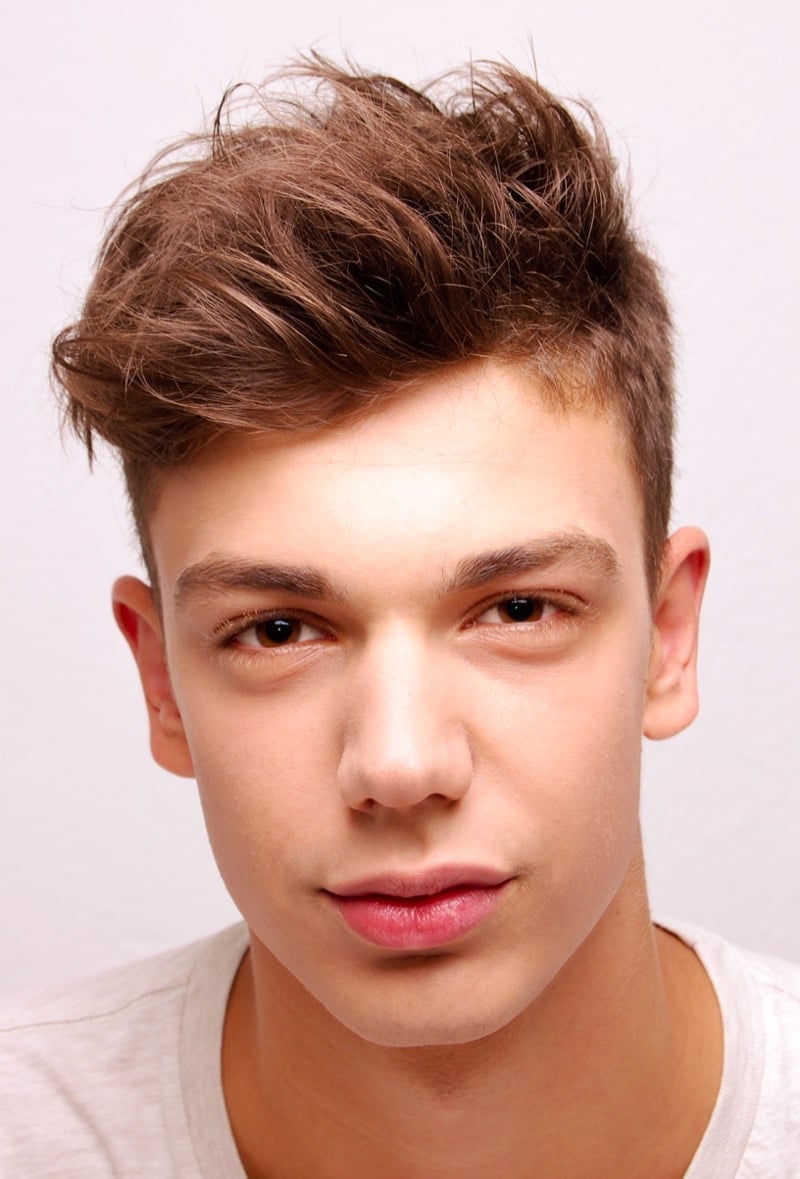
The fluffy quiff concentrates height at the front, where the fringe turns upward and back. The raised section should retain visible strands and gaps. Blow-dry the roots in that direction first, then use the fingers to loosen the ends.
Curly Mop
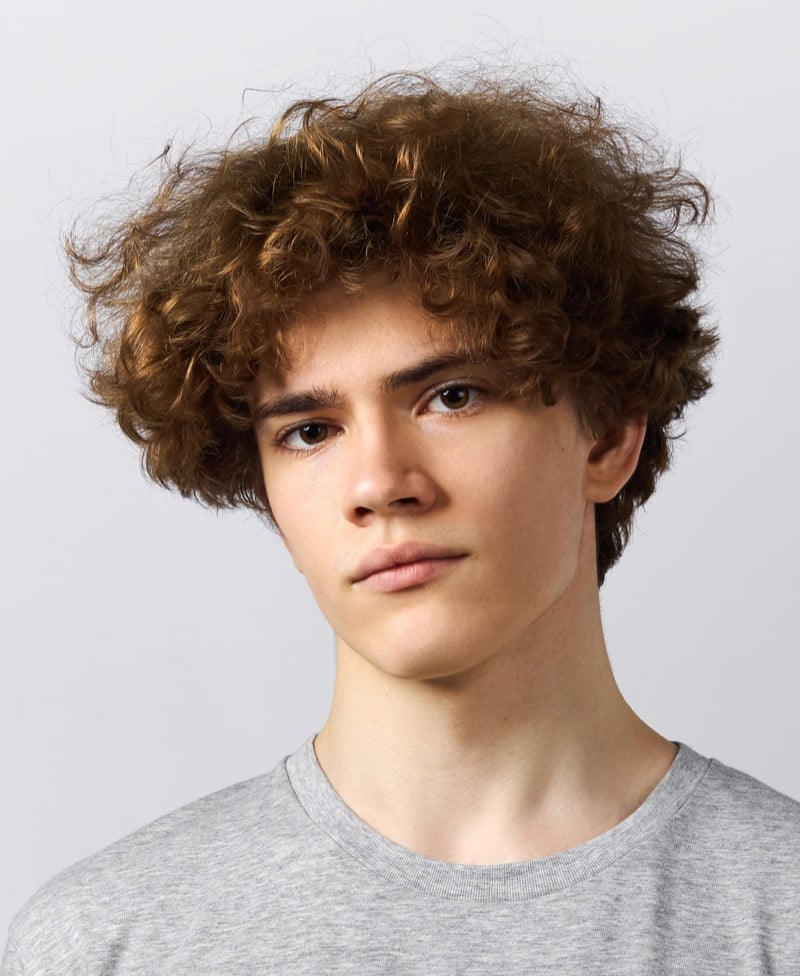
Loose curls cover both the crown and forehead in the fluffy curly mop. The longer front distinguishes it from the cropped version, while overlapping coils give it a fuller perimeter. Keep the ends separated during drying so the outline retains its irregular edge.
Bowl Cut
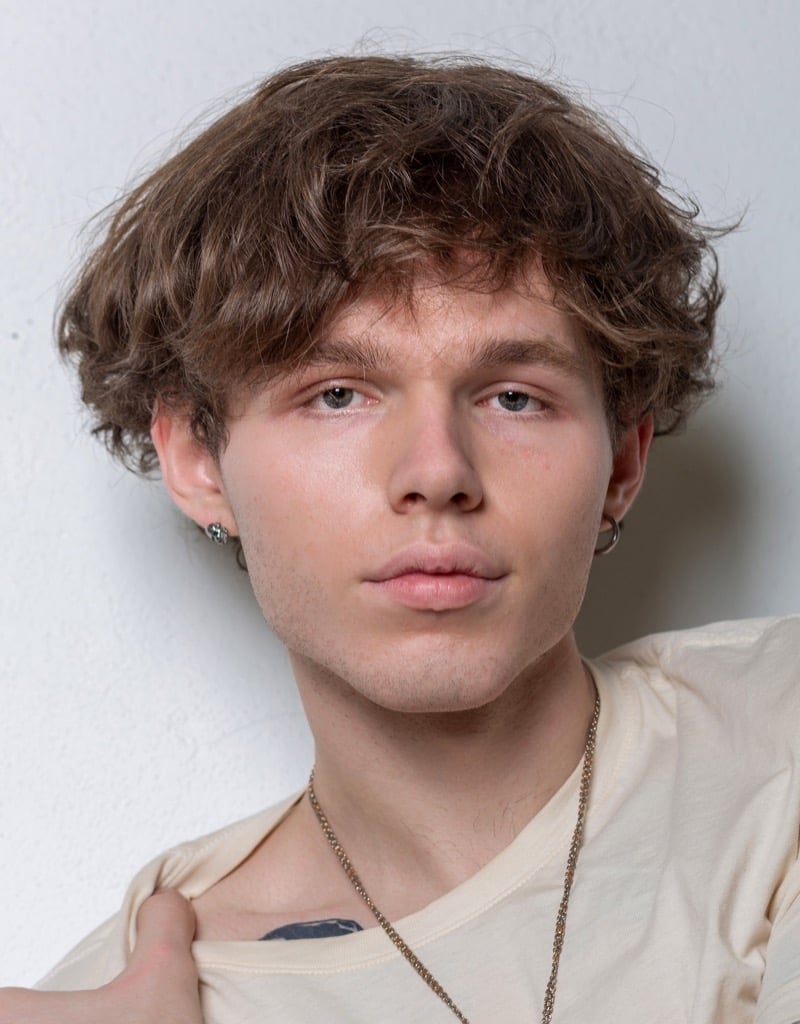
A rounded fringe and sides give the bowl cut its recognizable outline. Layering interrupts the solid edge, allowing short pieces to sit above the longer perimeter. On straight hair, lift the roots during drying while keeping the ends directed toward that curved line.
Curly Top
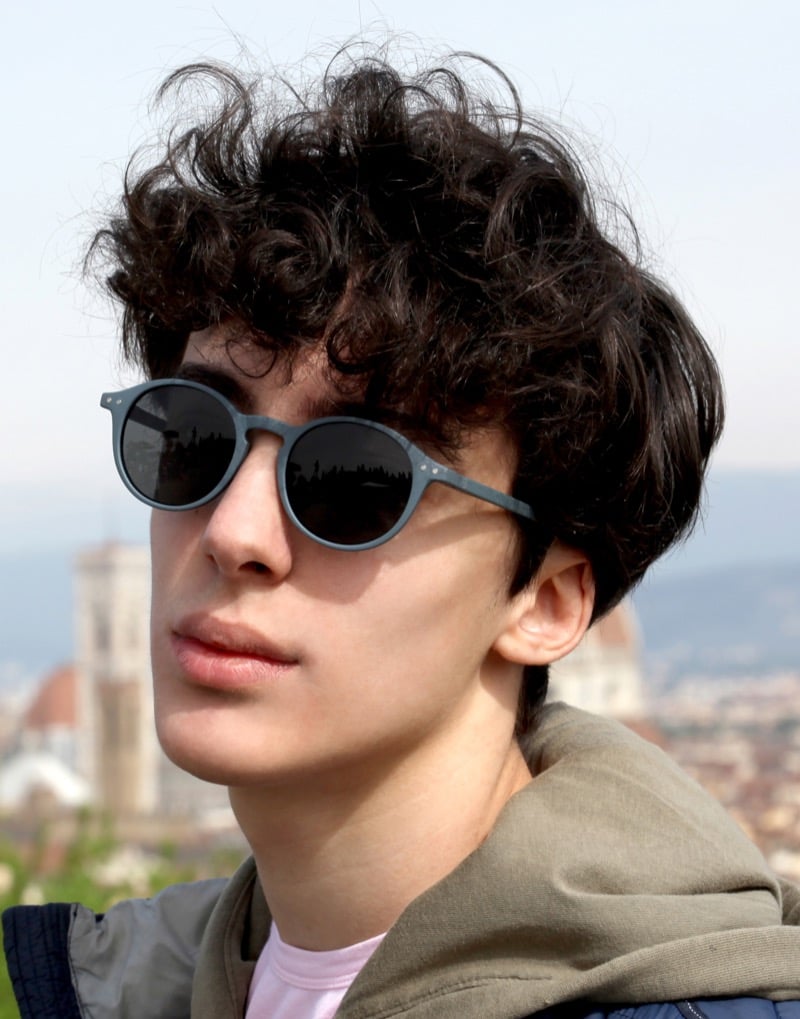
Tapered sides narrow the fluffy curly top around the ears, leaving most of its width above the temples. The curls can rise as separate clusters across the crown. Check the side profile as the hair grows, since added width at the edges can obscure the taper.
Textured Crop
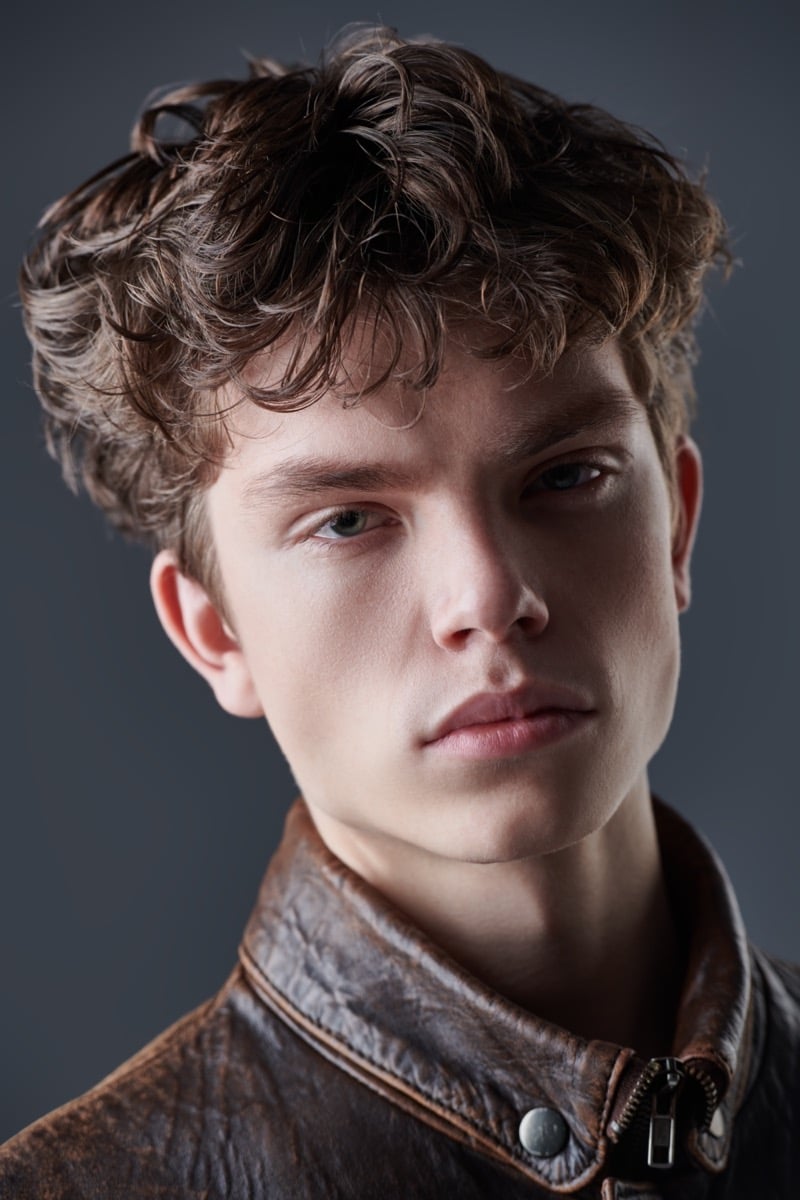
Short, choppy layers produce a compact, broken surface in the textured crop. The fringe sits closer to the forehead than on the mop or quiff, with small lifted sections across the top. Work a little matte pomade through selected tips if they need separation.
Textured High Fade
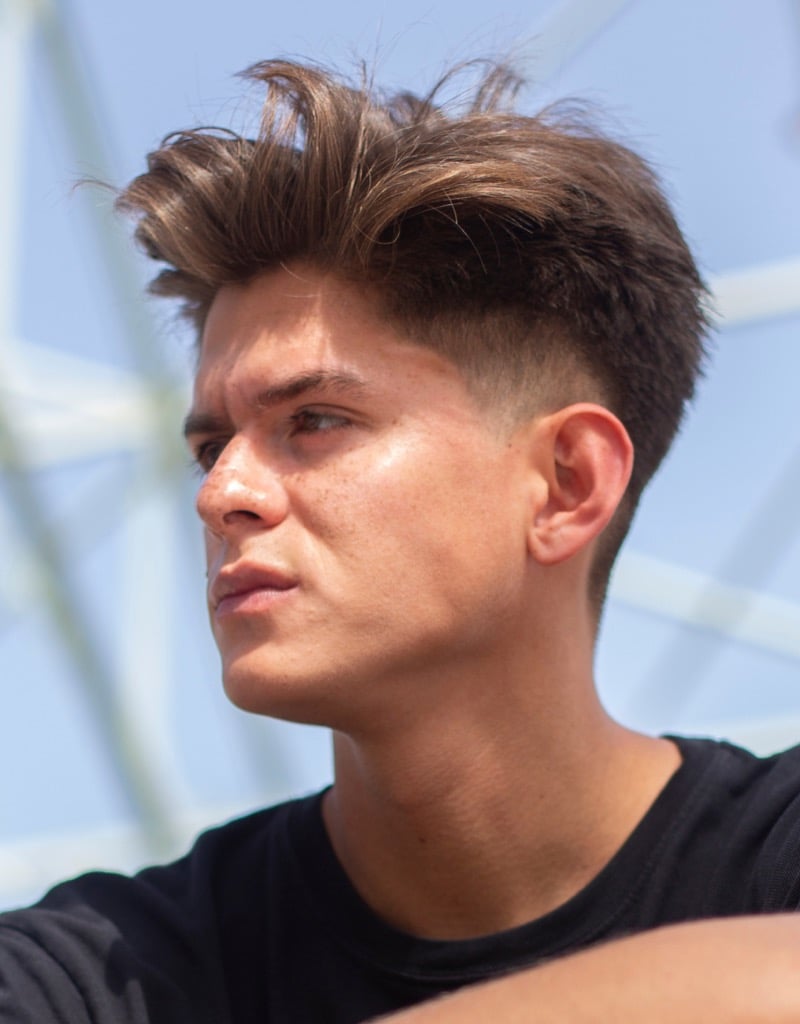
The fluffy textured high fade takes the short sides high toward the temples, exposing more of the head beneath the top. The upper edge of the fade makes the airy texture especially visible in profile. Keep styling cream off the roots if it flattens the lifted sections.
Fluffy Hair Texture & Volume
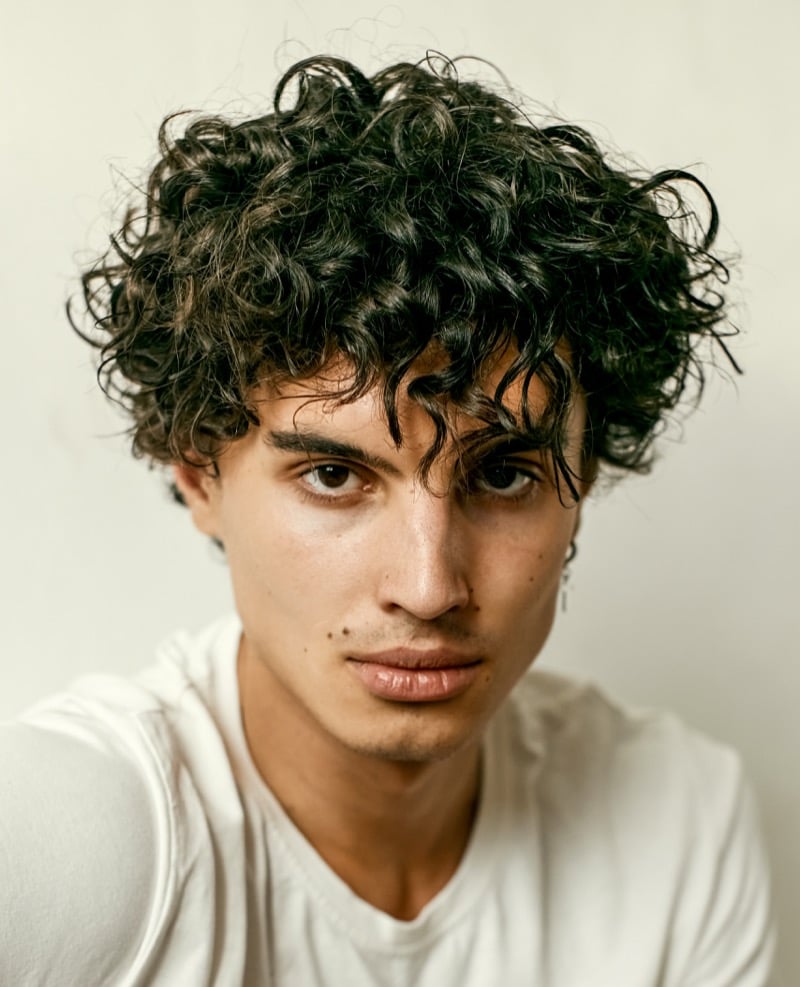
Texture determines how the ends separate, while volume depends on how far the hair rises from the scalp. On straight hair, lifting the roots can create fullness even when the lengths remain smooth. Waves and curls add bends, though their weight and growth direction still affect the shape.
Match the drying method to the finish. A round brush can lift straight sections and turn the ends; mousse can support the roots if needed. On curly hair, a diffuser spreads the airflow, helping curls dry in their existing clusters. Use a suitable curl cream or gel sparingly if those clusters need definition.
How to Get Fluffy Hair
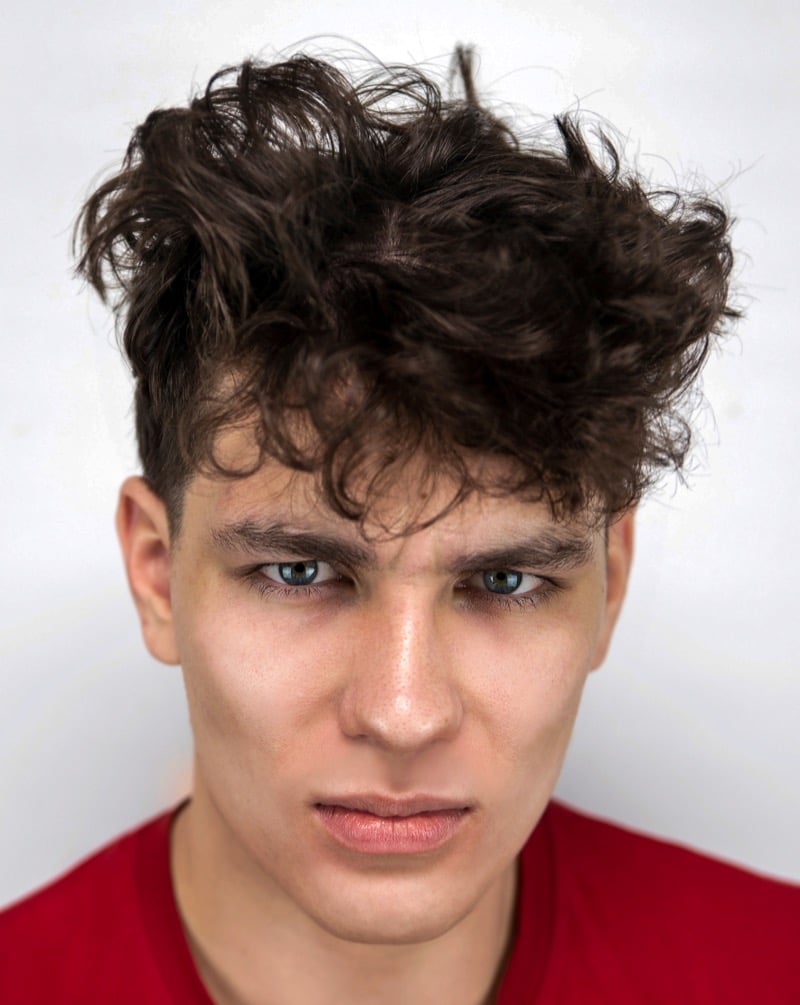
Start with damp hair, then adjust the drying method to its texture and the direction the fringe should fall.
Before Styling
Blot the hair with a towel after washing. Rubbing can disturb curl clusters and raise flyaways. Apply a small amount of mousse or lightweight cream where support is needed, and use heat protection before blow-drying.
Use the fingers to establish the parting and separate the top into loose sections. Detangle curls gently while damp, then let them settle into clusters before drying.
Creating Volume & Bounce
For curly hair, use a diffuser on low heat and gentle airflow. Tilt the head to the side or forward to reach the roots, supporting the curls as they dry. Let the lengths keep their natural bend; brushing them out changes the finish.
For straight hair, lift sections at the roots with the fingers or a round brush as the dryer follows. Direct the front upward, forward, or back to suit the cut, keeping the nozzle a little distance from the hair.
When dry, loosen the top with the fingertips. Gently scrunch any firm curl coating to soften it. A light mist of flexible-hold hairspray can help retain the shape if it starts to drop.
Keeping the Fluff
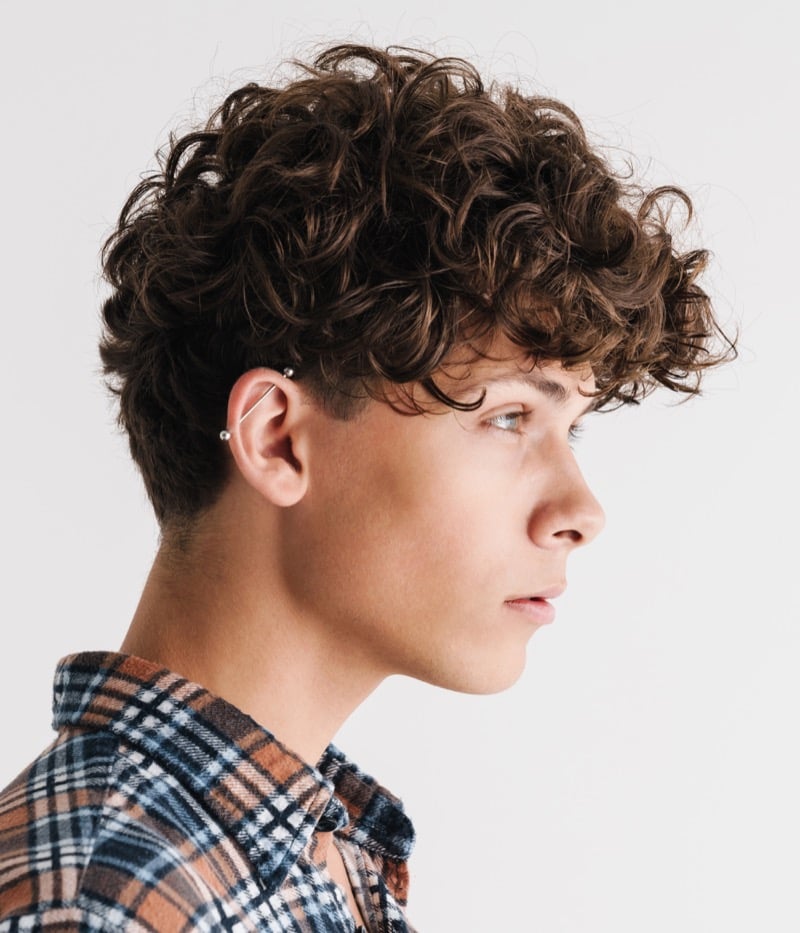
As the cut grows, extra weight can flatten the crown or widen the sides. Refresh the layers when the outline changes, and reduce product if the hair starts to clump. Fluffy hair depends on leaving space between the lifted sections.





