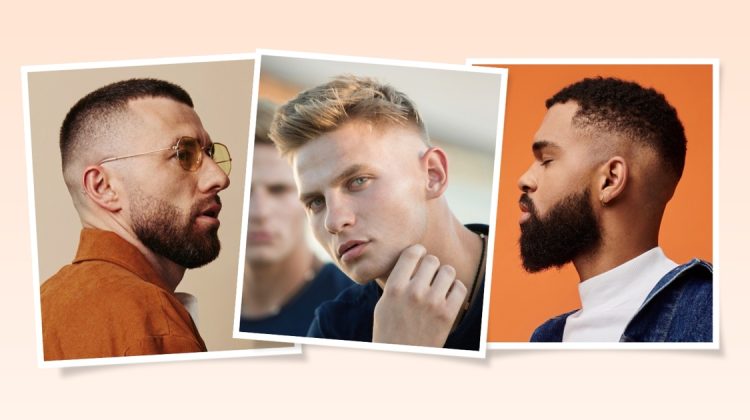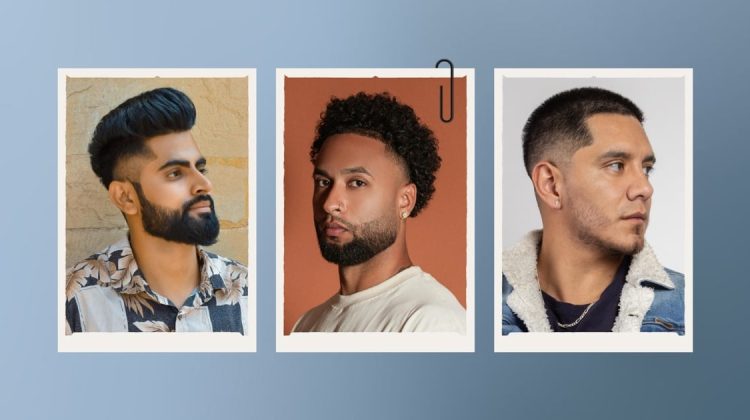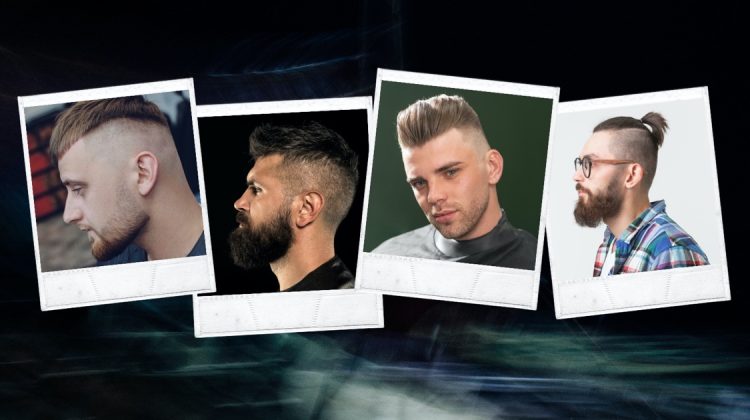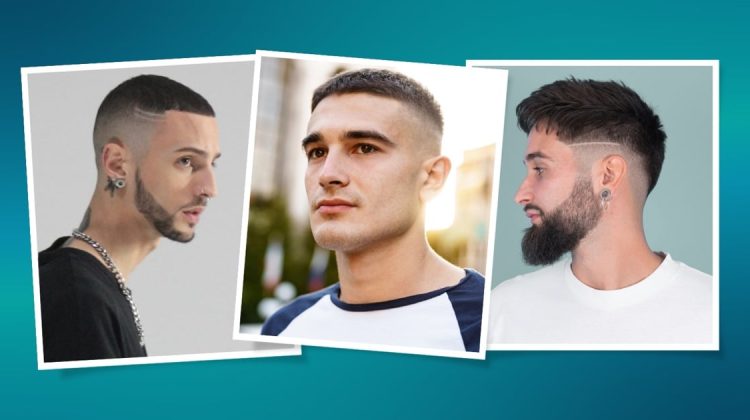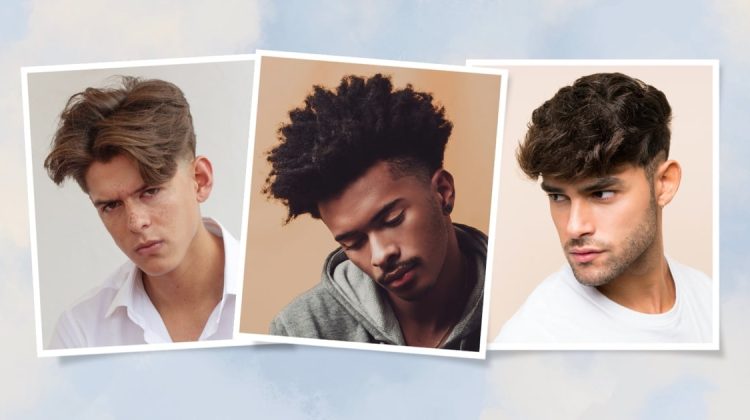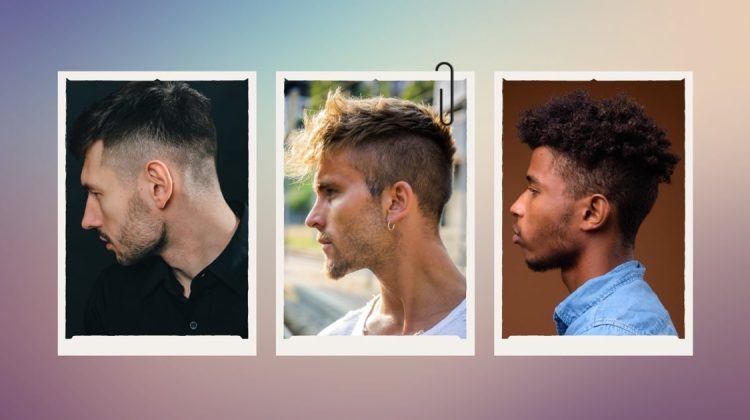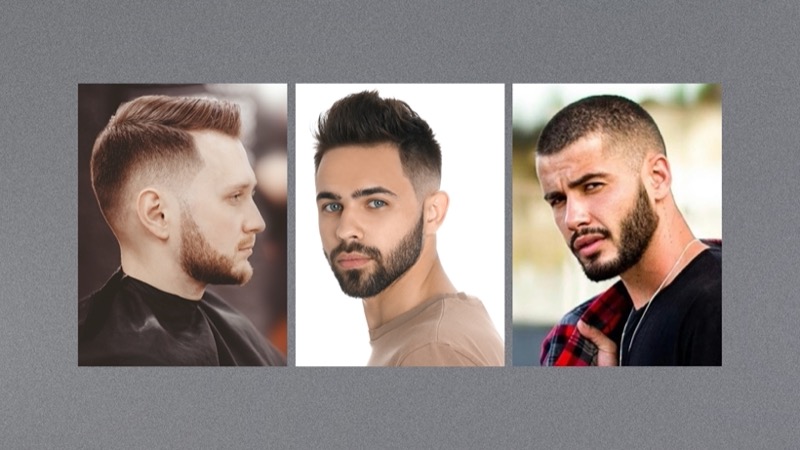
A blurry fade has no obvious dividing lines between clipper lengths. The hair graduates from closely cut sides into the longer top in such small increments that the transition is difficult to pinpoint.
The term describes the quality of the blend, not its height. A low, mid or high fade can have a blurry finish, depending on how carefully the barber works through the shorter lengths.
What Is a Blurry Fade?
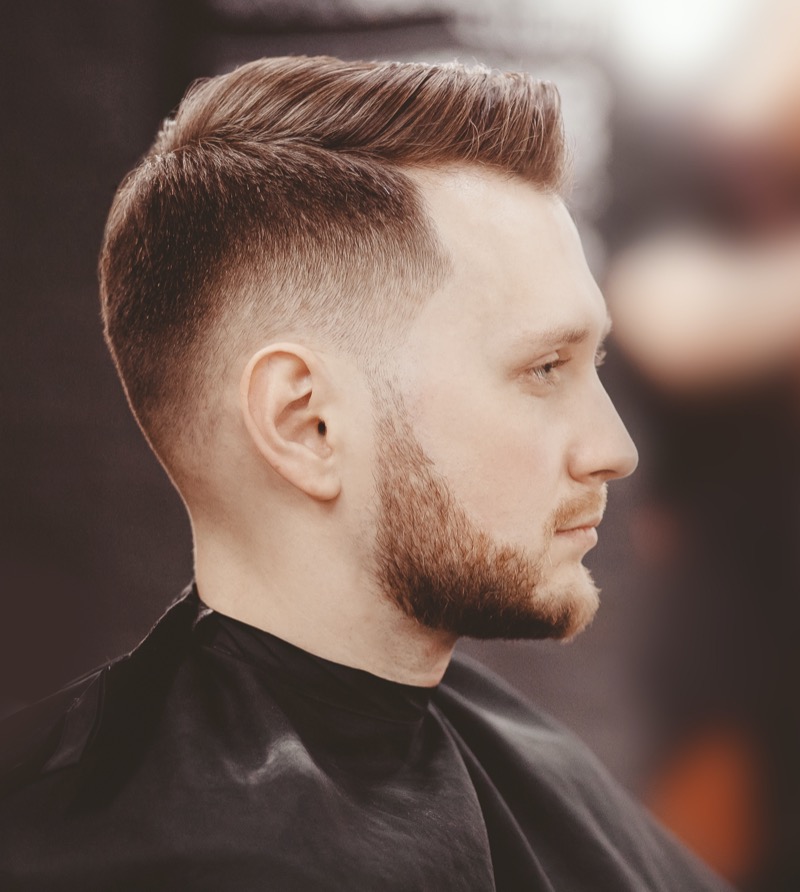
Barbers establish a fade with successive clipper lengths, then refine the areas where those lengths meet. Even a faint horizontal shadow can interrupt the gradient. On a blurry fade, those darker bands are worked out until the transition looks continuous.
Because "blurry" describes the finish, you’ll see it combined with other fade names: a blurry low fade, a blurry skin fade, a blurry drop fade and so on. Barbers also call it a clean fade.
Which Hair Works Best
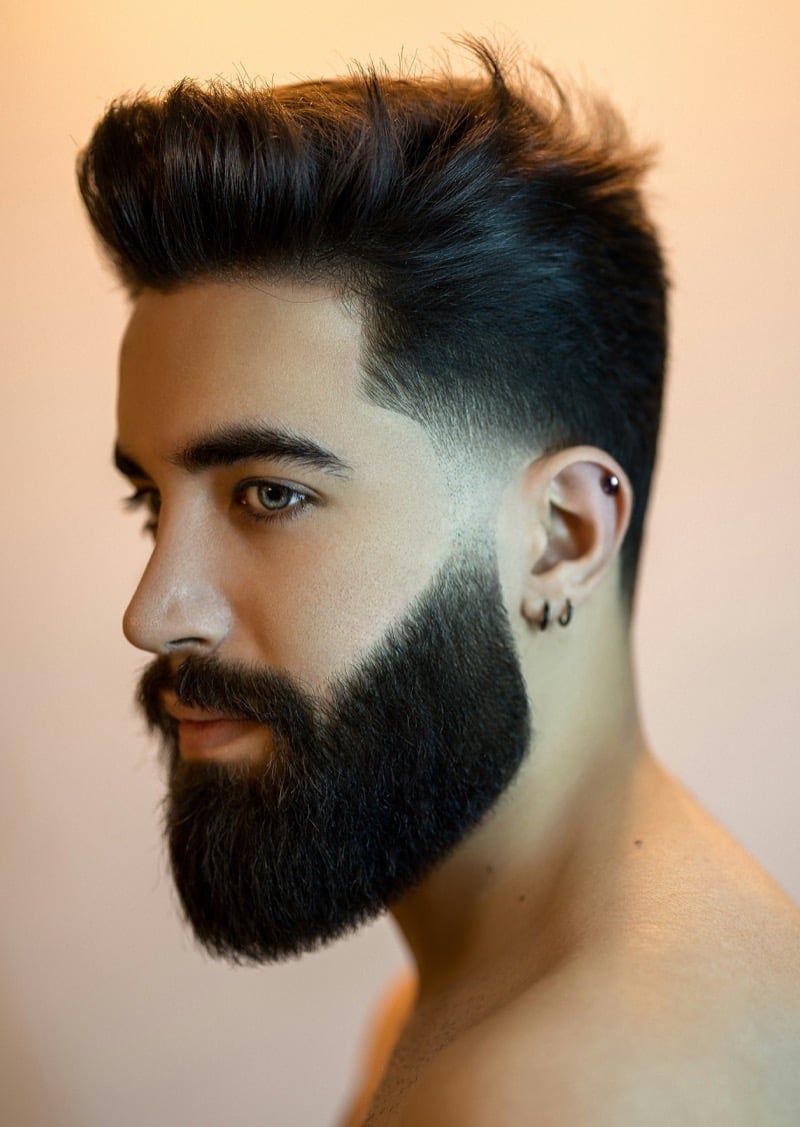
Dense hair gives the barber more material to graduate between lengths, making the shift from dark to light especially apparent. Straight, coily and other coarse hair textures can all show a finely worked blend.
Fine hair reveals the scalp sooner, which can make the transition less pronounced. With light hair against light skin, the change in tone is less visible even when the cutting is precise.
How Barbers Cut a Blurry Fade
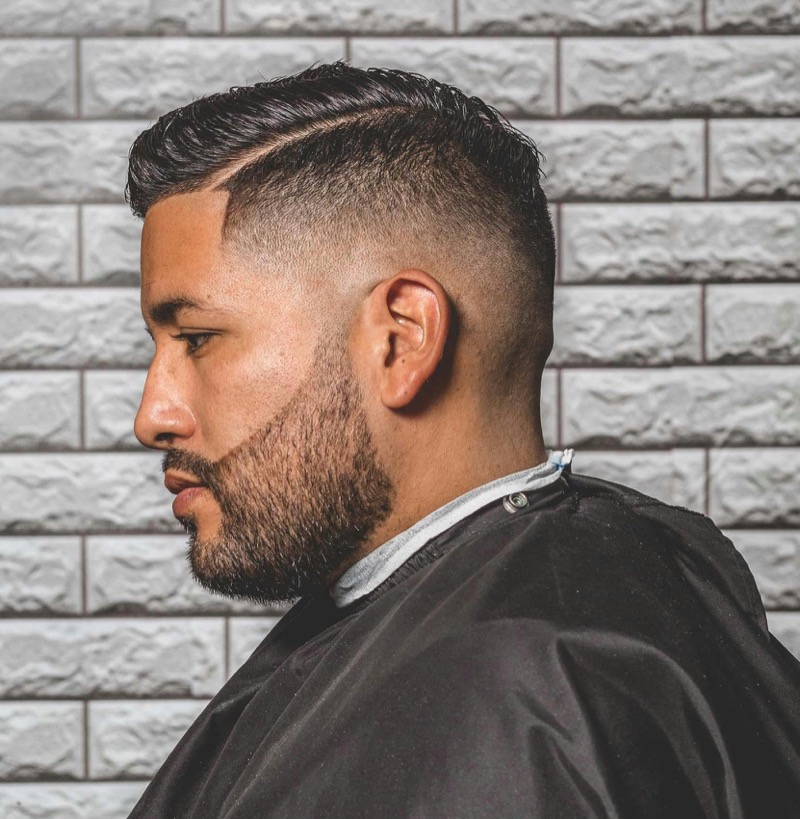
The barber first establishes the general fade with several guard lengths. Refinement comes next, using small adjustments to erase the bands between them.
- Half guards and lever adjustments. Intermediate guards and small changes to the clipper lever narrow the gap between neighboring lengths.
- Flicking out. A short outward motion at the end of each pass prevents the clipper from leaving a hard boundary.
- Using the corner of the blade. Working with a small section of the clipper blade lets the barber lift isolated dark spots without cutting another line.
- Clipper-over-comb and trimmers refine the remaining transitions and tidy the hair around the ears and neckline.
Erasing those faint bands takes additional passes with the clippers. The appointment may run longer, and the price can reflect the extra work.
Photos Online vs. Real Life
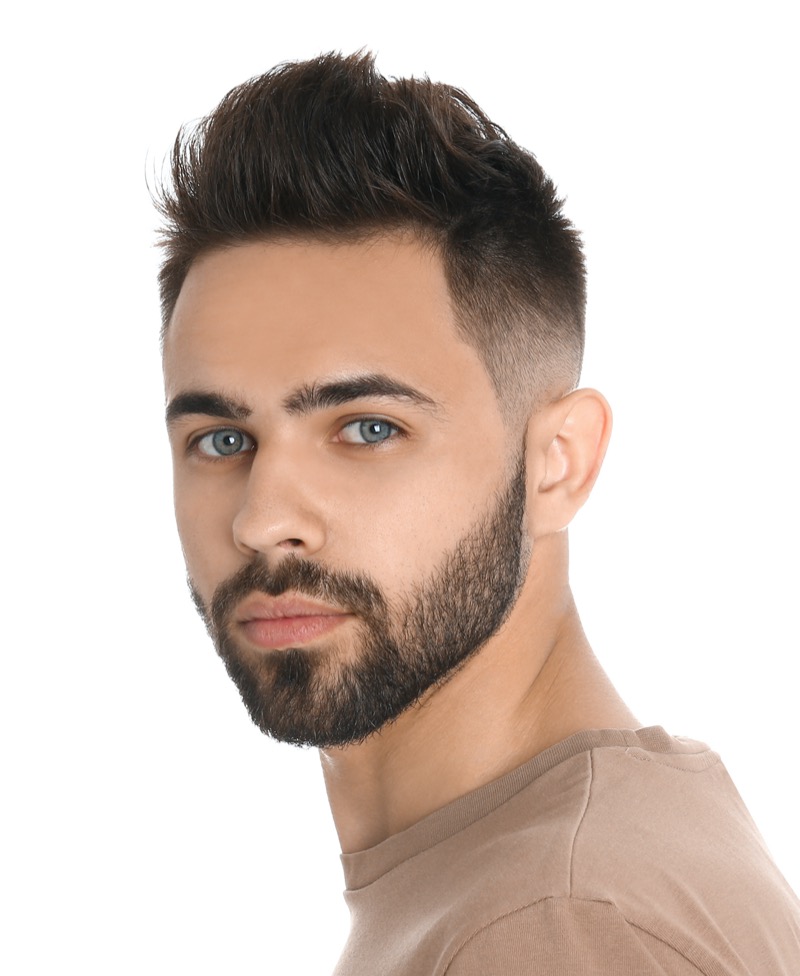
Lighting, filters and retouching can soften the appearance of a fade in photographs. An online reference is useful for choosing the height and overall shape, but the apparent smoothness may be exaggerated.
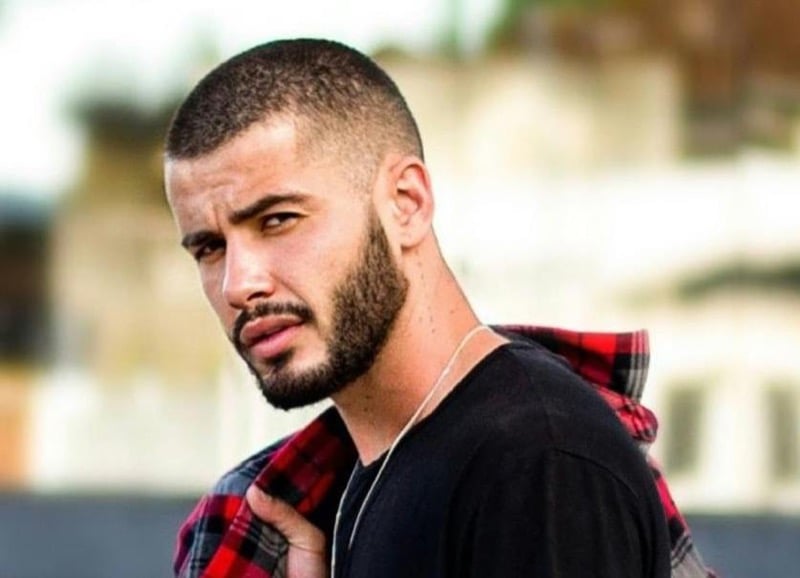
In person, a carefully blended fade should show a gradual change in length under ordinary light. The freshly cut effect is brief, though. As the shortest sections grow, the contrast begins to change.
How to Ask for a Blurry Fade
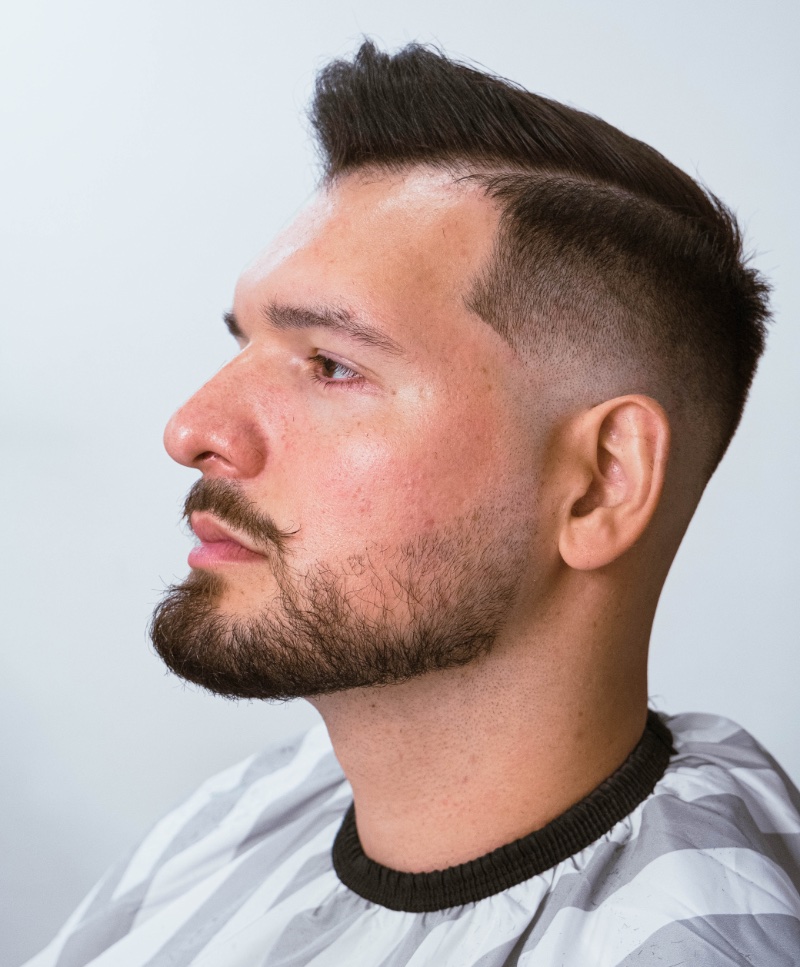
- Ask for a blurry fade and specify that you want no visible lines between guard lengths.
- Choose a low, mid or high placement, then decide whether the shortest hair should reach skin or retain some stubble.
- Say what stays on top. A buzz cut, a quiff, a side part or something else.
- Bring a reference photo that shows the fade in natural light.
- Check the barber’s previous cuts for even transitions, especially around the temples and back of the head.
A touch-up every two to three weeks can restore the short lengths as they grow in.