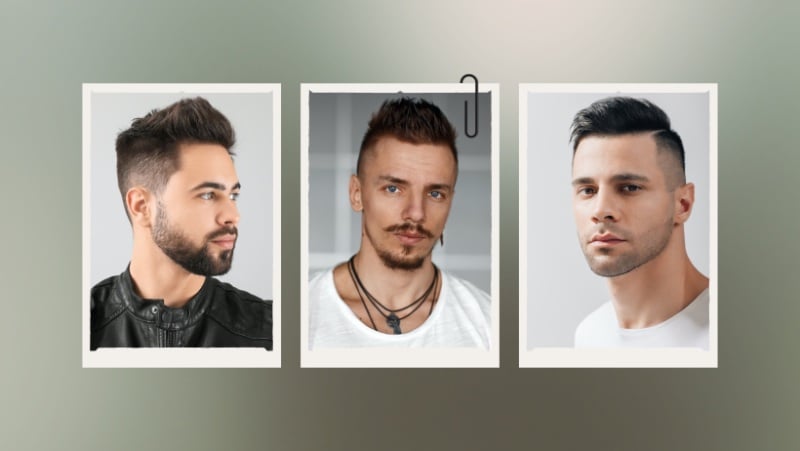
A quiff haircut lifts the longer front up and back above short sides. Its roots in 1950s rockabilly styling remain visible in the rolled front and combed sides, though softer versions break the top into loose pieces. Hollywood actors wear variations spanning both finishes.
What Is a Quiff?
The barber leaves the most length at the front and cuts the top gradually shorter toward the crown. Around 3 to 5 inches at the front can allow a pronounced sweep, though a short quiff needs less length. A taper, fade or undercut reduces the bulk at the sides.
A pompadour carries fullness back from the forehead in a continuous curve. A quiff concentrates the lift at the front, where the hair can separate or sweep to one side. The pompadour gives that upward sweep a smoother, rounder profile.
Quiff Haircuts for Men
The front changes character across these 11 quiffs, from a rounded roll to separate curls, waves and spikes.
Classic Quiff
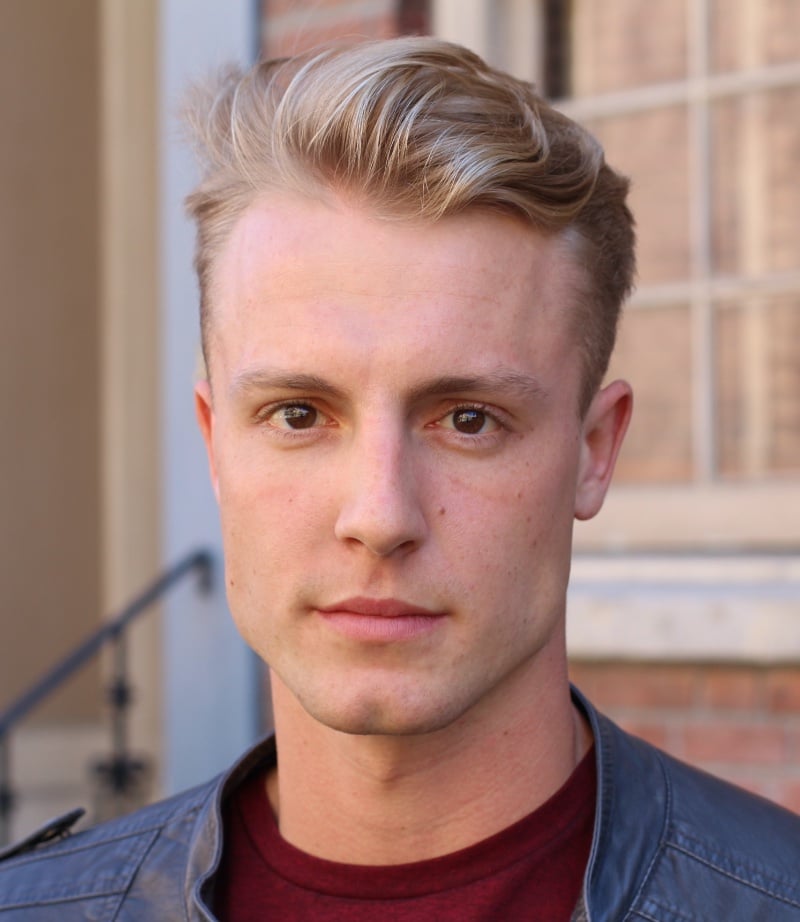
A rounded rise above the forehead defines the classic quiff. The sides lie close to the head, making the curve at the front visible in profile.
After applying heat protectant to damp hair, lift the roots with a blow-dryer and round brush, directing the front back as it dries. Start with a small amount of pomade for hold and a subtle sheen, adding more only if the hair needs it.
Curly Quiff
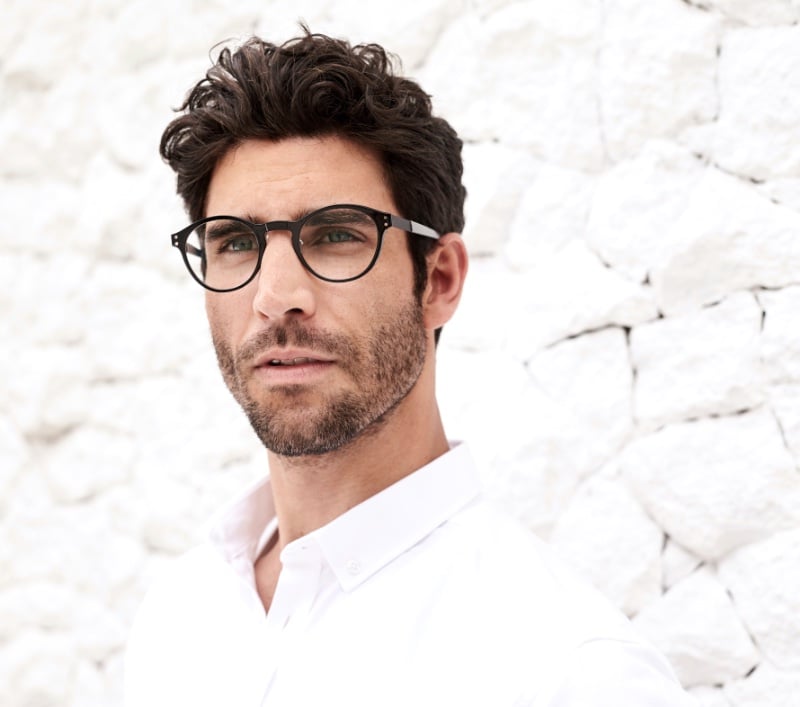
Individual curls give the curly quiff an irregular outline above the forehead. Shorter sides keep the curl mass from spreading at the temples.
Conditioning helps curls separate as they dry. Work a small amount of styling product through the top with the hands, lifting the front and directing it back. Keep the fingers out of the curls once they have dried to limit frizz.
Middle Part Quiff
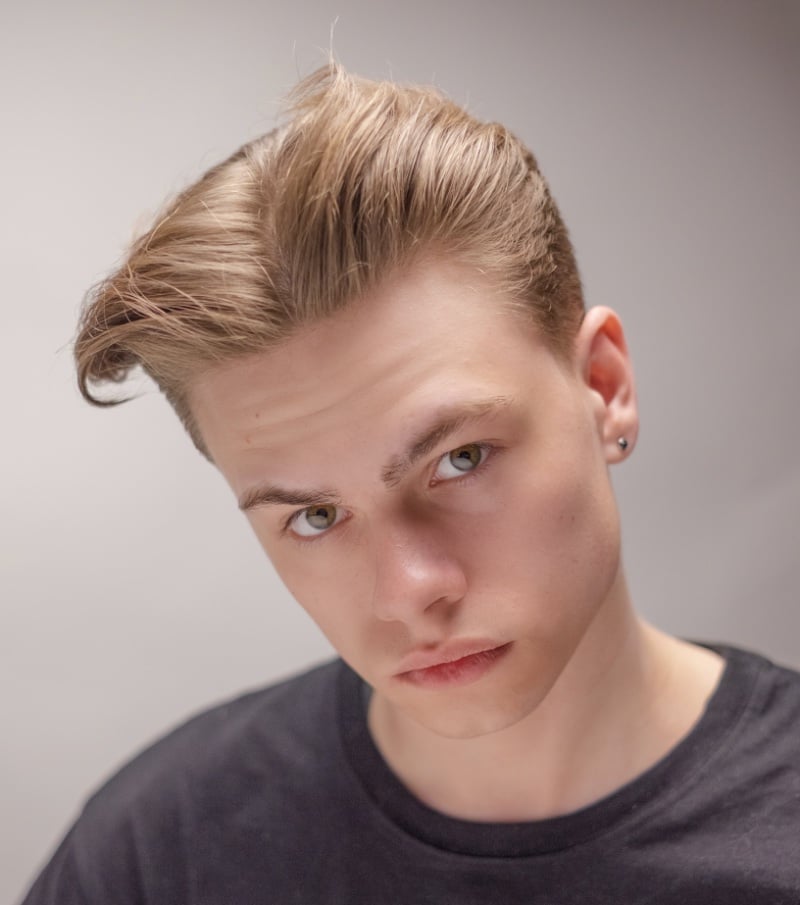
A middle part quiff lifts the hair on either side of the part, with the longer front sections brushed back from the forehead. The split breaks up the broad surface of a single swept-back quiff.
Set the part while the hair is damp, then dry each half up and back with a brush. Lightweight mousse can support the roots; a small amount of pomade on the ends keeps the two sections distinct.
Quiff Undercut
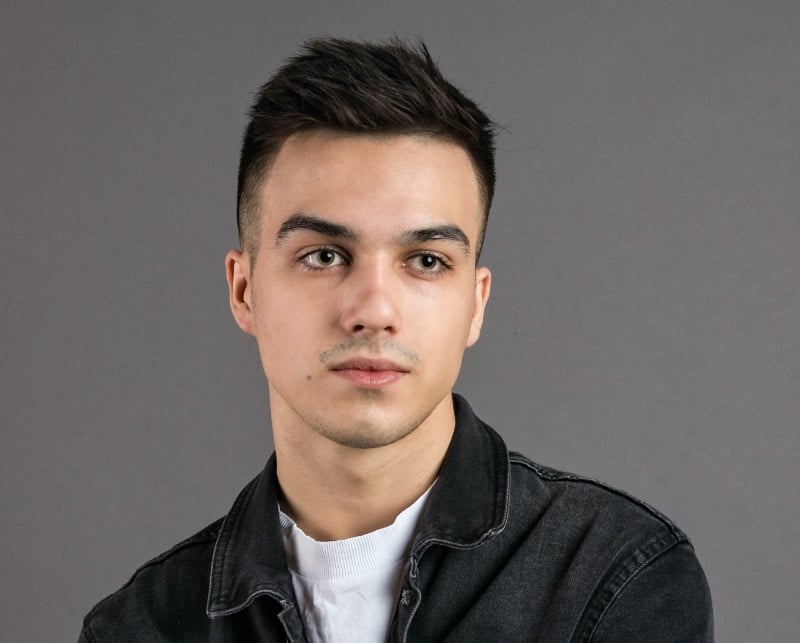
The long top of a quiff undercut meets the short sides at a distinct edge. That abrupt change in length gives the undercut a different side profile from a blended fade.
Direct the dryer into the roots beneath the front section, then brush the length back over the top. Spread a little wax between the palms before working it through the longer hair so the product does not collect in one spot.
Quiff Mid Fade
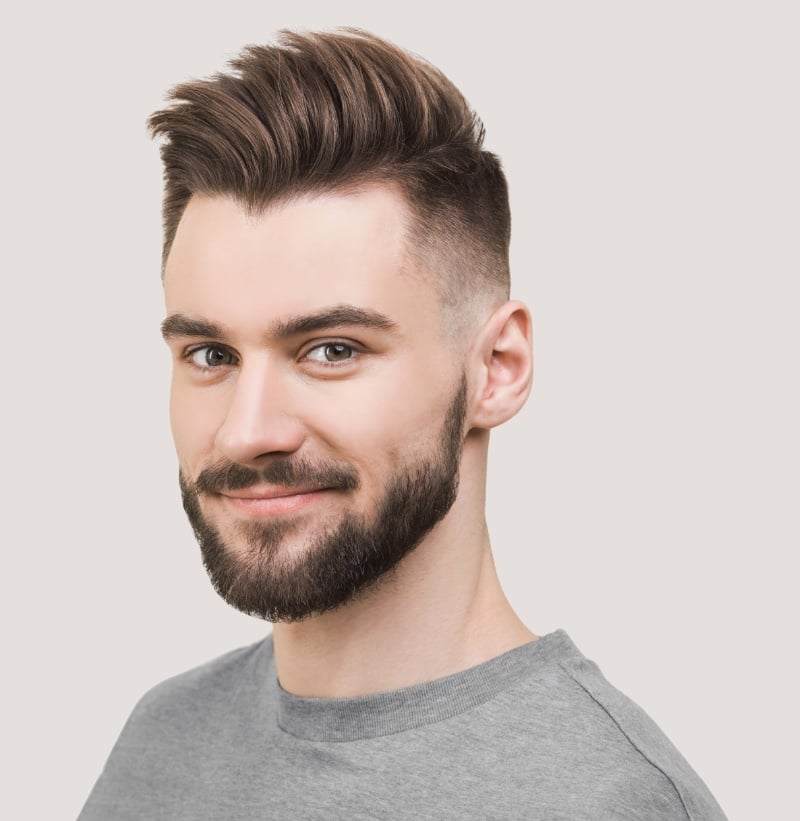
A mid fade takes the sides short around their middle height, then blends upward into the fuller top. The exposed lower sides make the lifted front appear more prominent.
Keep the dryer aimed upward at the front and backward through the crown. A matte pomade can separate the longer pieces, giving the top a different finish from the closely clipped sides.
Quiff With a Side Part
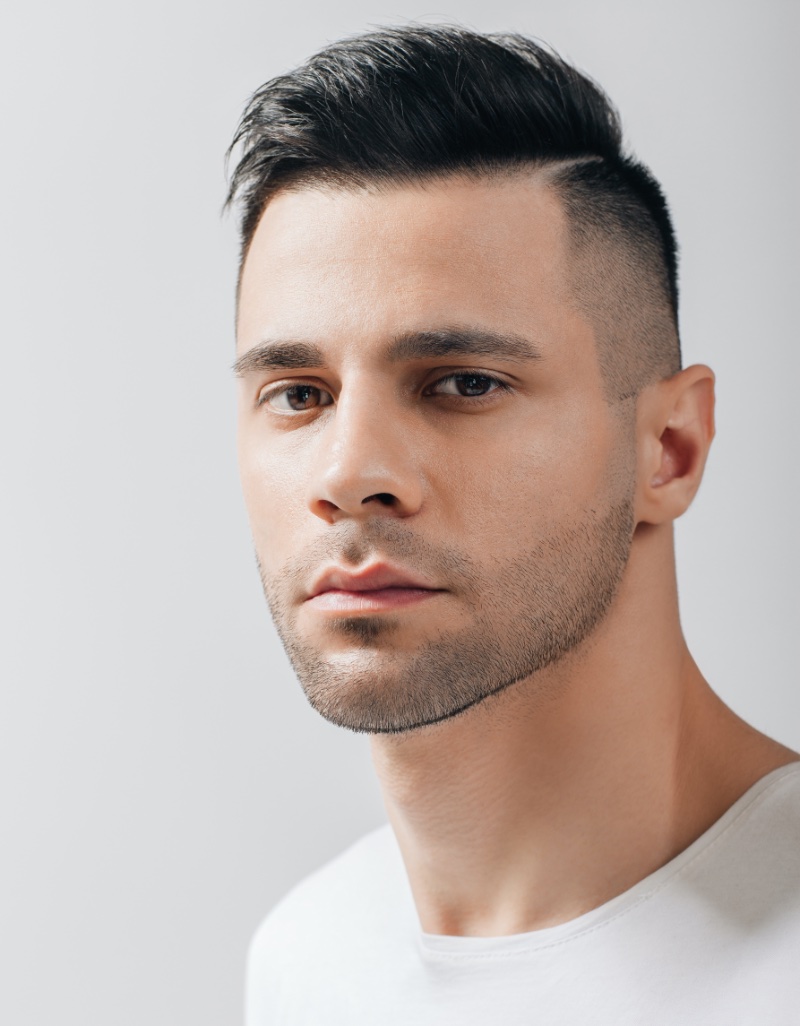
A side part sends the quiff diagonally across the top. The high fade exposes more of the temples, emphasizing the overhang of the longer front.
Comb the part into damp hair before drying the front upward and across. Brush the surface in the same direction to keep the sweep together.
Quiff With Tapered Fade
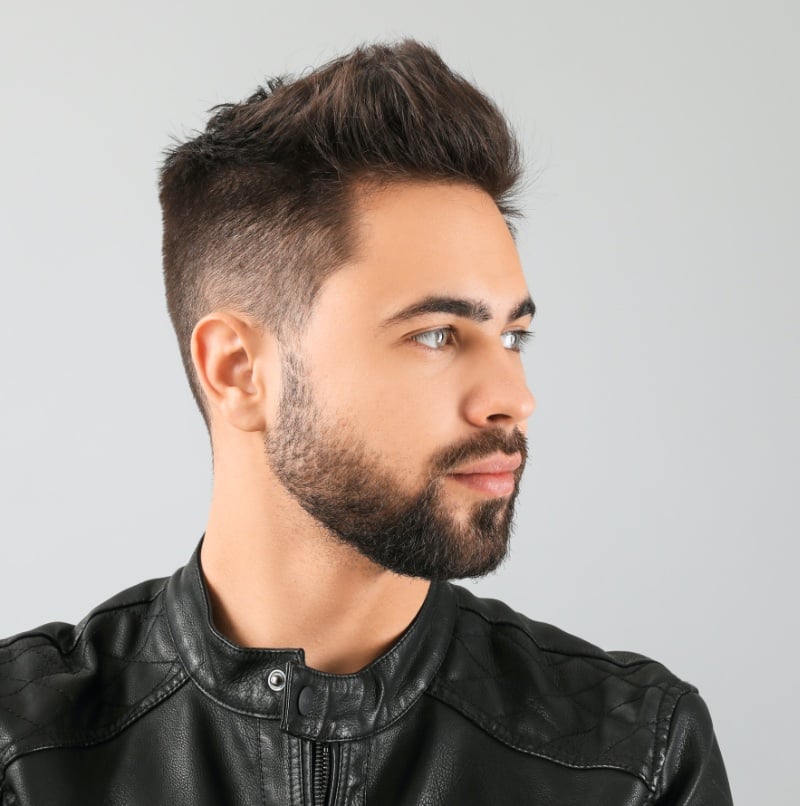
The quiff with tapered fade has a gradual transition from the full top into shorter sides. Hair retained near the upper sides softens the change in width beneath the raised front.
Ask the barber where the graduation will begin and how much length will remain around the ears. A taper localized at the edges leaves more hair on the sides than a fade extending through them.
Rockabilly Quiff
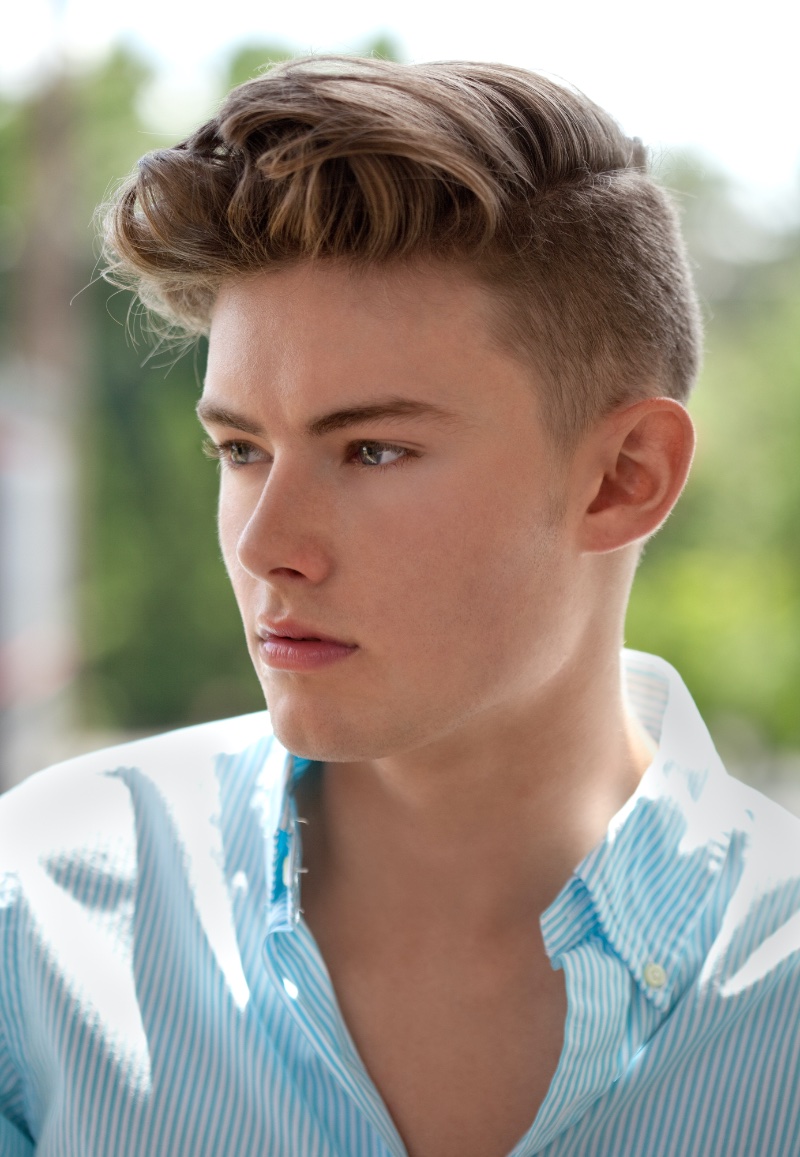
The rockabilly quiff rolls the front into a high crest above slicked-back sides, recalling the '50s style of Elvis Presley and James Dean.
Pomade supplies the shine, but the rolled shape comes from lifting the roots and smoothing the outer layer over them. Comb the sides back close to the head, adding product gradually so excess weight does not pull the front down.
Spiky Quiff

Separate points break up the front of a spiky quiff, borrowing the pointed silhouette of a mohawk. Work gel or wax through dry hair, then pinch small sections upward and outward.
Keep the tallest spikes toward the front to retain the quiff's rising profile. Short, buzzed or faded sides leave the pointed ends visible above the temples.
Textured Quiff
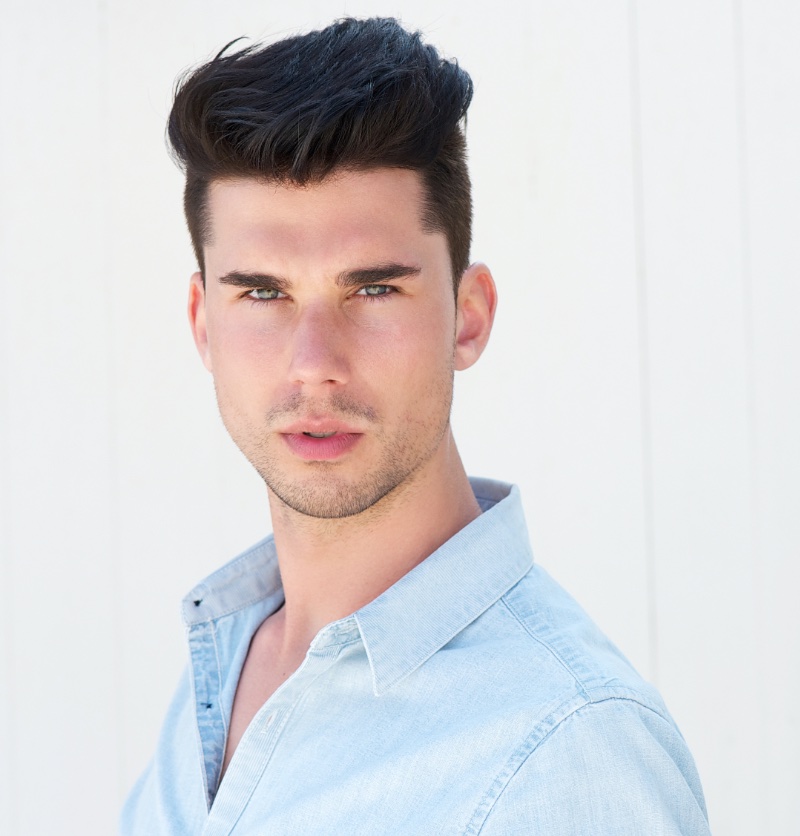
Uneven pieces and gaps give a textured quiff its broken surface. Looser placement turns it into a messy quiff. Rough-dry with the fingers, using texturizing spray if the hair needs more grip.
Distribute a little matte pomade through the ends, then lift a few sections at the front. Too much product can merge those separate pieces into a heavier sweep.
Wavy Quiff
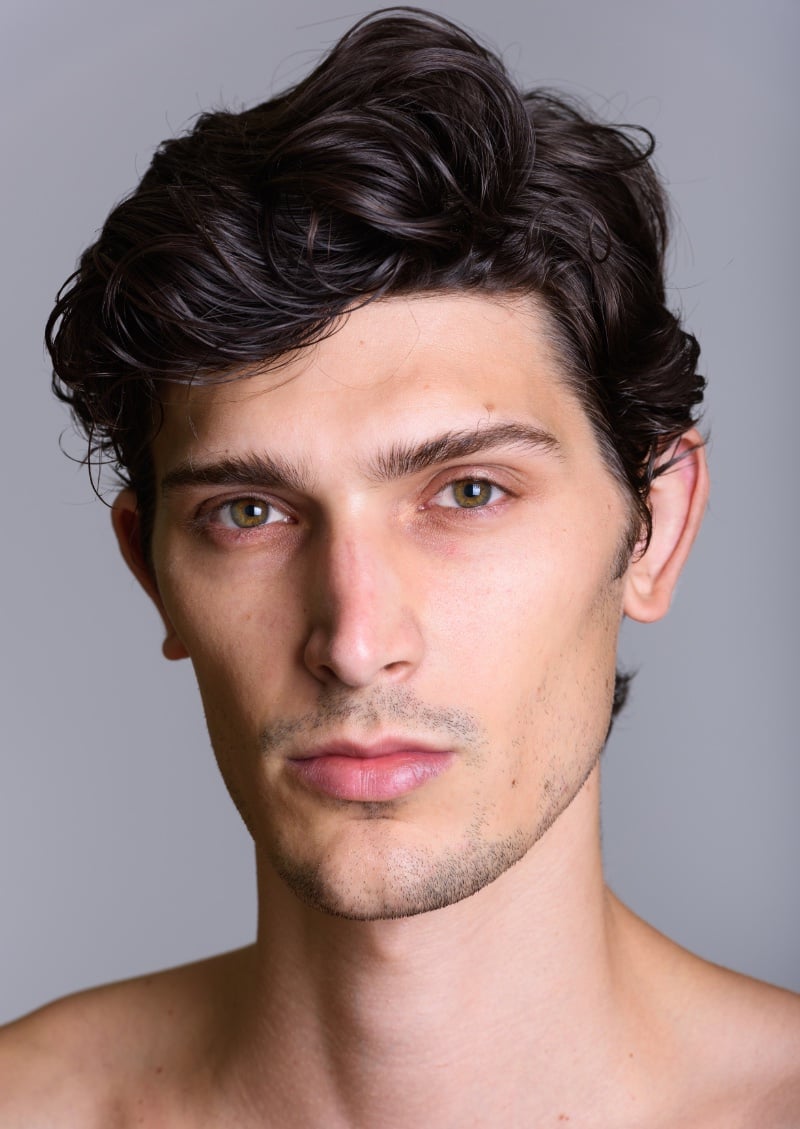
Natural waves bend back from the forehead in a wavy quiff. Follow those bends when lifting the front so the hair retains its ridges through the top.
Light mousse can support the roots, while a diffuser on a low airflow setting helps dry the waves with less disturbance. Add curl cream sparingly if the lengths need definition; heavier applications can flatten the front.
The Modern Quiff
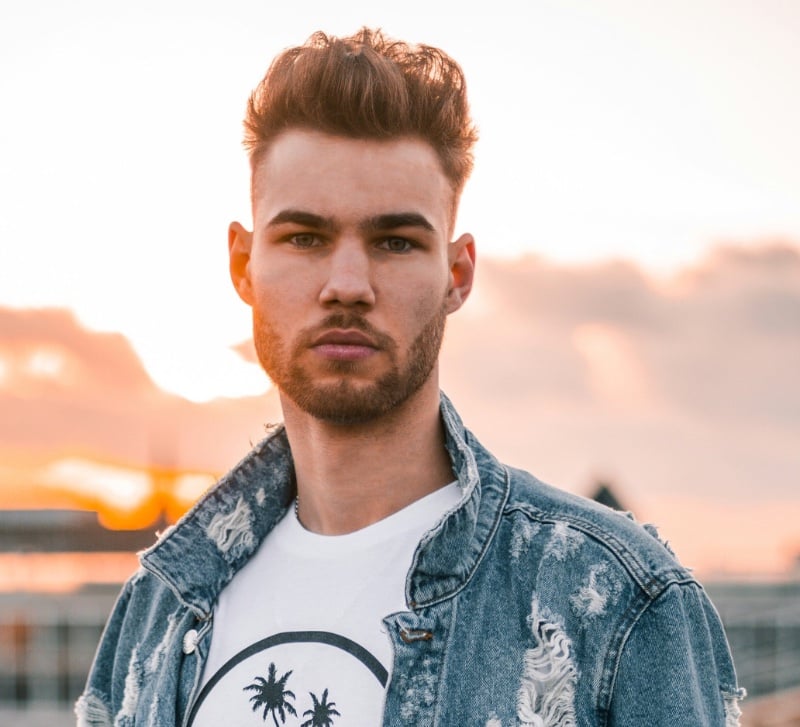
The modern quiff lets the front fall into separate pieces as it sweeps back. Less shine reveals the bends and texture that distinguish it from the rolled rockabilly version. Among men's haircuts, its defining feature remains the lift above the forehead.





