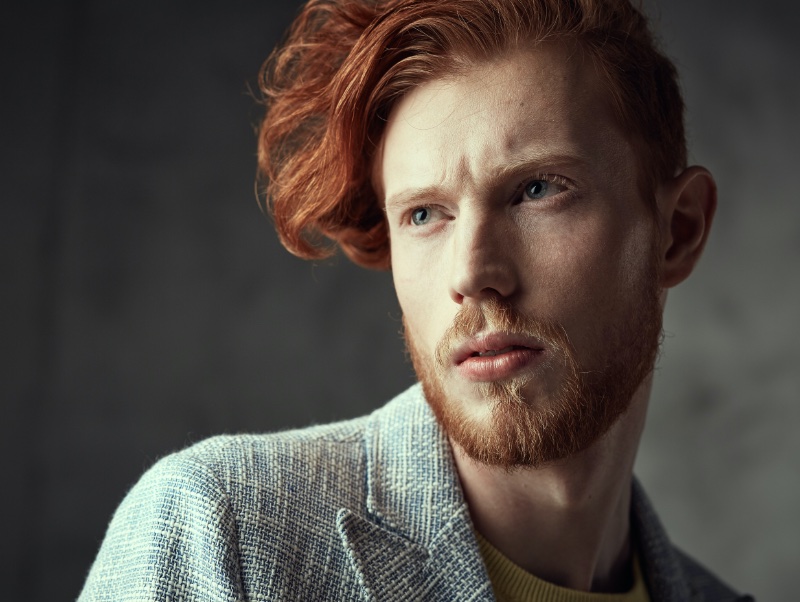
Red hair in men spans bright ginger, copper, auburn, strawberry blonde and deep reddish brown. Natural pigment and added color can produce similar shades, but they age differently. Natural red may change gradually over the years, while dyed red can lose intensity between applications. The haircut, starting shade and amount of upkeep all affect how the color looks.
What Is Natural Red Hair
Natural red hair is strongly associated with variants of the MC1R gene, which favor the red-yellow pigment pheomelanin over darker eumelanin. Other genes also influence the shade. Red hair occurs in roughly 1–2% of people worldwide and is more common in Scotland and Ireland. Fair skin, freckles and sensitivity to sun often accompany it. The color can become lighter or less saturated with age, though the change varies from person to person.
Red Hair Shades for Men
Ginger & Copper
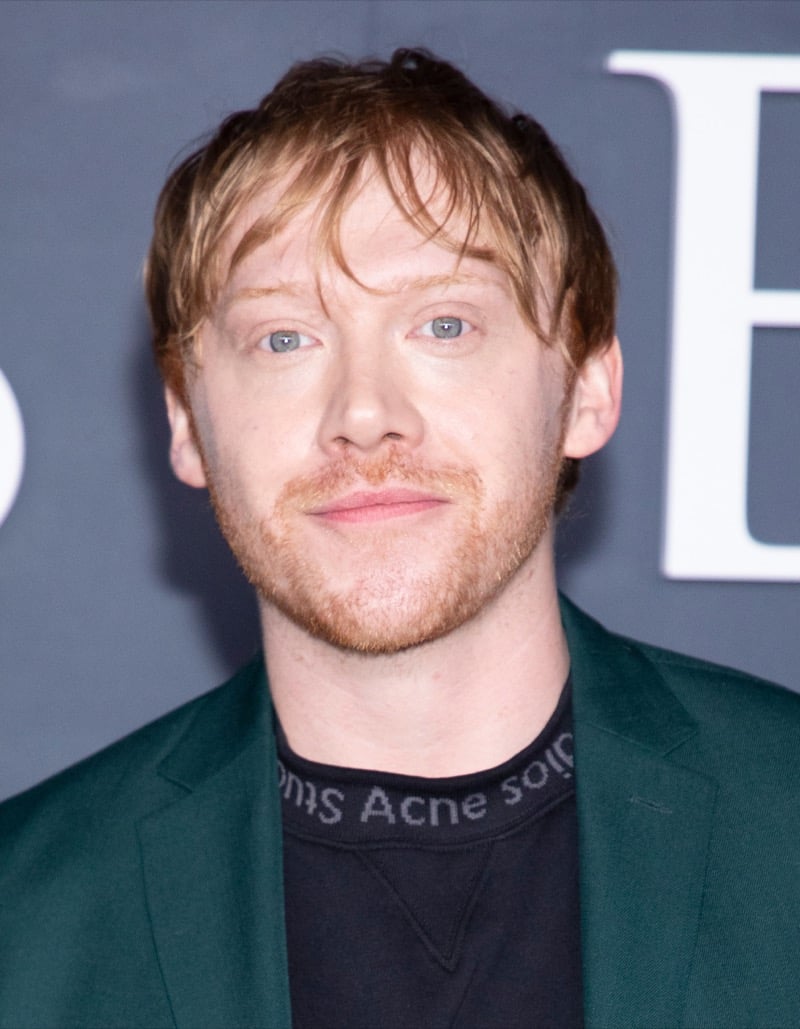
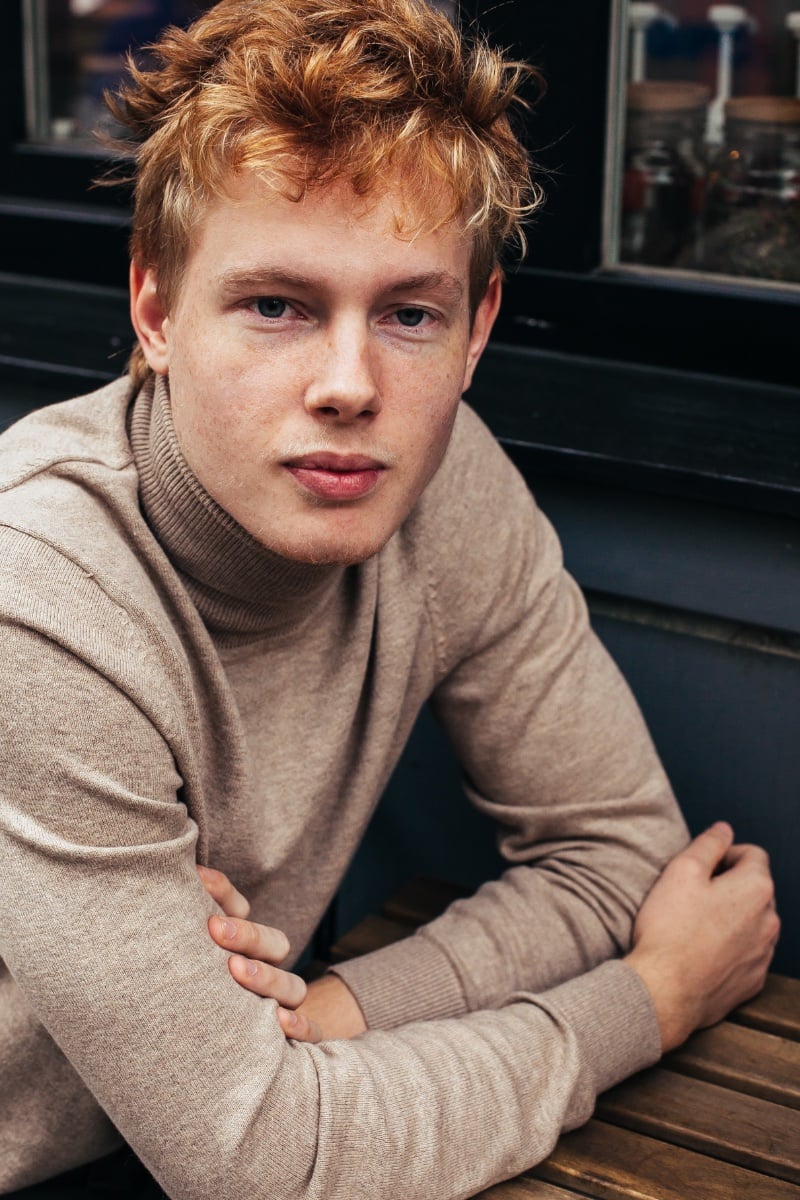
Ginger and copper occupy the orange-red end of the range. Pale ginger can appear almost golden at the edges, while deeper copper shows a more saturated orange tone. Both occur as natural shades or salon colors, so the name alone says little about how the hair was colored.
Auburn
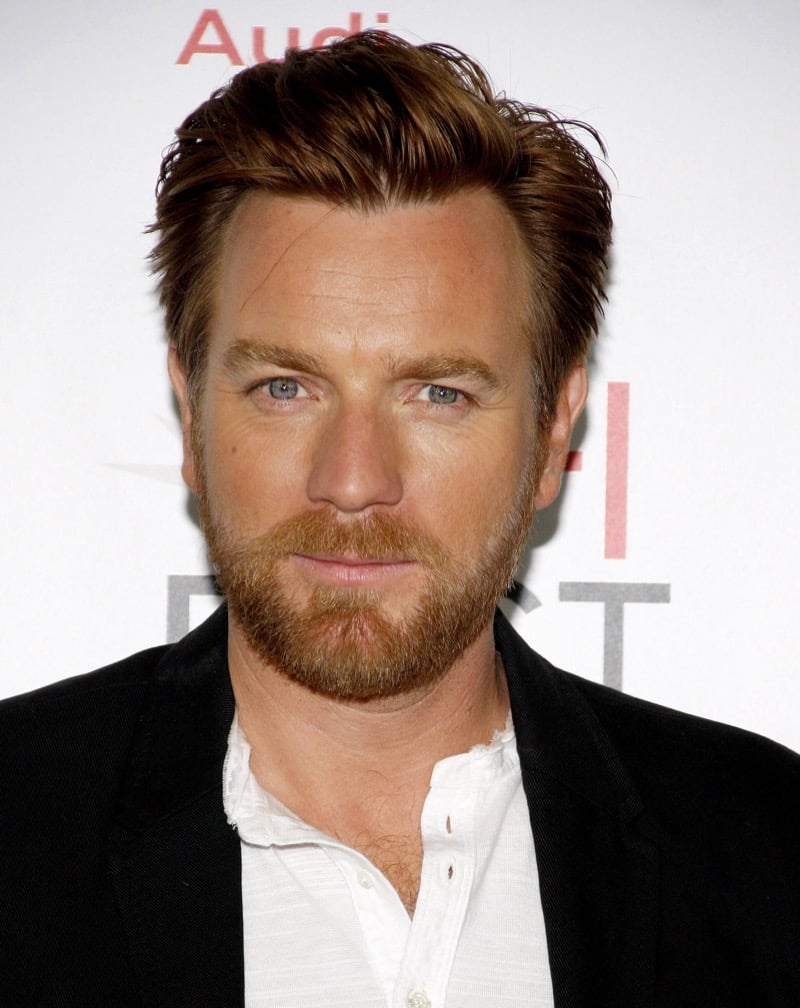
Brown pigment gives auburn more depth than ginger. The red may be subtle indoors and more apparent in direct light, especially along waves or lifted sections. When choosing a dye, compare its depth with the natural base as well as the redness of the swatch.
Strawberry Blonde & Sandy Red
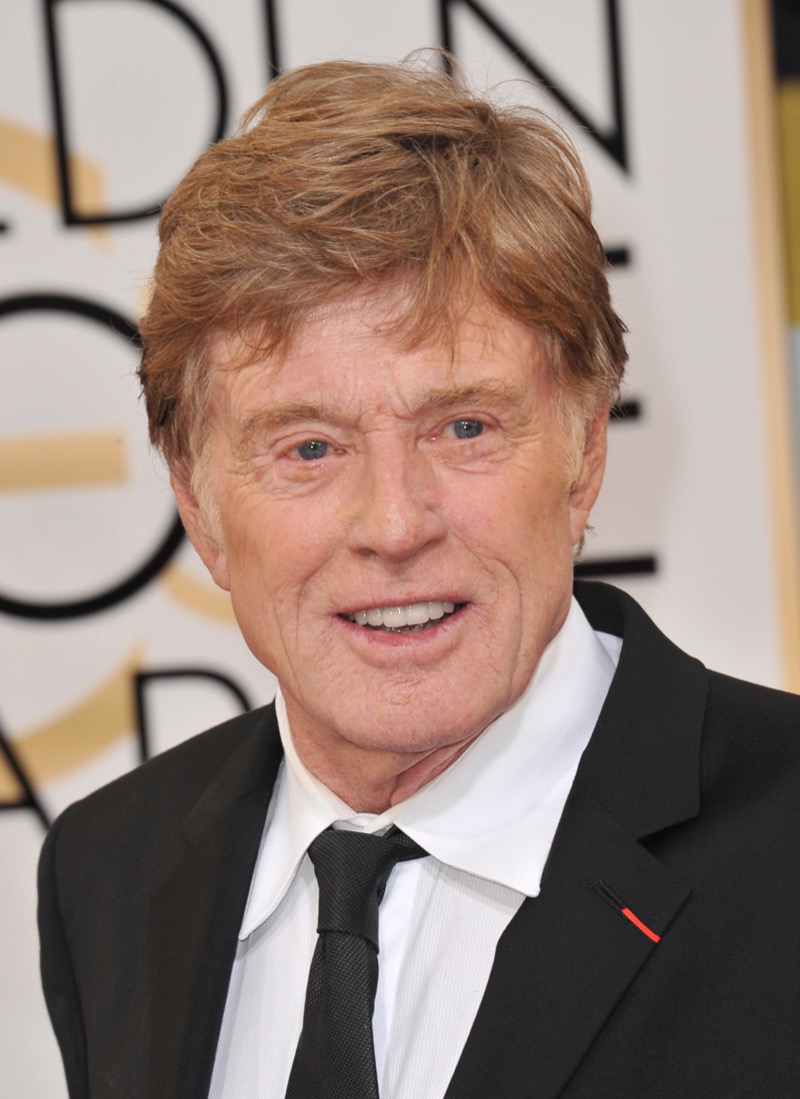
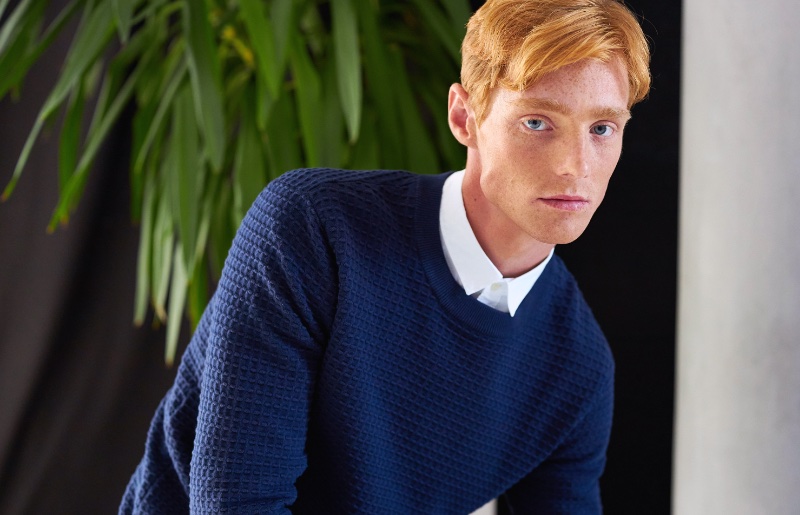
Strawberry blonde has a pale golden base with a red tint, while sandy red looks more muted. Fine strands around the temples and across the forehead can appear lighter than the denser hair behind them. The same shade may read as blonde in one light and red in another.
Dark Red & Reddish Brown
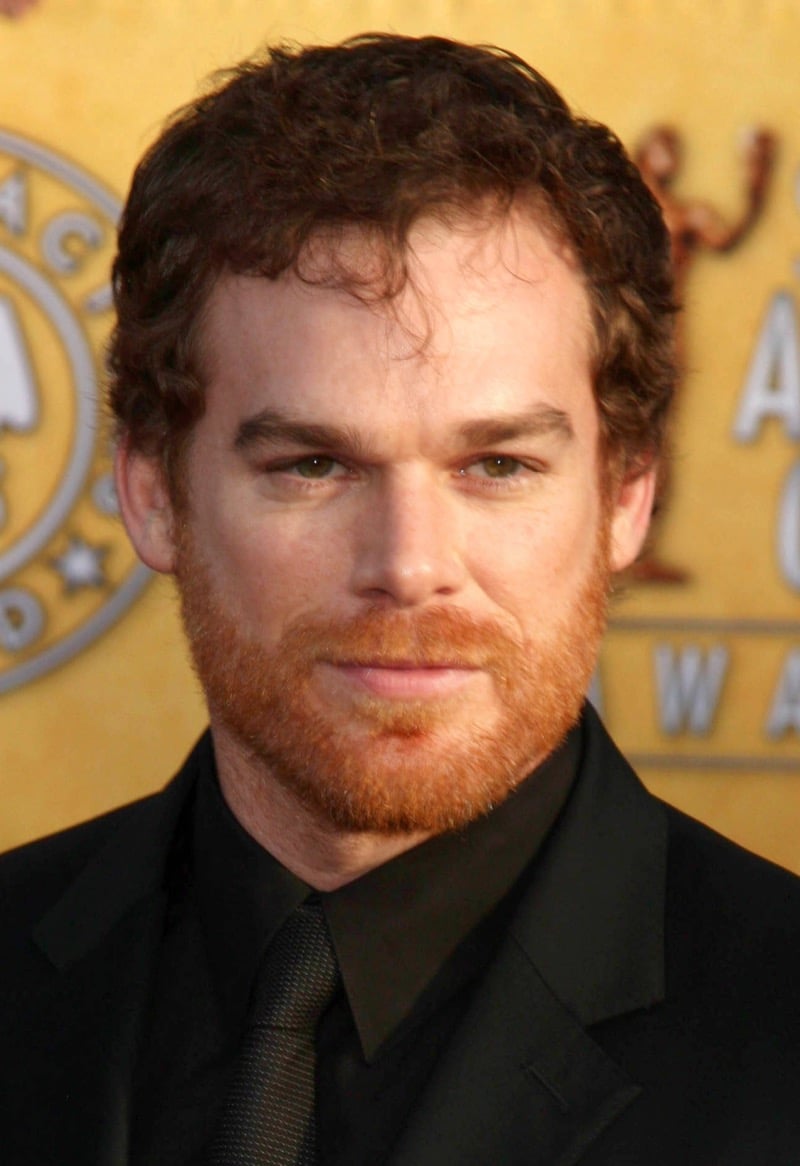
Dark red hair for men includes reddish brown, mahogany and burgundy. These names cover different tones, from brown with a warm cast to a more violet red. A dark base may show a red tint most clearly in daylight; a vivid, lighter red can require lightening first. Selected highlights concentrate the change in separate strands.
Haircuts for Red Hair
Choose a haircut for the hair's density, texture and growth direction. Red changes the color of the silhouette, but it does not determine whether the hair will hold spikes, lie back or form curls.
Short & Cropped
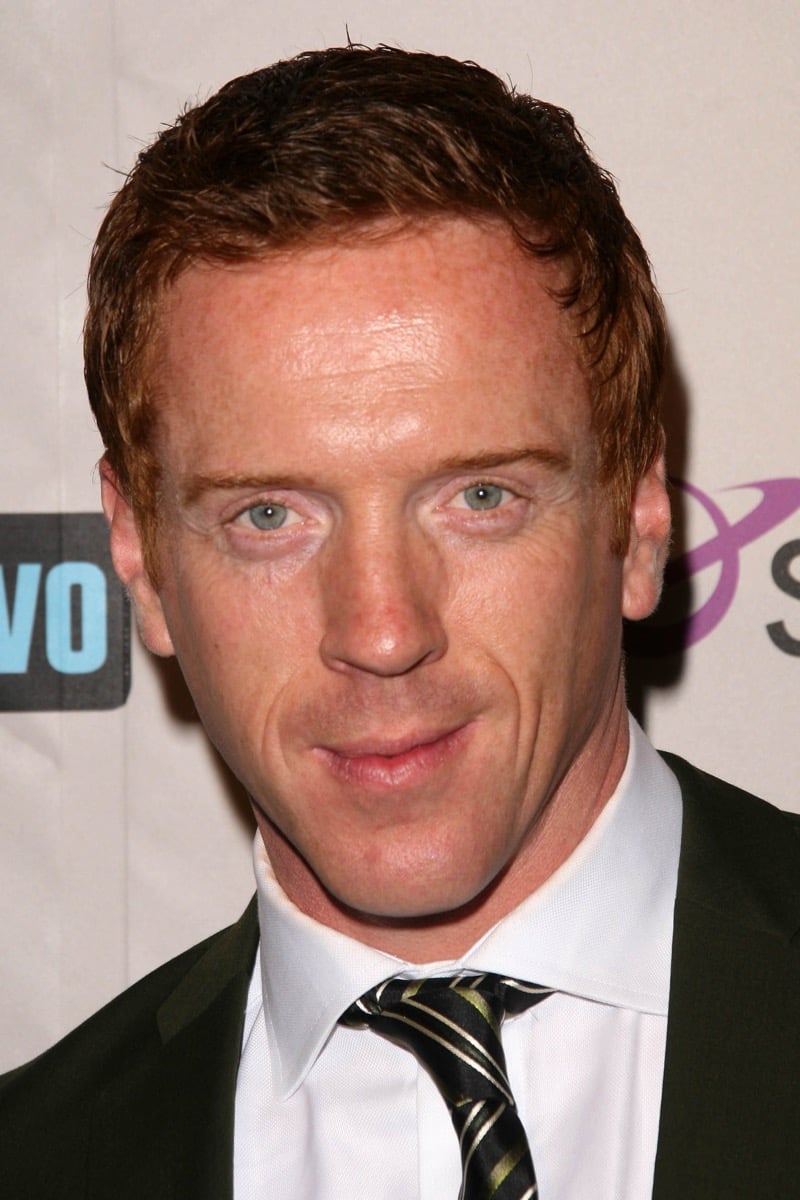
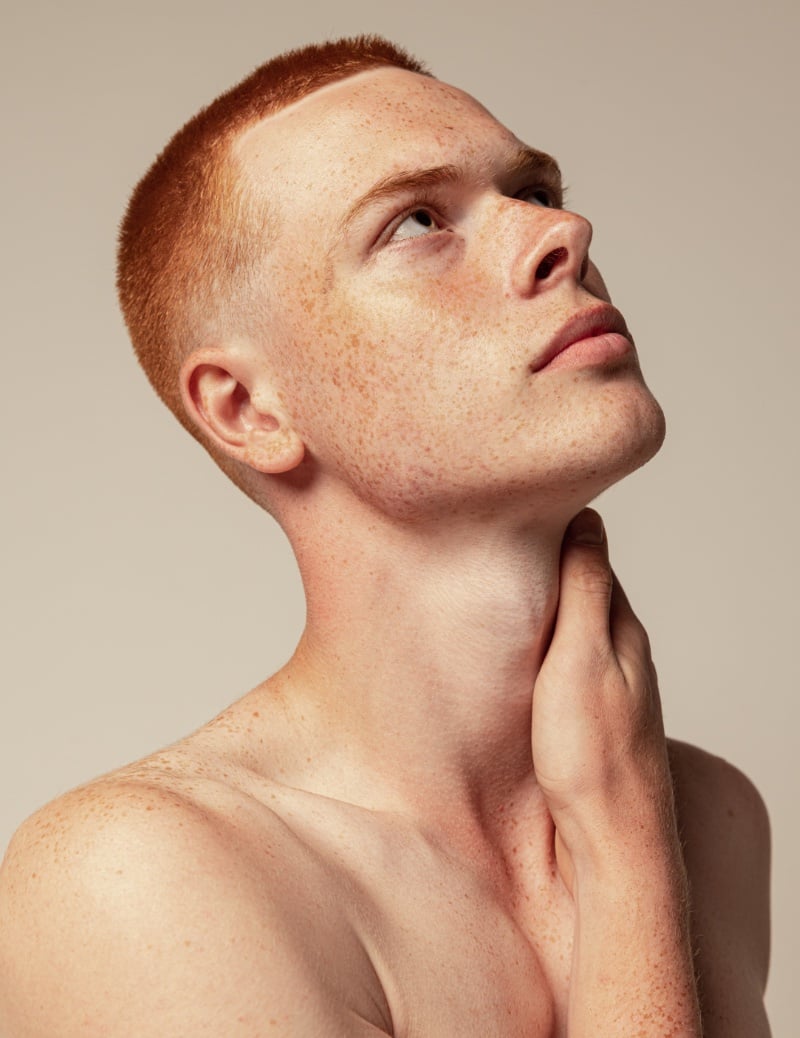
A close crop exposes the hairline and leaves a compact patch of color across the top. Keeping the fringe short makes the forehead more visible, while a slightly longer front retains a distinct edge. A short haircut also removes dyed ends as it is trimmed, changing how much added color remains.
Textured & Spiky
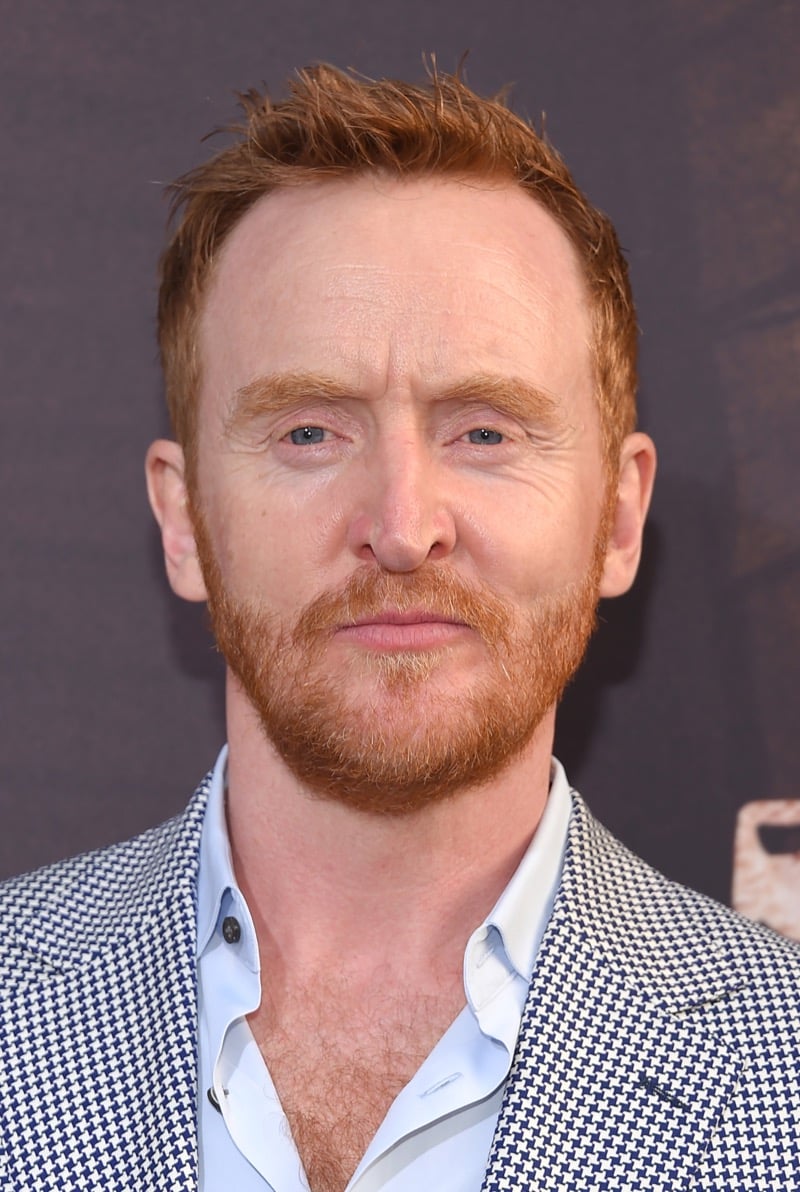
Separated tips create small areas of light and shadow across ginger hair. Cut-in texture can help dense hair lift, while finer hair may need enough length to keep the scalp from showing between spikes. A small amount of matte paste can separate the ends; heavier application may flatten them.
Slick Back
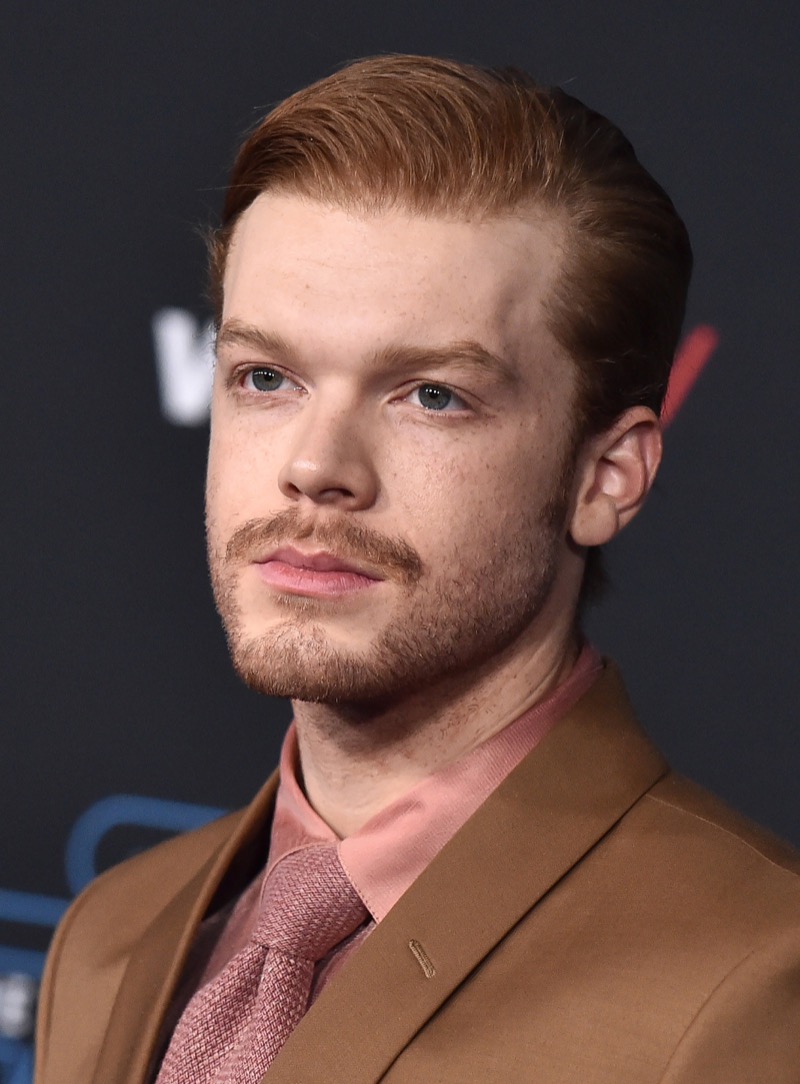
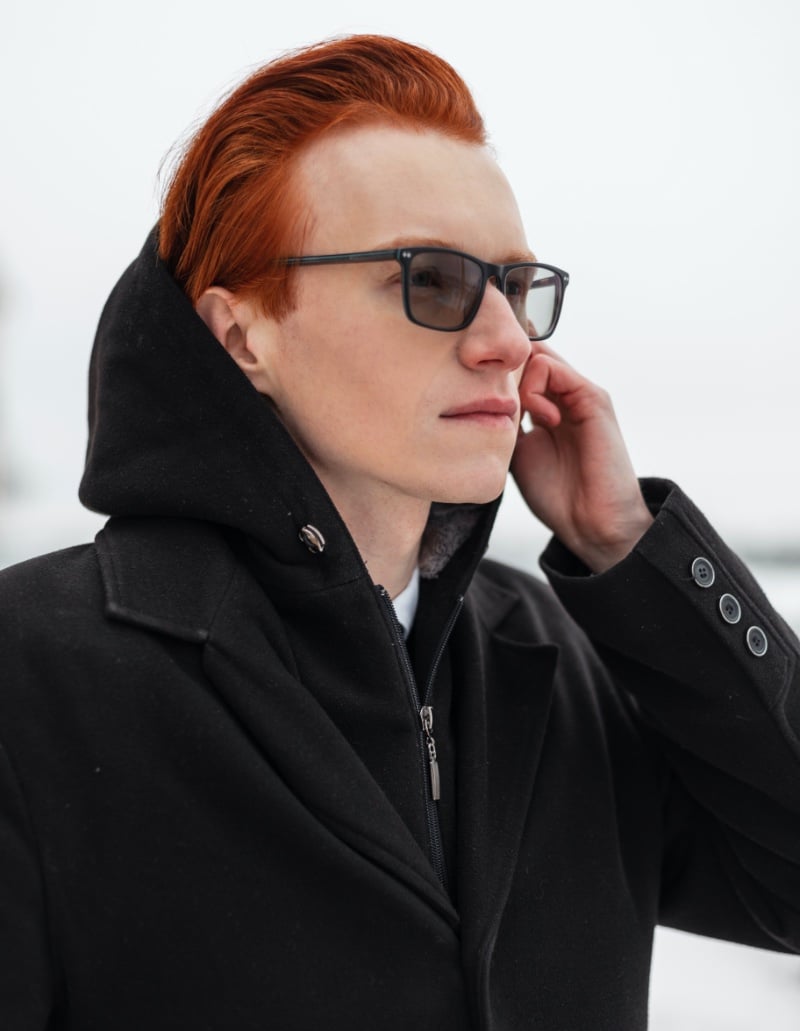
Brushing the front back exposes the hairline and brings the strands into a continuous surface. In a slick back, a shiny finish changes how the light catches red hair and may make some areas appear darker. The amount of hold should suit the hair's length and growth direction.
Curly Red Hair
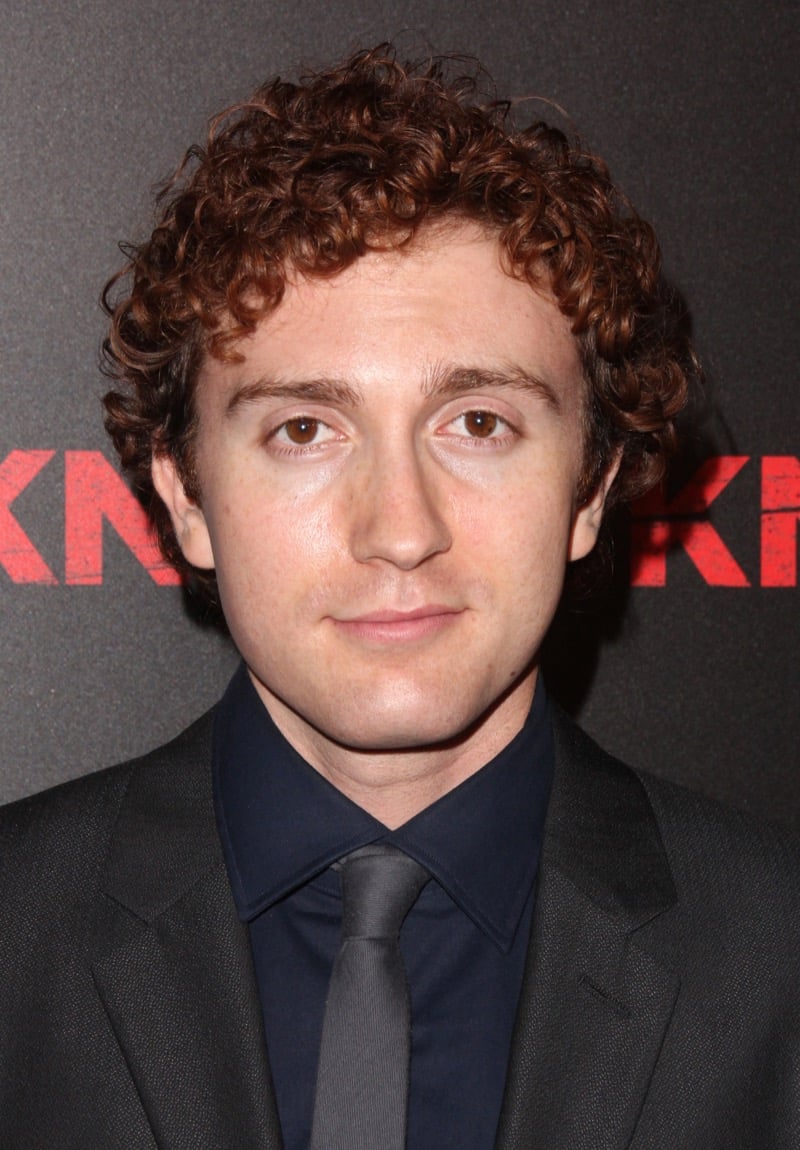
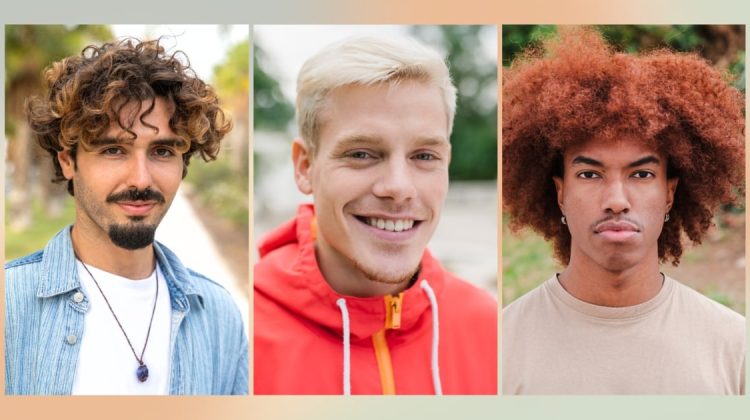
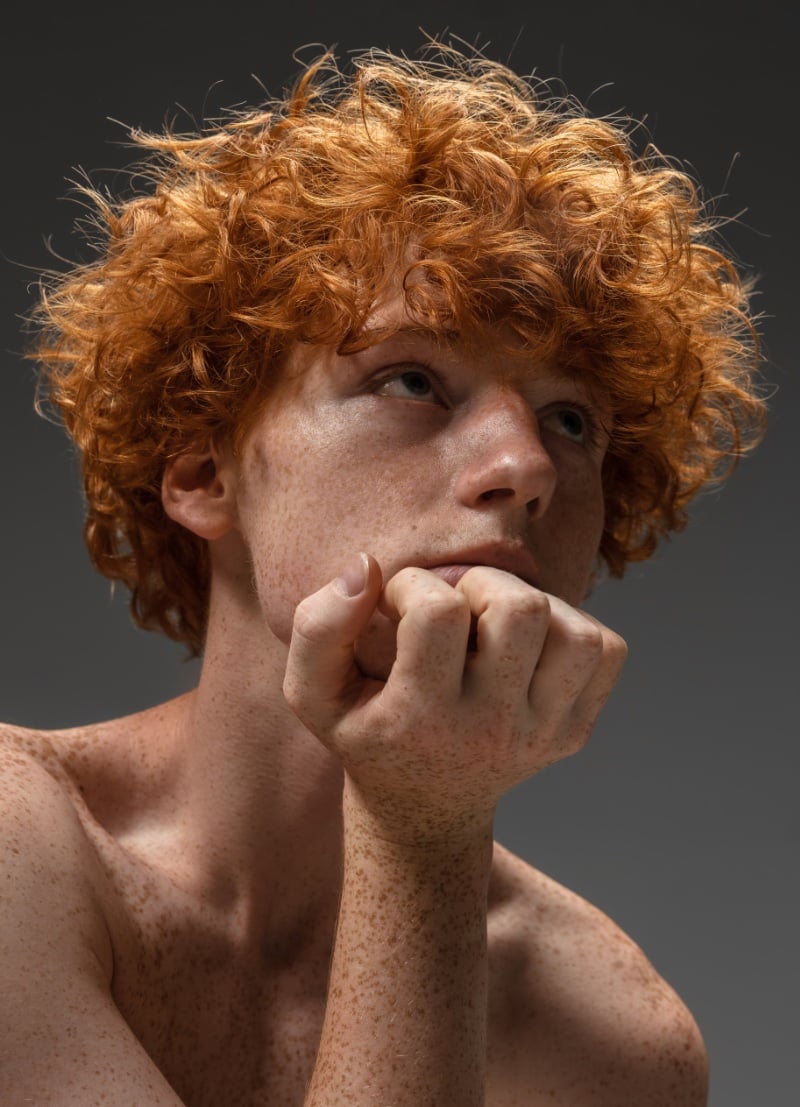
Red curls show alternating bright surfaces and darker gaps between coils. Shortening the sides concentrates the rounded shape above the temples, while longer sides let it spread outward. Choose haircuts for curly hair according to curl size and shrinkage so the dry fringe falls where expected.
Long Red Hair
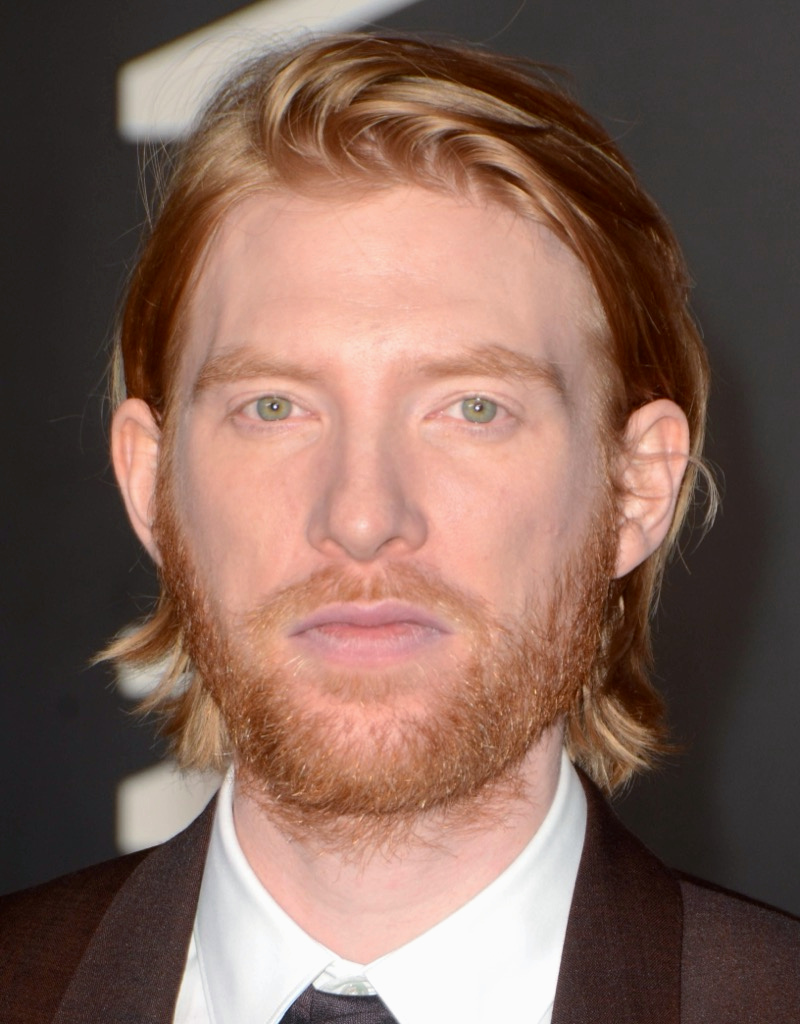
Longer lengths reveal differences between newer hair at the roots and older ends, which may be lighter from sun or previous processing. Loose hair displays that variation through its layers; tying it back gathers the color around the face and nape. With long hairstyles for men, inspect the ends separately when planning a color service.
Red Hair & a Beard

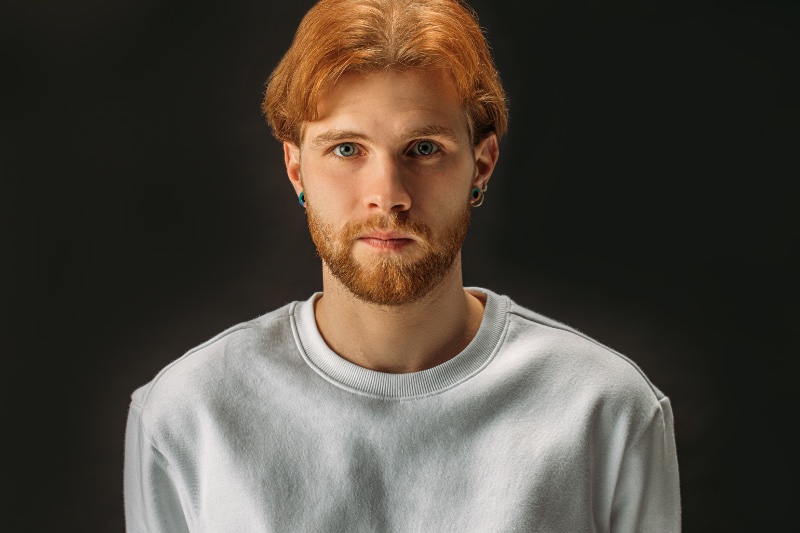
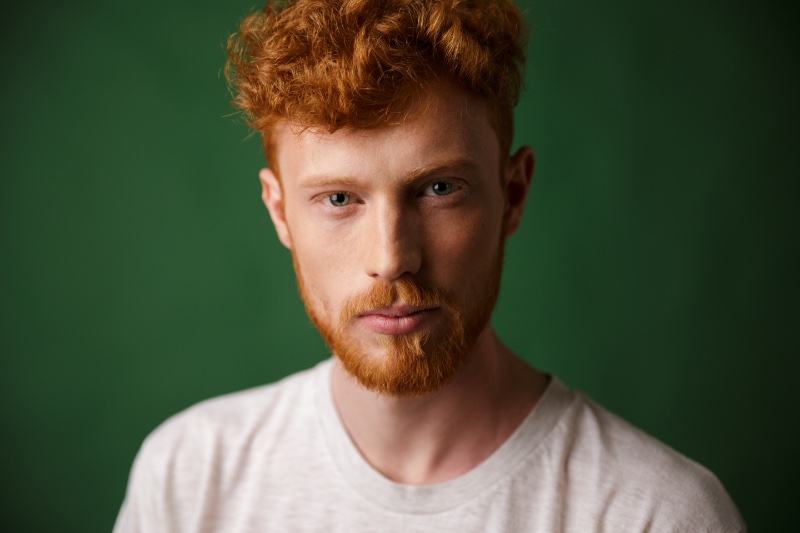
Beard color can differ from scalp hair, leaving red facial hair beside a brown or blonde crop. A full beard makes that difference more visible across the cheeks and chin, while shorter facial hair shows more skin between the strands. Compare beard styles by their outline and density as well as their shade.
Famous Men with Red Hair
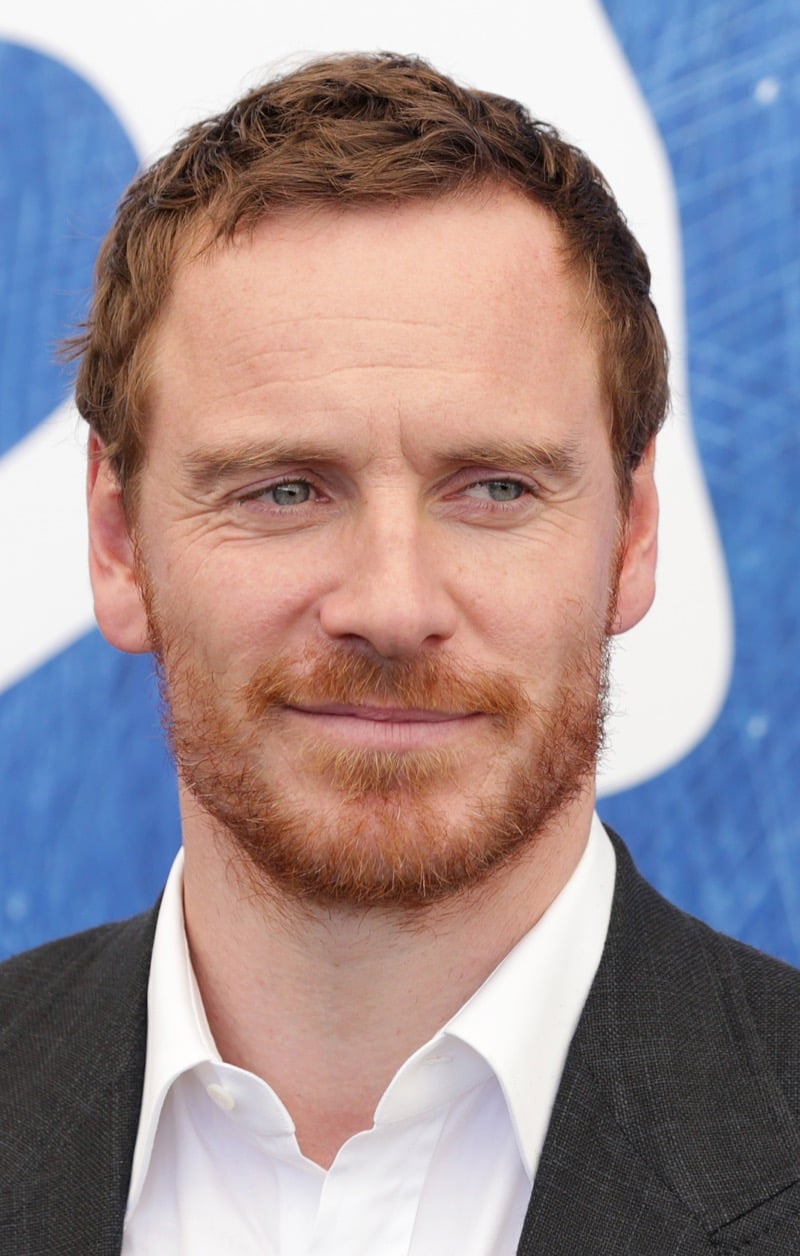
Actors offer useful reference points for choosing a red shade or haircut, showing how the color looks against different complexions and beside facial hair.
Famous redhead actors include Rupert Grint, Damian Lewis, Domhnall Gleeson and Ewan McGregor. Their shades range from bright ginger to deeper auburn, and their haircuts show how the color looks across cropped, tousled and longer styles.
How to Dye Hair Red
Start with the desired depth and tone, then compare them with the existing hair. A demi-permanent dye generally deposits color, so it cannot be relied on to turn a dark base into bright copper. Permanent color may lift natural pigment, but previously dyed hair needs a separate assessment. Burgundy or mahogany may add a tint to dark hair; a brighter result can require lightening. Follow the product's allergy-test and strand-test directions before use, and take major changes to a colorist. Different formulas fade differently, so plan refreshes around the actual shade and hair condition. The same principles apply across hair color for men.
How to Care for Red Hair
Dyed red needs care suited to the formula and any lightening underneath it. Natural red has no added dye to replenish, though sun exposure and everyday wear can still affect its appearance.
Washing & Conditioning
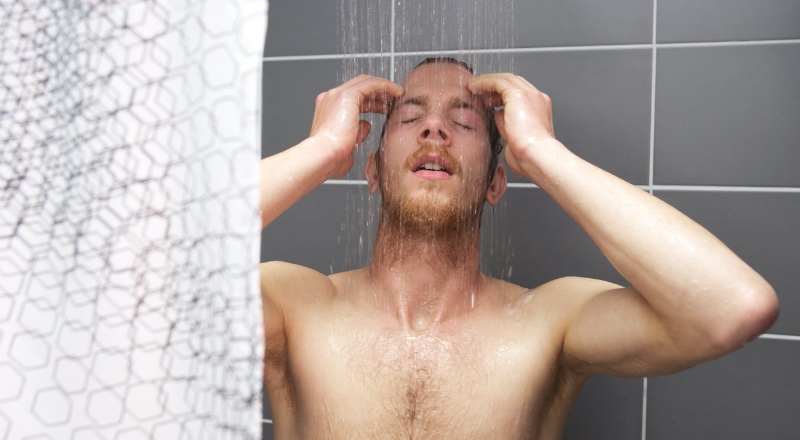
Choose washing and conditioning products for the scalp, hair texture and any chemical processing. Curly red hair may need more conditioning along its lengths, particularly where it feels dry or tangles. Color alone does not determine how much conditioner to use.
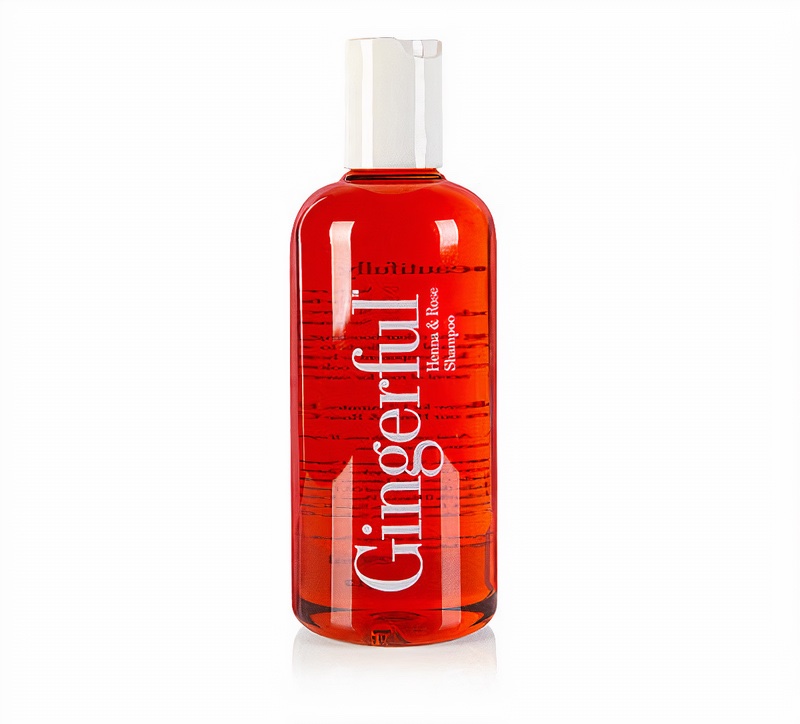
- Wet and rinse the hair with lukewarm water. Keep the temperature comfortable and avoid very hot rinses.
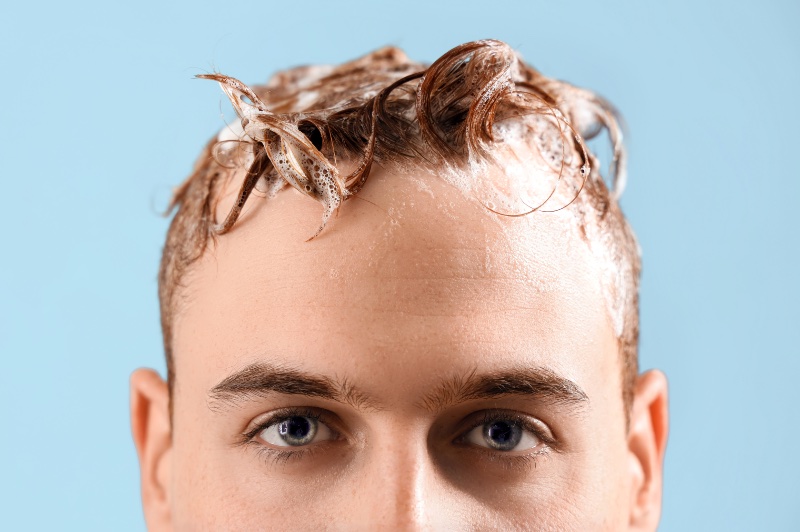
- Massage a shampoo suited to colored hair into the scalp, then rinse. A sulfate-free label alone does not establish how well a formula preserves color.
- Apply conditioner where the lengths need it, following the product's directions for placement and timing.
Wash when oil, sweat or product residue requires it. Fewer unnecessary washes can reduce opportunities for dye to fade, but there is no schedule that suits every scalp. Add a mask or leave-in conditioner if the processed lengths need more conditioning.
Color-Depositing Products
Tinted shampoos and conditioners deposit red or copper pigment to alter the surface color. Match the tone to the existing shade and follow the stated timing and frequency. Pale or porous sections may take up more pigment, so a strand test helps assess the result. These products can tint natural red hair too, changing its original shade.
Care Through the Year
Winter air and indoor heating can leave hair feeling drier. Adjust conditioning if the ends become rough or tangle, keeping richer products away from roots that become oily or flat.
As spring brings more time outdoors, account for sun exposure during the day. A hat covers the hair directly; a hair product with UV protection should be used according to its label.
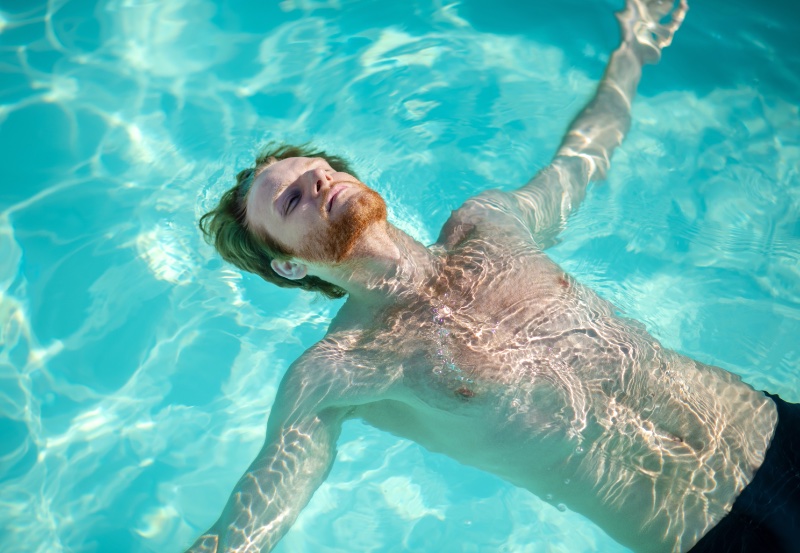
Summer swimming adds pool chemicals or saltwater to the effects of sun exposure. Wet the hair with fresh water before swimming and rinse afterward. A swim cap reduces contact with pool water, while conditioning helps with the roughness that may follow.
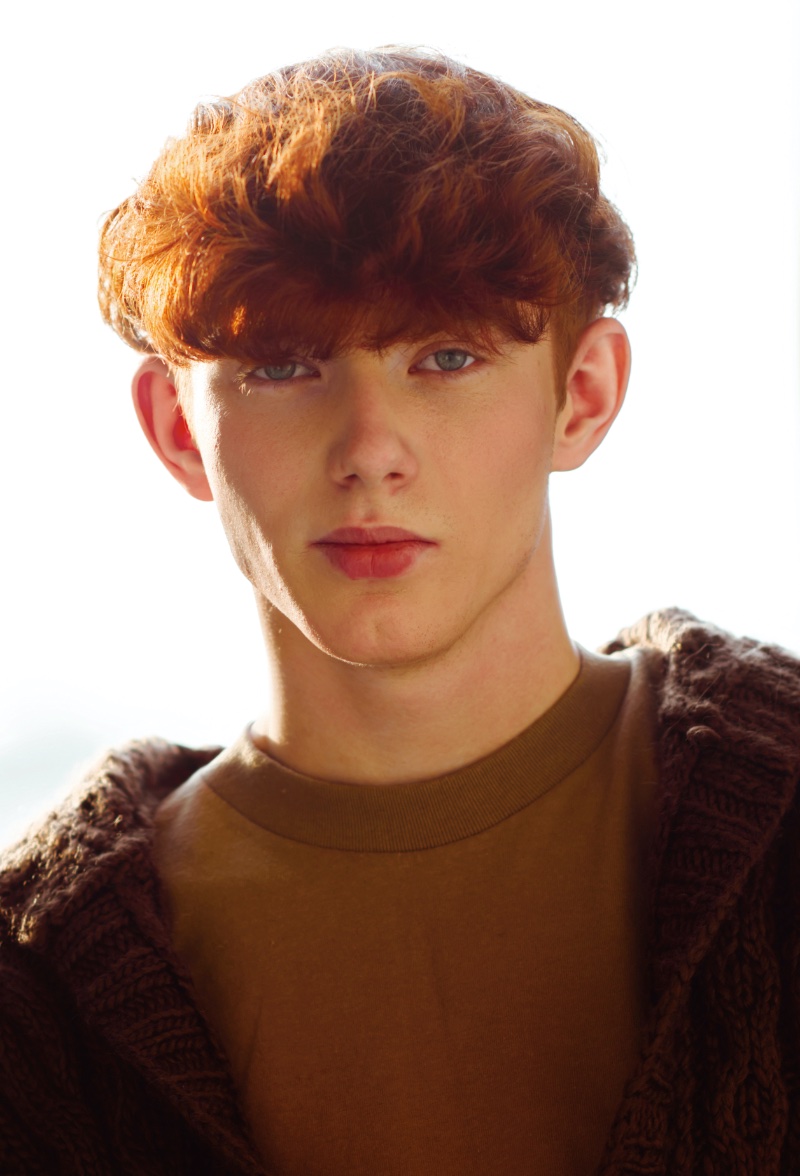
In the fall, assess the ends after summer exposure. Trim split or worn sections if needed, and adjust conditioning to how the hair feels as the weather changes.
Protecting Red from the Sun & Fading
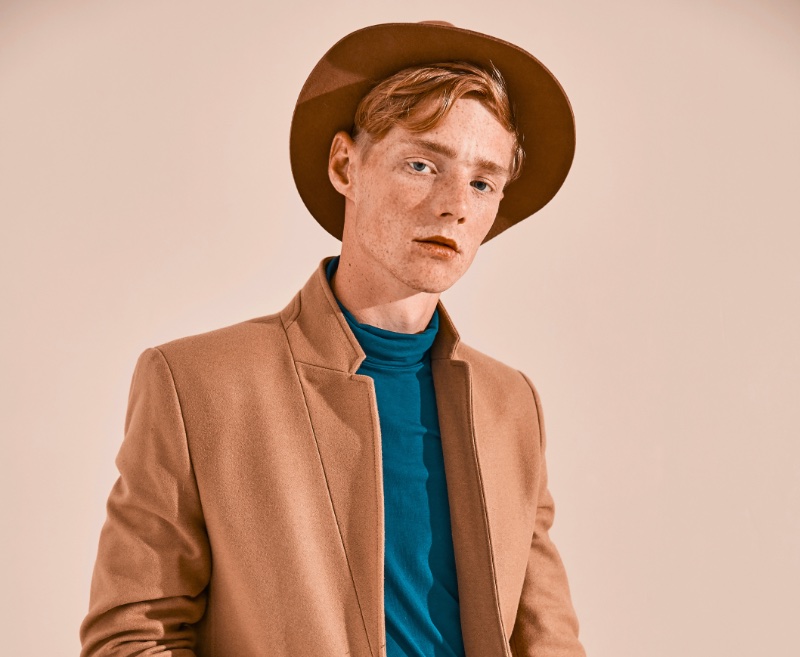
A hat provides physical cover for red hair outdoors. Hair products marketed for UV protection are an additional option, though they do not replace sunscreen on exposed skin. When heat styling, follow a suitable protectant's directions and use the lowest effective temperature.
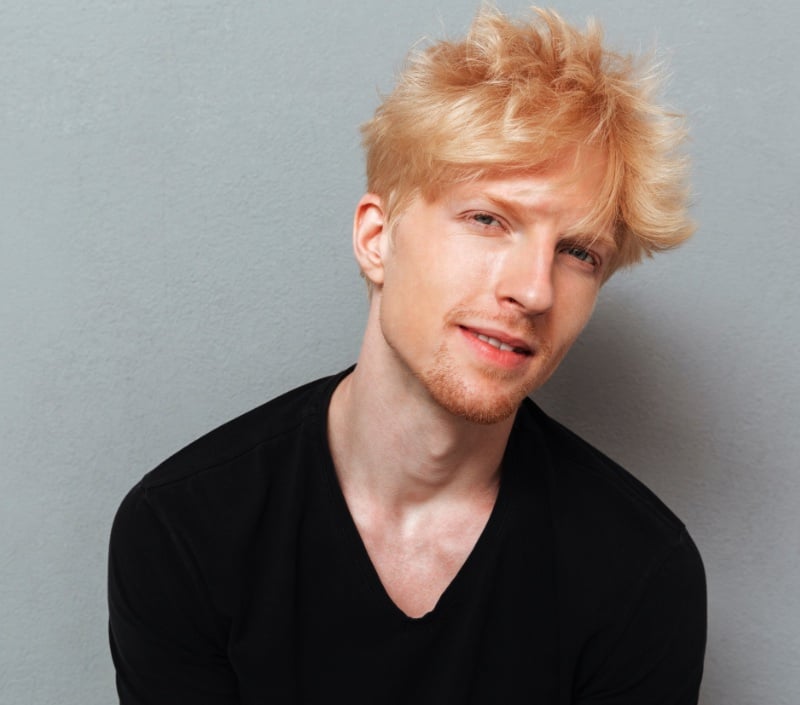
As red dye fades, the underlying base and remaining pigment may look more orange, pink or muted. A matching depositing product can refresh the tone, but it will not recreate every salon result. Purple and blue shampoos neutralize particular warm tones and can shift a desired red. Use them only when their effect suits the target shade or a colorist recommends them.
Reduce repeated passes with hot tools and rinse after swimming. Conditioner can improve the feel and manageability of processed hair, but an oil or butter does not restore lost dye or reverse bleaching damage. Choose the formula for the hair's condition.
Managing Roots
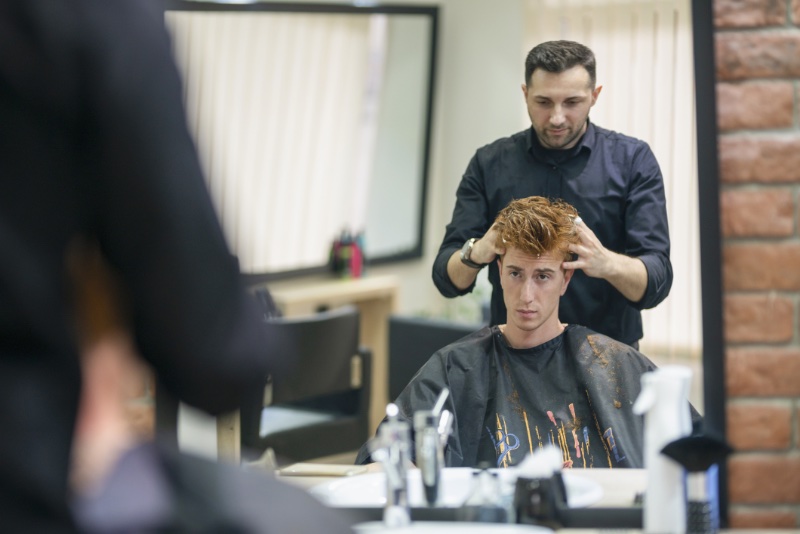
New growth reveals the natural shade beside the dyed lengths. The contrast, haircut and rate of growth determine when it becomes noticeable. Schedule root work around that visible difference, the formula's directions and the condition of the hair and scalp.
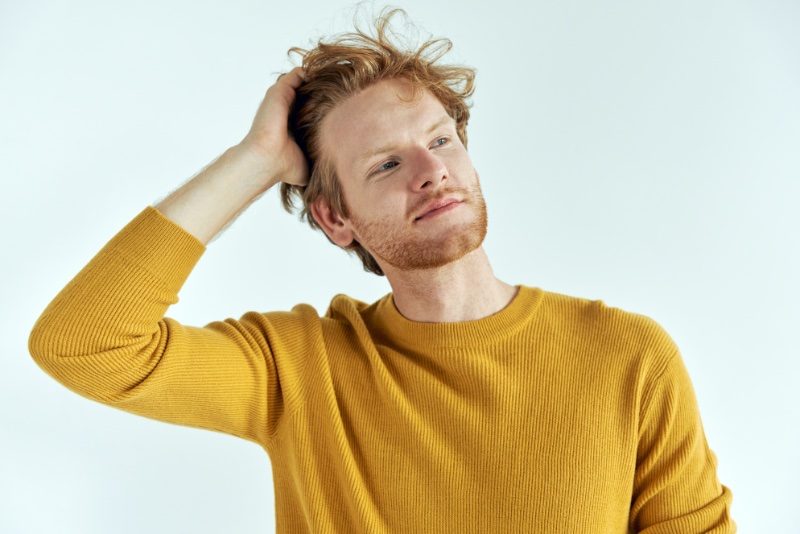
Temporary sprays and powders can disguise regrowth until they are washed out, depending on the product. Match the shade in daylight and keep the application near the roots. A haircut changes the proportion of natural and dyed hair, but it does not stop roots from showing.
Short cuts lose colored ends with each trim. On a very short crop, regrowth can occupy a larger share of the visible hair, so discuss the haircut and color appointment together. Limit permanent-color retouches to the areas that need them instead of repeatedly coating the full length.
Useful Products
Dry shampoo absorbs surface oil between washes. On red hair, check whether a pale powder leaves a visible cast and apply only as directed. It does not clean the scalp or replace washing when sweat and buildup need to be removed.
Keep the everyday routine simple, with a suitable shampoo and conditioner. UV filters are an optional feature of some products, not a requirement for every bottle. Add other treatments for a specific need, such as a fading tone or rough ends.
A gloss can add shine, and a tinted formula may refresh red between color appointments. Clear gloss changes the finish more than the shade; neither permanently seals in dye. Pure henna leaves a persistent red-orange stain and does not lighten hair. Blends may contain other ingredients that complicate later services, so give a colorist the full product history before bleaching or recoloring.