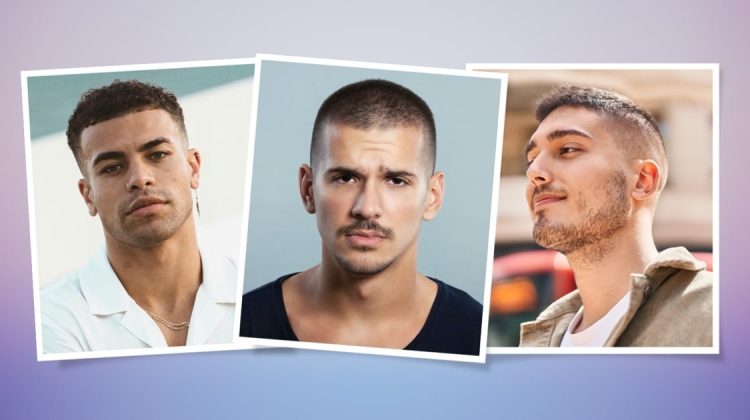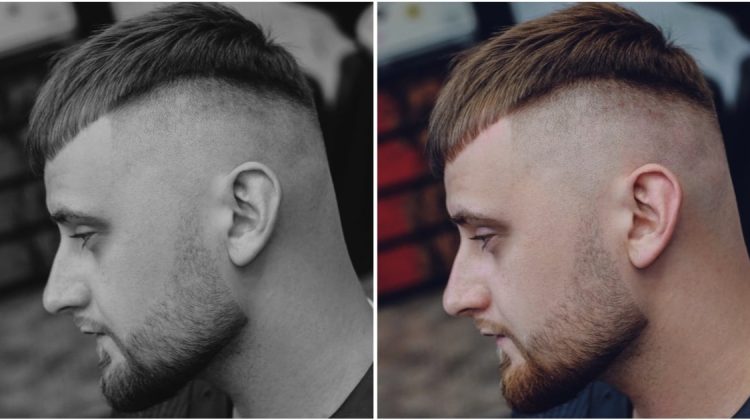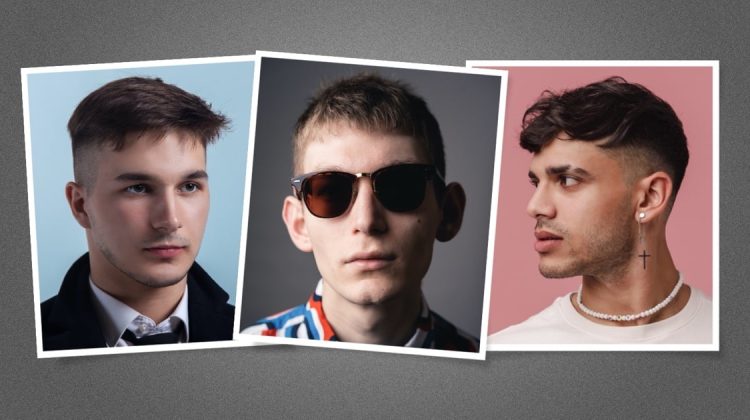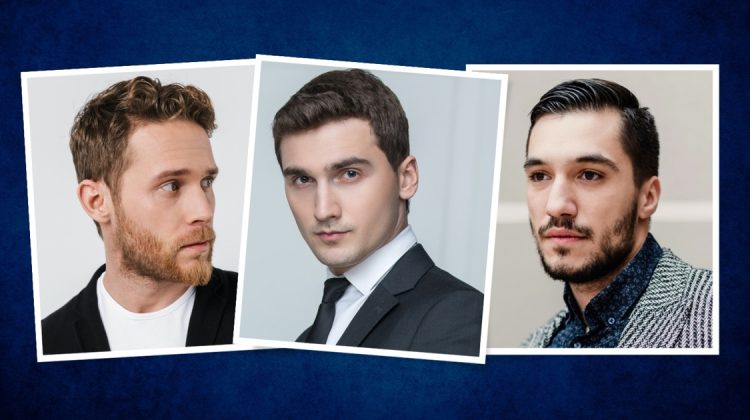
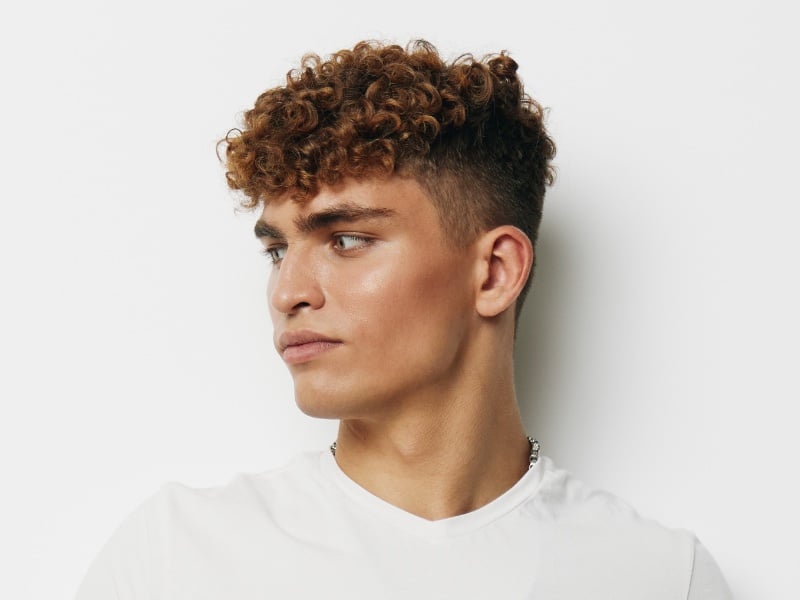
A curly French crop is a French crop adapted to curly hair. Closely cut sides set off a fuller top, where the curls fall forward to form a fringe. Their natural shape supplies much of the texture, so daily styling can be minimal.
What Is a Curly French Crop?
The top stays full and rounded, with individual curls reaching toward the forehead. Against the shorter sides, that soft, irregular fringe gives the curly French crop its distinctive silhouette.
Instead of cutting a straight fringe across the brow, the barber shapes individual curls, often on dry hair, to judge where each one settles. Keeping some length at the crown prevents the back of the top from appearing flat.
A gentle taper keeps the sides close while allowing the curls to overhang slightly, almost like an undercut. A mid or high drop fade creates a more pronounced separation. The French crop fade explores those variations.

Which Curls Work Best
Loose ringlets and tighter coils both lend themselves to the rounded top, provided there is enough density to maintain its shape. Waves can work too, though they may need styling product to stay directed toward the forehead. Curl patterns are covered in curly hair types, with additional options among haircuts for curly hair.
How to Style a Curly French Crop
Work curl cream through damp hair, guide the front forward with the fingers, then air-dry or use a diffuser. A light scrunch or refresh spray can revive flattened curls the next morning. A gentle, sulfate-free shampoo helps prevent dryness.
How It Grows Out
A trim every three to five weeks generally keeps the taper neat and the fringe at its intended length.
As the curls grow, the fringe sits lower and the rounded top develops more drape. The sides lose their close-cut definition first, while the longer curls can continue to fall naturally across the forehead. The haircut gradually becomes fuller and less sharply outlined.