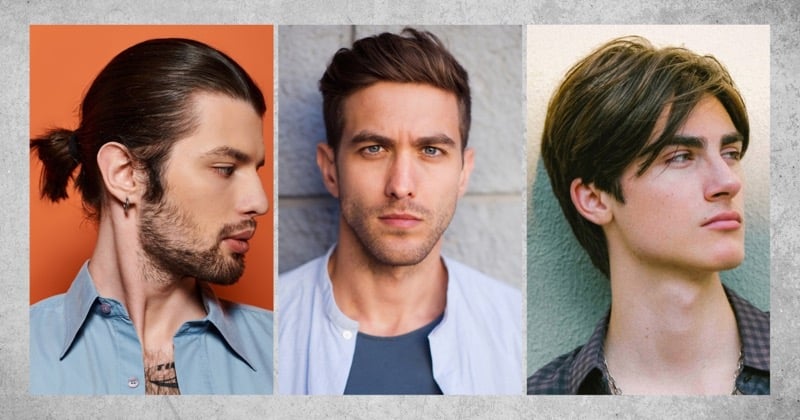
Haircuts for men with straight hair make the direction of each section easy to see. A blunt fringe draws a line across the forehead, a side part divides the top and longer layers let the ends fall at different heights. Choosing among these men's haircuts also means accounting for density and growth direction, which determine whether the hair lies close or pushes outward.
What to Know About Straight Hair
Straight hair has little natural bend, so the perimeter of a cut and the tracks of a comb remain visible. A blunt edge emphasizes that continuous surface; texturizing separates it into smaller sections. Straight describes the strand's shape, not its thickness or density. Fine strands can lie flat, while coarse strands may project outward when cut short.
Length changes that behavior. A longer top may settle against the scalp, while short sides can stand out until they gain enough weight to lie down. Fine hair needs careful layering because removing too much can leave the ends sparse. Oil and heavy styling products can also make strands clump together, exposing more scalp between them.
Haircuts for Men with Straight Hair
Short cuts emphasize the outline, medium lengths allow lift or a sweeping fringe and long hair makes the fall of the ends more apparent.
Crew Cut
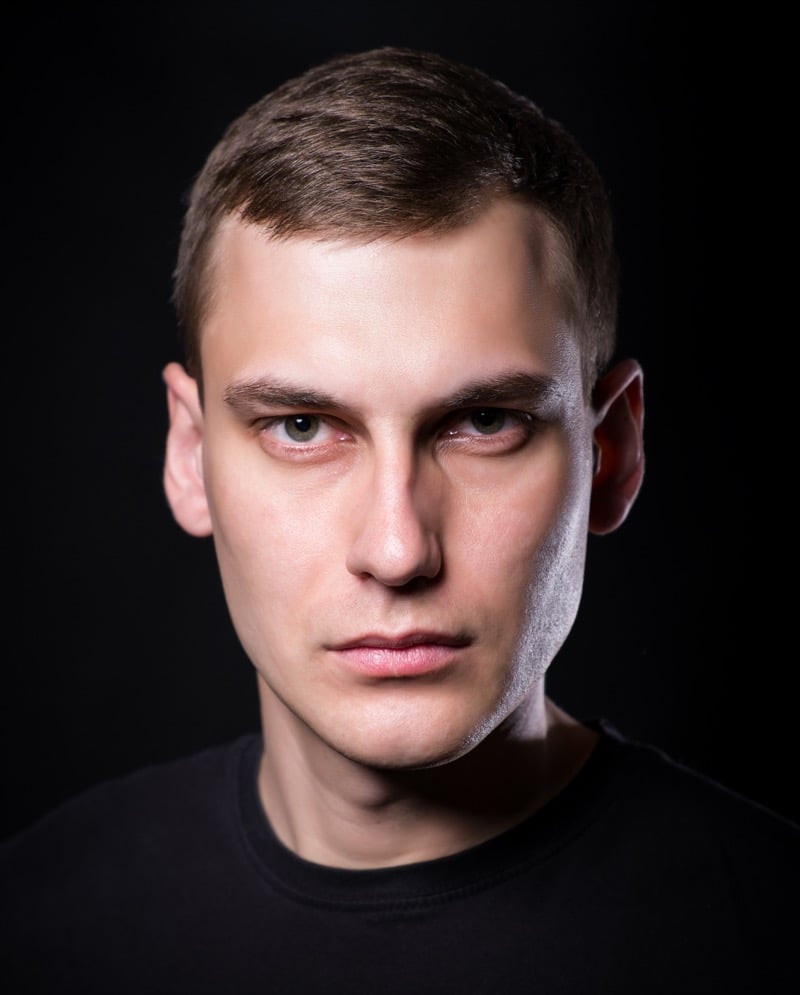
The crew cut leaves its greatest length at the front and shortens toward the crown, above closely clipped sides. On straight hair, the front can form a small upright brush. A longer version permits a sideways sweep, though a forward-growing hairline may need drying into that direction.
Quiff

Height gathers above the forehead in the quiff, then bends back toward the top. Straight strands make the lifted front distinct from the shorter sides. Drying the roots upward establishes the rise; the amount of hold needed depends on how readily the front drops back down.
Buzz Cut
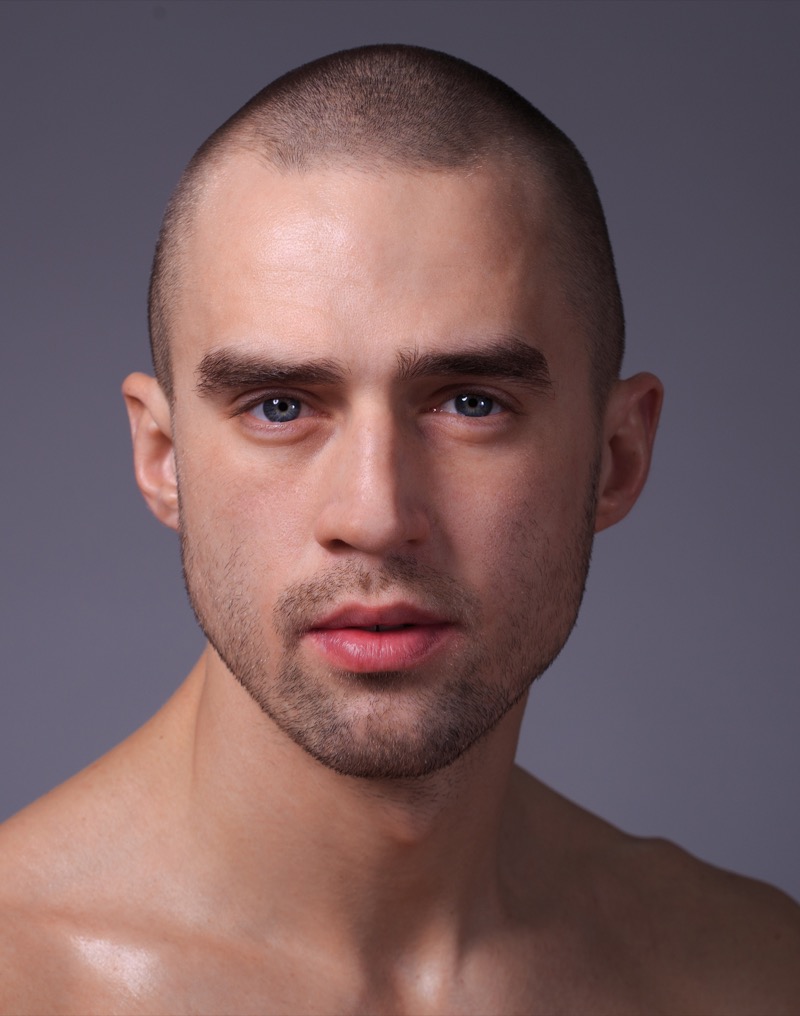
An even buzz cut follows the scalp closely, removing the length needed for a part or fringe. Density and hair color affect how much scalp shows through, even at the same clipper setting. Little daily styling is required, but regrowth soon changes the outline around the ears.
Textured Crop
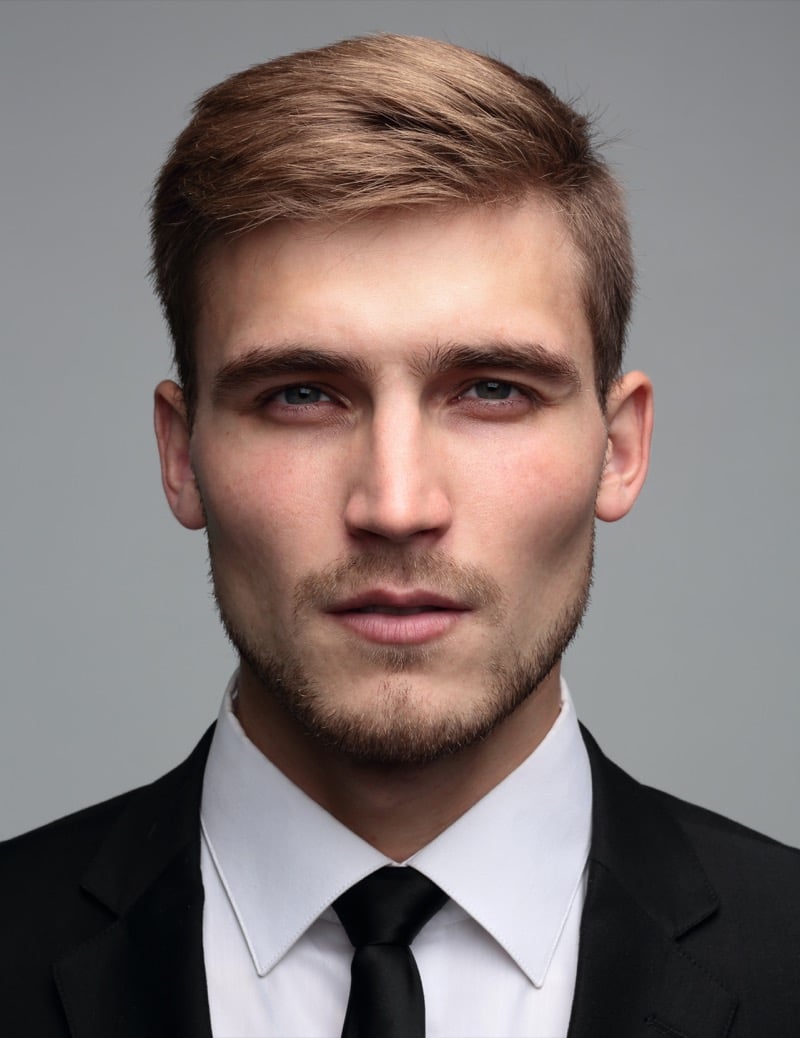
Short, uneven sections give the textured crop a broken surface above closer sides. On straight hair, the ends separate into visible points instead of falling as one smooth sheet. Texturizing should suit the density, since aggressive thinning can make fine hair look sparse instead of fuller.
Layered Haircut
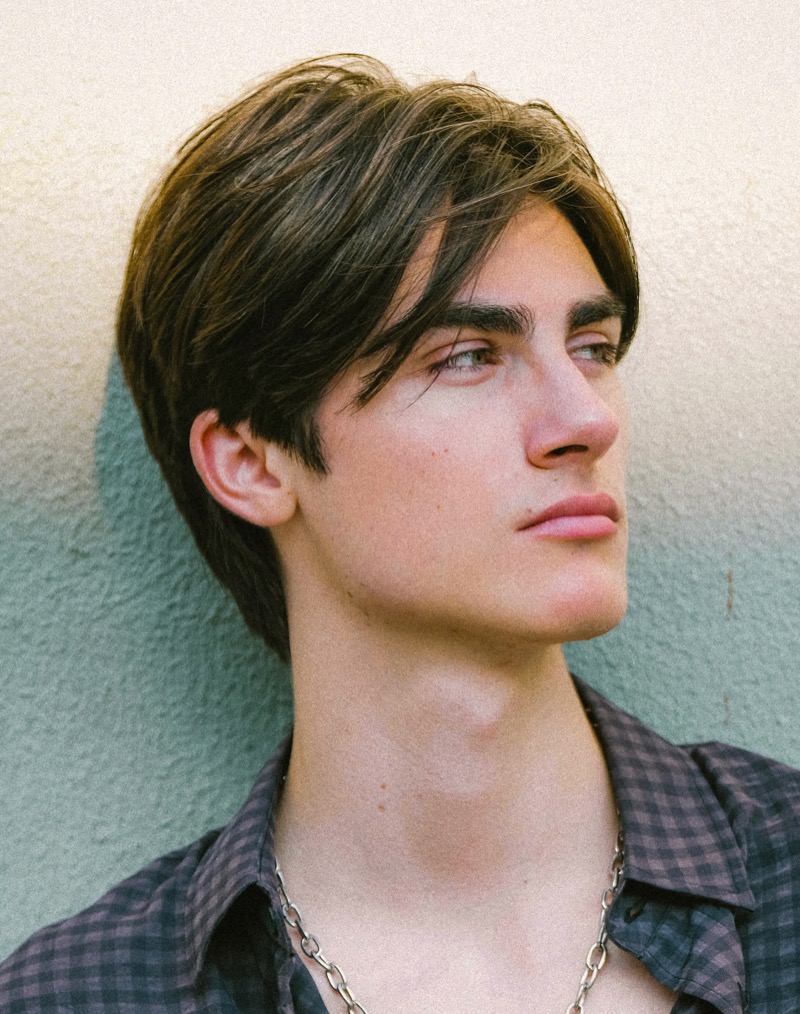
Layers let shorter sections rest above longer ones, changing where straight hair carries its weight. At medium length, the ends can turn away from the cheeks or fall in separate pieces around the ears. Among medium-length haircuts, this approach can reduce bulk in dense hair, while finer hair benefits from keeping more fullness at the perimeter.
French Crop
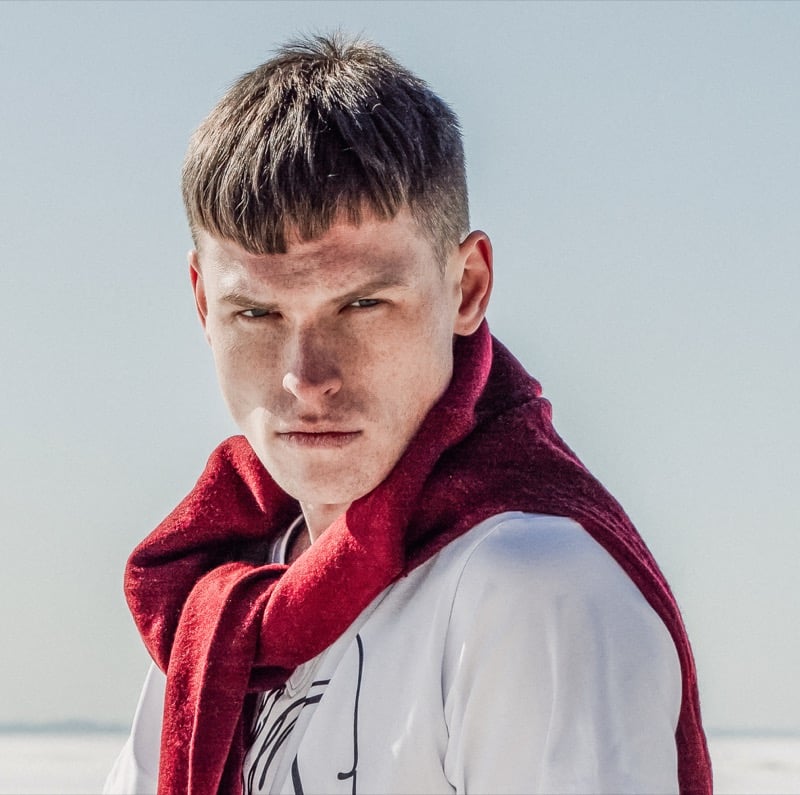
The French crop carries the top forward into a short fringe above closely cut sides. Straight hair makes the fringe line particularly visible, whether the edge is blunt or lightly broken up. A cowlick at the front can interrupt that line, so its direction matters when choosing the length.
Comb Over

A longer top sweeps across the scalp in a comb over, leaving the part visible on one side. Straight strands show the comb's path, and brushing the roots upward gives the sweep a fuller profile. Too much product can pull the top down, turning a raised curve into a flatter shape.
Angular Fringe
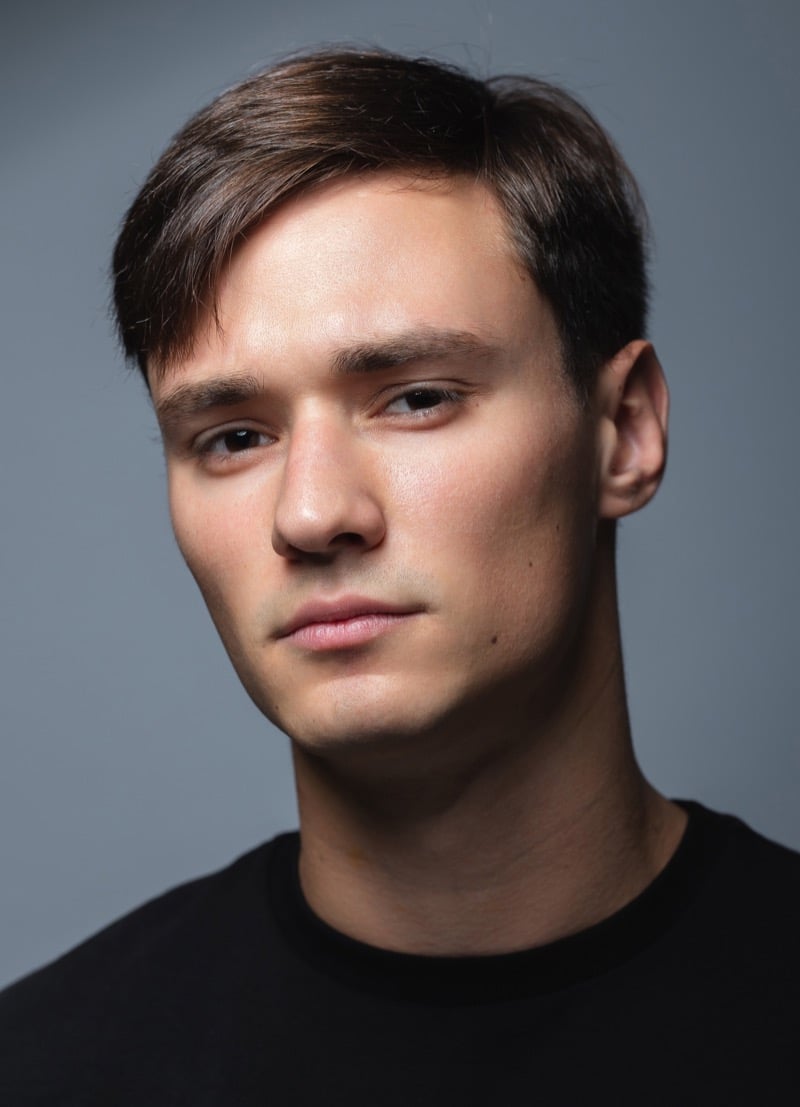
An angular fringe sends a long fringe diagonally across the forehead, with the ends reaching lower on one side. The slope is especially legible on straight strands. Its longest point needs attention as it grows, particularly if it starts falling into the eye.
Undercut
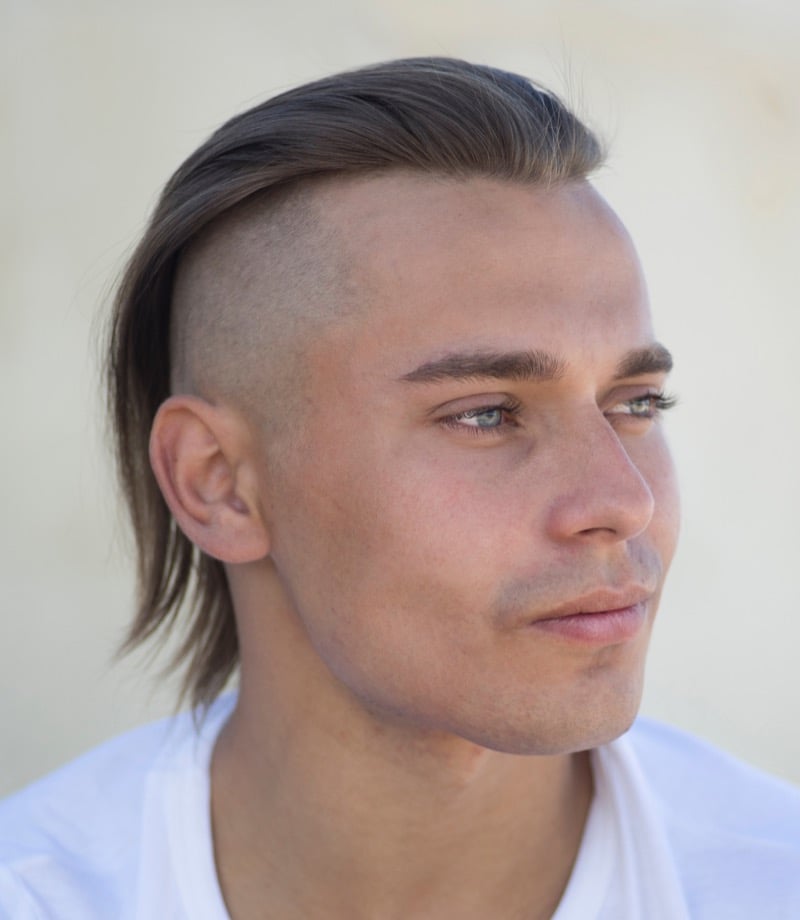
The undercut separates a long top from closely clipped sides through an abrupt change in length. Straight hair exposes that junction when brushed back, or hangs over it when swept sideways. Leaving enough weight at the top's edges helps the longer sections fall past the short sides.
Long Straight Hair
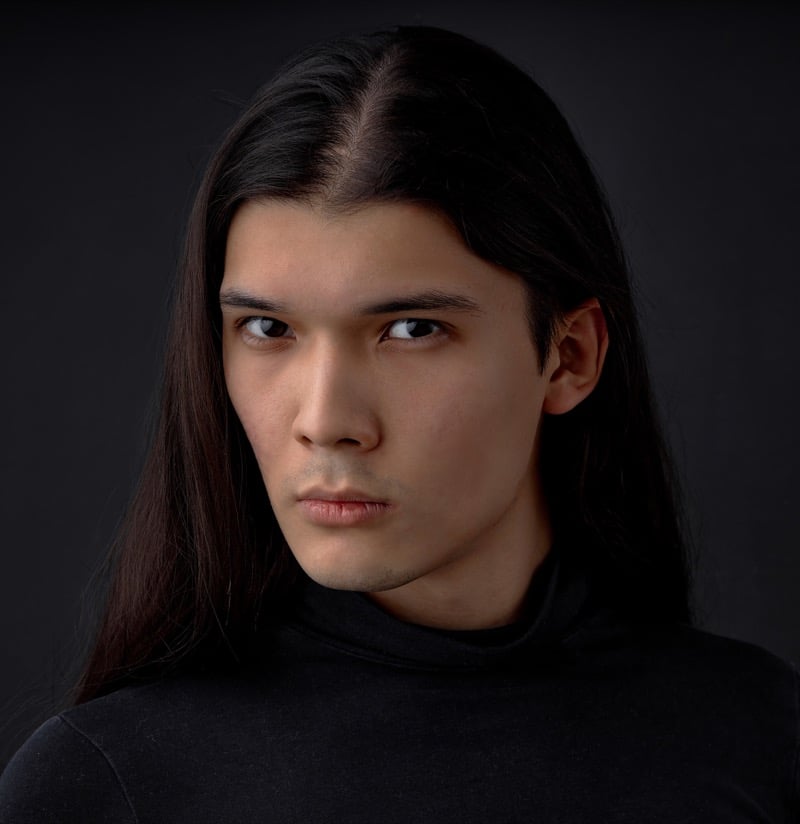
Past the shoulders, straight hair hangs in a continuous sheet when the ends are cut to one length. Light layers can reduce bulk or let the front fall separately, though fine ends may look fuller with less layering. These long hairstyles do not automatically need a flat iron; smoothing products and heat styling depend on the desired finish.
Two Block Cut
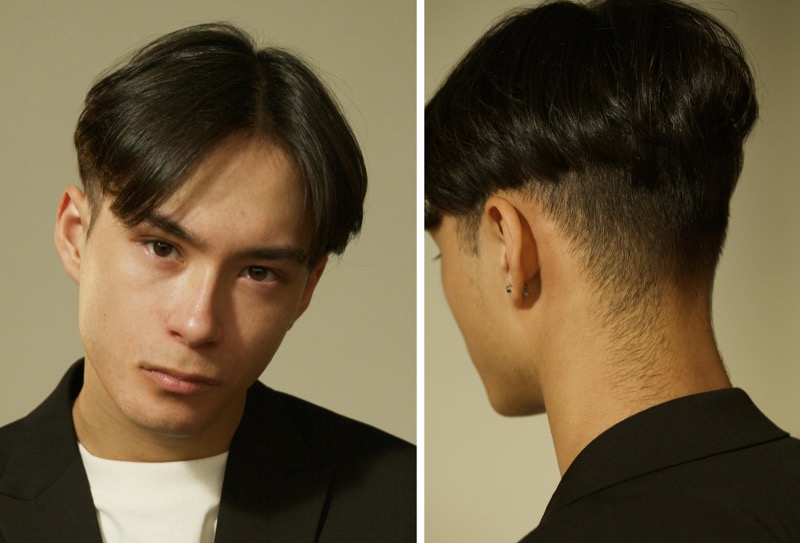
The two block cut leaves a longer upper section that overlaps short sides and back. Its overhanging edge distinguishes the rounded top from the clipped lower section, an approach associated with Korean hairstyling. Straight hair makes the division visible, especially around the ears, where the longer ends can cover part of the shorter hair.
High & Tight
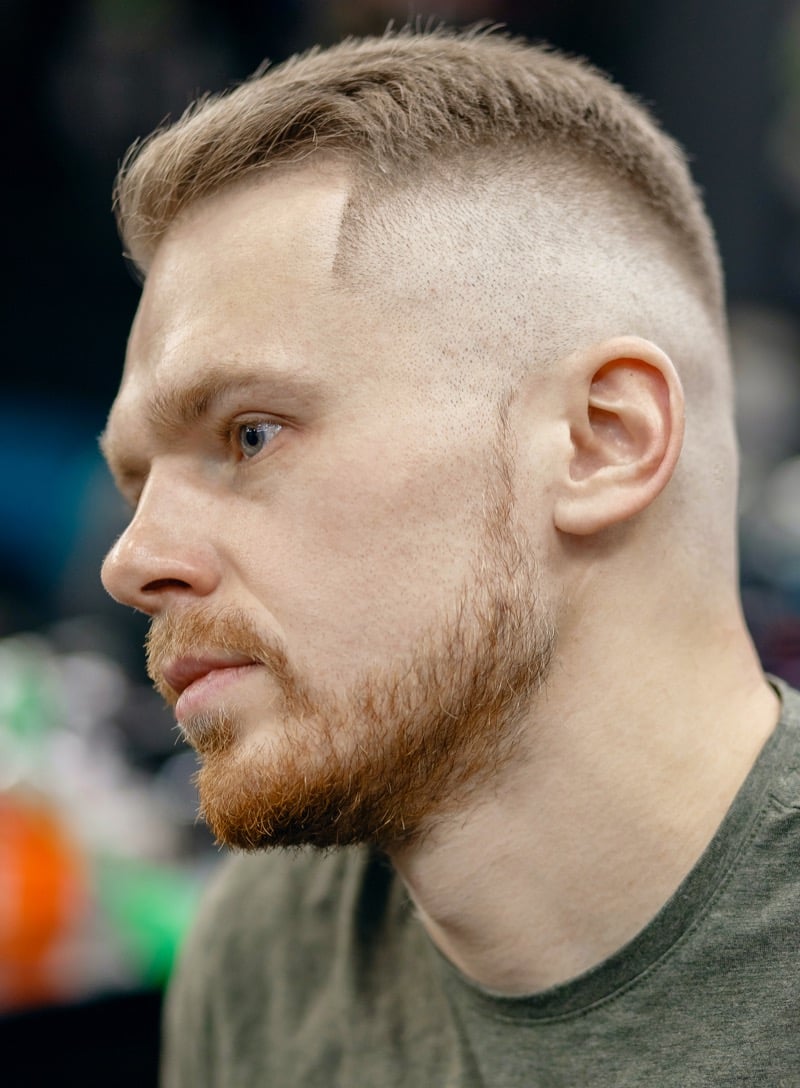
The high and tight clips the sides close high up the head, leaving a compact area of longer hair on top. A drop fade curves lower behind the ear in this version. Short straight strands can stand upright above that close graduation, making the top's outline visible in profile.
Man Bun
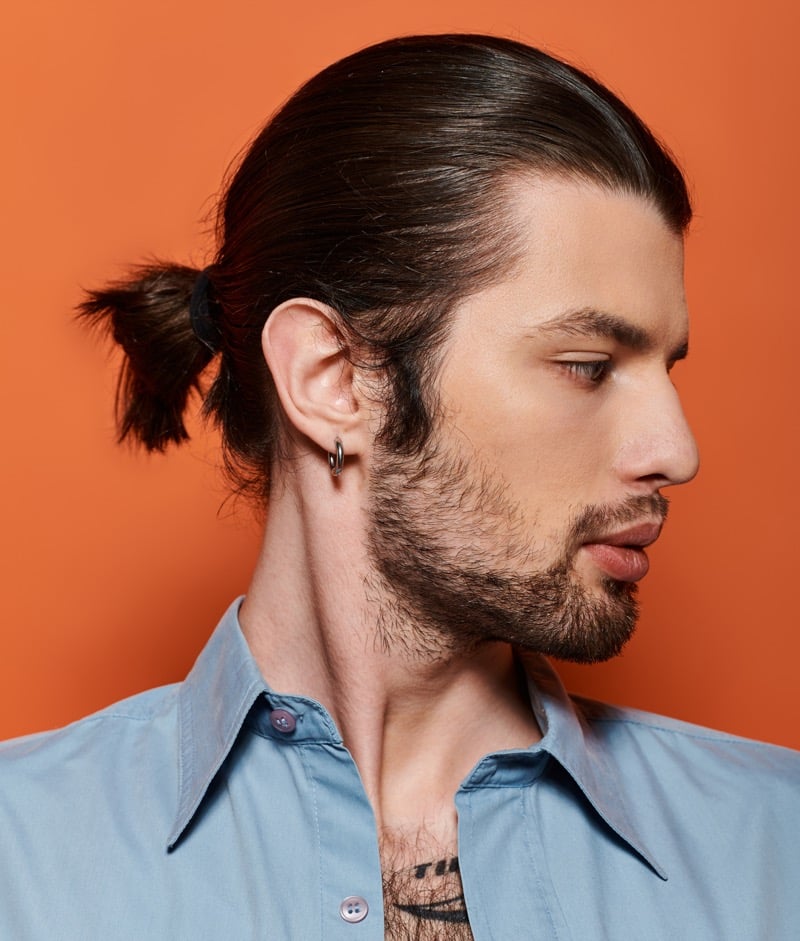
The man bun folds long hair into a knot at the crown or back of the head. On straight hair, the gathered lengths reveal the direction of the strands from hairline to tie. Shorter front pieces may slip free, so the bun's position should suit the length available. Secure it gently with a snag-free tie.
Side Part
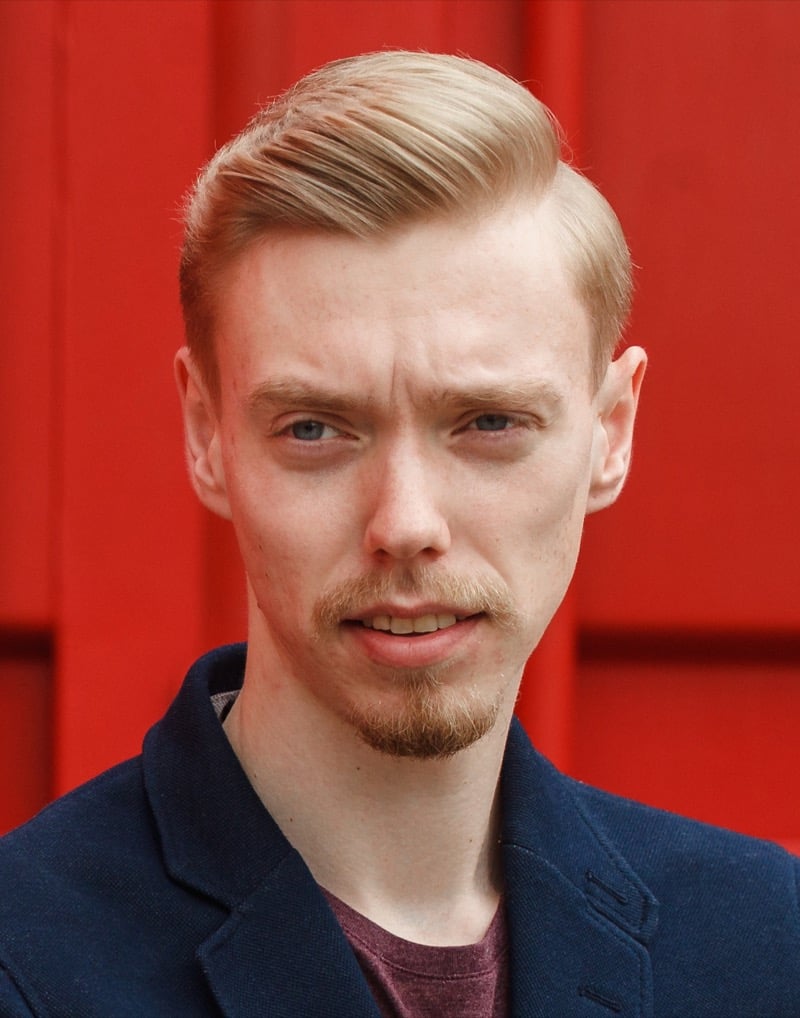
A visible division directs the longer side of the side part across the top, with the shorter side combed away from it. Following the natural separation can reduce the work needed to keep it open. Straight hair reveals stray strands crossing the line, particularly as the front grows longer.
Caesar Cut
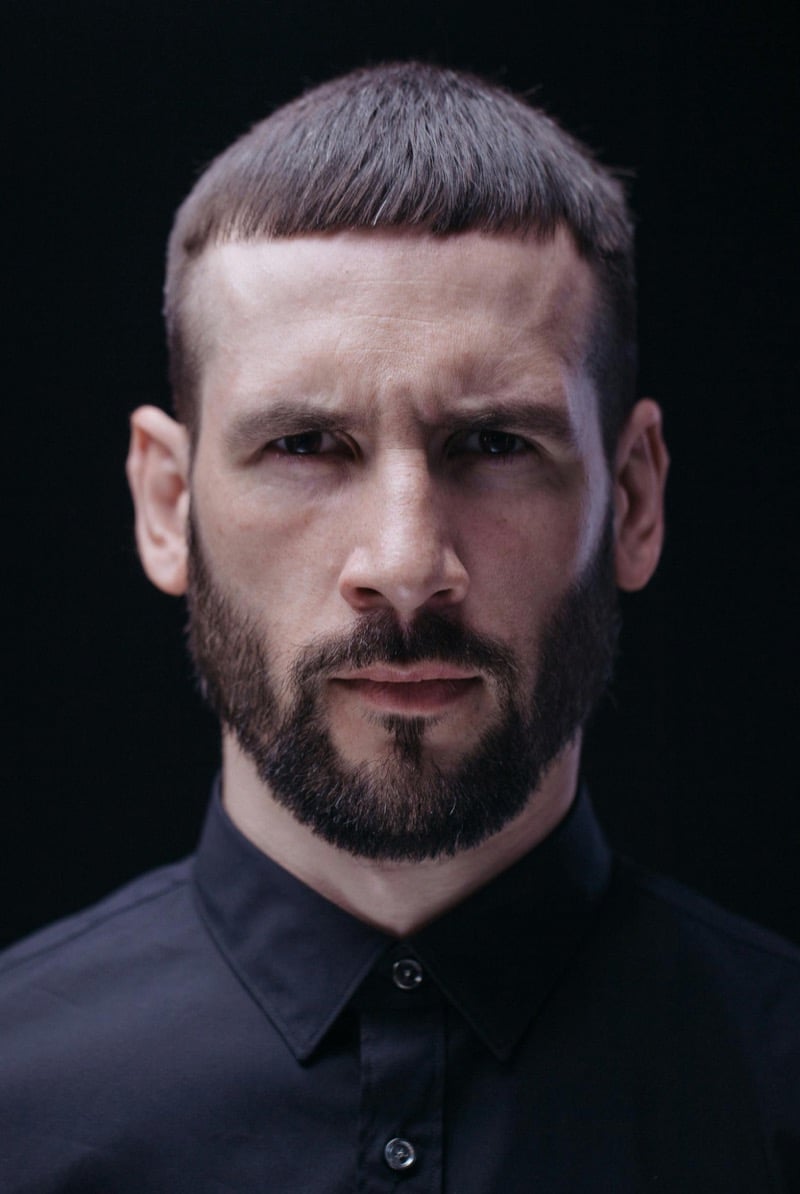
The Caesar cut brushes short hair forward into a small fringe across the forehead. Its low profile leaves less length to lift than a quiff or pompadour. On straight hair, the front edge is easy to see, so an even line or deliberately softened ends will give noticeably different finishes.
Layered Waves
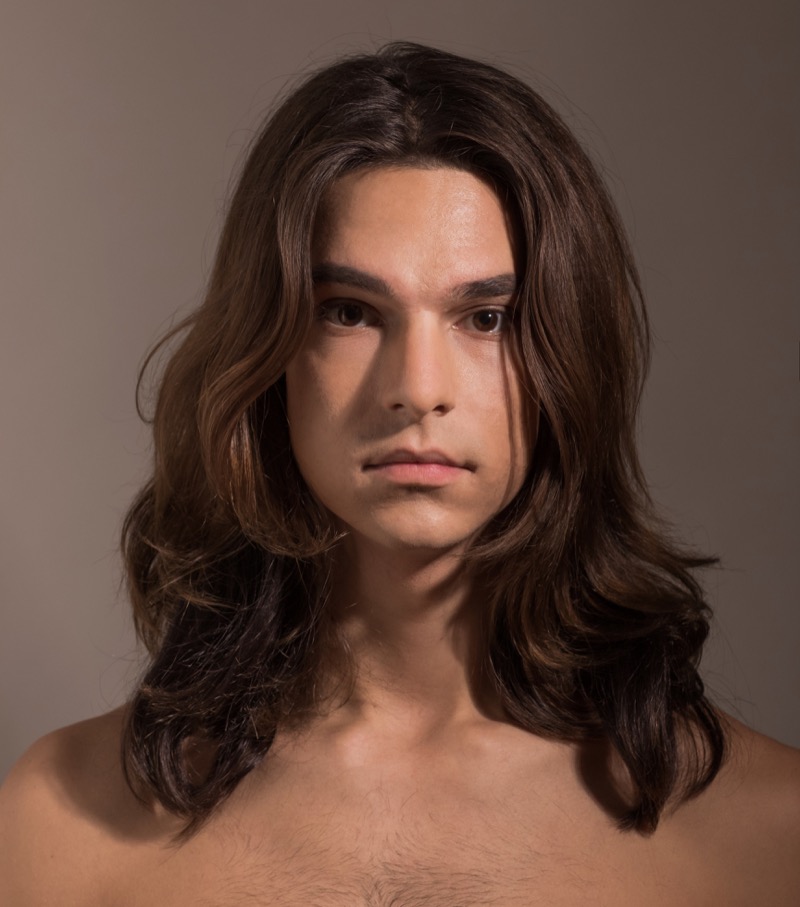
Layered waves introduce bends between the roots and ends, separating straight lengths into looser sections. Layers can help reveal a slight natural bend, but they do not create a wave pattern by themselves. Sea salt spray may add grip and separation; pin-straight hair can require styling with a brush or heat to form the curves.
Pompadour

The pompadour carries a fuller mass of hair up from the forehead and back toward the crown. Straight strands make its rounded surface and comb lines visible above the short sides. Drying establishes the shape, but its staying power depends on length, density and styling technique, as well as product.
Fringe Mullet

A fringe mullet puts a short, textured front above the forehead while the back extends toward the neck. Straight hair makes the difference between those lengths particularly apparent in profile. Breaking up the fringe's ends keeps the front separate from the longer strands at the nape.
Spiky Hair
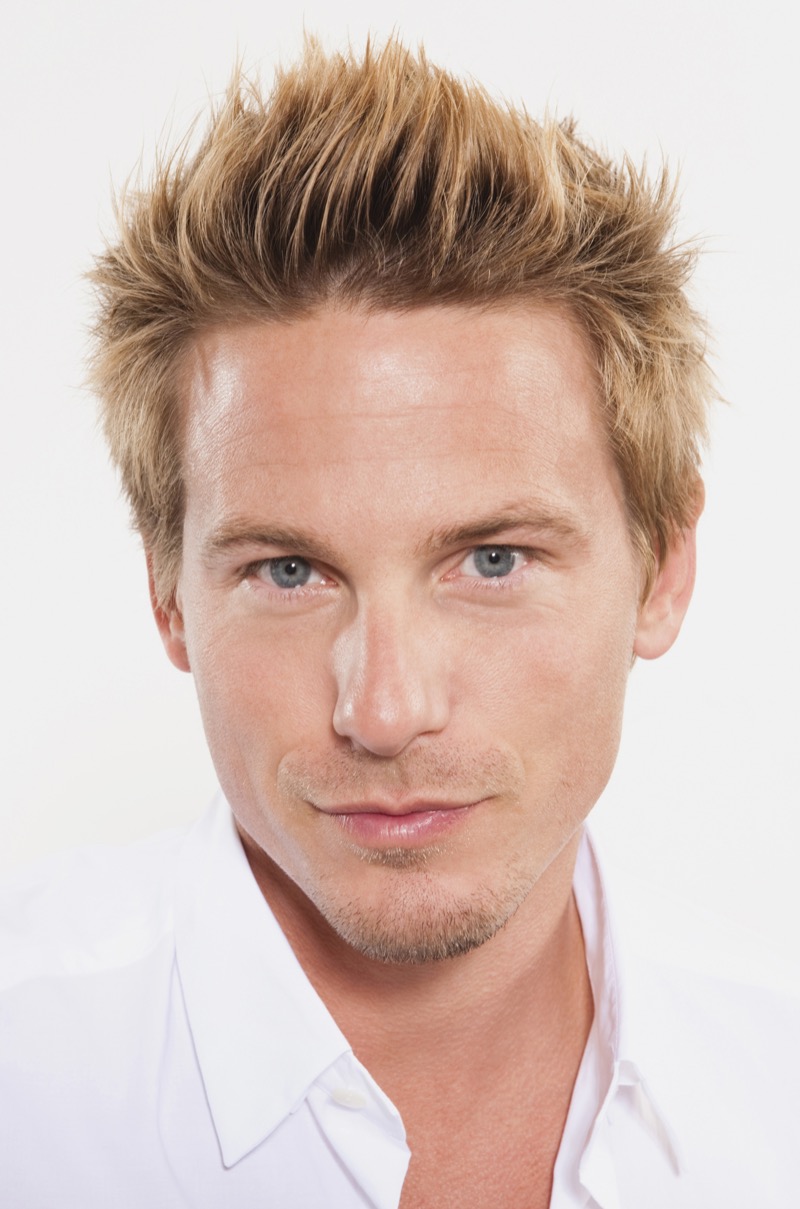
Spiky hair separates the top into upright points above shorter sides. Short, coarse straight strands may rise readily, while longer or finer sections can droop under excess product. Work a small amount through the top, then pinch selected tips together so the spikes remain distinct.
Hard Part

A shaved line widens the visible part in a hard part, creating a pale channel between sections of hair. Straight strands combed away from the channel emphasize its edges. New stubble soon fills the line, so keeping that detail clearly defined requires more frequent attention than a natural part.
Middle Part
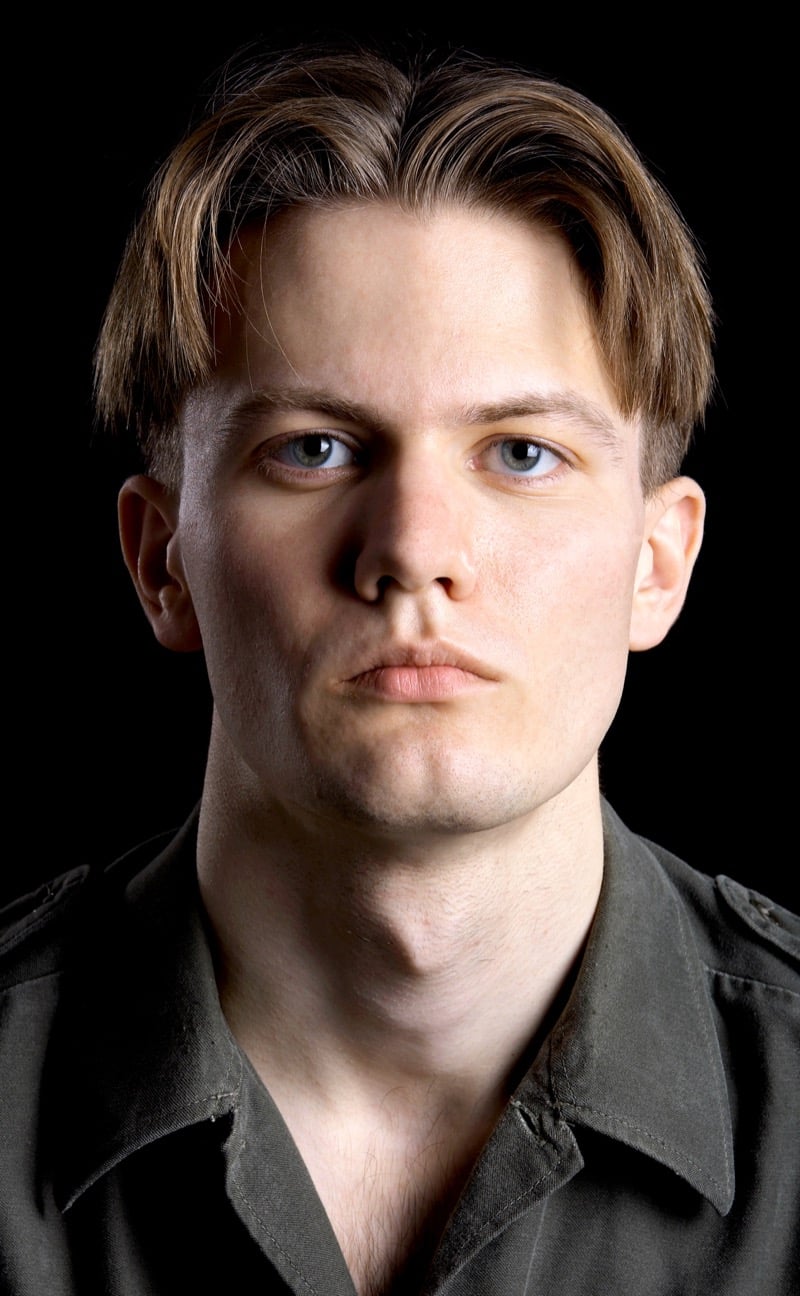
The middle part divides the top near the center, letting the front fall to either side of the forehead. Straight hair makes the lengths beside the cheeks easy to compare, though a cowlick can lift one side higher. Longer front sections can drape into curtain haircuts, with the ends turning outward or falling close to the face.
Slick Back
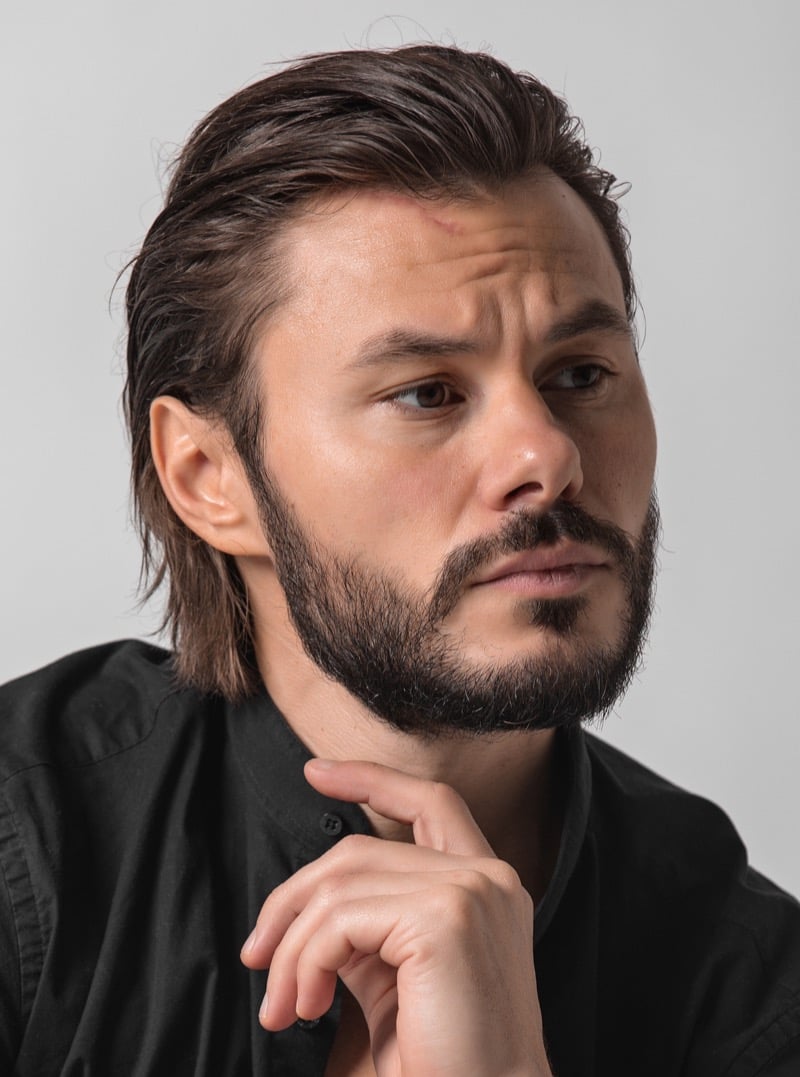
The slick back sends the top away from the forehead in one backward sweep. Straight hair shows the comb lines clearly, but it still needs enough length to bend back at the hairline and crown. Shorter pieces that spring forward may need drying into place before applying a finishing product.
How to Style Straight Hair
For lift, direct the dryer toward the roots while raising the hair with fingers or a brush. Focus on the section that needs height, such as the front of a quiff, instead of lifting the whole top. A small amount of mousse or texturizing spray before drying may help, depending on the hair's density and the product's weight.
Choose hair products for men by the finish and amount of hold required. Paste or clay can separate a crop's ends, while pomade or gel can keep comb lines together. Matte does not necessarily mean lightweight. On fine hair, start with a small amount to avoid collapsing the shape or clumping the strands.
Book a trim when the cut's defining feature starts to change. A shaved part fills with stubble, a blunt fringe grows toward the eyebrows and short sides become fuller around the ears. Longer layers can retain their shape between visits, though uneven or worn ends may need attention sooner.





