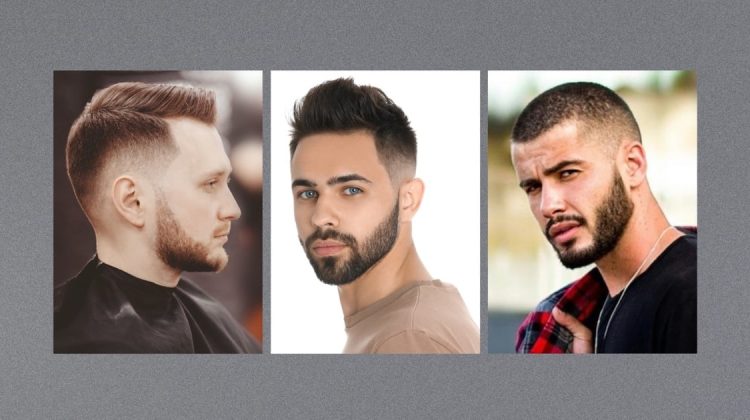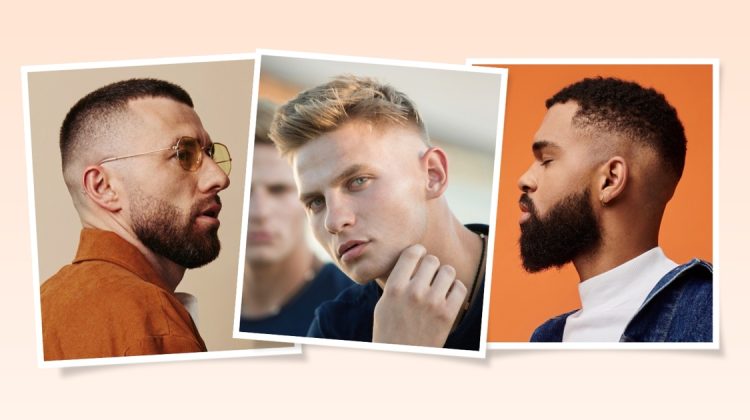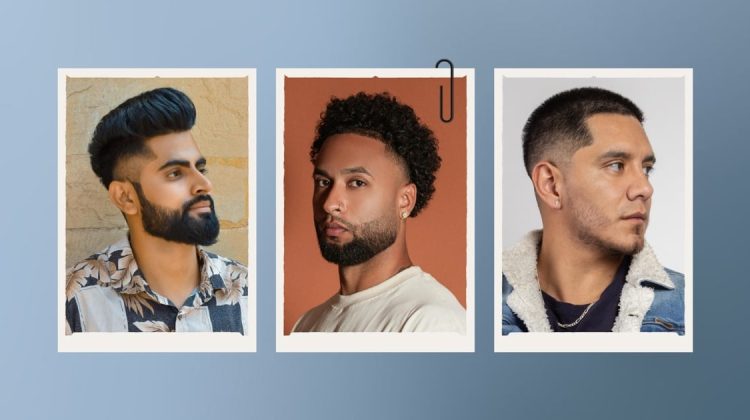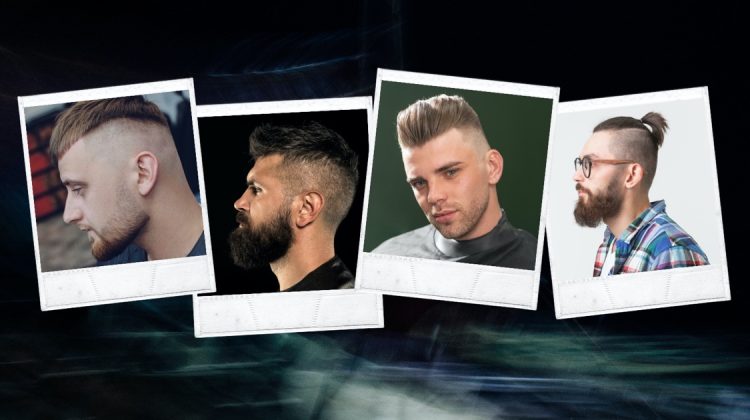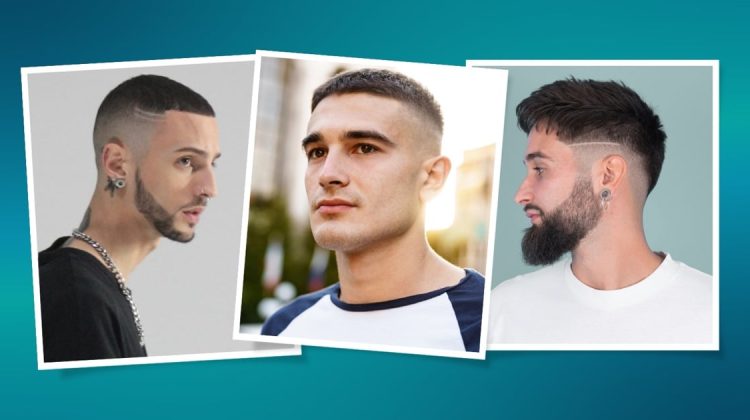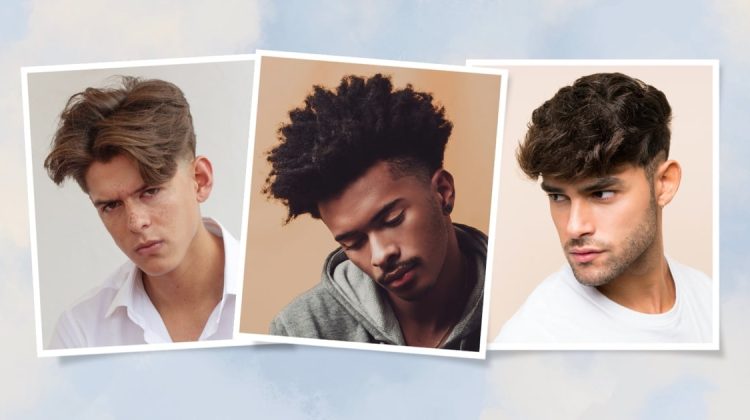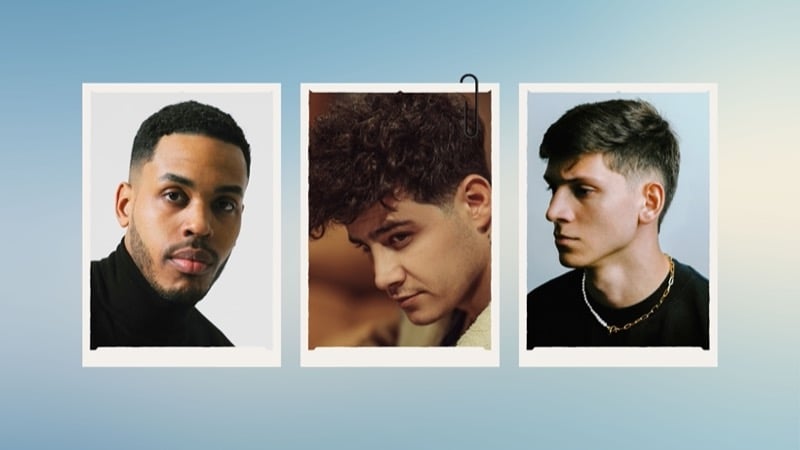
A low taper fade shortens the hair only around the sideburns and the nape, so the sides keep most of their length and the blend sits close to the ears and neckline. The limited area of the fade makes it compatible with a wide range of styles on top.
A French crop, short afro, buzz cut, or pompadour can each take on a different character with a low taper. The difference comes down to how much hair is kept through the sides and how closely the edges are cut.
What Is a Low Taper Fade?
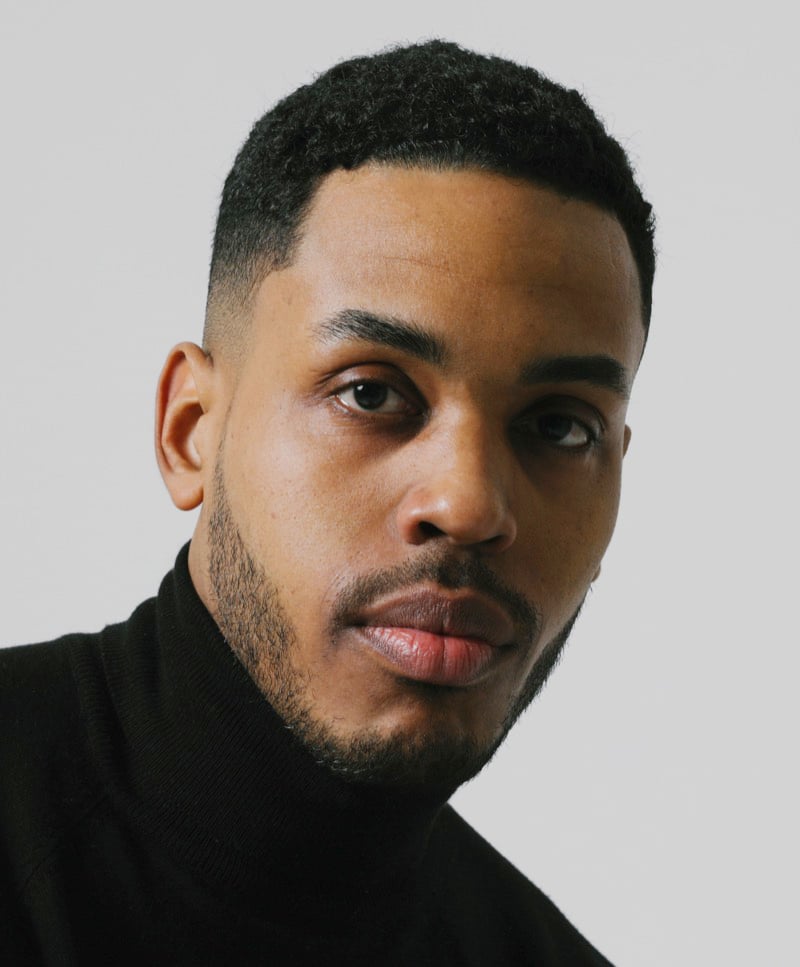
The barber leaves the sides at your normal length, then works only on the corners: the sideburns and the nape. Each area is taken down in steps, usually from a #2 or #1 guard to a 0.5 and then to bare clippers or skin, with the guard changes blended so no line shows. The hairline around the ear and at the back of the neck is then cleaned up with a trimmer.
Because so little hair comes off, the cut is quick and grows out softly. The finish depends on three choices:
- How short the bottom goes. Skin for a crisp finish, or a short guard for something softer.
- How far up it blends. A low taper stays at the ear and neckline. Start higher and it becomes a mid taper or high taper fade.
- Whether it’s scissor- or clipper-cut. A scissor-cut taper looks the most natural.
Low Taper vs. Low Fade
The names overlap, and barbers don’t always use them the same way. As a rule of thumb:
- A low fade takes the whole lower band of the sides and back short, in a line that runs right around the head just above the ears.
- A low taper fade only fades the corners (sideburns and nape). The hair above the ear and across the back stays longer.
If you want the sides to look full and the cut to grow out gently, ask for the taper. If you want more visible contrast, a low fade is the better fit.
Low Taper Fade Hairstyles
A low taper preserves length through the sides, allowing the hairstyle on top to determine the overall silhouette.
French Crop
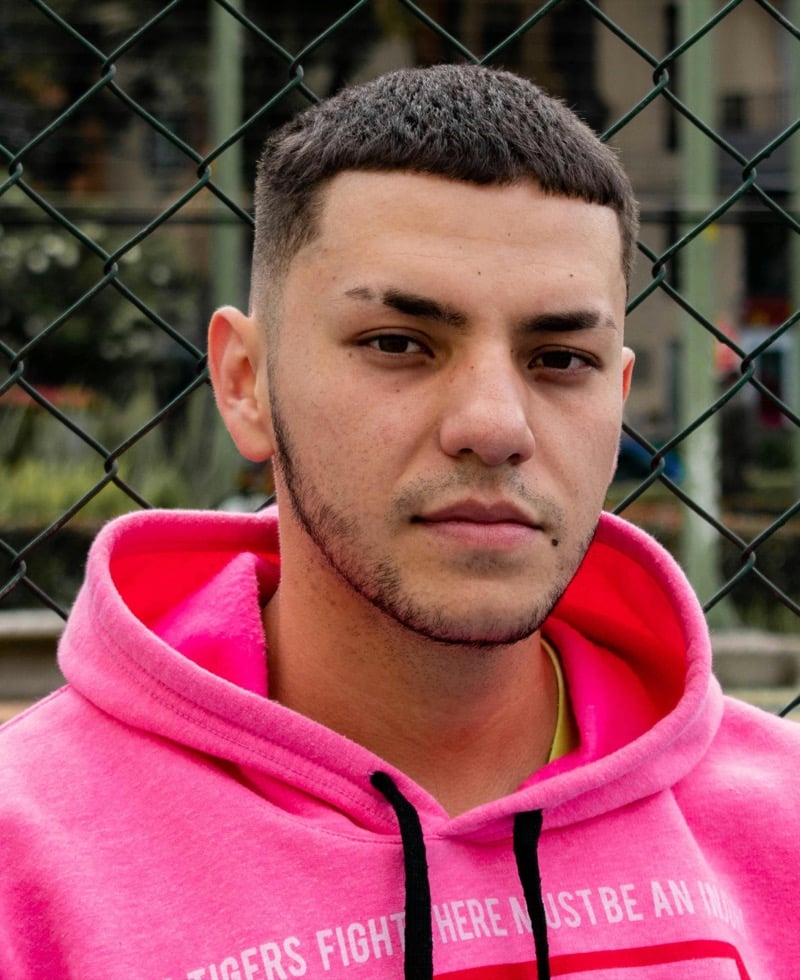
The French crop is short on top with a blunt or textured fringe that falls forward onto the forehead. It suits thick, straight or slightly wavy hair, and takes almost no styling.
A low taper keeps the outline tidy without stripping the sides, so the crop holds its shape as it grows. Ask for texture through the fringe if you want the messier, broken-up look associated with a textured fringe.
Buzz Cut
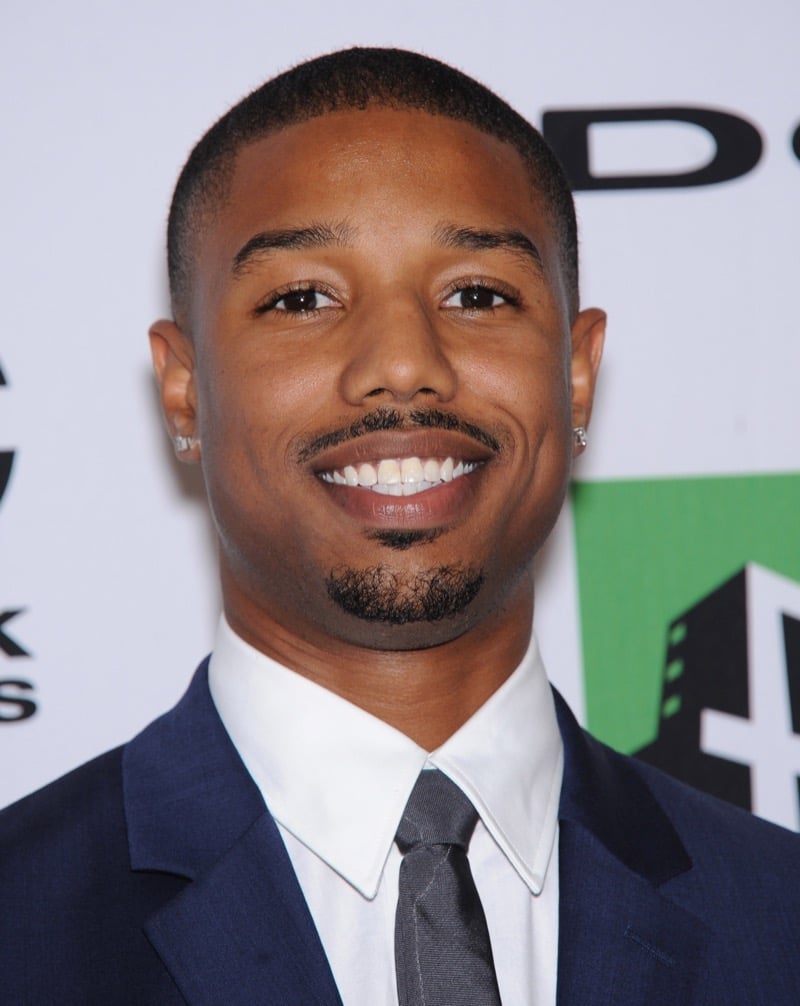
A plain buzz cut is one guard all over. A low taper fade buzz cut takes the sideburns and nape a few guards shorter, which makes the whole head look sharper with very little change.
It’s one of the lowest-effort cuts you can have. There’s nothing to style, and the taper softens the regrowth line, so you can usually go three to four weeks between cuts. It’s a good option if you like short haircuts but find a straight buzz too flat.
Curly Top
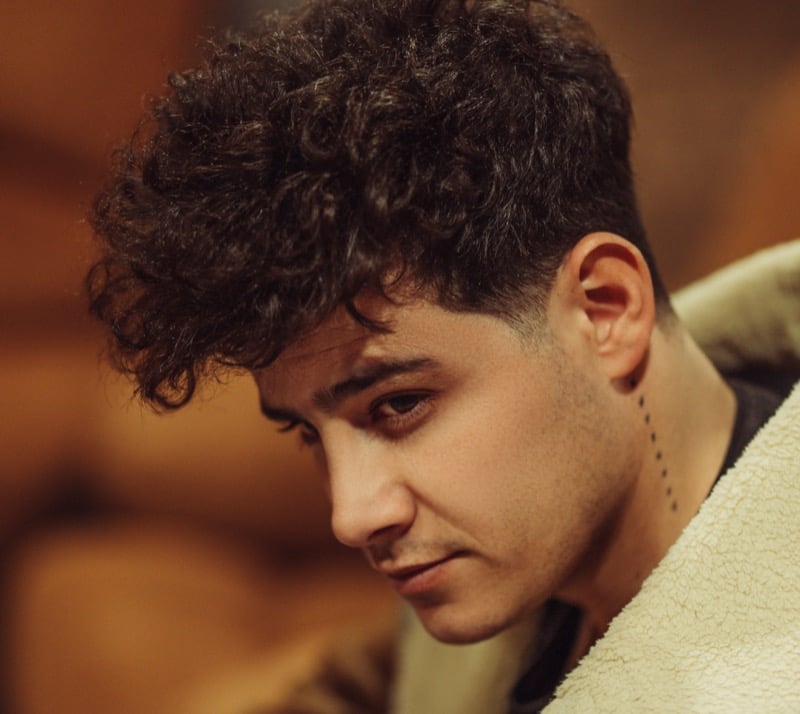
A low taper fade on curly hair is one of the most popular versions of the cut, because the curls retain their volume and width while the tapered edges define the outline as the hair grows.
Ask your barber to leave enough length at the front for the curls to fall onto the forehead if you want a curly fringe. For styling, a curl cream or leave-in conditioner on damp hair is usually enough. Skip heavy gels, which flatten the curls. See more curly hairstyles for ideas on the top.
Quiff

The quiff needs length at the front, usually two to four inches, swept up and back. A higher fade can make it look top-heavy. A low taper keeps some weight at the sides, and supports the height at the front.
Blow-dry the front upward with a round brush, then finish with a matte paste or clay. This also works well with straight hair, which holds a quiff’s shape more easily than very fine or very curly hair.
Short Afro
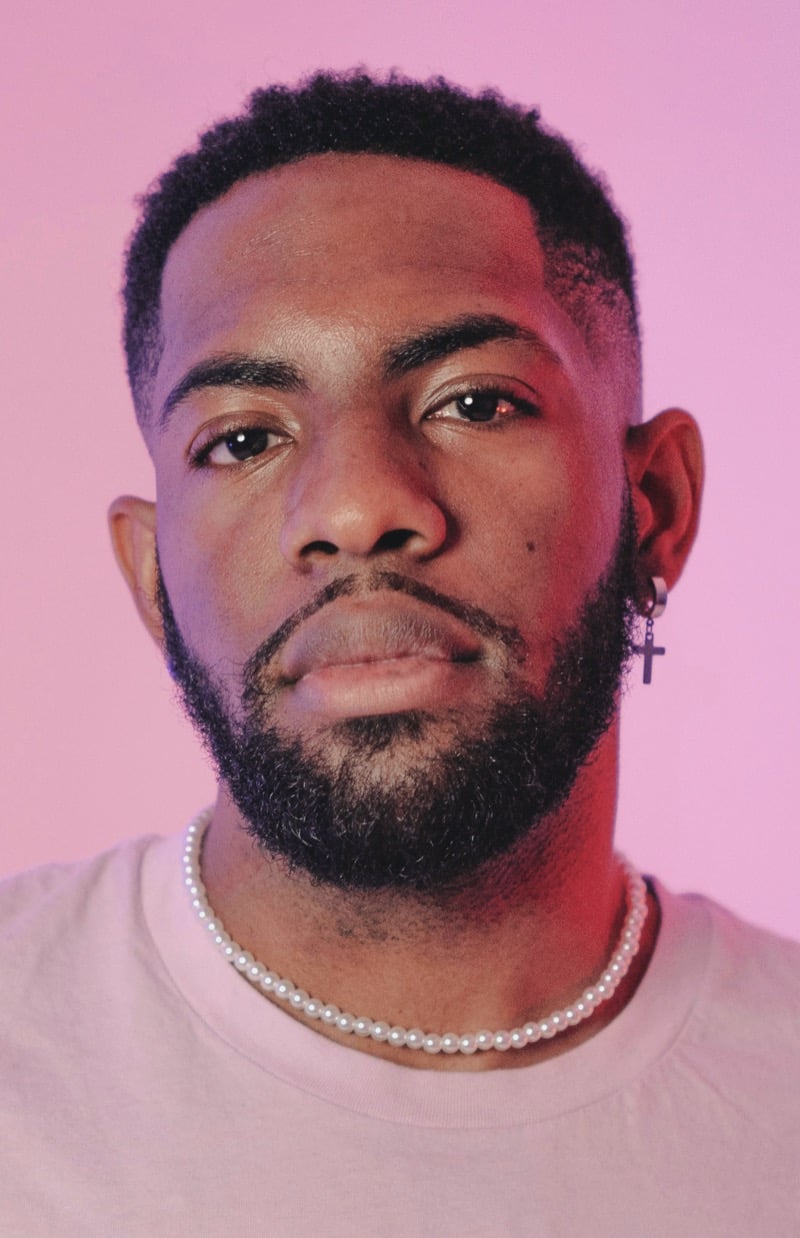
A low taper fade on a short afro shapes the hair around the ears and neck without cutting into the rounded outline. The rounded shape of the afro remains prominent, with a closer finish at the edges.
Ask for a line-up at the hairline if you want sharper edges. A taper on very tight curls can show regrowth after two weeks or so, so plan regular touch-ups if you like it crisp.
Pompadour

The pompadour sweeps the front hair upward and back, with volume concentrated above the forehead. A low taper keeps the sides smooth under it, which suits a more classic pompadour better than the hard contrast of a high skin fade.
You’ll need a trim every three to four weeks to keep the front in proportion. A pomade gives the shine of a traditional pomp, while a matte clay looks more modern.
Scissor Cut
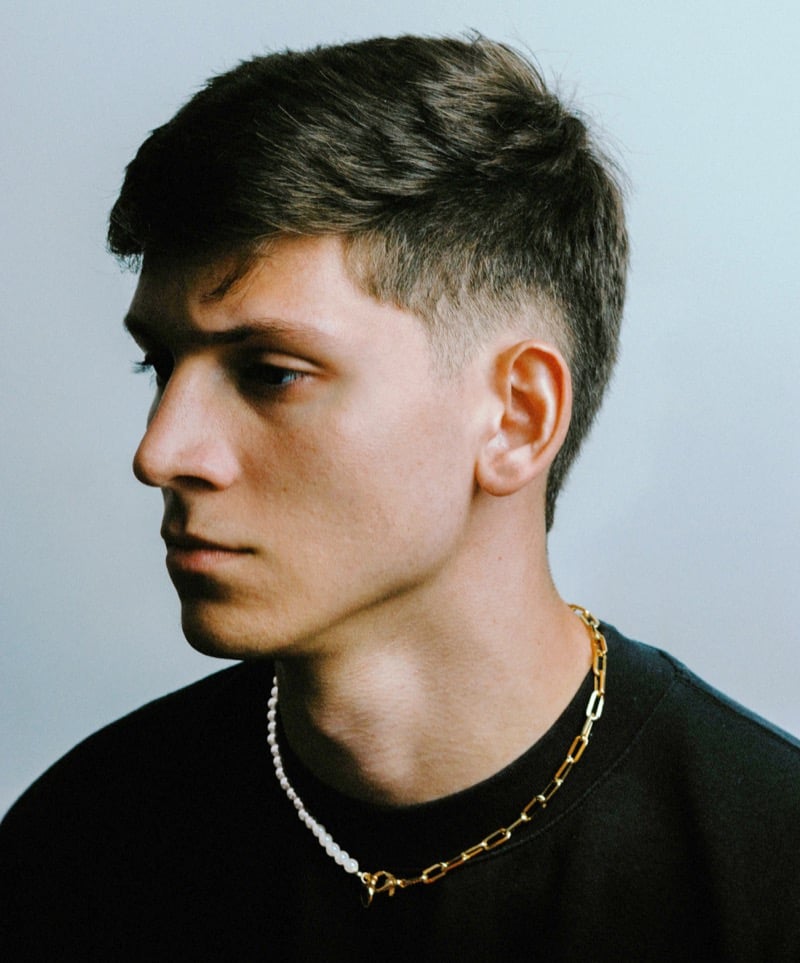
A scissor cut is cut mostly or entirely with scissors rather than clippers, so the sides stay soft and natural. Adding a low taper at the neckline and sideburns gives it a clean finish without the obvious lines of a clipper fade.
This version suits longer, layered hair and men who want a cut that looks grown in rather than freshly done. The effect is especially subtle when the sides are shaped with scissors.
How to Ask for a Low Taper Fade
Say "low taper fade" and point to the sideburns and nape, which is where you want the blend. Then add:
- How short at the bottom. Down to skin, or a short guard such as a 0.5 or 1 for a softer finish.
- What stays on the sides. Tell your barber to keep length above the ears, otherwise you may end up with a full low fade.
- What you want on top. Name the style (crop, quiff, curls), or bring a photo.
Expect to go back every three to four weeks. A low taper grows out more gracefully than higher fades, so you can stretch it a little longer if you’re willing to look less sharp in the final week.
If you want more contrast, the mid taper fade and high taper fade start the blend higher up the side of the head. For the full range of options, see our guide to the types of fade haircuts.