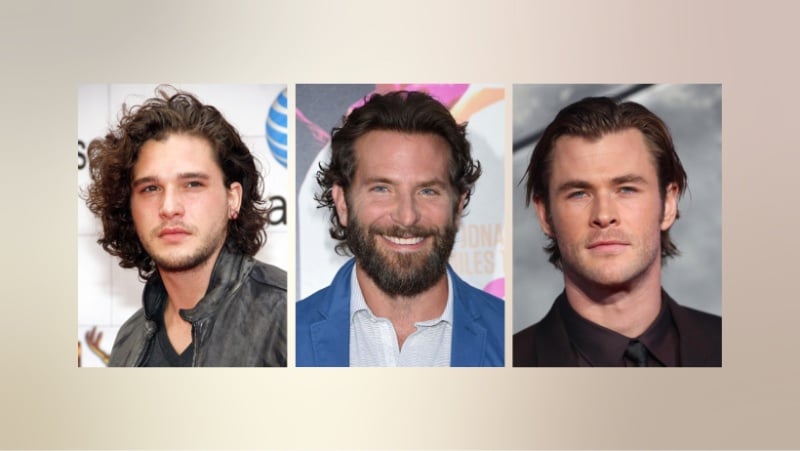
A flow haircut grows layered length back from the face toward the ears, collar or shoulders. The outline changes as the ends pass the ears and begin to turn outward at the neck. Among longer men's haircuts, the flow makes that grow-out part of the style, with enough shaping to keep the length falling backward.
What Is a Flow Haircut?
Longer layers let the top bend back while the lower ends flick away from the neck. The sides may stay a little shorter or taper around the edges. Straight hair produces a closer sweep; waves and curls give the outline more width and a less continuous surface.
Hockey and baseball versions leave length visible beneath helmets and caps, especially behind the ears and at the nape. The bro flow takes a shorter route, keeping the backward sweep while stopping nearer the ears.
Growing Out a Flow
Hair grows about half an inch a month on average. From a short cut, reaching the ears can take several months; collar or shoulder length may take a year or more. Starting length, individual growth and curl shrinkage affect when the hair reaches each point.
The difficult stage often arrives when the sides cover the ears but cannot yet tuck behind them. Ask a barber to tidy the outline only where needed and retain the lengths that must grow farther. Shortening the back at every visit can delay a longer flow. A little flexible styling product may help direct the shorter pieces backward until they reach the sweep.
Flow Haircut Styles for Men
Bro Flow Hair
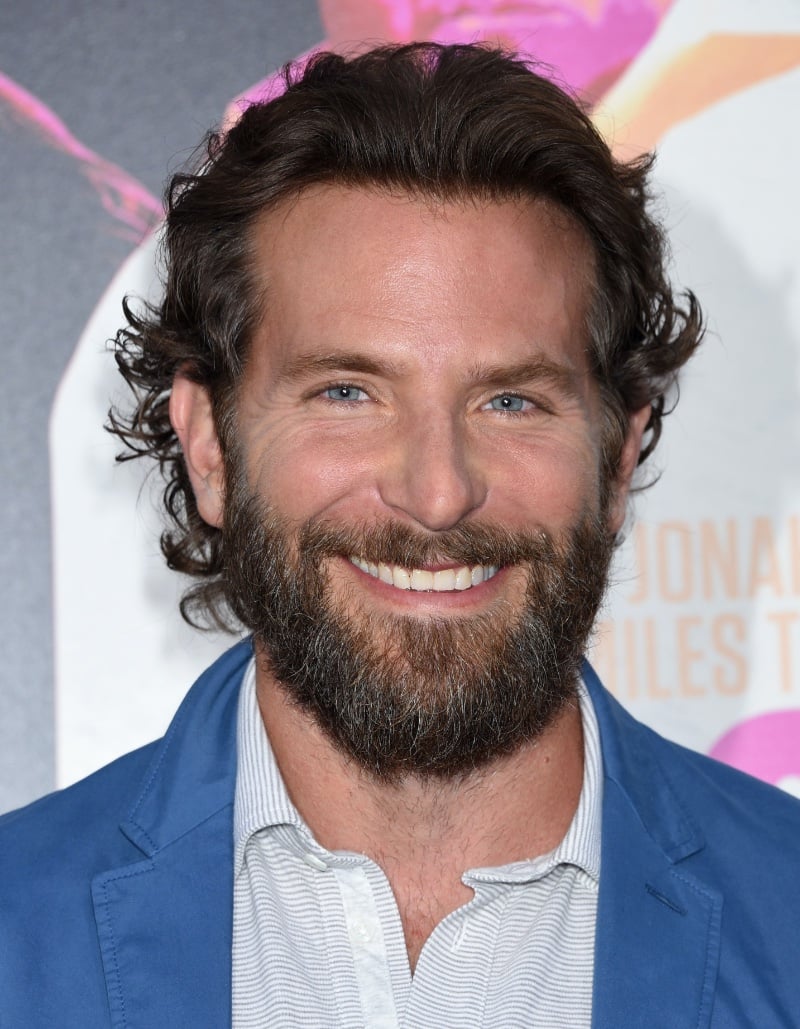
Bradley Cooper's bro flow lifts away from the forehead before bending around the ears. The ends turn outward near the nape, keeping the rear shorter than a collar-length flow.
Separate bends remain visible through the top above his full beard. Work a small amount of pomade through selected ends if they need definition, leaving the curl pattern intact.
Brush Back Flow
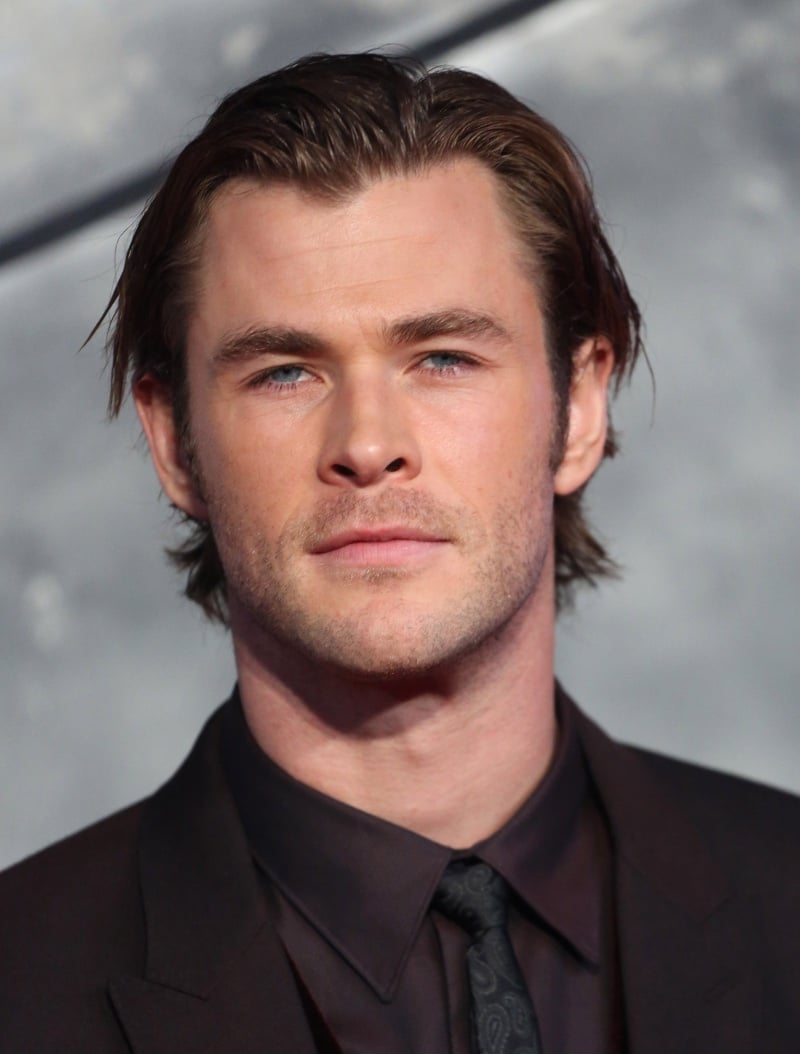
Among Chris Hemsworth hairstyles, the brush back flow exposes the forehead and most of the ears. A slight rise at the front leads into a closer sweep toward the crown.
Brush damp roots backward before directing the longer ends behind the ears. A light-hold product can support that direction while leaving the tips free to turn outward.
Messy Flow
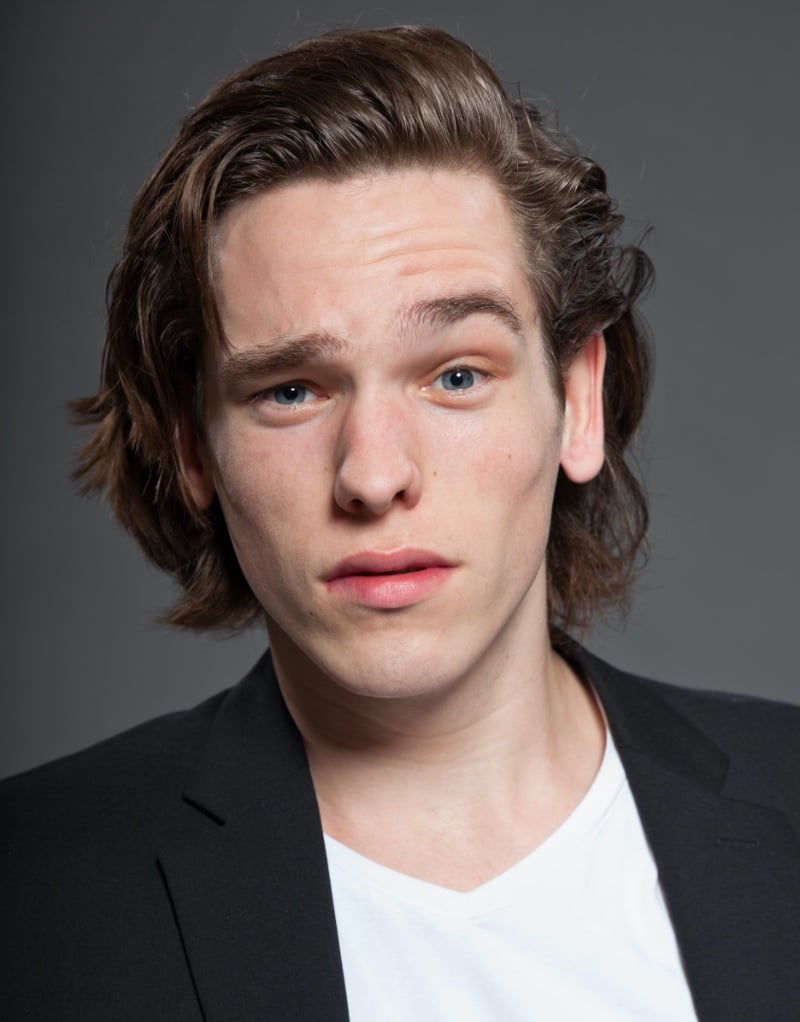
A loose front section breaks away from the backward sweep in a messy flow. Layered ends separate around the ears and nape, giving the outline several small flicks instead of one even edge.
Shape the damp lengths with the fingers to keep those sections distinct. Once dry, adjust only the pieces that have fallen across the face; repeated brushing can join them into a smoother surface.
Straight Hair Flow
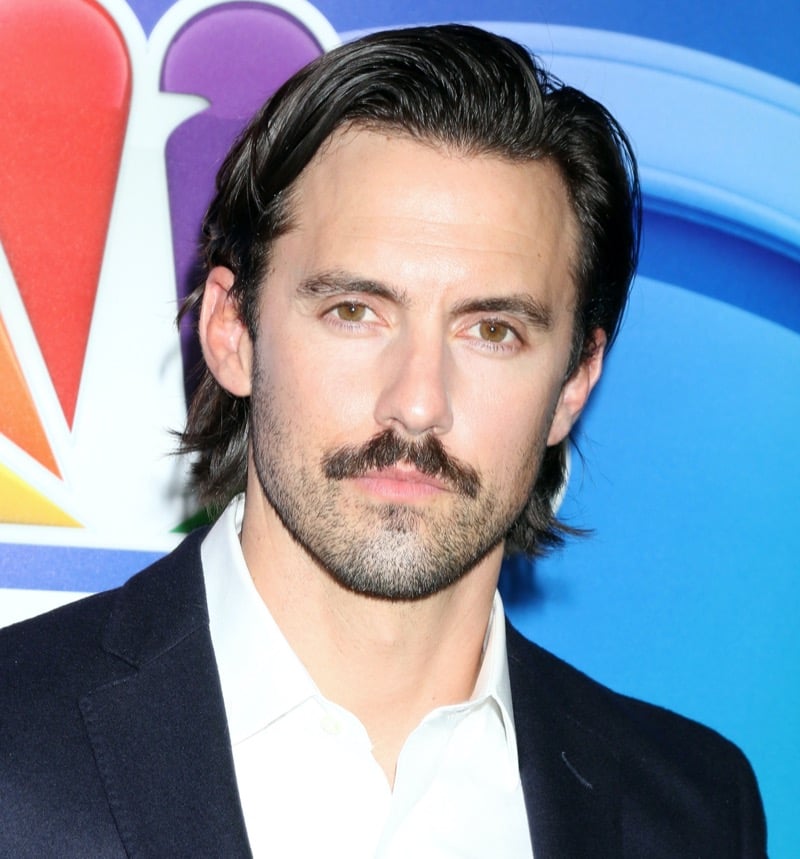
Milo Ventimiglia's straight hair lies close through the top before passing behind the ears. The layers show most clearly where the lower ends turn away from the neck. Retain enough length at the sides to tuck them back, since shorter pieces can spring forward and interrupt the sweep.
Curly Flow Haircut

Kit Harington's natural curls form a rounded top, with individual loops extending over the temples and ears. Allow for shrinkage when choosing the length, checking where the curls sit dry before deciding how much to remove.
Distribute curl cream through damp sections if they need definition. A small amount of oil can add shine to the ends, though it does not replace conditioning dry lengths.
Long Flow Haircut
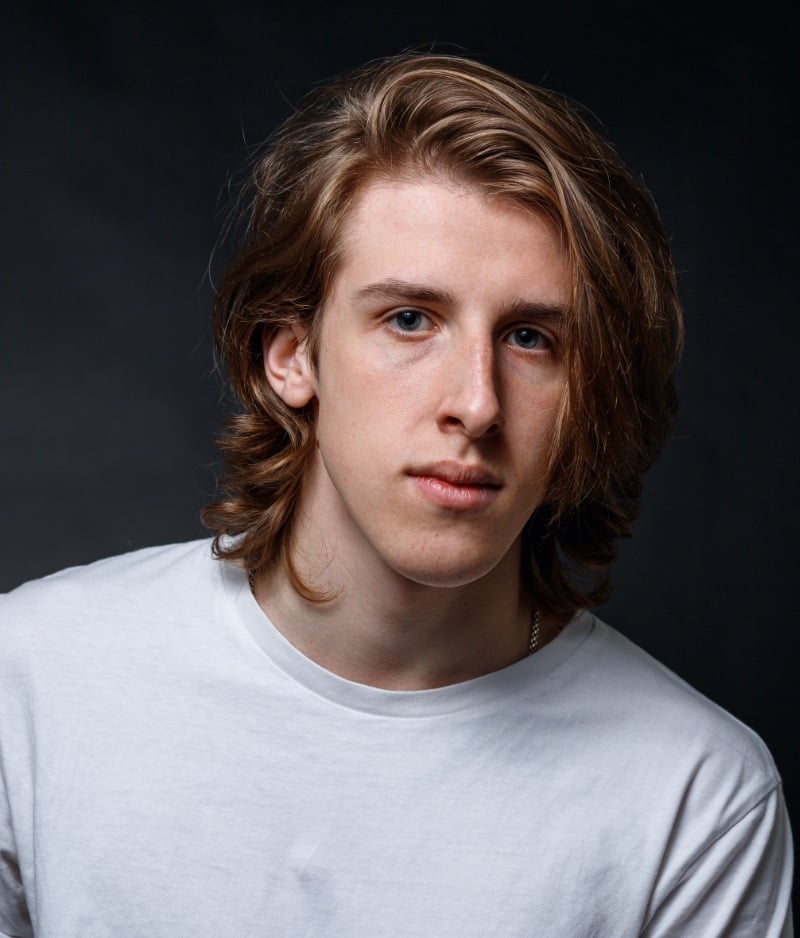
The ends approach the shoulders in a long flow, while shorter front layers fall beside the face. Among long hairstyles for men, this version keeps a backward direction through the top even when a front strand drops loose.
Ask for damaged ends to be removed while retaining the length at the lower edge. Bringing the front layers too high can leave pieces that no longer reach behind the ears.
Mullet Flow
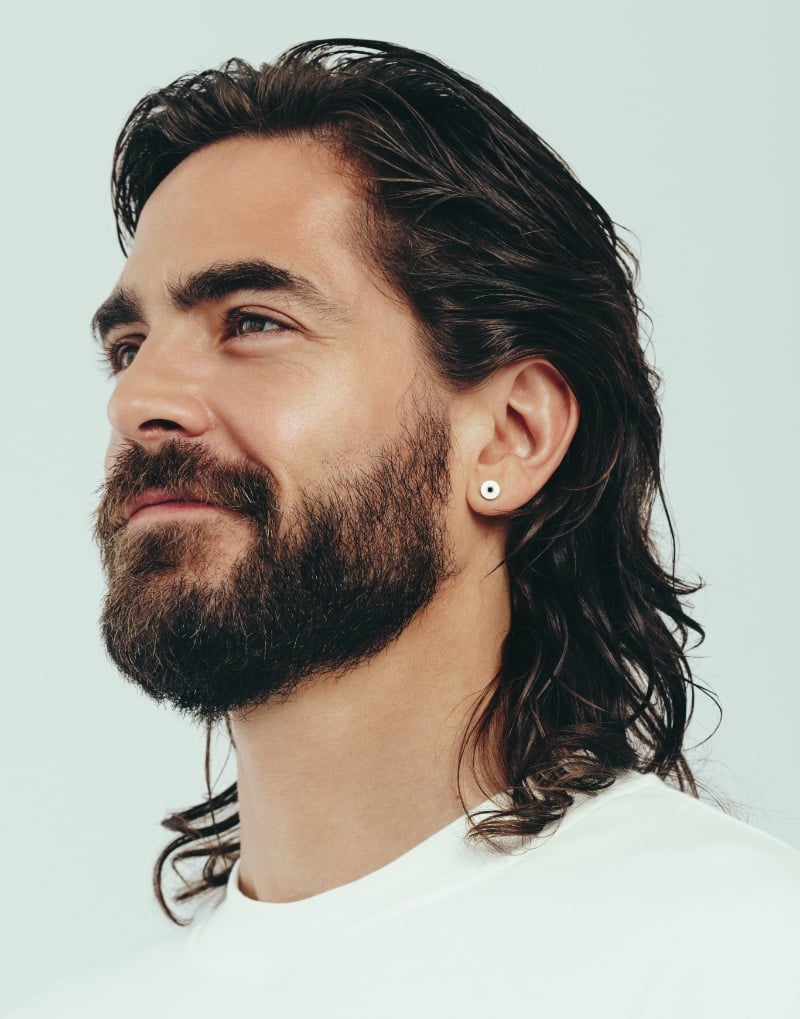
A mullet's longer back carries the flow down the neck while shorter sides expose the ears. Here, the brushed-back top meets a wavy rear section that extends well below the side outline. Keep that difference in length visible when requesting a tidy-up.
Medium Length Flow Haircut
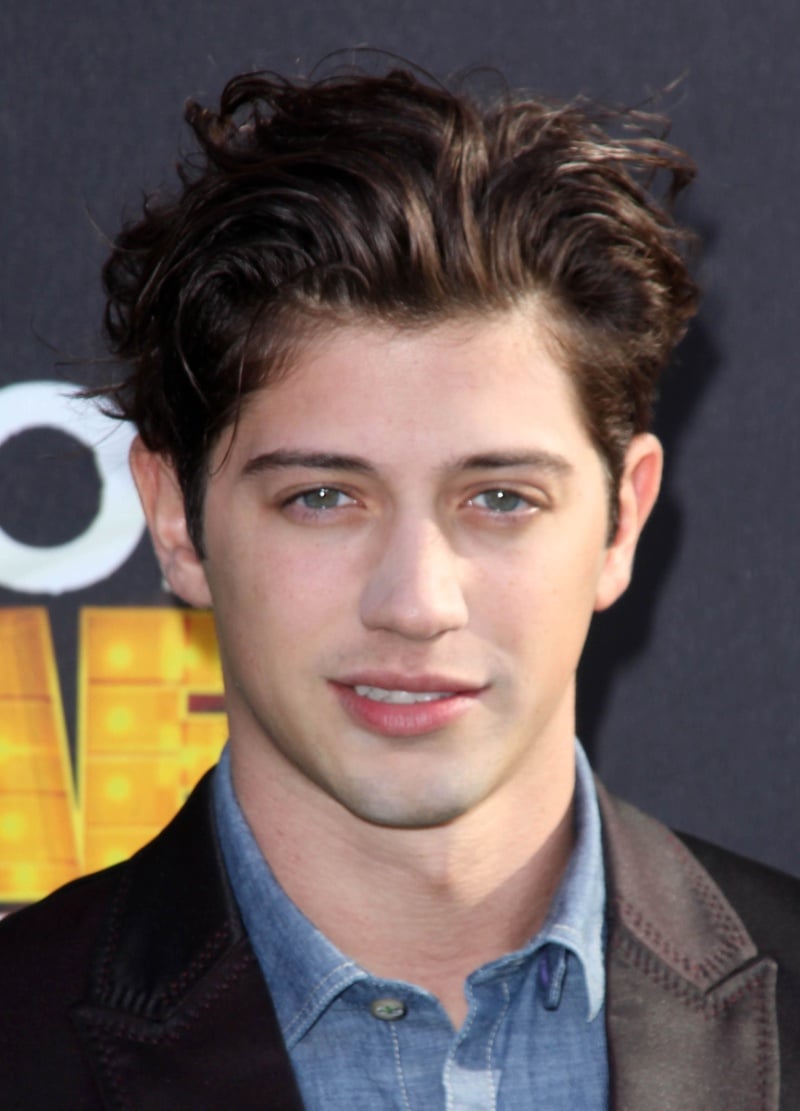
Chris Galya's medium flow concentrates its length above the forehead, where a broad wave rises and bends back. The sides sit nearer the ears than in longer medium-length hairstyles, leaving a compact outline beneath the fuller top.
As the cut grows, watch where the side pieces begin to spread. Shaping that area can preserve the upper wave while the rear gains length.
Flow Haircut Middle Part
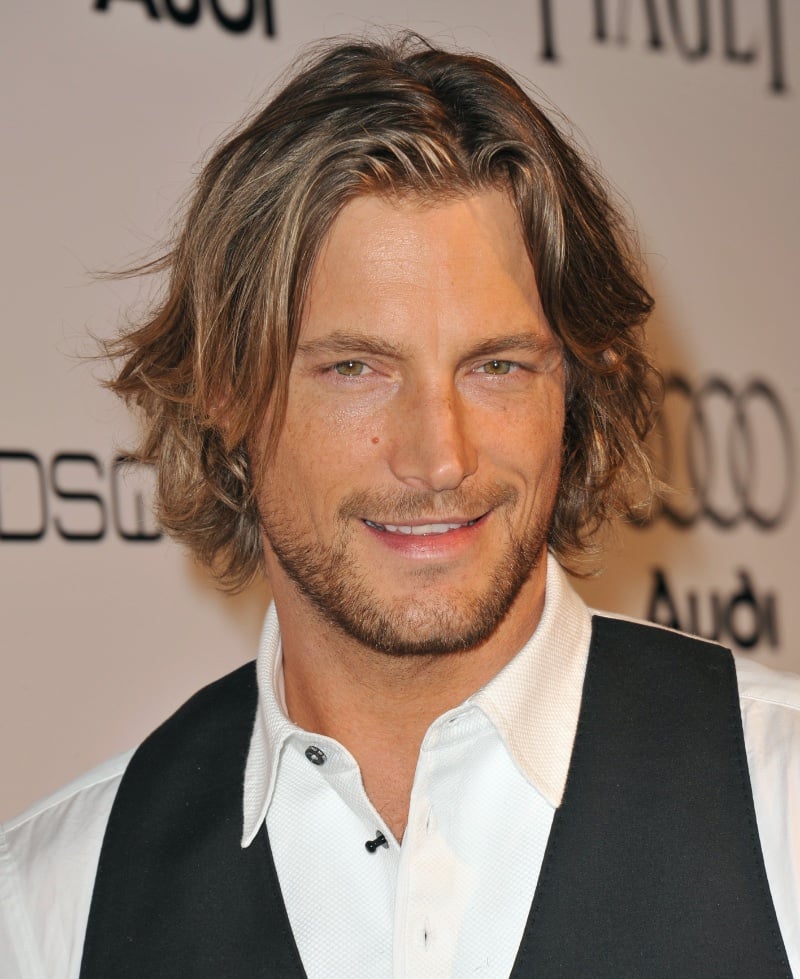
A middle part divides Gabriel Aubry's front into two curved sections. Each half falls toward the temple before turning back, leaving the center of the forehead exposed. Keep enough front length for those curves to pass the brows and join the sides.
Layered Flow
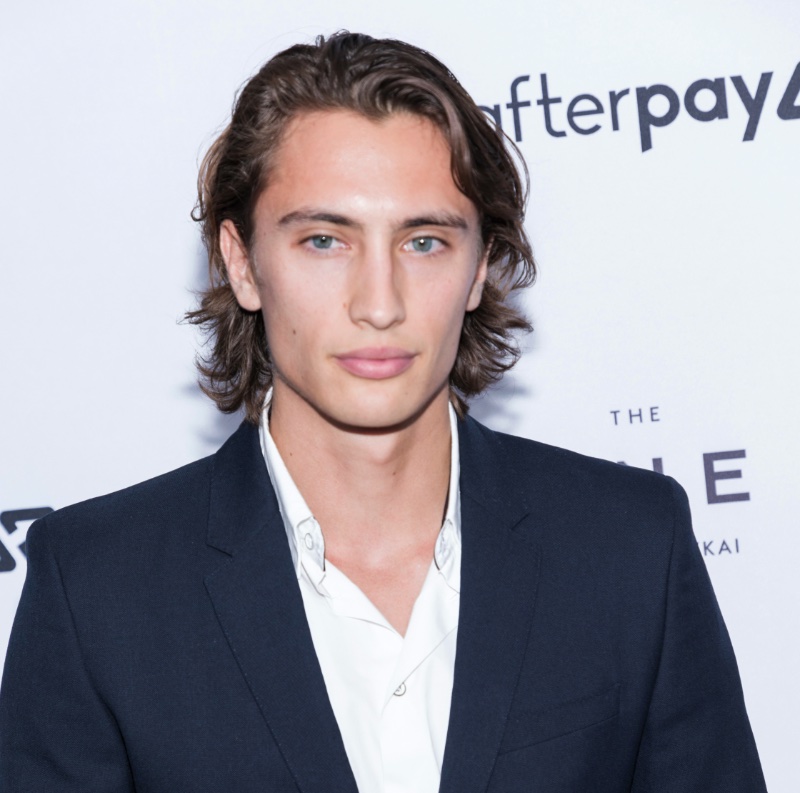
James Turlington's layered flow lifts near the roots, then breaks into tapered ends around the ears and jaw. Shorter upper lengths sit above the longer perimeter, making the changes in length visible along the side profile.
Ask the barber where each layer will finish when dry. Removing too much weight near the lower edge can leave sparse tips even when the top remains full.
Flow Baseball Haircut
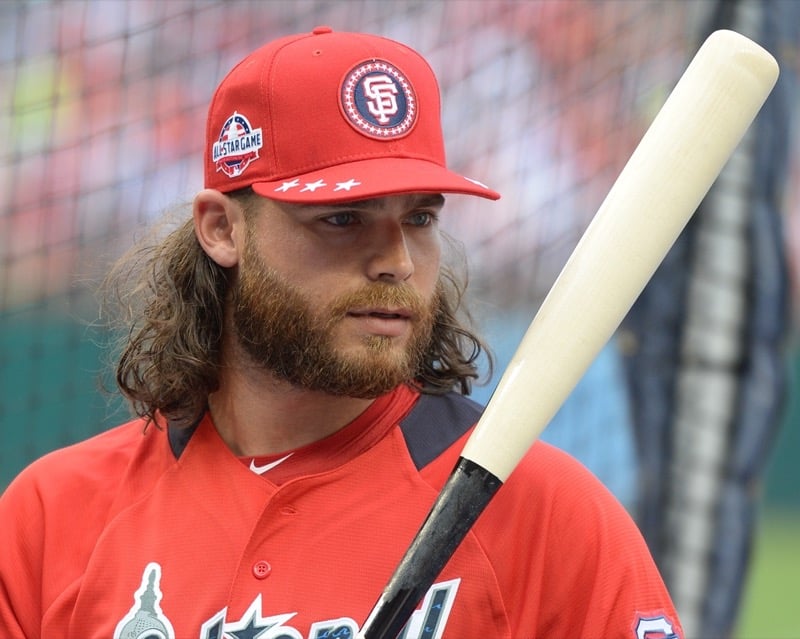
Brandon Crawford's curls extend below the cap on both sides and continue down the neck. The cap covers the upper shape, leaving the lower layers to show the baseball flow's length and width.
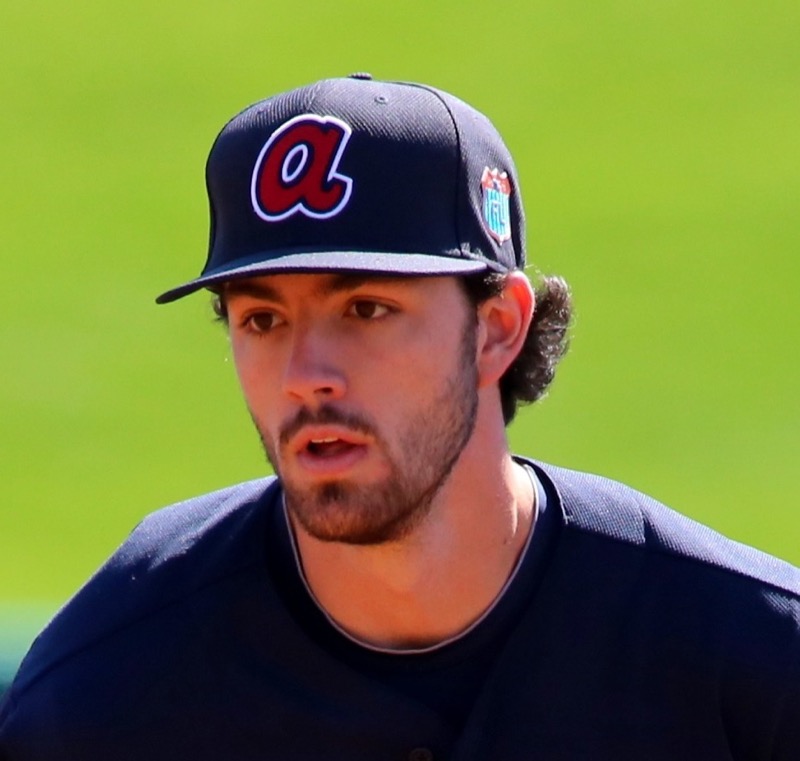
Dansby Swanson's shorter baseball flow leaves a small turn of hair behind the ears and at the nape. The cap covers most of the cut, so those exposed ends carry the outline.
Shaggy Flow
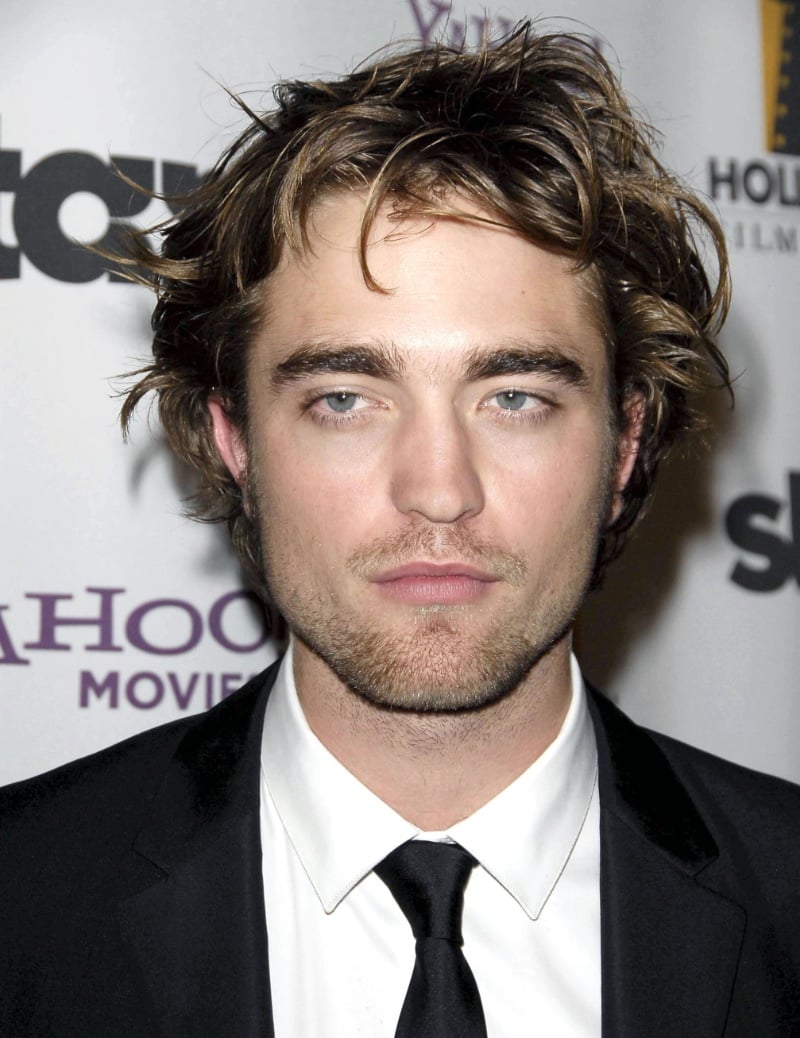
Uneven front pieces rise in different directions in Robert Pattinson's shaggy flow. The sides separate near the ears, and a longer rear edge keeps the cut from reading as a short, spiked top.
A little texturizing pomade can separate selected tips and emphasize a natural wave. Keep some variation in the ends when trimming, while removing tangles or damaged lengths that catch during styling.
Flow Taper
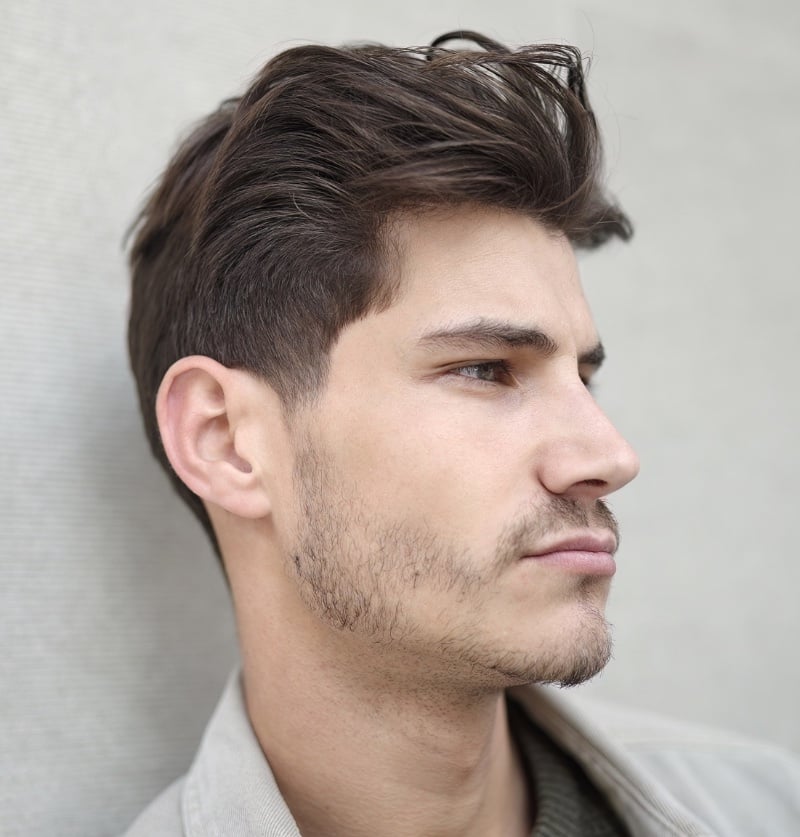
Shorter hair around the ears exposes the lower edge of a waved top in a flow taper. The top bends backward in broad sections, while the taper reduces bulk along the outline.
Specify which edges should be shortened and how much coverage should remain above them. Scissor-over-comb work can connect the longer sides to the top; closer clipping changes the contrast around the ears.
Textured Flow
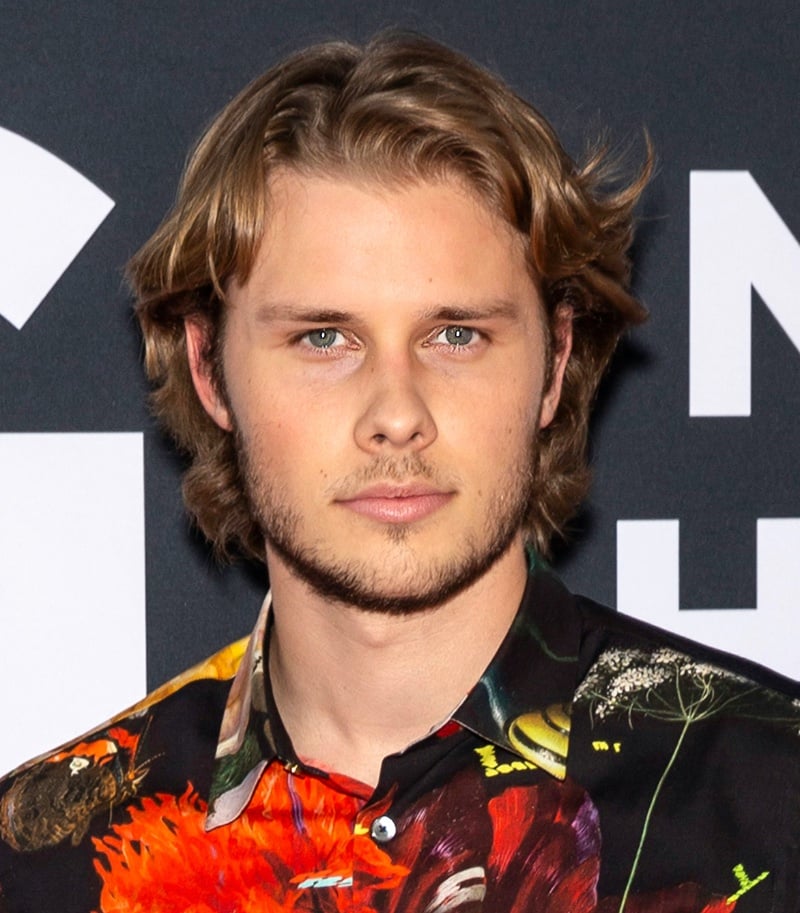
Logan Shroyer's textured flow separates into broad bends across the top, with a few smaller pieces near the forehead. Longer side and rear lengths turn outward beneath them.
Use the fingers to lift and separate those bends after drying. Adding product only where sections need hold keeps the layered ends from gathering into a single heavy sweep.
Mid Taper Flow
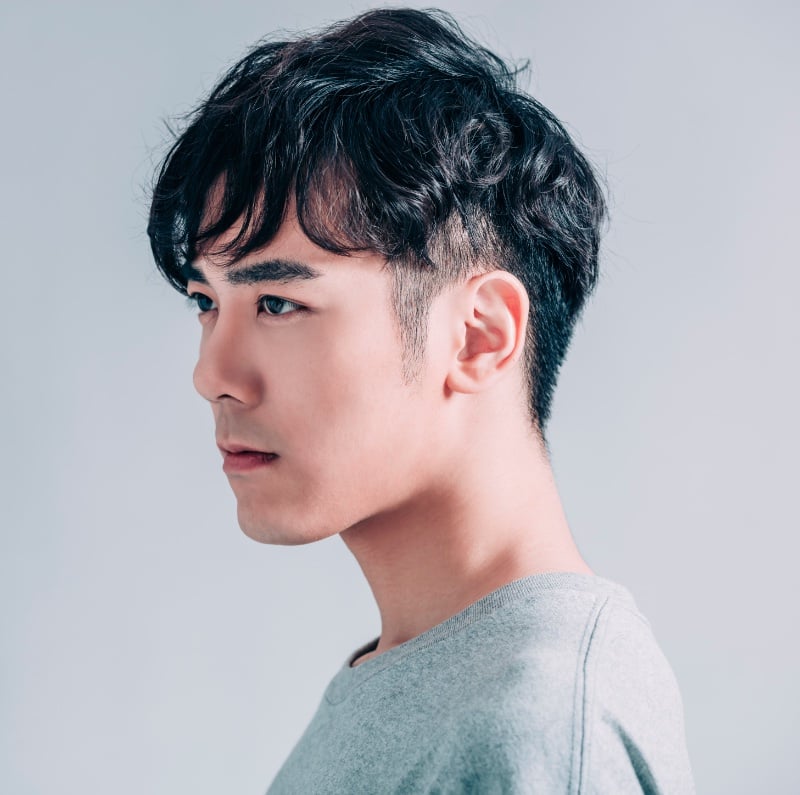
The mid taper flow variation places a curved, curly top above closely shortened sides. Discuss the side treatment explicitly with the barber, since a taper at the edges and a fade extending through the sides remove different amounts of hair.
Here, the curls fall toward the forehead, showing a shorter interpretation of the flow. Retain their rounded bends when shaping the top, and check the front length dry so the fringe lands where wanted.
Wavy Flow Hairstyle
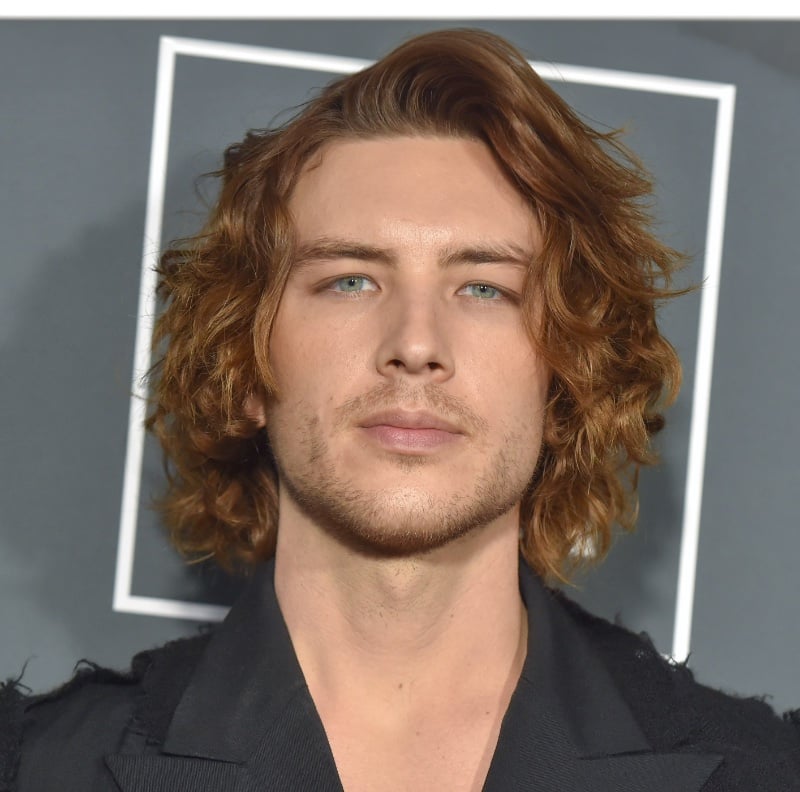
Cody Fern's waves open from an off-center division and bend outward near the jaw and collar. The longer lower sections widen the outline below the ears, while the top stays closer to the scalp.
Condition the lengths as needed and separate tangles gently. Salt spray can give existing bends more grip, but straight hair may need shaping during drying to hold a wave.
Hockey Flow
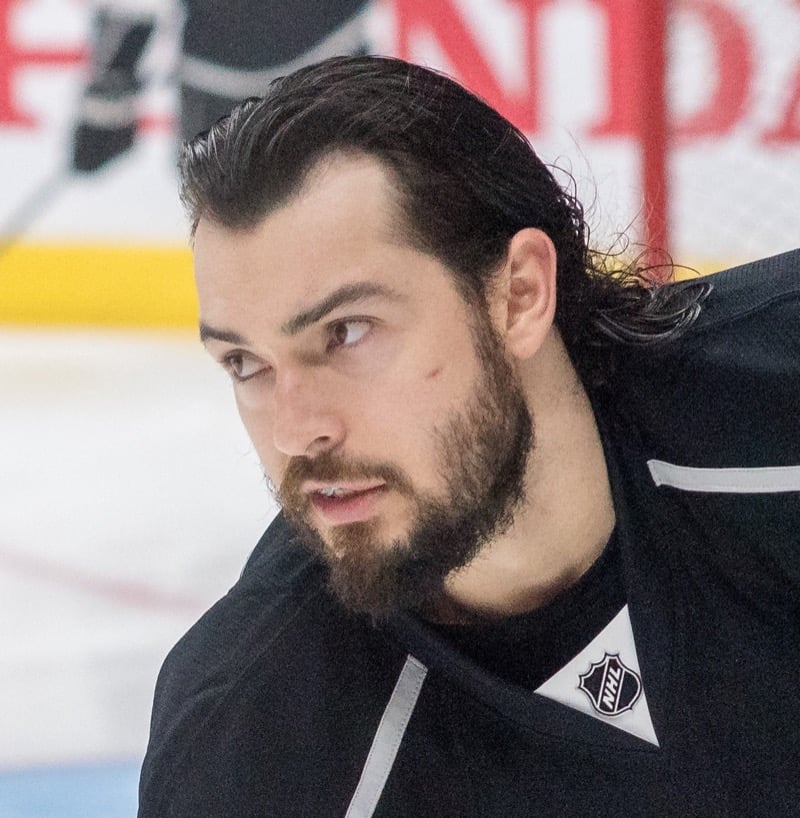
Drew Doughty's hair sweeps back before extending down the neck in a hockey flow. Longer rear layers keep the ends visible below a helmet, where they can flick outward toward the collar.
Retain that lower length when tidying around the ears. After removing a helmet, separate the compressed sections with the fingers and gently loosen any tangles.
The Flow Today
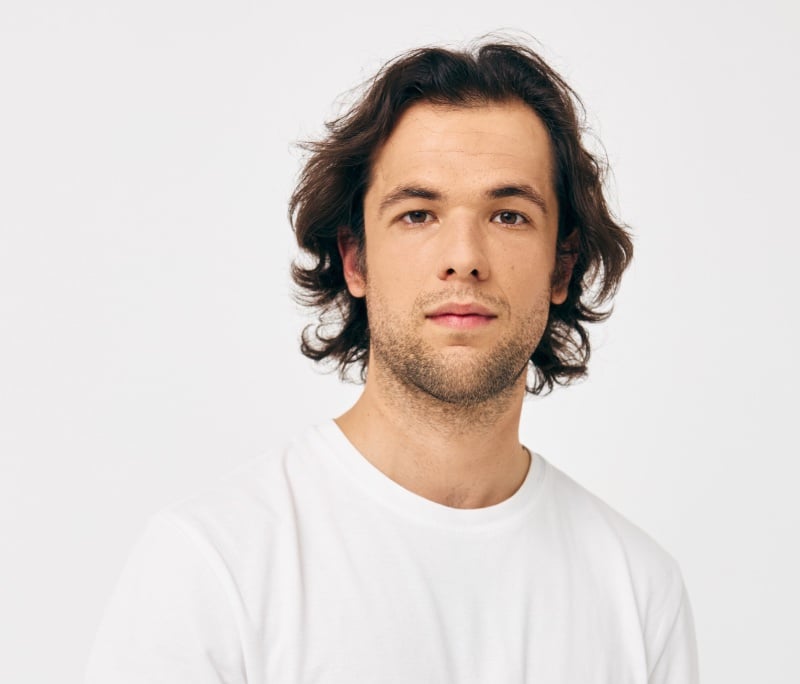
A flow changes most noticeably at the ears and neckline. Once the side lengths tuck back, the upper sweep becomes easier to establish; as the rear reaches the collar, the ends gain room to bend outward. Trim according to the outline wanted at each stage of the grow-out.
_(cropped).jpg)
.jpg)
