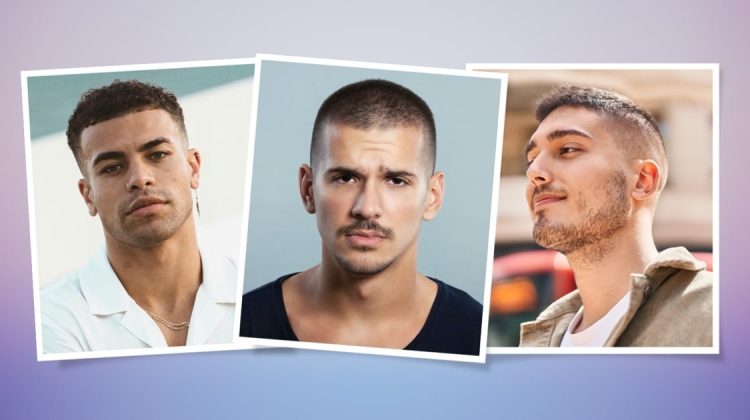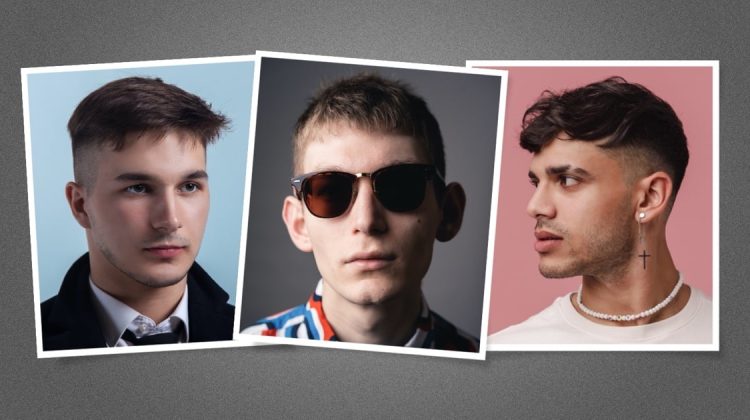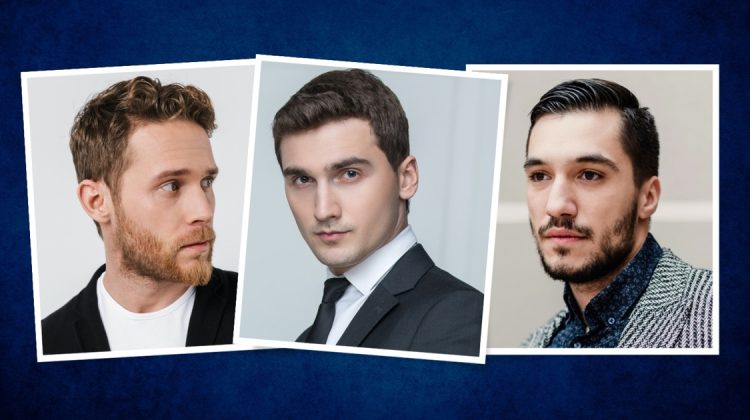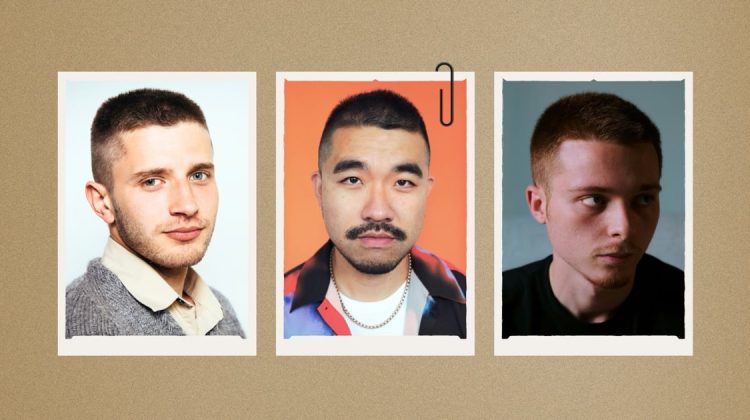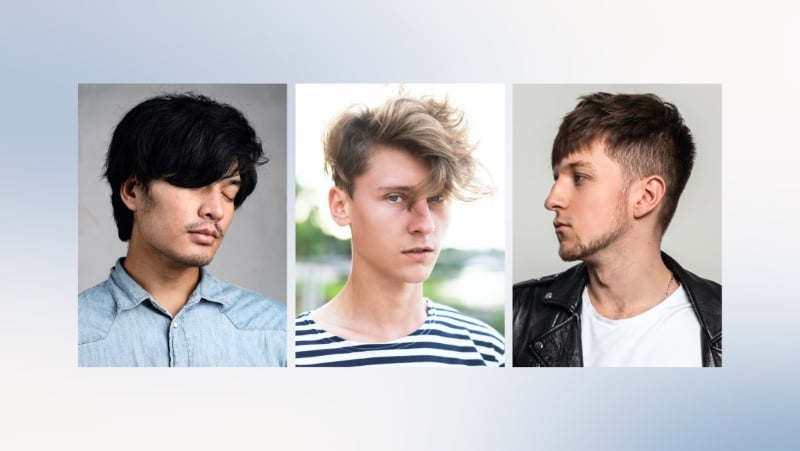
A fringe haircut for men brings the front of the hair over the forehead, with the sides and back often cut shorter. In the US, the same feature is generally called bangs.
The length and direction of the fringe change the silhouette. It might skim the brow in a blunt line, break into choppy pieces, sweep sideways or separate into curtains.
What Is a Fringe Haircut?
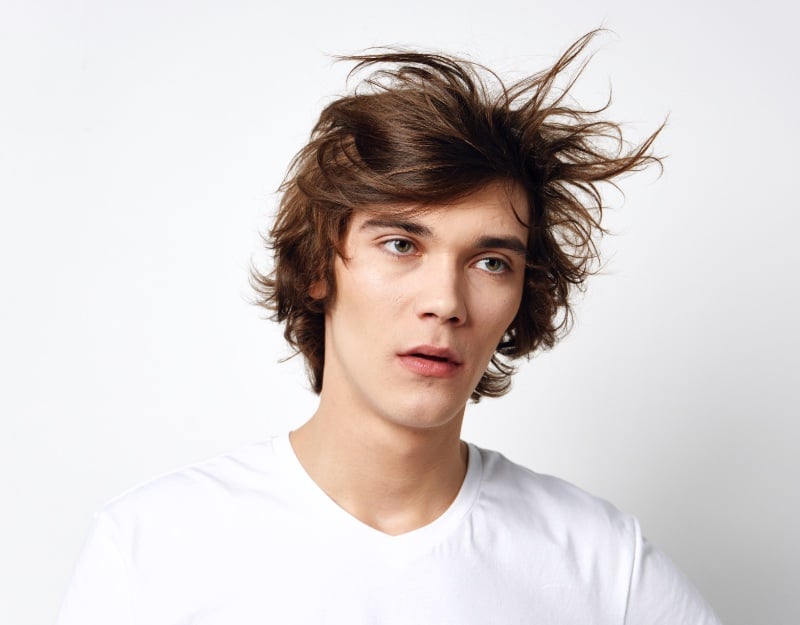
The barber leaves enough hair at the front to reach the brow or sit just above it. Shorter sides, whether tapered or faded, make the fringe more prominent.
Point-cut ends produce an irregular edge; a blunt cut draws a straight line across the forehead. An angular fringe cuts diagonally, while softer layers allow the hair to fall in separate pieces. A trim every three to four weeks generally keeps the front clear of the eyes. More short styles appear among men’s haircuts.
Fringe Haircuts for Men
Afro Fringe
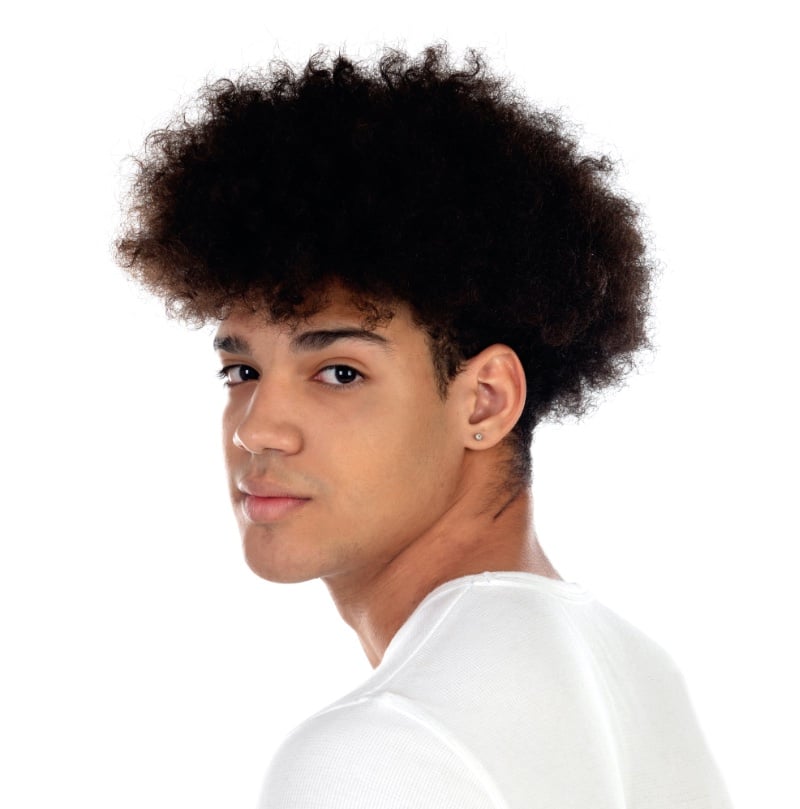
Coily hair gives the afro fringe its height, with extra length at the front bringing the shape toward the forehead. A pick lifts the roots while moisturizer helps the coils retain their definition. Related cuts appear among afro hairstyles for men.
Asymmetrical Swept Fringe
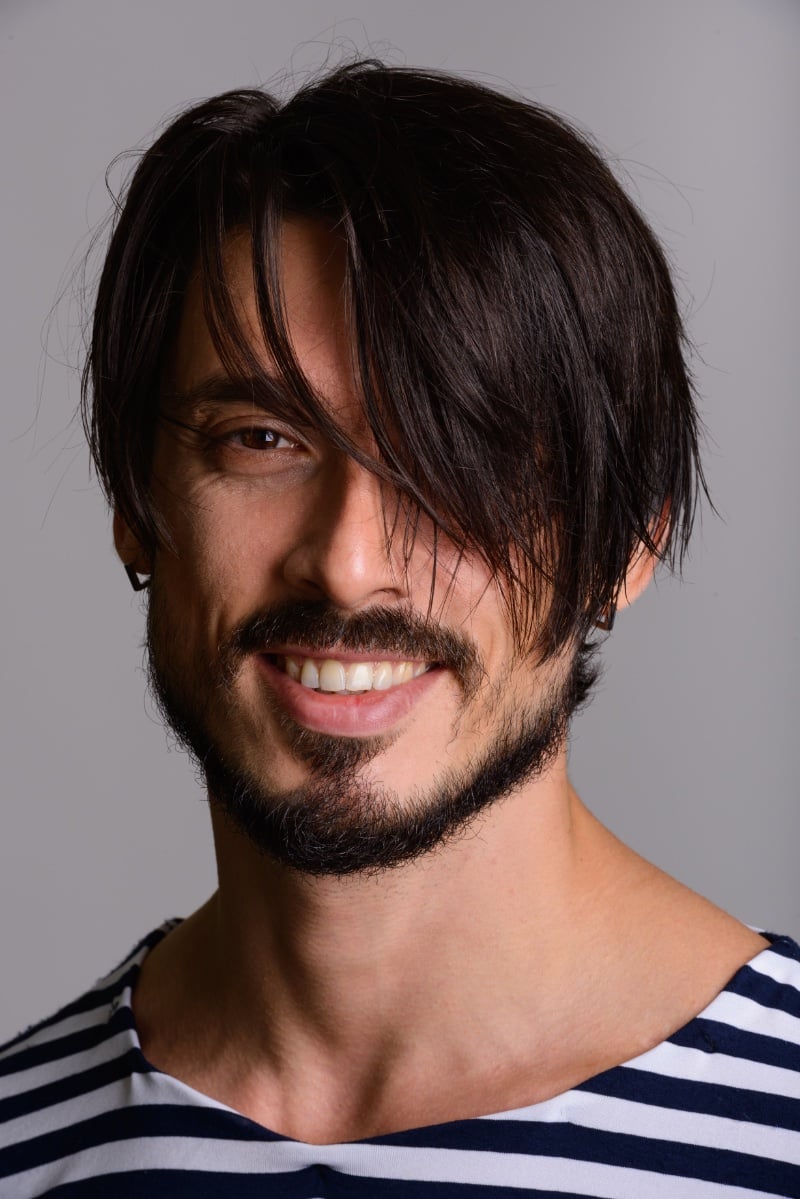
Cut longer on one side, the asymmetrical swept fringe crosses the forehead diagonally. Its off-center weight creates a more pronounced sweep than a conventional side fringe.
Choppy Layered Fringe
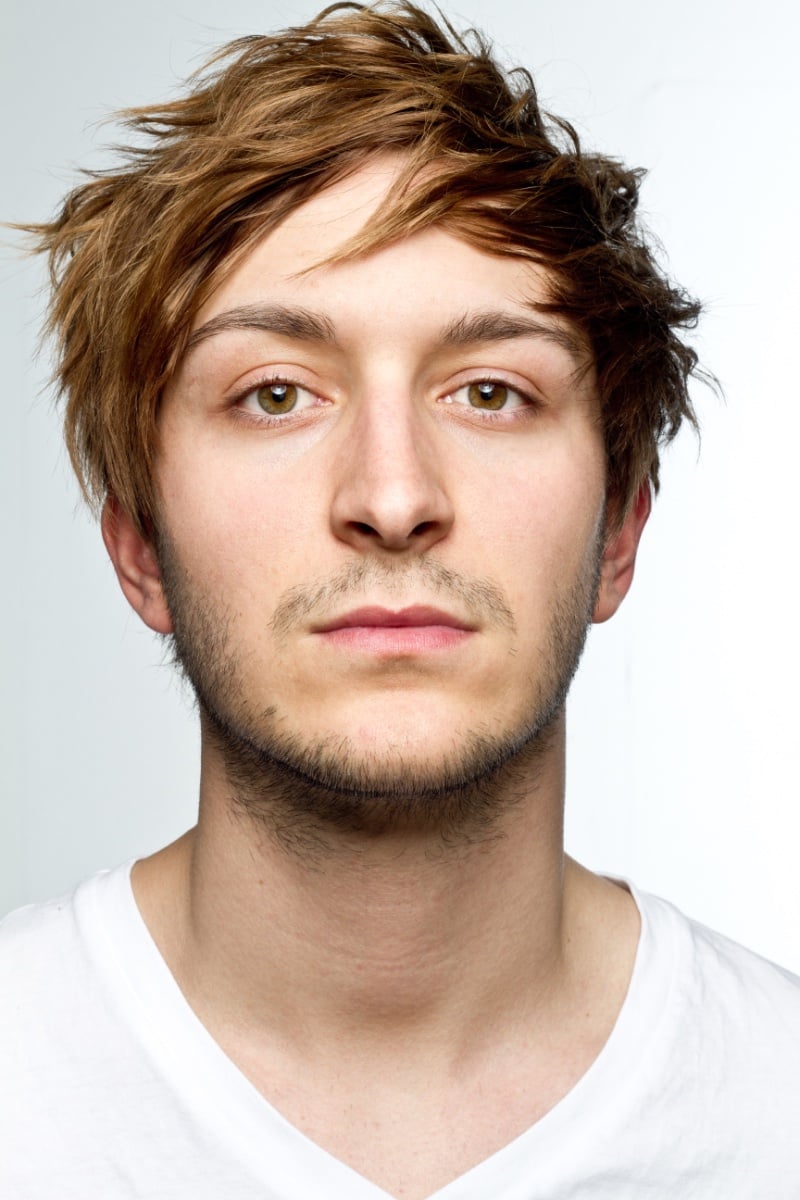
Uneven layers give the choppy fringe a broken outline, with shorter pieces interrupting the longer ends. The variation is visible even when the hair lies flat.
A little texturizing spray separates the ends and prevents the layers from collapsing together.
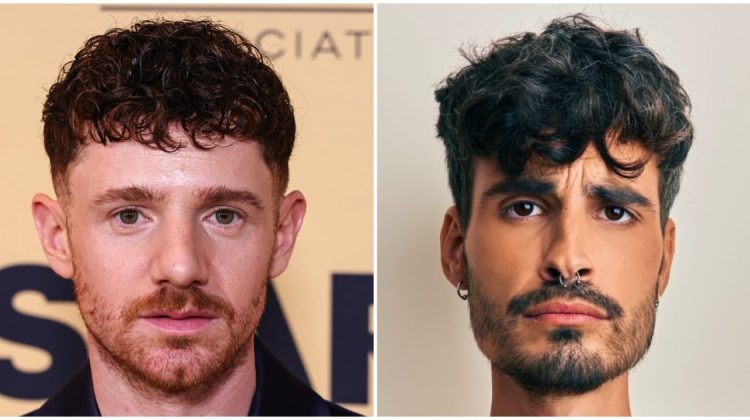
Curly Fringe
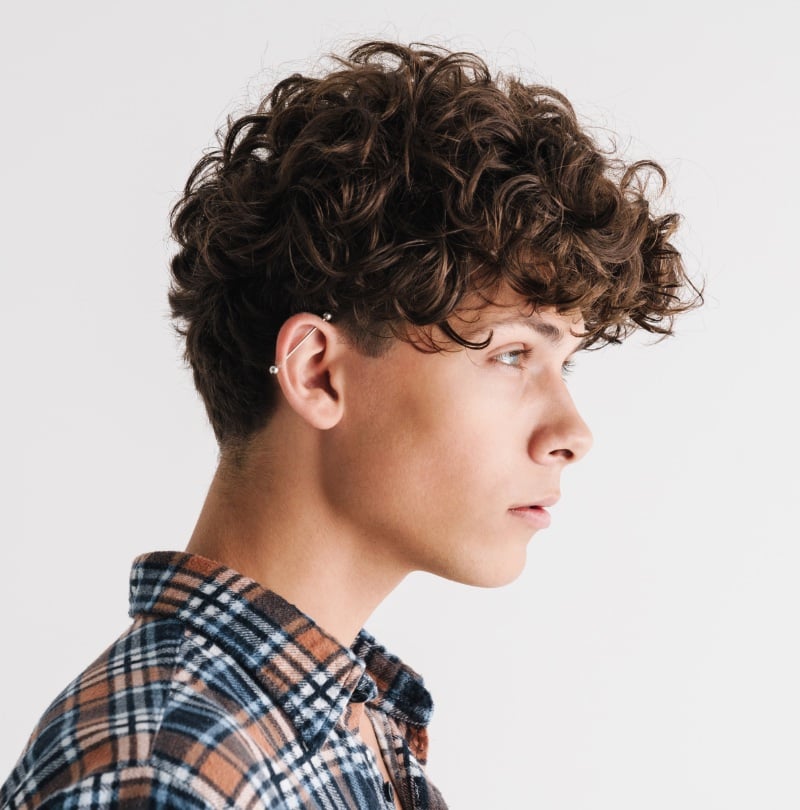
With a curly fringe, individual curls drop toward the brow at different lengths. Cutting the front with shrinkage in mind helps the curls sit above the eyes once dry.
A little mousse helps retain the curl pattern. Where the hairline is thinning, curls falling forward can provide some coverage, depending on density.
Curly Middle Part

A curly middle part opens the forehead at the center, letting curls fall to either side. It is the curly variation of a curtain fringe.
Establish the part while the hair is damp, then separate the curls gently with a wide-toothed comb. A small amount of curl cream can help maintain their shape. More options appear among haircuts for curly hair.
Dreadlock Fringe
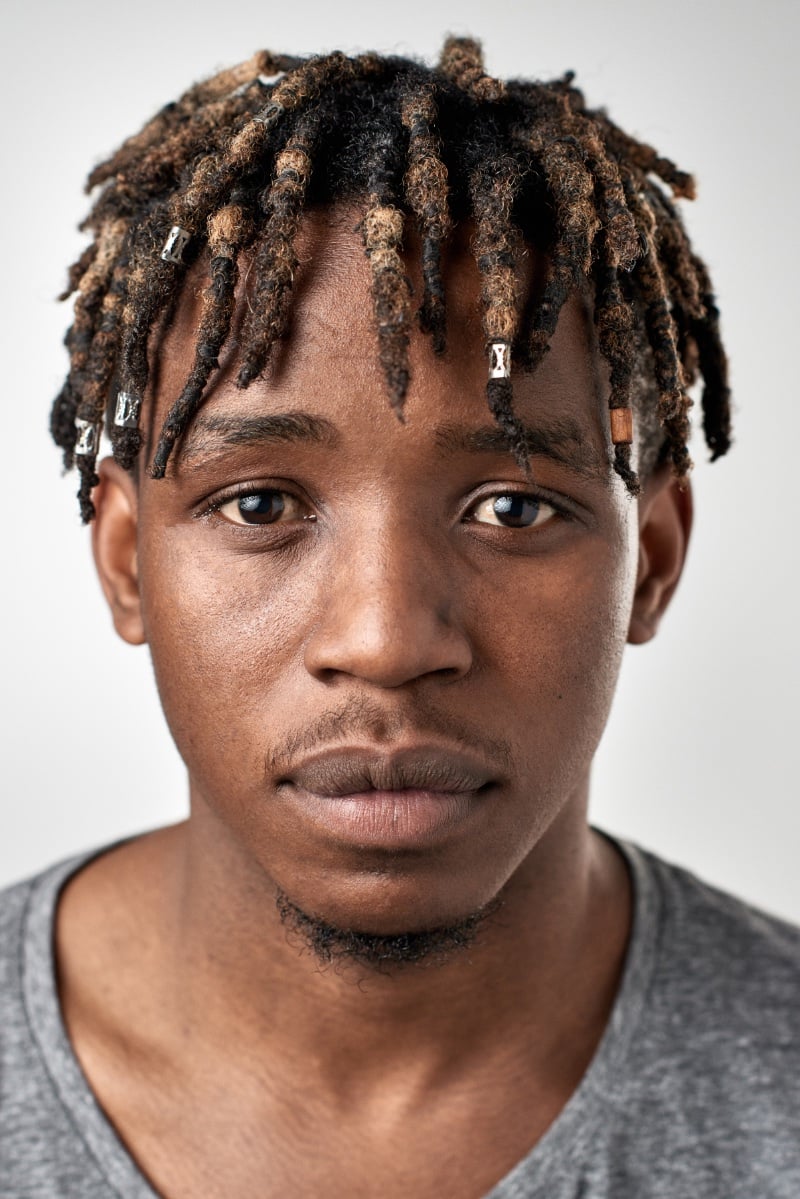
Longer locs at the front fall over the brow to form a dreadlock fringe. In this example, cuffs punctuate individual locs and draw attention to their length.
Feathered Fringe
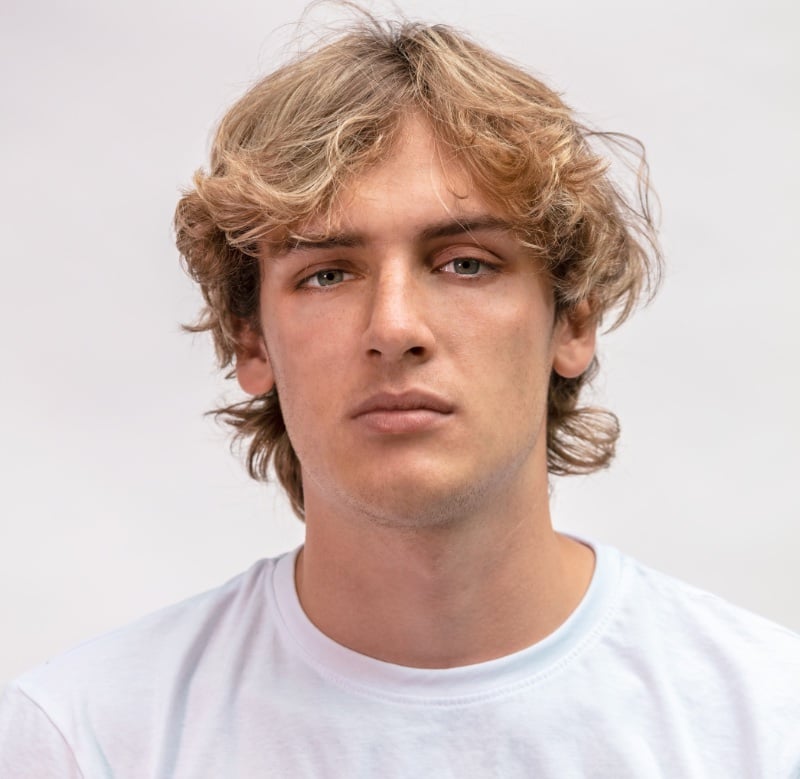
Fine layers taper toward the ends of a feathered fringe, allowing the front to fan out instead of falling in a solid block. Blow-drying with a brush emphasizes the feathered tips.
A light spray holds the separated ends in place. Trimming the fringe before it reaches the eyes preserves its airy outline.
Forward-Swept Fringe
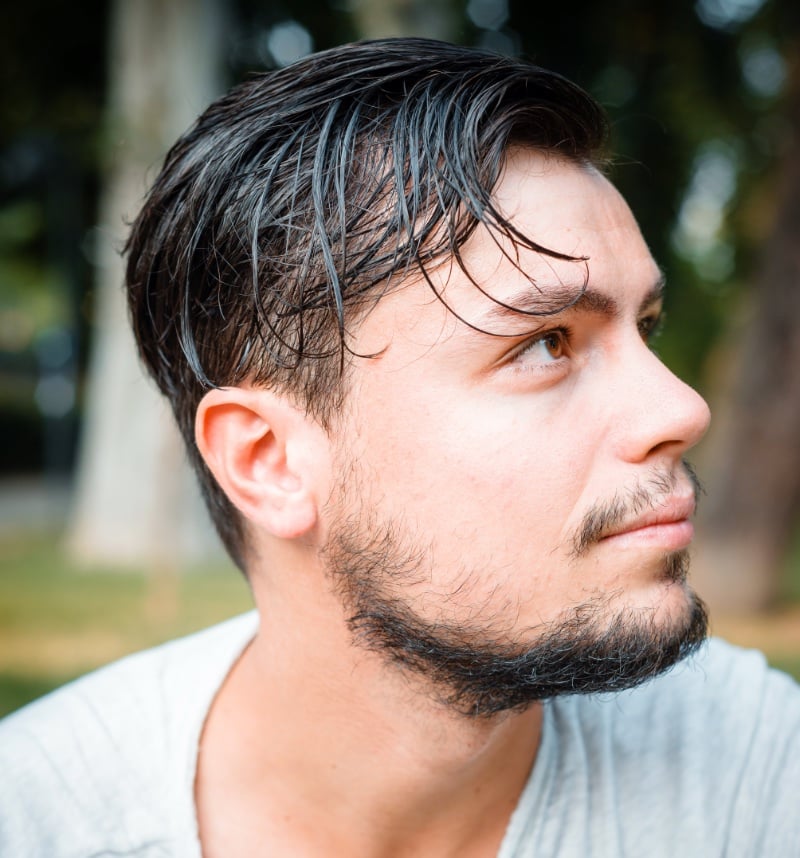
The forward-swept fringe directs the top toward the forehead in one continuous sweep. On wavy or straight hair, the front can lie close to the brow or break into separate strands.
Here, a wet-look product gives the swept hair a glossy surface. Work it through with the fingers, keeping the front directed downward.
Shaggy Curtain Fringe
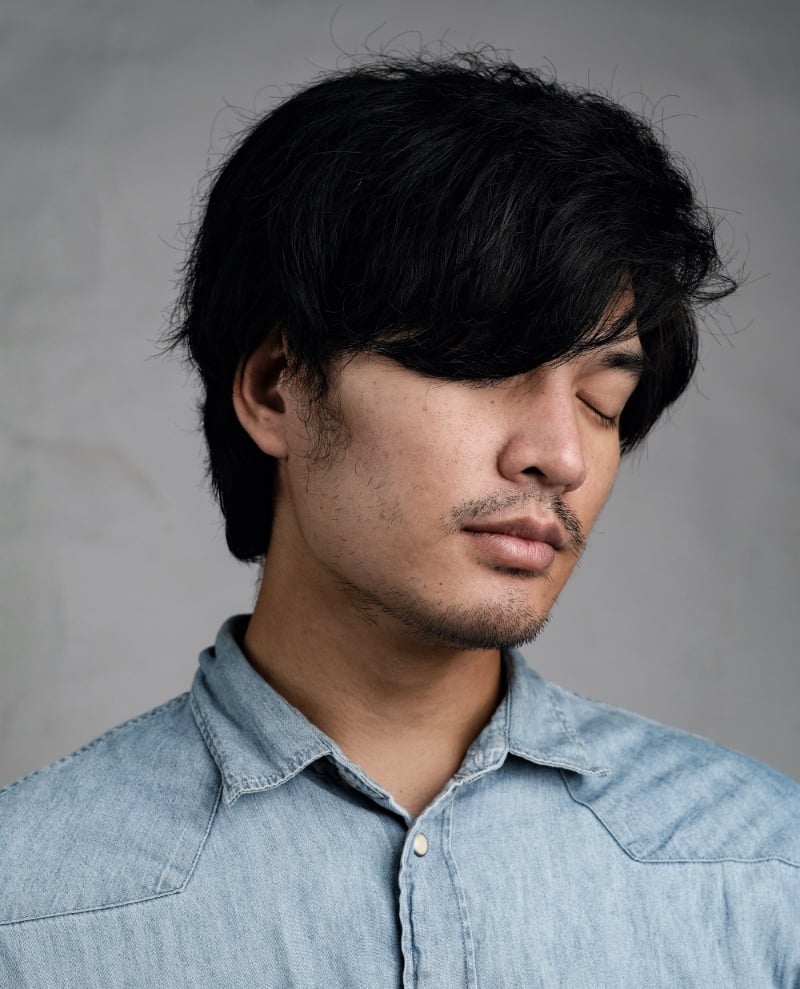
Long layers divide at the center and fall around the temples in a shaggy curtain fringe. Its loose, 1990s-inspired shape is especially visible on straight or wavy hair.
Mousse adds some lift through the longer sides. The curtain haircut explores the parted shape in greater detail.
Short Curtain Fringe
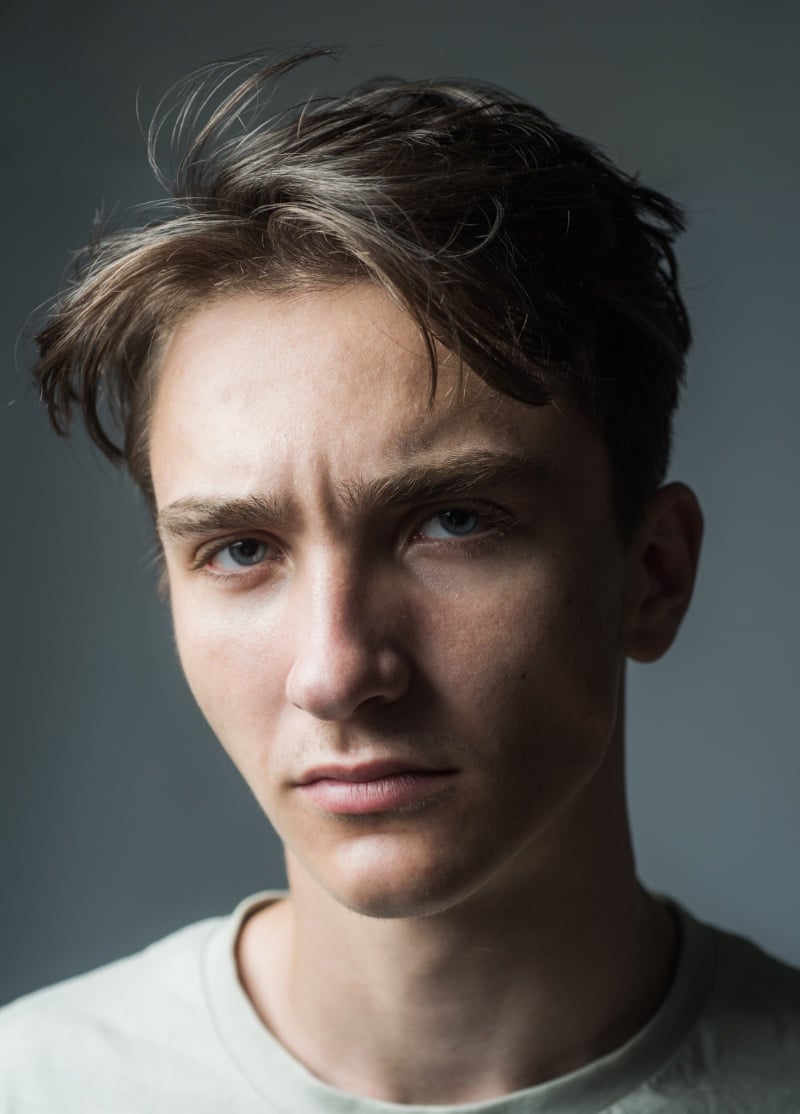
The short curtain fringe parts at the center but stops near the upper forehead. Compared with the shaggy version, its shorter sides expose more of the temples and keep the part distinct.
A touch of light cream can keep the two sides separated after drying.
Soft Wave Fringe
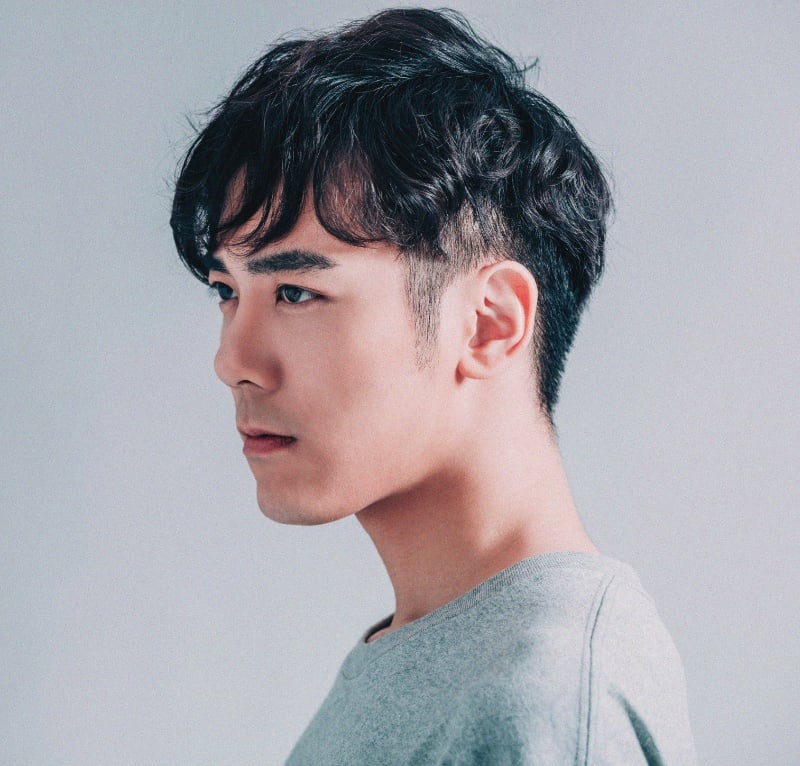
A soft wave fringe follows the hair’s natural bends across the forehead. The uneven rise and fall of each wave gives the front a rounded, irregular edge.
A small amount of mousse helps the waves hold their shape after air-drying.
Straight Side Fringe
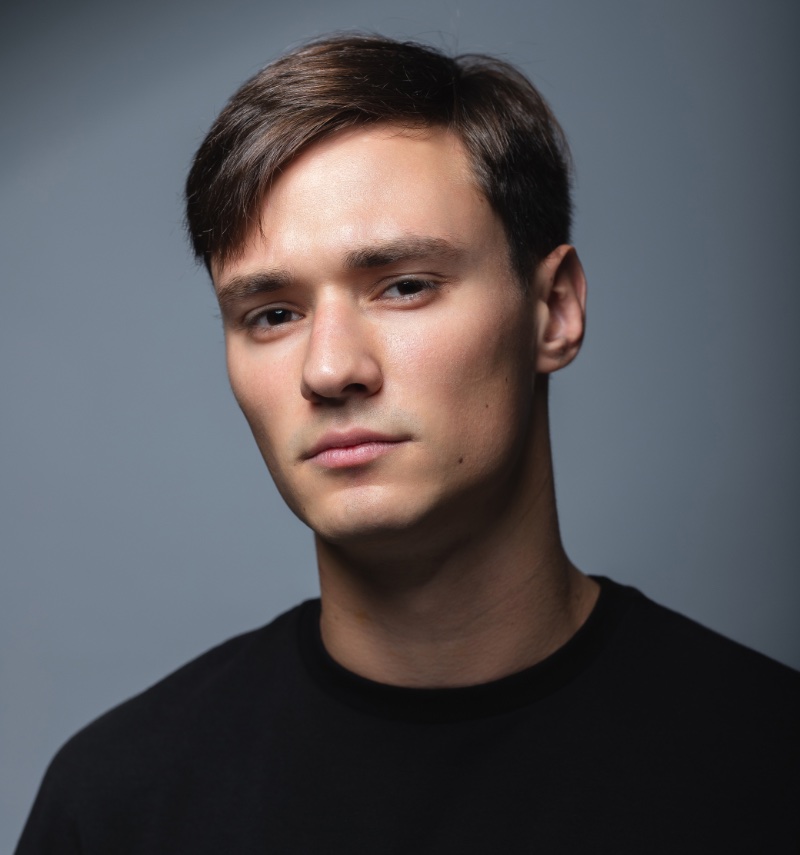
A straight side fringe crosses the forehead in a smooth, angled sweep, with the ends forming a defined line. A flat iron can emphasize that surface; use heat protectant first, then tame flyaways with a little serum.
Frequent fringe trims keep the diagonal edge at its intended length.
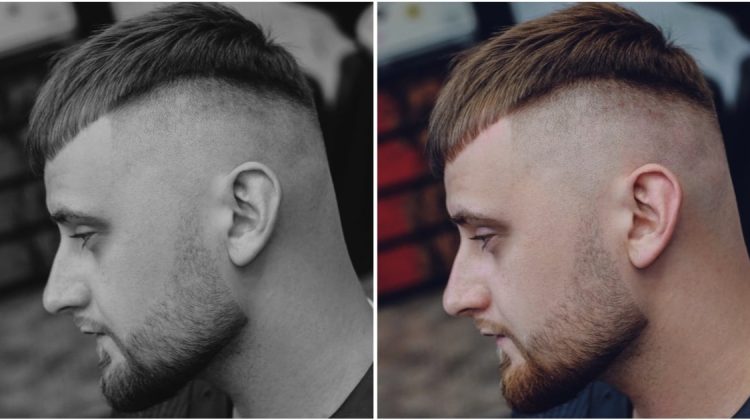
Textured Crop With Angular Fringe
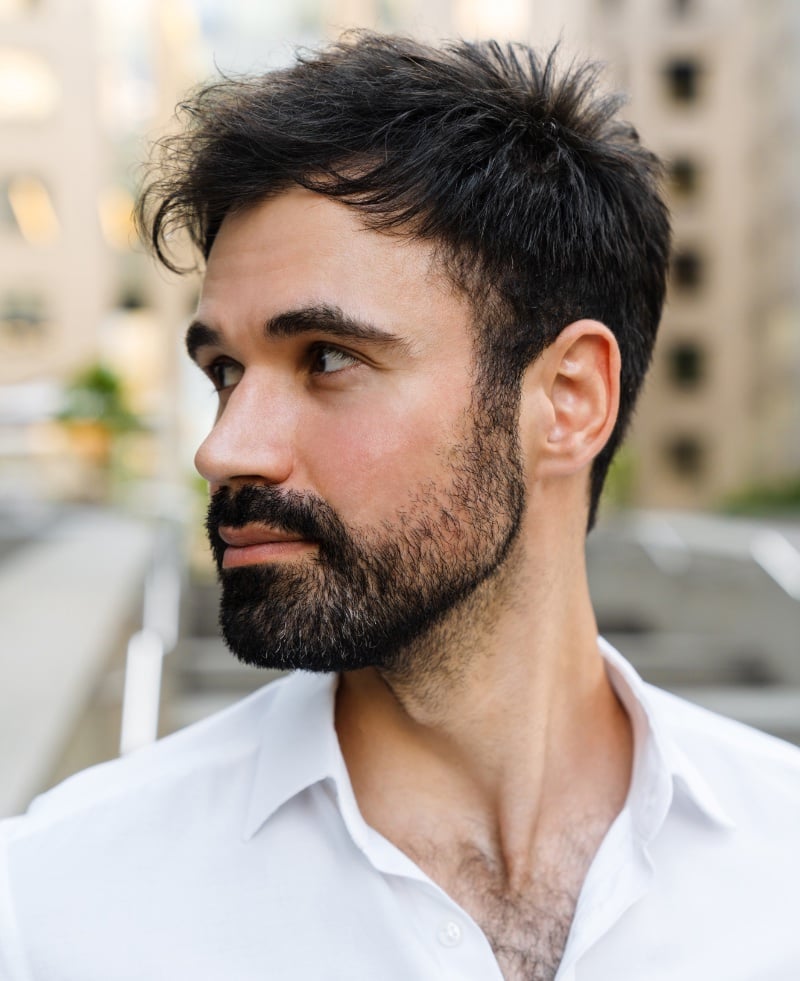
A choppy top meets a sharply angled front in the textured crop with an angular fringe. Compared with a French crop, the diagonal fringe gives the forehead a less uniform outline.
Matte pomade can separate the pieces while holding the slanted edge in place.
Textured Fringe
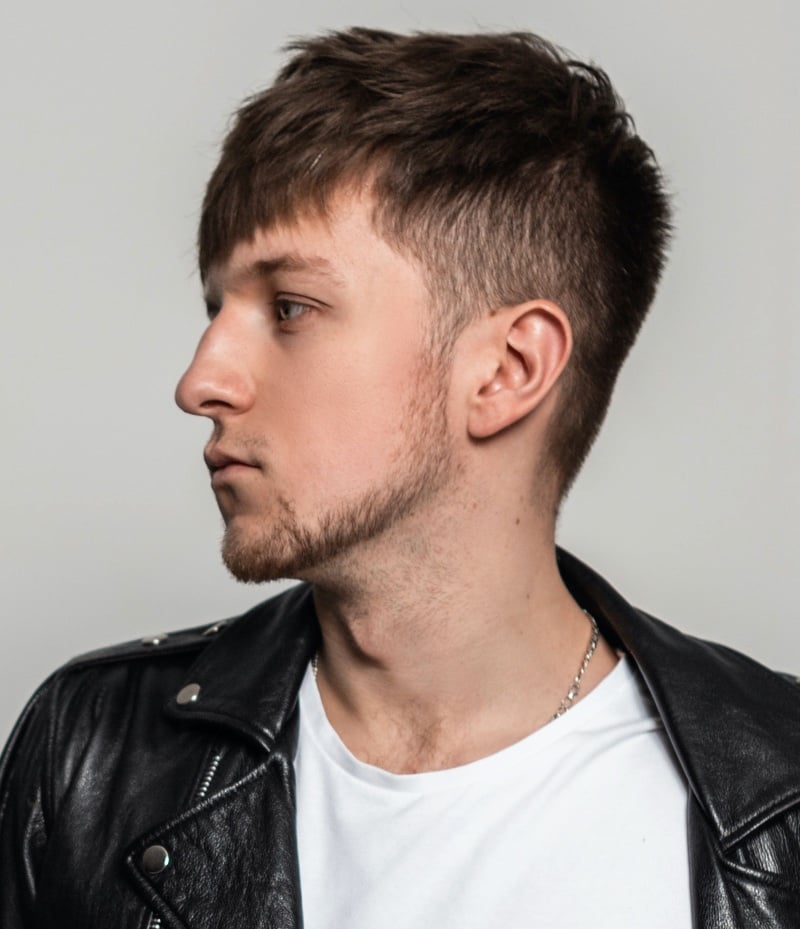
Point-cut ends fall forward over the brow in a textured fringe, with the top left longer than a Caesar cut. Closely tapered sides make the broken edge more noticeable.
Work a little matte paste through dry hair, separating the ends with the fingertips.
Windswept Side Fringe

The windswept side fringe pushes the front across the forehead in a loose, sideways sweep. On straight or wavy hair, finger-combing with light cream keeps the direction visible while leaving the ends free.
Long Fringe

A long fringe extends beyond the eyebrows, sometimes reaching the eyes. It can be parted, swept aside or worn loose, but its length calls for more frequent attention at the front.