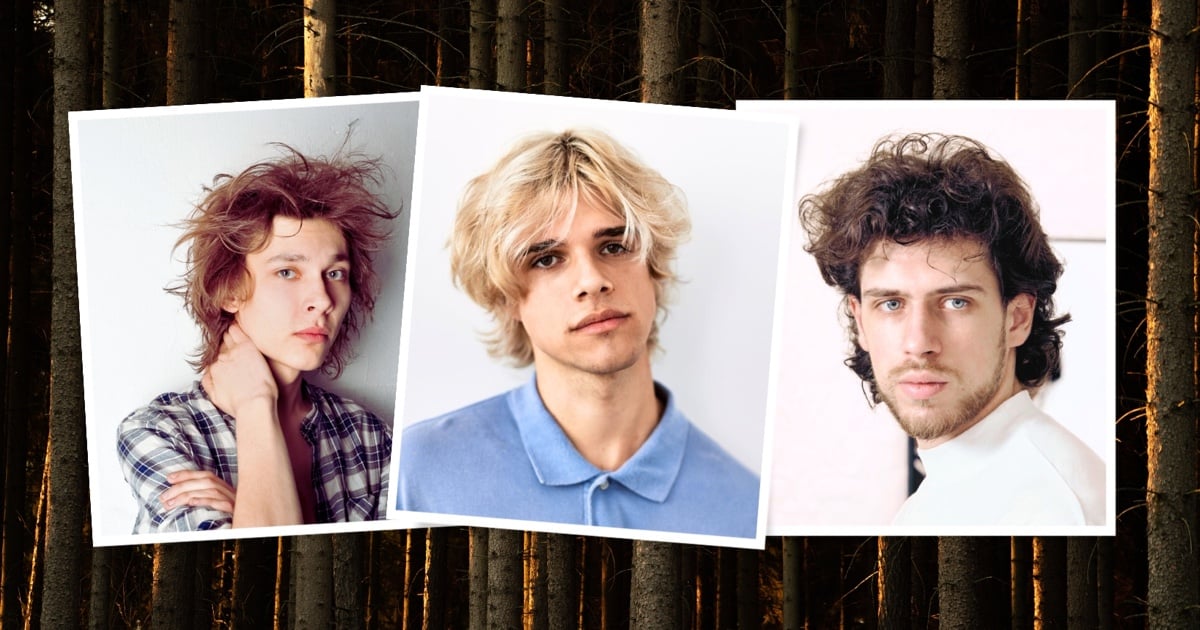
A wolf cut for men combines the choppy layers of a shag with the longer back of a modern mullet. Shorter pieces lift around the crown, while the ends narrow toward the neck. The outline stays uneven, with visible breaks between layers.
Straight hair shows those breaks as distinct points; waves and curls turn them into bends and coils. Length changes the silhouette, from a compact cut around the ears to a shag that falls past the collar.
What Is a Wolf Cut?
Shorter layers through the top and crown sit over longer pieces at the sides and back. Point-cutting or razor work can soften the ends and help separate them, depending on the hair's texture and condition. A fringe or curtain bangs usually connects the front to the layers around the face.
A mullet emphasizes the difference between shorter sides and a longer back. A wolf cut carries more layering through the sides, spreading that change in length across a shaggier outline. The two cuts overlap, especially when the nape is left noticeably long.
Wolf Cut Hairstyles for Men
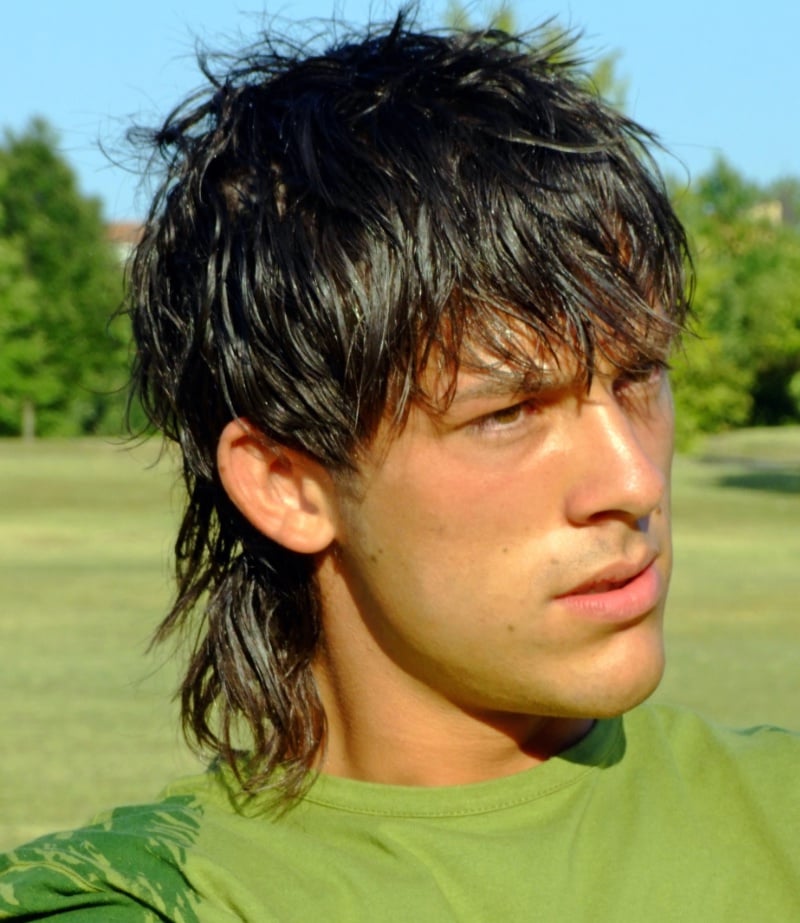
Among men's haircuts, the wolf cut allows considerable variation in the fringe, crown height, and length at the neck. Those choices distinguish a short, piecey version from one with full curls or long, feathered ends.
Classic Wolf Cut
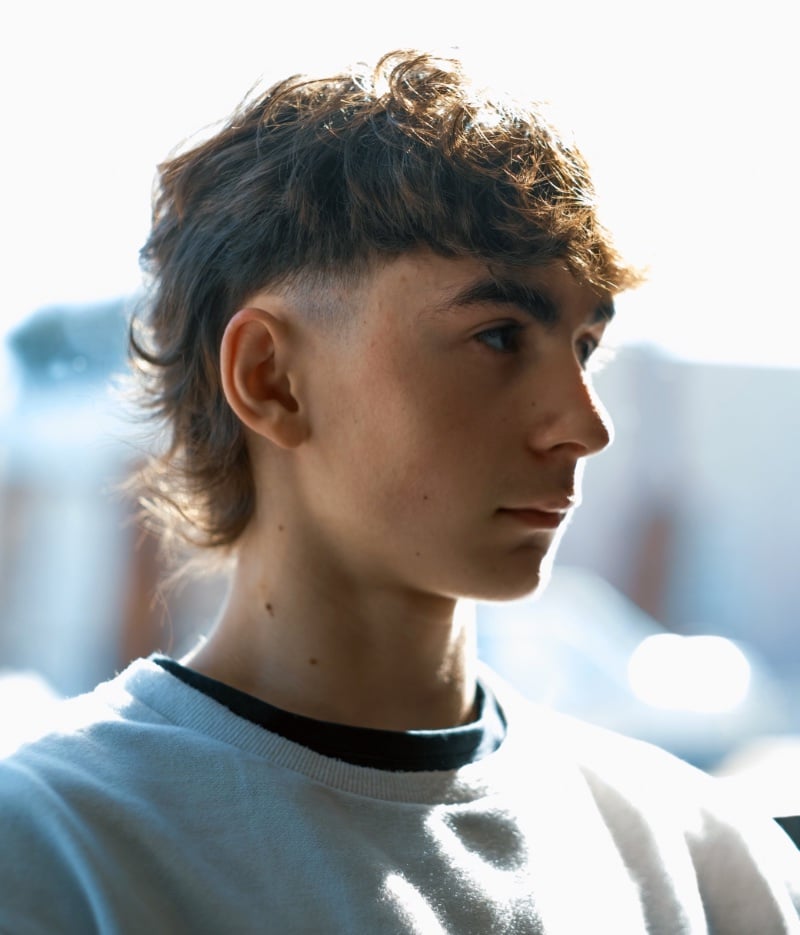
The classic wolf cut has a rounded, layered top that narrows into a slightly longer back. Shorter pieces sit over the sides, keeping the fullest part of the silhouette around the crown.
Often called a soft wolf cut, it has gradual transitions between lengths. The ends still separate, but the eye follows a continuous line from the fringe to the nape. A light texturizer can bring out that separation when the layers fall together.
Short Wolf Cut
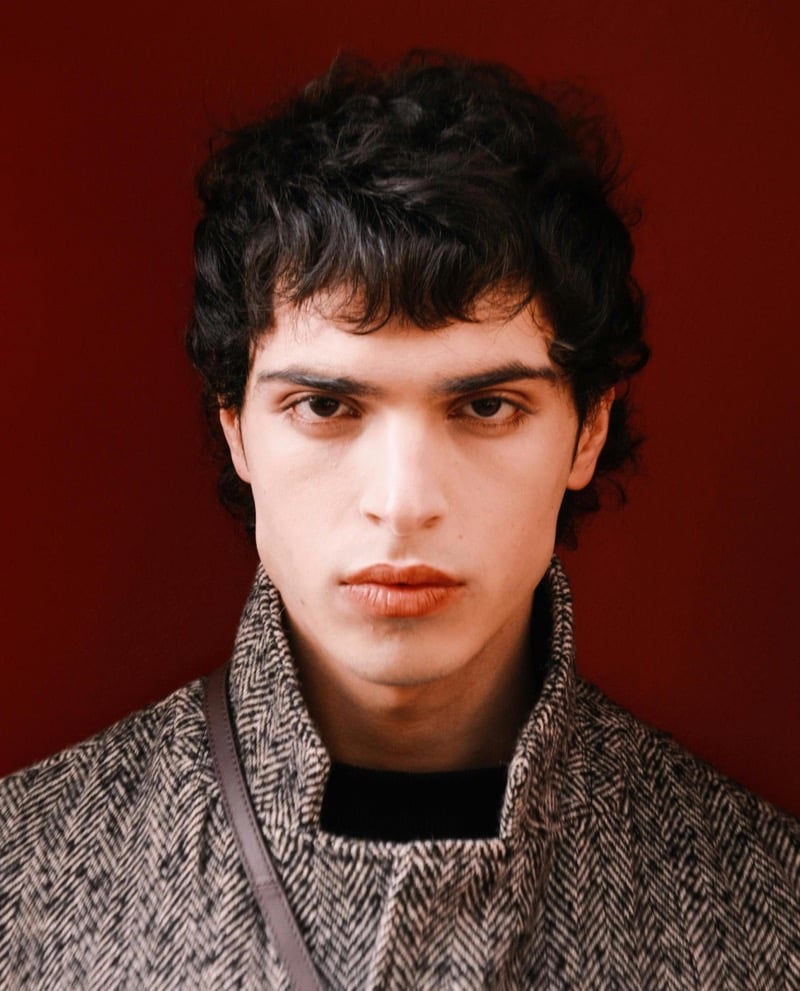
A tousled crown gives the short wolf cut its height, with close-cut layers following the curve of the head. The back extends just far enough to distinguish it from a conventional short crop.
Tapering the edges around the ears and nape makes the perimeter narrower. Leaving those edges longer produces small tufts as the cut grows. Keep styling cream on the ends if the roots already have enough lift.
Medium Wolf Cut
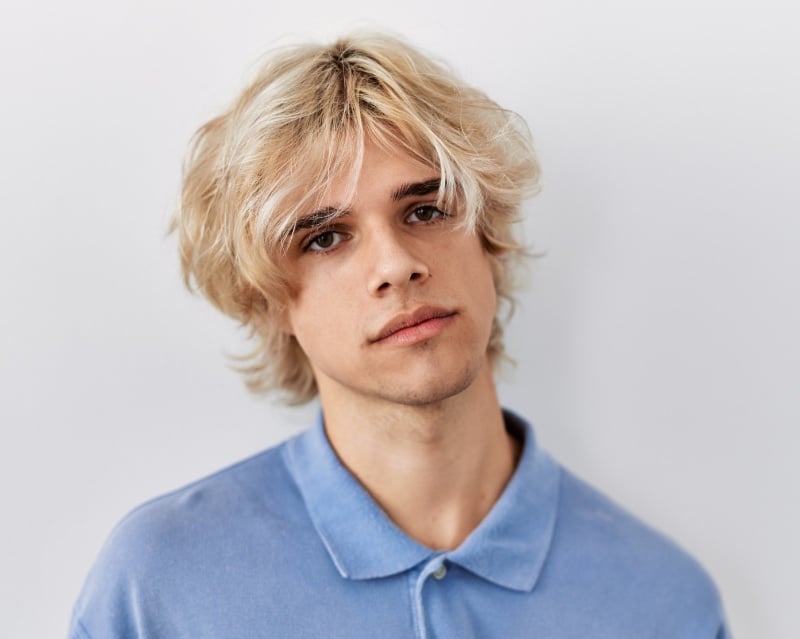
Feathered ends near the neck give the medium wolf cut a longer profile, while shorter crown layers keep the top full. The difference in length is visible from the side, even when the hair falls close to the head.
Curtain bangs or cheek-length front pieces connect the fringe to the sides. On straight or wavy hair, the ends can flick outward where those layers overlap. A small amount of texturizing cream helps separate pieces that settle into a solid line.
Long Wolf Cut
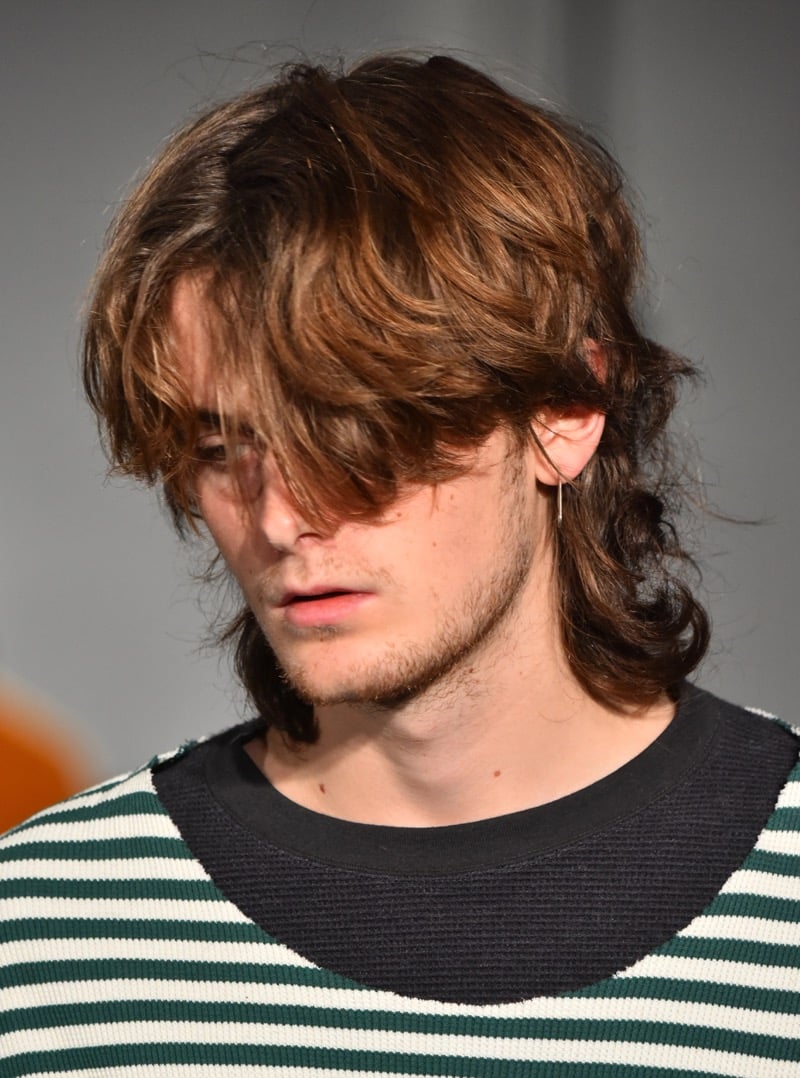
Layers beginning around the cheekbones give the long wolf cut a stepped outline before the ends fall past the collar. The upper layers sit closer to the face, with the longest pieces trailing down the back.
Long curtain bangs can merge into those front layers. On straight hair, the change in length stays visible; waves make the tiers less pronounced. Keep enough hair through the lower lengths to avoid a sparse, stringy perimeter.
Middle Part Wolf Cut
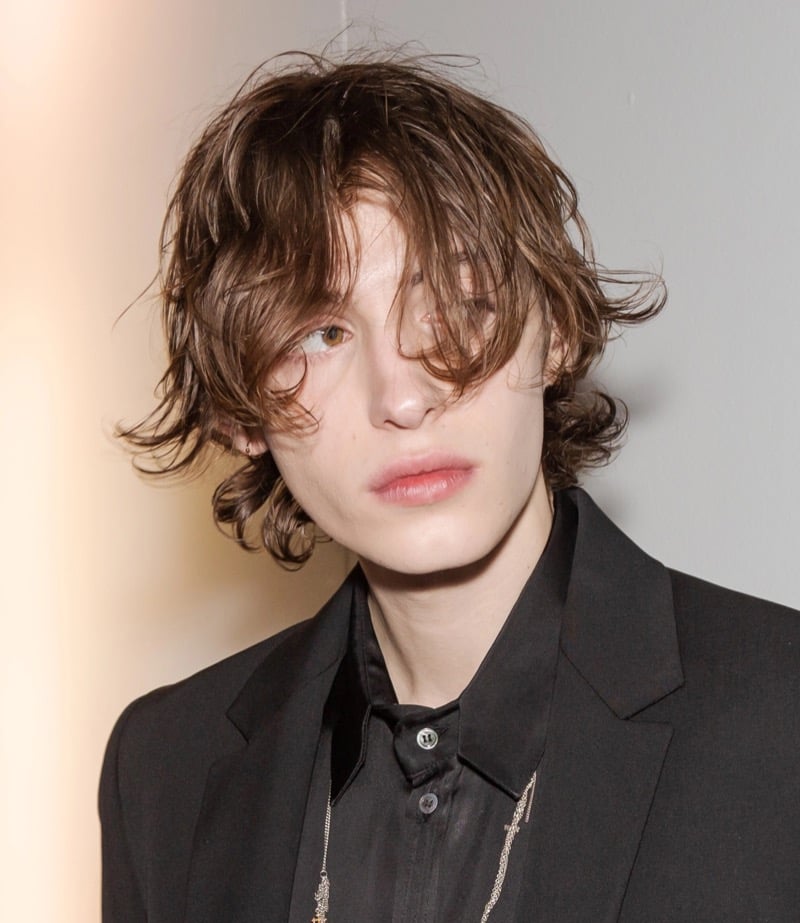
A center part opens the fringe into two curtains, exposing the forehead between them. Their ends turn toward the cheekbones before joining the tousled side layers, giving the middle part wolf cut a distinct shape at the front.
Medium length gives the middle part room to fall to either side. Dry the front in the direction it should sit, following the hair's growth pattern. Styling cream can separate the ends once the part is in place.
Korean Wolf Cut
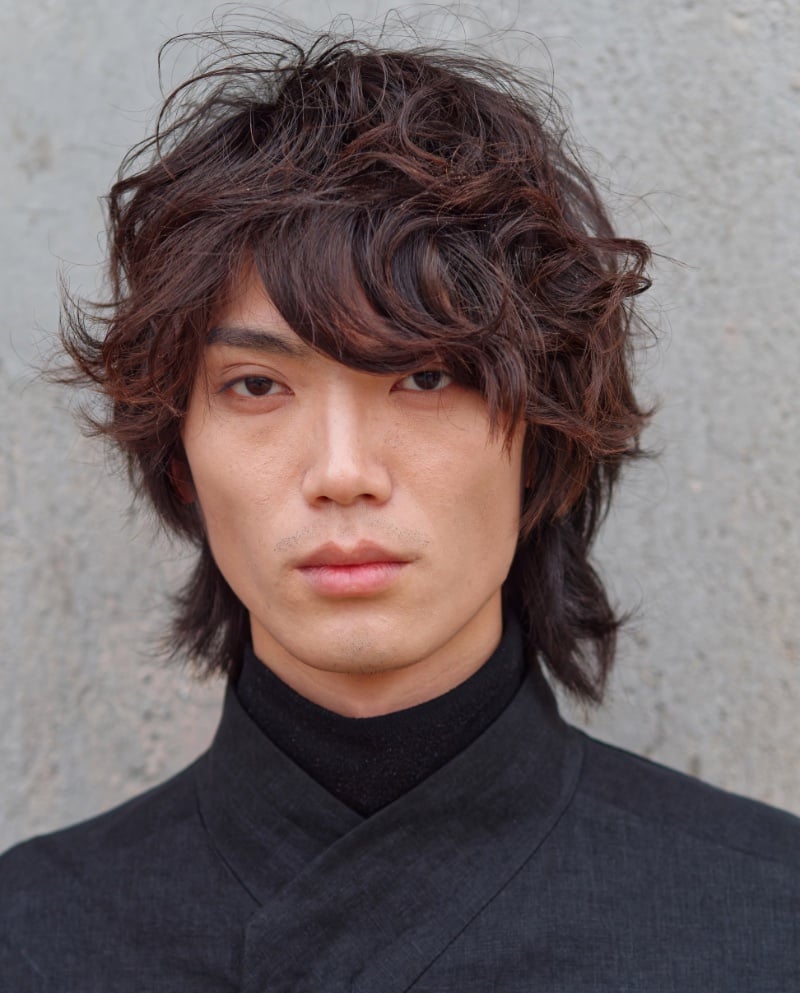
Soft waves and longer top layers distinguish this Korean wolf cut. The fringe bends into the sides, and the crown has a gentler rise than versions with short, choppy pieces.
The outline narrows toward the neck while retaining length at the back. Wavy hair supplies the bend naturally. Straighter hair may need heat styling to reproduce it, since texturizing spray alone will not create the same wave.
Curly Wolf Cut
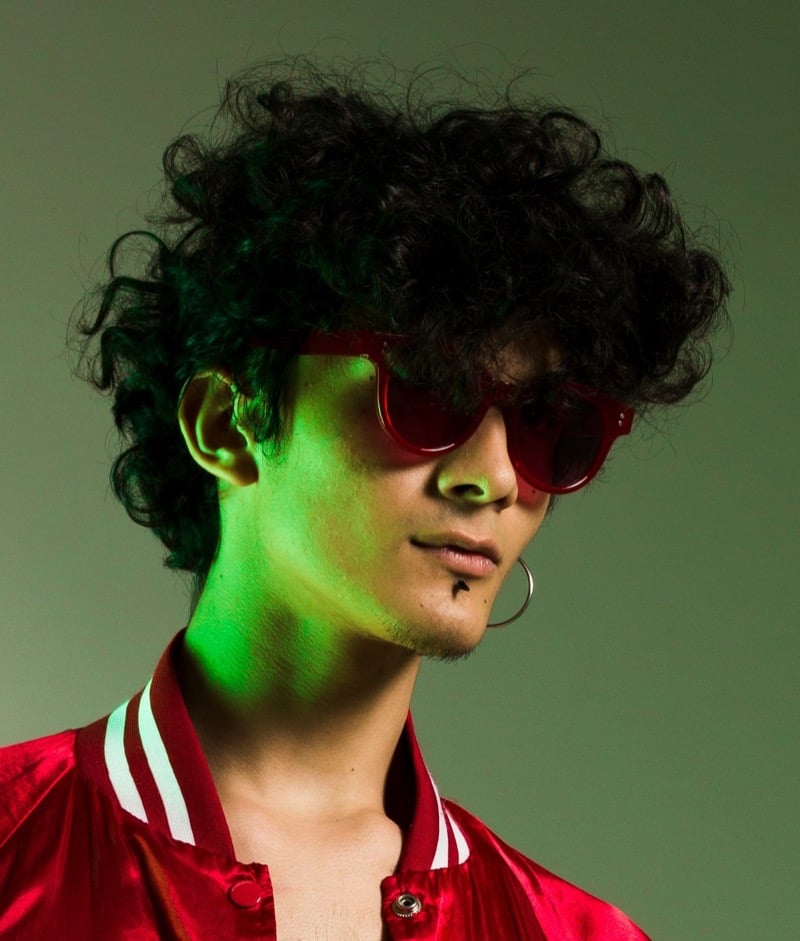
In the curly wolf cut, well-defined curls form a rounded top above a longer back. Layering reduces the width at the sides so the curls fall in separate clusters around the fringe and ears.
The fringe needs to be judged at its dry length, when the curls have sprung up. Work a suitable leave-in conditioner or curl cream through damp hair, using an amount that leaves the curl clusters distinct.
Straight Wolf Cut

Straight hair exposes every change in length. Choppy crown layers give this wolf cut pointed ends, while a tapered nape draws the lower outline inward.
A blunt fringe or micro bangs add a solid horizontal line above the broken layers. Product needs depend on density and the desired finish. A little styling cream can separate the tips; flat roots may also need a blow-dry for lift.
Fluffy Wolf Cut

Fullness spreads from the roots through the ends in the fluffy wolf cut. Loose curls or waves make the top look rounded and airy, with fewer sharply separated pieces than a defined curly version.
The rounded top overlaps with fluffy boy hair, while the longer nape keeps the wolf cut silhouette. Lift the roots with the fingers during drying, leaving the ends loose. Heavy product can flatten the airy finish.
Messy Curly Wolf Cut
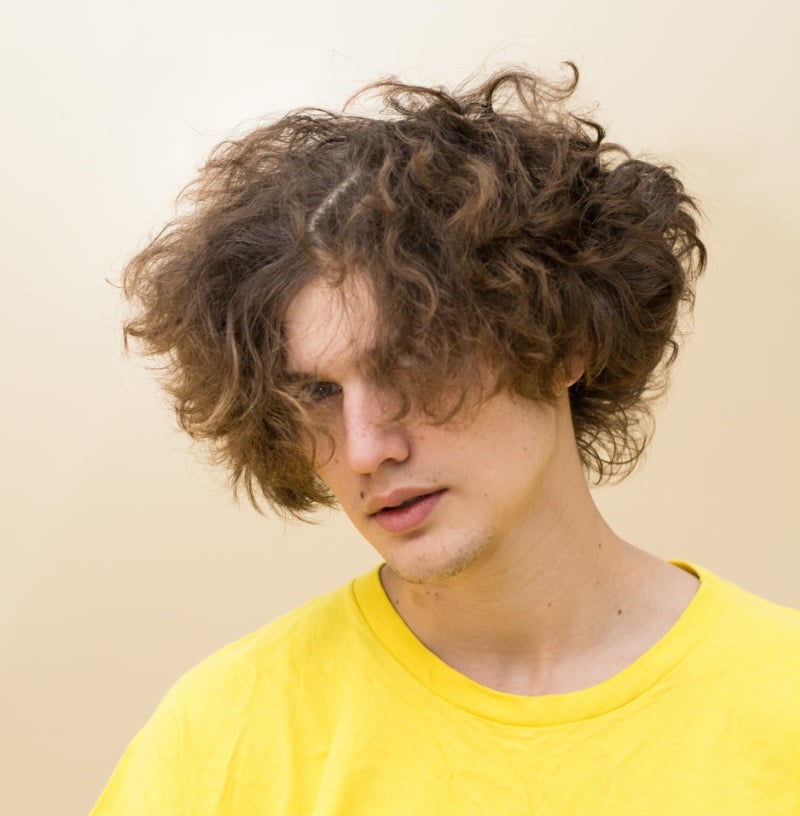
Curls fall at irregular angles across the fringe and sides in the messy curly wolf cut. A few loose pieces break away from the main curl clusters, roughening the outline while the longer back remains visible.
Scrunch damp curls into place, then let them dry before loosening individual pieces. If using a diffuser, start with low heat and airflow. Repeatedly handling the hair as it dries can separate the curls more than intended.
Choppy Layered Wolf Cut
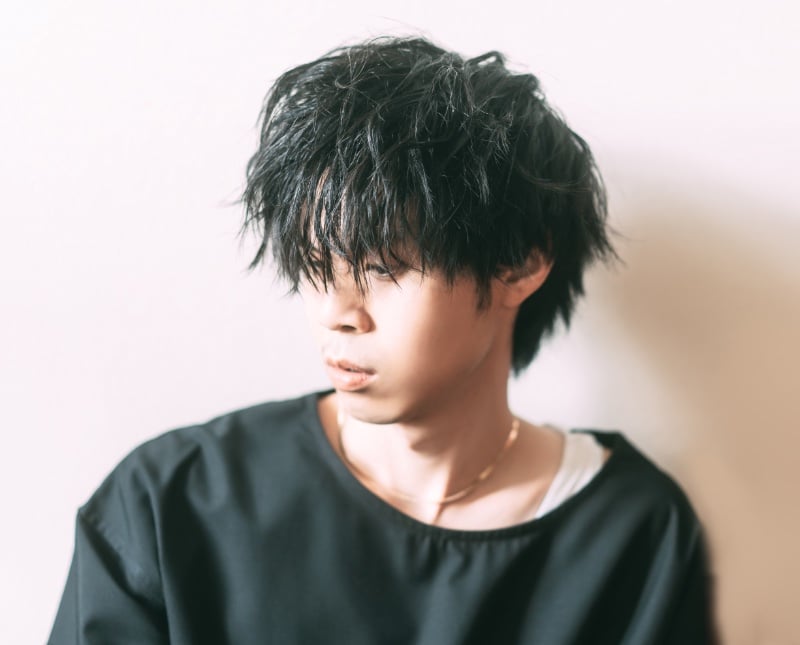
Distinct, uneven ends make the choppy layered wolf cut look visibly cut into pieces. The crown stays full, but the side layers break at different heights instead of falling as one heavy shelf.
Ask the barber to show how much bulk will come out of the sides. Dense hair may need weight removed beneath the surface; finer hair needs enough left at the ends to keep the layers visible. Use wax sparingly on selected tips to emphasize the cutting.
Natural Curly Wolf Cut
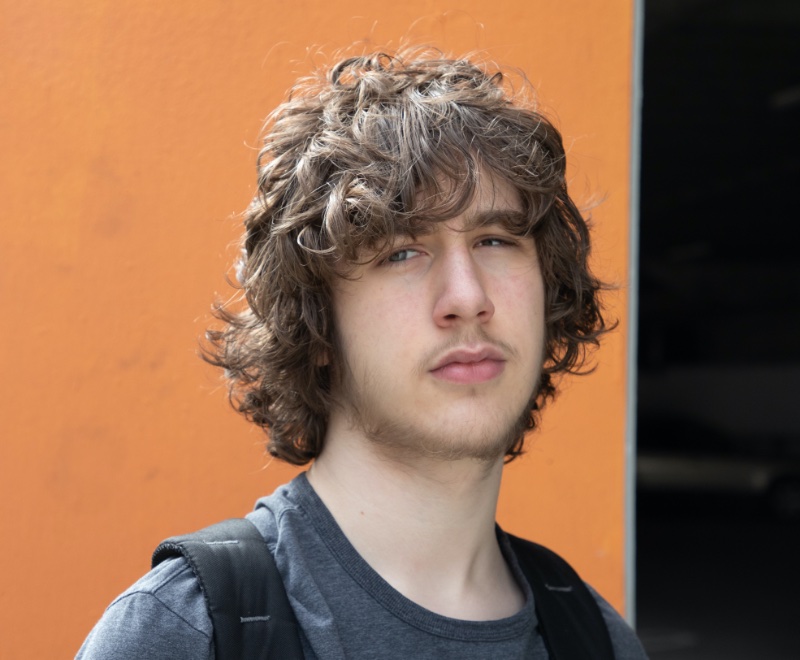
The natural curly wolf cut follows the way curls gather and spring up. Layer lengths account for differences in the curl pattern, so the crown and sides can settle into a rounded shape above the longer nape.
Check the shape with the hair dry before shortening the fringe or crown further. Conditioner helps keep the lengths supple, while a suitable curl cream can define areas that dry less evenly.
Blonde Textured Wolf Cut
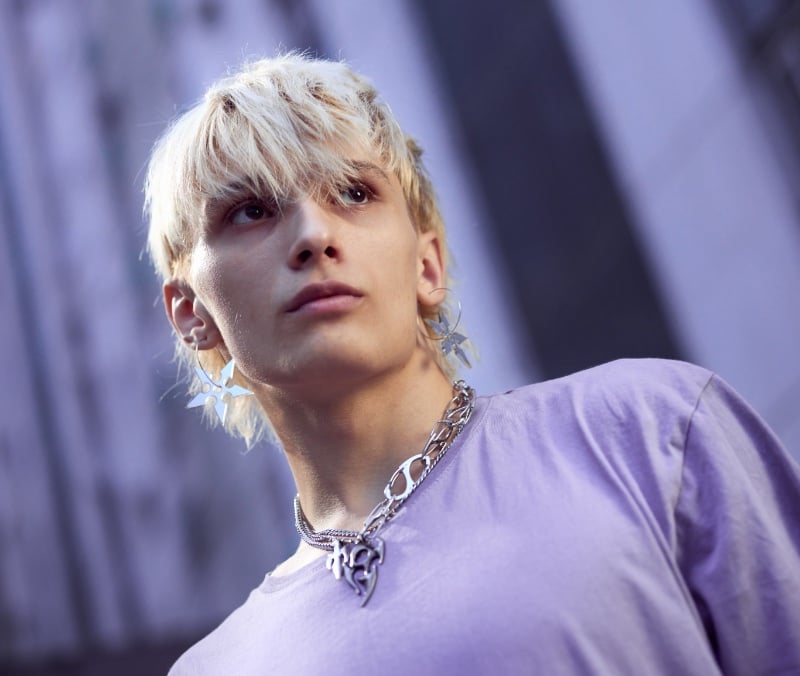
Platinum hair color makes the overlapping pieces of the blonde textured wolf cut easy to see. A full, textured top drops into shorter sides, exposing more of the ears and emphasizing the change in length.
The shorter perimeter may need attention before the crown does as it grows. Color upkeep is a separate commitment. Condition lightened lengths according to their needs, especially where the choppy ends feel dry.
Retro Wolf Cut
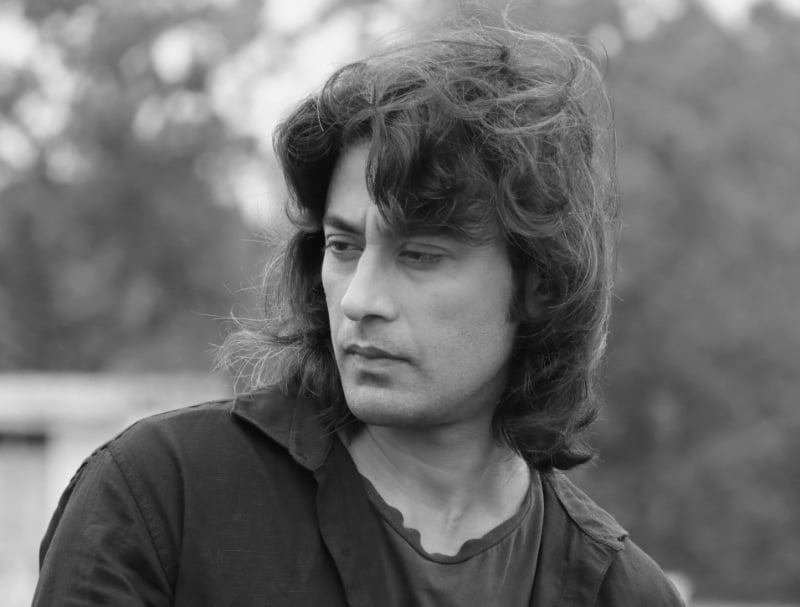
A high, full crown and long layers around the face give the retro wolf cut its rock-inspired silhouette. In Rajkumar Patra's version, the top carries enough height to keep the longer lengths from dominating the profile.
As the hair grows, weight can pull the crown lower and make the back appear heavier. Refreshing the upper layers retains the tiered shape while allowing the overall length to increase.
Shaggy Wolf Cut
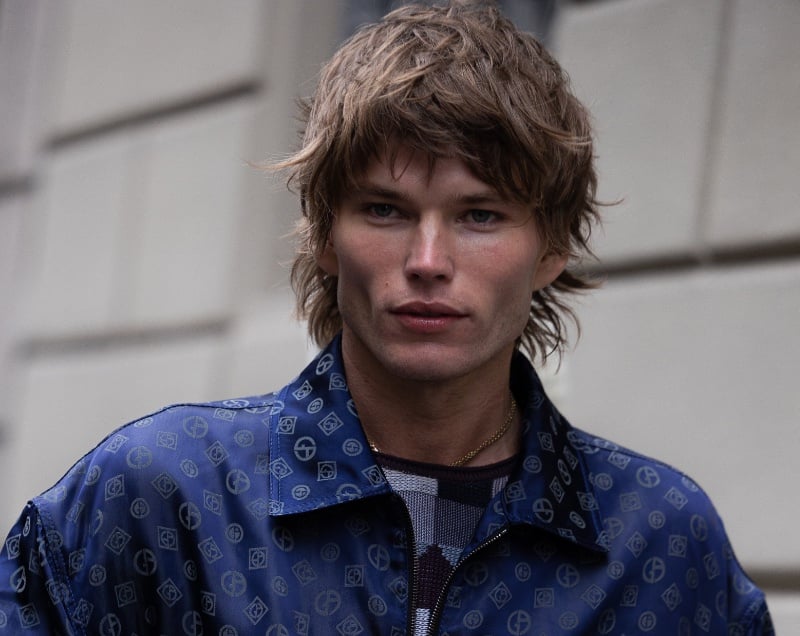
Natural waves carry Jordan Barrett's shaggy wolf cut from the fringe through the longer ends. The layers overlap loosely around the face, making the transition into the back less abrupt.
Enough length remains for the waves to bend along the sides. Removing too much there would expose gaps between layers. Air-drying suits an existing wave pattern; a texturizing spray can add separation if the lengths settle together.
Short Messy Wolf Cut
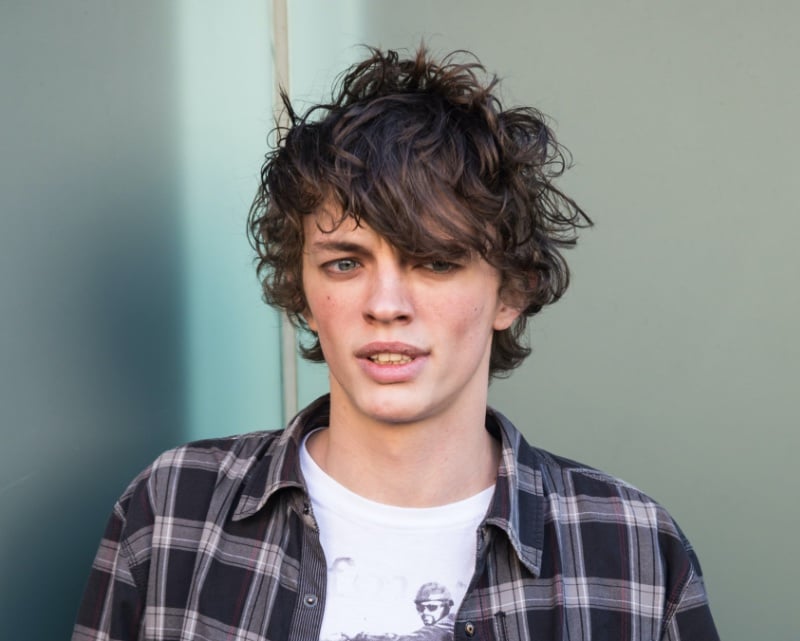
Cropped layers stick out in different directions across the short messy wolf cut. The short length keeps the silhouette close to the head, with small breaks along the fringe and around the ears.
Work a small amount of matte clay through dry hair, lifting a few sections at the roots and pinching the ends. Keep the pieces irregular so the top retains its tousled finish.
Layered Wolf Cut
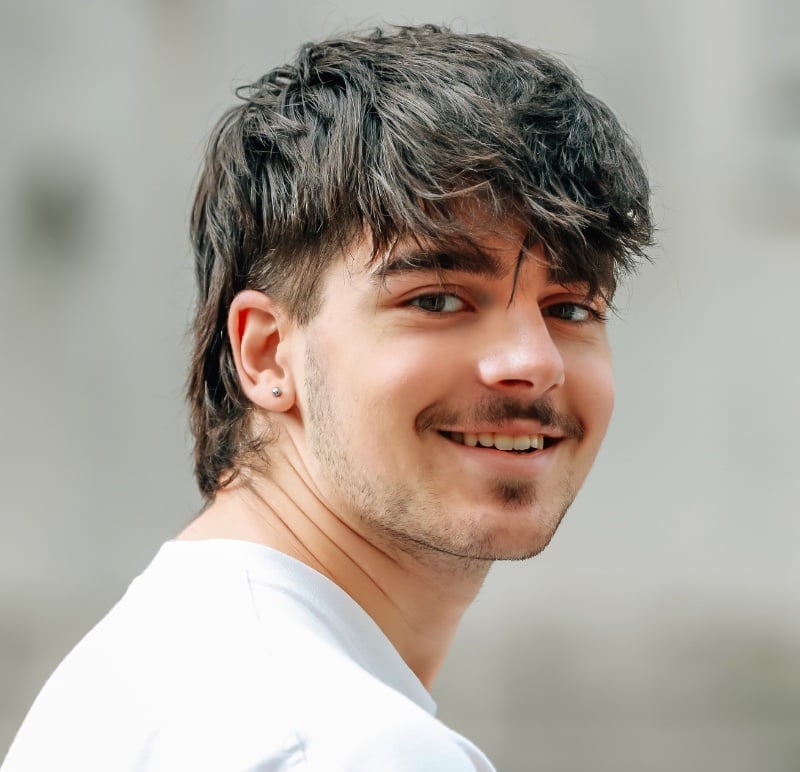
Subtle changes in length give the soft layered wolf cut a continuous outline. The crown is shorter than the back, but the overlapping layers reveal less of a step between the two.
This version depends on leaving enough weight through the sides and ends. Ask for a gradual blend and limited texturizing so the perimeter stays full as the layers grow.
Spiky Wolf Cut
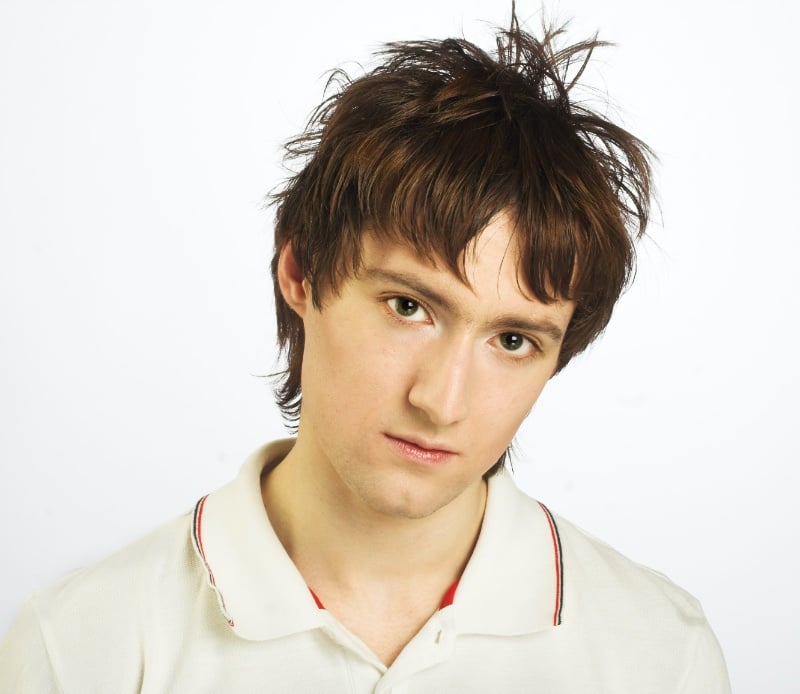
Short top layers stand in separate points above the lower sides of the spiky wolf cut. The longer back stays close to the neck, making the upright crown the most prominent part of the profile.
Use matte wax or clay on dry hair, lifting individual sections and pinching their tips. The top needs to be short enough for the hair and product to support those points.
Sun-Kissed Wolf Cut
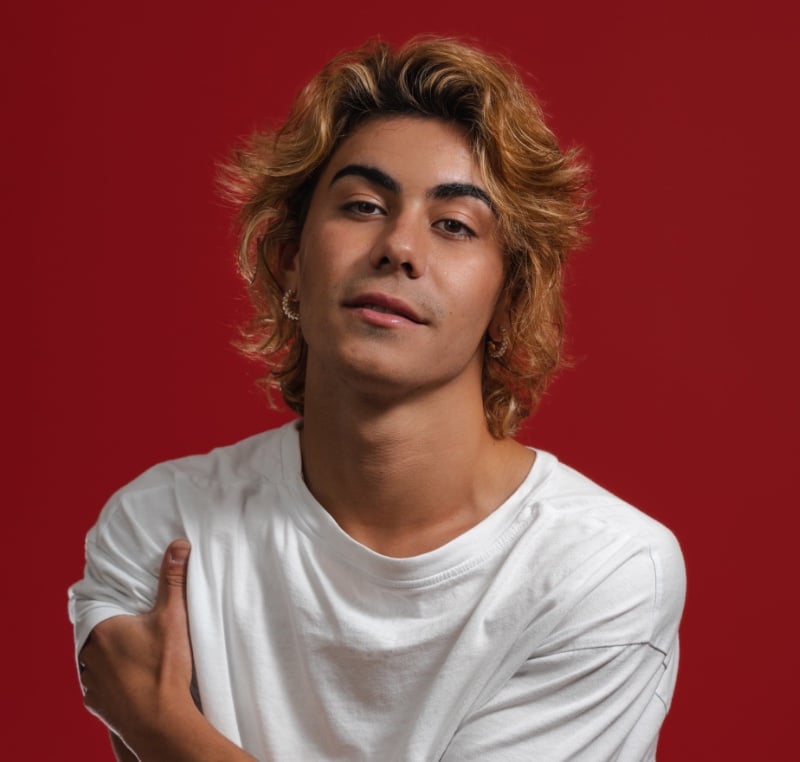
Golden highlights trace the bends of a longer, wavy wolf cut, recalling surfer hair. Lighter pieces stand out against the deeper color beneath, giving the overlapping layers a beach-inspired look.
Lightened ends can feel dry, so choose conditioning and styling products to suit their condition. If salt spray makes the lengths feel rough, a small amount of cream can separate the waves instead.
Textured Wave Wolf Cut
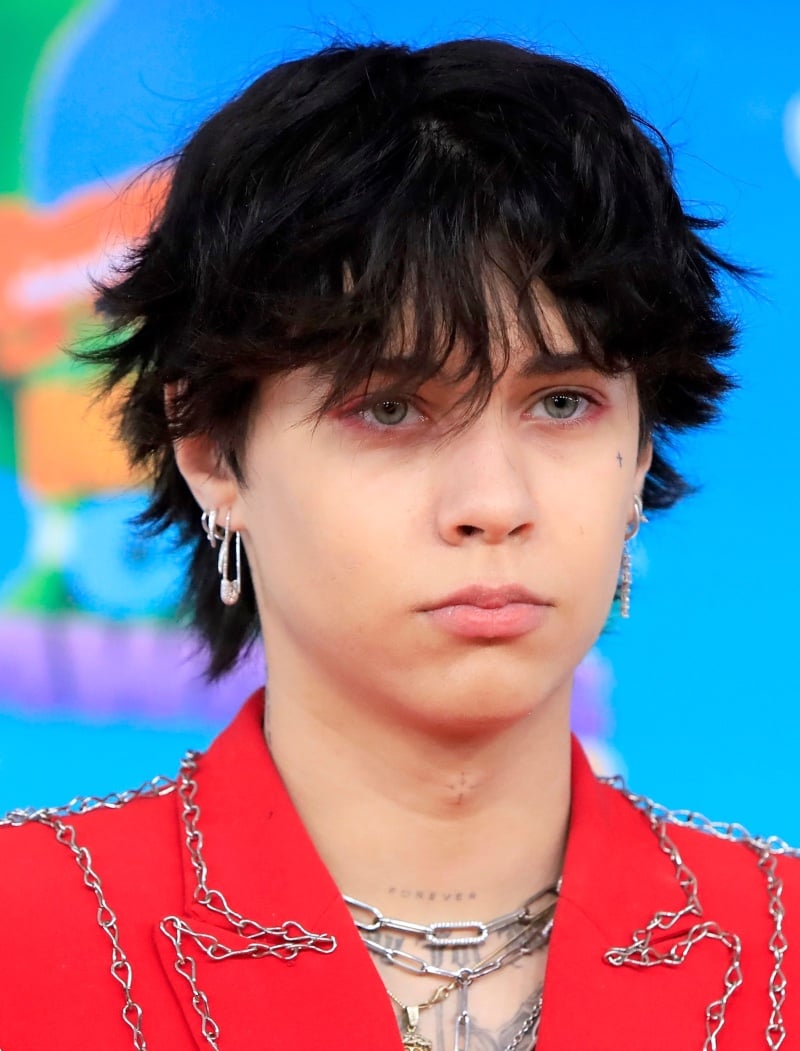
Landon Barker's textured wave wolf cut uses visible bends to separate the top layers. The waves give individual pieces a defined direction, with the longer back extending the silhouette past the nape.
A little texturizing powder at the roots can lift a top that falls flat. Keep it away from the ends if they already separate well, so the wave remains the main detail.
Tousled Wolf Cut
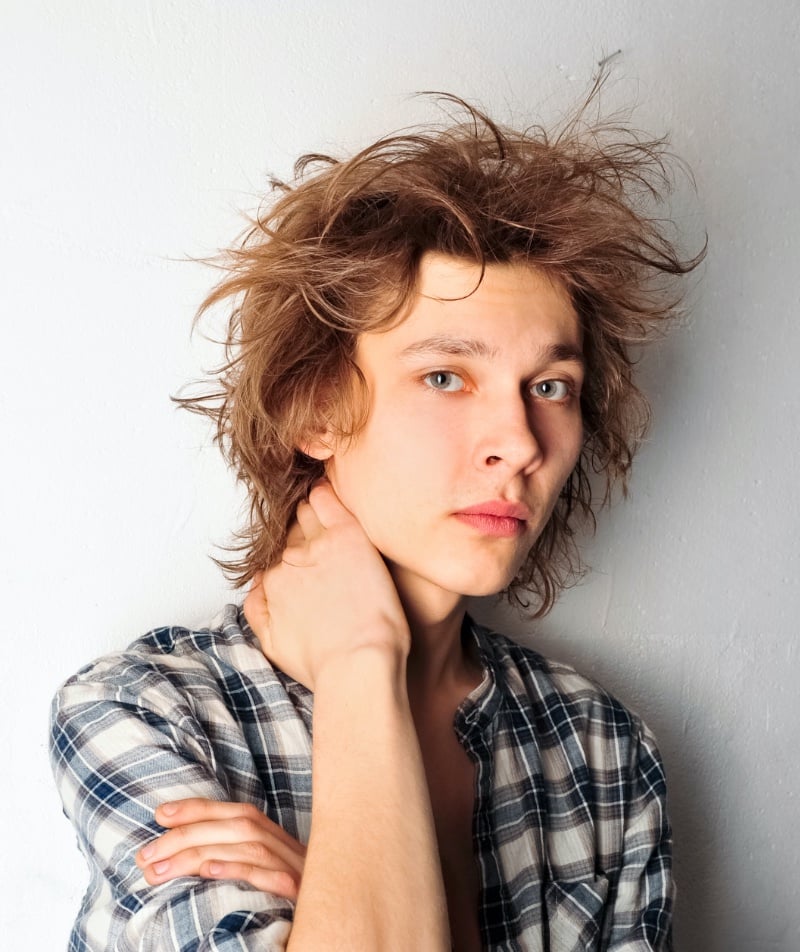
The tousled wolf cut has a loose, uneven surface, with layers falling across one another at different angles. Natural bends supply the lift, while the fringe stays less arranged than in a middle part version.
Scrunch a light styling product into damp hair and let the bends settle as it dries. Once dry, use the fingers to shift a few pieces at the fringe and crown.
Wavy Wolf Cut

Repeated bends give the wavy wolf cut a flowing line from the crown to the longer back. The layers fall along those bends, making the ends turn outward at different heights around the neck.
Layer placement should follow the wavy texture so the sides retain enough length to form a bend. When the crown starts lying flat or the ends gather heavily at the neck, the shape may need a trim.
The Wolf Cut, Adjusted to the Hair
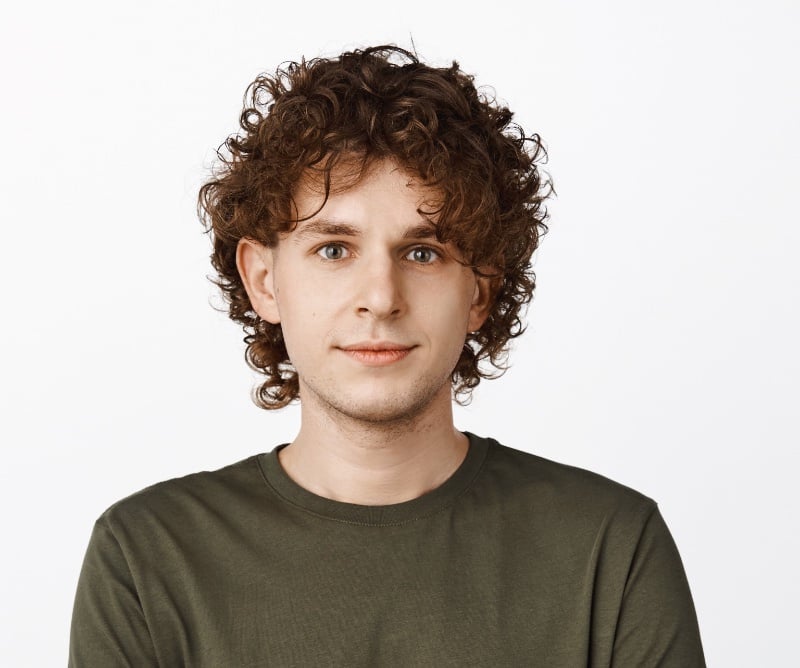
The shortest crown layer and the amount of hair left at the nape determine how strongly a wolf cut resembles a mullet. Density, curl pattern, and growth direction affect where those layers will sit. A barber should adjust both lengths together so the crown has lift and the lower outline retains enough fullness.





