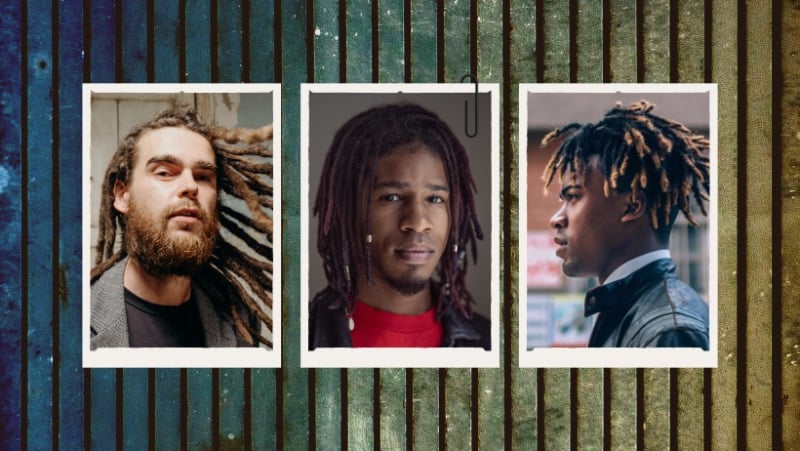
Dreads, or locs, form as strands tangle and lock into lasting sections. Dread styles for men range from short locs standing above the scalp to long lengths worn down, swept aside or gathered into buns and ponytails. Fades and undercuts change how much hair remains beneath them. Among men's hairstyles, locs involve a longer commitment as the hair develops and matures.
Dreads vs. Locs
Dreads and locs refer to the same hairstyle. Many wearers prefer locs, and naming preferences can reflect personal or cultural associations. The term someone chooses doesn't describe a different locking technique.
Starter methods include two-strand twists, comb coils, braids, backcombing and crochet work. Palm rolling can help shape the sections. Loose starters gradually become denser as strands knot together, often taking a year or longer to mature. Freeform locs develop with little deliberate sectioning or shaping.
Dread Styles for Men

Length, section size and the way the locs are gathered distinguish these 13 styles.
Double Buns with Spiky Dreads
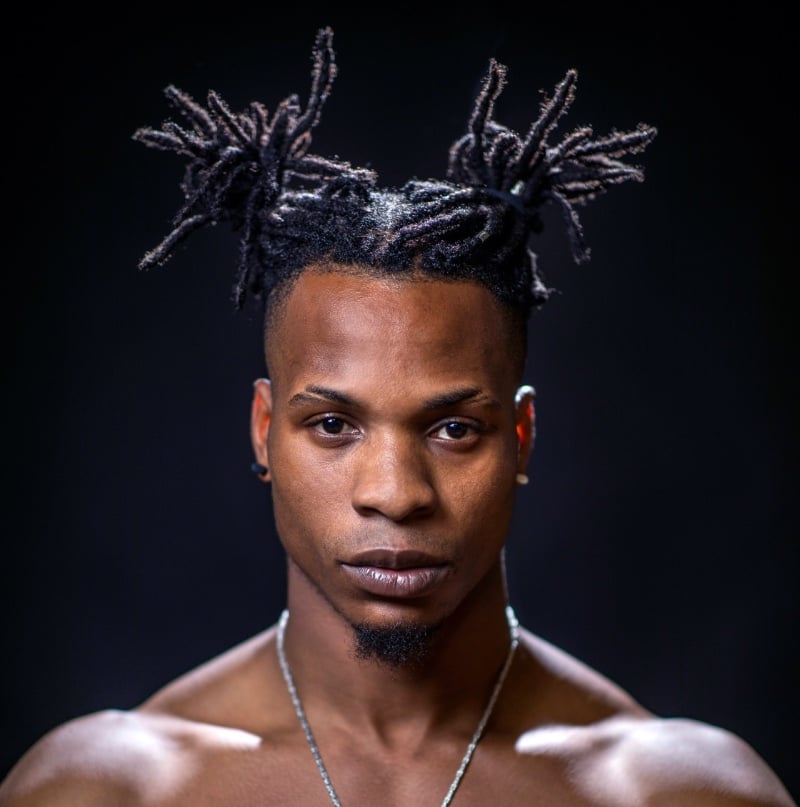
Two buns divide the locs across the top, with short ends projecting from each knot. Leaving those ends exposed gives the rounded buns their spiky outline. Wax may hold the tips temporarily, but repeated applications can leave residue inside the locs. The ties should secure the buns comfortably at the roots.
Dread Bun with an Undercut
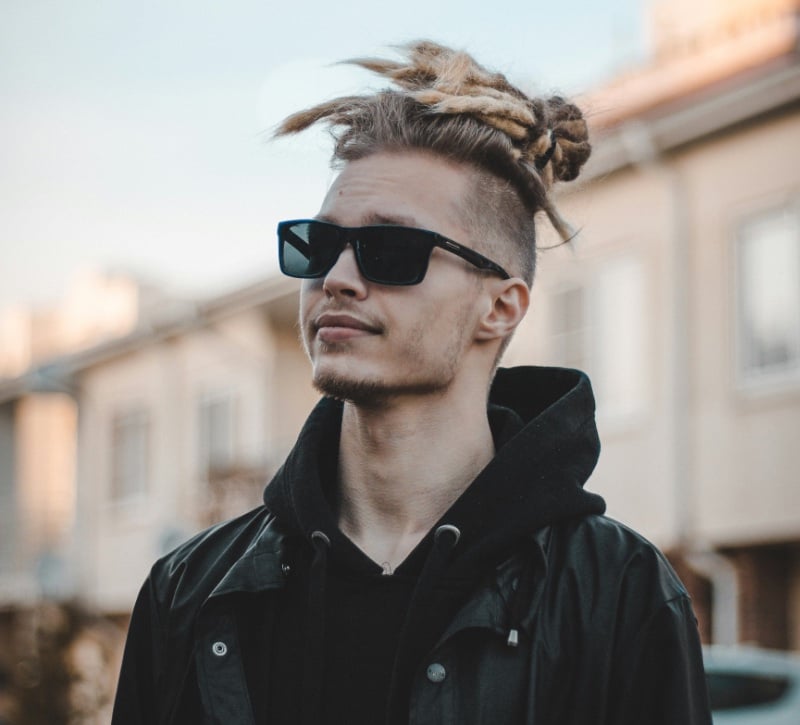
Locs gather into a man bun above an undercut at the sides and back. The abrupt change in length exposes the area beneath the knot and concentrates the bulk on top. As the clipped hair grows in, that separation becomes less pronounced.
Dreadhawk
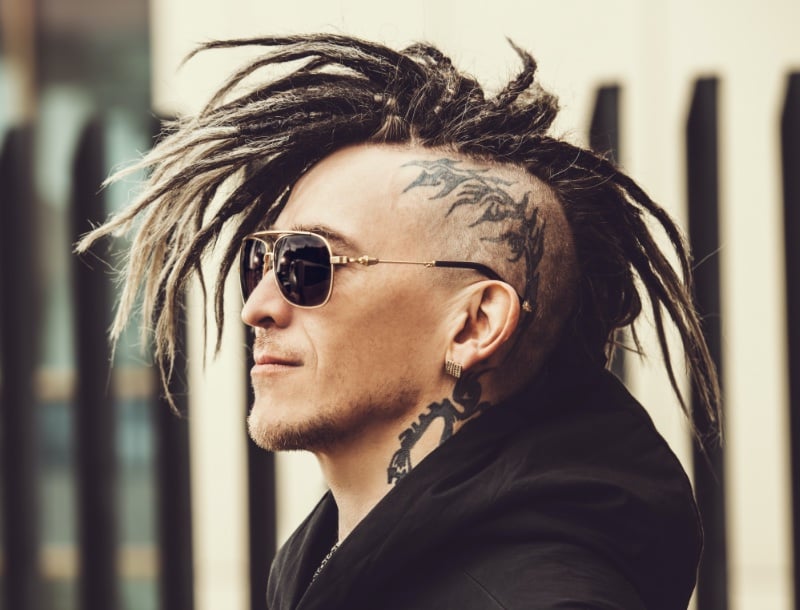
A strip of locs follows the center of the scalp in a dreadhawk, with closely shaved sides giving it the outline of a mohawk. Shorter locs can project upward, while longer ones fall over the strip's edges. Maintaining the shaved area is separate from caring for the locs and their roots.
Dreadlock Ponytail
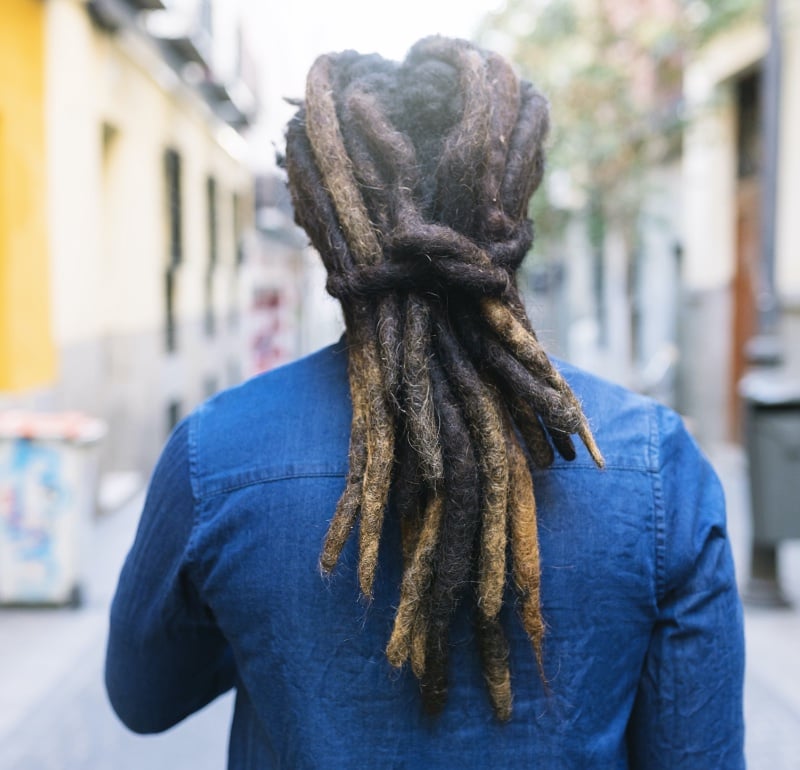
A dreadlock ponytail gathers the lengths at the crown or nape, leaving the ends hanging from one tie. A higher placement lifts the locs off the neck; a lower tie lets their weight fall closer to the back. Use a tie large enough to hold the bundle gently.
Freeform Dreads
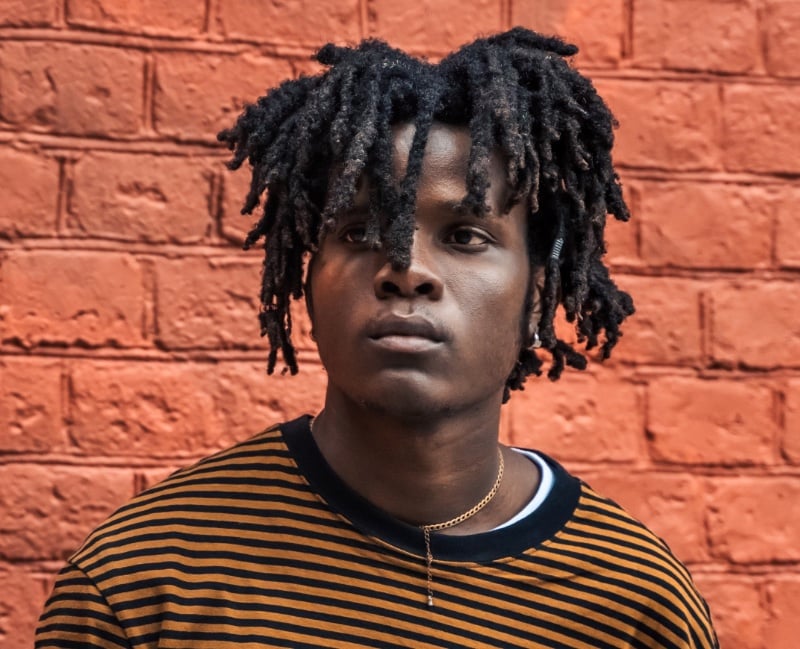
Freeform dreads develop as the hair locks with little deliberate sectioning or repeated twisting. Different section sizes produce an uneven outline, and neighboring locs may join into larger ones. Washing remains essential, while separating selected roots changes how freely those sections can merge.
Gray Dreads
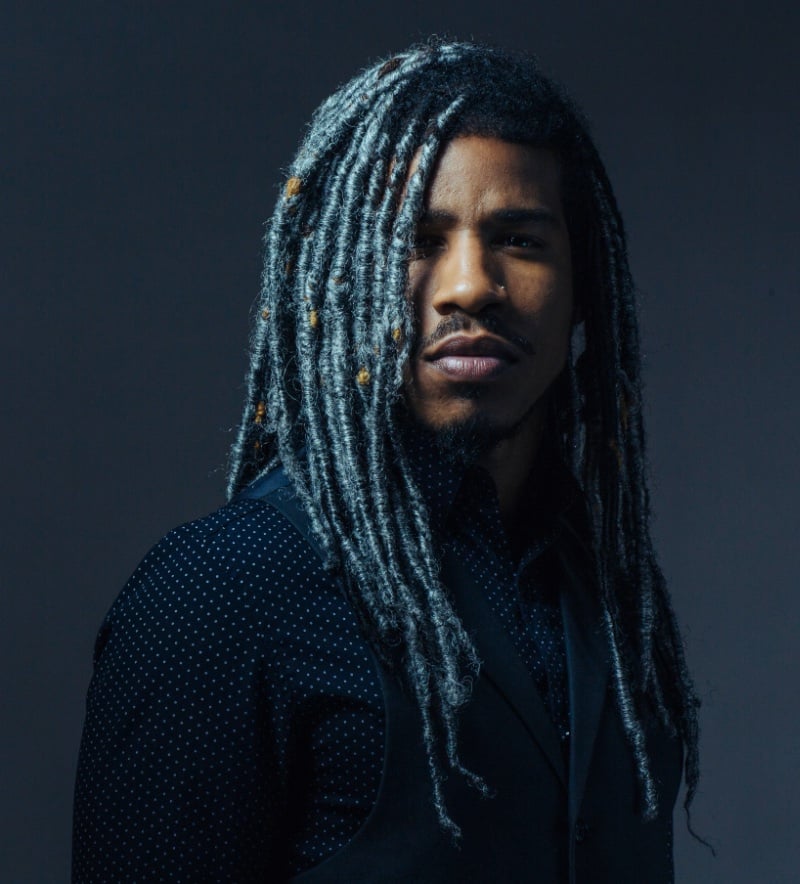
Gray strands can run through the full length of a loc or appear first at the roots. Locs may also be dyed gray, so color alone doesn't establish how the shade was achieved. Bleaching to reach a gray tone can leave hair more fragile, making its condition more relevant than the color itself.
Half-Up, Half-Down Dreads
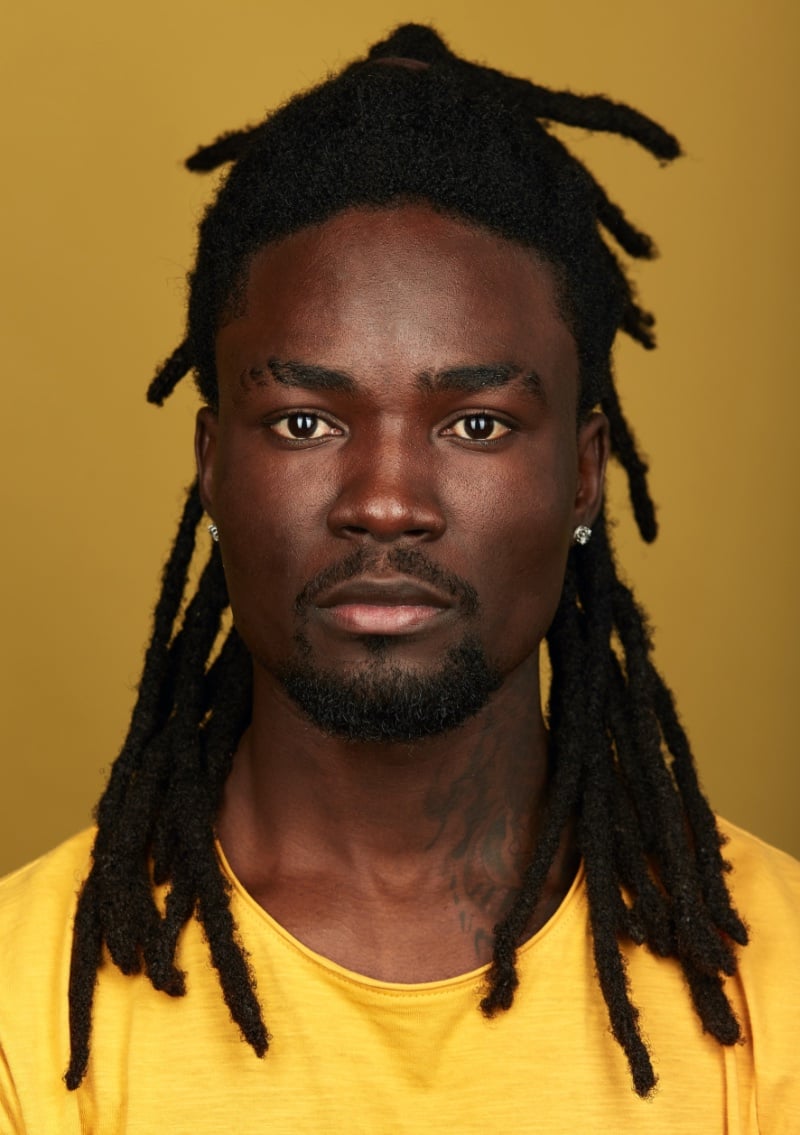
The upper locs gather into a tie while the lower lengths hang down in half-up, half-down dreads. This lifts hair away from the forehead but leaves a curtain of locs at the back. The amount gathered determines how much of the side sections remains exposed.
High-Top Fade with Dyed Dreads
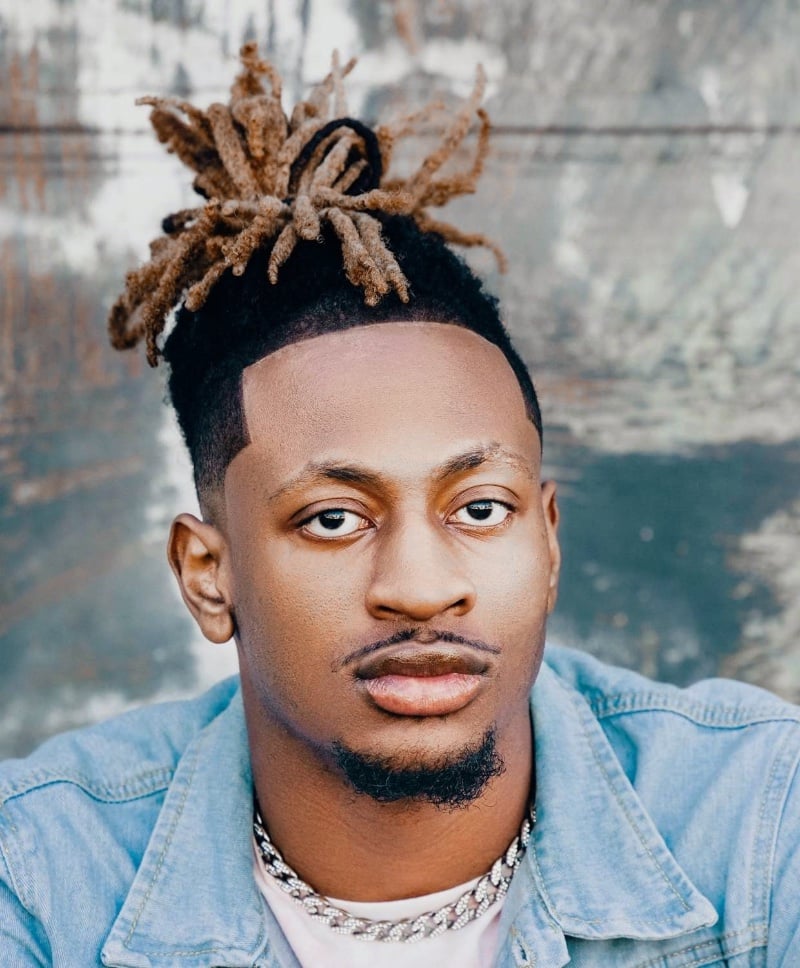
Short, dyed locs sit above a high fade, with the clipped area rising toward the temples. The pale or colored lengths stand out against the shorter hair beneath them. New growth changes the color at the roots as the fade also grows in, creating two separate upkeep needs.
Long Dreads
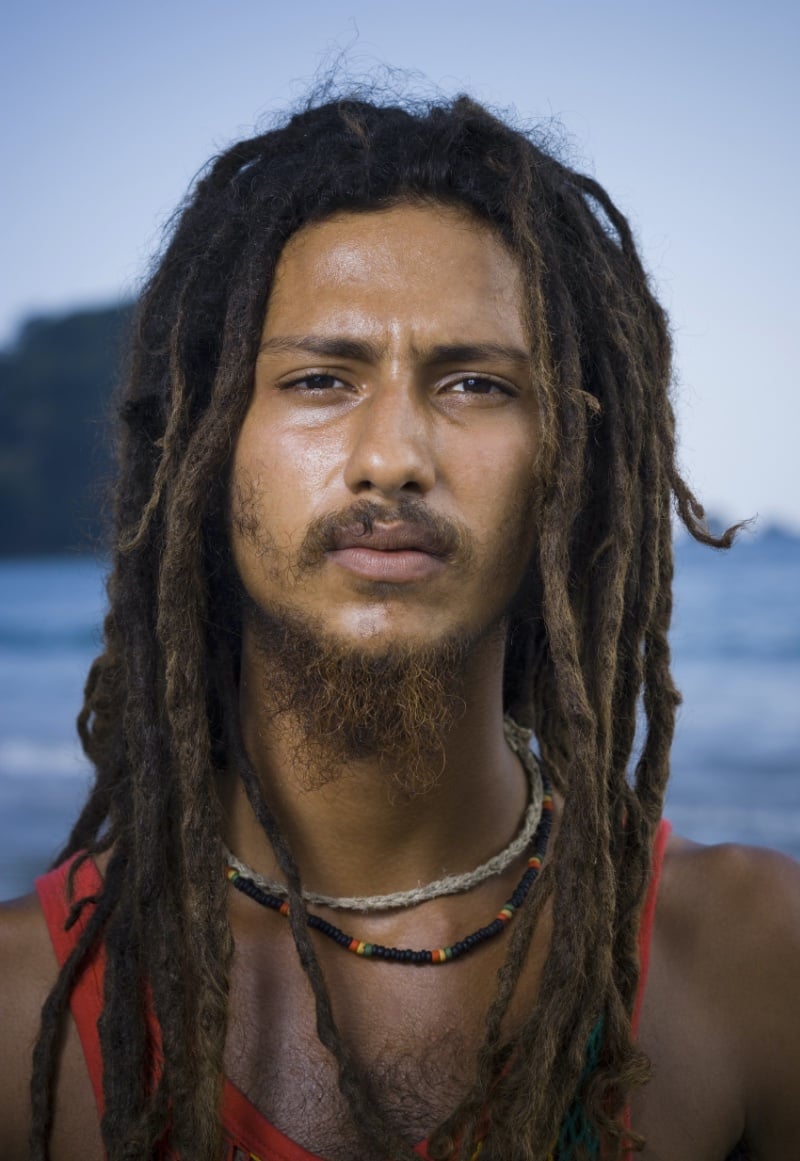
Long locs hang in separate ropes, with their weight drawing the silhouette downward. Reaching that length usually takes years of growth and care. Tying them back shifts the load toward the gathered roots, so heavy lengths need gentle handling and a comfortable tie. Trim damaged ends when needed instead of following a fixed schedule.
Medium-Length Dyed Dreads
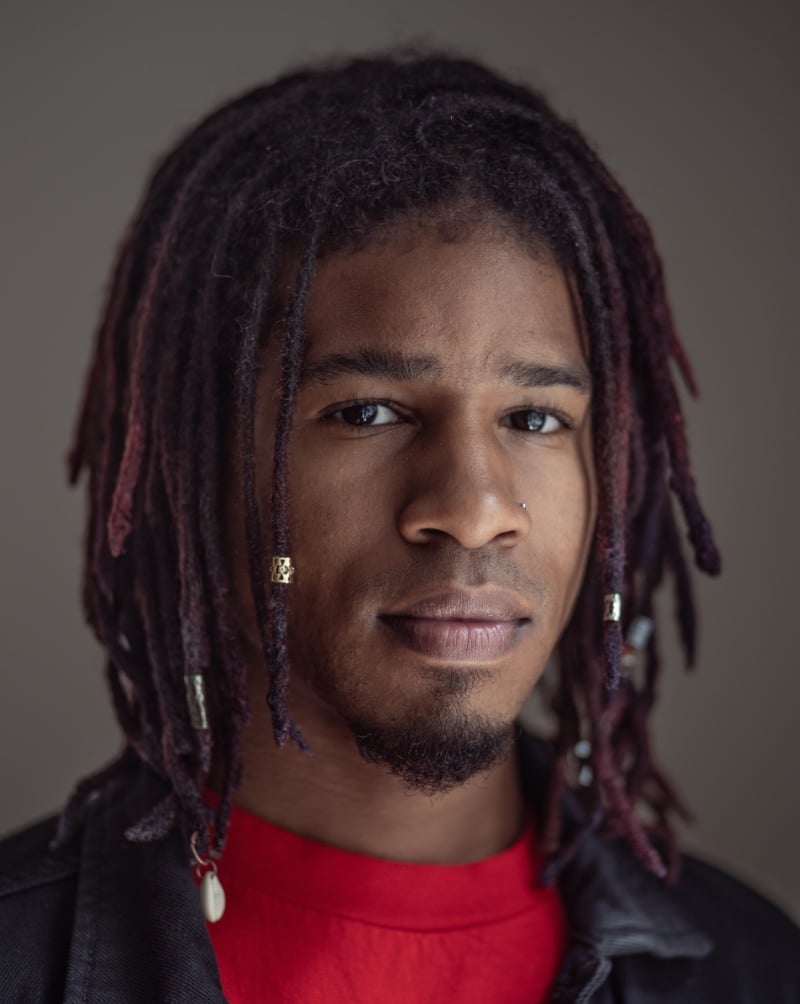
Medium-length locs fall around the jaw or shoulders, giving the ends room to separate around the face. Subtle color picks out individual sections across the darker lengths. Whether they reach a tie depends on where each loc starts and how far it falls.
Semi-Freeform Dreads
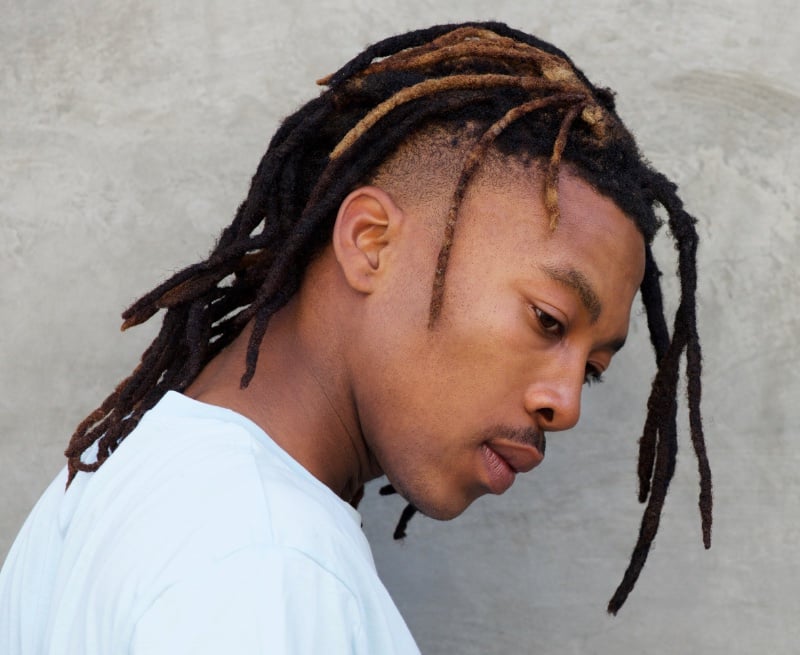
Semi-freeform dreads develop with occasional separation or shaping to guide the sections. The roots can retain more texture between maintenance sessions than regularly retwisted locs. The amount of intervention determines how much the locs merge and how uniform they become.
Side-Swept Dreads
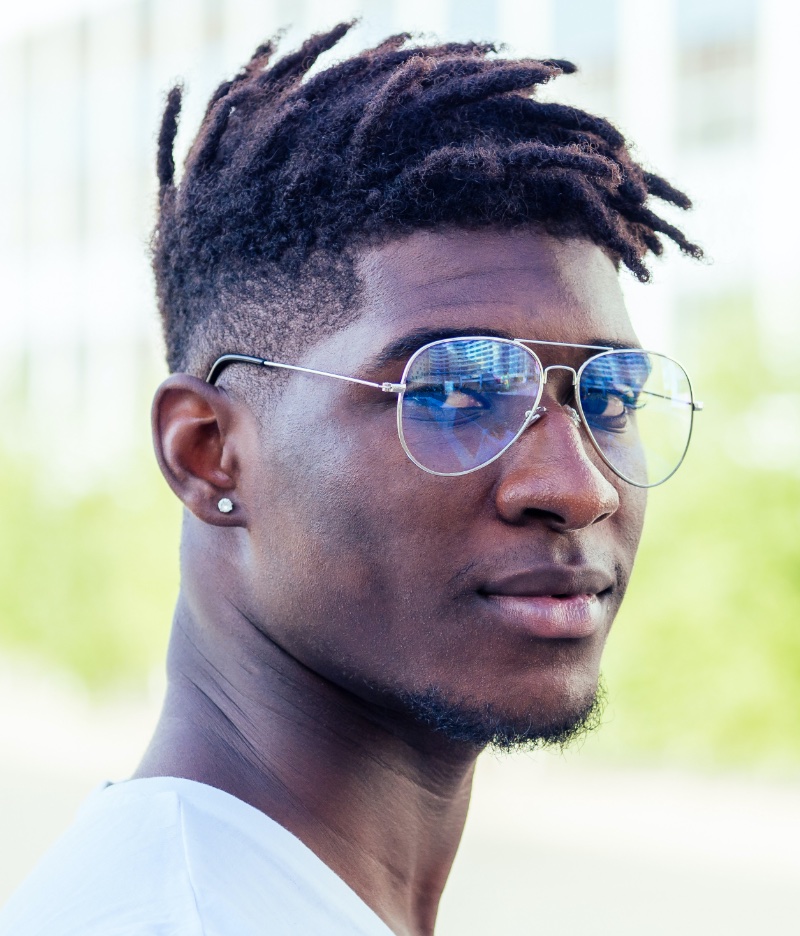
Locs sweep across to one side, exposing the faded undercut on the other. The hanging sections add width on one side of the face while the clipped area reveals the opposite temple. Their length and natural fall determine how readily they stay in that position.
Sun-Kissed Dread Fade
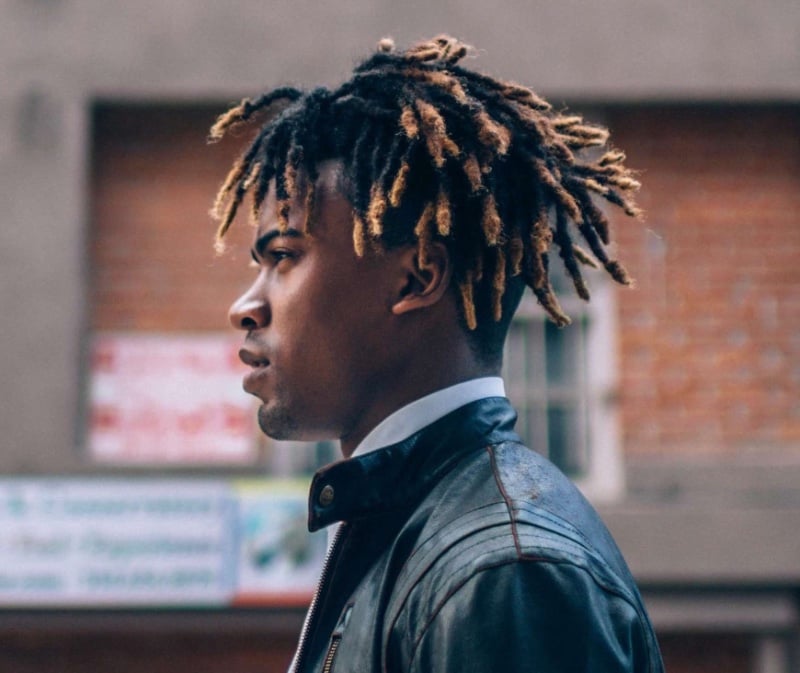
Lighter tips pick out the ends of the locs above the faded sides. Darker roots preserve a visible change in tone along each section, giving the top more detail than an all-over shade. If the tips are chemically lightened, check their condition before adding more bleach.
How to Start & Care for Dreads
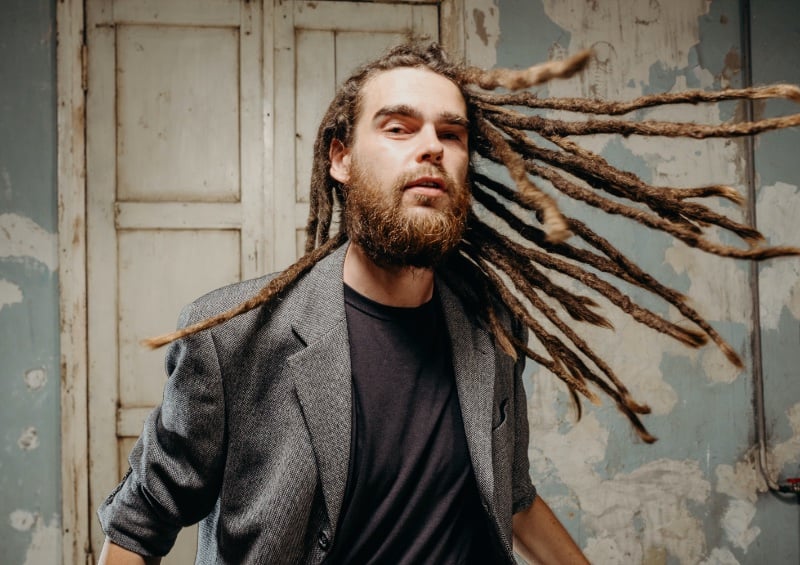
A few inches of hair may be enough to start locs, with roughly 3 to 6 inches allowing several methods. The exact length depends on texture, section size and technique. Comb coils and twists are common on coily hair; backcombing or crochet work can help establish sections on straighter hair. A loctician can assess the hair before choosing a method.
Wash the scalp and locs regularly, adjusting the schedule to oil, sweat and product buildup. Choose shampoo that rinses clean, rinse through the lengths and let the locs dry fully before tying or covering them. Starter locs need gentler handling if they unravel during washing. Retwisting intervals depend on the method and root condition, and repeated tight twisting can thin the roots. Keep scalp oil light if it suits your skin, and use a clean satin scarf or bonnet to reduce rubbing and lint at night.





