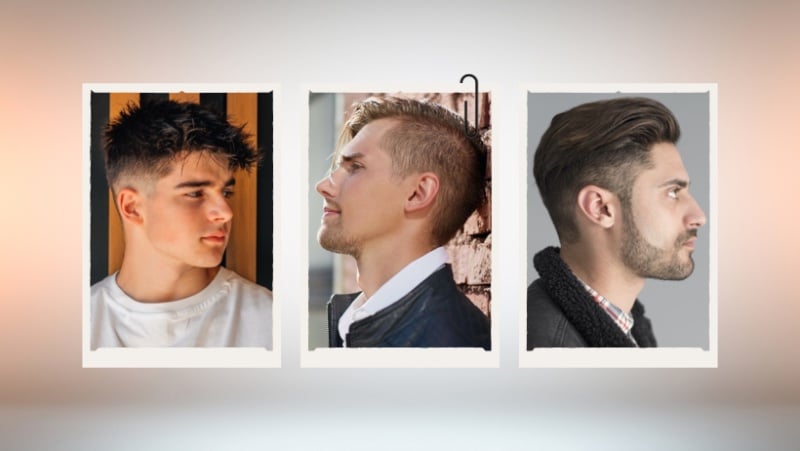
An undercut leaves a longer top above closely cut sides and back, with a visible break where the lengths meet. The top can rise into a quiff, fall across the forehead or grow long enough to tie back. Among men's haircuts, the undercut makes the separation between those sections especially apparent.
What Is an Undercut?
The barber clips the sides and back short beneath the longer top, setting the division around the temples or the widest part of the head. A #1 to #3 guard leaves some coverage; shaving exposes the scalp. The height of the division and the length above it determine how much the top overhangs.
A fade graduates from short to long through the sides. A classic undercut leaves a step between the sides and top. Combining them allows the shorter section to fade toward the skin while the longer hair above remains disconnected.
Undercut Hairstyles for Men
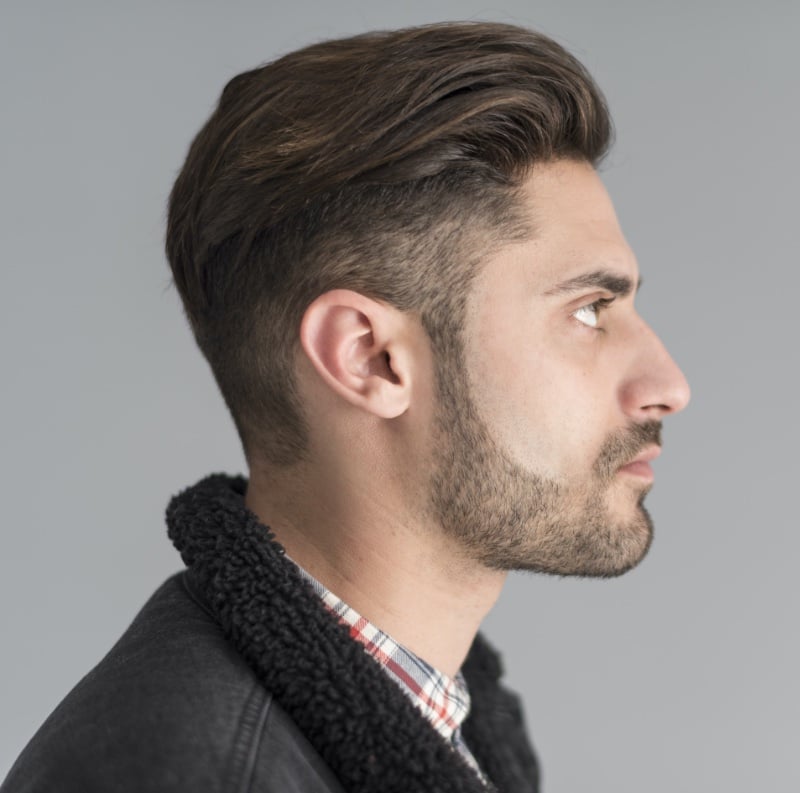
How Hair Length Shapes the Undercut
Top length determines whether the hair stands up, falls over the clipped section or gathers into a tie.
Short Hair Undercuts
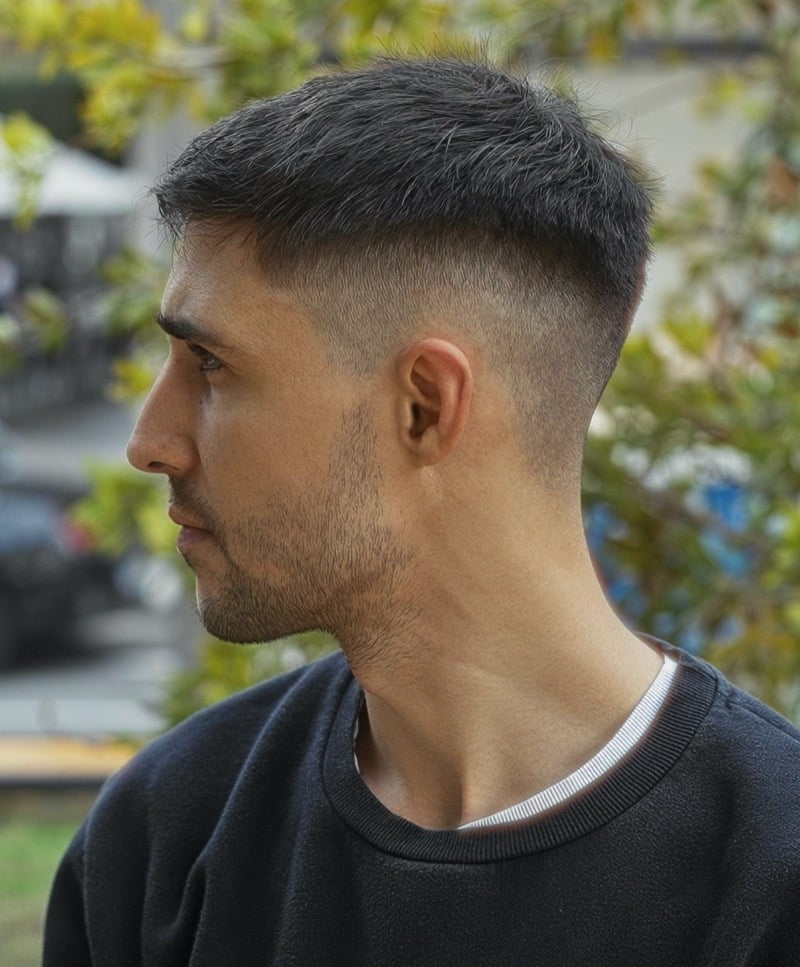
A cropped top leaves little hair to overhang the high, tight sides of a short undercut. Short pieces can be pushed forward or separated with the fingers. A razor part adds a fixed line that needs touching up as the surrounding hair grows.
Medium-Length Undercuts
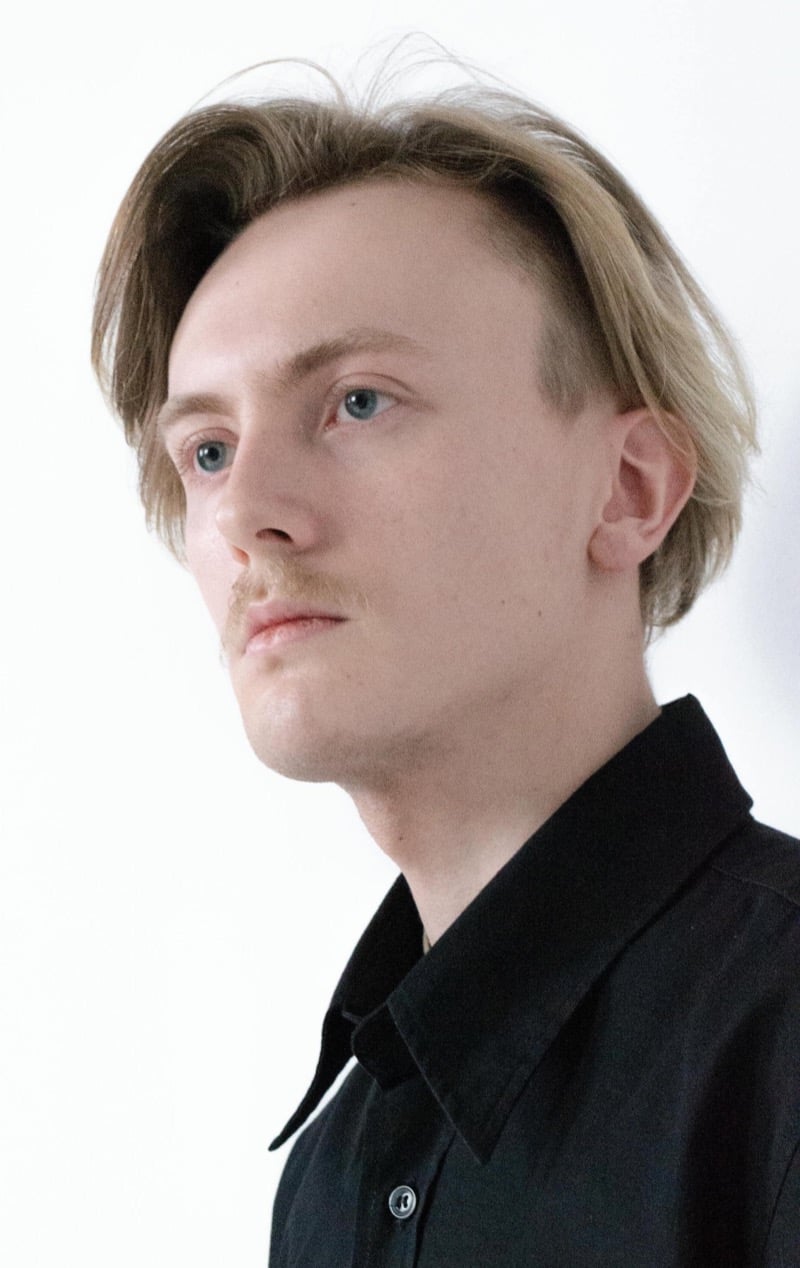
At medium length, the top reaches far enough to part or push back, and loose ends can overlap the clipped sides. Straight hair reveals that edge more clearly, while waves break it into separate bends.
Quiffs and pompadours need lift at the roots. A lower brushed-back finish follows the head more closely and needs less height to hold its shape.
Long Hair Undercuts
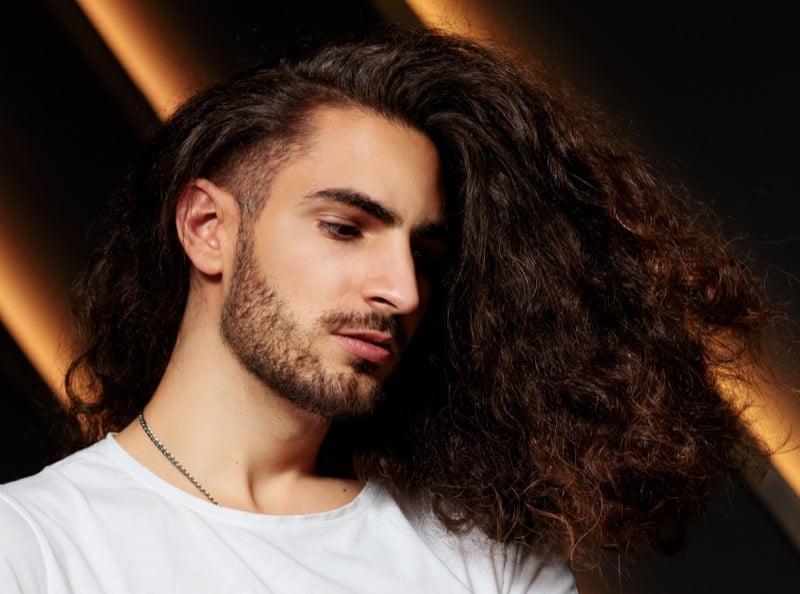
A long undercut removes bulk beneath the top while retaining lengths that can fall past the ears. Curls expand above the clipped section, and waves drape over its edge.
Wearing the hair loose partly conceals the undercut. Tying it back exposes the shaved or buzzed area and makes the division more visible.
Popular Undercut Haircuts for Men
These 28 variations change the undercut through top length, fringe direction, texture and the finish at the sides.
Undercut With Beard
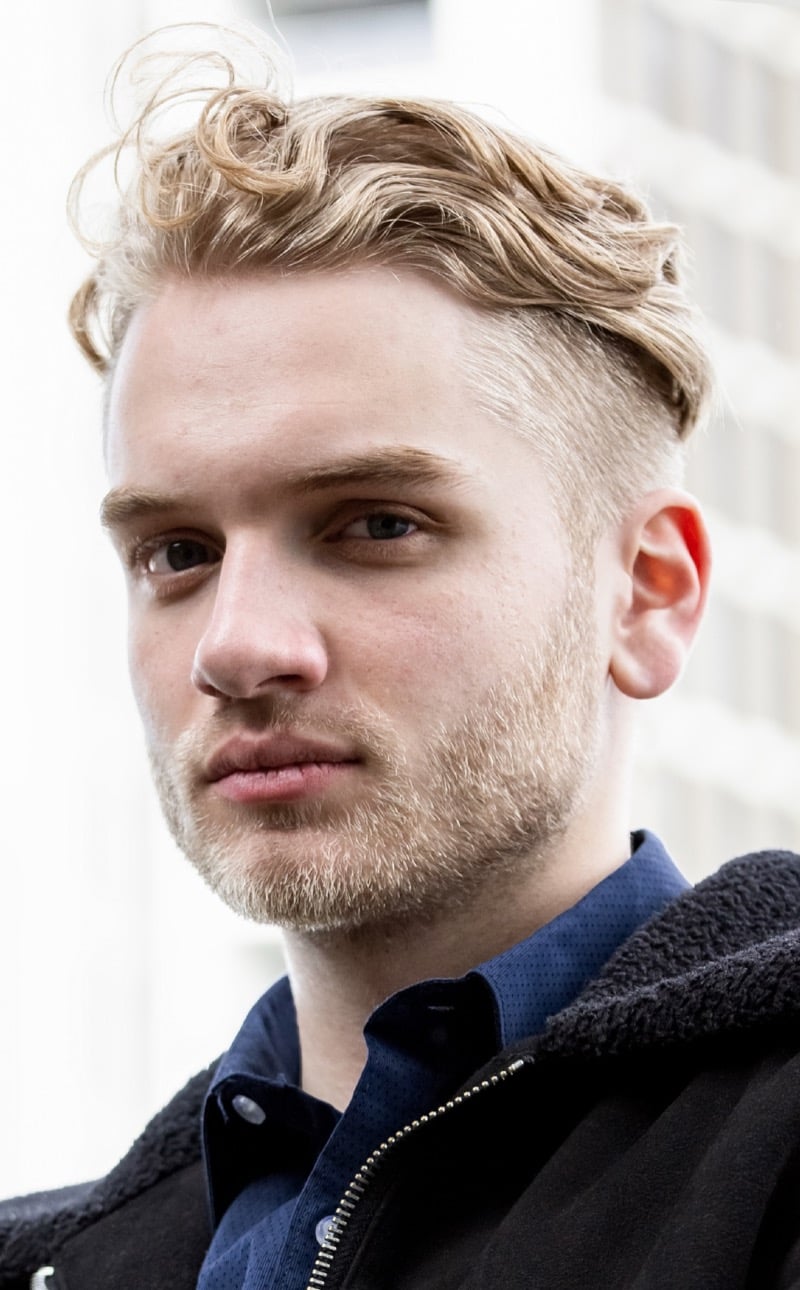
The sideburns connect an undercut to a beard. Blending them gradually carries the short sides into the facial hair; leaving a sharper separation makes the beard and longer top appear as two distinct masses. Match that transition to the beard's density.
Afro Undercut
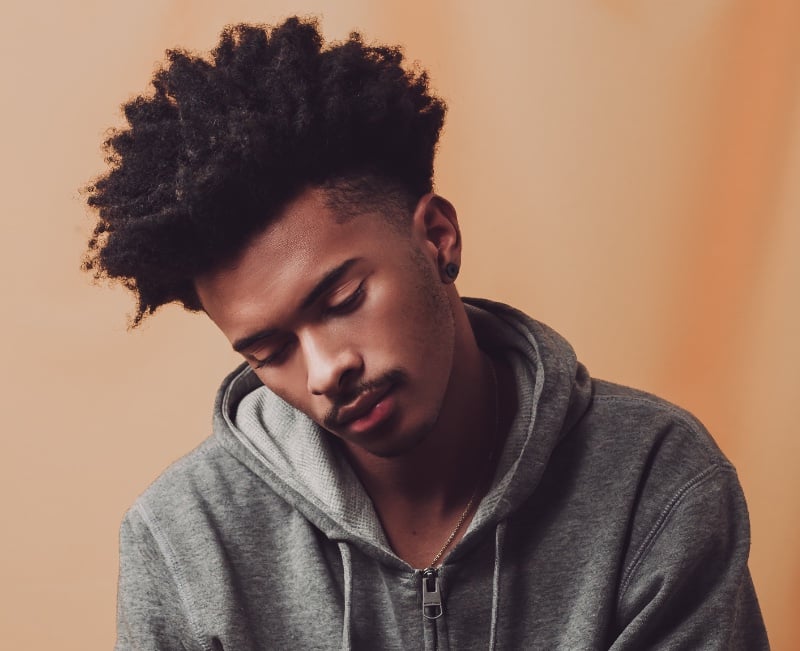
The afro undercut retains a broad top above closely trimmed sides. Coils create an uneven outer edge, with the most width above the temples. Removing hair beneath that width changes the profile while preserving fullness through the crown.
Bowl Cut Undercut
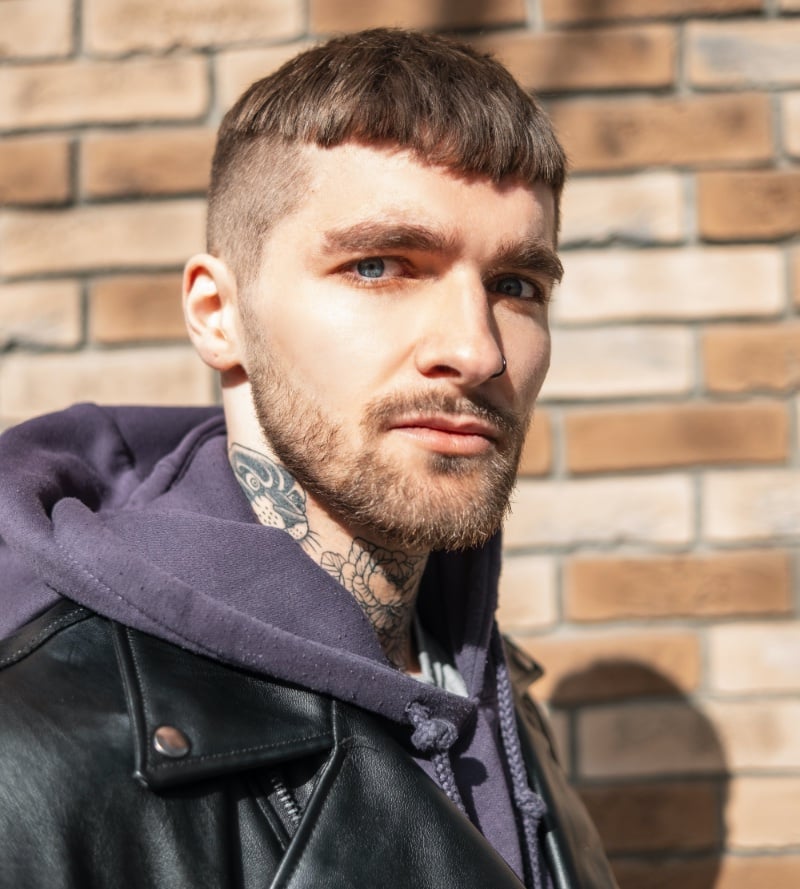
A bowl cut undercut carries the fringe across the forehead and curves the longer top around the head. The clipped area beneath exposes the lower temples and ears, making the bowl's lower edge easy to see.
Undercut Fade
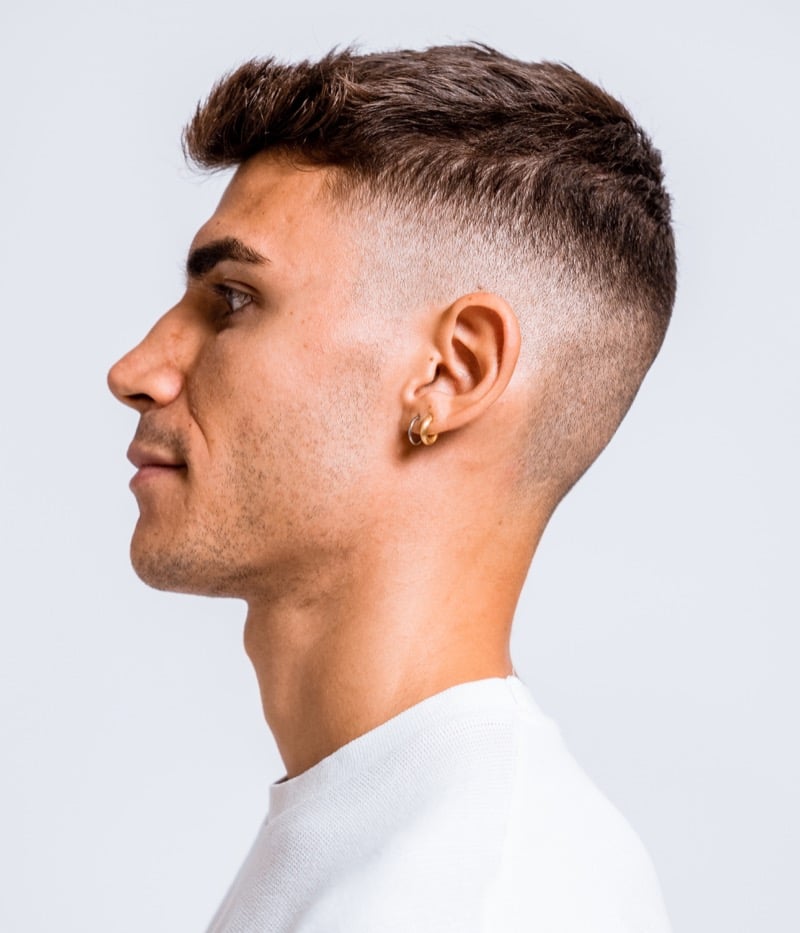
An undercut fade graduates the shorter sides down to the skin beneath the longer top. In this version, the compact top can brush upward or forward. The fade changes the shading at the sides while the upper edge retains the length contrast.
Undercut Comb Over
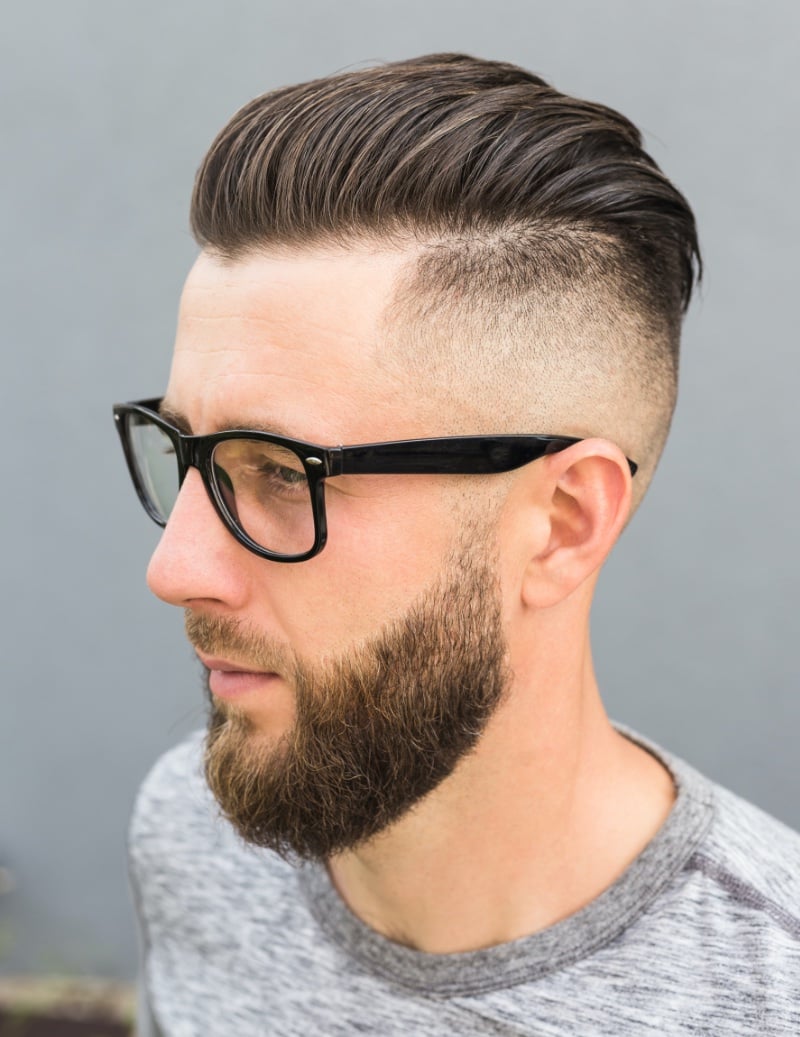
Combing the top to one side gathers it into a broad sweep above the shaved sides. Comb marks and a smooth surface emphasize the direction of the hair, with the longer edge extending over one temple.
Curly Undercut
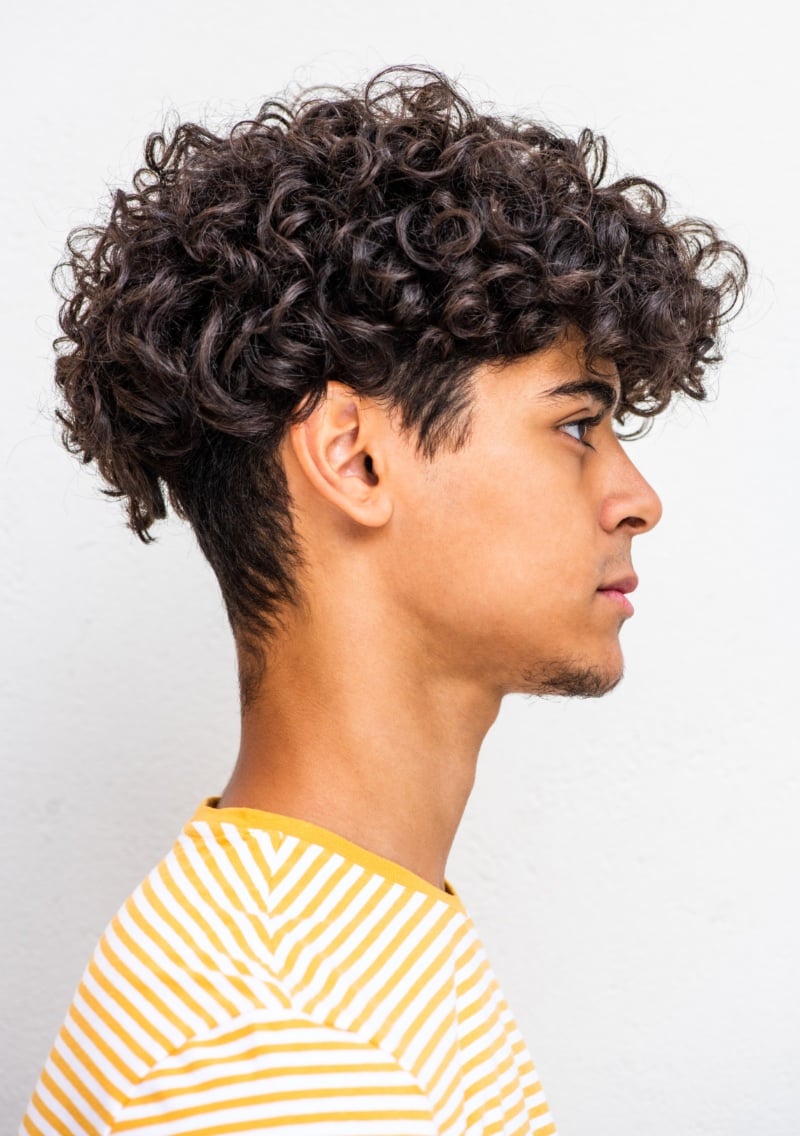
Curls spill over the upper edge of the curly undercut, forming a rounded top above the clipped sides. Their spring determines how far the fringe falls after drying. Keep that shrinkage in mind when choosing the length at the front.
High Fade Undercut

The high fade undercut places the transition near the upper sides, exposing more of the temples beneath a short, textured top. Fade height describes that placement; the shortest guard or a skin finish determines how bare the lower section looks.
Curtain Undercut
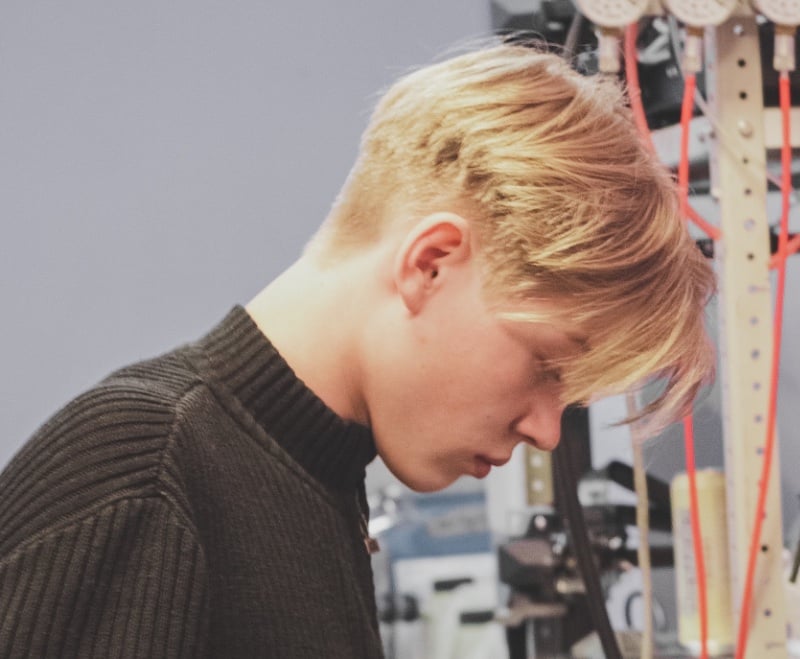
Long front sections fall away from a center part in the curtain undercut, recalling a 90s haircut for men. Closely cropped sides sit beneath those hanging lengths. Compared with a fuller curtain haircut, the undercut removes width around the ears.
Disconnected Undercut
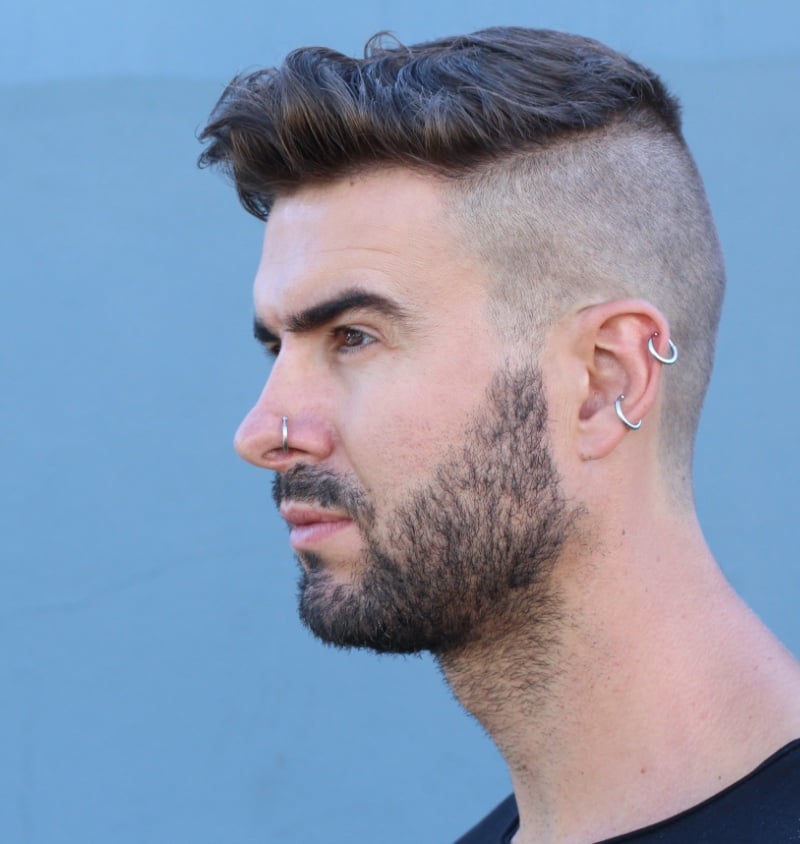
The disconnected undercut makes the division itself the dominant detail. A long top projects over the short sides, leaving an abrupt ledge visible in profile. Slicking the hair back exposes that edge; wearing it loose lets the ends cover part of it.
Hard Part Pompadour Undercut
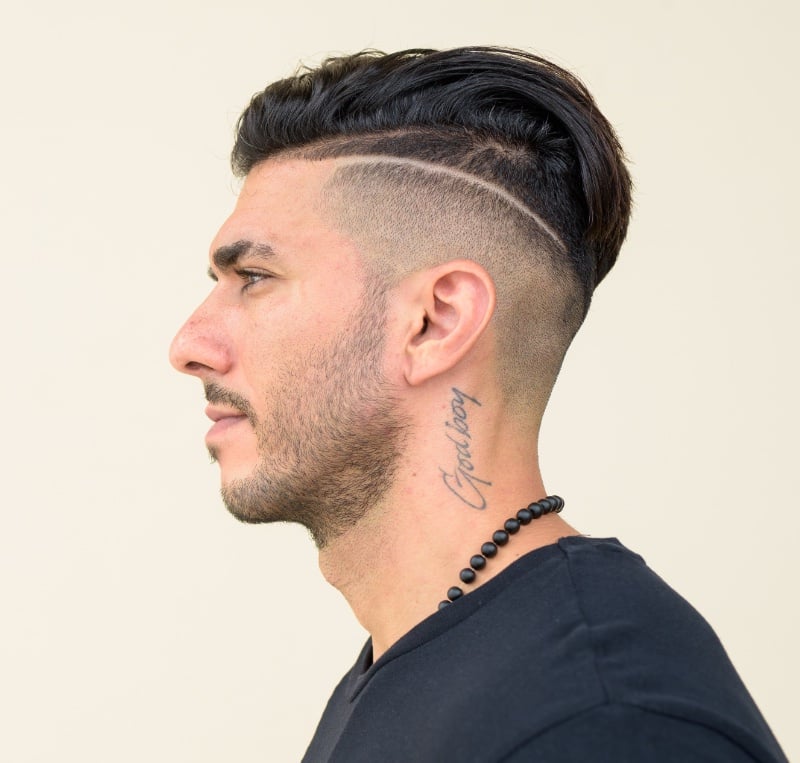
A shaved part traces a narrow strip of scalp beside the raised pompadour. It gives the longer top a fixed boundary above the short sides. The line will need refreshing before the top needs much length removed.
Undercut Quiff
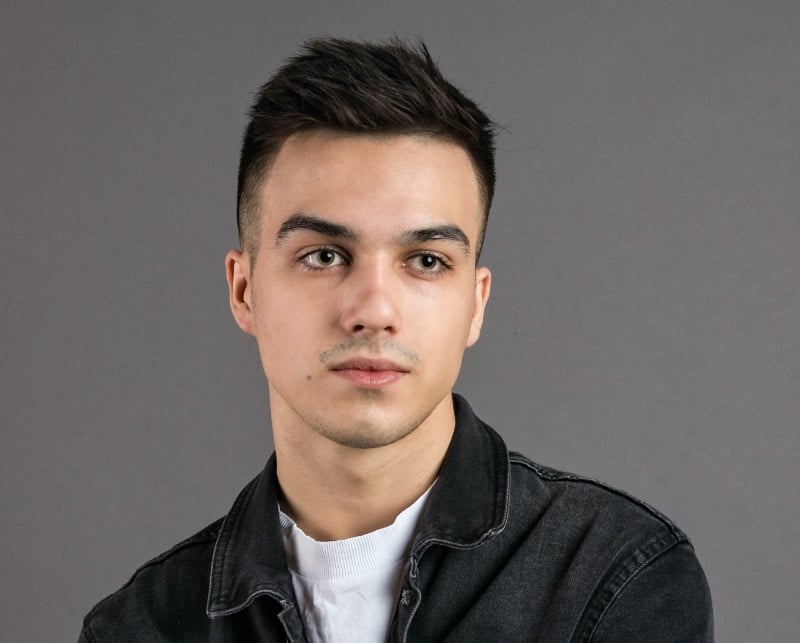
The quiff lifts the front above the short sides of an undercut. Dense hair gives that rise more fullness; finer hair may need a shorter front to keep it upright. The remaining top can sit lower behind the lifted section.
Man Bun Undercut
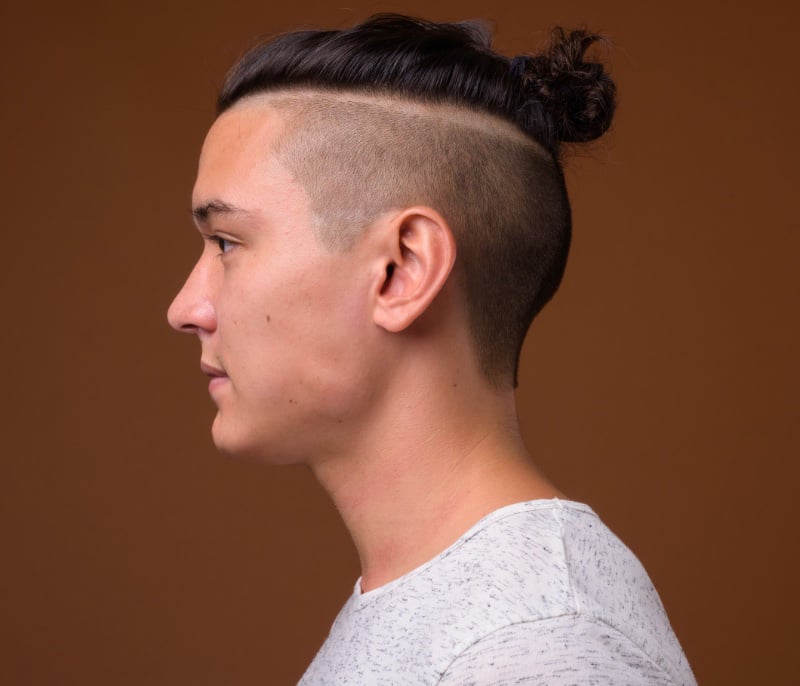
A man bun undercut gathers the long top above shaved sides and back. Pulling the hair into a tie reveals the full outline of the clipped section. Leave enough length to secure the bun comfortably instead of pulling tightly at the hairline.
Mohawk Undercut
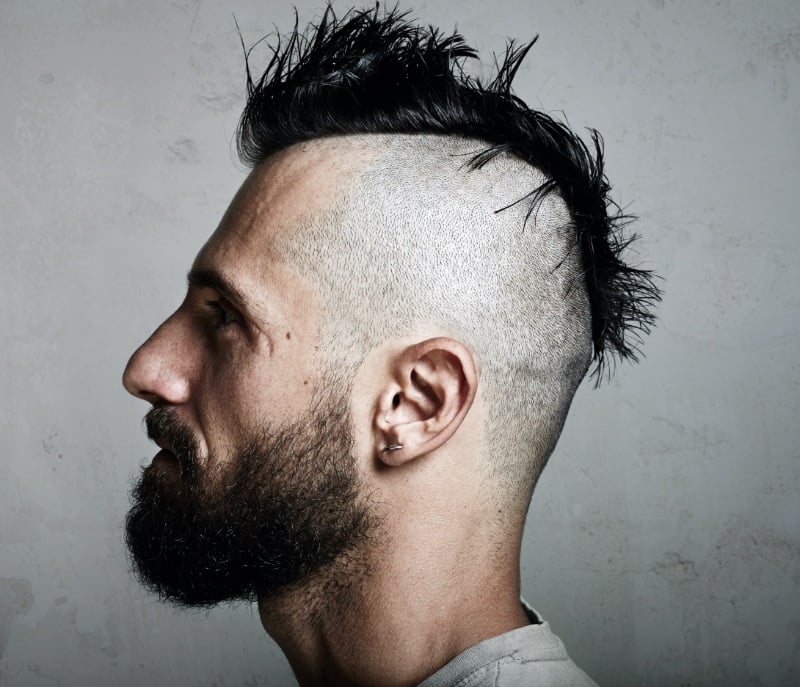
A narrow strip of longer hair runs through the center of a mohawk undercut. Shaved sides expose its full width from temple to nape, following the layout of a classic mohawk. Spiking the strip makes it taller; loose texture lets it fall unevenly.
Mullet Undercut
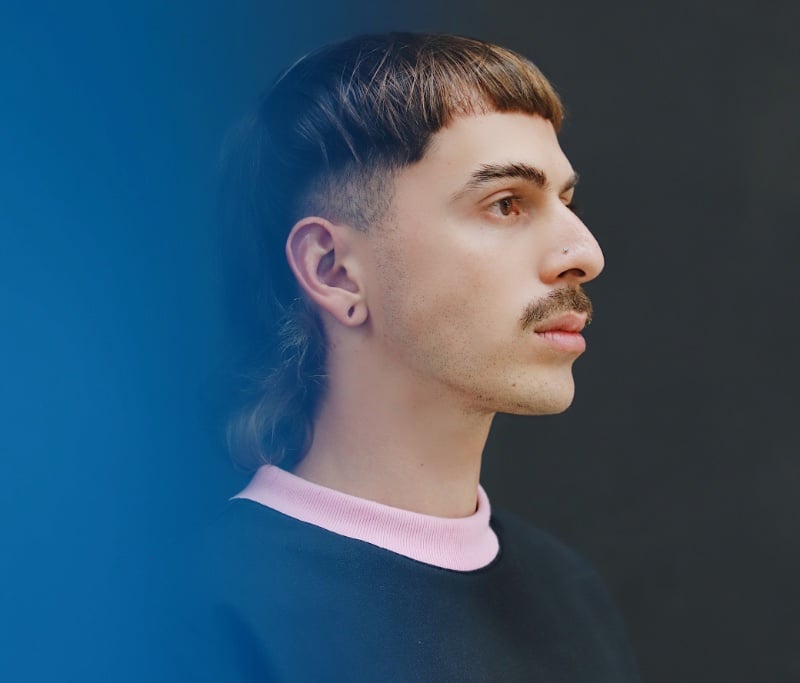
Length extends beyond the nape in a mullet undercut while the sides remain closely shaved. In profile, the exposed area around the ear separates the raised front from the longer back.
Pompadour Undercut
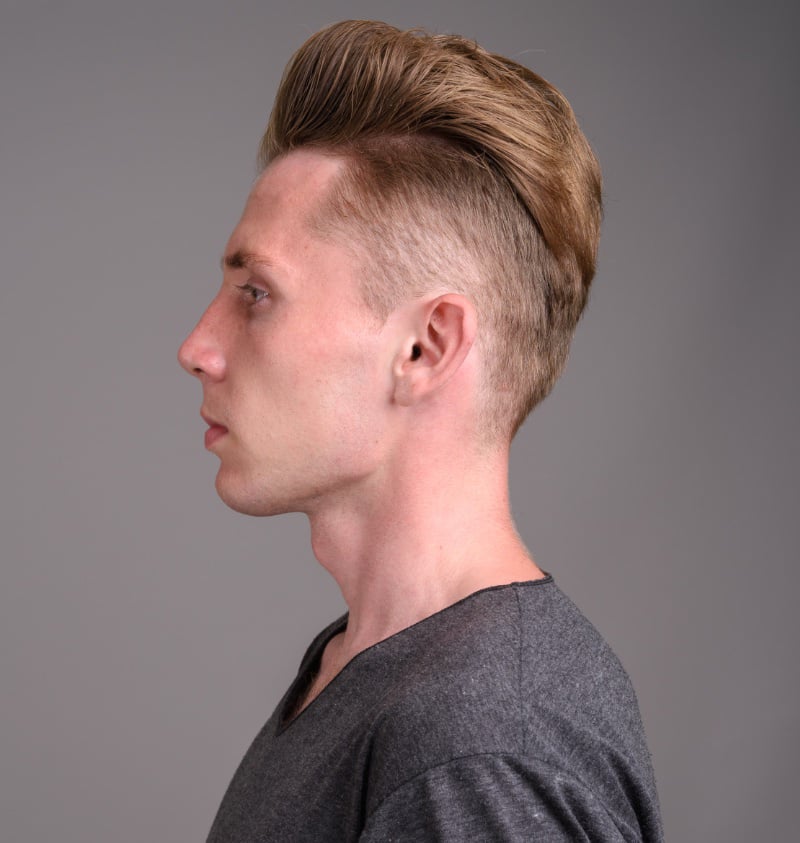
A pompadour undercut carries the top upward from the forehead, then back in a full curve. Closely cut sides expose that curve from temple to crown.
Drying the roots upward establishes the height before product is added. The longer or heavier the top becomes, the more support it may need to keep from falling to one side.
Middle Part Undercut
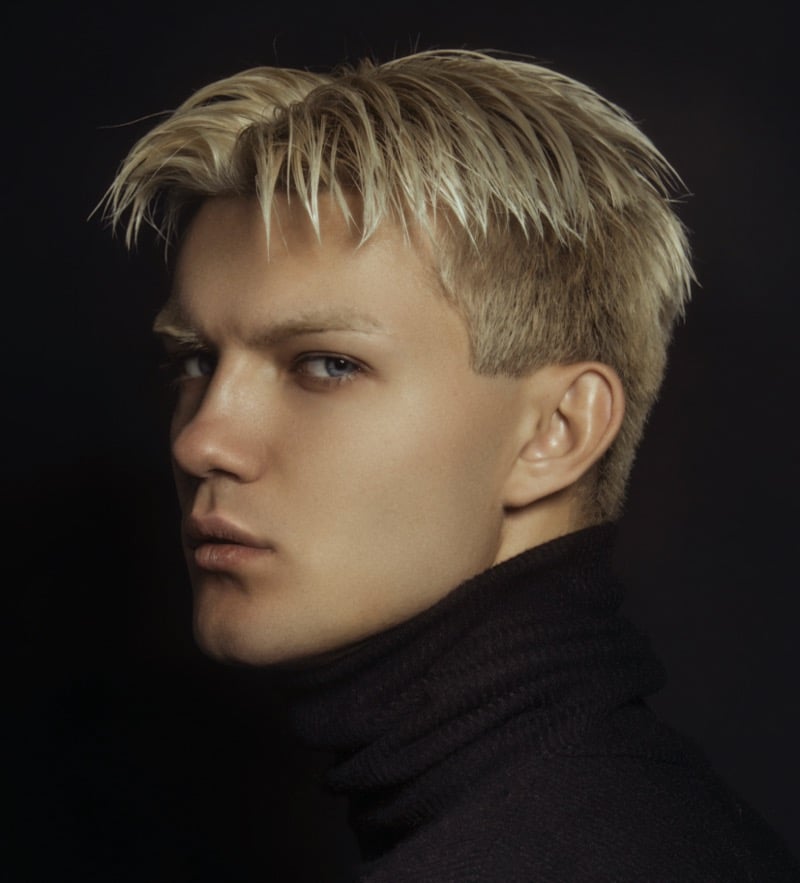
Parted down the middle, the top of this undercut falls toward both temples. Medium length allows the front to bend away from the forehead while shorter sides reduce bulk beneath it.
Straight hair shows the part as a distinct line. A natural cowlick may shift it off-center, so set the division where the roots separate most readily.
Long Fringe Side-Swept Undercut
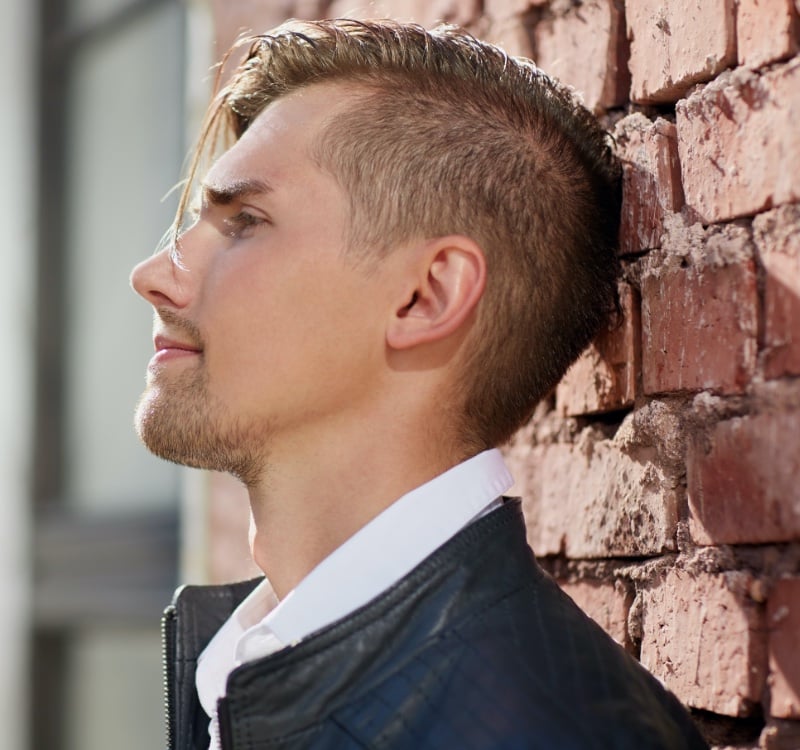
A long fringe carries the side-swept undercut diagonally across the forehead. Length falling past the brow gives one side more coverage and exposes more of the opposite temple. Leave extra length if the fringe needs to tuck behind the ear.
Slick Back Undercut
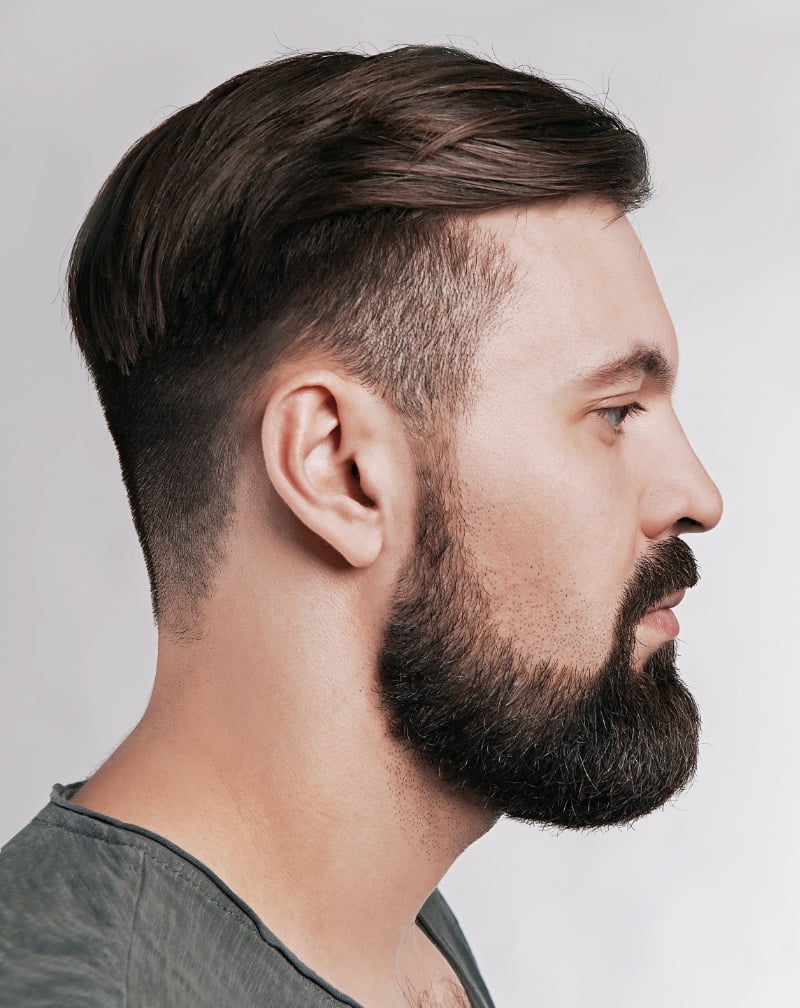
The slick back haircut draws the top away from the forehead and exposes the undercut along both sides. Comb the hair backward for a close, continuous surface, keeping enough length to reach past the crown's growth pattern.
Undercut Low Fade
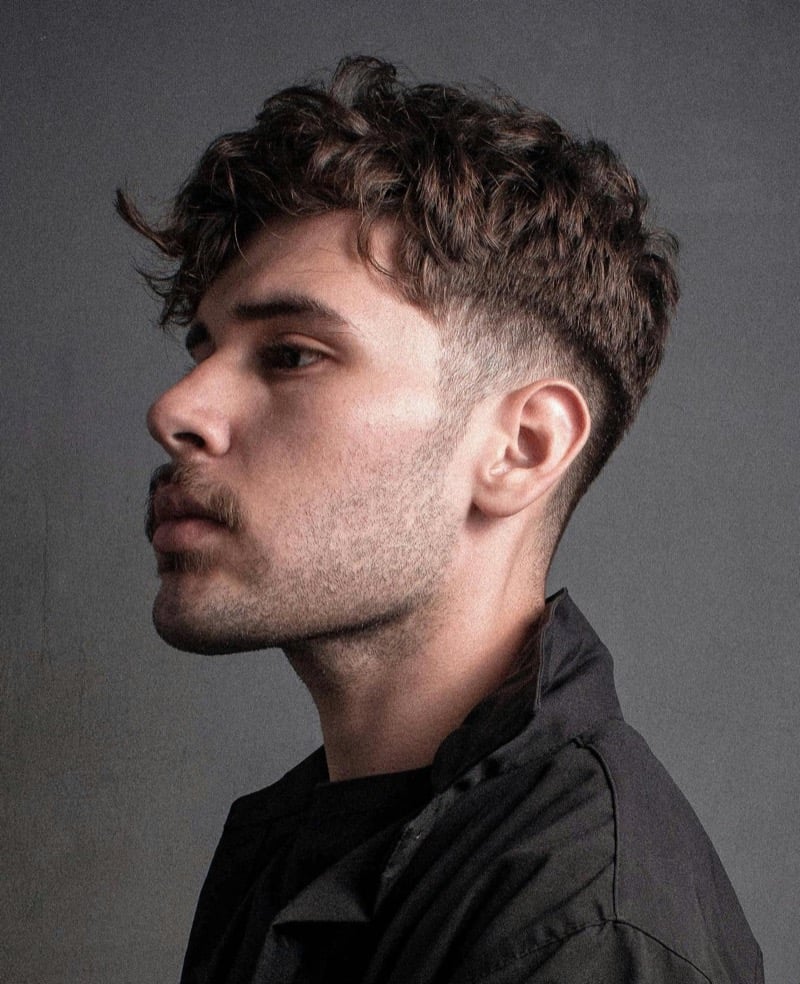
A low fade shortens the hair near the ears and neckline beneath a longer, textured top. Retaining more coverage on the upper sides gives this undercut a darker side profile than a high fade.
Loose waves or curls can fall over the division. Let the top dry in its natural direction before deciding how much of that overhang to remove.
Side Part Undercut
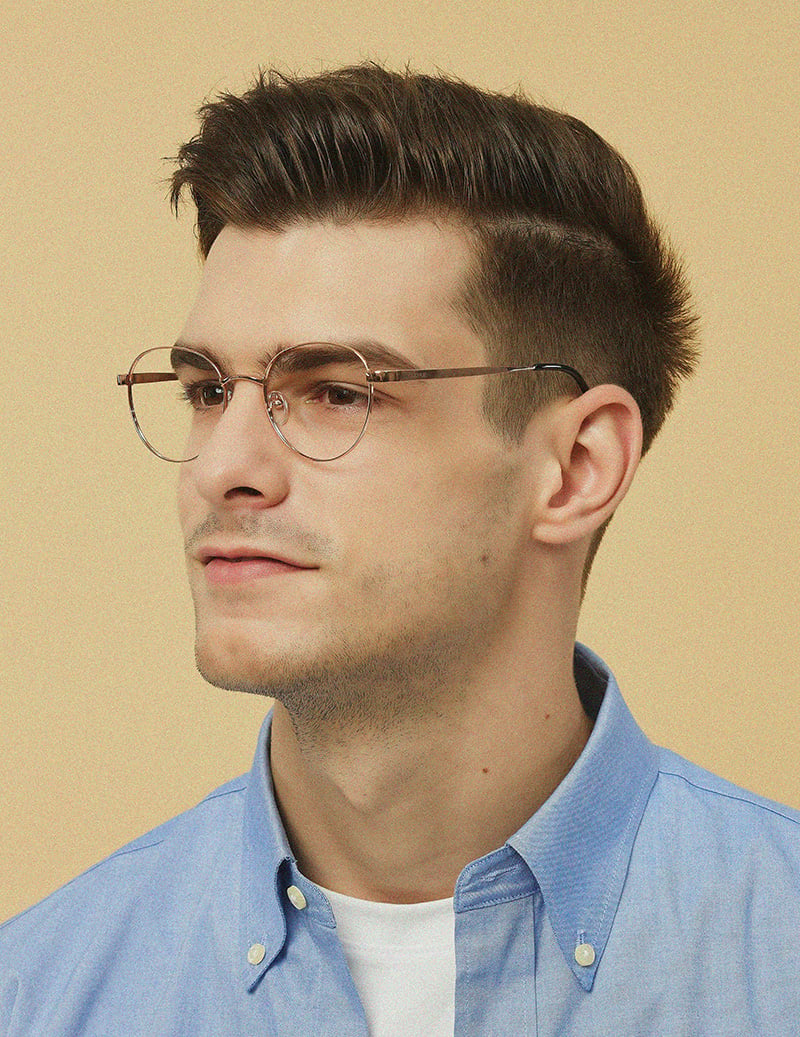
A defined side part divides the top into a broad sweep and a smaller section above the opposite temple. Cropped sides leave the part and front edge visible.
Follow the hair's growth direction when setting the part. Straight or slightly wavy lengths can then comb across the top with fewer ends springing upward.
Spiky Undercut
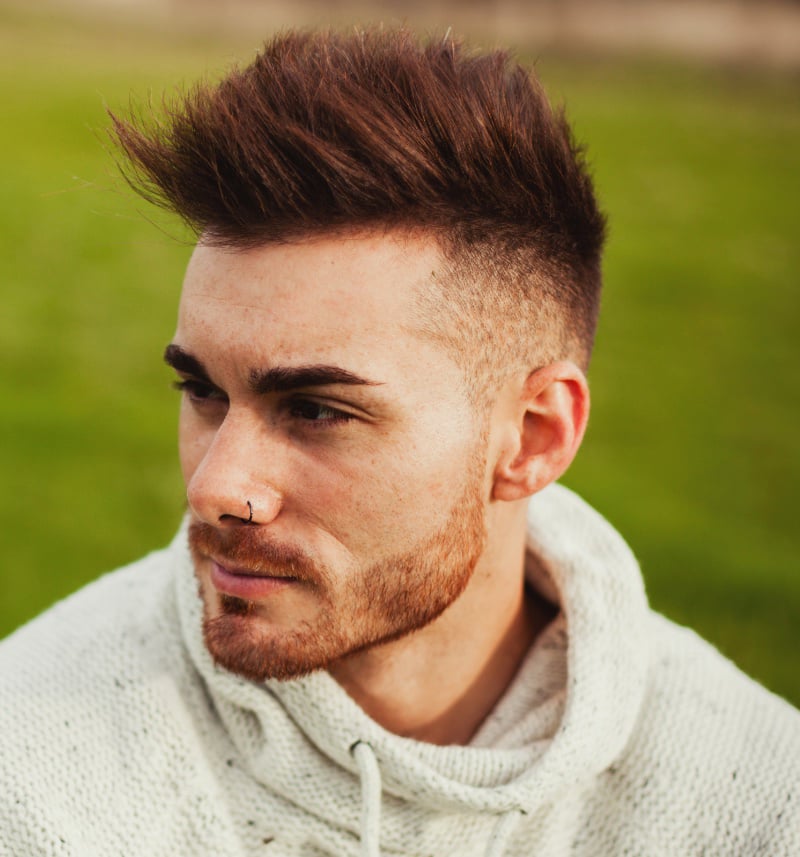
The spiky undercut separates the top into upright points above trimmed sides. Pinching the ends with product emphasizes individual spikes; varying their height keeps the surface irregular. A shorter top usually needs less support to stand up.
Tapered Undercut
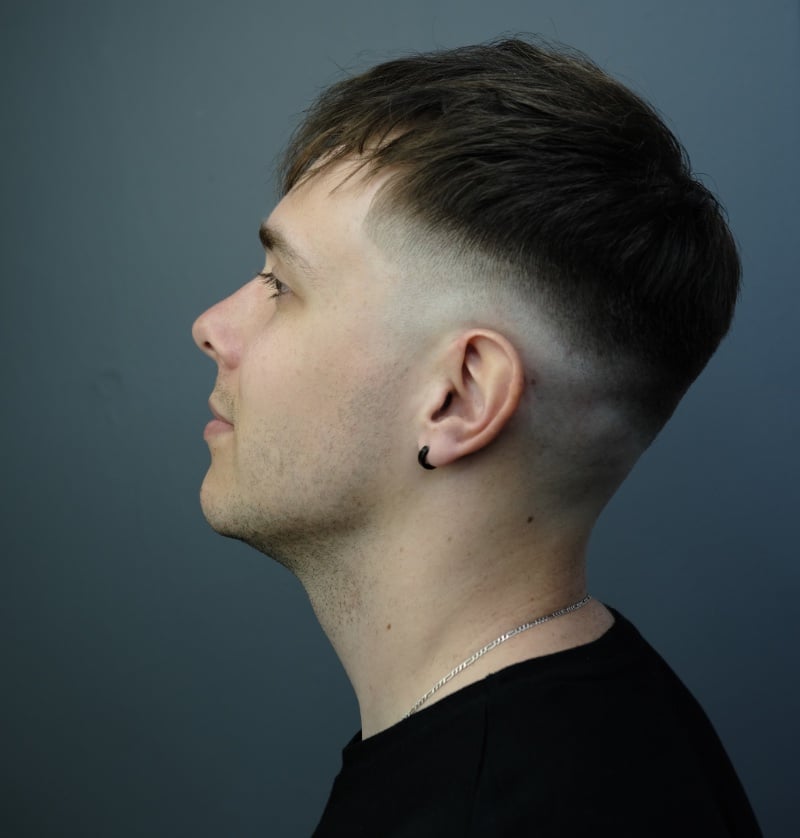
A tapered undercut graduates the shorter hair toward the ears and nape while the fuller top remains distinct. Retaining some length on the upper sides softens the change in width. Specify how far the graduation should extend when discussing the cut.
Medium Messy Undercut
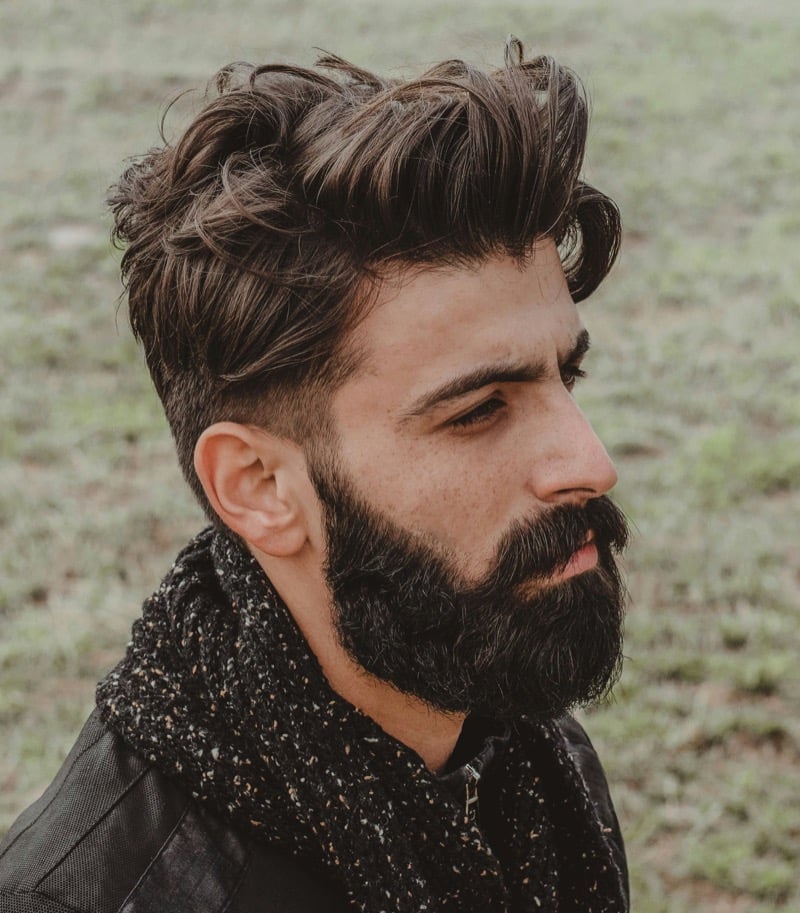
Medium length lets the messy undercut bend and fold above the short sides. Waves form ridges through the top, while dense hair holds a broader silhouette around the crown.
Separate the hair by hand as it dries, following the bends already present. Extra product is useful only if the top needs grip or hold.
Textured Crop Undercut
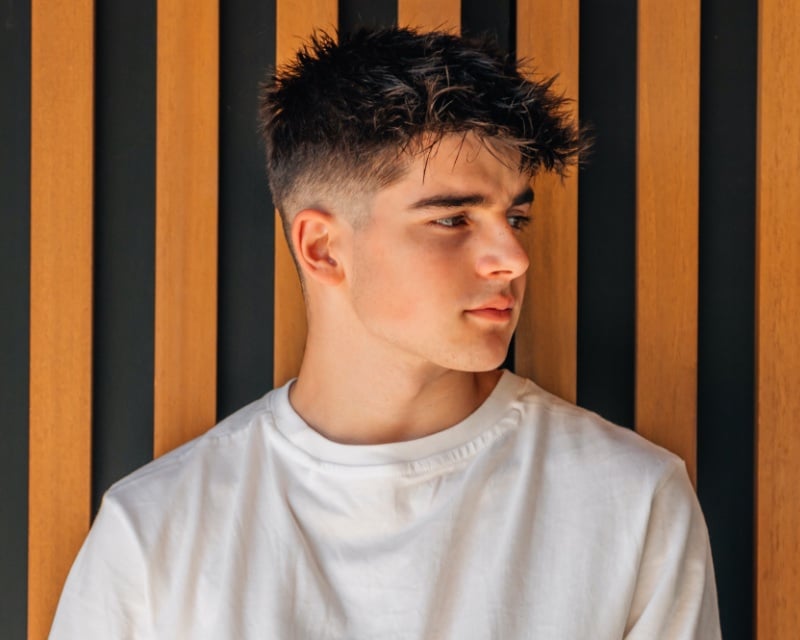
A short, forward-styled fringe and choppy top distinguish the textured crop undercut. The hair travels toward the forehead, leaving the crown lower than a quiff. It shares the forward direction of a French crop, with a more pronounced break at the sides.
Textured Undercut
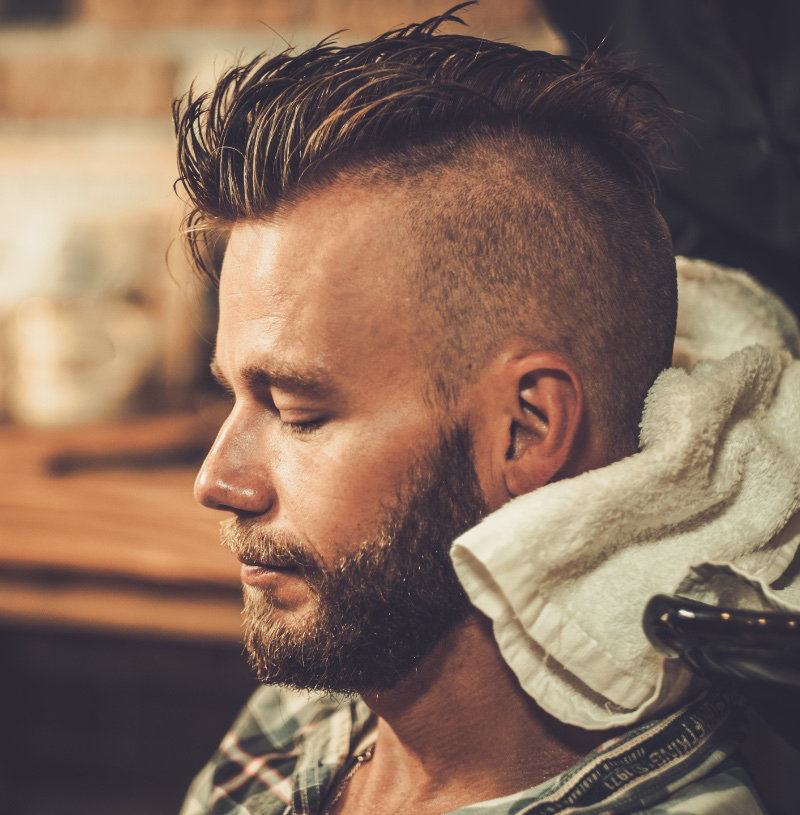
Cutting layers into the top creates separate lengths that sit above and beside one another. On a textured undercut, those ends interrupt the swept-back surface. The closely cut sides make the gaps between the longer pieces more apparent.
Messy Slicked Back Undercut

The messy slicked back undercut directs the top backward but leaves gaps and loose ends through the sweep. Work through the lengths with the fingers to preserve that separation. Waves may bend back naturally; straighter hair may need drying into place.
Twisted Locs Undercut
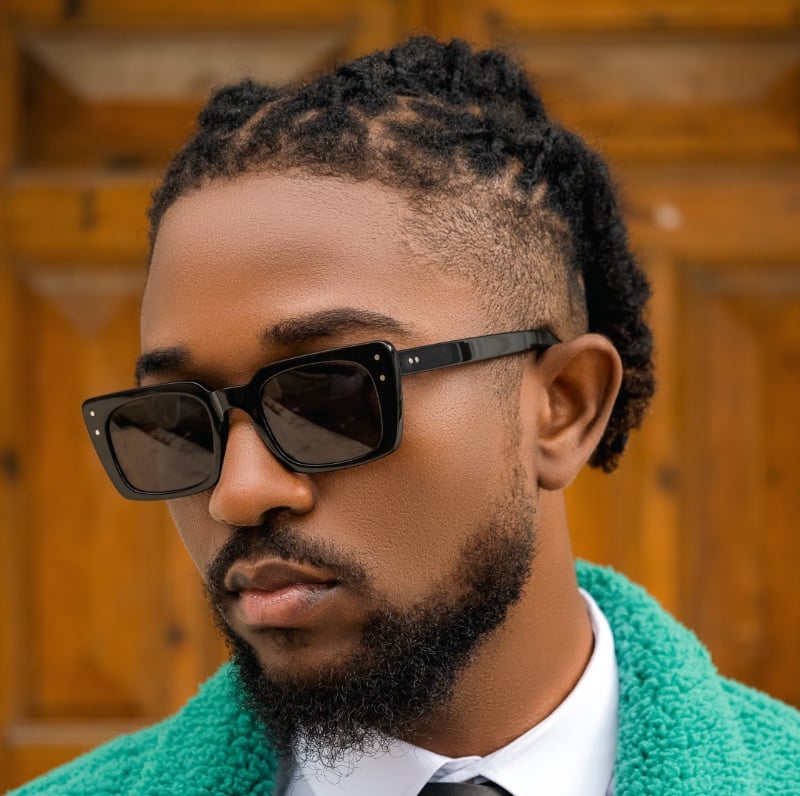
Twisted locs form separate sections above the very short sides of this undercut. Their roots and spacing remain visible near the temples. Keep the clipped section distinct when maintaining the locs so the boundary does not drift upward.
Undercut Designs
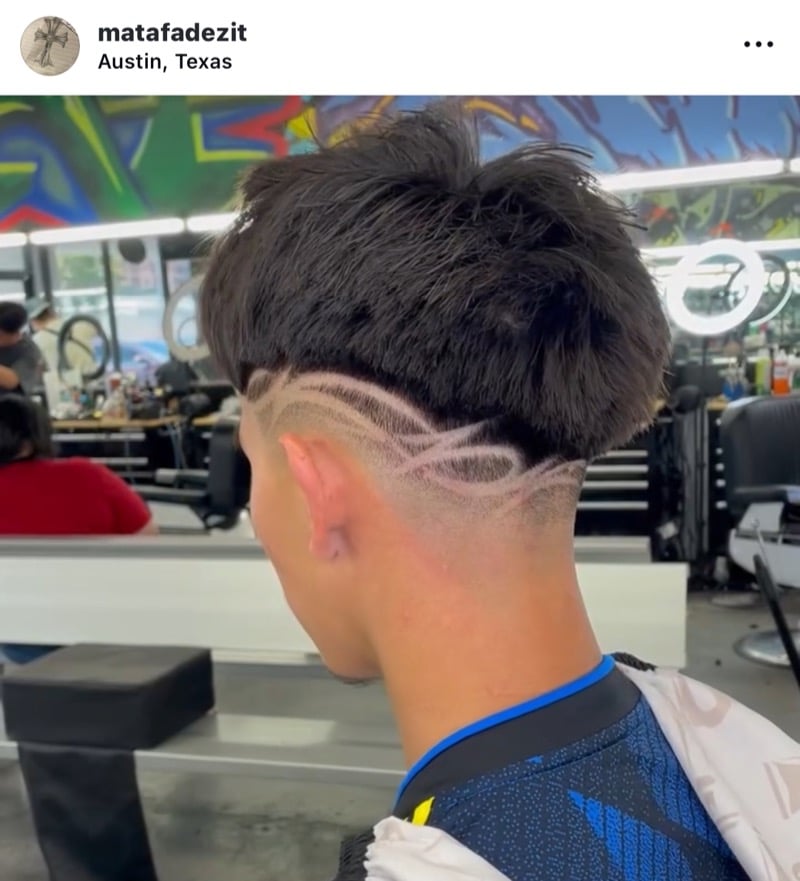
Shaved lines cut through the darker short hair of an undercut design, also called a hair tattoo. The pattern can follow the curve behind the ear or cross the back of the head. As the shaved lines fill in, fine details disappear before broader shapes.
The Undercut Today
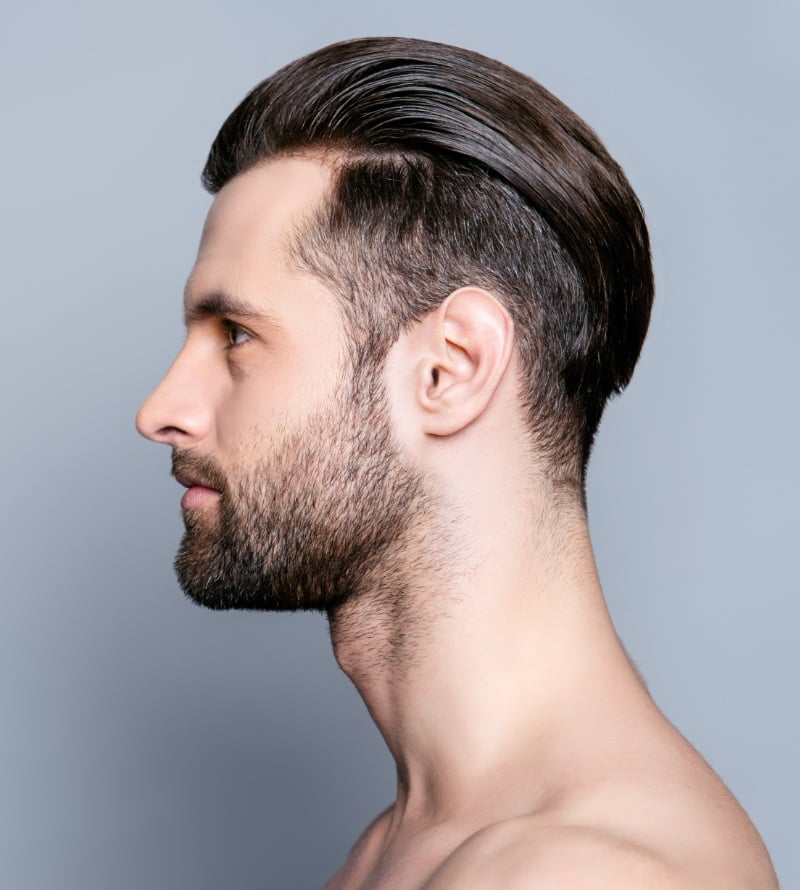
Changing the top alters how much of an undercut is visible. A combed-back finish exposes the division, a loose fringe covers it at the front, and a tie reveals it around the head. The choice depends on how the longer hair is meant to fall.
How to Ask for an Undercut
Bring photos showing the top, sides and back, preferably on hair with a similar texture and density. Specify the top length, the shortest finish at the sides and how high the clipped section should extend. Discuss separately whether the top stays disconnected and whether the shorter section includes a fade.
Ask the barber to demonstrate the finish and recommend product only where it serves a purpose, such as adding grip or holding a raised front. Plan trims around the finish at the sides and how quickly the division becomes less distinct as it grows.





