Hair color for men can change the whole head of hair, lighten selected sections or blend gray into a darker base. A close match to the natural shade produces a different grow-out from platinum or a pastel laid over bleached hair. Choose the desired change alongside the condition of the hair and the upkeep it will need. Hair dye for men uses the same coloring principles as other hair dye; the formula and instructions matter more than the gender on the box.
Types of Hair Color for Men
Natural Shades
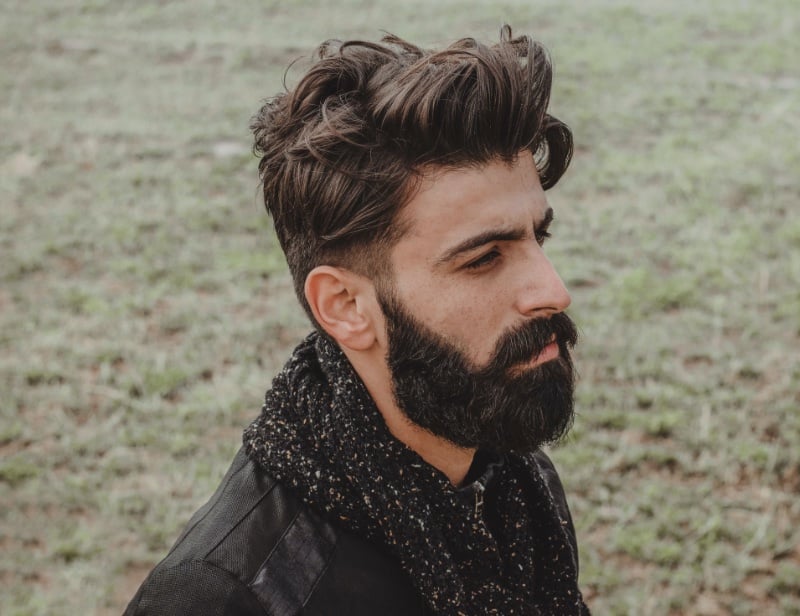
Natural shades stay near the existing brown, black, blonde or red, either matching it or shifting it a little lighter or darker. A small change can make new growth less conspicuous, but permanent color may still leave a visible boundary. The contrast at the roots depends on the starting shade and the amount of gray.
Highlights

Highlights lighten selected strands, leaving darker hair between them. Fine sections produce small changes across the surface, while wider pieces create more visible bands. Even a short top can show contrast when the placement follows the cut; longer hair gives each lightened section more room to extend.
Lowlights
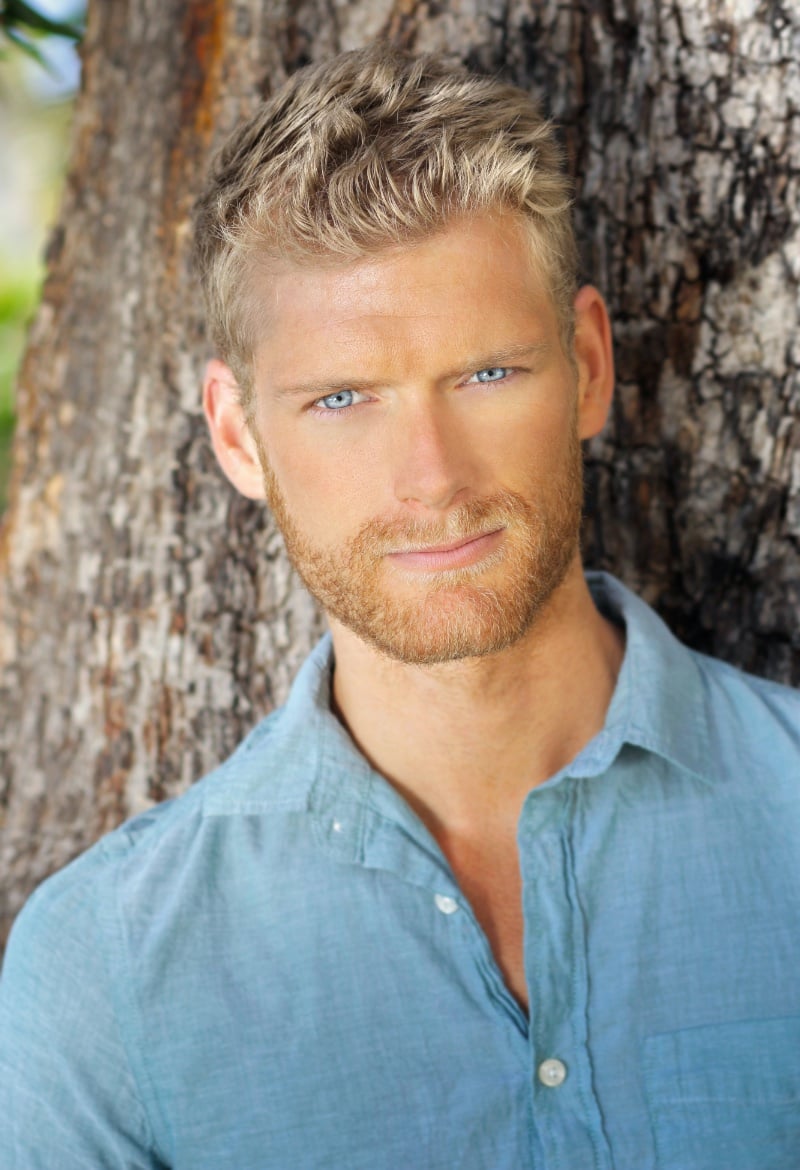
Lowlights place darker sections among lighter or gray hair. They break up a pale surface and can restore variation to hair that has become uniformly light. They change the appearance of depth, not the number or thickness of strands. The shade and placement decide how much gray remains visible.
Fashion Colors

Blue, green, purple and pink can appear as an all-over shade or in selected sections. Pale pastels usually need a very light base, while some deeper colors can tint darker hair more subtly. Lightening and depositing the fashion shade are separate steps, with different effects on the hair. Fading depends on the formula, starting base and washing.
How to Choose a Hair Color

Compare a shade near the face in daylight before committing to it. Skin undertone can help describe the effect, but personal preference and the starting hair color matter too. Weigh the practical details alongside that choice.
- A larger difference from the natural shade usually makes new growth more visible. Decide whether that root contrast should be maintained, softened or left as part of the color.
- Consider the relationship to the eyes, brows and beard. A pale top above dark brows creates strong contrast, while a closer match makes the change less conspicuous.
- Check any relevant workplace or dress requirements before choosing a shade. Acceptance of natural-looking and fashion colors varies between settings.

How Hair Dye Works
Going Lighter
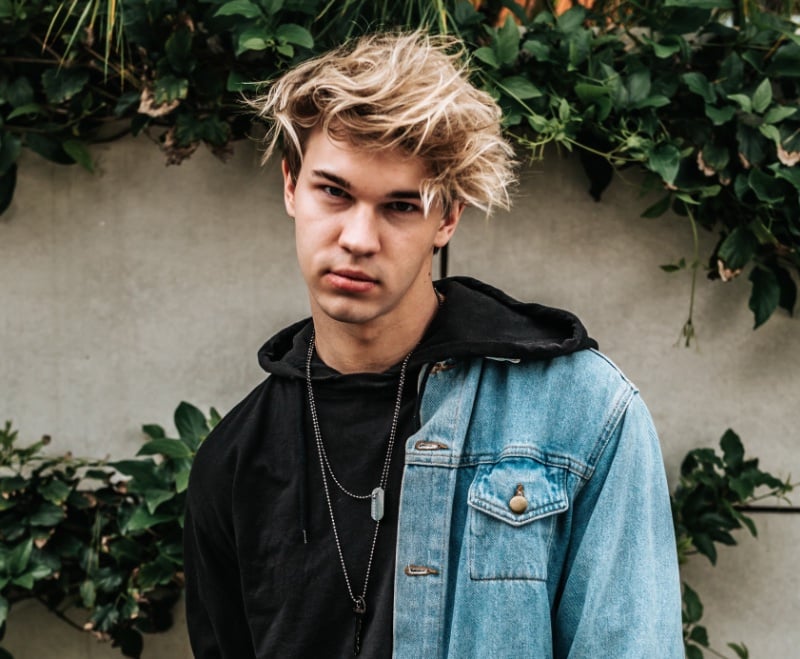
Lightening reduces the hair's natural pigment through oxidation, often using bleach. Some permanent dyes can lift untreated hair within their limits, but previously colored lengths may need a different process. Larger changes can require more processing and increase the risk of dryness and breakage. A colorist should assess dark hair before a move toward platinum and decide whether staged sessions are appropriate.
Going Darker
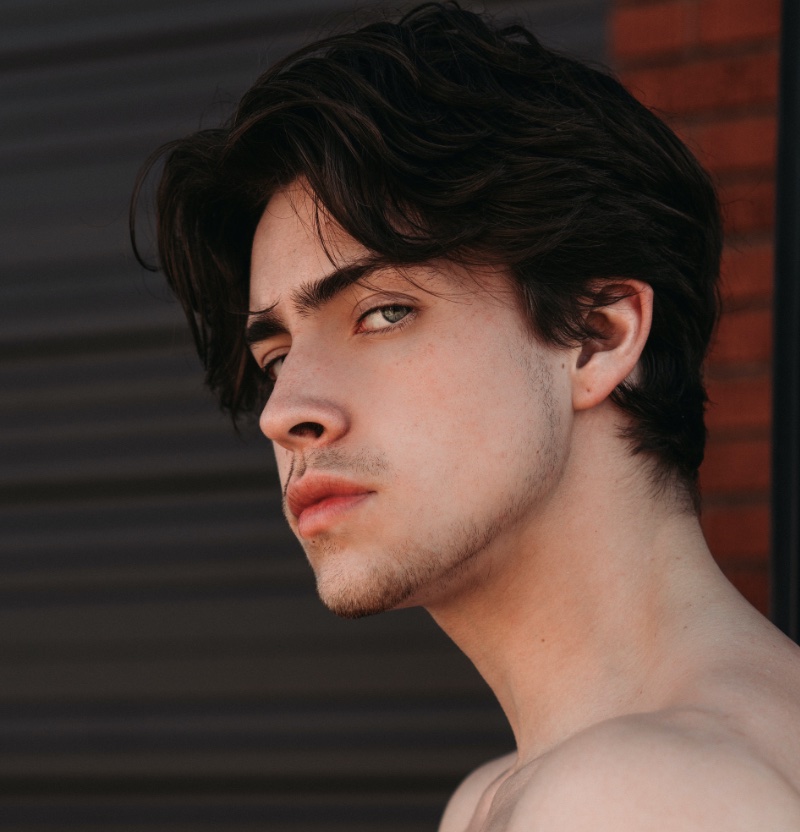
Going darker mainly adds color, although permanent formulas may also alter the hair's existing pigment. A deposit-only product can be less demanding than substantial lightening, but darker does not mean damage-free or allergy-free. Dark artificial color can be difficult to remove, and the warmth revealed as it fades varies with the base and formula.
Permanent, Demi & Semi-Permanent Dye
| Type | How long it lasts | Best for |
|---|---|---|
| Permanent | Color remains in treated hair as it grows; tone can fade | Long-lasting changes and gray coverage, depending on formula |
| Demi-permanent | Fades over repeated washes; longevity varies by product and hair | Toning, deepening color and blending gray |
| Semi-permanent | Fades over washes; some shades stain lightened or porous hair | Deposit-only changes and fashion shades |
| Temporary | Often washes out with shampoo; porous hair may retain staining | A short-term color change |
These categories describe the coloring process, not a guaranteed wear-time. Porous or lightened hair can retain pigment after the visible shade has faded. Permanent dye may use ammonia or another alkalizing ingredient, and some formulas contain PPD or related dye ingredients that can trigger allergies. Follow the label's skin-test instructions before every use, commonly 48 hours beforehand, even after previous uneventful applications. A negative test does not guarantee that a reaction cannot occur.
Popular Hair Colors for Men
Brown & Black

Brown and black range from warmer chestnut tones to cooler, nearly blue-black shades. A close match to dark natural roots can reduce visible contrast as the hair grows. On lighter or gray hair, the same shade produces a more pronounced change and may need careful formulation to avoid a flat-looking surface.
Blonde & Platinum
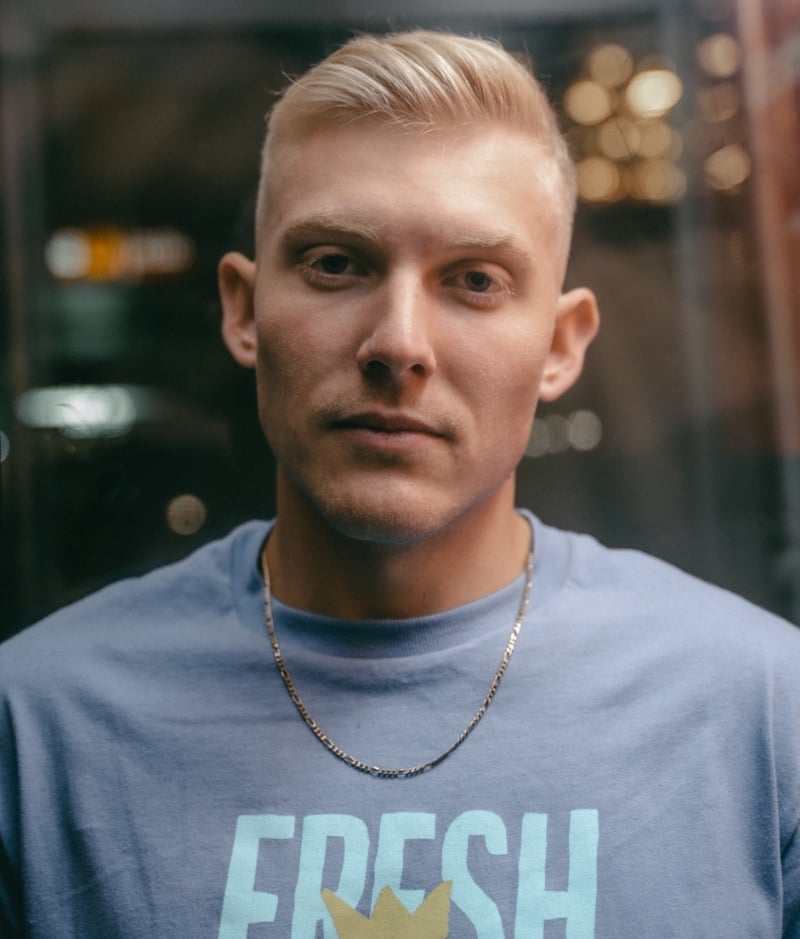
Blonde spans golden, beige and ash tones, with platinum at the palest end. Dark brows or facial hair remain a separate source of contrast. A toner can adjust unwanted warmth in lightened hair, but it does not replace the lightening needed to reach the base. Refresh the tone according to its condition and the product's directions.
Red & Auburn
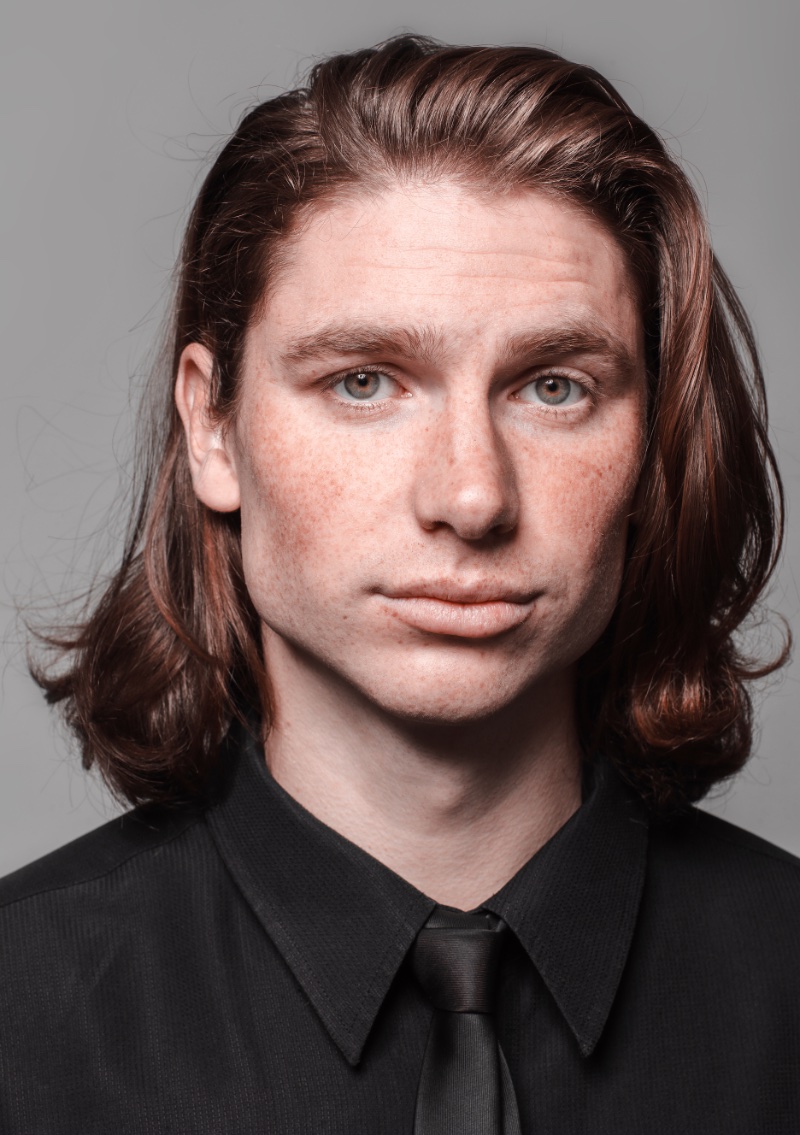
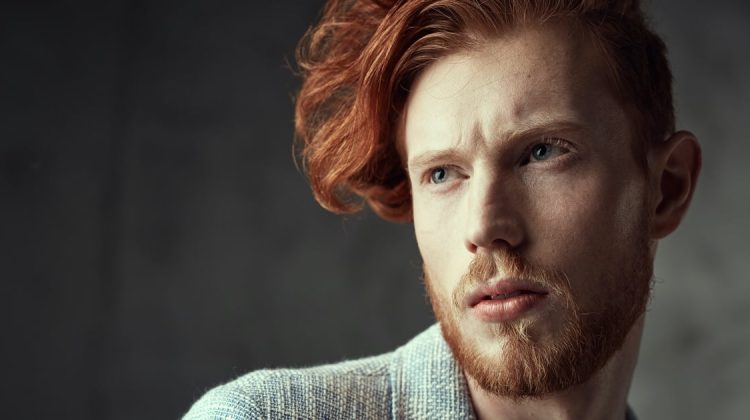
Copper, auburn and brighter reds differ in both depth and intensity. On a dark base, auburn may appear as a warm tint; a vivid copper can need more lightening first. Red color can lose intensity as it is washed, so plan for how the softer shade will look between applications. A routine for red hair for men should account for that fading and the hair's condition.
Pastel & Bright Colors
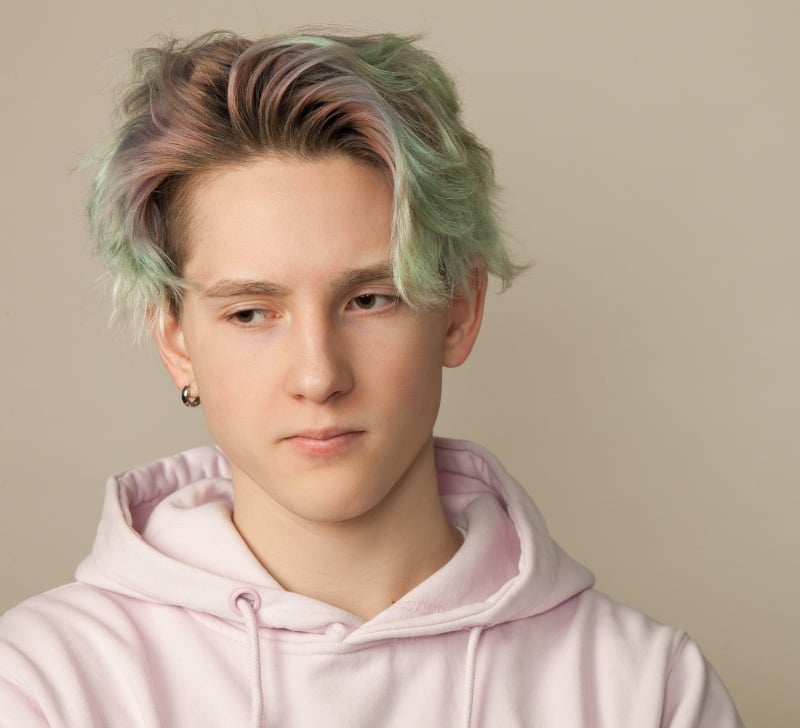
Pastel shades leave little pigment over a pale base, making the underlying blonde especially important. A yellow base can change the appearance of a blue or green shade. Brighter, more saturated colors may last differently from pastels, and both can leave residual staining on porous hair. Follow the chosen formula's preparation and maintenance directions.
Hair Color for Skin Tone
Undertone describes the warmer, cooler or more neutral cast of the skin. Golden blonde, caramel and copper bring warmth near the face; ash and cooler browns create a different effect. These are options to compare, not rules that exclude other shades. View color swatches beside the face in daylight, with the brows and any beard visible. Wrist-vein color alone does not reliably determine the best hair color.
Fair Skin
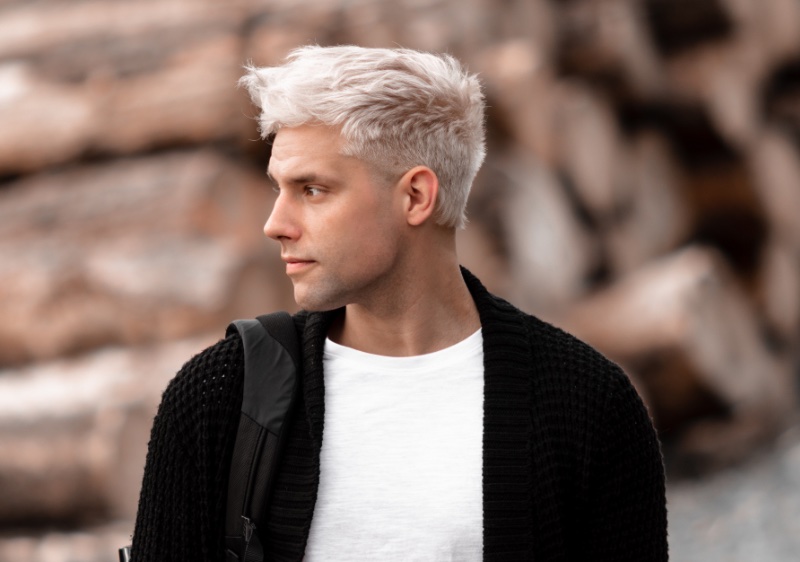
Light brown and pale blonde make a smaller contrast against fair skin than very dark brown or black. Platinum can blend closely with a pale complexion, while dark hair emphasizes the difference between hair and skin. Compare that contrast with the brows and the desired finish instead of treating either end of the range as unsuitable.
Medium Skin

Caramel, copper, golden brown and blonde can add warmer tones beside medium skin. Cooler browns or more vivid shades produce a different contrast. Compare the exact depth and tone, since two colors both described as brown can look quite different next to the same complexion.
Dark Skin
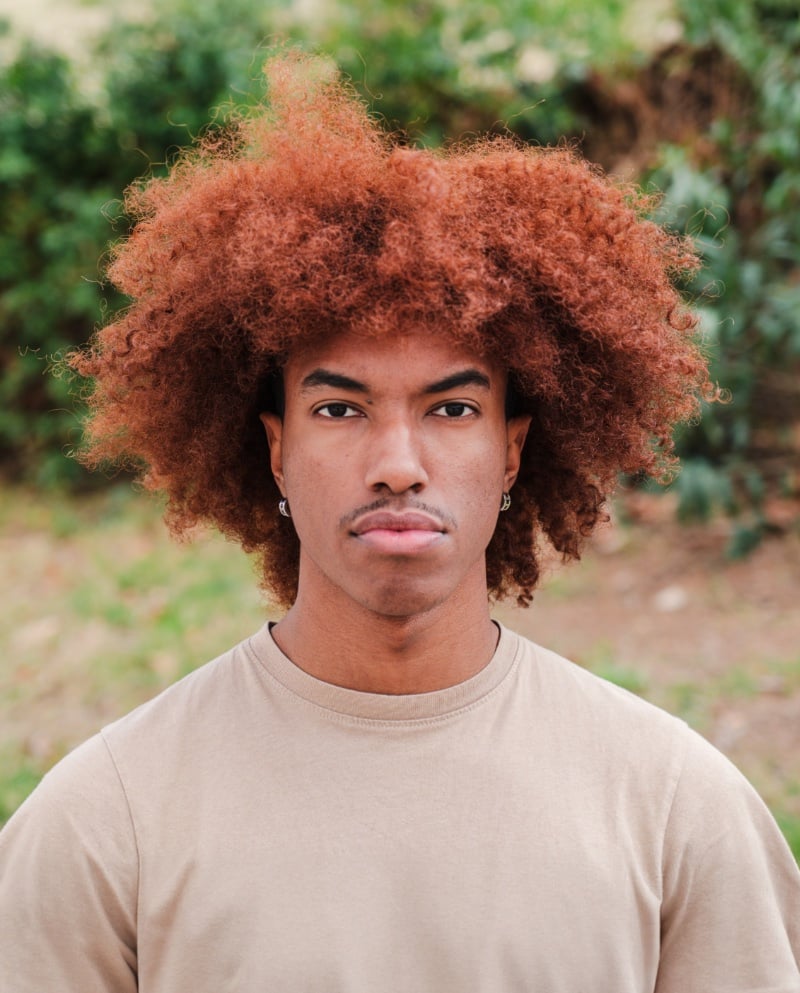
Chestnut, black, burgundy, copper and honey blonde offer different levels of contrast against dark skin. The skin tone does not determine how much lightening the hair can tolerate. Assess curl pattern, previous processing and the hair's condition separately; tightly coiled or already fragile hair needs particular care during chemical services.
Natural-Looking Hair Color
Subtle Highlights

Fine highlights close to the base shade leave darker hair between the lighter strands. Placement away from a rigid root line can make the grow-out less conspicuous. The effect still depends on the contrast and haircut, with short sections revealing new growth sooner as the lightened tips are trimmed away.
Salt & Pepper

Salt and pepper mixes unpigmented gray or white strands with darker hair. Leaving that mixture intact preserves its natural variation. If yellow tones develop, a toning product may alter their appearance, but use it according to its directions so the paler strands do not take on unwanted violet or blue.
Henna
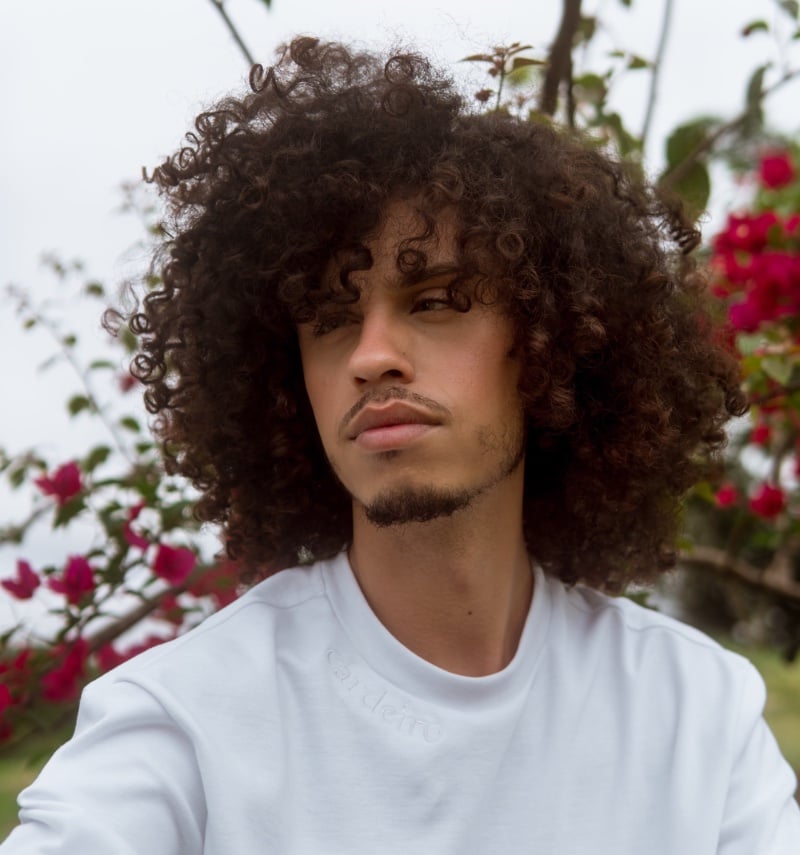
Pure henna comes from Lawsonia inermis and leaves a persistent red-orange stain, with the final shade affected by the hair beneath it. It does not lighten hair. Pure henna differs from blends containing other dyes or metallic salts, which can complicate later chemical services. Show the full ingredient list and coloring history to a colorist before lightening or recoloring it. Products marketed as black henna may contain PPD and can cause serious skin reactions. Henna can color curly hair as well as straight strands.
Hair Color for Gray Hair
Blending Gray

Gray blending leaves some pale strands visible among darker ones. Lowlights add selected darker sections, while a suitable demi-permanent formula can soften the difference across a broader area. The amount of coverage depends on the product and how the gray hair accepts it. New growth may still show, especially when the added shade is much darker.
Covering Gray

A formula designed for gray coverage can produce a more uniform shade, often using permanent color. Coverage depends on the proportion and resistance of the gray hair as well as the application. A slightly lighter shade may create a softer effect than a deep match to the former color, but gray hair does not always take dye darker. Use a strand test and the manufacturer's shade guidance to assess the likely result.
Going Gray

Growing out gray leaves a boundary between new, uncolored roots and previously dyed lengths. A colorist can assess whether highlights, blending or gradual reduction of the added color will soften that boundary. Shorter cuts remove colored ends as they are trimmed. Previously darkened hair may need a slower transition than a lightly tinted base.
How to Dye Hair at Home
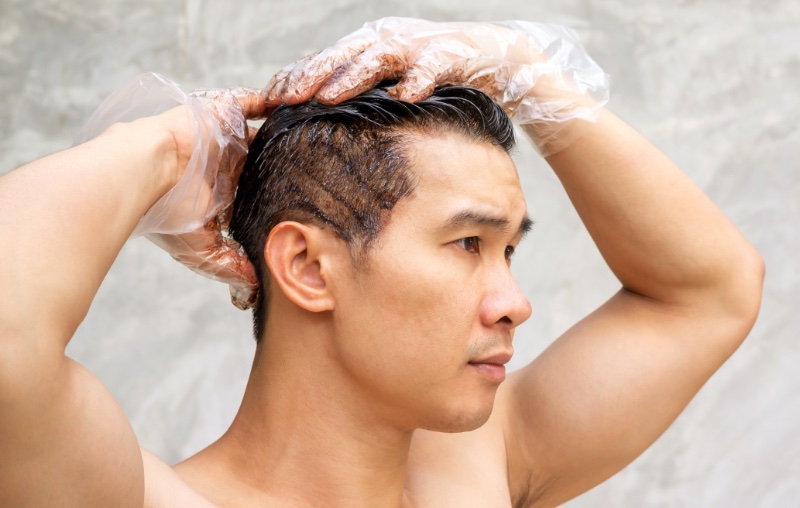
Home coloring is most manageable when the change is limited and the product suits the starting hair. Matching roots, deepening a shade and blending gray involve different application choices. Major lightening or correction of existing color needs a colorist's assessment. Check the box's starting-color examples and directions, and distinguish a skin allergy test from a strand test used to judge the color result.
Steps for Home Hair Dye
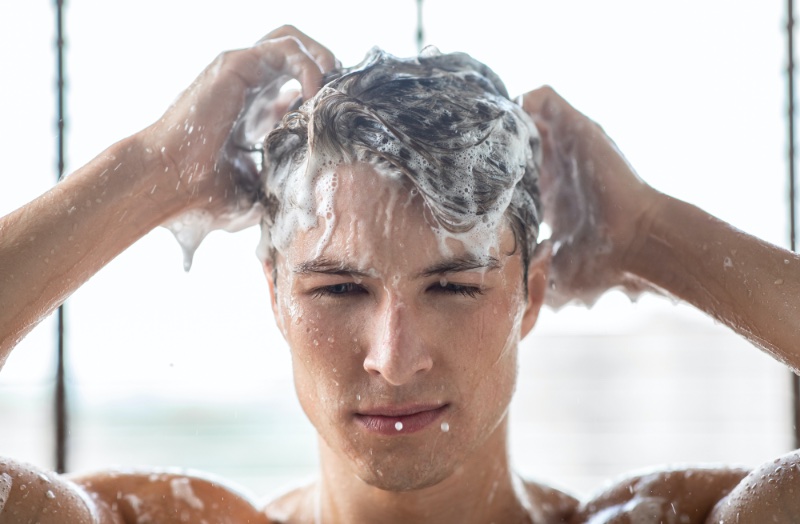
- Complete the product's skin allergy test before every application, following the stated timing, often 48 hours in advance. Follow any strand-test directions too; the two tests serve different purposes.
- Check whether the formula requires dry, damp, clean or unwashed hair. Follow its preparation directions, and do not apply dye to an irritated or damaged scalp.
- Cover clothing and nearby surfaces. If the instructions recommend a barrier along the hairline or ears, keep it on the skin and off the hair being colored.
- Wear the supplied gloves and mix only as directed in a ventilated area. Use the prescribed proportions and do not combine different dye products.
- Section and apply the product in the order specified. First-time color and root retouches may require different placement, so do not automatically coat roots and ends together.
- Use a timer and rinse at the stated time, following the directions for rinsing and conditioning. Rinse the product off promptly if burning or irritation develops.
Mistakes to Avoid

- Do not extend the processing time to pursue a stronger result. More time can increase irritation or damage and may change the shade unpredictably.
- Do not assume that wet and dry application are interchangeable. The amount of water in the hair can affect how a formula spreads and develops.
- Avoid repeatedly overlapping permanent color onto already colored lengths. Follow the retouch directions and refresh faded ends only when the formula and hair condition permit it.
- Do not skip the required skin test or treat previous uneventful use as proof that a reaction cannot happen.
Low-Maintenance Options
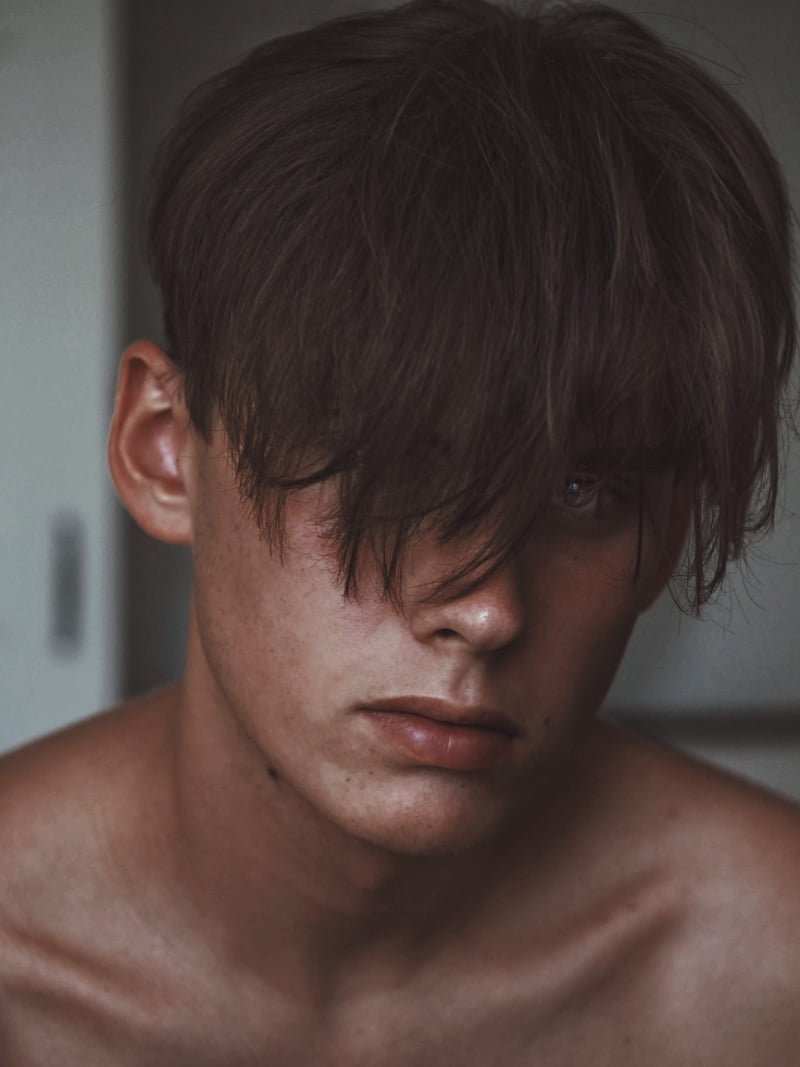
A shade close to the natural base generally reduces root contrast. Selected highlights or lowlights can leave new growth less conspicuous than a uniform color, depending on placement. Demi-permanent and semi-permanent dyes fade, but they can still leave a root difference or residual staining. Choose for the expected grow-out as well as the first-day shade.
Hair Color for Work

Workplace requirements vary. Natural shades, highlights and gray blending may fit some dress codes, while others also allow vivid color. Check the actual policy where one applies. Then decide how the chosen shade should look as it fades or grows out, especially if regular color appointments are difficult to maintain.

Root contrast can be softened with selective placement or retained as a visible part of the color. Trimming changes how much dyed hair remains at the ends, which matters on short cuts. Successful professional hairstyles for men also depend on the haircut's outline and daily styling, alongside its shade.
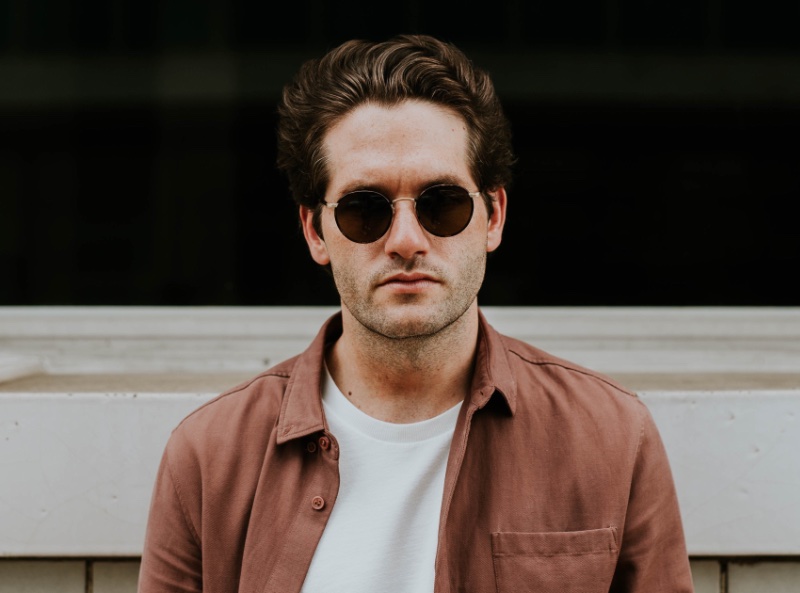
Hair Coloring Techniques
Highlights

Foils isolate selected sections so the colorist can place lightness precisely. A cap pulls strands through small openings and can suit some shorter cuts. Section size and spacing determine whether the lighter pieces form fine threads or broader bands. Application needs to account for how the hair parts and falls when dry.
Balayage & Ombre
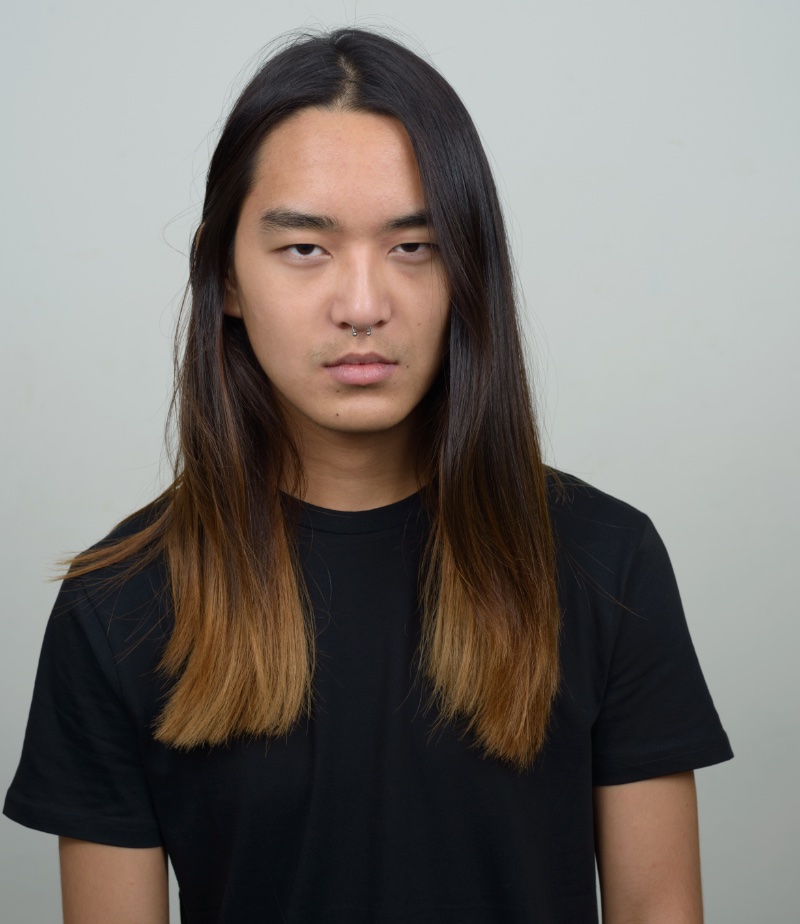
Balayage describes hand-painted placement, often concentrating lightness through the surface and ends. Ombre describes a gradient from darker roots toward lighter lengths. The two can overlap, but one names a technique and the other an effect. With medium length hair and longer lengths, there is more room for that progression. Root contrast can be softer when the natural base is retained.
Choosing by Hair Length

- Short hair has limited space for a gradient. All-over color or precisely placed lighter sections can remain visible above the sides.
- Medium hair offers more room for highlights, hand-painted sections or a root-to-end gradient, depending on the cut's layers.
- Long hair can carry a longer color progression. Account for older, previously processed ends before combining techniques.
How to Care for Colored Hair
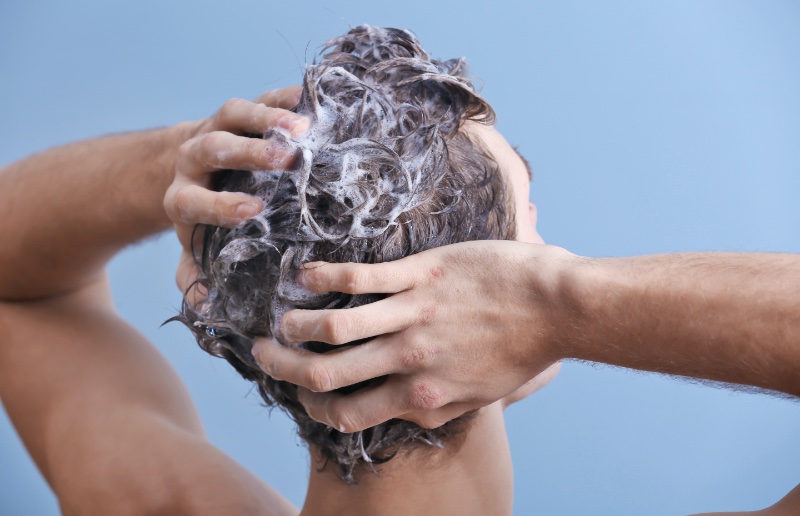
Use a shampoo and conditioner suited to the color service and the scalp. A sulfate-free label alone does not determine how well a formula preserves color. Wash as needed for oil, sweat and product buildup, using lukewarm water and gentle handling. Conditioner can improve the feel of processed lengths, but it does not reverse the chemical changes from bleaching.
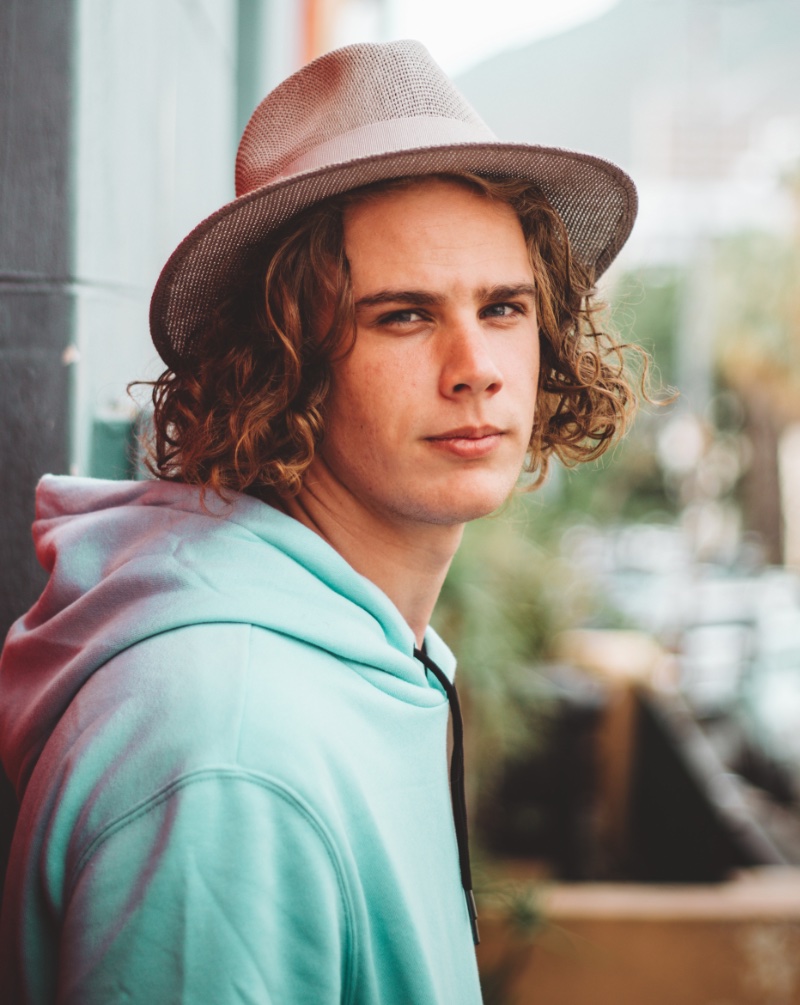
Sun exposure and high heat can affect both color and hair condition. A hat provides physical cover outdoors. When heat styling, use an appropriate protectant as directed and keep the temperature and exposure as low as the style allows. Swimming can also alter the appearance of colored hair, so follow the colorist's aftercare advice and rinse after the pool.
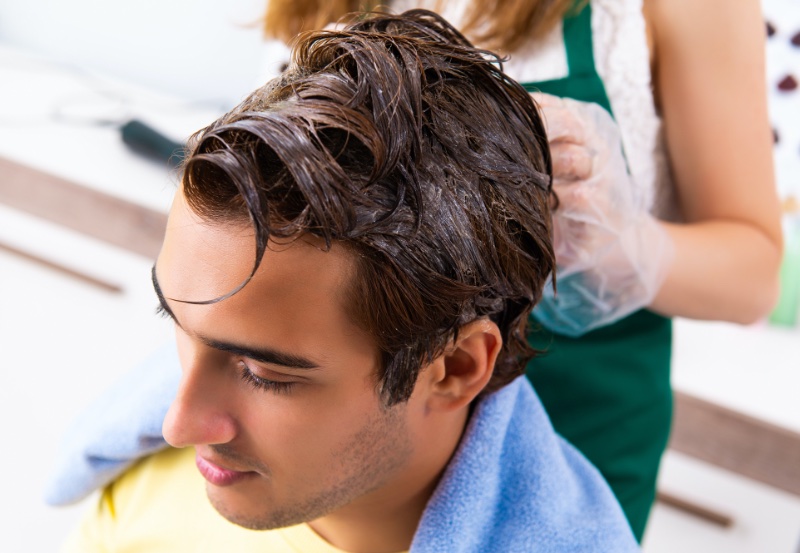
Plan retouches around the visible regrowth, the product's minimum interval and the condition of the hair and scalp. A gloss or toner may refresh tone between appointments, but it is still a color service and needs to suit the existing treatment. Reapplying color more often is not automatically better maintenance.
Hair Color Myths
Hair Dye Always Damages Hair
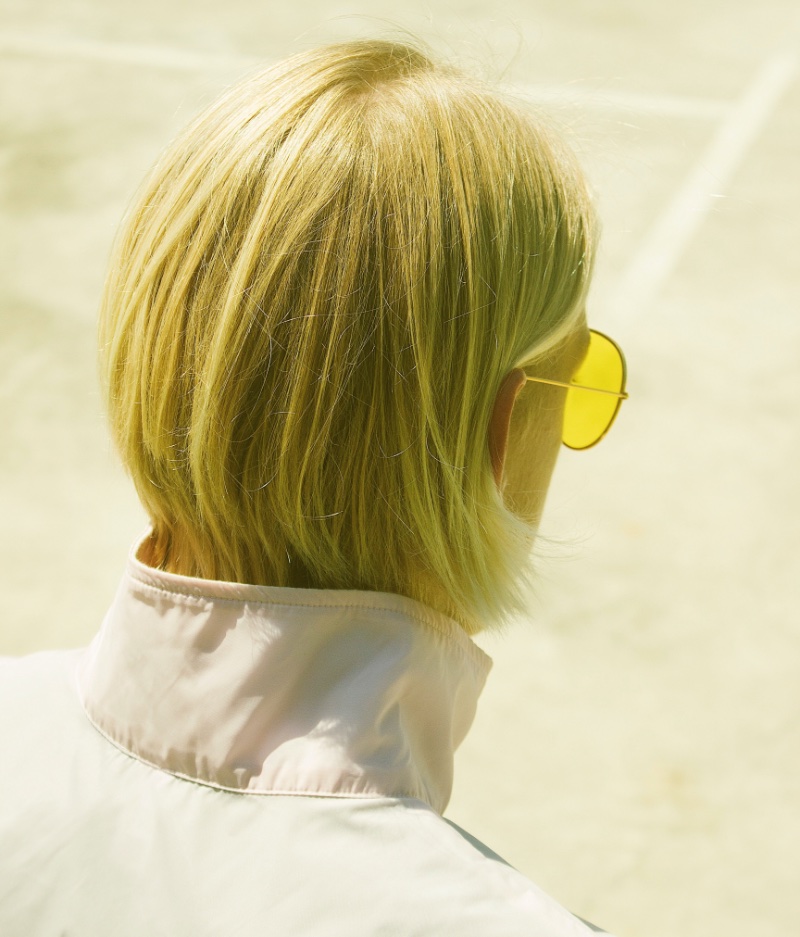
The amount of change depends on the formula, starting condition and processing. Substantial lightening can cause more damage than depositing a darker shade, but permanent and demi-permanent products are not automatically damage-free. Repeated overlap onto processed hair can increase dryness and breakage. Follow the service's limits instead of judging risk by the shade alone.
Coloring Hair Isn't Masculine

Gray blending, natural shades and vivid color are grooming choices. The decision can reflect the desired appearance, interest in experimenting or preference for a more uniform shade. None requires a claim about masculinity.
Hair Color Makes a Man Look Older or Younger
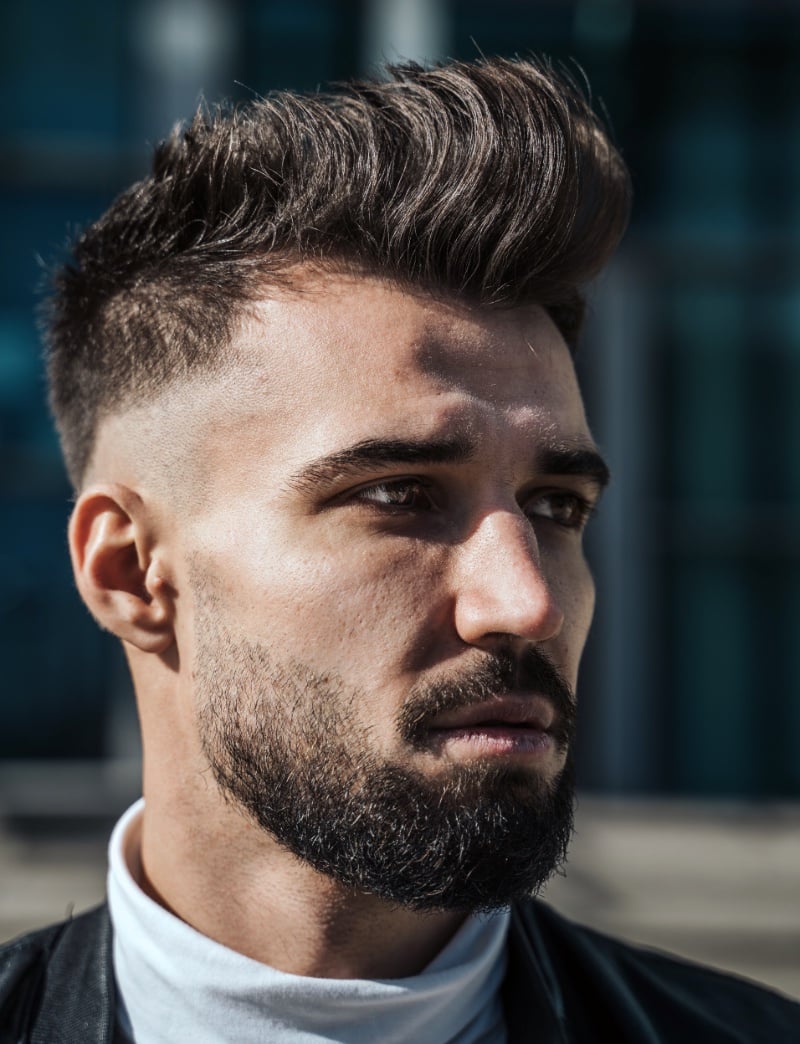
Color can change the impression of age, but it does not produce a predictable number of years in either direction. Gray coverage creates a different contrast from a mixed salt-and-pepper surface. A very uniform dark shade may emphasize that change, while partial coverage retains more variation. Choose the intended effect instead of promising a younger appearance.