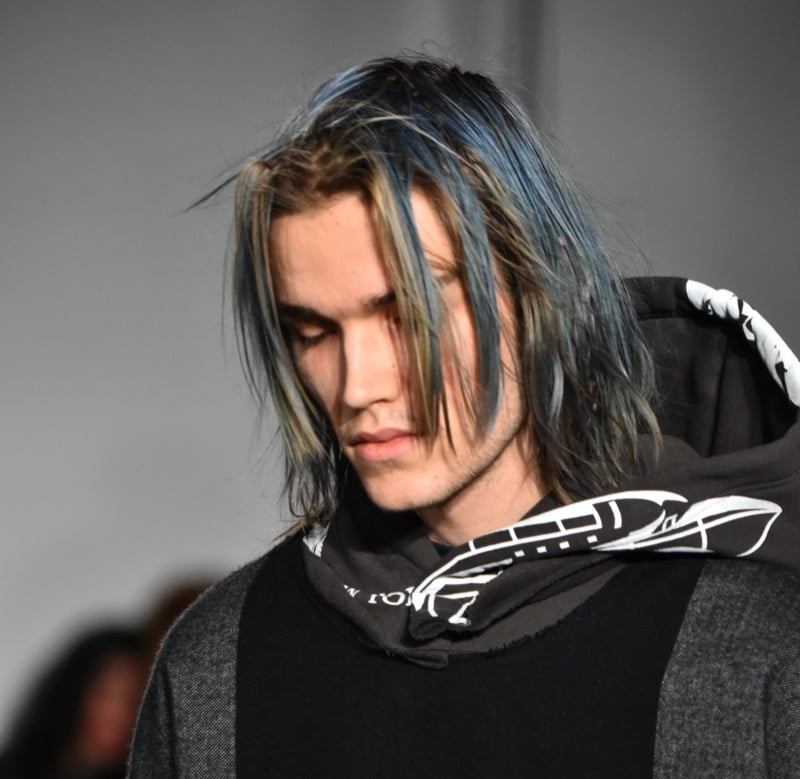
Grunge hairstyles for men start with hair that looks lived in. A fringe falls across the eyes, layers bend around the ears, and the ends have a little separation. The appeal comes from a certain indifference to perfect grooming, even when getting there takes a haircut and a few minutes in front of the mirror.
Rooted in the music and grunge fashion of the 1990s, the look now covers both recognizable period references and newer cuts with a rougher finish. Shoulder-length hair belongs to the first camp; a bleached crop or disconnected quiff takes the idea somewhere more contemporary.
Grunge Hairstyles for Men
These 15 styles range from short, broken fringes to loose lengths near the shoulders. Some draw directly on 90s hairstyles, while others adapt their disheveled character. Choose a shape that works with your hair’s natural texture, then decide how much length you want around the face and neck.
Grunge Shag Haircut
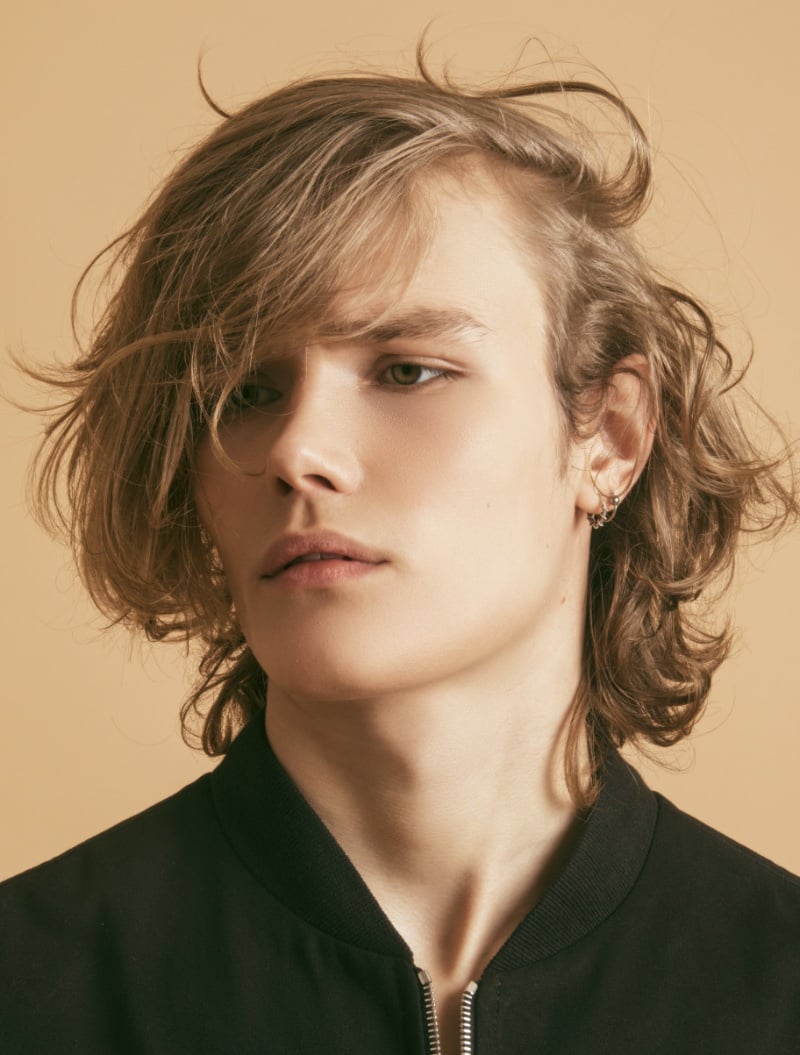
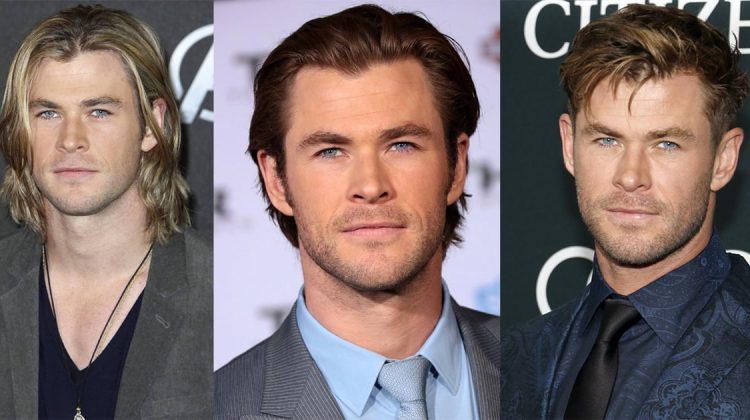
The grunge shag gets its shape from layers that break up the outline, with longer pieces around the ears and nape. A sweeping fringe gives the front some weight while the ends turn in different directions. Ask your stylist to retain those longer edges and adapt the layering to your density. On wavy hair, a light styling cream and finger-drying can bring out the bends already there.
The Cobain Middle Part
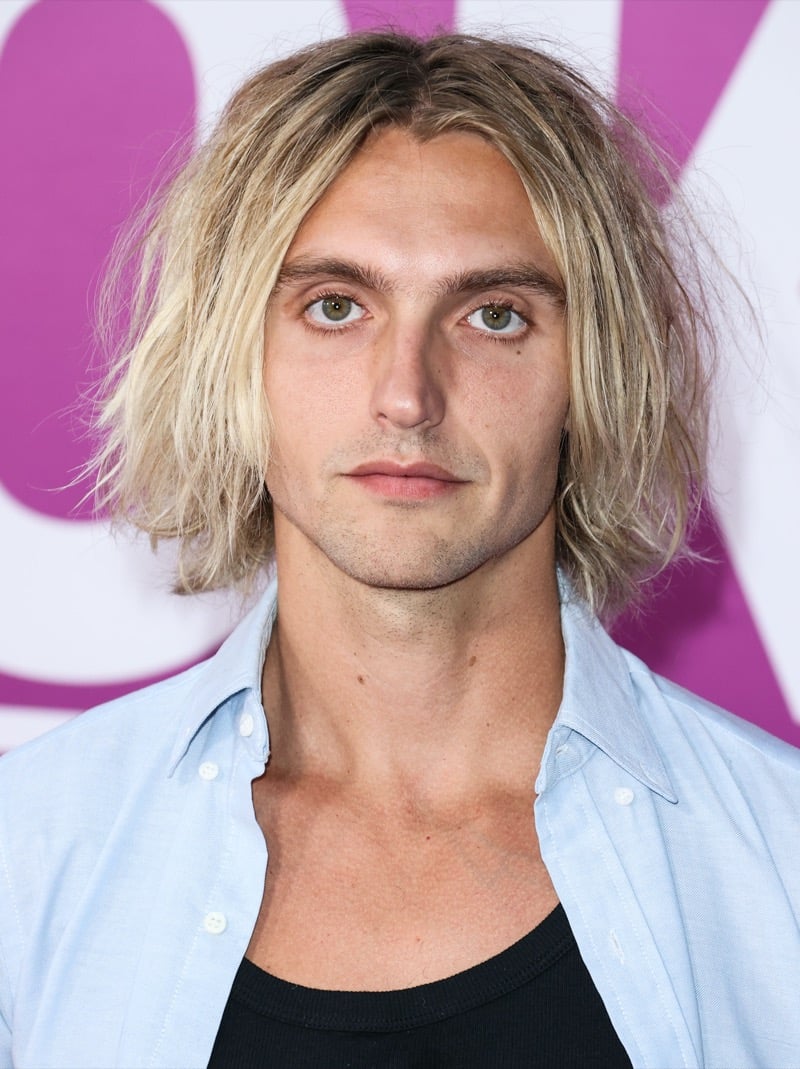
A soft middle part and chin-to-shoulder length put the face between two loose curtains of hair. The reference to Kurt Cobain’s style is immediate, particularly with blonde lengths and visible roots. Keep the part casual and the ends lightly separated. A little leave-in conditioner can help dry lengths move, while fine hair may need only a small amount through the tips.
Grunge Wolf Cut
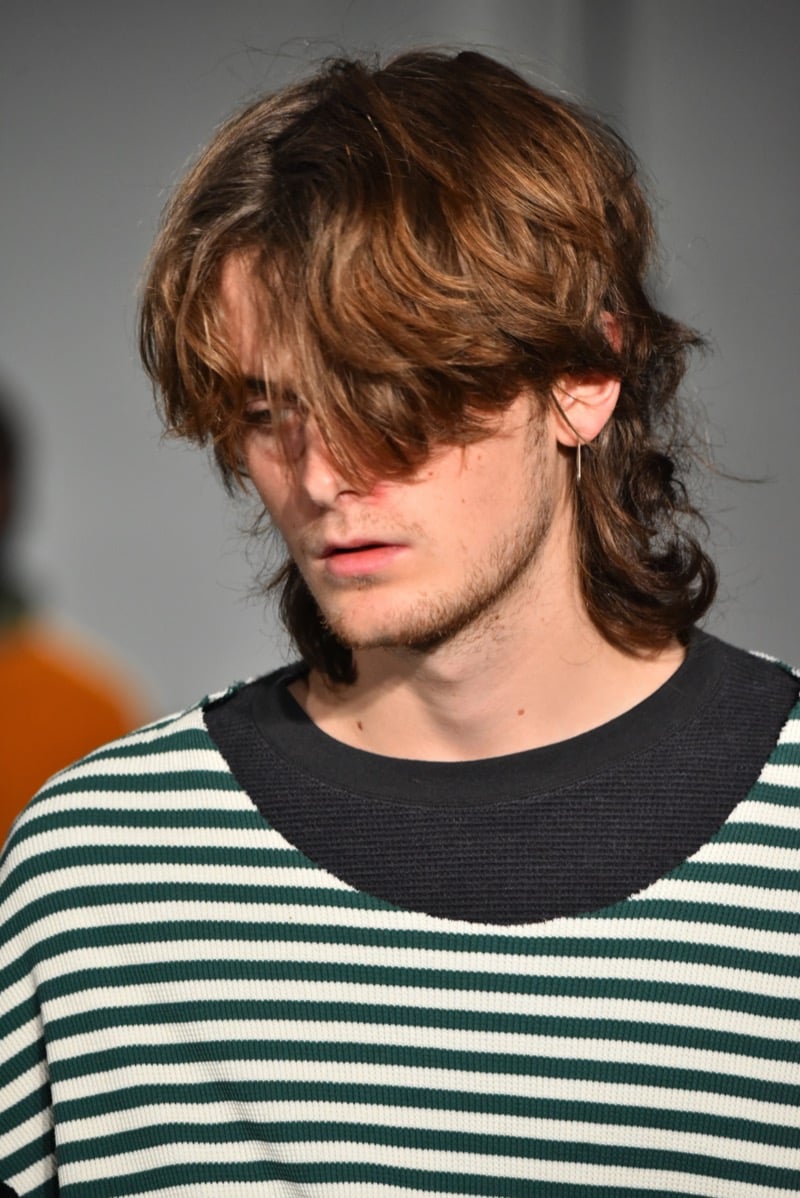
The wolf cut gives grunge hair a fuller crown and a longer, narrower back. Here, the heavy fringe nearly covers the eyes, and the layers turn out beside the ears. It is a modern interpretation with plenty of shag in its ancestry. Bring a reference photograph so your stylist can judge how short to take the crown while preserving enough weight through the fringe.
90s Grunge Bob Haircut
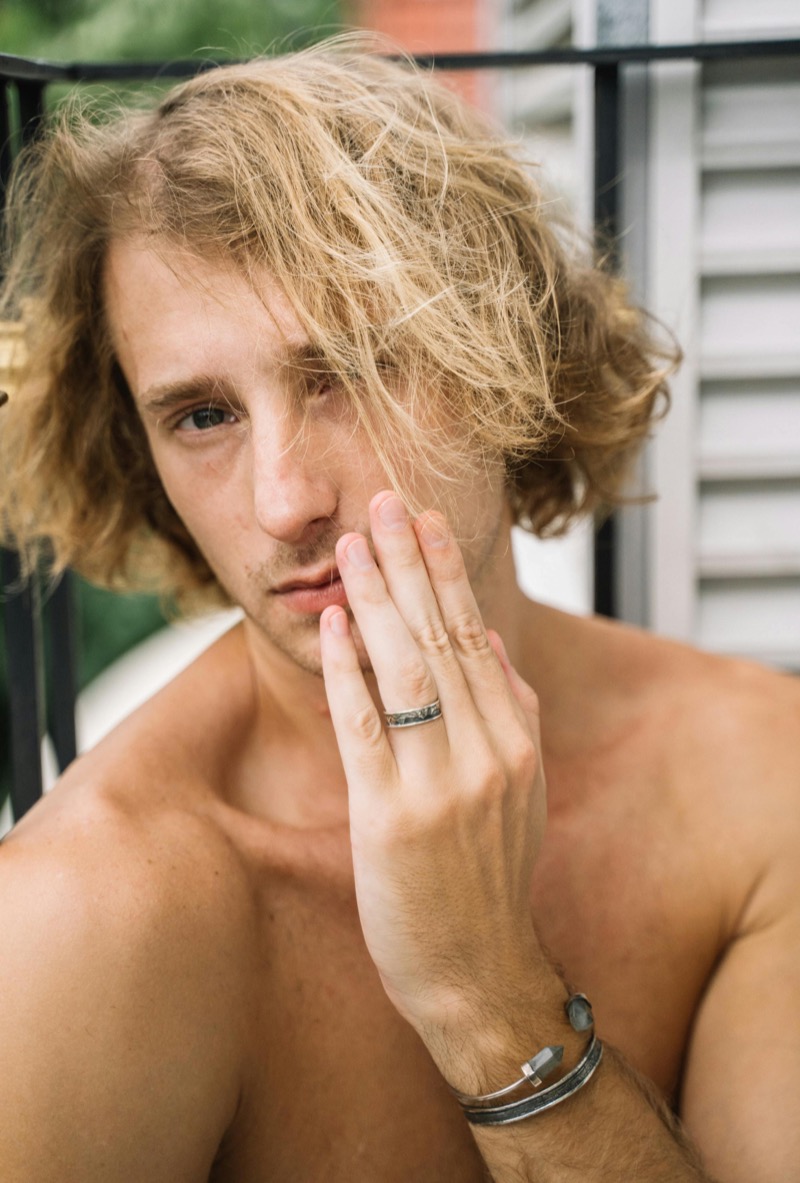
The grunge bob keeps most of its length around the jaw, giving the hair a stronger perimeter than a heavily layered shag. A loose part and broken-up ends soften that outline. Straight hair makes the shape more visible; waves introduce extra width. Ask for movement through the ends, keeping enough weight for the bob to fall into place after washing.
Bedhead Hair
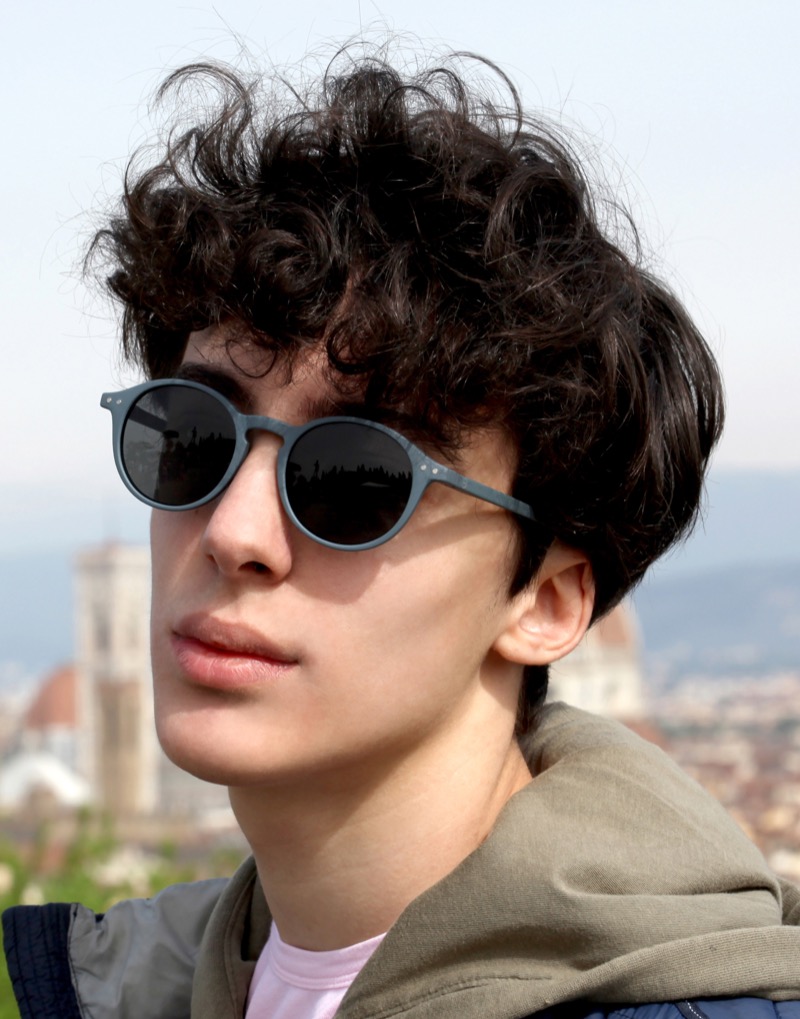
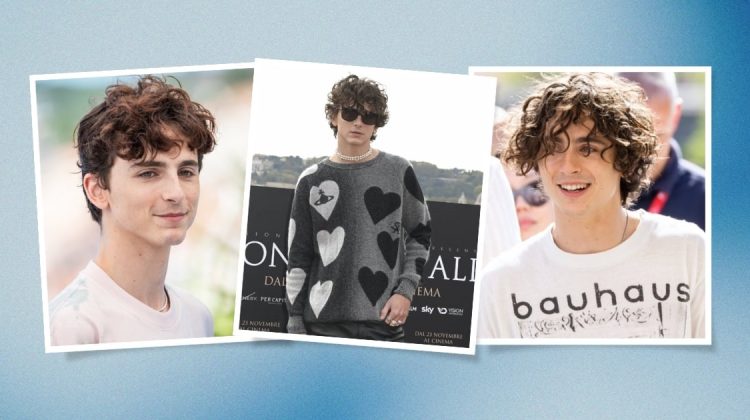
Bedhead hair depends on a cut that lets bends and curls gather naturally. The pictured version has fullness on top and a fringe that falls in separate pieces. Work a small amount of mousse or light cream through damp hair, then scrunch and leave it alone as it dries. Once dry, use your fingers to separate a few sections. Constant brushing can undo the texture you were trying to keep.
Long Fringe Undercut

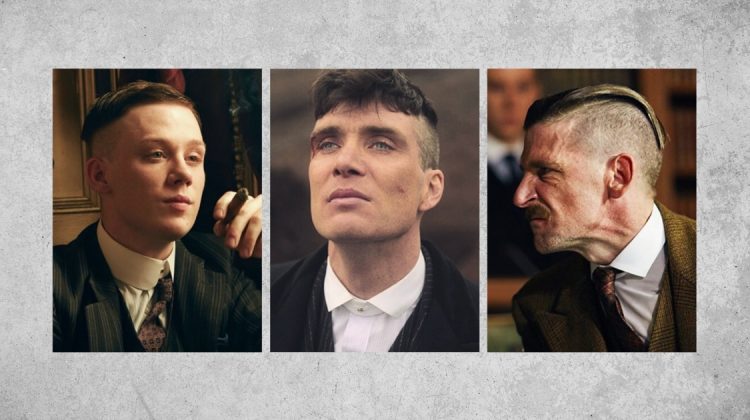
The long fringe undercut puts a longer top against closely clipped sides. Worn back, as pictured, it exposes the contrast; brought forward, the same length can fall across the forehead. For a grunge-inspired finish, keep some separation through the top. Discuss both positions before cutting so the fringe works in the direction you actually intend to wear it.
Messy Man Bun
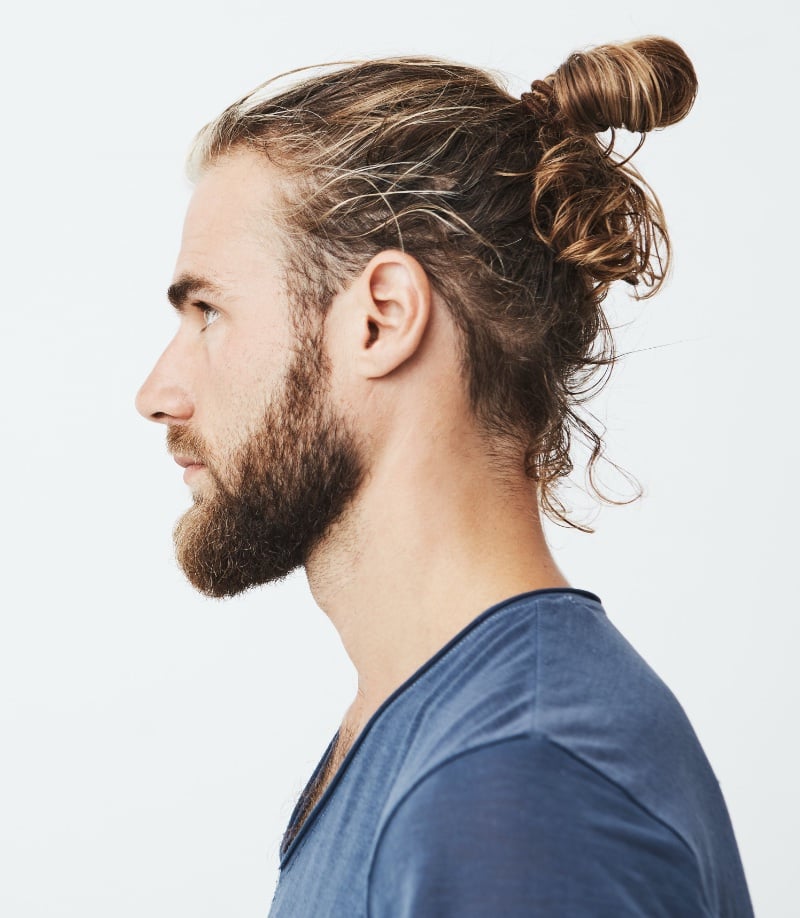
A modern man bun brings grunge-inspired styling to hair long enough to tie back. Gather the lengths loosely and let shorter pieces escape around the hairline. The knot does the practical work, keeping hair off the face, while those loose strands keep the result casual. Use a soft hair tie and leave the roots comfortable; pulling harder adds tension to the scalp.
Wavy Hair Layers

With wavy hair layers, the cut follows the hair’s natural bends. Length around the ears and neck creates the fuller outline, while lighter sections stop the ends from collecting in one heavy line. Ask your stylist to assess the wave pattern before removing weight. A light cream can help define the shape; use it sparingly if your waves flatten easily.
Long Hair
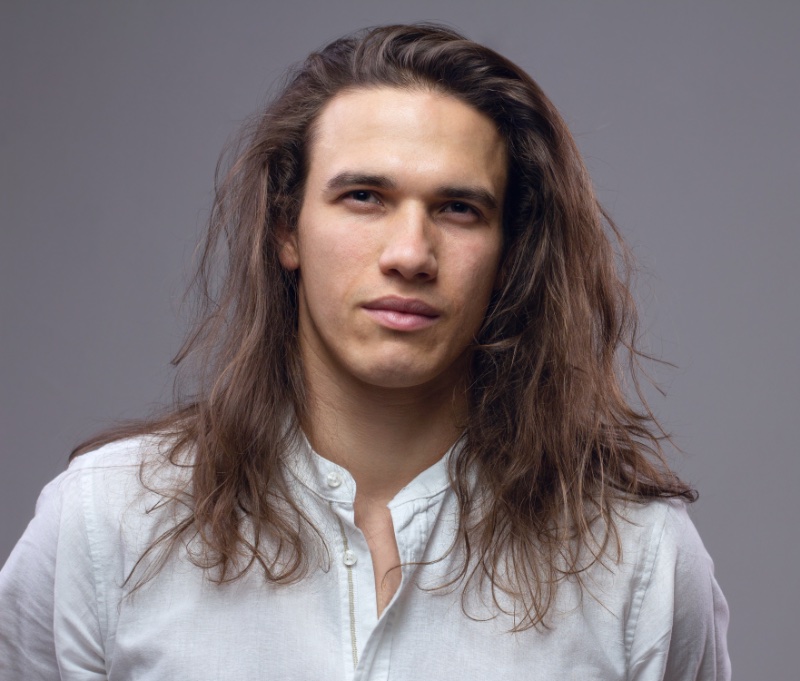
Shoulder-length long hair is enough to establish the look. The pictured cut keeps a loose part and gently uneven lengths, giving straight-to-wavy hair movement around the face. Keep the ends conditioned and detangle carefully. The spirit of the 90s comes through in the casual fall of the hair; maintaining that length still involves regular care.
Grunge Mohawk
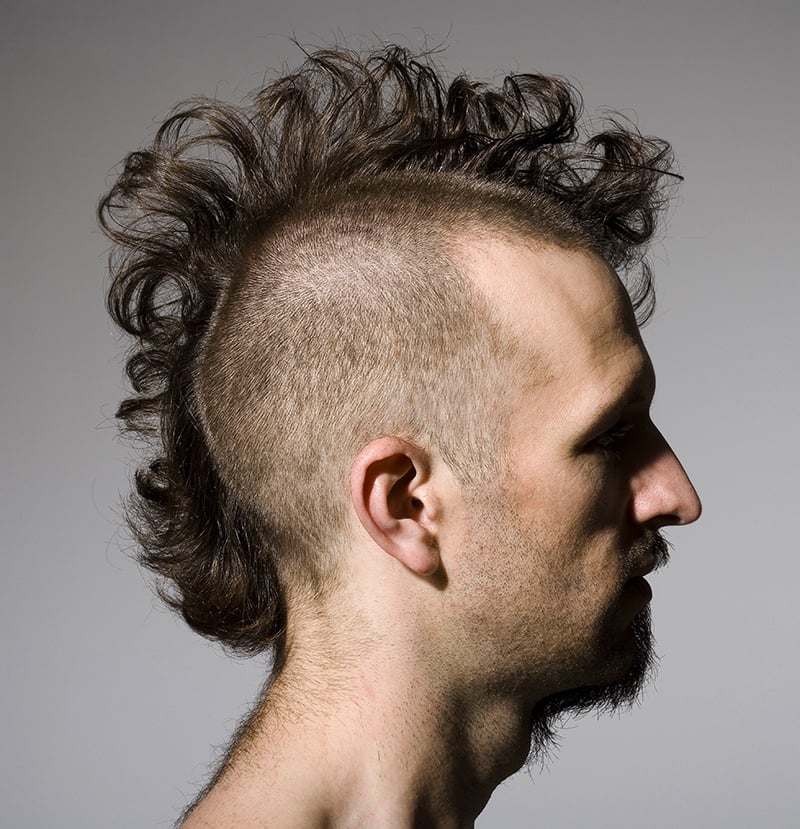
A textured mohawk brings a punk reference into the mix. The shaved sides expose the central strip, while curls give it an irregular outline from the forehead to the nape. Keep enough length through that strip for your natural texture to show. Its width matters as much as its height, so check the front and side views with your barber before the clippers come out.
Textured Crop with Fringe

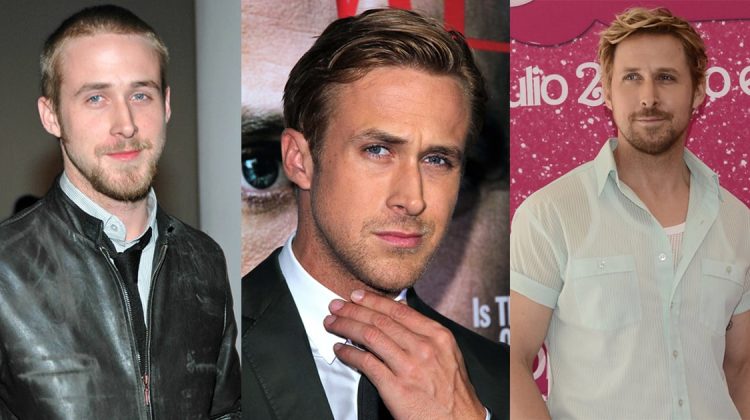
The textured crop offers a shorter route into grunge hair. Small breaks in the fringe give the forehead line an uneven edge, and the top stays loose enough to move. Ask for a textured finish suited to your hair’s thickness. Work a fingertip of matte paste through dry hair, then pull a few pieces forward. Adding more product can make short sections clump together.
Shag Mullet
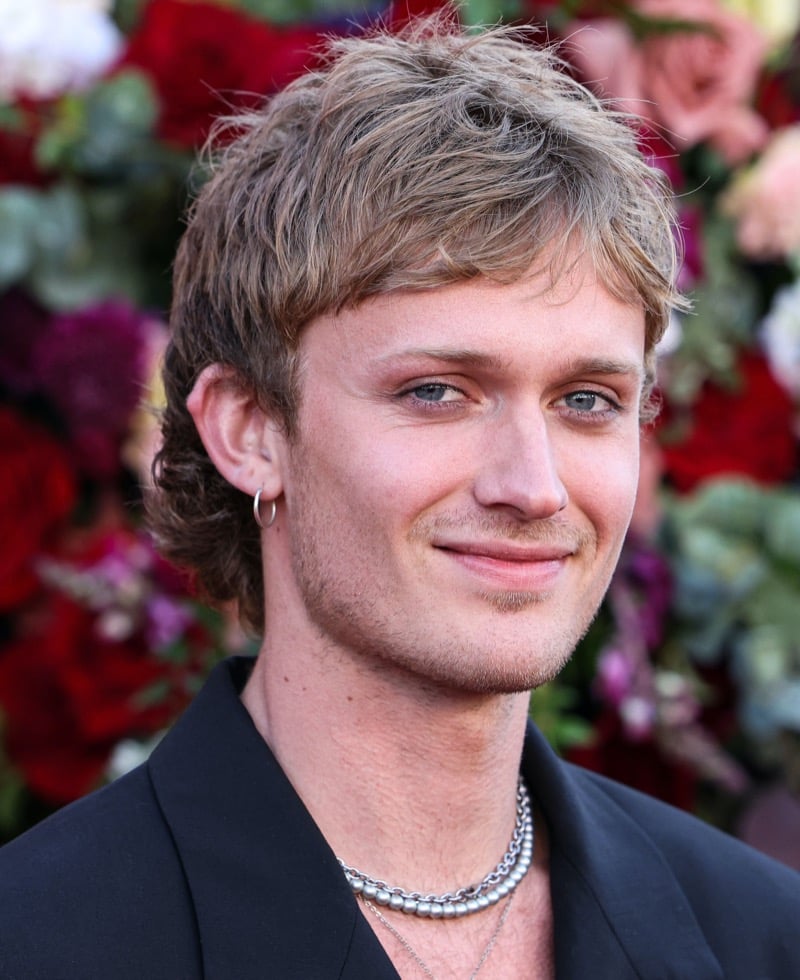
The shag mullet cut keeps extra length at the nape, with shorter layers across the front and sides. Freddie Dennis’s version shows how compact that shape can be. A broken fringe and soft edges keep it closer to a shag than a sharply outlined barber cut. Ask for a subtle length difference if you want the mullet detail to become apparent mainly in profile.
Bleached French Crop
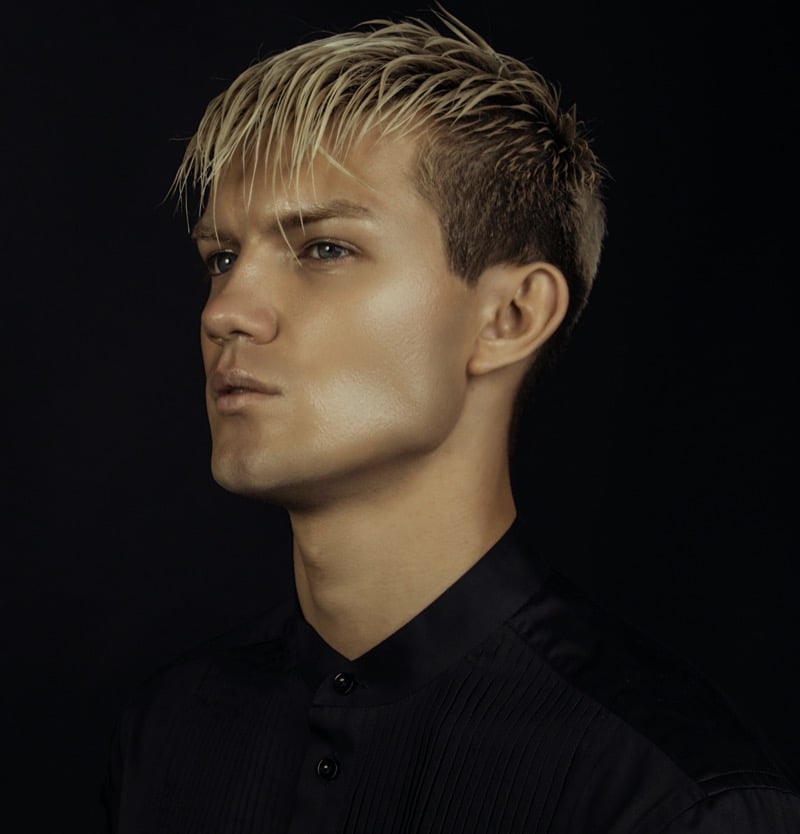
The bleached French crop is a contemporary addition to the grunge vocabulary. Lightened lengths stand out against darker sides, and the forward fringe breaks into narrow sections. Bring the cut and color references to the same consultation so the two work together. Bleached hair needs conditioning, and the lightened ends may behave differently from the untreated hair beneath them.
Choppy Bowl Cut
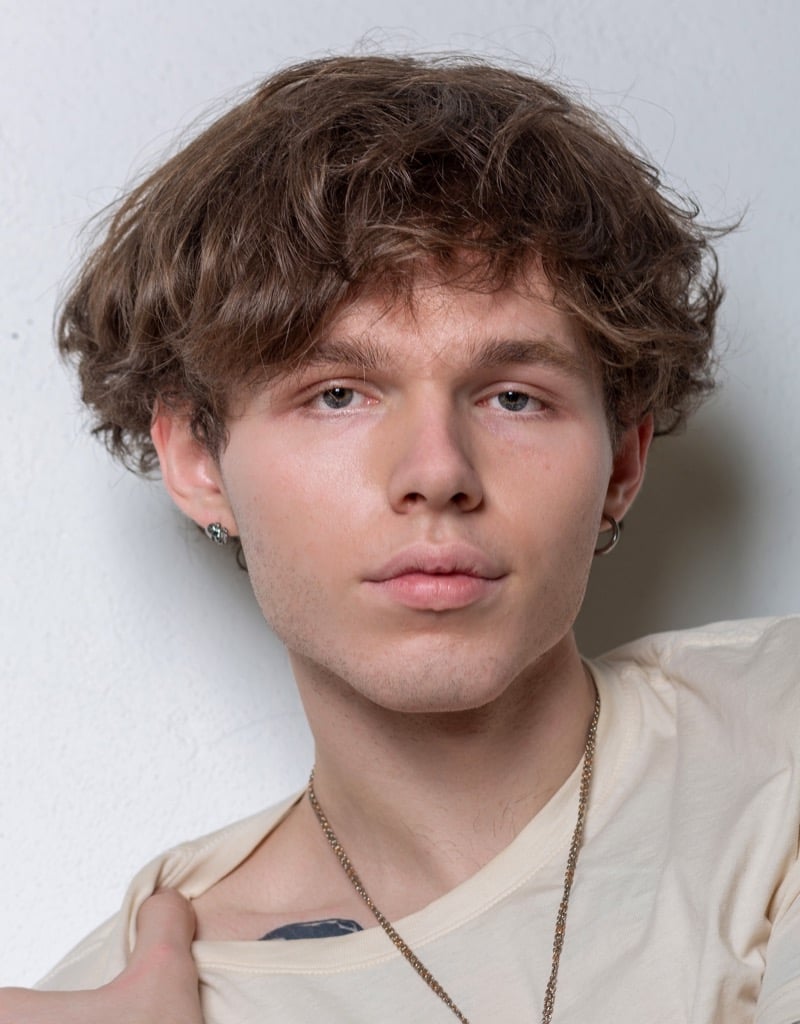
The choppy bowl cut keeps the rounded shape but softens its edge with uneven lengths. The pictured version has a loose, side-swept fringe and enough fullness to show the outline. Ask for textured ends while retaining the shape around the head. Finger-styling suits the disheveled finish, with a small amount of light paste helping individual sections stay apart.
The Disconnected Quiff

The traditional quiff becomes grunge-inspired through a rougher top and visible breaks between sections. Closely clipped sides make the longer front more prominent. Lift the roots as you dry, then work a small amount of matte product through the lengths. Let a few pieces fall sideways. The contrast between the cut’s structure and its tousled finish does most of the work.