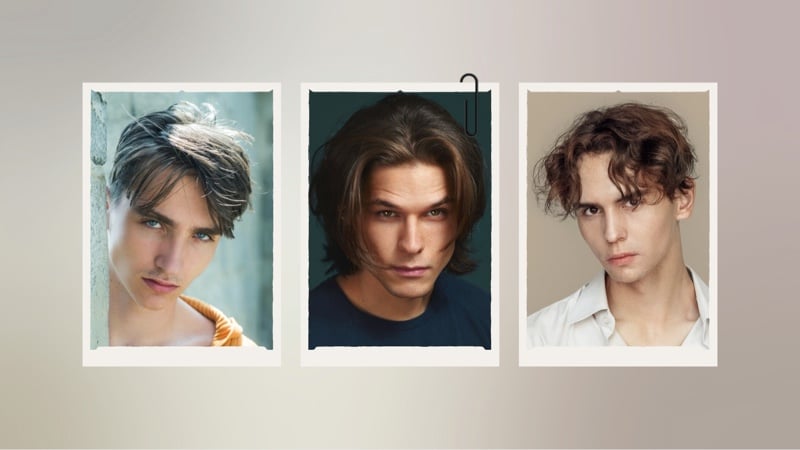
A curtain haircut leaves the fringe long enough to part in the middle and fall to either side of the forehead. Also called curtains or curtain bangs, the shape opens the front while retaining length beside the face. Leonardo DiCaprio helped make it a recognizable 1990s haircut.
What Is a Curtain Haircut?
The front needs enough length to divide and fall beside the forehead, with the ends reaching toward the eyebrows or cheekbones. The required length depends on where the hair starts, how it grows, and how much it curls. Layers, tapered edges, or shorter sides change the outline behind the fringe.
A middle part describes the position of the parting. Curtains describe the parted fringe itself, usually cut and styled to bend away from the center. The part can sit slightly off-center if that follows the hair's growth more naturally.
Curtain Haircuts for Men
Long front pieces connect curtains to 90s men's haircuts. Within that shape, the fringe can fall as straight panels, separate into curls, or turn back in feathered layers. Side length gives these men's haircuts another point of difference, from cropped edges to hair that covers the ears.
Classic Curtain Haircut
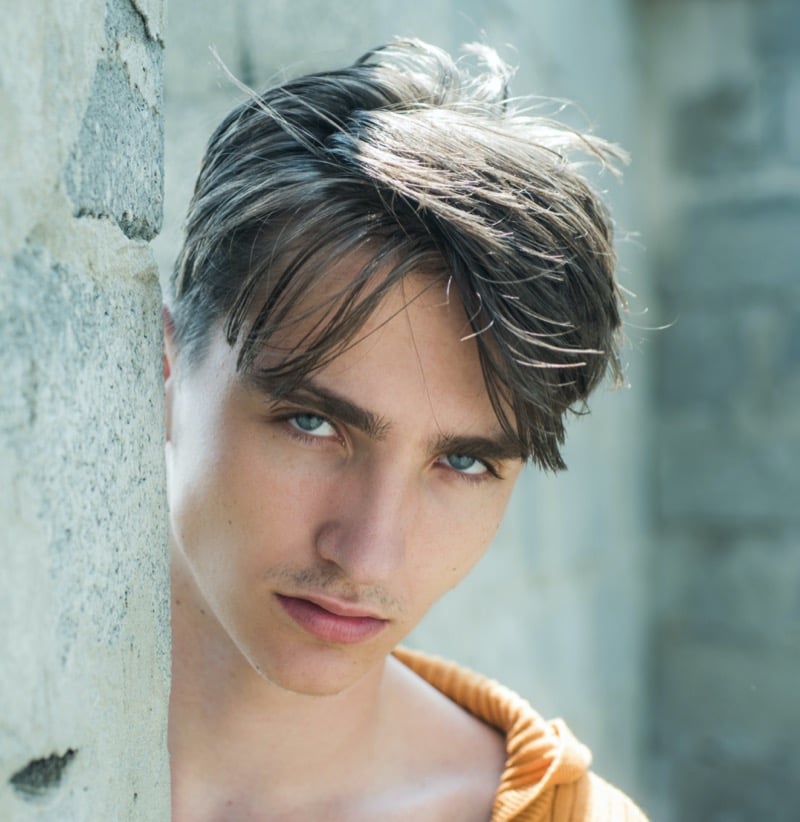
Long bangs fall in two continuous sections in the classic curtain haircut. A visible opening at the center narrows as the hair drops beside the forehead, keeping most of the weight toward the ends.
An undercut beneath the longer top makes the fringe more prominent from the side. Use a little light gel or pomade if the part needs hold, keeping the amount small enough for the front sections to fall naturally.
Curly Curtain Haircut
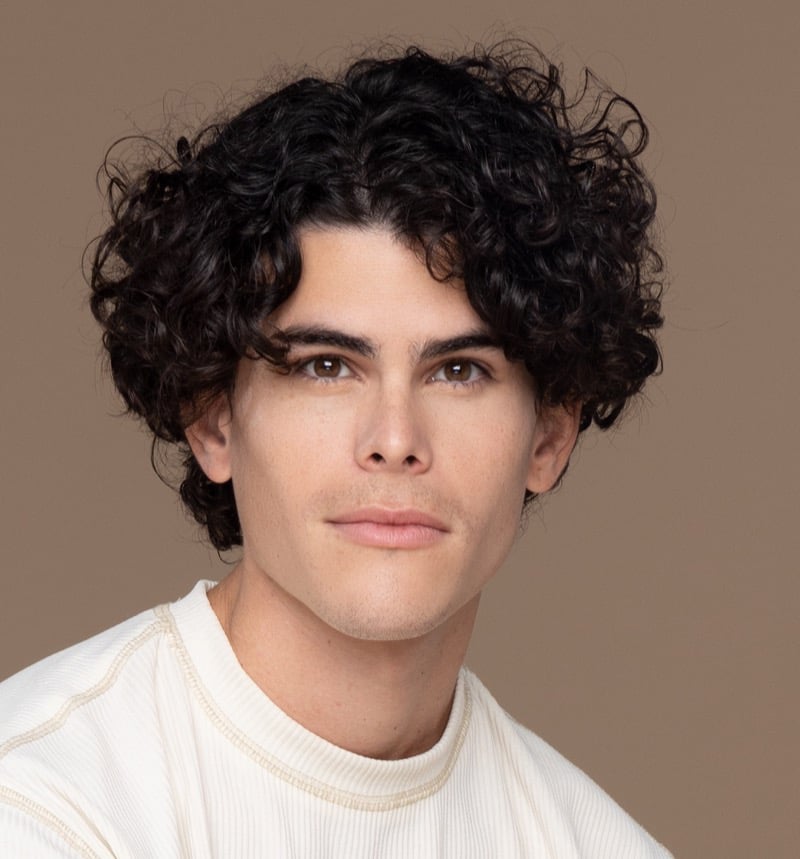
Curls divide into separate clusters on either side of the part, giving the curly curtain haircut a broken fringe line. The opening may be less exact than on straight hair because each curl falls at its own angle.
Check the fringe when dry before shortening it, allowing for the curls to spring up. A suitable gel or curl cream can help the clusters stay together as they dry.
Feathered Curtain Haircut
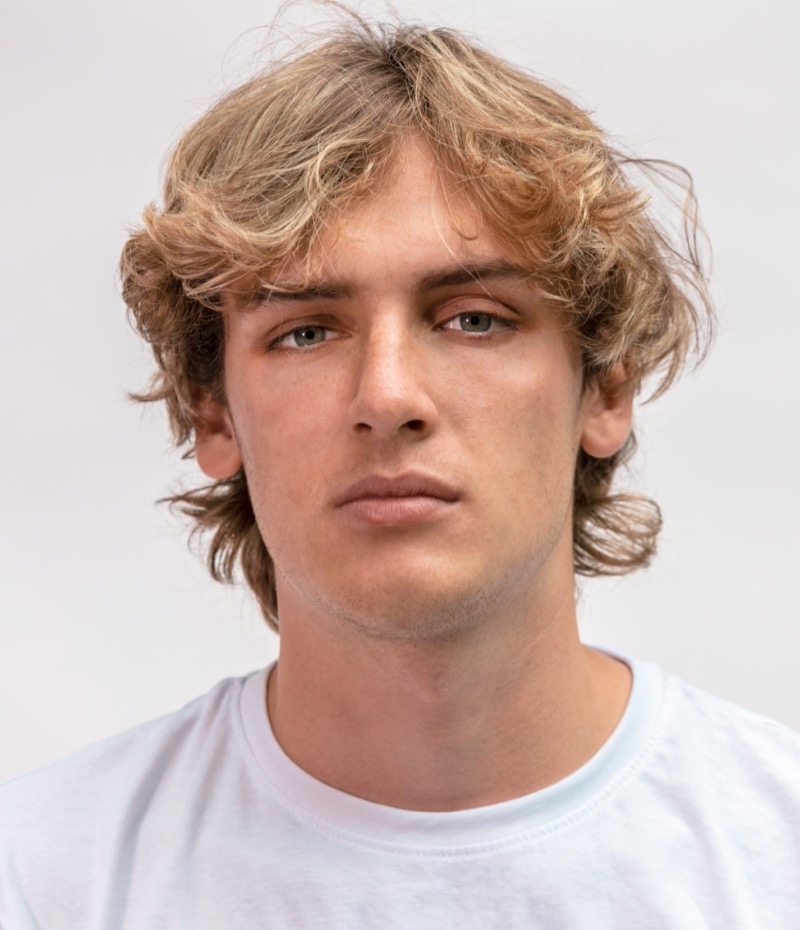
Feathered ends turn outward from the center part, creating a series of light, overlapping edges. The backward sweep recalls hairstyles of the 1970s.
Direct the front away from the face during blow-drying to emphasize the feathering. A small amount of mousse can support lift at the roots; highlights make the separate layers more visible.
Layered Curtain Haircut
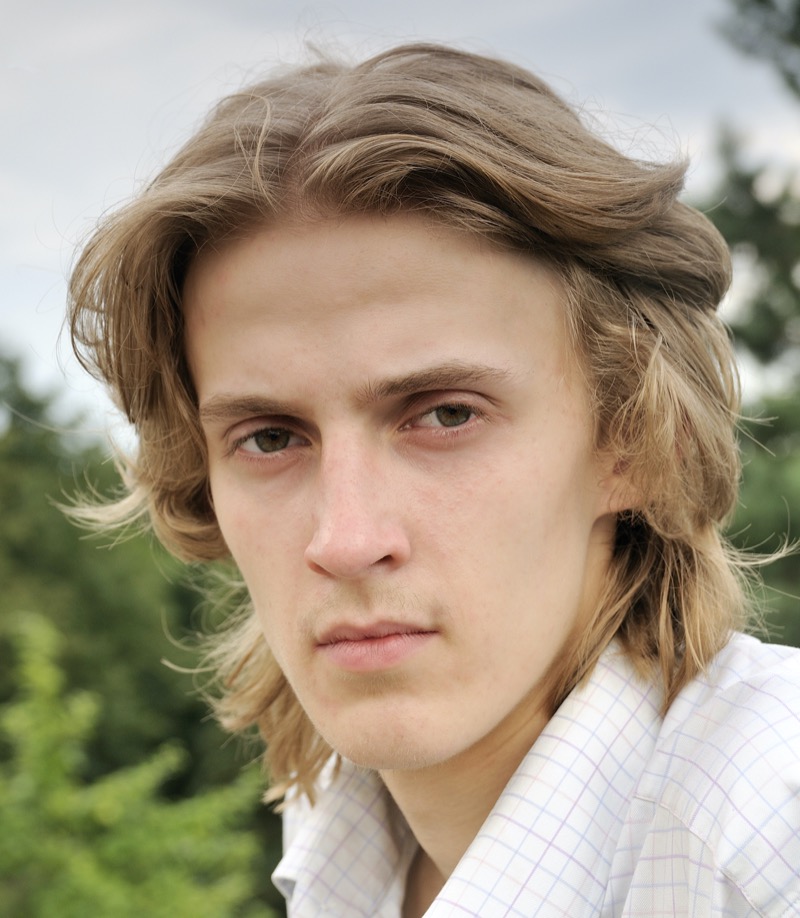
Layers continue behind the long, parted fringe, letting shorter pieces sit over the sides. This reduces a solid shelf of hair around the ears and allows the lower ends to turn separately. Adjust the amount of layering to density so the perimeter retains enough fullness.
Long Curtain Haircut
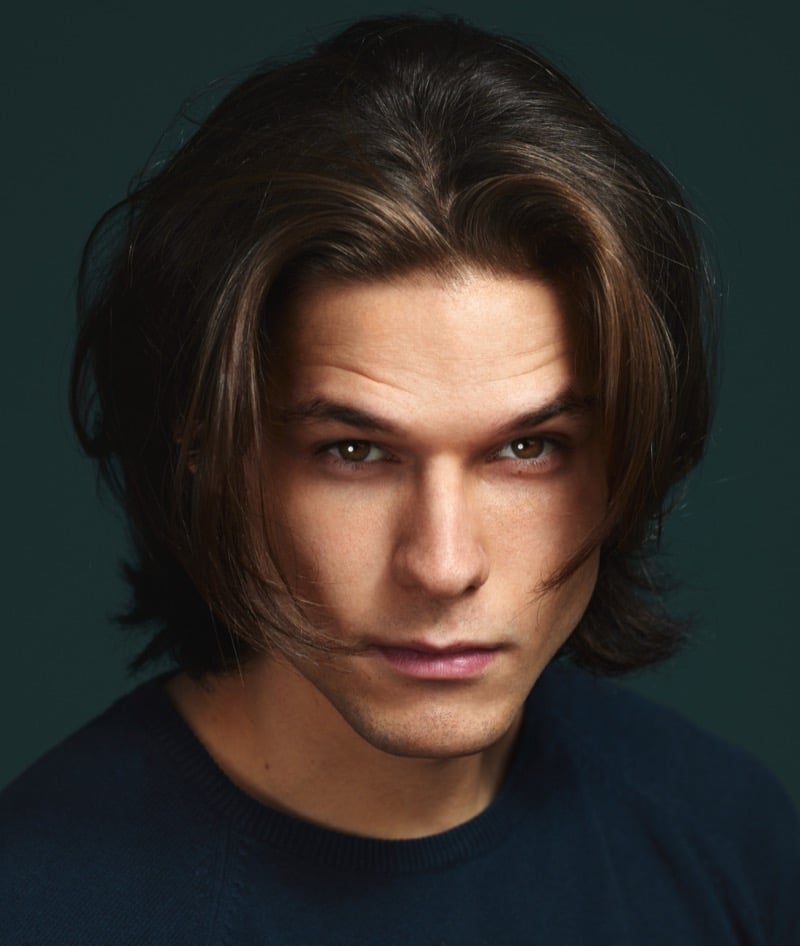
The front pieces of the long curtain haircut blend into the longer sides, extending the sweep beyond the forehead. Its overlapping lengths share the shape of a flow haircut.
Keep enough length at the front for the ends to join the side layers. A lightweight leave-in conditioner can soften dry lengths, with the amount adjusted to the hair's thickness.
Shaggy Curtain Haircut
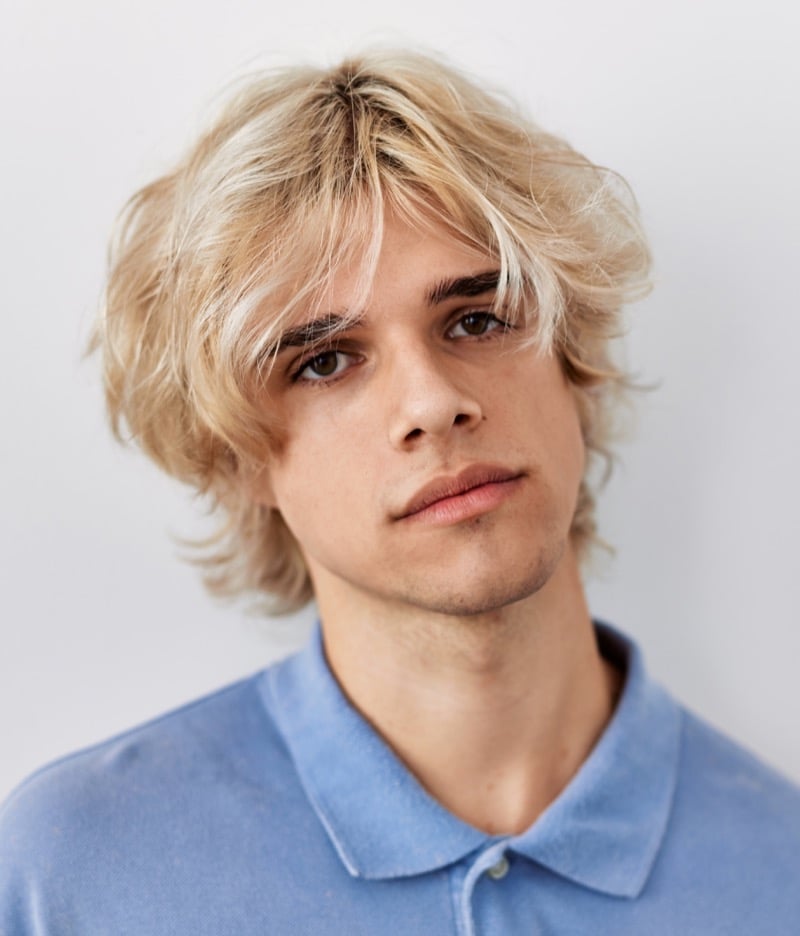
Uneven, layered bangs give the shaggy curtain haircut a less exact opening at the center. Loose pieces cross the part and fall at different heights beside the face. Work a little texturizing product through selected ends if the layers settle together.
Short Curtain Haircut
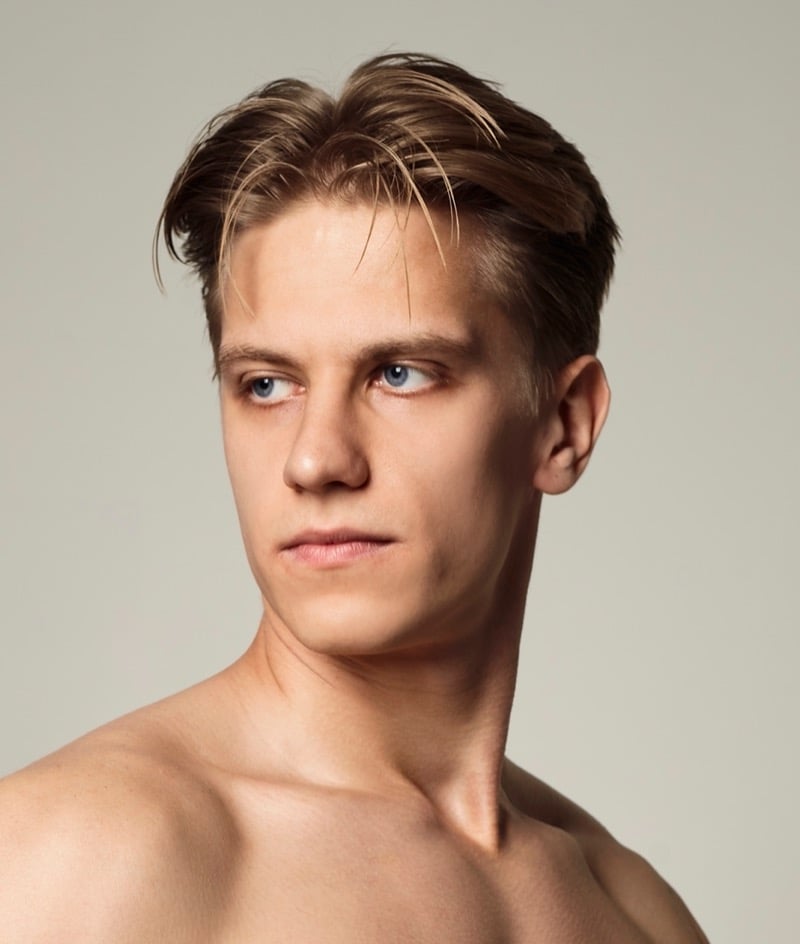
Shorter bangs create a compact pair of curtains above closely trimmed sides and back. The front still needs enough length to split and fall to either side; cutting it too short can make the ends stand up.
Dry the fringe in its parted position before adding a little gel or pomade for hold. Short length can require more frequent fringe trims if the opening begins to close as it grows.
Straight Curtain Haircut
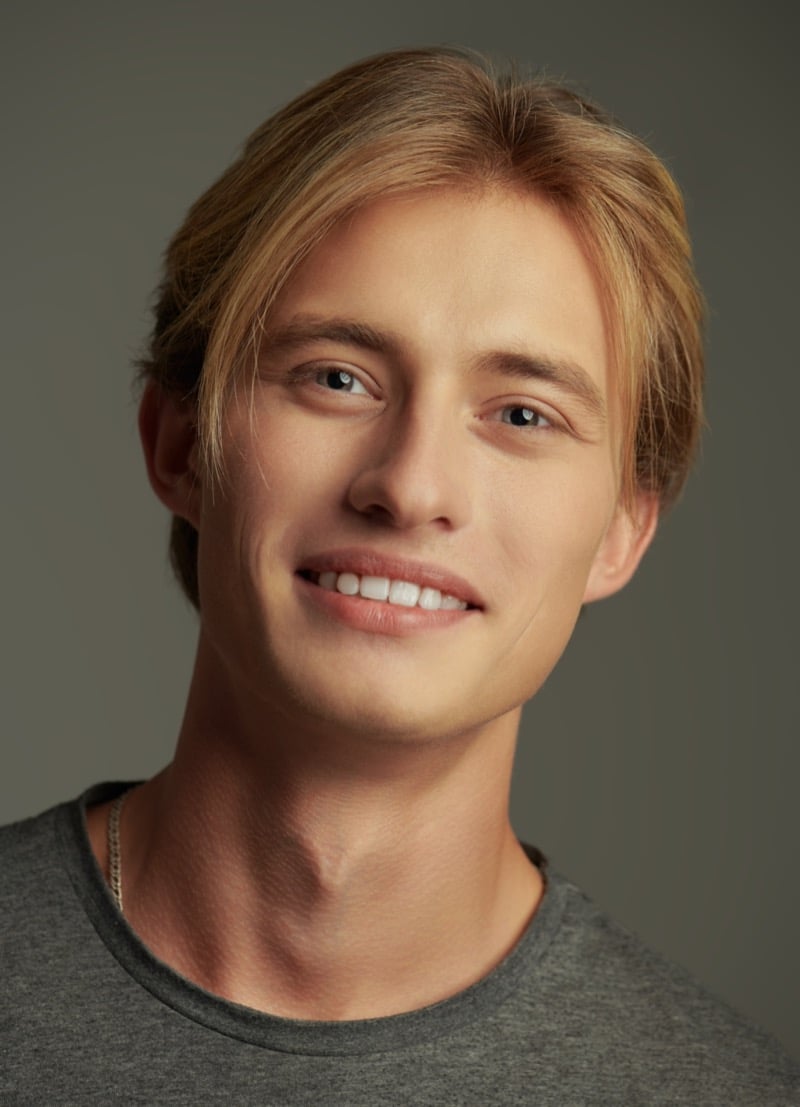
Two smooth sections fall from a visible part in the straight curtain haircut. The even surface makes the line of the fringe especially apparent on straight hair.
Dry the front in the direction it should fall, then use a small amount of smoothing product if flyaways need attention. Extra product at the roots can flatten the curve where the fringe opens.
Wavy Curtain Haircut
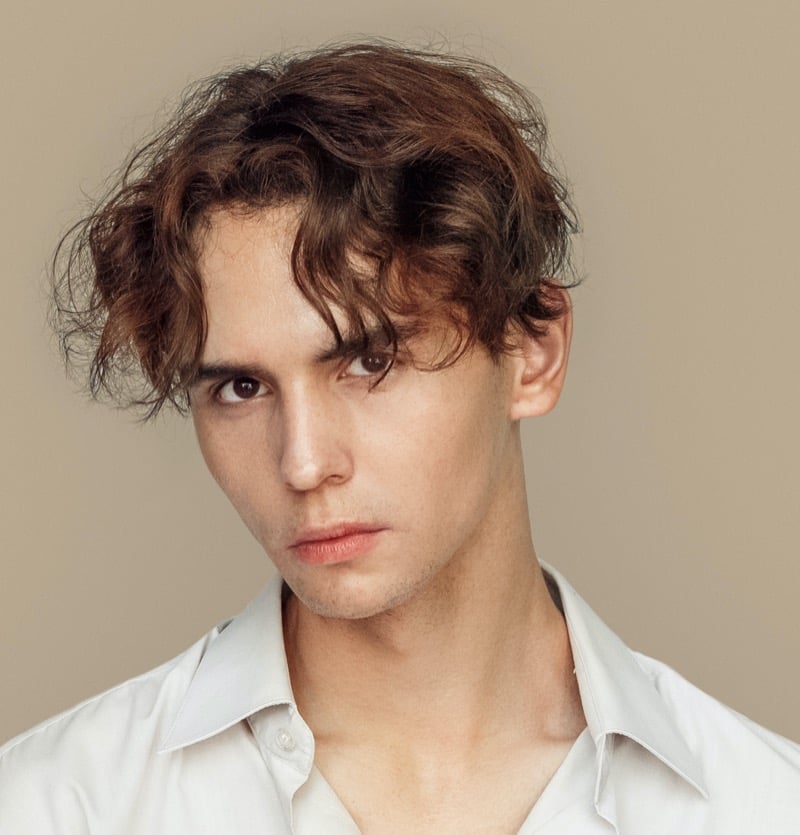
The wavy curtain haircut follows the bends of the hair as the bangs fall to either side. Outward turns open the fringe, while the next bend can bring the ends back toward the cheeks.
Leave enough front length for that bend to form. Scrunch a little mousse or light gel into damp hair if the waves need definition, then let them settle during drying.
Wet Curtain Haircut
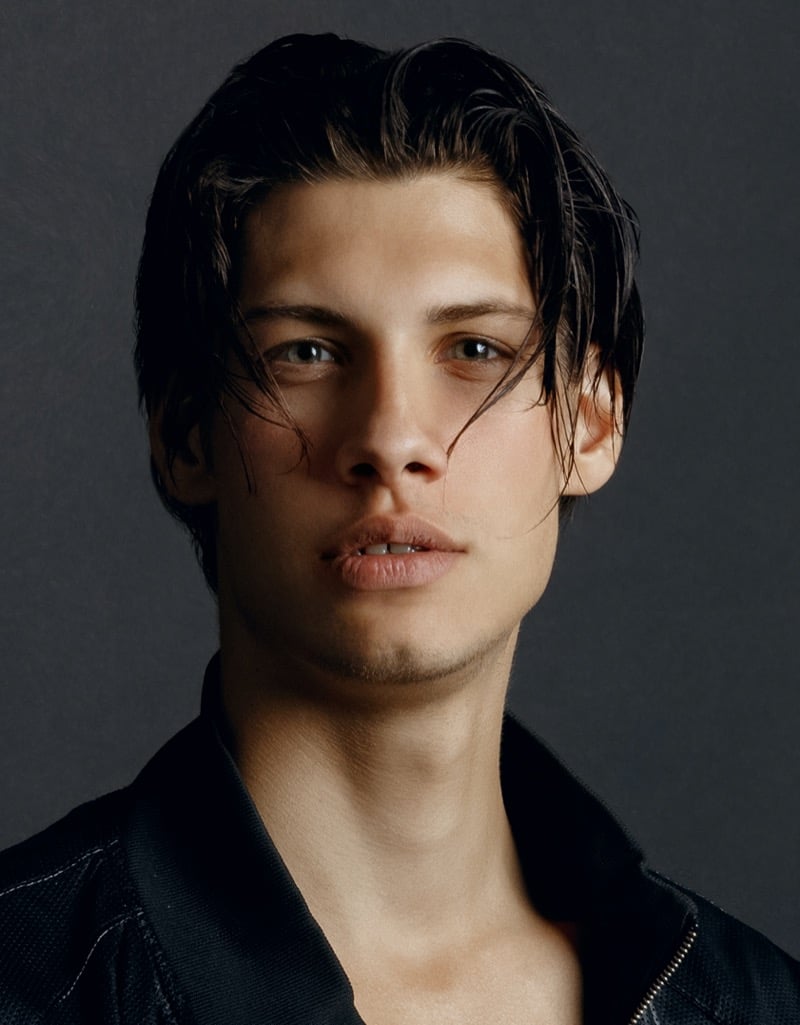
Glossy, separated strands define the wet curtain haircut. Comb a shine-producing gel or pomade through the parted bangs, directing each side away from the opening at the forehead.
The finish comes from styling product, so the hair can look wet after it dries. Use enough hold to retain the combed sections, with less product if the fringe starts to hang flat.





