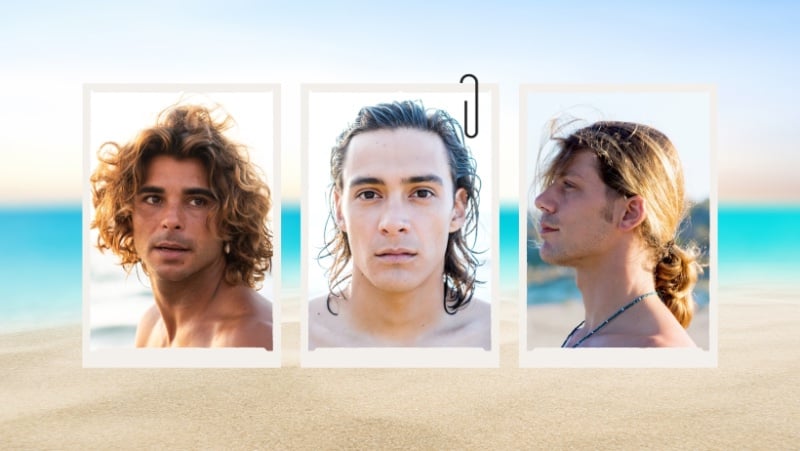
A surfer haircut leaves enough length for waves to bend around the ears and fall toward the shoulders. Long layers give the loose, tousled finish its shape, often with a middle part or curtains. The cut belongs to the wider surfer style of relaxed beach clothing.
What Is a Surfer Haircut?
Long layers through the top and back let the ends separate as the hair falls. The sides usually reach past the ears, with fullness left at the temples. Most versions have a matte finish and an irregular outline, though shorter cuts and tied styles borrow the same beach-worn texture.
The texture distinguishes surfer hair from the flow haircut. A flow follows the hair's backward sweep; surfer hair often falls in more scattered waves, with separated ends and strands across the forehead. Styling can recreate that finish away from the beach.
Surfer Haircut Ideas
Curtains, feathered layers, locs, braids and man buns offer 15 ways to wear surfer hair, from loose lengths to tied and braided styles.
Bandana Accented Waves
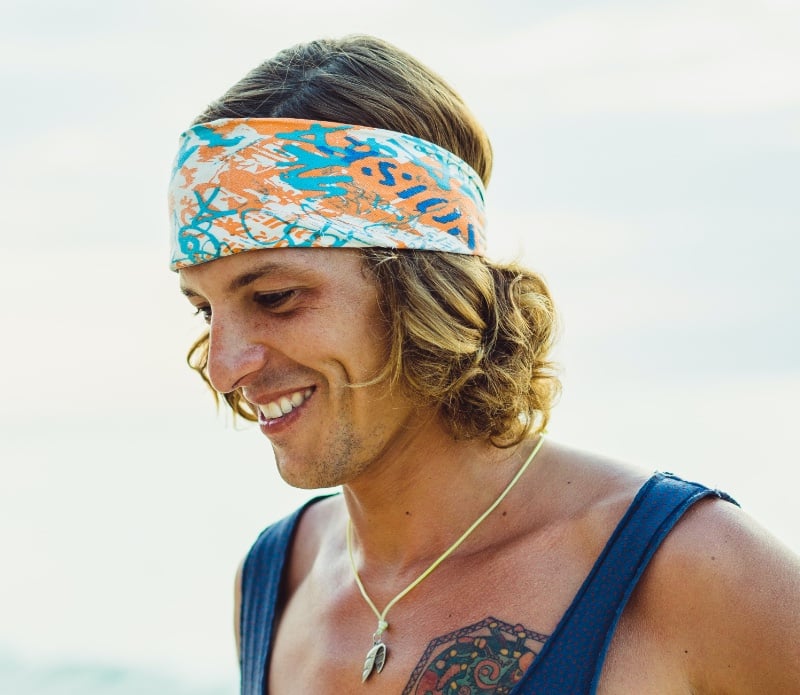
A bandana pushes wavy hair back from the forehead while leaving the lengths visible around the ears and neck.
Tied behind the head, the fabric gathers the front layers into a broad sweep. The waves below it retain their separate bends, so the accessory changes where the hair falls more than its texture.
Curly Hair
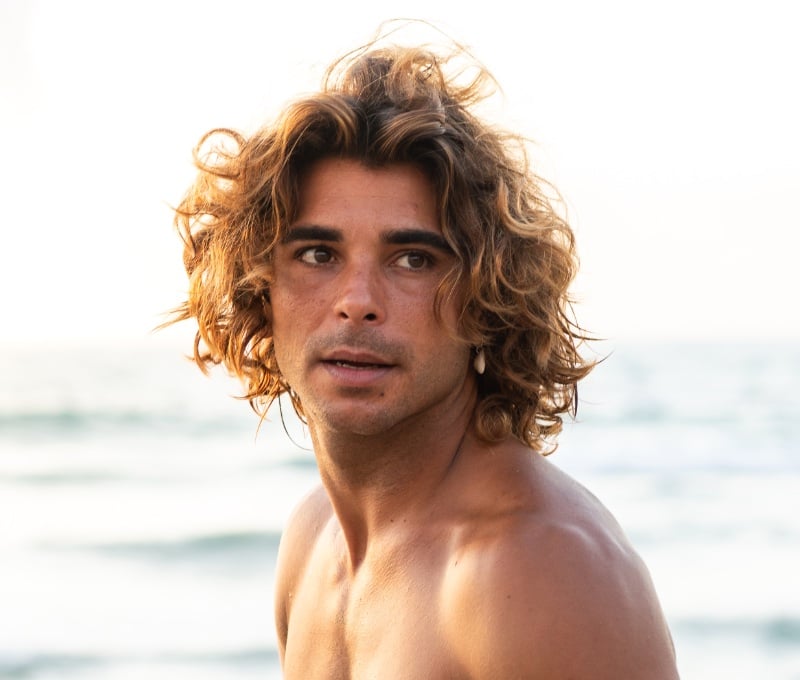
On curly hair, layers break up the weight that can collect at the sides. Separate curls fall around the forehead and ears, giving the outline a rounded shape.
The barber should account for how far the curls spring up when dry. Longer layers preserve their grouping, while removing too much length around the crown can leave the top noticeably shorter than the sides.
Curtains Cut
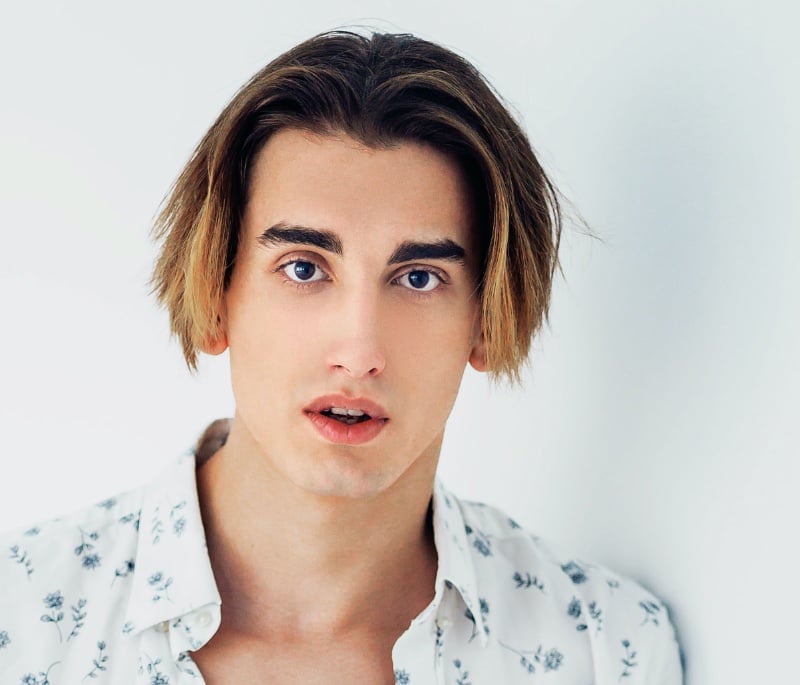
The classic curtain hairstyle divides the front into two sections that fall beside the face. In a surfer version, waves interrupt the middle part and turn the ends outward. The split fringe connects it to 1990s hairstyles for men.
Keep enough length at the front for each side to bend away from the forehead. As the fringe grows, it falls closer to the cheekbones and becomes easier to tuck behind the ears.
Dreadlocks
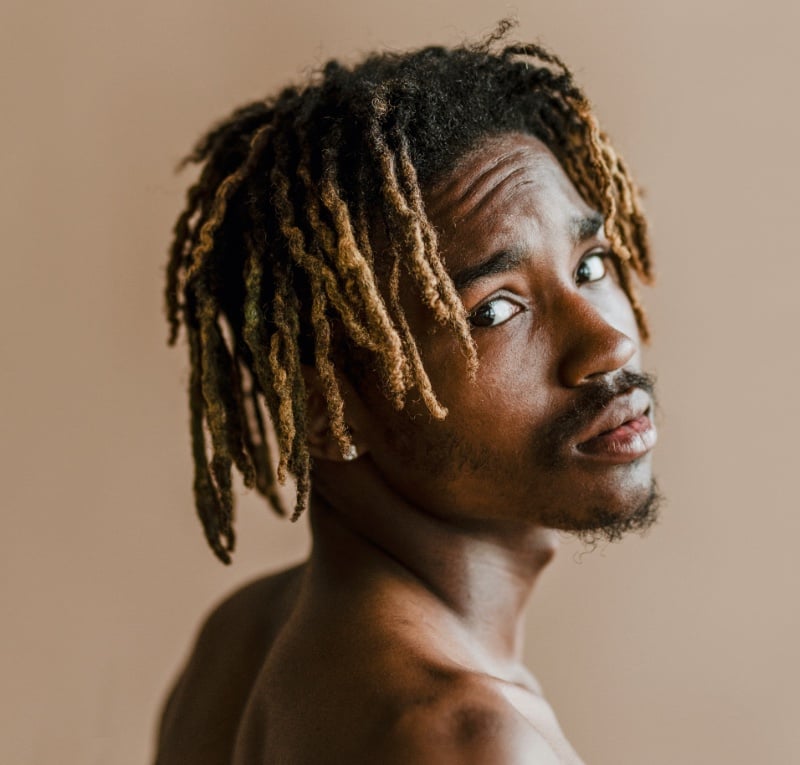
Dreadlocks hang in distinct sections, with varied lengths and lighter ends adding detail to the outline. Their shape comes from the formation and maturation of each loc, not from a layered scissor cut.
Care depends on the loc method and stage of maturation. Wash the scalp and lengths, rinse thoroughly and allow the locs to dry fully. Discuss root maintenance with a loctician instead of treating palm-rolling as a requirement for every loc type.
Feathered Hair
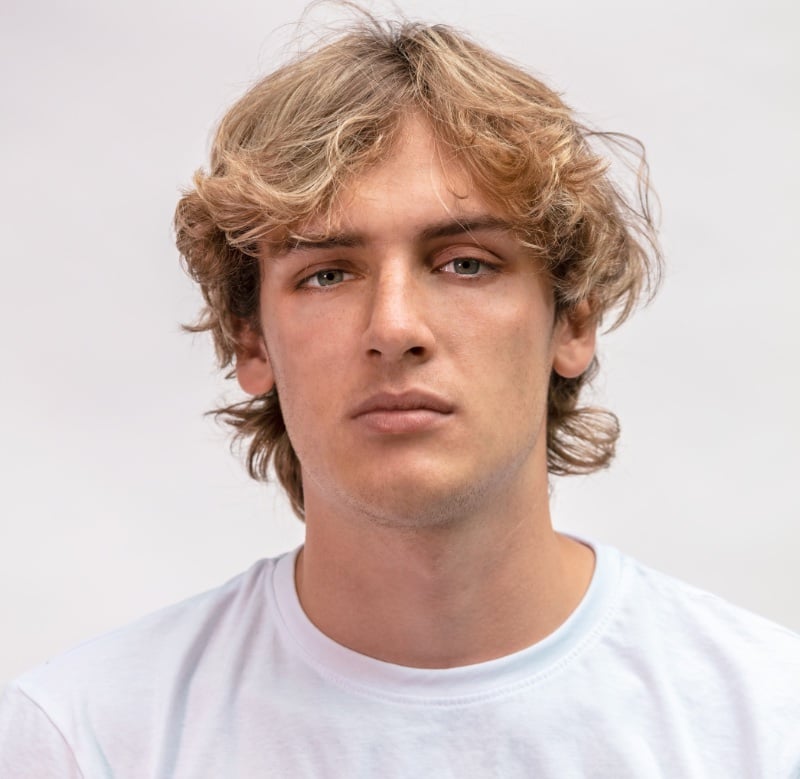
Outward-turning ends distinguish feathered hair from other medium-length hairstyles. Graduated layers separate along the sides, giving the hair a lighter edge around the ears and nape.
A natural wave can help those ends flip as they dry. The cut depends on the relationship between the shorter upper layers and the longer perimeter, so trims should preserve that progression.
The Flow
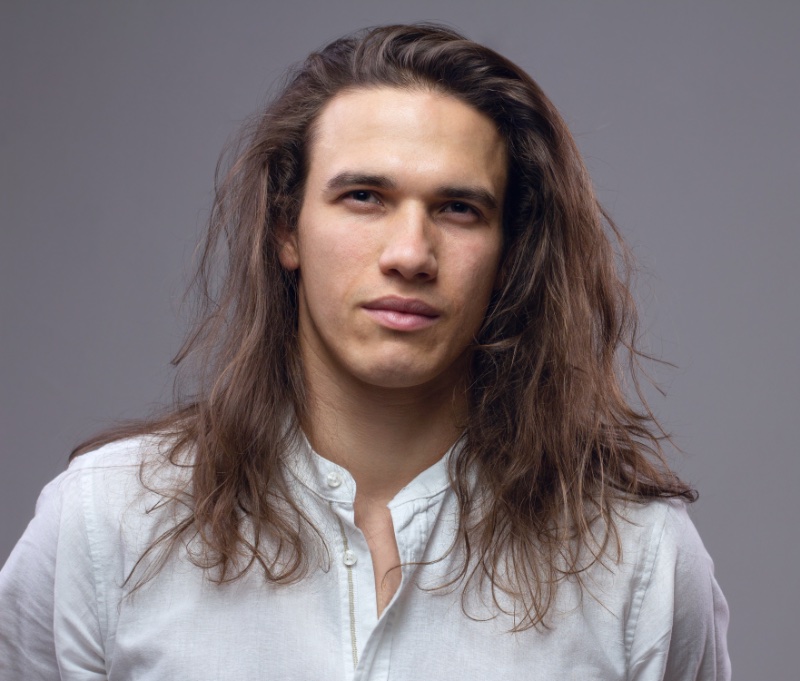
The flow sweeps back from the forehead and bends around the ears. A fuller top narrows into the ends, with the layers following the direction the hair naturally takes.
For a surfer finish, leave the wave visible through the lengths instead of brushing every strand into place. Hair that reaches the collar can kick outward at the nape, changing the side profile as it grows.
French Braids
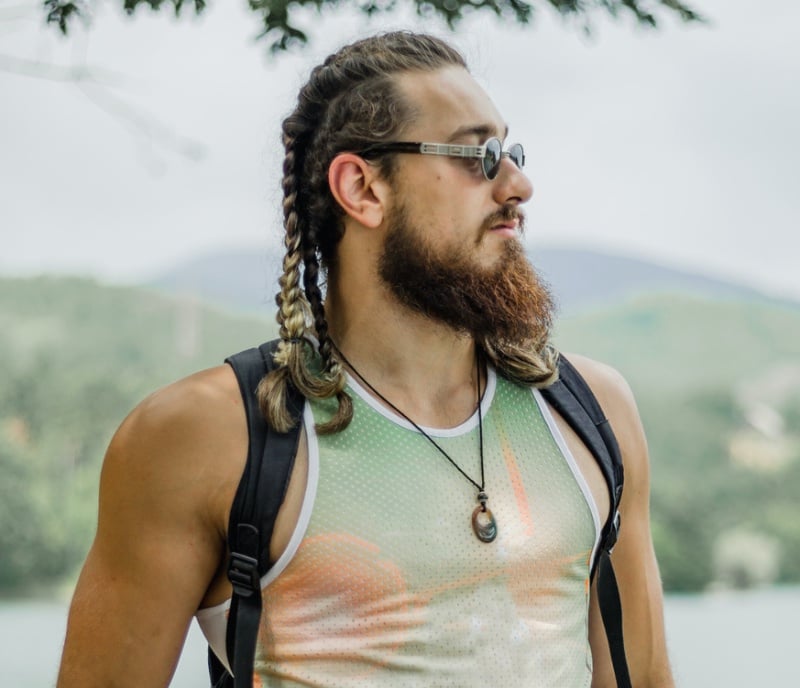
French braids gather long hair close to the scalp, tracing raised rows from the front toward the back. Adding hair at each crossing secures shorter sections that would slip out of a single ponytail.
The hair needs enough length to reach the neighboring sections as it is braided. Keep the tension comfortable, especially around the hairline, and let the loose ends fall beyond the finished rows.
A small amount of styling product can smooth flyaways along the braid. Heavy wax is unnecessary if the sections already hold together.
The Natural Cascade
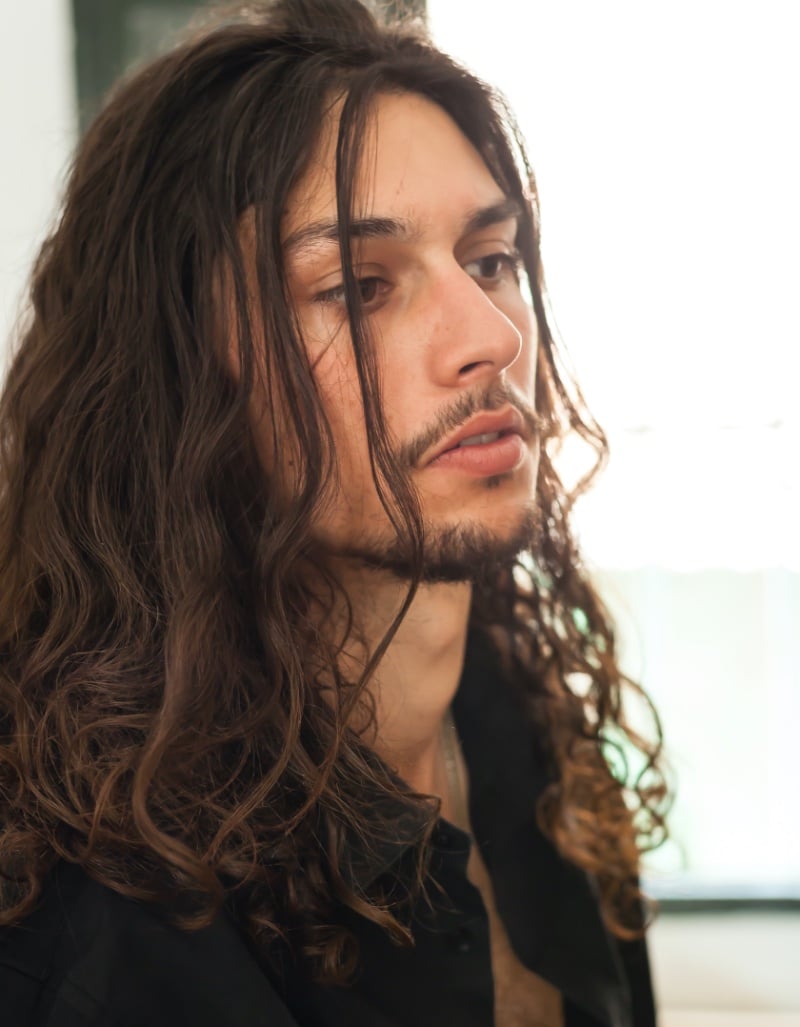
Long waves descend past the ears in overlapping layers. The natural cascade keeps more length through the back than the shorter surfer cuts, allowing the wave pattern to repeat toward the shoulders.
Layers release some of the weight through the lower lengths so the ends do not collect in one thick line. Adjust how much is removed to the hair's density, keeping enough weight for the waves to hang together.
The Ponytail
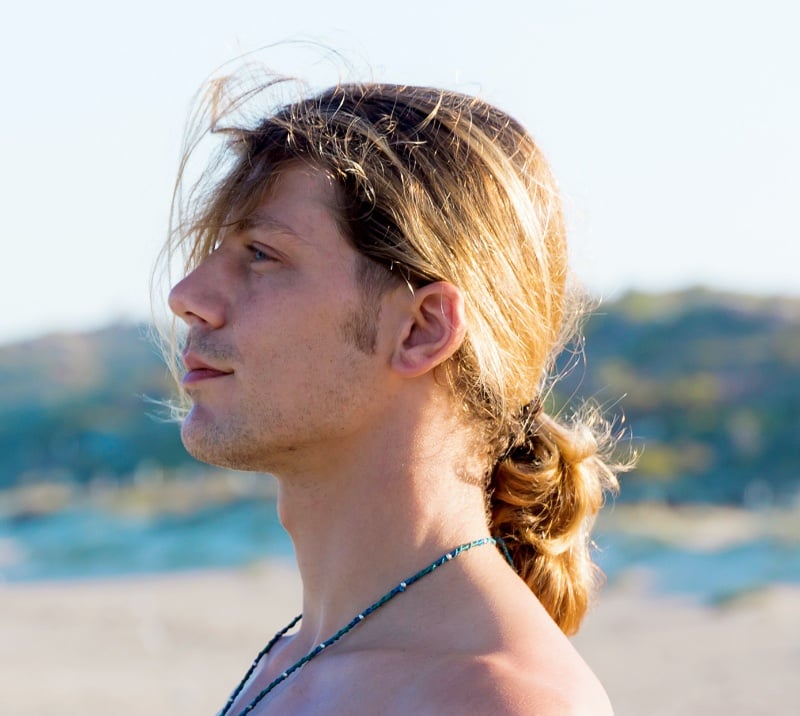
A ponytail gathers the length at the back, drawing the sides away from the face while leaving the ends free. Unlike a bun, it shows the full length and wave of the tied section.
Use a hair tie that holds the lengths comfortably. Shorter front layers may fall out as the hair dries, and gathering them requires either a higher tie position or more length.
Side Swept Hair
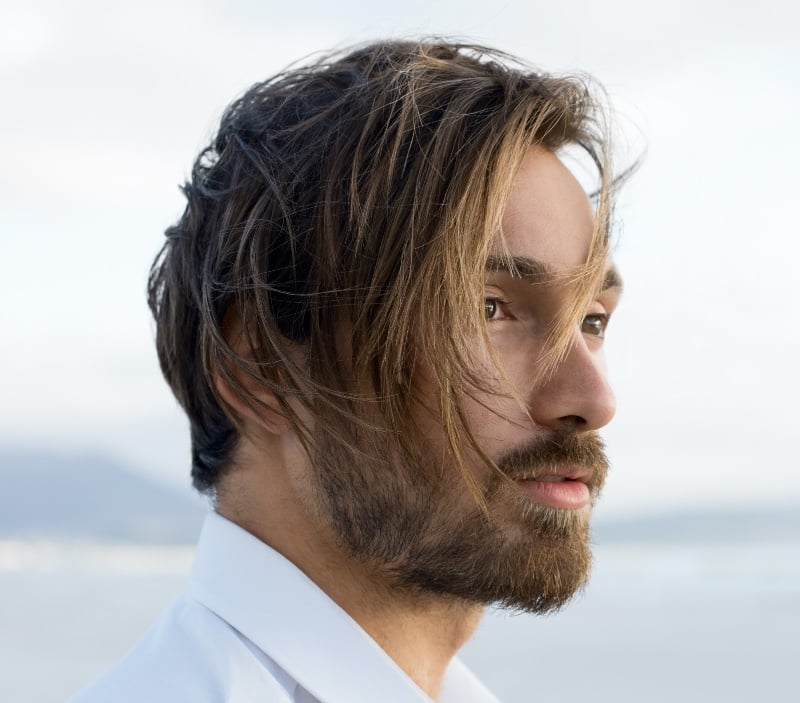
A long front section sweeps across the forehead toward one temple. Shorter layers at the back keep the side profile closer to the head, emphasizing the diagonal line at the front.
The sweep follows a natural wave most readily when the part sits near the hair's growth direction. If the front repeatedly drops forward, adjust the part before adding more product.
Sunlit Beach Waves
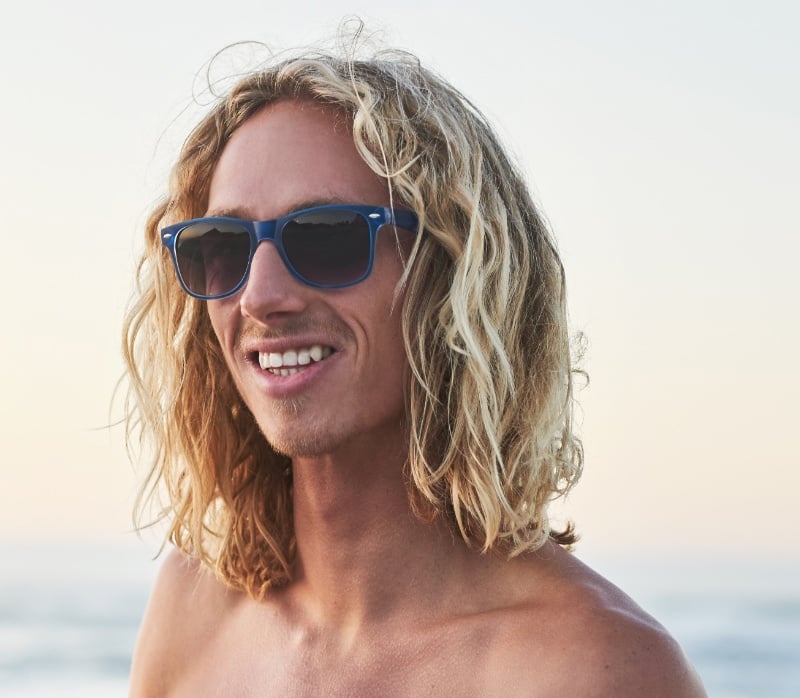
Lighter streaks trace the bends in long beach waves, making individual sections more visible. The irregular part and separated ends give the hair its windswept finish.
Keep care separate from the color effect. Rinse after swimming and condition the lengths as needed; deliberate sun exposure is unnecessary to recreate the style.
Surfer Man Bun
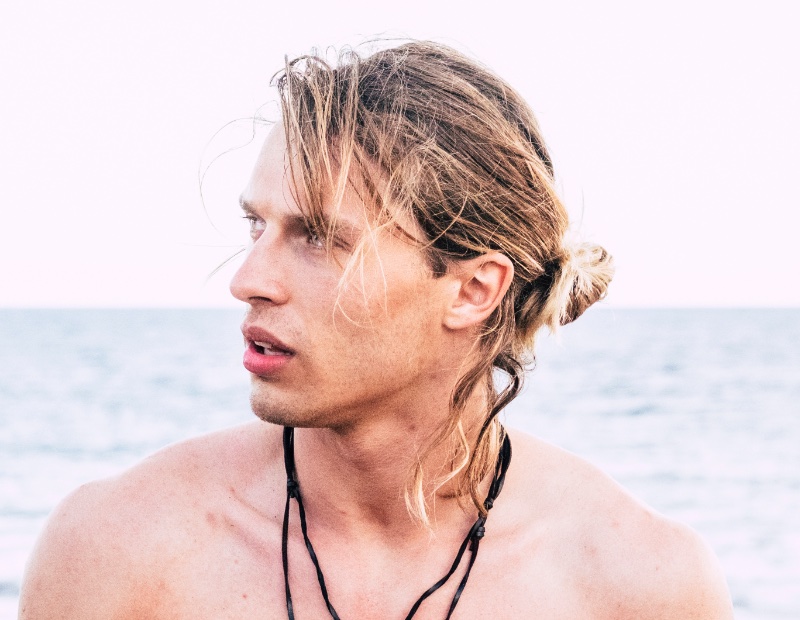
The surfer man bun folds the ends into a loose knot while leaving some wave visible across the sides. Its compact shape gathers the length above the nape.
Place the knot where the shorter sections can reach it comfortably. A loose tie lets a few strands fall around the ears; pulling it tighter will not make those sections longer.
Textured Top Undercut
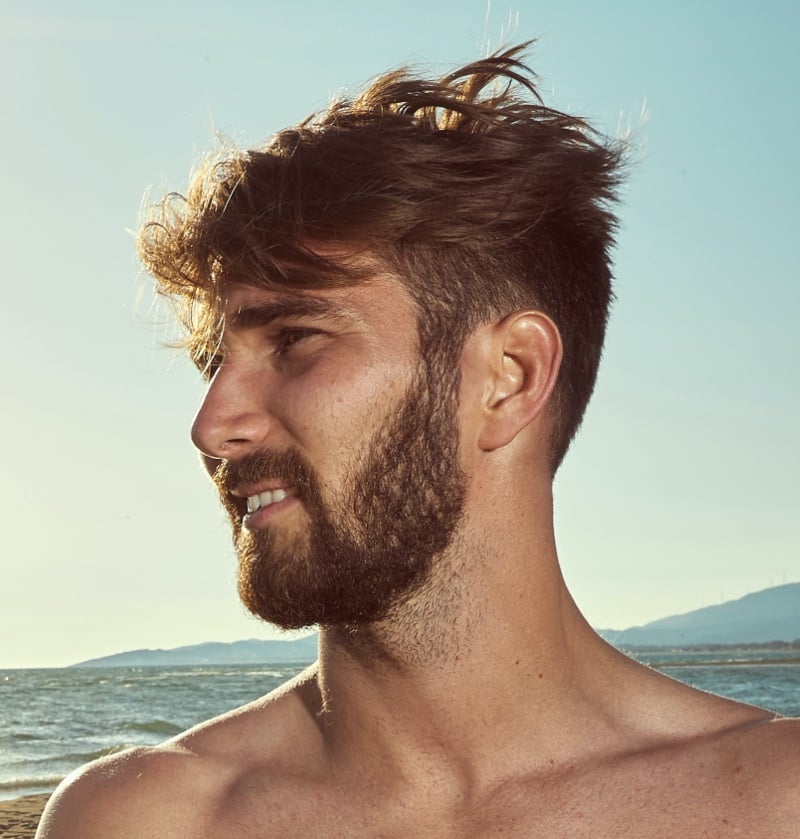
The textured top undercut leaves waves hanging above closely clipped sides. The abrupt change in length exposes the temples while the top bends forward or across the forehead.
Ask the barber to preserve enough weight at the ends for the waves to separate. The clipped sides will need attention sooner than the top if that sharp length difference is to remain visible.
The Tousled Shag
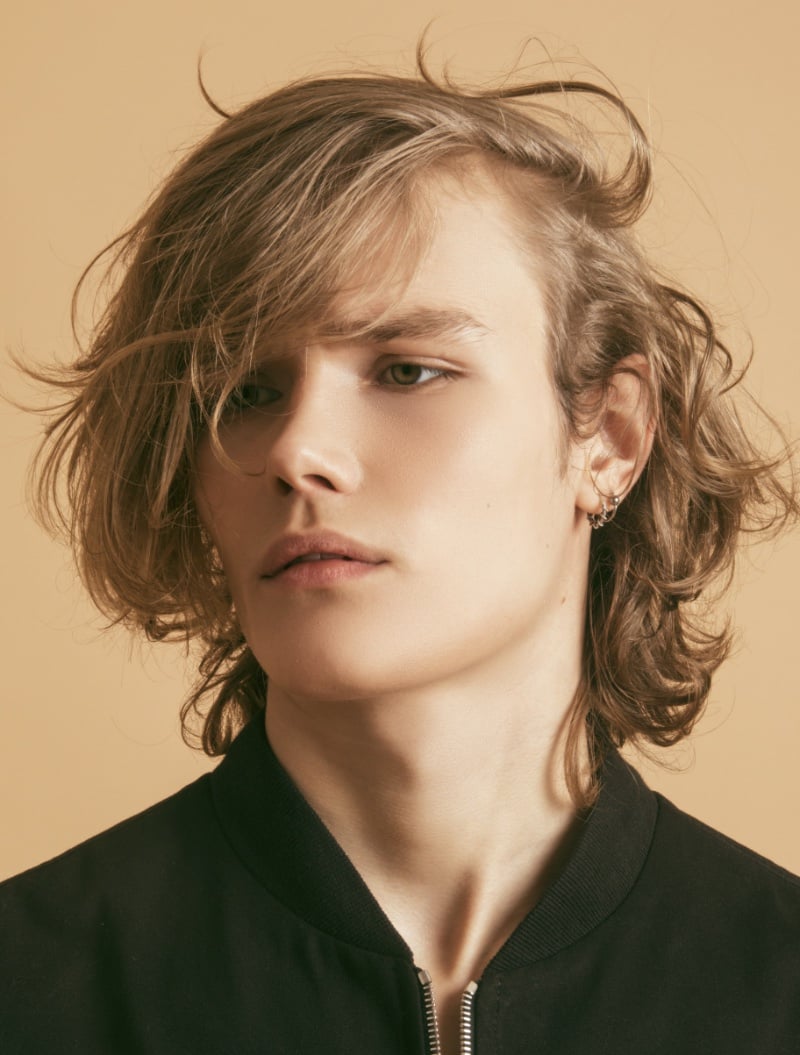
Shorter crown layers and feathered ends connect the tousled shag to the 70s shag. Choppy sections interrupt the outline around the forehead and ears.
The shorter upper layers let waves lift near the crown while the longer back reaches toward the nape. On dense hair, the barber can remove weight selectively; fine hair needs enough left through the ends to avoid a sparse perimeter.
The Wet Look Slick Back
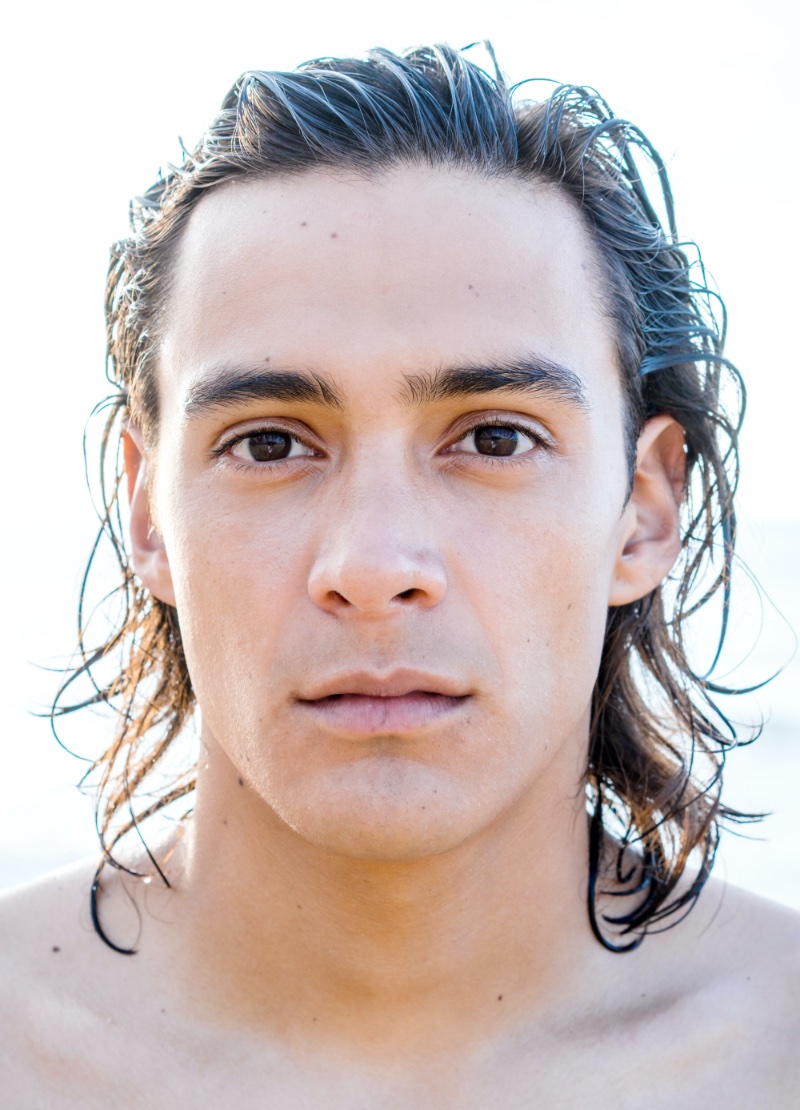
The wet look slick back exposes the forehead, with combed sections running toward the crown. Gel or pomade can give dry hair the reflective finish of hair fresh from the water; the amount and hold depend on its density and length.
How to Get Surfer Hair
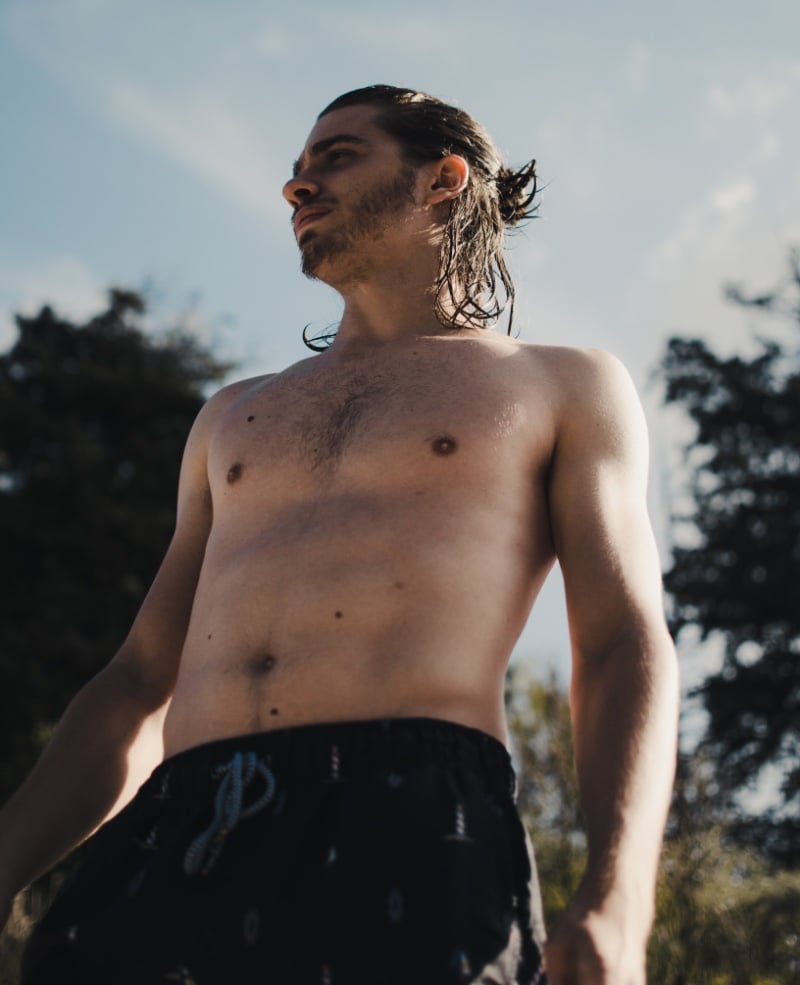
Bring a reference that shows the front, sides and back. For a long surfer haircut, ask for layers that follow the wave and enough length at the sides to tuck behind the ears. Discuss how much weight to remove, especially if the hair is fine or curls tightly. A short surfer haircut needs a different outline, as the textured top undercut demonstrates.
Work a little sea salt spray into damp hair for a rougher finish, or try a light texturizing cream if the lengths already feel dry. Scrunch the wave into sections and let it air-dry. Adjust washing to the scalp and swimming routine, then use conditioner where the lengths need it.





