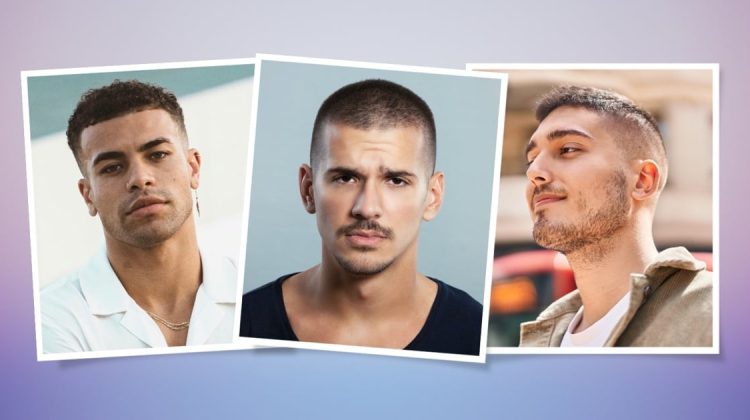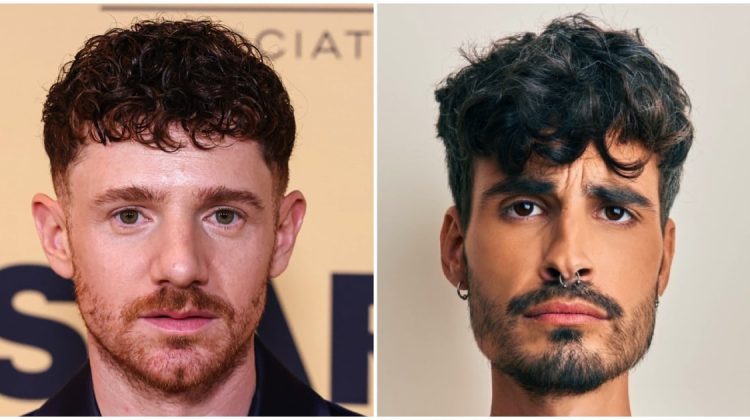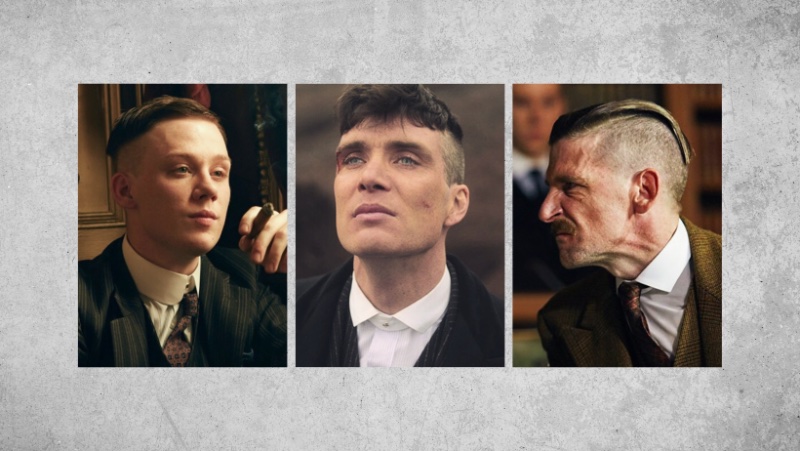
The Shelby haircut is recognizable before the cap goes on. Closely clipped sides expose the temples, while the longer top gives each character his own version of the family look. In Peaky Blinders, Thomas Shelby pushes his fringe forward; Arthur combs his hair back. The difference changes the face as much as the clothes do.
The disconnected undercut supplies the starting point for several of these cuts. An abrupt change in length separates the top from the sides, leaving a visible ledge where a fade would graduate through shorter lengths. Together with the distinctive flat cap, that exposed outline became part of the show’s visual shorthand.
Peaky Blinders Haircuts
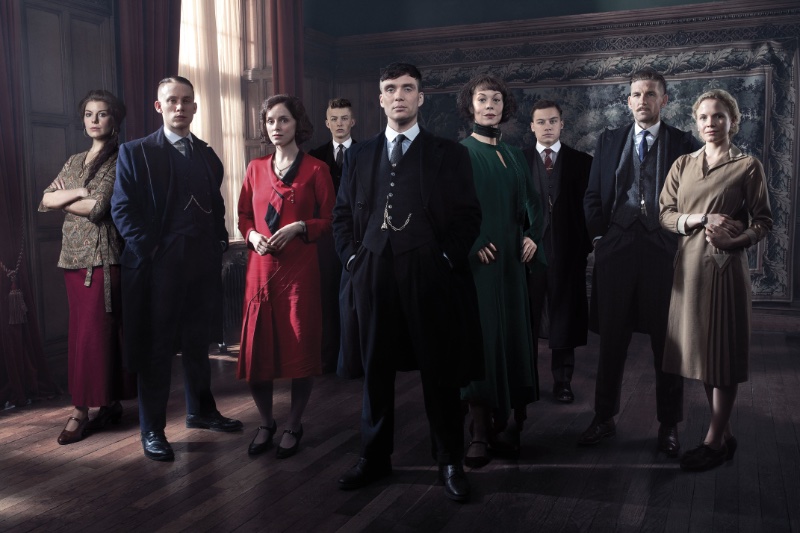
The series draws on era-specific men’s hairstyles, then exaggerates their differences for the screen. In Esquire’s oral history, Cillian Murphy recalls Australian criminal photographs from the 1920s among the references. Hair and makeup designer Loz Schiavo explains that she shortened his initial period haircut further to give the character a stronger look. Historical research informed the cut; the severity was a production choice.
The distinction matters at the barber’s. A request for a Peaky cut can mean a forward fringe, a long slick back, or a short top swept to one side. Choose the character and photograph first, then discuss how closely to clip the sides.
The Thomas Shelby Haircut: Textured French Crop
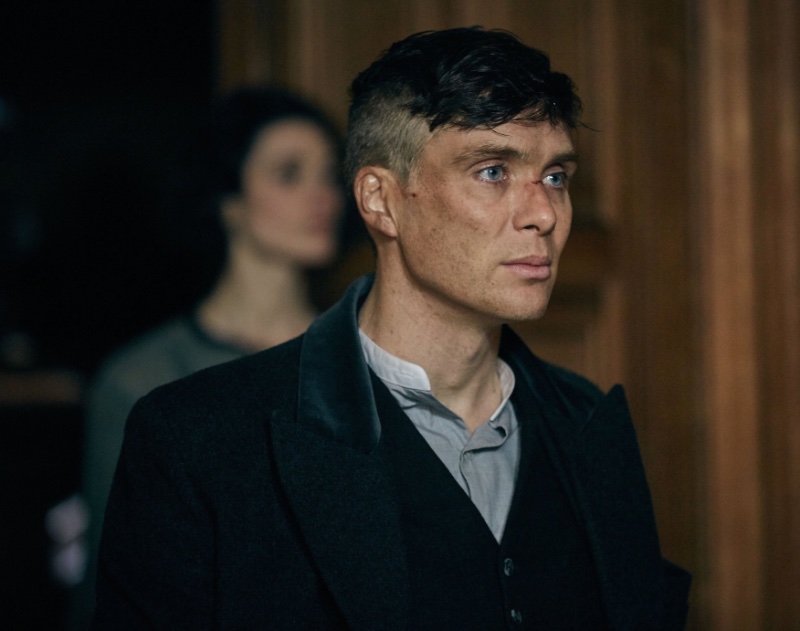
Played by Cillian Murphy, Thomas Shelby wears the version most closely associated with the series. His short fringe falls forward in uneven pieces, and the clipped sides expose the ears and temples. That compact top distinguishes his French crop from Arthur’s longer, backward-combed hair.
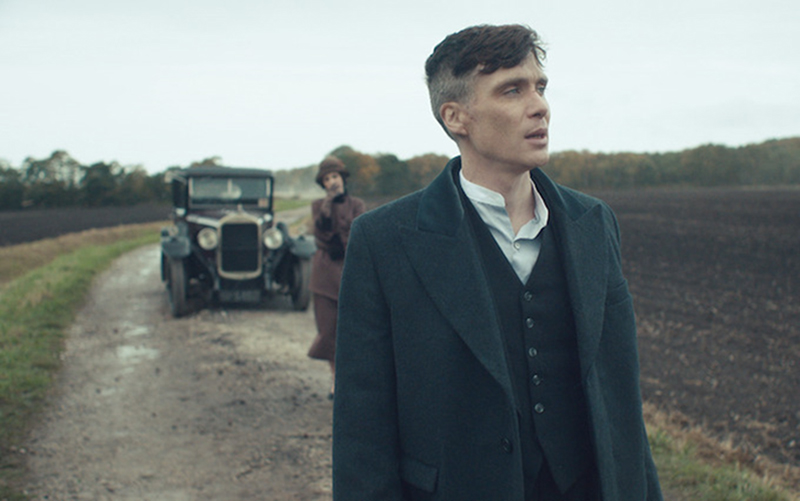
Ask for a short, textured top with enough length at the front to fall onto the forehead. The amount of exposed scalp should suit your hair density and comfort with the contrast. Work a small amount of matte paste or wax through nearly dry hair, using your fingers to separate the fringe. This gives a drier finish than the pomade used by the film’s hair team, whose approach is described in Netflix’s account of Peaky Blinders: The Immortal Man, released in March 2026.
Arthur Shelby: Slicked Back Undercut
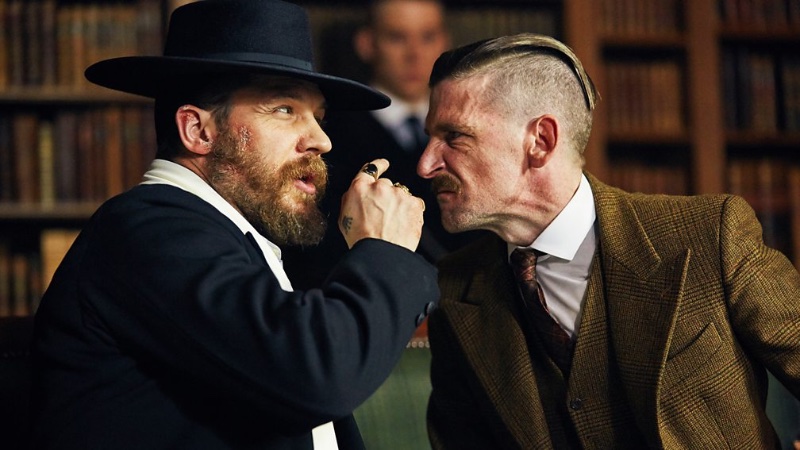
Paul Anderson’s Arthur Shelby wears his length swept away from the forehead, exposing a high hairline above severely clipped sides. The slicked-back undercut leaves enough hair on top to travel backward, making the contrast especially visible in profile.
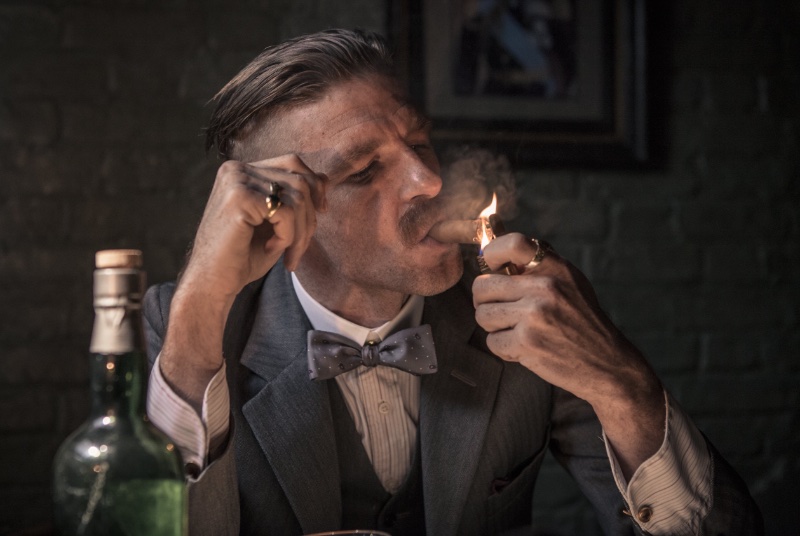
Have the barber retain that length through the top and explain how it should sit at the crown. Comb a small amount of pomade through damp hair, then direct it back from the hairline. A finer comb produces more closely spaced lines; fingers or a wider comb separate larger sections. Start with less product and add only what the hair needs to stay back.
John Shelby: Short Crop
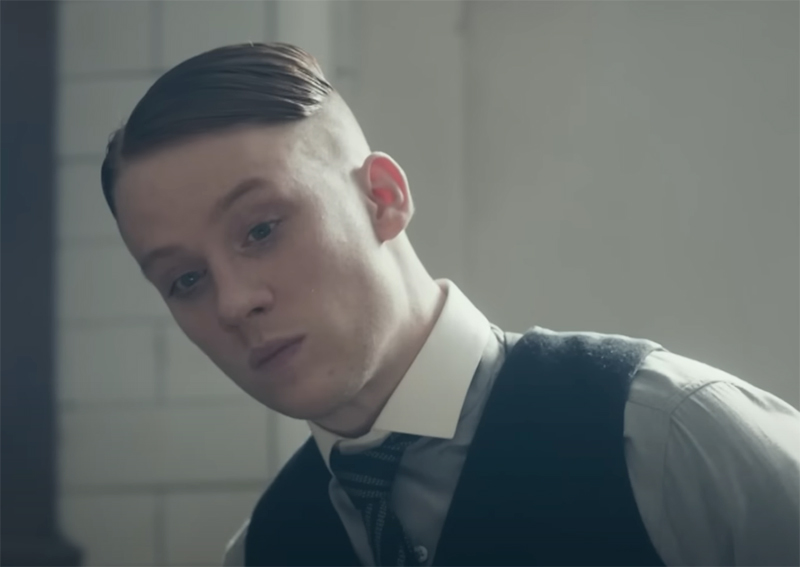
Joe Cole’s John Shelby has a shorter top than Arthur, though the photographs show it swept sideways and back. The exposed sides make the top look more pronounced, especially near the front. His version suits someone who wants the severe outline with less length to comb through each morning.
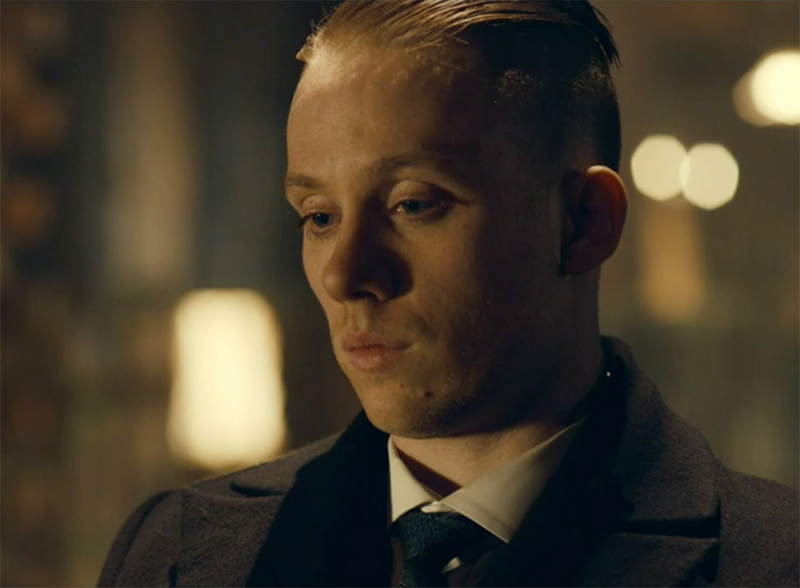
Ask for a short top that retains enough length to follow your natural side sweep. A small amount of wax can separate the front; a light application of pomade brings it closer to the shinier finish seen on screen. Keep the chosen photograph handy at subsequent appointments, since shortening the top too far changes the cut’s proportions.
Finn Shelby: Slick Back Disconnected Undercut
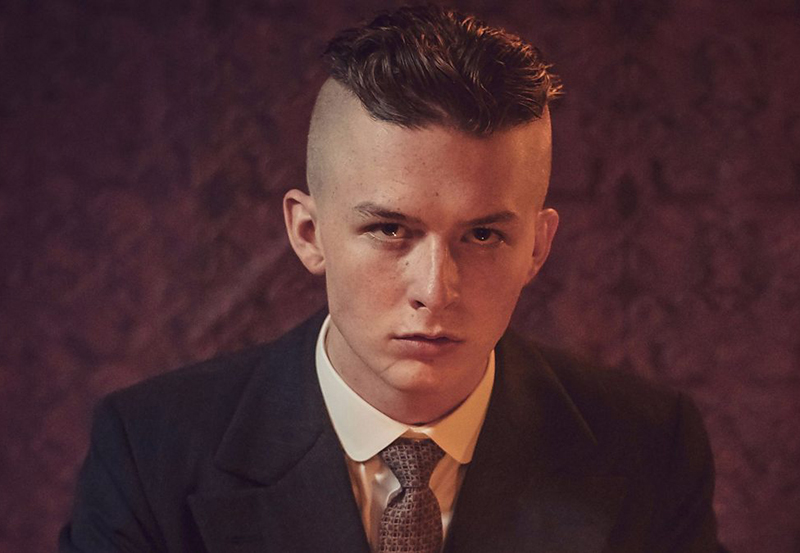
As Finn Shelby, Harry Kirton wears an elevated front that bends back over the top. The extra height above the forehead gives his undercut a different silhouette from Arthur’s flatter slick back, even though both expose the sides.
Retain sufficient length at the front to lift it before directing it backward. Blow-drying from the roots can help establish that height, particularly when the hair naturally falls forward. Apply a small amount of styling product afterward, concentrating on the top so the clipped sides stay visibly separate.
Michael Gray: Side Part
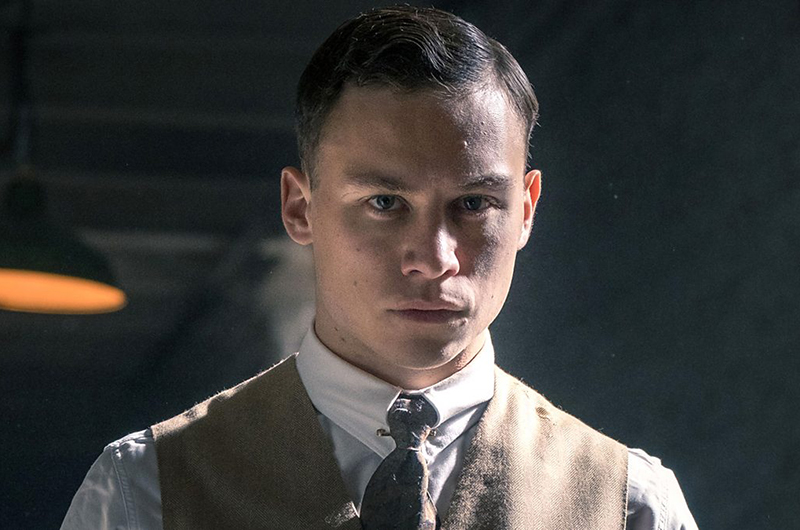
Finn Cole’s Michael Gray wears a defined side part and a top combed across the head. More coverage at the sides gives his haircut a less exposed outline than the Shelby undercuts. The short sides and directional top suggest Ivy League refinement, though the photograph should guide the requested length.
Find the part where your hair naturally divides, then comb the longer section across and slightly back. A modest amount of pomade adds the sheen visible in Michael’s hair. Ask the barber to retain enough side length for that combed finish, particularly around the upper temples.
Isaiah Jesus: Curly Undercut
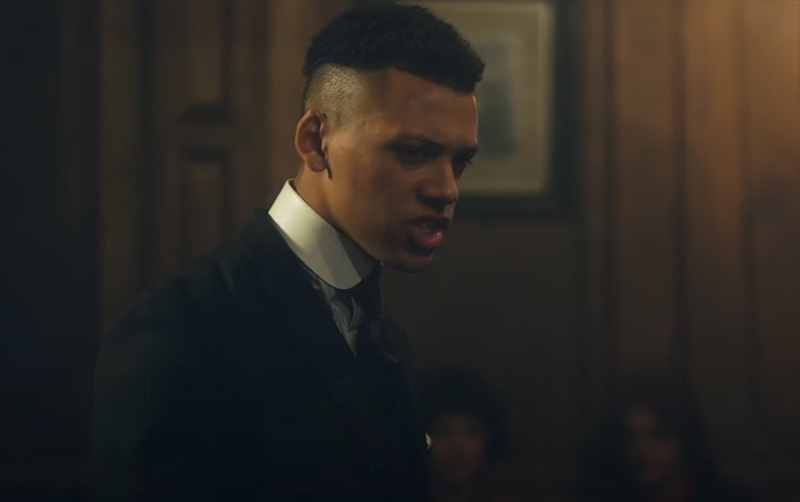
Jordan Bolger’s Isaiah Jesus wears a short, textured top above close-cut sides. His curly undercut takes its shape from the hair’s natural texture, with the difference in length most apparent around the temples.
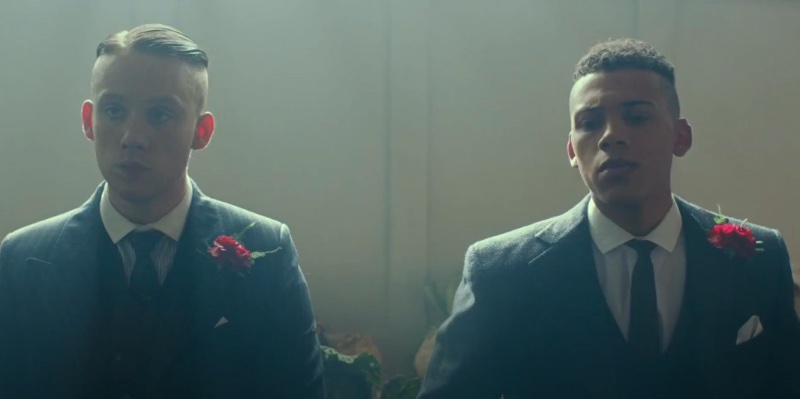
Discuss the top in its dry state so the barber can judge how much length the curl takes up. For similar texture, distribute a small amount of curl cream through damp hair and allow it to dry with minimal handling. Product weight matters here. A rich butter may suit denser hair, while finer curls can need a lighter formula to avoid flattening the top.
A Peaky Blinders Hair Renaissance
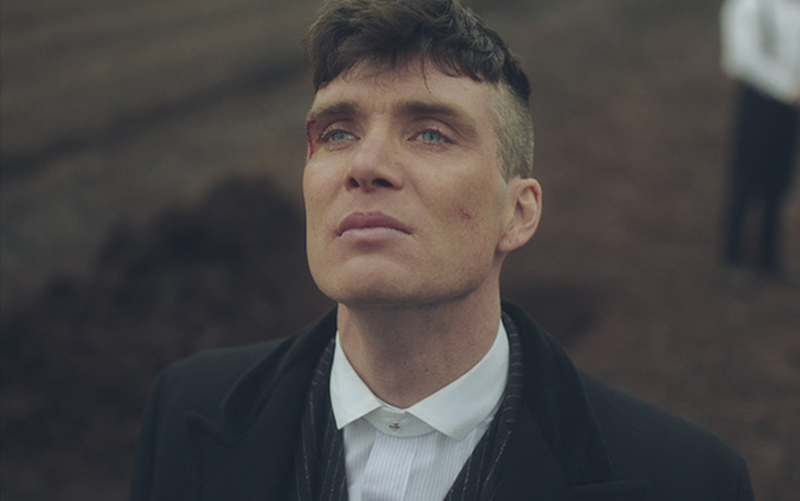
The link to 1920s men’s fashion helps explain the haircut’s appeal. Exposed sides sharpen the outline above a buttoned shirt and suit, while the longer top leaves space for individual preference. Thomas’s fringe and Michael’s side part produce very different impressions within that same dressed-up world.
For everyday wear, choose the top shape you are prepared to style. Let the barber adjust the side length to your scalp coverage and growth pattern, and bring photographs showing both the front and profile. Those details say far more than the name of the television show.