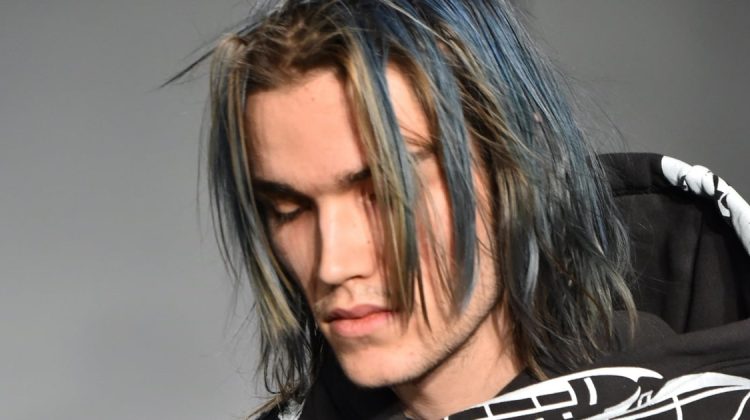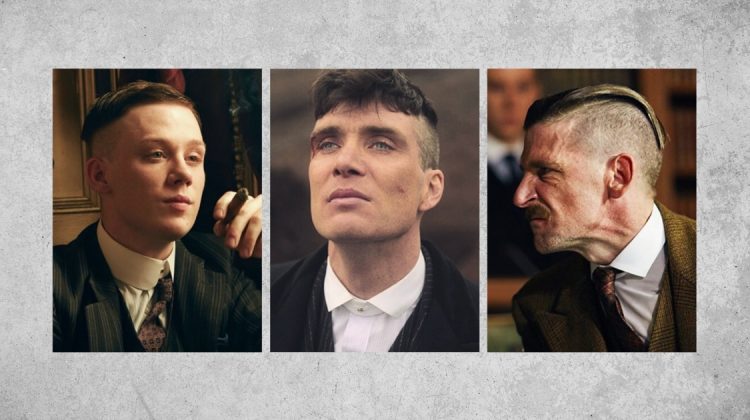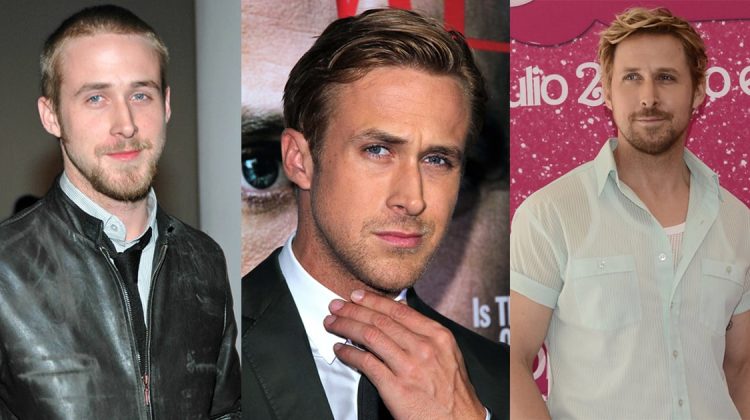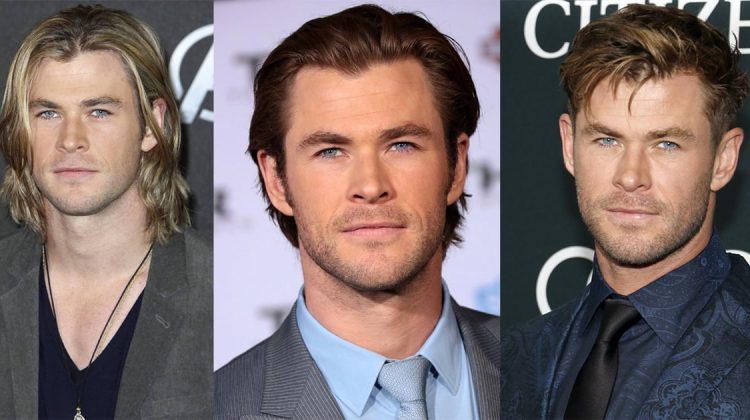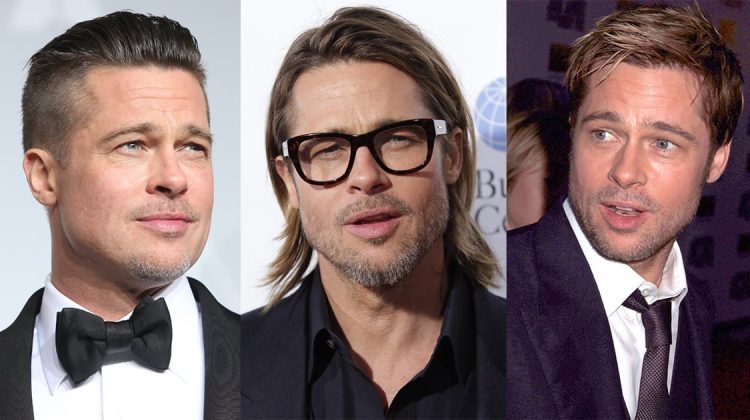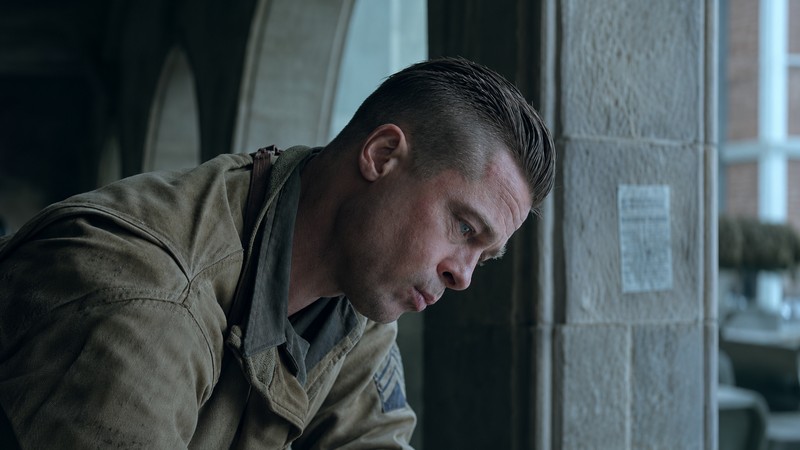
A film role comes with a wardrobe department. The haircut gets to leave the set. Brad Pitt exchanged Wardaddy’s fatigues in Fury for a tuxedo, and the clipped sides and swept-back top still suggested the same man. In the 2014 film, the abrupt division between those lengths gave his head a severe outline, reinforced by the weight of the hair combed back above it.
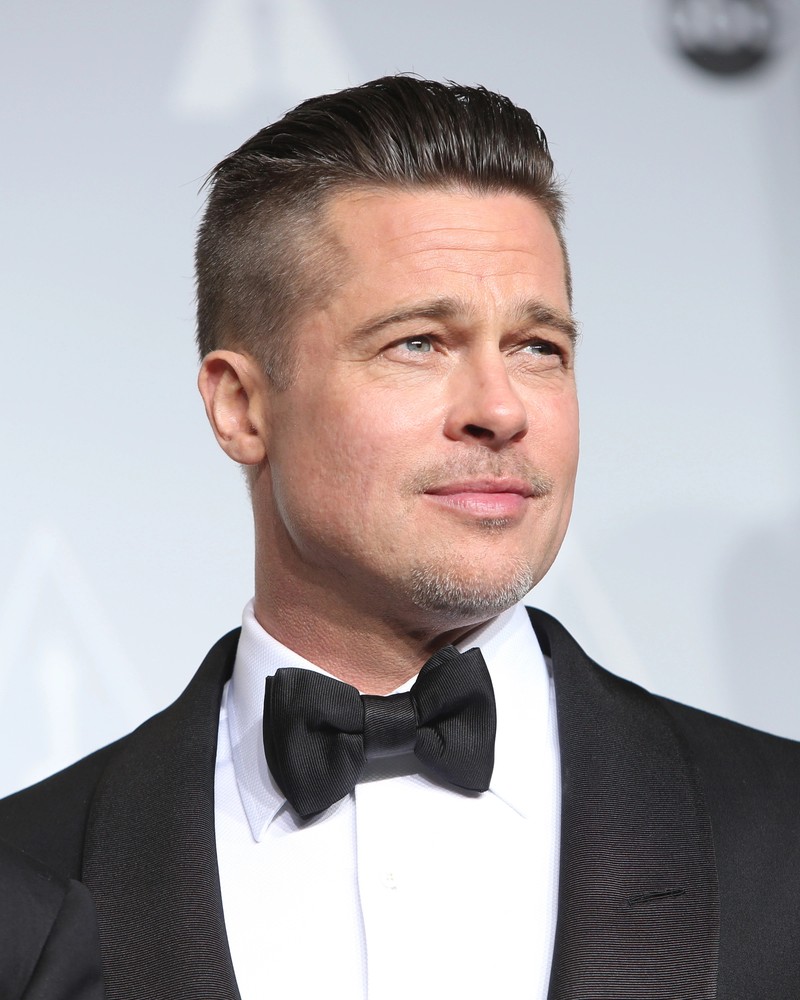
At that year’s Oscars, the cut looked perfectly at home over a bow tie. The setting changed its meaning. Military discipline became red-carpet grooming, with enough severity left to keep the suit interesting. It was one of several screen looks that shaped the history of Pitt’s hair.
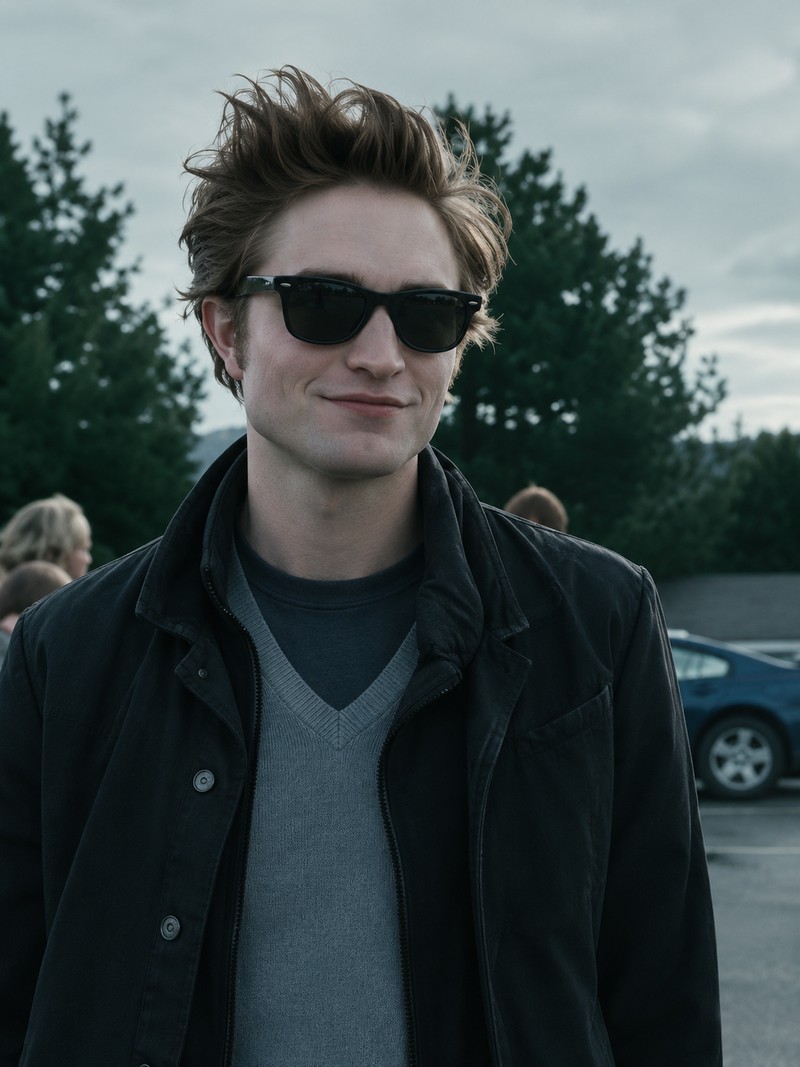
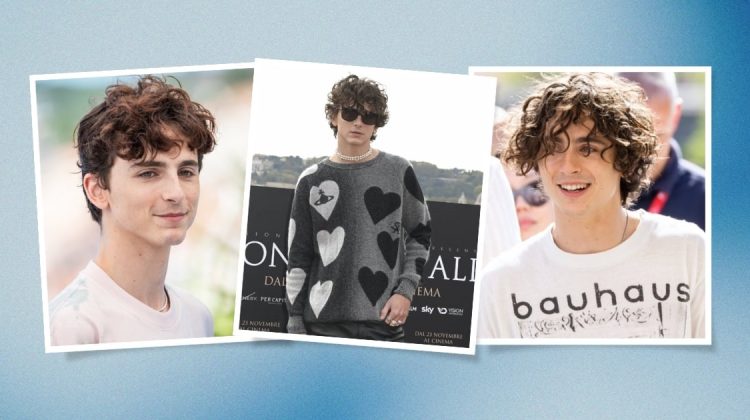
Robert Pattinson offered a looser version of that exchange. As Edward Cullen in Twilight (2008), his quiff rose from the forehead in swept-back sections, making even a still moment look slightly windswept. Away from the film, Robert’s longer, more unruly hair blurred the distinction between the vampire and the young actor playing him. A dark jacket and sunglasses did little to settle the question.
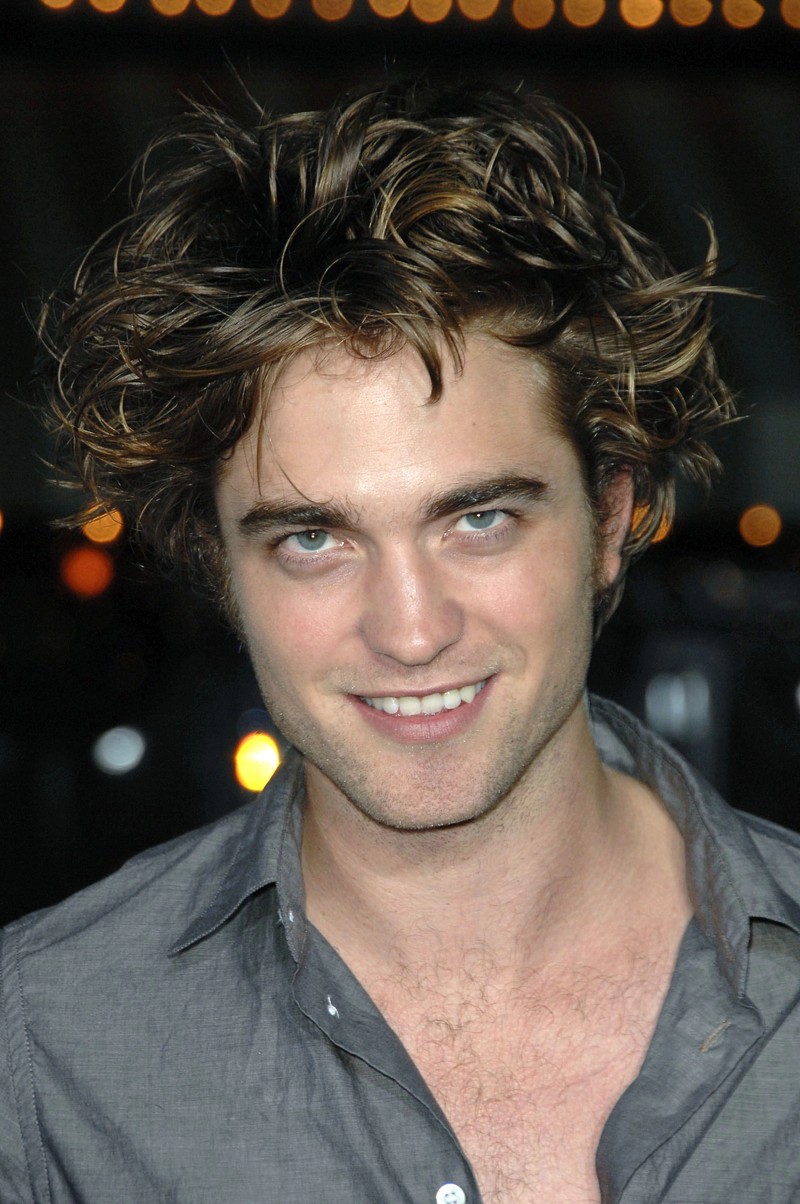
These are useful examples of how a character’s appearance can become attached to an actor, even when the clothes belong to another occasion entirely. Hair sits closer to the person than a costume does. It follows him through interviews and photographs, giving the public another encounter with a character he has already finished playing.
For anyone saving a reference picture, that association is part of the appeal. The request may concern short sides or extra length at the front, but the photograph supplies an attitude along with the cut.