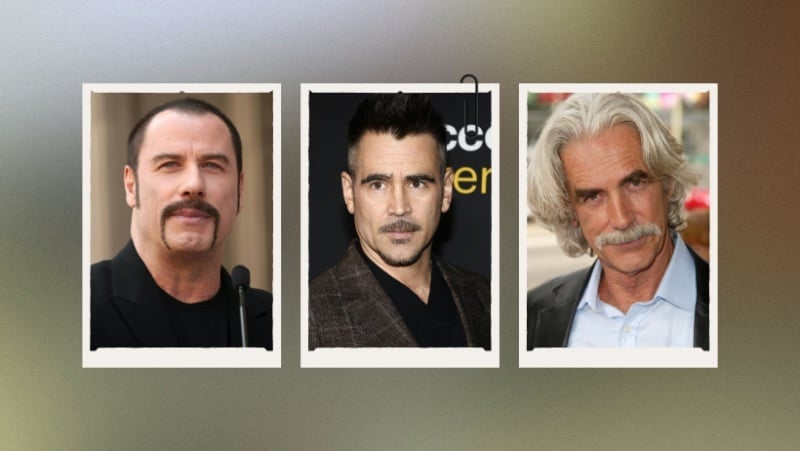
Mustache styles differ in thickness, width and the direction of the ends. A pencil traces a narrow line above the lip, a walrus hangs over it, and a handlebar carries longer tips into upward curls. The choice depends on where the upper lip hair grows densely and how much shaping the wearer wants to do. Styles that connect to hair on the chin or cheeks also fall within beard styles, with different patterns of coverage around the mouth.
Types of Mustaches at a Glance
| Mustache style | Thickness | Ends | Upkeep |
|---|---|---|---|
| Chevron | Thick | Corners of the mouth | Low |
| Full | Thick | Corners of the mouth | Medium |
| Fu Manchu | Thin ends | Long, hanging below the chin | High |
| Handlebar | Medium to thick | Curled up | High |
| Horseshoe | Thick | Down to the jaw | Medium |
| Natural | Any | Natural line | Low |
| Painter's brush | Thick | Corners of the mouth | Low |
| Pencil | Thin | Corners of the mouth | High |
| Pyramid | Medium | Narrow at the top, wide at the lip | Medium |
| Shadow | Very short | Natural line | Low |
| Toothbrush | Thick | Narrow, under the nose only | Medium |
| Walrus | Very thick | Over the lip | Medium |
| Zappa | Thick | Just past the mouth, with a soul patch | Medium |
Thin mustache styles use less visible bulk, but a pencil still needs enough hair to form a continuous line. A shadow can remain faint where growth is lighter. Fuller shapes such as the chevron and walrus need more coverage across the lip to hold together.
Mustache Styles for Men
These 13 mustache styles range from a short shadow to long, shaped ends, with different demands on growth and trimming.
Chevron Mustache
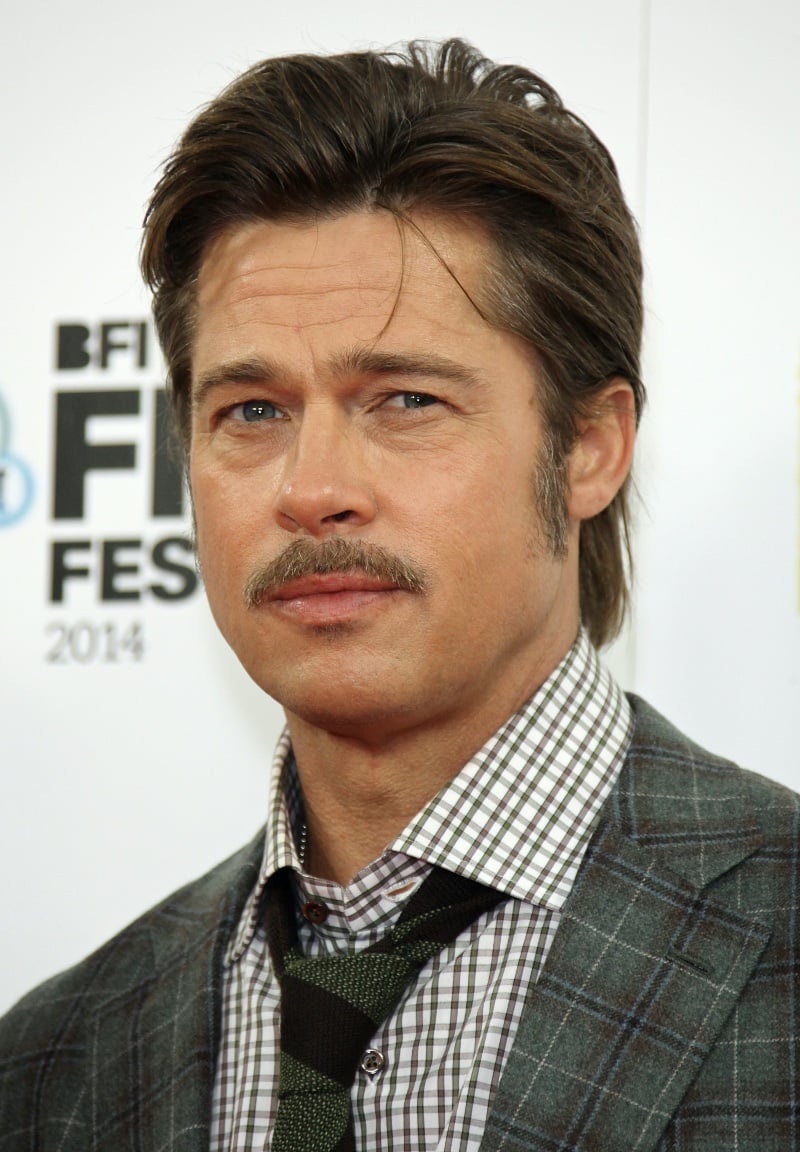
A chevron follows the upper lip in a broad inverted V, with the outer sections angling down toward the mouth corners. It keeps more weight through the center than a pencil and usually sits close to the lip. Trim the lower edge along that curve while retaining the downward corners. Brad Pitt's hair shows the haircut worn above his chevron.
Full Mustache
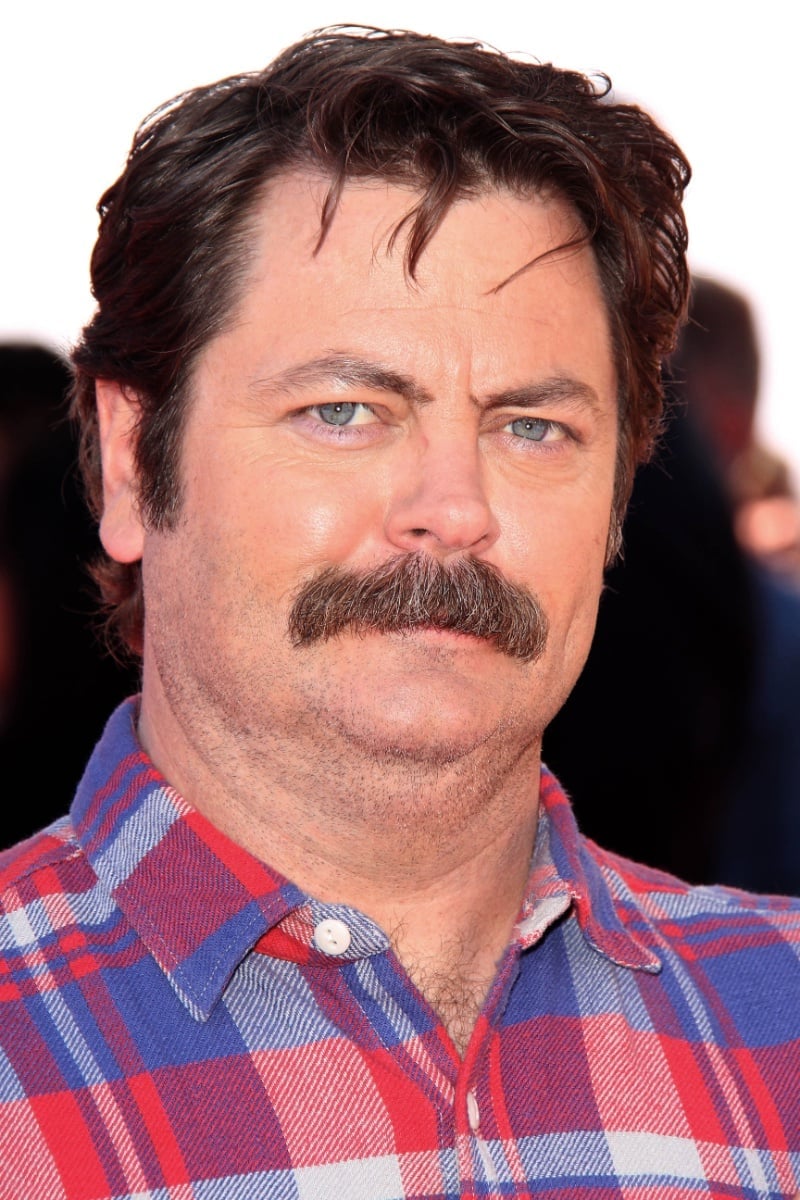
A full mustache retains dense coverage across the upper lip, with enough depth for the hair to look substantial from the front. The name overlaps with the chevron, but does not require the same downward V. Nick Offerman's version keeps a broad center and rounded outer edges. Comb it down before trimming the lower border so longer hairs do not hide beneath the surface.
Fu Manchu Mustache
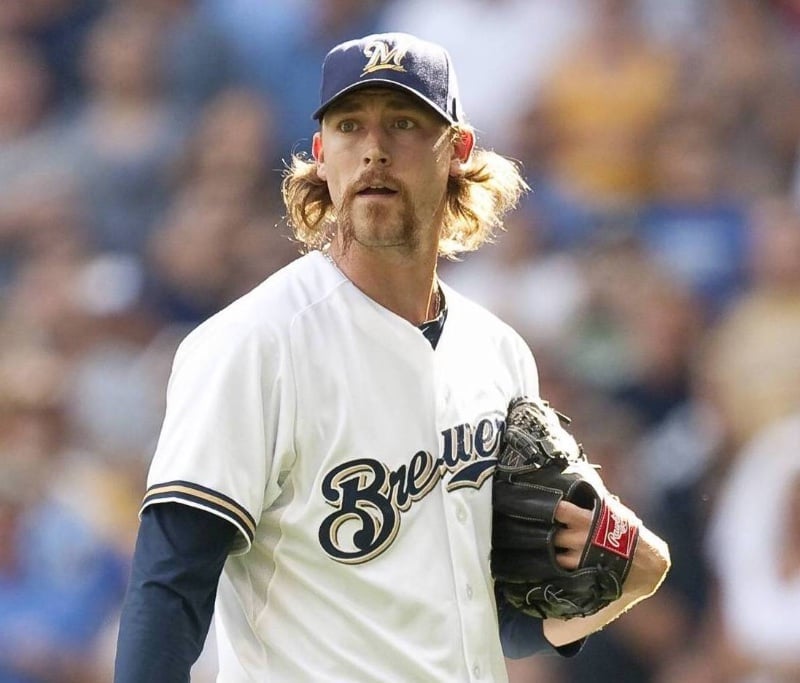
Long, narrow ends hang from the upper lip in the Fu Manchu, extending beside the mouth and sometimes below the chin. The skin beneath those ends remains bare, distinguishing it from the horseshoe's bars of facial hair. Named after a fictional character from early 20th-century novels, the style needs substantial length at the corners. Preserve those ends while trimming stray growth around them.
Handlebar Mustache
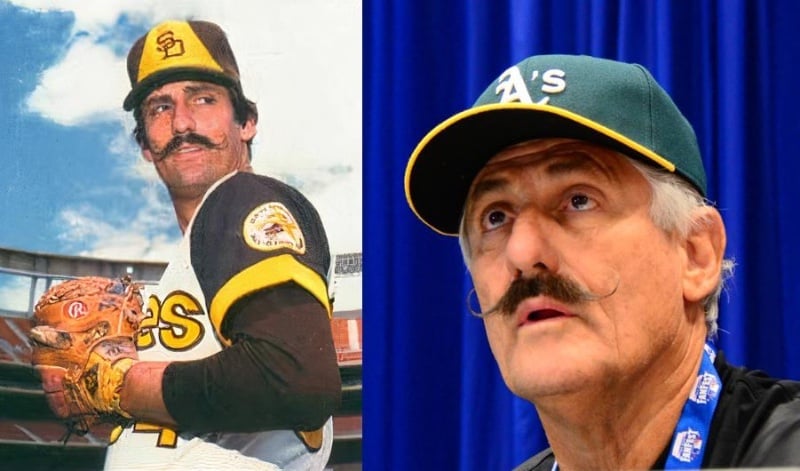


The handlebar sends long outer sections upward into curled or twisted tips. Grow enough length at the corners to turn them, keeping scissors away from the sections needed for the curl. A small amount of mustache wax can hold the ends after they are combed outward. Check the tips from the front so one does not rise much higher than the other.
Horseshoe Mustache
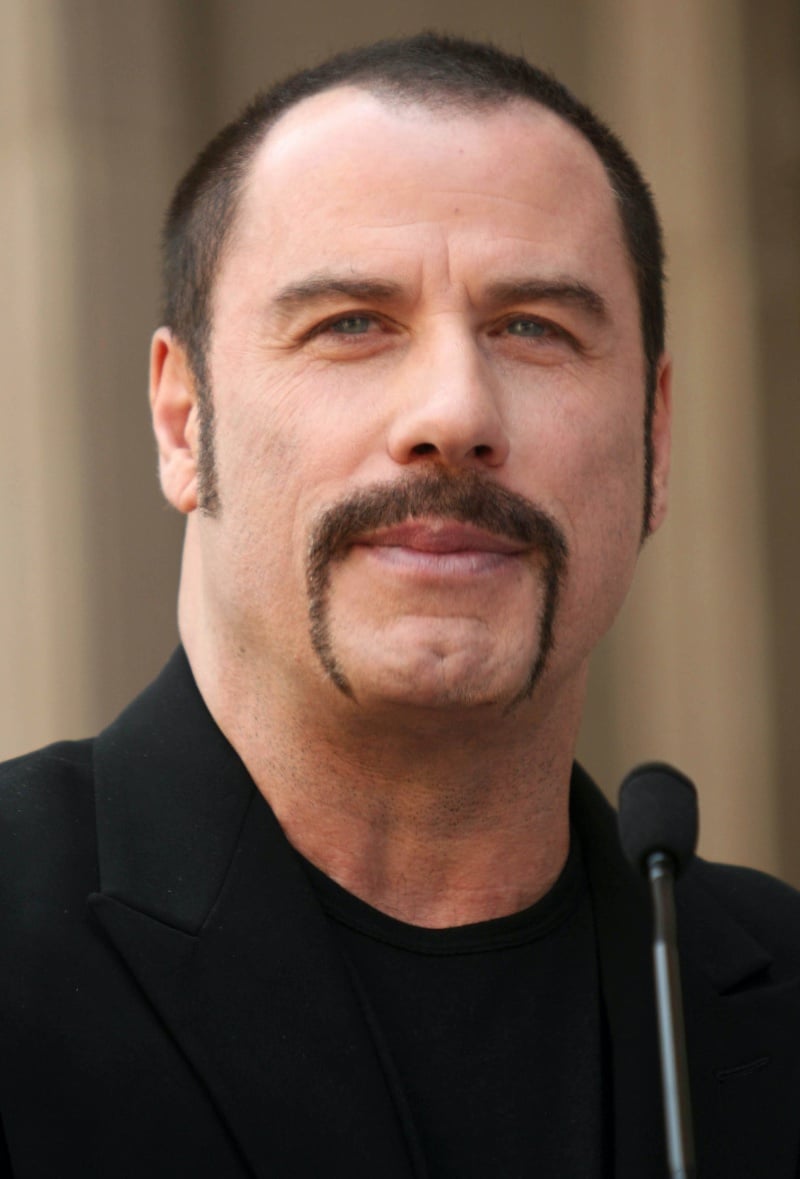
A horseshoe carries thick bars from the mustache down beside the mouth toward the jaw, forming an inverted U. Those bars grow on the face, while a Fu Manchu's long ends hang over bare skin. Keep the chin and cheeks shaved and compare the width of both vertical sections before edging them. Its associations with bikers and wrestlers come from that recognizable outline.
Natural Mustache
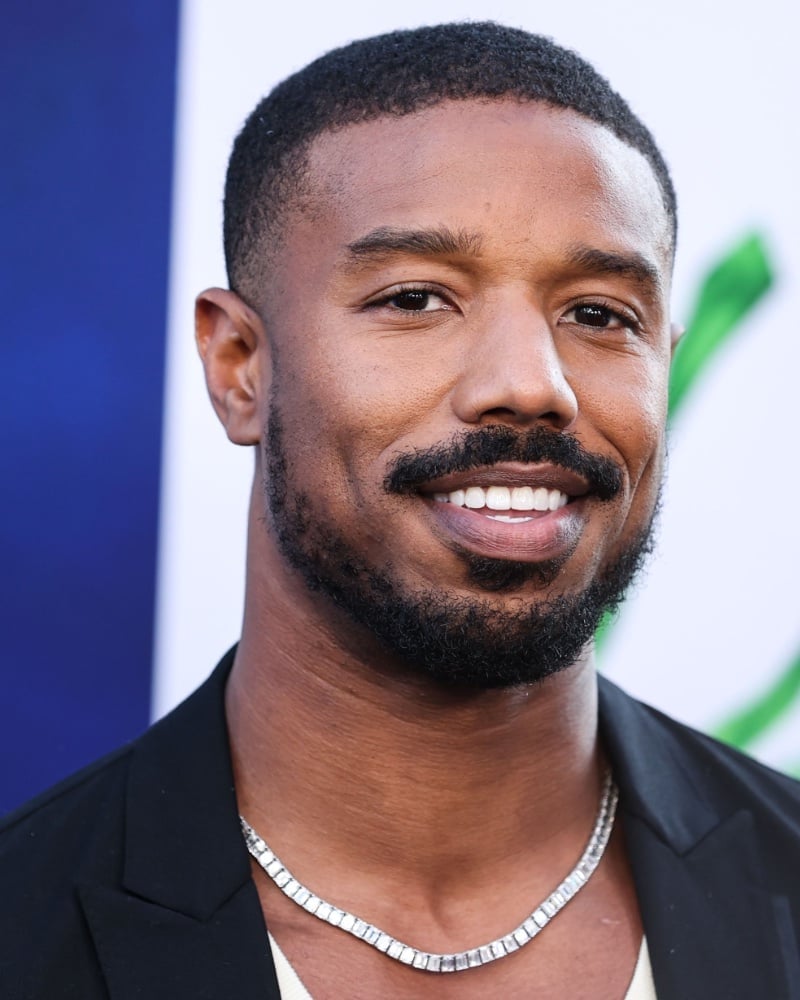
A natural mustache follows the hair's existing width and growth direction, with little styling at the ends. Light trimming can keep the lower edge clear of the lip and remove isolated hairs beyond the corners. The shape may remain narrow or full according to density, so it does not require every wearer to achieve the same outline.
Painter's Brush Mustache
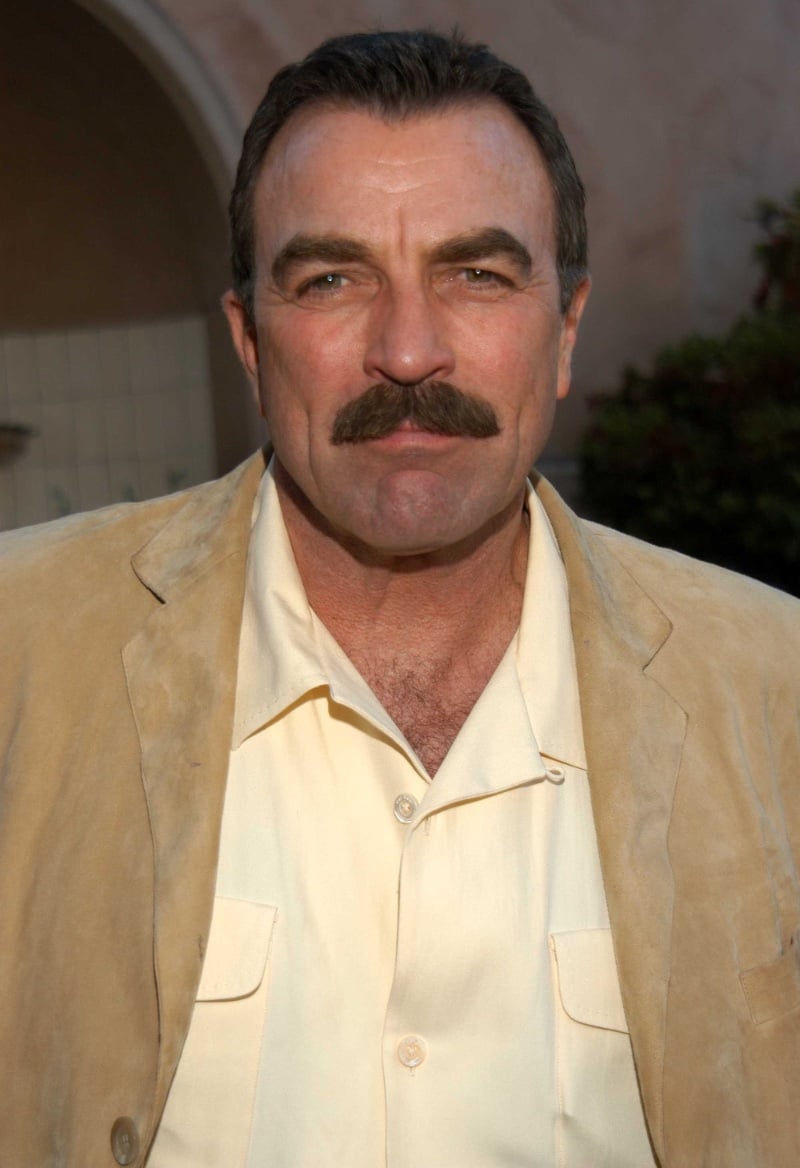
The painter's brush retains a wide band of thick hair with a relatively straight lower edge, resembling a brush's bristles. Tom Selleck wears a full version. The name overlaps with chevron, though the straighter border provides a useful distinction when discussing the cut. Leave weight across the center and trim the outer edges to the intended mouth width.
Pencil Mustache
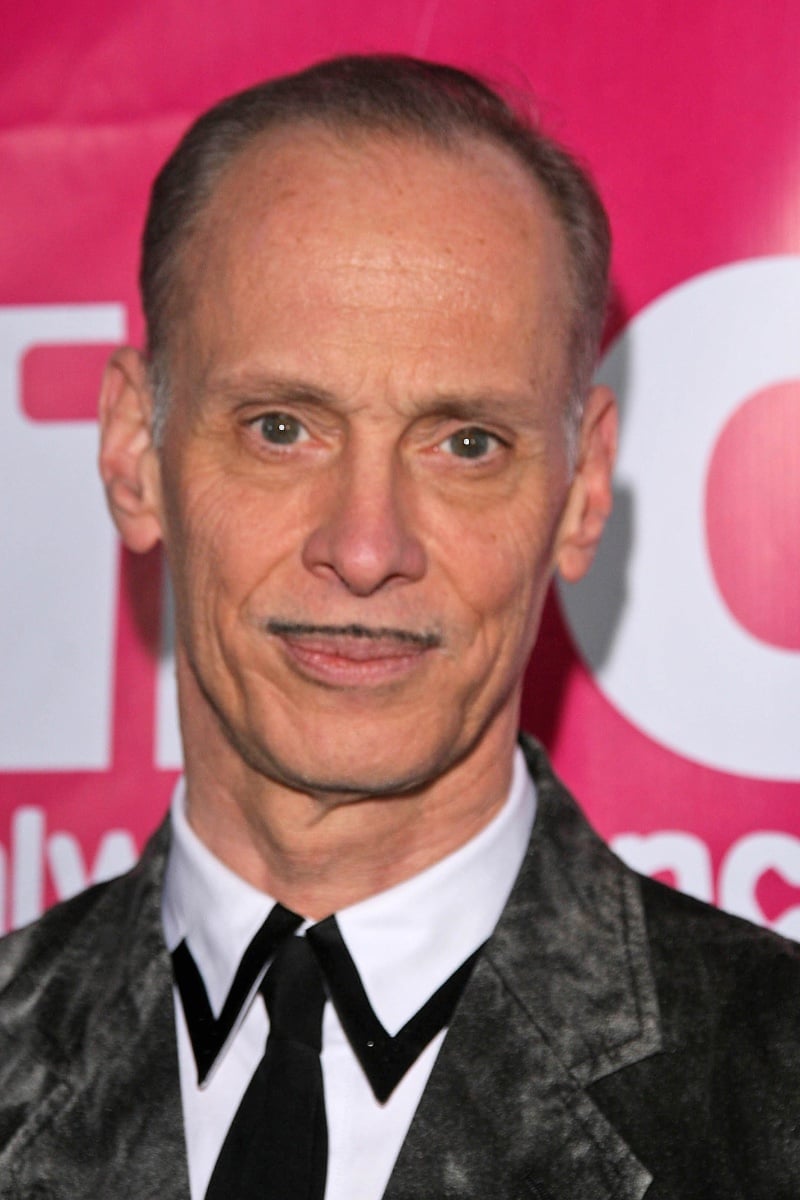
A pencil mustache traces a thin line just above the upper lip, leaving shaved skin between it and the nose. Small changes in thickness show quickly against that bare area. Clark Gable wore a version in his Hollywood films of the 1930s and 1940s, while director John Waters has made a narrower line a signature. Edge it when new growth begins to blur the border, taking off a little at a time.
Pyramid Mustache
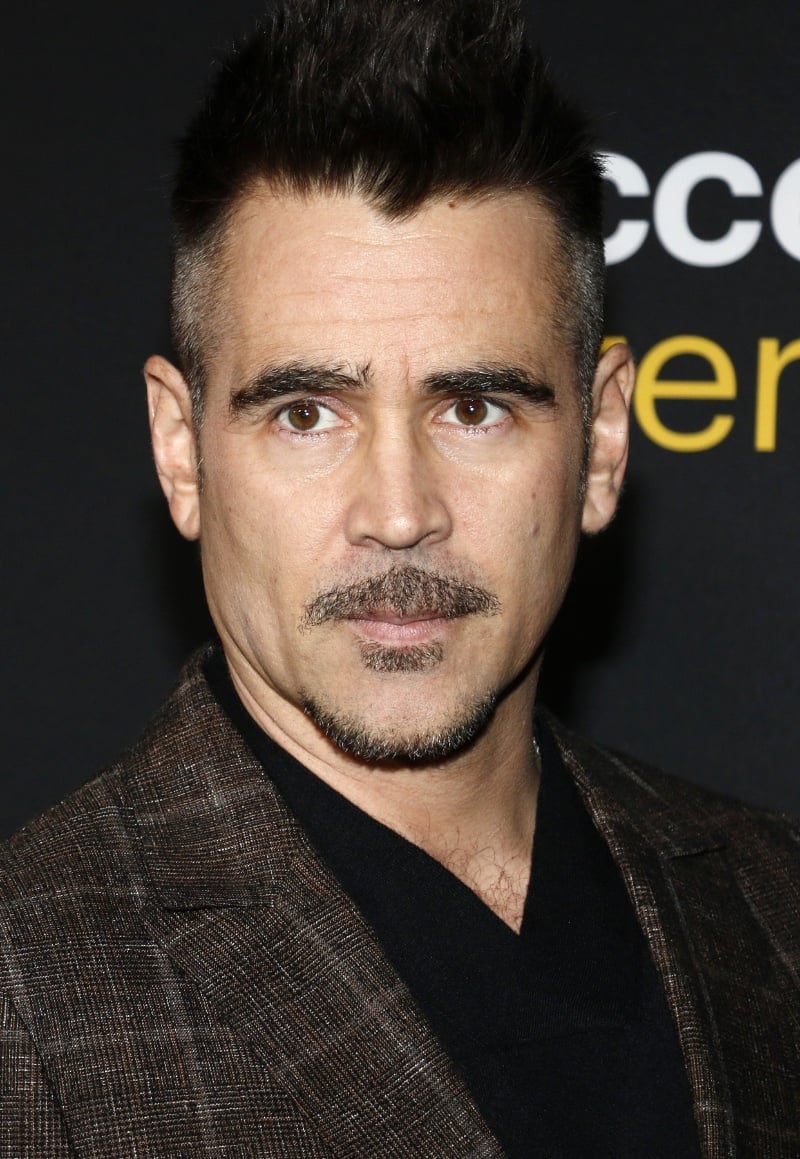
The pyramid narrows beneath the nose and spreads toward a wider base along the upper lip. Its sloping sides give the center more height than the outer corners. Keep the lip edge even, then adjust each diagonal in small steps. Taking too much from one side can shift the apparent center.
Shadow Mustache
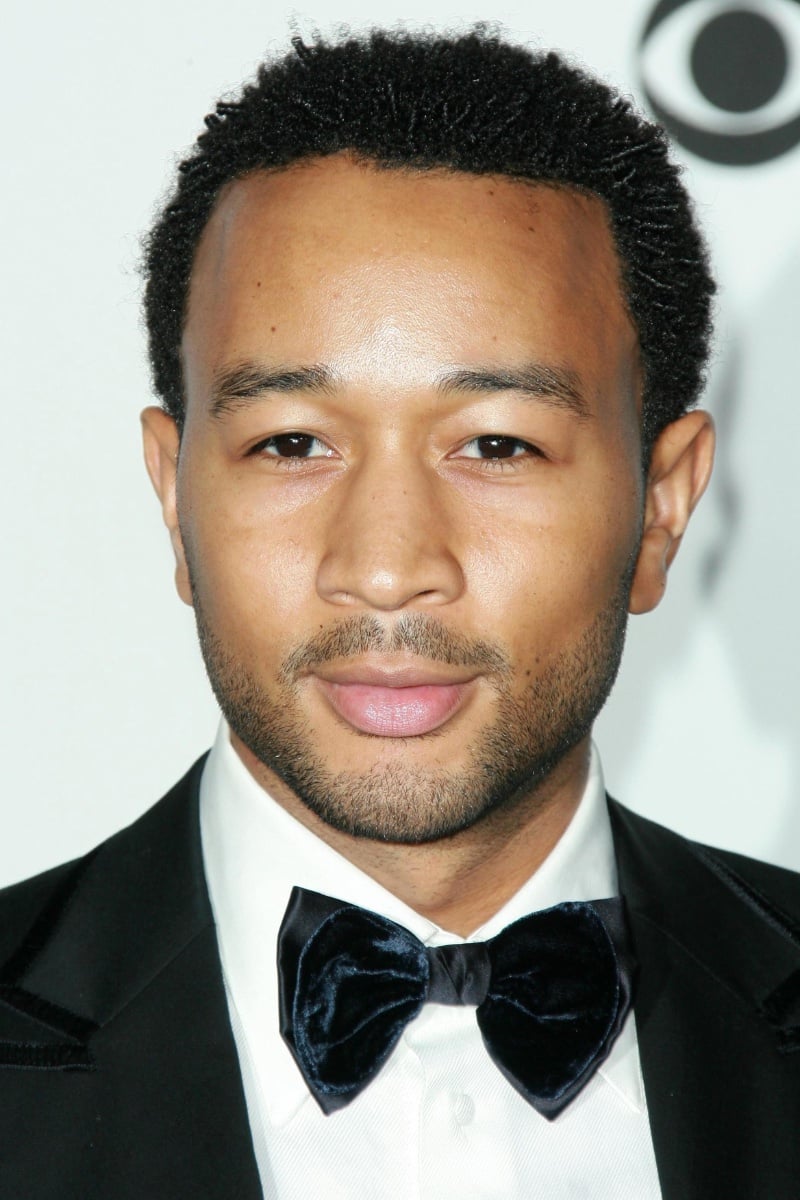
A shadow mustache leaves very short hair across the upper lip, creating a faint band instead of a fuller fringe. Hair color and density determine how visible that band becomes. Use a short trimmer setting to maintain the effect as the hair grows, leaving the natural width intact or tidying only the outer strays.
Toothbrush Mustache
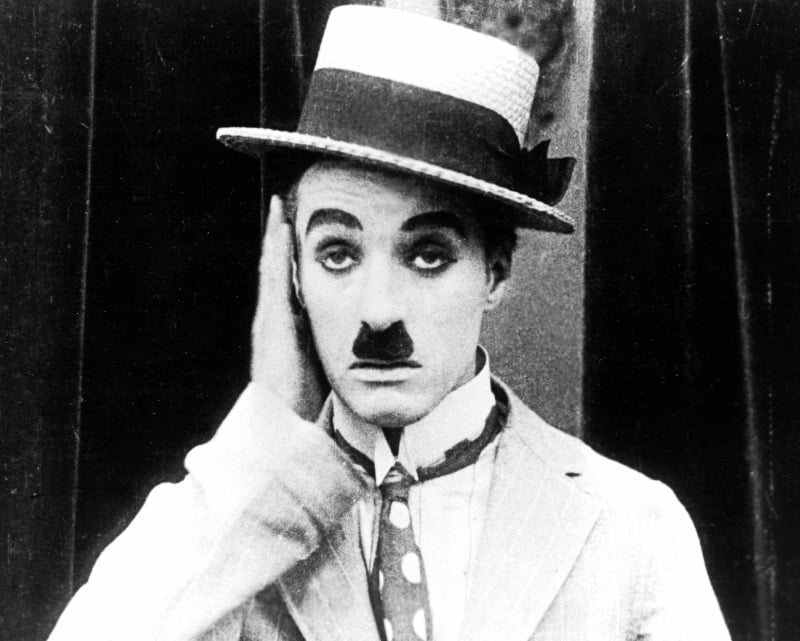
The toothbrush confines thick growth to a narrow rectangle directly beneath the nose, with the outer lip shaved. Charlie Chaplin used it as part of his silent-film character's appearance. It fell out of fashion after its association with Adolf Hitler and remains uncommon. Its narrow width distinguishes it from a full mustache even when both retain substantial depth.
Walrus Mustache
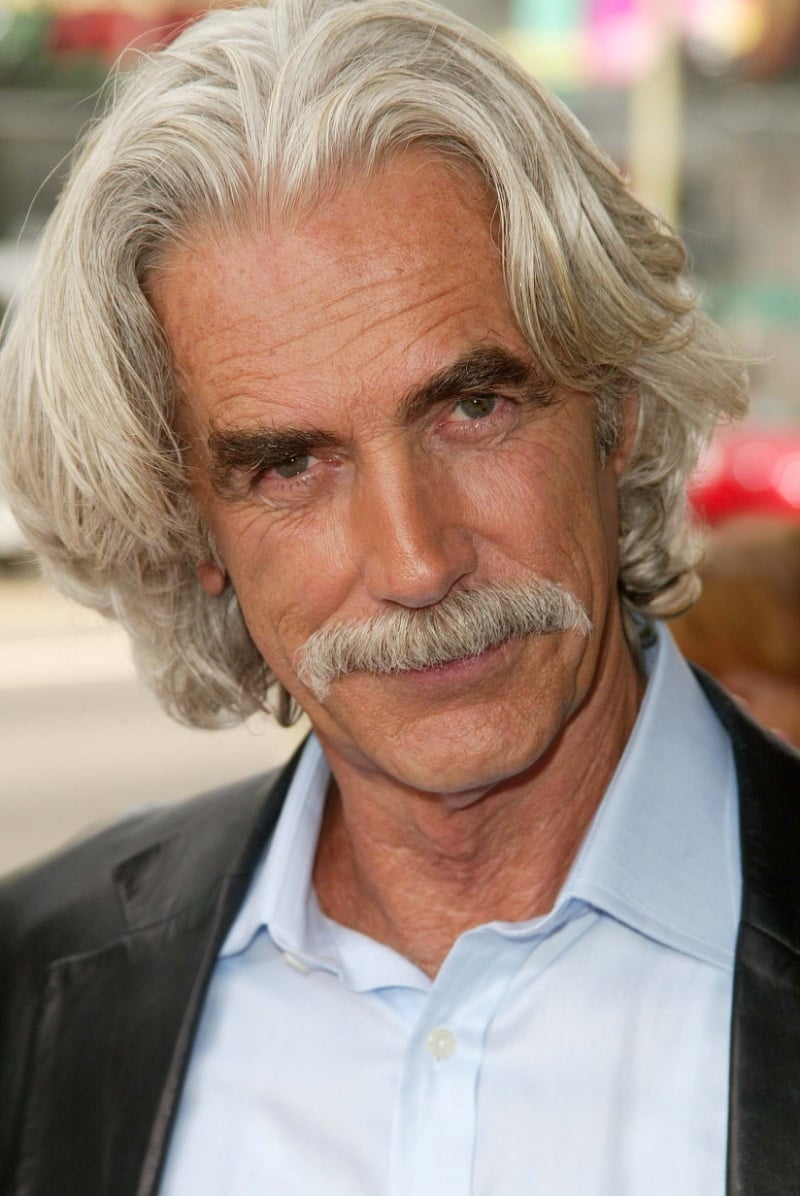
A walrus grows over the upper lip in a heavy curtain, with the ends descending near the mouth corners. Sam Elliott wears a broad version. The hair needs enough length and density to cover the lip, so allow it to grow before reducing the lower edge. Comb it downward and remove only the ends that interfere with the intended fall.
Zappa Mustache
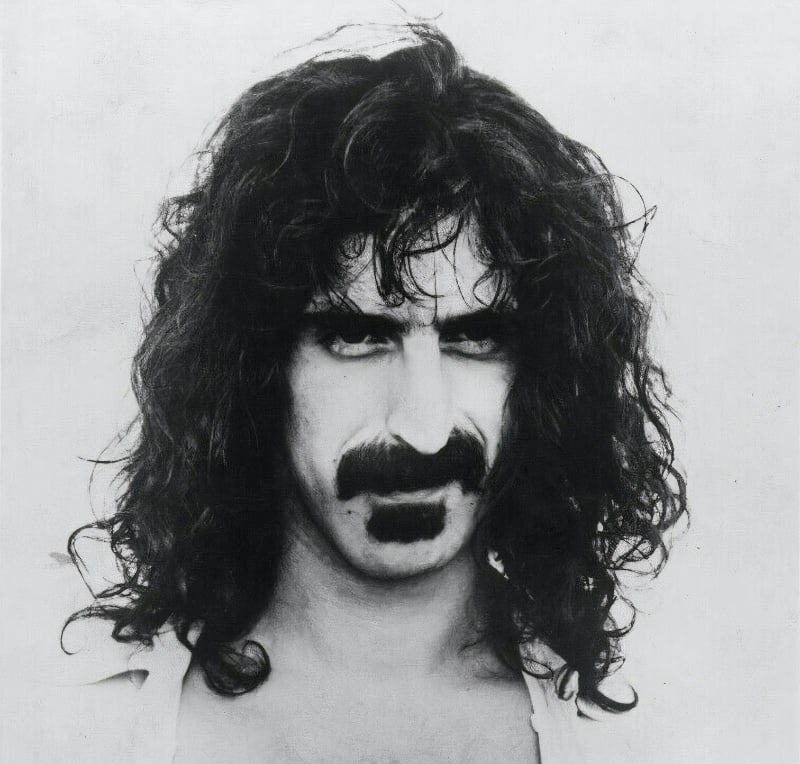

Named after Frank Zappa, the Zappa combines a broad, thick mustache extending slightly beyond the mouth corners with a soul patch below the lower lip. The cheeks and chin around the patch remain bare. Keep a visible gap between the two sections, and trim the mustache ends separately so the width remains distinct from the smaller patch beneath.
How to Choose a Mustache Style
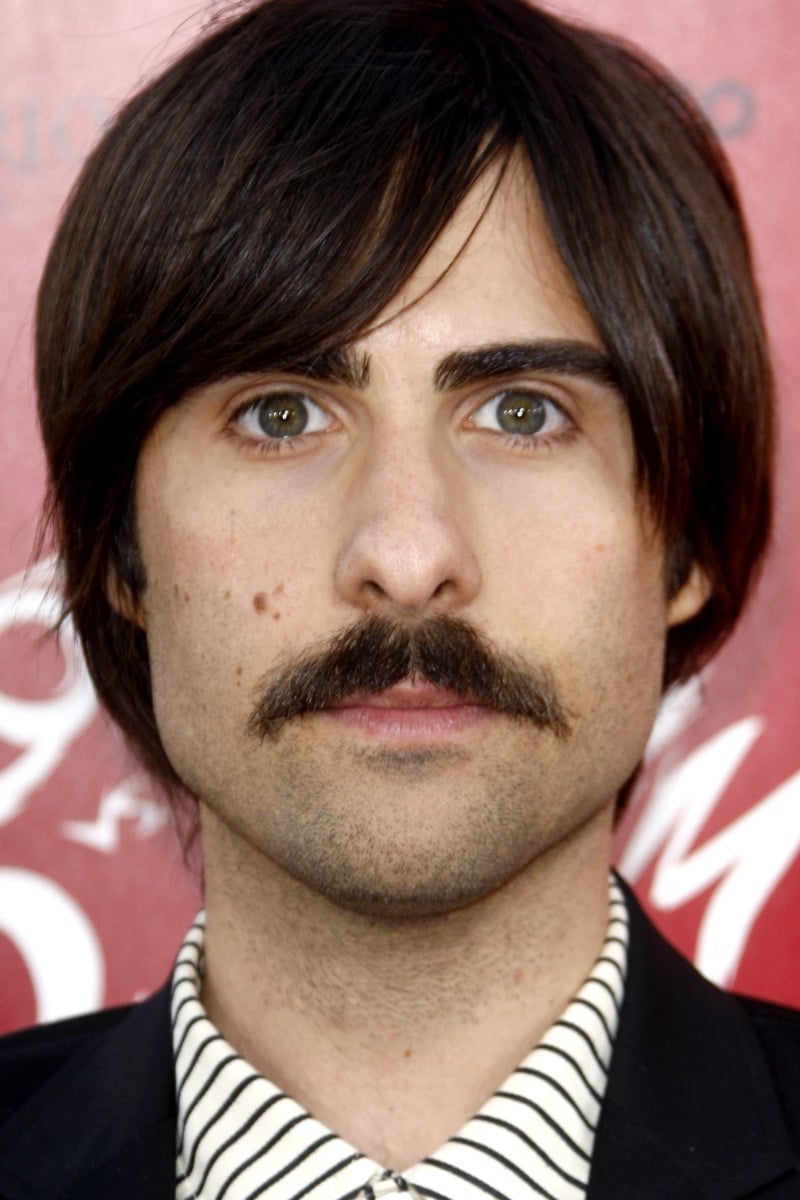
Start with the areas that grow densely enough to retain the desired shape. A narrow pencil needs a continuous line; a walrus needs enough hair to cover the lip. Then consider upkeep. Curled tips may need arranging each day, while a closely edged pencil shows regrowth quickly. A fuller band occupies more of the upper lip, and long ends extend the mouth's apparent width. Choose those proportions alongside the haircut and any beard, then adjust as the mustache grows.
How to Grow & Trim a Mustache
Let the intended shape determine which sections to grow and which to shorten. Check the mustache with the mouth relaxed before cutting.
- Allow enough growth to assess coverage before defining the final edges. A short natural shape needs less length than a handlebar or walrus, and growth rates differ.
- Comb the hair into its usual direction and trim the lower border in small steps with scissors or a trimmer. Preserve extra length where the style needs hanging or curled ends.
- For a handlebar, work a little mustache wax through the outer sections, then turn the tips upward. Add more only if the ends need extra hold.
- Clean the mustache and skin gently and moisturize according to skin type. A little beard oil or balm can soften the hair, but it does not address every cause of itch. Sensitive skin may suit a fragrance-free moisturizer.