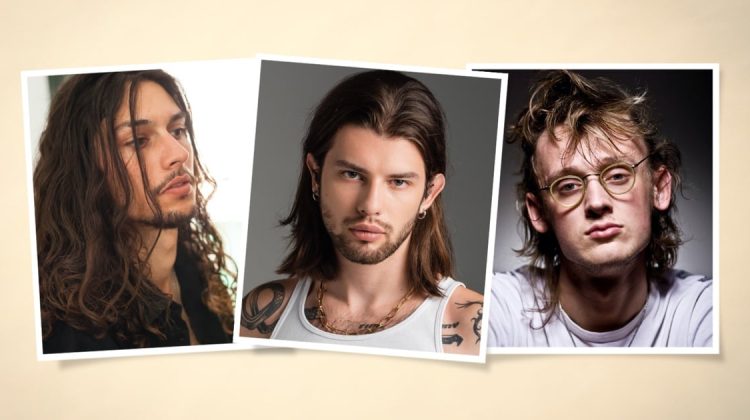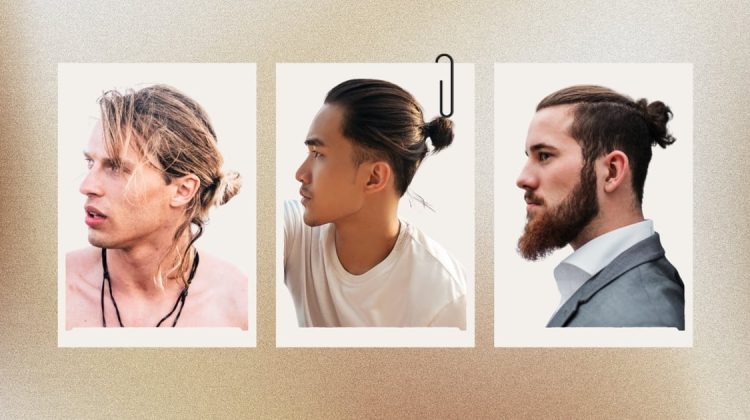
The bro flow haircut leaves enough length for the hair to bend back from the forehead and pass around the ears. Shorter versions end near the nape; longer ones reach the collar or shoulders. As the hair grows, its weight helps the sides settle behind the ears and the ends turn outward along the neck.
What Is a Bro Flow Haircut?
Layers let the upper lengths sit above a longer lower edge, giving the bro flow its backward sweep and flicking ends. A middle or off-center part can open the front, though the hair may also push straight back. Collarbone length is a longer variation, with shorter cuts keeping the same direction nearer the ears.
The amount of styling needed depends on how readily the hair bends back. A light cream can help separate the ends, while curl cream can define individual loops. This version of the flow haircut keeps the front away from the face even when a few shorter pieces fall loose.

Bro Flow by Hair Type
- Straight hair shows the sweep as a continuous surface, with the layers most visible at the ends. Retain enough weight for the sides to tuck back; excessive layering can leave short pieces that spring forward.
- Wavy hair forms ridges through the top and outward bends near the ears. Work with the direction of those waves when drying, separating sections with the fingers if they gather into one broad sweep.
- Curly hair gives the bro flow more width around the temples. Check the layers dry so shrinkage is accounted for, and remove bulk selectively while retaining the length needed to reach behind the ears.

Suitability & Maintenance
Density changes how much layering a bro flow needs. Fine hair can benefit from a fuller lower edge, while dense hair may need weight removed where the sides spread. The choice should follow how the hair falls when dry.
Care changes as the ends reach the ears and neck. Keep the lengths needed for the sweep while tending to the areas that tangle or lose their shape.
- Trim damaged ends and tidy the outline as needed. Ask how much length will be removed, especially when growing toward the collar.
- Wash according to scalp needs and condition the lengths. Concentrate richer conditioner toward dry ends if it leaves the roots too heavy.
- Direct damp hair backward with the fingers or a brush. Let natural bends settle as it dries, then add a little styling product only where pieces need support.

How Long a Bro Flow Takes to Grow
From a buzz cut or short fade, a bro flow takes several months to begin covering the ears and potentially well over a year to reach the collarbone. Hair grows about half an inch a month on average, with individual growth and curl shrinkage affecting the timeline. The awkward stage arrives when the sides spread over the ears but cannot yet tuck behind them.
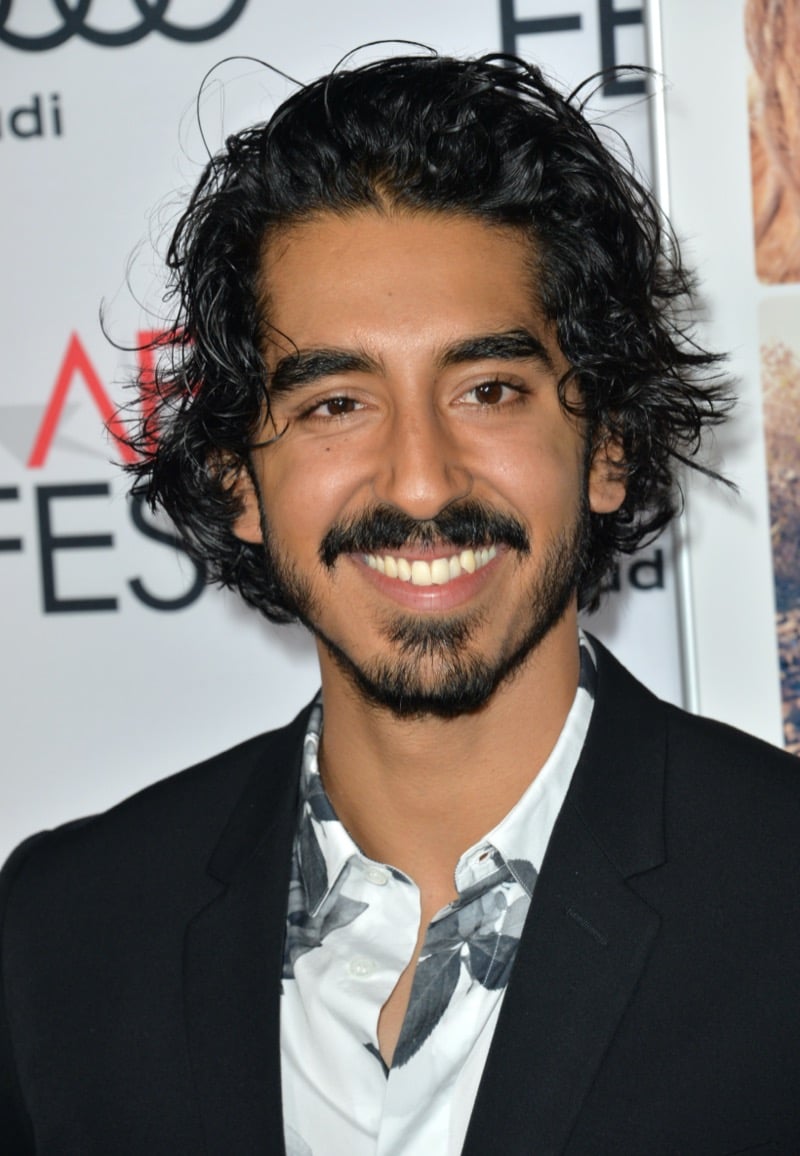
Tidy only the edges that need it while retaining the side lengths that must grow farther. Once they reach behind the ears, tucking them back can establish the sweep. Photographs of Timothée Chalamet or Dev Patel can help show how much curl and side fullness to retain during that stage.
Bro Flow Variations
- A short bro flow passes just over the ears, with the front pushed back and a small turn at the nape. It is an early wearable stage before the rear reaches the collar.
- Bradley Cooper's medium bro flow lifts at the forehead, bends around the ears and flicks outward at the back. Separate waves remain visible above his full beard.
- A messy bro flow lets shorter front pieces escape from the sweep. Uneven bends break up the top while longer side lengths keep the main direction backward.
- A long bro flow extends past the shoulders, approaching a surfer haircut. The lower lengths hang under their own weight, while shorter front layers turn back beside the face.
Cultural Moment
The bro flow shares the layered outline of the 1970s shag and the longer lengths associated with the 1990s surfer cut. Its distinct feature is the sweep away from the forehead, visible in both shorter, ear-length versions and cuts that extend to the shoulders. The amount of texture left through that sweep changes the finish more than a fixed length does.
Key Takeaway
The wait is most noticeable before the sides reach behind the ears. Retaining that length lets the sweep take shape, while selective trims keep the lower edge from becoming ragged. Choose the stopping point by the outline wanted, from a small nape flick to ends that reach the shoulders.